
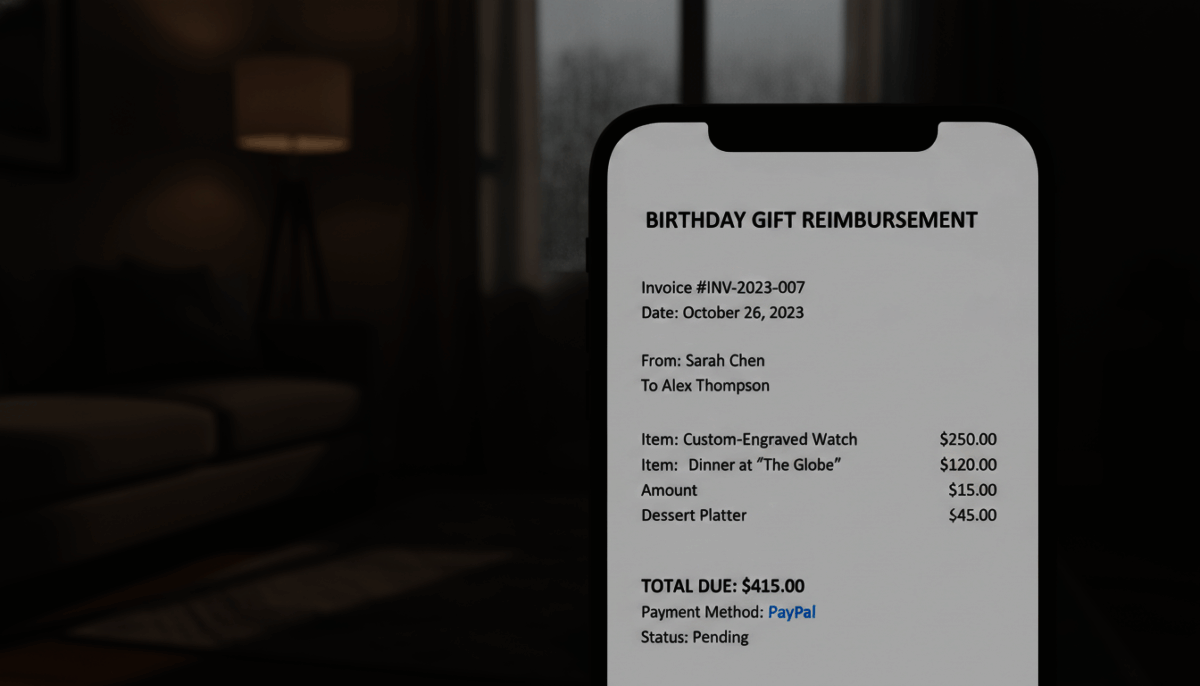
Friendship is often viewed as a sanctuary—a place where transactions of the heart exist outside the cold, hard logic of the marketplace. We give gifts not as investments, but as symbols of affection, shared history, and the simple desire to see someone we care about smile. But what happens when the foundation of that trust erodes, and a former friend decides to retroactively label every act of generosity as a debt to be collected?
This is the story of Sarah and Elena, two women who were once inseparable, navigating the chaotic transition from their early twenties into the sobering realities of adulthood. For years, their bond was marked by coffee shop gossip, road trips, and the inevitable cycle of birthday celebrations. It was a relationship that felt permanent until the inevitable drift of differing values, career paths, and lifestyle choices pushed them into separate orbits.
Silence became the status quo for nearly two years. There was no explosive fallout, no dramatic betrayal—just the quiet fading away that occurs when two lives no longer fit together. That silence, however, was shattered on a Tuesday morning by a notification that would force a confrontation no one saw coming.
When a simple, polite dismissal of a life update turned into a cold, itemized demand for repayment for a gift given twenty-four months prior, the reality of the situation hit like a physical blow. The following account details the descent from a casual reconnection into a bizarre, petty financial ultimatum that has left an entire circle of friends bewildered.
As we navigate the breakdown of this boundary-less request, we find ourselves grappling with the deeper question: Is a gift ever truly a gift if it comes with an expiration date, and how do we handle those who seek to monetize our shared past to punish us for our present independence?
The Tuesday Morning Notification That Started It All

The Tuesday morning began like any other. I was sipping coffee, answering emails, and preparing for a day of remote work when my phone buzzed. The name on the screen—Elena—was one I hadn’t seen in my notifications for close to two years. My heart sank, not because of lingering trauma, but because of the instinctive awkwardness of a ghost from the past reaching out after a long period of radio silence.
I opened the message, expecting a vague ‘hope you’re doing well’ or perhaps an apology for the drifting silence. Instead, I was met with a blunt, clinical paragraph that felt like it had been drafted by a debt collection agency rather than a woman I once shared secrets with in the back of a taxi.
“Hey, I’ve been doing some reflecting on our friendship lately and honestly, I feel like you owe me. You remember that vintage designer bag I bought you for your 25th birthday? I checked the receipt—it was $350. Since we aren’t friends anymore and you don’t even use it, I expect you to Venmo me the equivalent since I could really use the money now.”
— Text Message from Elena
I stared at the screen, reading the words three times to ensure I wasn’t hallucinating. A birthday gift. Two years ago. Being recalled like a faulty product under warranty. The audacity was so staggering that my initial reaction wasn’t anger; it was a confused, hollow sense of disbelief. I had actually donated that bag to a charity drive months ago, not out of malice, but because I was decluttering my life.
The sheer transactional nature of the request made my stomach turn. It transformed every shared memory, every birthday dinner, and every laugh into a ledger of accounts receivable. It wasn’t about the money; it was about the retroactive re-framing of our entire history as a business transaction that I had somehow defaulted on.
I took a breath, stepped away from the desk, and looked out the window. The world outside was moving, completely unaware that a piece of my past had just attempted to reach out and grab my wallet. I knew then that replying with raw emotion would only feed the fire, but my hands were shaking as I typed out my first response to the void.
The Anatomy of a Retroactive Debt

I decided to keep my reply professional, despite the urge to tell her exactly where to shove her request. I typed out a message that emphasized the definition of a gift versus a loan, hoping that perhaps she was just in a moment of extreme financial distress and didn’t realize how insane she sounded. I kept it brief, firm, and entirely devoid of emotional vulnerability.
“Elena, that bag was a gift for my birthday, not a loan. I don’t owe you any money for something you chose to give me two years ago. I’m sorry you’re having financial trouble, but I am not the one who should be paying for it.”
— My Response to Elena
The reply was instantaneous. It was as if she had been hovering over the ‘send’ button, waiting for me to provide the target she needed to unload her frustrations. Her next message arrived with a sense of entitlement that truly chilled me. It became clear that this wasn’t about the bag at all; it was about power, or perhaps, a desperate attempt to exert control over a relationship she could no longer access.
She started listing other things—tickets to a concert I couldn’t attend, a dinner she ‘treated’ me to when she forgot her wallet, and a dozen other micro-transactions she had clearly been cataloging for years. It was an inventory of resentment. Every time she had been ‘nice’ to me, she had been keeping score, waiting for the day the friendship ended so she could send a final, devastating invoice.
I realized then that our friendship had been an illusion. While I thought we were building memories, she was building a debt ceiling. It was a suffocating realization. How many other people in her life were currently living with these invisible, ticking time bombs of ‘gifts’ that could be called in at any moment of her choosing?
I shut my phone off. I couldn’t handle the barrage of notifications. I felt a strange sense of shame, as if I had been an accomplice to this madness without even knowing it. The anxiety began to set in, a low hum in the back of my skull that reminded me why we had stopped being friends in the first place: the constant, underlying pressure to perform, to be perfect, to be indebted.
The Group Chat Exposure
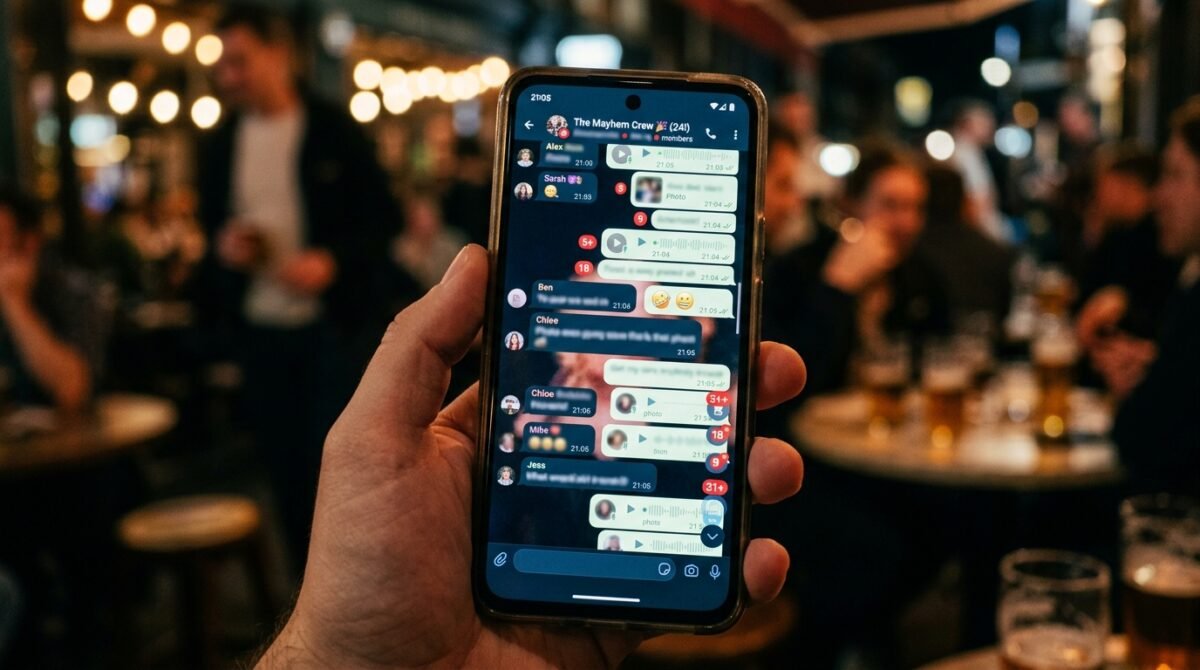
By the afternoon, the situation had escalated from a private nuisance to a public spectacle. Elena had taken screenshots of our conversation—conveniently omitting my reasonable rebuttal—and posted them into a shared group chat we both belonged to, titled ‘The Inner Circle.’ This was a group of old college friends who hadn’t spoken in months, a digital ghost town until this moment.
Her message in the chat was designed to frame me as a ‘user’ and a ‘thief.’ She played the victim card perfectly, framing herself as a struggling friend who was just trying to recover her losses from someone who ‘took everything and gave nothing back.’ The silence in the group chat was palpable for about twenty minutes, and then, the floodgates opened.
“I don’t know what’s happening here, but this is incredibly petty. Who asks for a birthday gift back from two years ago? I’m honestly shocked you’d bring this into the group chat, Elena.”
— Sarah (a mutual friend)
The chat exploded. Some people were genuinely horrified, while others—those who perhaps held their own hidden grudges—started to pick sides. I sat in the middle of it all, reading through the chaos, watching my character being assassinated in real-time. It was a surreal experience, seeing people I used to trust weigh in on a conflict that was fundamentally based on a lie.
Elena kept pushing, demanding that if I ‘actually had any integrity,’ I would pay up. She was performing for an audience, using the group chat as a courtroom where she was both the judge and the jury. I realized that my silence was being interpreted as guilt by those who didn’t know the full story, and I had to decide whether to defend myself or walk away entirely.
I opted for a middle ground. I sent one final, clarifying message to the group, attaching the screenshots of her original, aggressive demand for the bag, and then I muted the chat. I didn’t want to be part of the mud-slinging. I knew that anyone who really cared about me would reach out privately, and the rest were just there for the entertainment value of the drama.
The Reddit Trial: Community Verdicts
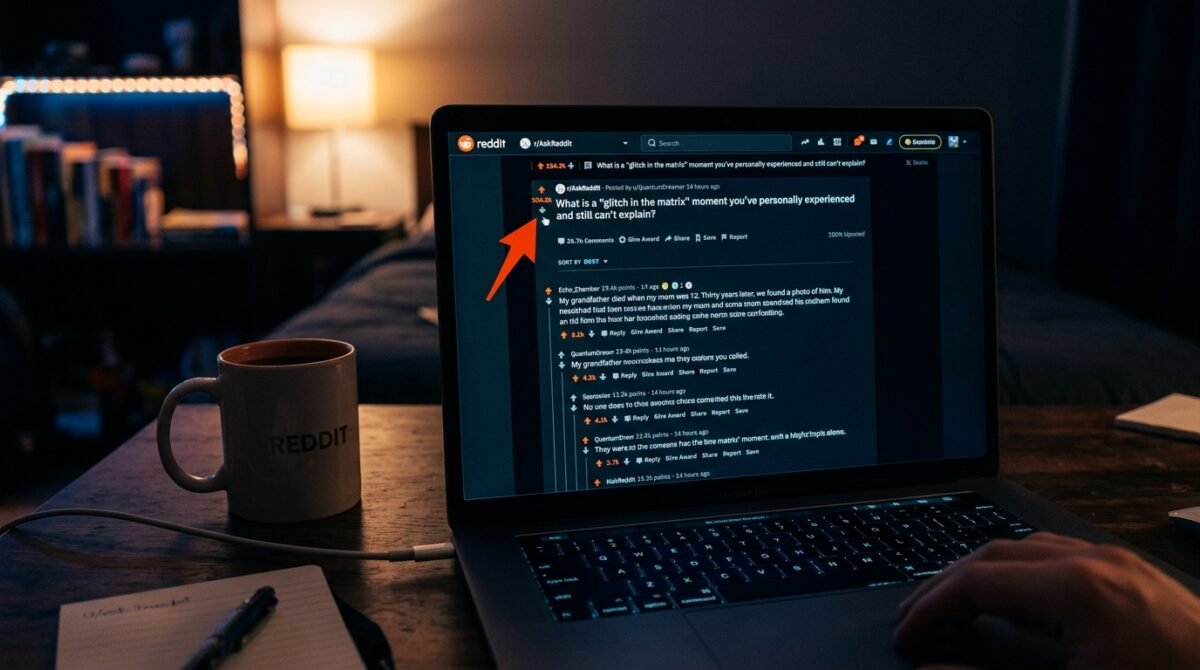
I knew I needed perspective, so I took the ‘anonymized’ route. I posted the story to a popular subreddit dedicated to relationship dilemmas and petty conflicts. Within an hour, the post had blown up. The internet, as it turns out, has a very low tolerance for people who treat friendship like an investment portfolio.
“This is the definition of a ‘sunk cost fallacy’ turned into a personality disorder. Gifts are not loans. If she wanted to be repaid, she should have made it a loan at the time. Block her and move on. You owe her nothing, not even a response.”
— u/ReasonableObserver (Top Comment, 32.1k upvotes)
Reading the comments was strangely cathartic. Thousands of strangers were validating my confusion and anger. Many shared their own stories of ‘friendship vampires’ who kept secret ledgers of perceived debts. It was a stark reminder that I wasn’t alone, and more importantly, that I wasn’t the crazy one in this scenario. The consensus was overwhelming: NTA (Not The Asshole).
“It sounds like she’s projecting her current financial failures onto your past success. By ‘reclaiming’ these gifts, she’s trying to reclaim a sense of agency that she feels she’s lost in her own life. It’s sad, but it’s not your cross to bear. Keep your boundaries firm.”
— u/PsychExplained (8.4k upvotes)
There were, however, a few dissenting voices—the devil’s advocates who suggested I should just pay the money to make it go away. They argued that peace of mind was worth $350. But the Reddit community quickly shot those down, noting that paying a ransom to a bully only guarantees they will come back for more. If I paid for the bag, she would eventually come back for the dinner, the concert tickets, and the time she spent listening to me talk about my problems.
The feedback loop of the internet served as a digital mirror. It reflected back the absurdity of the situation and empowered me to maintain my position. I stopped checking the post after it hit 50k upvotes, feeling a sense of closure that the real-life conflict had failed to provide. The internet had spoken, and it had confirmed that I was not obligated to pay for a ghost’s regret.
The Certified Letter Surprise
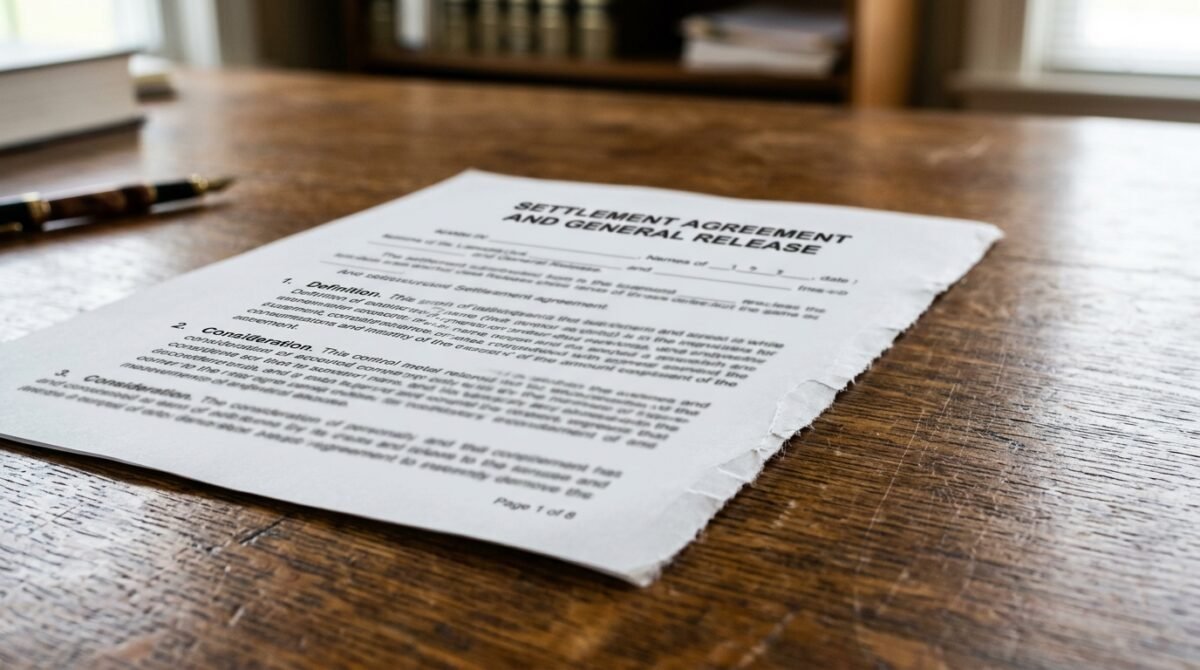
Just when I thought the situation had reached a stalemate, the front door bell rang on a Saturday morning. I wasn’t expecting any packages. When I opened the door, a delivery person handed me a thick envelope that required a signature. My heart skipped a beat as I saw the return address: a legal firm in our shared hometown. My mind raced through the possibilities, but nothing could have prepared me for what was inside.
It was a formal notice, written in legalese, demanding repayment for a series of ‘services and gifts’ provided by Elena over the last three years. The letter was so ridiculous it bordered on satire. It included an itemized list of every coffee, every dinner, and yes, the designer bag. It even calculated ‘interest’ on the amounts, as if our friendship had been a predatory high-interest loan.
I stood there on my porch, the paper trembling in my hands. The audacity to escalate this to a legal firm was the next level of psychological warfare. I called a family friend who practiced law, and after he finished laughing for a full minute, he explained exactly why this letter was worth the paper it was printed on: absolutely nothing. It was an intimidation tactic, pure and simple.
The letter contained a threat of small claims court if the ‘debt’ was not settled within fourteen days. I felt a surge of genuine fear—not of the law, but of the lengths she was willing to go to harass me. It was a violation of my privacy, my peace, and my sanity. The ‘friend’ I once knew was entirely gone, replaced by a stranger who was willing to weaponize the legal system for a petty vendetta.
I spent the afternoon gathering all the evidence I had: text messages, emails, and any proof that these items were indeed gifts given during birthdays or holidays. My lawyer friend advised me not to engage with the firm directly, but rather to wait until, or if, she actually filed a claim. The waiting game had begun, and it was agonizing.
A Mirror Into Her Resentment

Why was she doing this? The question haunted me, leading me down a rabbit hole of self-reflection. I started looking back at our friendship with a critical eye, noticing the cracks that I had ignored for years. Elena had always been obsessed with status, with the perception of wealth, and with keeping score. I had been too blinded by our history to see the transactional nature of her personality.
She had never been happy for my successes; she had been envious. She hadn’t given me gifts because she loved me; she had given them to ensure I owed her, so she could hold them over me later. It was a form of emotional hoarding. She was collecting debts, not friends. Every ‘kind’ act was a deposit into a bank of leverage she intended to use as soon as she felt she was falling behind in life.
Understanding this didn’t make it hurt less, but it made it make sense. It wasn’t about the money. It was about her inability to handle the fact that I had moved on, grown, and found happiness independent of her. My existence, thriving without her, was a constant reminder of her own stagnation. The invoice was her way of trying to drag me back down to her level, to make me as bitter and transactional as she was.
I realized that my guilt over the situation was a remnant of the person I used to be when I was her friend—a person who was constantly trying to appease her, to manage her moods, and to ensure she felt ‘equal’ to me. I was shedding that skin, and it was painful. The process of mourning the friendship, even a toxic one, was a necessary step toward total freedom.
I sat down and wrote a letter to her—not to send, but to burn. I listed all the things she had taken from me: my time, my trust, and my peace of mind. By the time I finished, I felt a weight lift. I was no longer the girl who owed her anything. I was a person who had survived a parasite, and I was ready to close the book on this chapter for good.
The Final Confrontation at the Coffee Shop

Fate, as it often does, decided to force a final confrontation. I ran into Elena at a local coffee shop—a place we both used to frequent. She saw me, her eyes hardened, and she marched over to my table, ignoring the fact that I was in the middle of a meeting. She didn’t look like she was doing well; she looked frazzled, desperate, and deeply unhappy.
“I hope you got the letter. I’m not playing around anymore. You think you can just cut me off and act like those years didn’t exist? You owe me, and I’m going to make sure everyone knows exactly what kind of person you are.”
— Elena, face-to-face confrontation
I didn’t flinch. I looked her directly in the eye and kept my voice steady, though my heart was hammering in my chest. I knew that the shop was full of people, and I had no intention of making a scene, but I wasn’t going to be bullied anymore. The power dynamic had shifted irrevocably, and for the first time, she was the one looking small.
I replied quietly, “Elena, you are hurting, and I am truly sorry for that. But your financial choices and your feelings of resentment are not my responsibility. You are not going to harass me, and you are not going to sue me for gifts you gave of your own free will. If you continue this, I will be forced to file a restraining order for harassment. Please, stop.”
The silence that followed was heavy. She looked at me, searching for the old ‘me’—the one who would apologize, the one who would offer to pay, the one who would fix it. She didn’t find her. She found someone who was tired, firm, and entirely indifferent to her threats. She turned on her heel and walked out, leaving her half-drunk latte on the table. It was the last time I ever saw her.
The relief that followed wasn’t a sudden explosion of joy, but a quiet, steady sense of peace. I had stood my ground. I had protected my peace. And most importantly, I had realized that I was capable of defending myself against someone I once loved, without losing my integrity in the process. It was the most empowering moment of my life.
The Aftermath and Moving On

In the months that followed, the noise slowly died down. The legal firm eventually stopped sending letters, clearly realizing that their client had no leg to stand on and was perhaps becoming more trouble than the hourly billing was worth. I never heard from Elena again. Some of our old friends drifted away, unable to deal with the awkwardness, but the real ones stayed, supporting me through the entire ordeal.
I learned a lot about boundaries through this experience. I learned that you cannot reason with someone who is committed to misunderstanding you. I learned that ‘no’ is a complete sentence and that people who treat you like a transaction will always seek to devalue you in the end. It was an expensive lesson, not in money, but in emotional labor, yet I wouldn’t trade the clarity it brought me.
I started investing in friendships that were built on mutual respect and genuine care, rather than the performative gestures I had been used to. I became more selective about who I allowed into my inner circle, and I stopped feeling the need to explain or justify my life to people who were only looking for reasons to hold me back. The ‘bag incident’ became a funny story I told at parties—a cautionary tale about the importance of knowing when to walk away.
My life became simpler, quieter, and infinitely more fulfilling. I no longer feel the need to keep score, and I no longer worry about what people think of my choices. I have learned to recognize the signs of a transactional friendship early, and I have the tools to address them before they escalate. It’s a freedom I didn’t know I was missing until I finally claimed it for myself.
As for Elena, I wish her nothing but the best, but from a very, very long distance. I hope she finds the peace she was looking for in those invoices, and I hope she realizes that the only debt she was ever truly collecting was the one she owed to herself. I’ve moved on, and in doing so, I’ve found a version of myself that is stronger than I ever was before.
Conclusion
The story of Elena and the ‘debt of gifts’ is a stark reminder of the toxicity that can fester when boundaries are ignored and transactions replace human connection. While it began as a petty conflict, it spiraled into a profound test of self-worth and the ability to maintain one’s integrity in the face of irrational demands. We often talk about ‘friendship breakups’ as if they are less significant than romantic ones, but this narrative proves they can be just as complex and emotionally draining.
At the core of this conflict lies a fundamental truth: a gift is a gift precisely because it is unconditional. When someone tries to attach a price tag to a memory or an act of kindness, they aren’t just revealing their own desperation; they are insulting the very history they claim to value. By standing firm and refusing to engage in the madness, the protagonist reclaimed her narrative and established a boundary that was long overdue.
As we close this chapter, we invite you to reflect on your own experiences. Have you ever encountered a ‘friend’ who keeps a secret ledger of your interactions? How do you maintain boundaries when someone from your past tries to re-enter your life with demands for ‘repayment’ of affection or generosity? Let us know in the comments below—your stories help us all navigate the difficult, and often messy, landscape of human relationships.
Discussion Question: Have you ever had a friend demand repayment for a gift or an act of kindness after a falling out? How did you handle it, and do you regret the way you responded?
What's your verdict on this dilemma?
Vote below to contribute to the official community consensus.

Have a Dilemma Keeping You Up at Night?
Share your real-life feud, wedding chaos, or relationship crossroads anonymously with our editorial team.
What do you think ?
0 Comments🛡️ Comments are moderated to protect community integrity. Your comment will appear once approved by the editorial team.