

Growing up, the existence of the ‘College Fund’ was a constant, comforting background hum in my life. Every birthday, every holiday, my grandparents—who lived modestly but loved deeply—would tuck away checks and cash into a high-yield account meant for my future. It was a promise of autonomy, a golden ticket that would allow me to pursue my dreams without the crushing weight of student debt. By the time I turned seventeen, the account had swelled to nearly $42,000, thanks to years of careful investment and compounding interest.
My parents, however, always seemed to view this money not as a sacred trust, but as a slush fund they were unfairly denied. My father would often make snide comments about how ‘lucky’ I was, while my mother would lament that they ‘deserved’ a break for all the work they put into raising me. I dismissed these comments as petty jealousy, never imagining for a second that they would actually reach into the digital vault and pull the plug on my future.
The betrayal didn’t happen in a fit of rage, but in a calculated, cold-blooded maneuver that occurred just two weeks before my eighteenth birthday. I had been planning my college applications, mapping out my dorm life, and feeling that distinct, nervous excitement of a young adult on the precipice of freedom. Little did I know, the foundation of that future had already been dismantled, brick by brick, while I was at school.
When I finally gained full legal access to the account on my birthday, the screen didn’t show the expected balance. It showed a series of rapid-fire transfers to an external account I didn’t recognize, followed by a final, soul-crushing ‘Available Balance: $0.00.’ The silence in my bedroom that morning was absolute, a heavy, suffocating pressure that signaled the end of my childhood and the beginning of a war I never wanted to fight.
This is the story of how I discovered that my family’s idea of ‘supporting’ me was actually a calculated theft, and why, at eighteen years old, I realized that the only way to save myself was to walk away from everyone who claimed to love me while simultaneously destroying my life.
The Morning the Digital Vault Went Cold
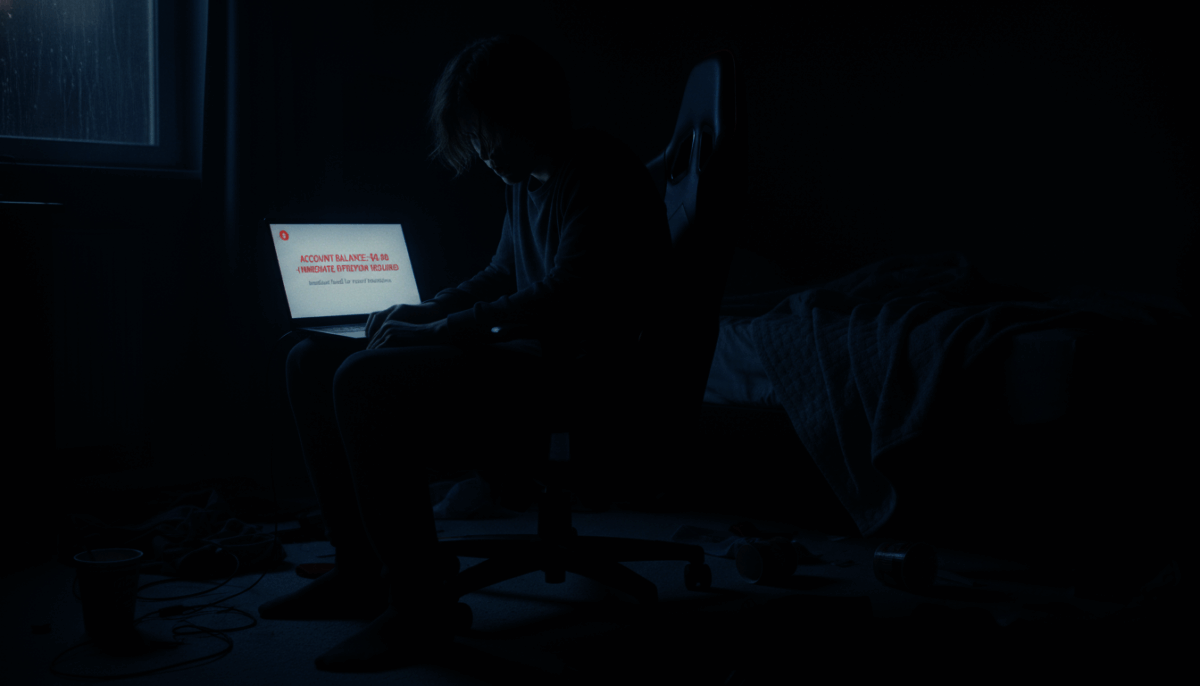
I remember the exact shade of blue the banking app turned when it loaded. It was a crisp, clinical color that contrasted sharply with the nausea rising in my throat. I had gone to the site with the intention of finally paying my deposit for the state university. I felt grown-up, responsible, and prepared. I even had a small celebratory cupcake waiting in the kitchen.
The screen flickered. The balance didn’t display immediately, which was normal. Then, the numbers appeared. $0.00. I blinked, sure that it was a technical glitch. I refreshed the page. $0.00. I navigated to the transaction history, my heart drumming against my ribs like a trapped bird. My fingers moved mechanically, clicking through the ledger that documented my grandparents’ legacy being liquidated in chunks of five and ten thousand dollars over a period of three months.
“I just need to see if it’s a system error. It has to be an error. My grandparents wouldn’t have left it vulnerable. It was locked. It was supposed to be locked until I turned eighteen.”
The transfers were labeled ‘Gift Transfer: Vehicle Maintenance and Hobbies.’ My blood turned to ice. My cousin, Mark, had been complaining for months about how his entry-level dirt bike wasn’t ‘competitive enough’ for the local circuit. My father had often been seen tinkering with those bikes in the garage, laughing about how ‘the kid had potential.’ The pieces clicked together with the sickening finality of a lock engaging.
I sat on the edge of my bed for what felt like hours. I didn’t cry. I didn’t scream. I felt an odd, detached clarity. The safety net was gone, and with it, my trust in the two people who were supposed to be my primary protectors. I closed the laptop, walked out to the kitchen, and saw my mother pouring coffee, completely oblivious that I had just watched her execute the biggest betrayal of my life.
“Happy birthday, honey!” she chirped, oblivious to the fact that my entire world had shifted on its axis. I looked at her—the woman who taught me to be honest, the woman who told me that hard work was rewarded—and I realized I was looking at a stranger. The hypocrisy was so thick I could practically taste it in the stale morning air of our kitchen.
The Confrontation in the Kitchen
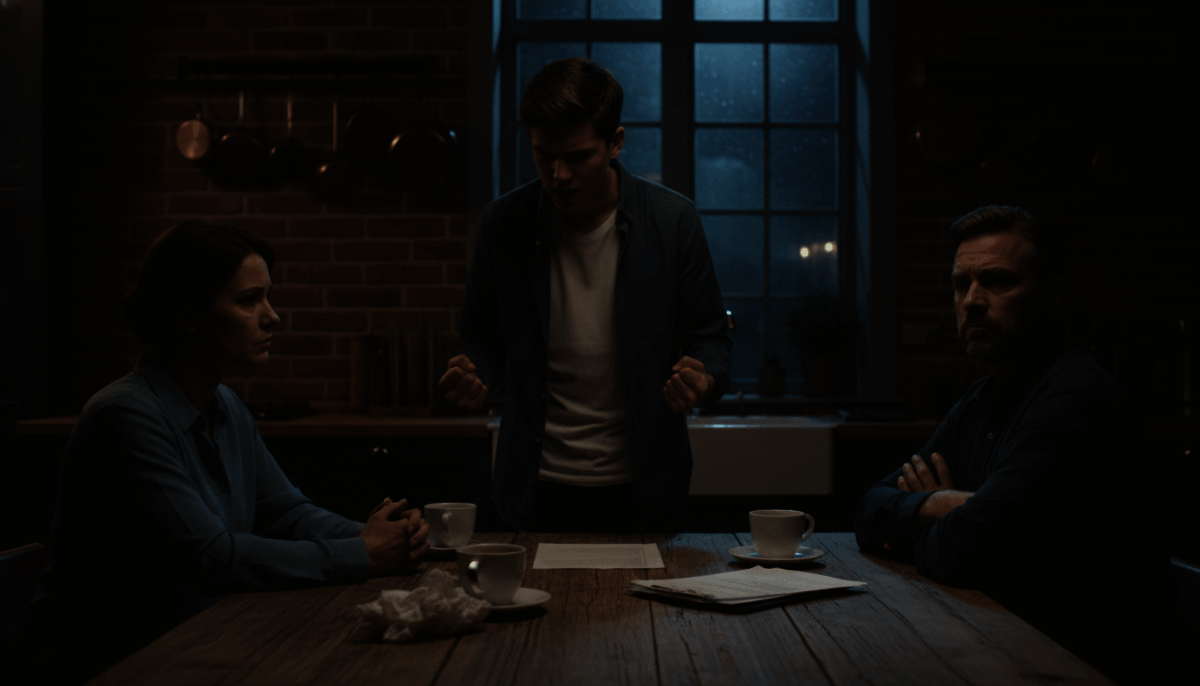
I didn’t yell. I didn’t cause a scene. I walked to the kitchen island and set my phone down, open to the transaction history. My father walked in a moment later, wiping grease off his hands with a rag. He looked at the phone, then at me, and his expression shifted from casual annoyance to a thin, tight-lipped defensive mask. He knew exactly what I was showing him.
“You spent it,” I said, my voice eerily calm. It wasn’t a question. It was a statement of fact that hung in the room, vibrating with the tension of a snapping wire. My mother stopped stirring her coffee, her spoon clinking against the ceramic mug. She wouldn’t look at me. She started busying herself with the breakfast dishes, a classic deflection tactic I had seen her use for years.
“You spent it all. Every cent of the college fund. You took forty thousand dollars and you gave it to Mark for his racing hobby. How could you?”
My father crossed his arms, his posture defensive. He tried to pivot to ‘parental authority,’ a tone he used whenever he knew he was in the wrong but refused to admit it. “We are your parents. We had to make executive decisions for the benefit of the family. Mark is going to go pro, and your grandparents would have wanted the money to go to someone who actually has a future in sports, not just books.”
The audacity of his words hit me like a physical blow. He was justifying the theft of my future by devaluing my education in favor of a dirt bike hobby. I felt the last threads of respect I held for them fray and snap. I didn’t argue. I didn’t try to explain the value of a degree. I realized then that they didn’t respect me, and they never had. I was just an ATM they had accidentally locked themselves out of.
“You didn’t make a decision for the family,” I countered, keeping my voice low. “You stole from your own daughter to subsidize your brother’s kid. You think because I’m eighteen, I don’t know what theft looks like? You’ve destroyed my education, but more importantly, you’ve destroyed my home. This isn’t a home anymore. It’s a crime scene.”
My mother finally turned, her eyes red-rimmed and angry. “Don’t you dare talk to us like that! We raised you! We paid for your food, your clothes, your life for eighteen years! You owe us this! It’s just money, and you’re acting like we committed a murder. You’re being incredibly selfish.”
The Reality of the Financial Ledger
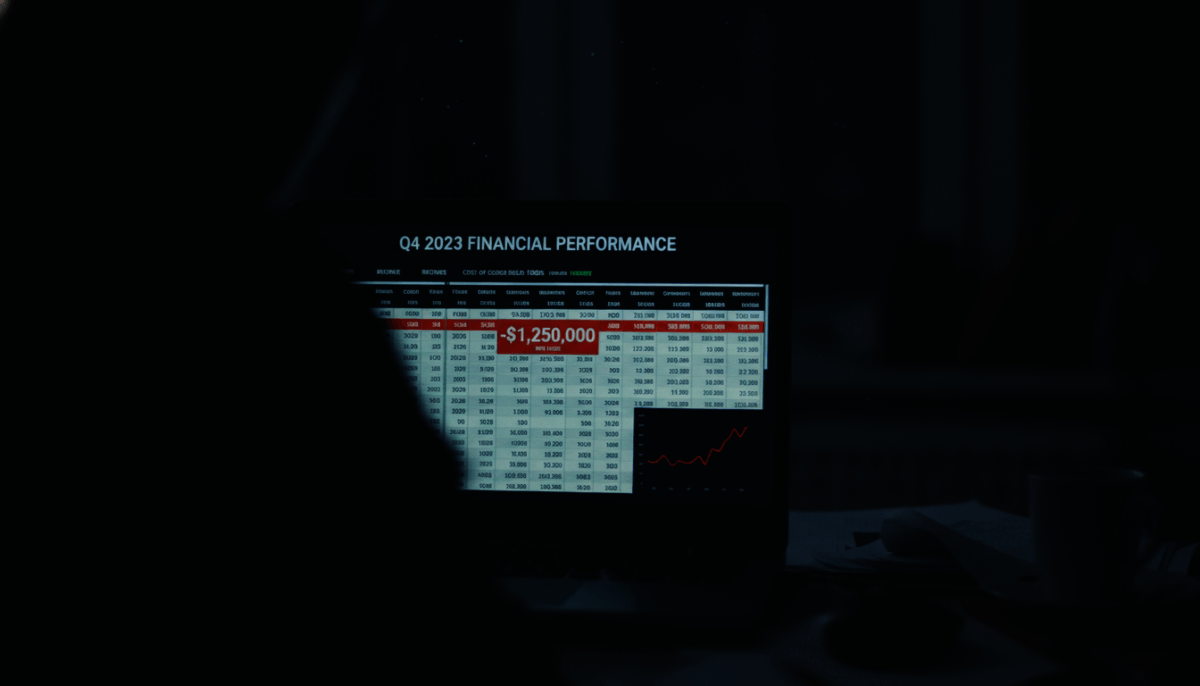
Later that day, I sat down and mapped out exactly what had been taken. I wanted to see the scale of the damage. It wasn’t just tuition; it was the cost of housing, books, and the basic dignity of starting my adult life on solid footing. I created a spreadsheet, not for them, but for myself, to anchor the reality of the loss. The numbers were staggering when laid out in columns.
| Category | Estimated Loss | Impact |
|---|---|---|
| Tuition | $28,000 | Required loans |
| Housing/Meals | $10,000 | Increased debt |
| Books/Supplies | $2,000 | Immediate hardship |
The realization set in that this wasn’t a mistake; it was a process. They had been draining the account for months, likely hoping I wouldn’t notice until it was too late to apply for scholarships or financial aid adjustments. They had gambled on my ignorance, and they had lost, but I was the one paying the bill. I felt a cold, hard resolve hardening in my chest. If they thought they could just apologize later or dismiss it as ‘a misunderstanding,’ they were wrong.
I started collecting evidence. I took screenshots of the bank logs, saved the emails from my grandparents regarding the account’s purpose, and even looked for messages where my father bragged about the ‘new upgrades’ on Mark’s bike. I wasn’t doing this for a court case—I knew I’d have a hard time suing my own parents—I was doing it to build a wall. A wall of proof that I wasn’t crazy and that I wasn’t just being a ‘selfish teenager.’
My father came into my room later that evening, trying to act like nothing had happened. He offered to buy me a pizza. The absurdity of it was almost laughable. He had stolen my future, and he thought a pepperoni pizza would smooth over the tectonic shift in our relationship. I didn’t even look up from my laptop. I just kept working on my contingency plan for college.
“I don’t want a pizza. I want you to get out of my room. You aren’t my parents anymore. You’re just the people who happen to be living in the house I’m currently forced to stay in until I finish packing.”
The look on his face was one of genuine shock. He had expected me to be angry, maybe even hysterical, but he hadn’t expected me to be finished. He hadn’t expected the permanent closure of the door. He tried to argue, to say that I was being dramatic, but I just put my noise-canceling headphones on and drowned him out. That was the first moment I truly felt the power of detachment.
The Group Chat Explosion
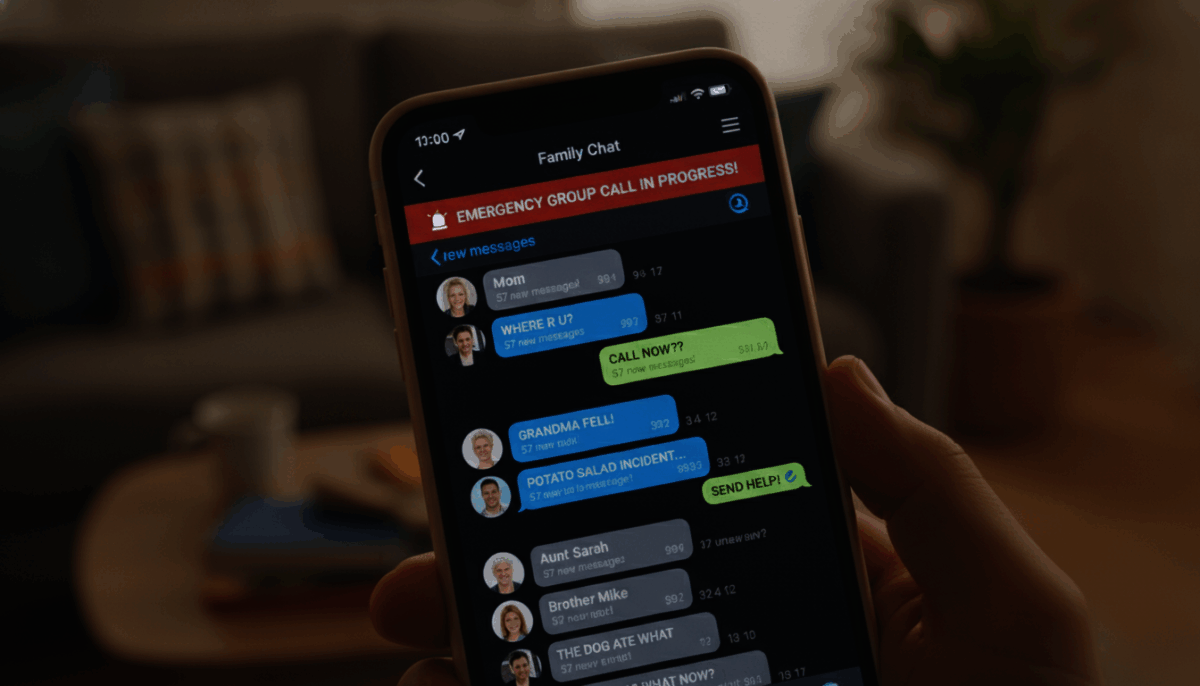
The next morning, the family group chat started buzzing. My aunt, Mark’s mother, had apparently gotten wind that I was ‘being difficult’ about the money. She sent a message that effectively turned the entire extended family against me. It was a masterclass in gaslighting, framing my anger as ‘entitlement’ and my reaction as ‘punishing my parents for being generous.’
“OP, we all know you’re upset, but family is about sacrifice. Your parents were just trying to give Mark a head start, and it’s honestly shameful that you’re threatening them over money. You have your whole life to work, but Mark has this one chance to race. Be a good cousin.”— Aunt Linda (Family Group Chat)
I read the message and felt my blood boil, but I didn’t reply to her. Instead, I sent a single screenshot to the entire group: the bank statement showing the $40,000 drained into the account used for ‘Vehicle Maintenance.’ No commentary, no insults. Just the raw, undeniable proof of the theft. The chat went deathly silent. For a solid hour, not a single person typed.
Then, the notifications started pouring in. Some were supportive, but most were confused. My aunt tried to claim the screenshot was doctored. My father jumped in to defend his actions, using the same tired line about ‘family sacrifice.’ It was fascinating to watch them scramble, their collective narrative falling apart under the weight of the actual, factual evidence. I didn’t engage in the debate. I let them tear each other apart.
I watched as my grandmother—my mother’s mother—messaged me privately. She was the one who had started the account. She was the only one who actually knew what that money was for. Her message was simple and broke my heart. She told me she was sorry she didn’t protect the account better, and that she would do whatever she could to help, even if it wasn’t much. That was the only validation I needed.
By the end of the day, I had blocked everyone in the group chat except for my grandmother. I had no interest in negotiating my worth with people who thought my education was worth less than a dirt bike. I was done. The silence that followed was heavy, but it was also peaceful. I had cleared the deck, and for the first time, I could see the horizon.
Why the Sunday Dinner Table Went Silent
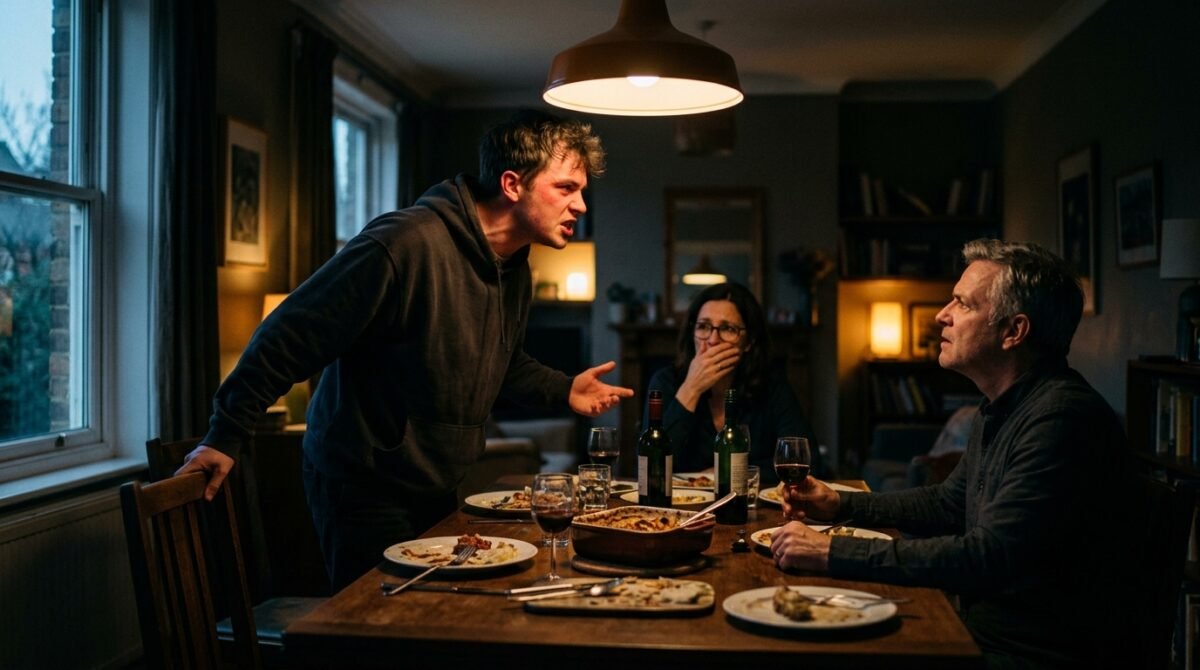
Sunday dinner was a tradition I had dreaded my entire life, but that weekend, it was the final stage of my departure. My parents insisted I show up, probably hoping that the presence of extended family would pressure me into ‘dropping the act’ and apologizing. I walked in, grabbed a plate, and sat at the far end of the table, making it clear I wasn’t there for the food or the conversation.
The air was thick with unspoken resentment. My aunt kept shooting glares at me, while my cousin, Mark, looked entirely uncomfortable, probably realizing that his fancy new bike had come at a cost he hadn’t fully considered. My father tried to make small talk, asking about my upcoming graduation plans as if he hadn’t just sabotaged them. I answered in one-word sentences, maintaining a polite but impenetrable barrier.
“Are you going to apologize to your mother, OP? She’s been crying all day because you won’t speak to her.”
My uncle’s voice boomed across the table. The room went silent. Everyone looked at me, waiting for me to break. I slowly put down my fork, looked at my father, and then at my mother, who was indeed looking at me with expectant, teary eyes. It was a performance, designed to make me feel guilty for their actions. I stood up, feeling a strange surge of adrenaline.
“I’m not apologizing for having a boundary,” I said, my voice steady. “You stole my future. You thought you could hide it, spend it, and then act like the victims when I found out. If you’re crying, it’s not because I’m being mean. It’s because you’re realizing that your actions have consequences, and for the first time in your life, you don’t get to control the outcome.”
I walked out of the dining room, leaving the plate of untouched food. I could hear my aunt calling after me, my father starting to yell, but I didn’t turn back. I walked to the door, grabbed my backpack—which I had packed that morning with my essentials—and stepped out into the cool evening air. I didn’t know where I was going, but I knew I was never coming back to that table.
The Reddit Community Weighs In

I posted my story on a popular forum that night, sitting in a coffee shop with my laptop. I wasn’t looking for sympathy, really; I was looking for a reality check. I wanted to know if I was the villain, as my parents had claimed. The response was immediate and overwhelming. Thousands of people reached out, sharing similar stories of financial abuse and parental betrayal.
“This is not just ‘family drama.’ This is financial theft, pure and simple. Your parents have effectively stolen your ability to launch your adult life. Do not apologize, do not rug-sweep, and for the love of everything, do not give them another chance to manipulate you. You are NTA (Not The A-hole) here.”— u/LegalEagleEye (Top Comment, 32.5k upvotes)
The community was a revelation. It wasn’t just support; it was a deluge of practical, legal, and emotional advice. People told me about student loan forgiveness, scholarship programs for estranged students, and how to protect my future assets. I realized that the narrative my parents had spun—that I was a child who didn’t understand the world—was entirely false. I was part of a global community of people who were learning to navigate life without the safety net they were supposed to be provided.
Some users warned me about the legal implications of what my parents had done. They suggested I contact a lawyer to see if the funds were legally mine, even if the account was in their name as custodians. It was a long shot, but it was a path I hadn’t considered. The validation from strangers—people who had no reason to lie to me—helped me shed the last remnants of the guilt I had been carrying.
I spent hours replying to comments, gaining perspective on the gray areas of family duty versus individual autonomy. It felt like I was finally graduating from their version of reality to a broader, more objective one. I wasn’t alone. I was part of a movement of young people defining their own terms, regardless of what their blood relations demanded.
The Legal Reality of Custodial Accounts
Following the advice of a few users who seemed to know their way around financial law, I did some digging. I found out that the account, while technically under my parents’ management, was a UGMA (Uniform Gifts to Minors Act) account. By law, the money in that account was mine. My parents were merely custodians. They were legally obligated to use that money for my benefit, not for their hobbies or their extended family’s pet projects.
The realization was staggering. They hadn’t just been ‘bad parents’; they had committed a legal violation. I felt a mix of anger and cold, calculated vindication. I wasn’t just morally right; I was legally right. I contacted a local legal aid clinic, and after reviewing the documents, they confirmed that my parents had likely breached their fiduciary duty. The case wouldn’t be easy to prosecute, but the threat of it was a powerful tool.
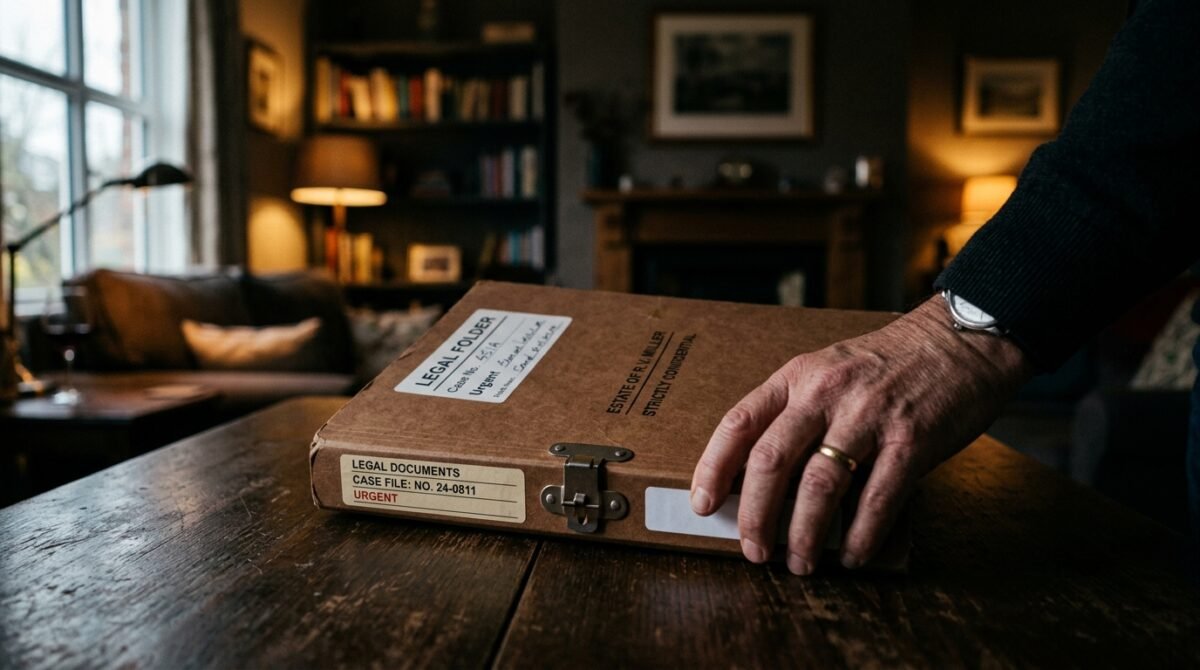
I sat my parents down one last time—not for a conversation, but to deliver a notice. I printed out the relevant sections of the law and handed them a folder. The look on my father’s face was priceless. It wasn’t the look of a parent dealing with a child; it was the look of a man who realized he had made a very, very expensive mistake.
“You spent my money on a dirt bike. The law says that money belonged to me, and you were just holding it. You have two choices: you can find a way to return the funds, or I can start the legal process. I don’t care how you get the money back. Sell the bike. Take a loan. I don’t care. But I want what is mine.”
They sputtered, they made excuses, they tried to bring up ‘family honor’ again, but I didn’t flinch. I had the law on my side, and for the first time, they were the ones who were terrified. They realized that their ‘little girl’ had grown up and was ready to bring the full weight of the legal system down on them if they didn’t act. It was the shift in power I had been waiting for my entire life.
The Final Severance

They didn’t return the money. Of course they didn’t. They didn’t have it, and they didn’t have the integrity to sell the bike to make it right. Instead, they doubled down, claiming they would ‘never forgive me’ for threatening them. It was the final straw. I packed the rest of my things, left the keys to the house on the kitchen counter, and walked out the front door for the last time. I didn’t look back.
The transition was hard. I had to work two jobs, take out loans, and sleep on a friend’s couch for a few months. But every day, when I woke up, I felt a lightness I had never known. I was responsible for myself. My success was mine, and my mistakes were mine. No one could hold my ‘duty to family’ over my head anymore, because I had cut the cord.
My cousin, Mark, eventually reached out, trying to ‘bridge the gap.’ He told me he didn’t know the money came from my college fund. I told him I didn’t care. Ignorance didn’t make him any less of a thief by proxy, and I had no space in my life for people who prioritized a hobby over a relative’s future. I blocked him, too. The silence was becoming a theme of my life, and I was starting to love it.
I eventually moved into a dorm on campus, and the first night, I sat on my bed and looked out the window at the campus lights. I was broke, I was tired, and I had a mountain of student debt in front of me—but I was free. I had survived the worst thing my parents could do to me, and I was still standing. I was the architect of my own life, and the foundation, however shaky, was finally my own.
The Aftermath: A New Life

It’s been two years since I left. My parents still try to reach out through other family members, sending messages about ‘reconnecting’ or ‘forgiving and forgetting.’ I ignore them all. I’ve realized that forgiveness requires an acknowledgment of the wrong, and they are incapable of that. To them, they are the victims because I had the audacity to hold them accountable.
I’ve managed to get through my sophomore year, working part-time and utilizing every scholarship I could find. I’m not rich, and I’m not living a life of luxury, but I am living a life of integrity. I’ve learned that the ‘family’ I was supposed to sacrifice for was never really there for me; they were just consuming me. Now, I have a chosen family—friends who respect my boundaries and support my goals.
The most important lesson I’ve learned isn’t about money. It’s about the fact that love is not a transaction. You don’t owe anyone your future because they provided the basics of your upbringing. You don’t owe them your silence, and you don’t owe them your compliance. If they can’t love you for who you are, without the strings of financial manipulation, then they don’t love you at all.
I look back at the kid who sat in that room with the zero-balance bank account, and I want to tell her that it gets better. Not because the pain goes away, but because you stop letting it define you. I am more than the money they stole. I am more than the daughter they disappointed. I am my own person, and that is a victory that no amount of stolen cash could ever buy.
Reflecting on the Cost of Betrayal

Looking back, the most painful part wasn’t the loss of the money. It was the loss of the illusion that I was safe. For eighteen years, I operated under the assumption that my parents were the ultimate safety net. Discovering that they were the ones who would cut that net the moment it suited their agenda was a trauma that took a long time to unpack.
There is a specific kind of grief that comes with mourning people who are still alive. I haven’t just lost my parents; I’ve lost the version of them I believed in. I’ve had to rewrite my history, viewing my childhood through a lens of potential exploitation rather than pure parental care. It’s a painful process, but it’s the only way to move forward without carrying the baggage of their expectations.
Many people have asked me if I regret going no-contact. My answer is always the same: I regret that I had to. I wish I had parents who were supportive, honest, and loving. But since I don’t, I don’t regret the choice I made to protect myself. You cannot heal in the same environment that made you sick, and I know that if I stayed, I would have eventually become a shell of myself, just another tool for their convenience.
I hope that by sharing this, someone else realizes that they don’t have to tolerate abuse just because it comes from blood. You are your own primary priority. If you find yourself in a situation where your future is being treated as a resource to be plundered, walk away. It might be the hardest thing you ever do, but it will be the most important step you ever take toward claiming your own life.
Conclusion
My journey has been one of radical self-reliance. When I walked away, I didn’t just walk away from my parents; I walked away from a life defined by their demands. The $40,000 is gone, but the lesson—that I am capable of building my own path, regardless of the obstacles thrown in my way—is worth far more. I have learned to define family not by blood, but by respect, trust, and mutual support.
As I continue my studies and look toward the future, I feel a sense of peace that I never could have achieved while constantly looking over my shoulder, waiting for the next betrayal. I have built a life where I am the author of my own story, and for the first time, I am excited to see what happens on the next page.
What do you think? Have you ever had to cut ties with someone you thought you could trust? How did you navigate the fallout and find your own footing after a major betrayal? Share your thoughts in the comments below—let’s keep the conversation going.
What's your verdict on this dilemma?
Vote below to contribute to the official community consensus.

Have a Dilemma Keeping You Up at Night?
Share your real-life feud, wedding chaos, or relationship crossroads anonymously with our editorial team.
What do you think ?
0 Comments🛡️ Comments are moderated to protect community integrity. Your comment will appear once approved by the editorial team.