
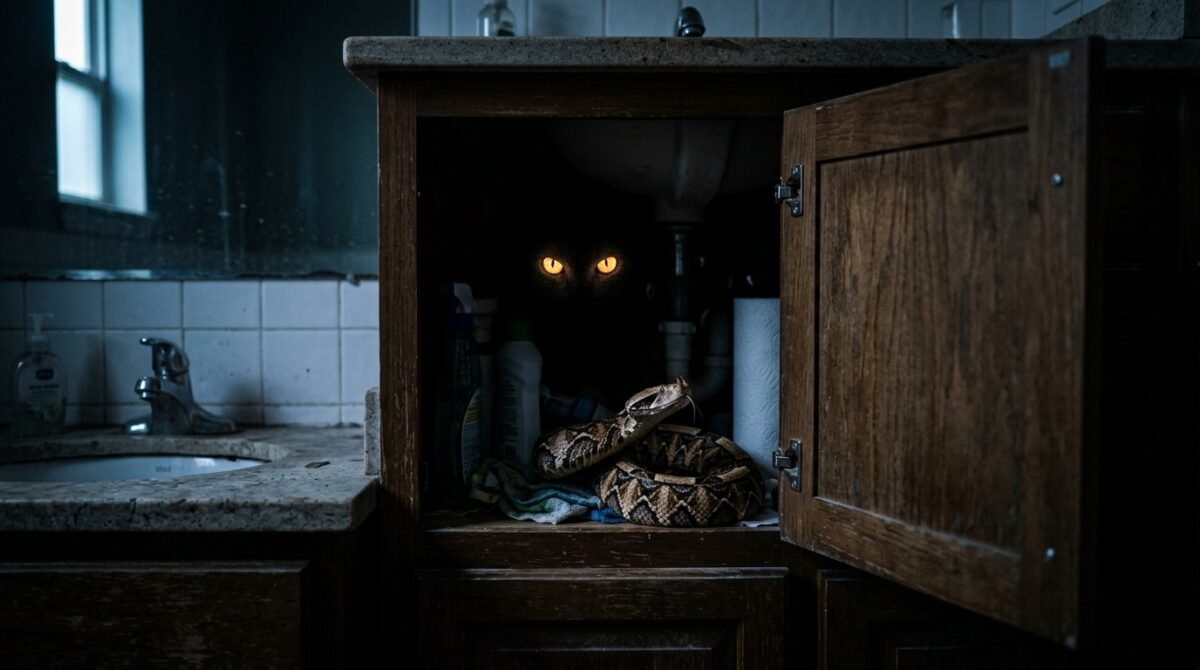
When I first moved in with Jason, he seemed like the ideal roommate. He was quiet, kept the common areas clean, and had a stable job as a freelance graphic designer. For the first six months, our living arrangement was the dream scenario—split bills, respected quiet hours, and the occasional shared pizza on a Friday night. I never imagined that beneath his calm exterior lay a bizarre, dangerous obsession that would eventually threaten the safety of everyone in our apartment building.
It started with subtle, unexplained occurrences. I’d hear a faint, rhythmic hissing sound coming from the bathroom whenever he left for work, but I always dismissed it as old pipes or a faulty faucet. There was a peculiar, musky smell that lingered in the air, a scent I couldn’t quite place, hovering somewhere between damp earth and rotting vegetation. I blamed it on his cleaning supplies, never suspecting that the source was far more organic and far more lethal.
The moral dilemma began to crystallize when I realized that Jason wasn’t just hiding a hobby; he was harboring a genuine threat to our physical safety. He had a history of making questionable choices, but this was a total breach of the social contract. How do you confront someone who has brought a lethal predator into your shared sanctuary? The fear grew daily, a low-grade hum of anxiety that made every trip to the bathroom feel like a gamble with fate.
As the walls of my own comfort began to close in, I found myself paralyzed by the conflict. If I told the landlord, Jason would be evicted immediately, but what if he just moved the snake somewhere else? If I talked to him directly, would he try to hide the evidence? The situation was a ticking time bomb, and I was the only one in the blast radius who knew the fuse was lit.
In the following sections, I will detail the descent into this nightmare, the night I finally uncovered the truth under the sink, and the agonizing decision I had to make—a decision that changed my living situation, my friendships, and my perception of trust forever. This is not just a story about a pet; it is a story about the boundaries we draw and the chaos that ensues when those lines are crossed by the people we trust the most.
The Faint Hissing Beneath the Porcelain
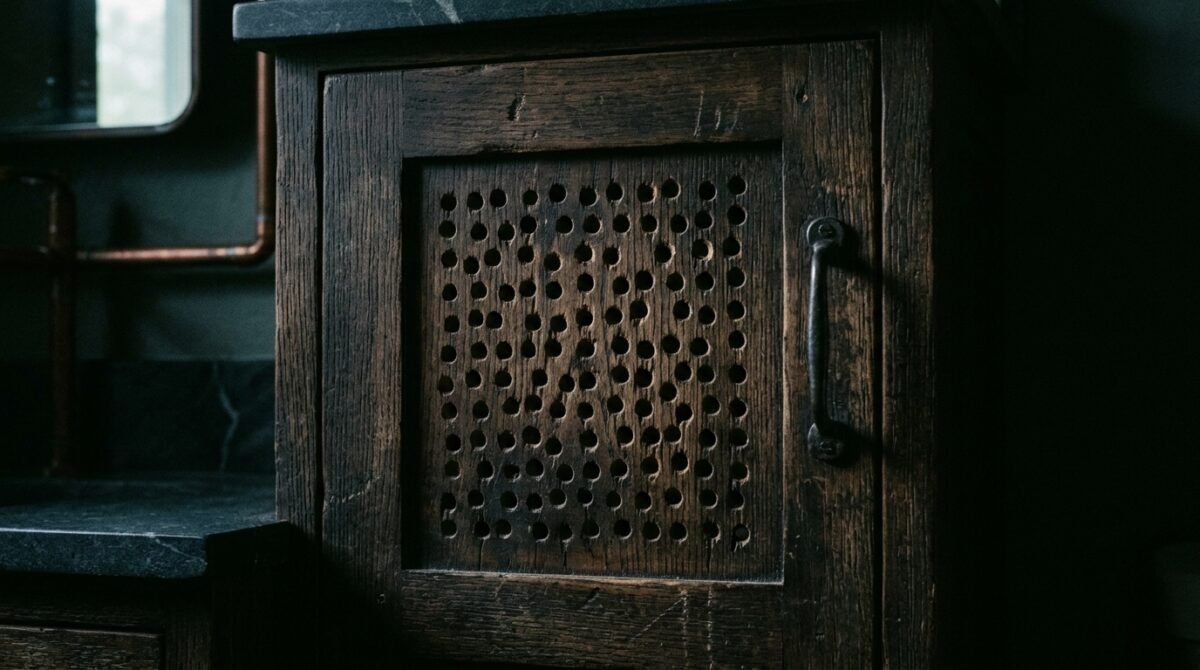
The sound was the first indicator that something was fundamentally wrong with our living situation. It wasn’t the typical groan of an aging water heater or the drip of a leaky faucet. It was rhythmic, a soft, dry rasping that seemed to vibrate through the cabinet doors of the bathroom sink. At first, I ignored it, convinced that my imagination was playing tricks on me due to the stress of my graduate studies.
I brought it up to Jason one morning while we were both grabbing coffee before work. I tried to sound casual, not wanting to come across as a nag or an overly sensitive roommate. I mentioned the noise and asked if he had noticed any issues with the plumbing, watching his face closely for any sign of deception. His reaction was immediate and strangely defensive, his eyes darting toward the bathroom door before he retreated behind his mug.
“It’s just the pipes, man. This building is a hundred years old. You’re hearing things that aren’t there. Maybe get some earplugs if it bothers you so much.”
— Jason
His dismissal didn’t sit right with me. He was too quick to deflect, too eager to shut down the conversation. In the days that followed, the sound persisted, growing slightly more distinct as the weather warmed up. I noticed a small, temperature-controlled device he had moved into the bathroom, which he claimed was a dehumidifier for his ‘delicate computer equipment’. I knew he worked in graphic design, but I didn’t realize computers needed that level of environmental stability in a cramped, humid bathroom.
I started conducting my own subtle investigations when he wasn’t home. I checked the pipes under the sink, expecting to find leaks or perhaps an infestation of mice. What I found instead were small, ventilation holes he had drilled into the bottom of the vanity, hidden by a stack of towels. The air near the sink was unusually warm, a stark contrast to the chilly draft of the rest of the apartment. My suspicion turned into genuine dread.
I began to document everything. I recorded the sounds on my phone, mapping the times they occurred. I noticed that the hissing was loudest when he was home, almost as if the creature—whatever it was—was reacting to his presence. I felt like a stranger in my own home, constantly watching, constantly listening, and constantly terrified that I was walking into a trap every time I needed to brush my teeth.
The Night the Towels Slipped
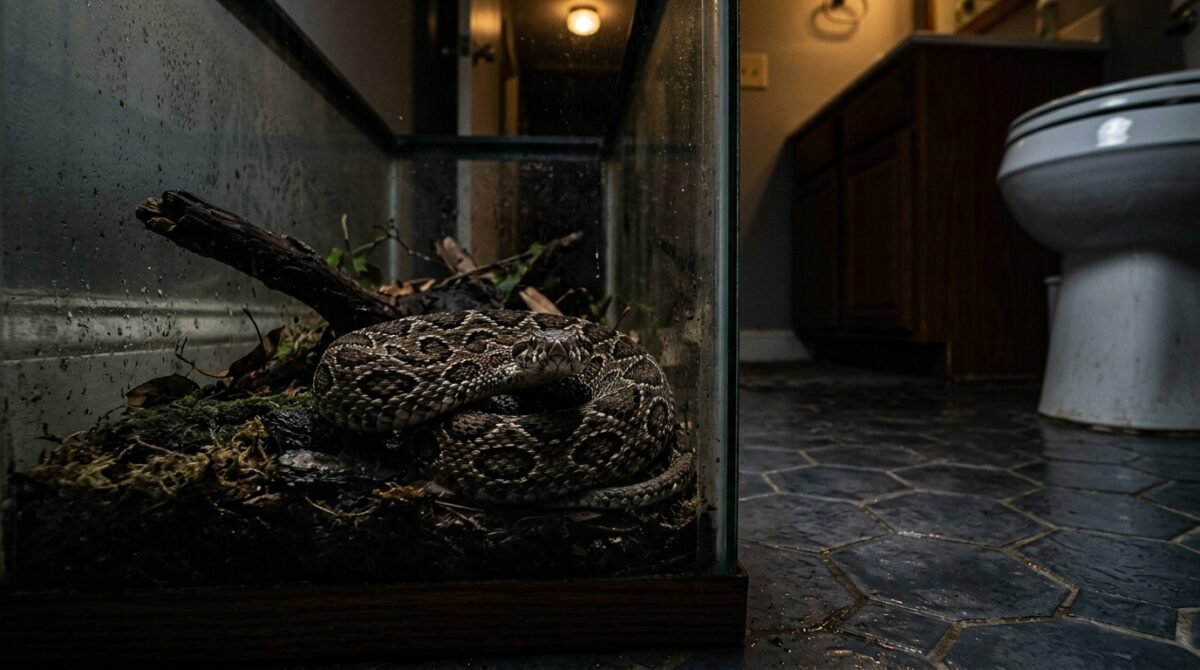
It was a Tuesday night, the kind of mundane evening that usually passes without incident. Jason was out late at a networking event, leaving me alone in the quiet apartment. I had just stepped out of the shower and reached for a clean towel from the bottom shelf of the vanity. As I pulled the towel free, the entire stack shifted, and a heavy, insulated box hidden behind them tumbled forward, hitting the tile floor with a heavy, ominous thud.
The lid of the container, which hadn’t been latched securely, popped open upon impact. My heart stopped. Inside wasn’t a computer part or a dehumidifier; it was a glass terrarium, partially obscured by dark, mossy substrate. And there, coiled in a tight, defensive knot, was a snake—vibrant, patterned with deep rust-colored scales and a distinct, triangular head that screamed danger even to a layman like me.
I didn’t scream, but I felt the blood drain from my face. My survival instincts kicked in, and I backed away slowly, my breath coming in jagged, uneven gasps. The snake didn’t strike, but it tracked my movement with unblinking, obsidian eyes. It was a viper, I was certain of it. I had seen enough nature documentaries to recognize the telltale signs of a venomous creature.
“Oh my god. What the hell have you been keeping in here? This is not a pet, Jason. This is a death sentence in a box.”
— Me, speaking to the empty room
I didn’t touch the box. I didn’t try to close it. I simply backed out of the bathroom, shut the door, and locked it from the outside. I pulled out my phone, my hands shaking so violently that I could barely type. I needed to document this before he came home and tried to gaslight me into believing it was just a harmless corn snake. I took photos through the gap under the door, the flash reflecting off the glass of the terrarium.
I sat in the living room for two hours, watching the front door. Every creak of the floorboards outside made me jump. I realized then that my trust in Jason hadn’t just been misplaced—it had been weaponized against me. He knew exactly what he was doing, and he clearly didn’t care about the risk he was posing to me, to the neighbors, or to the building itself. The anger began to overtake the fear, cold and sharp.
The Confrontation of a Lifetime
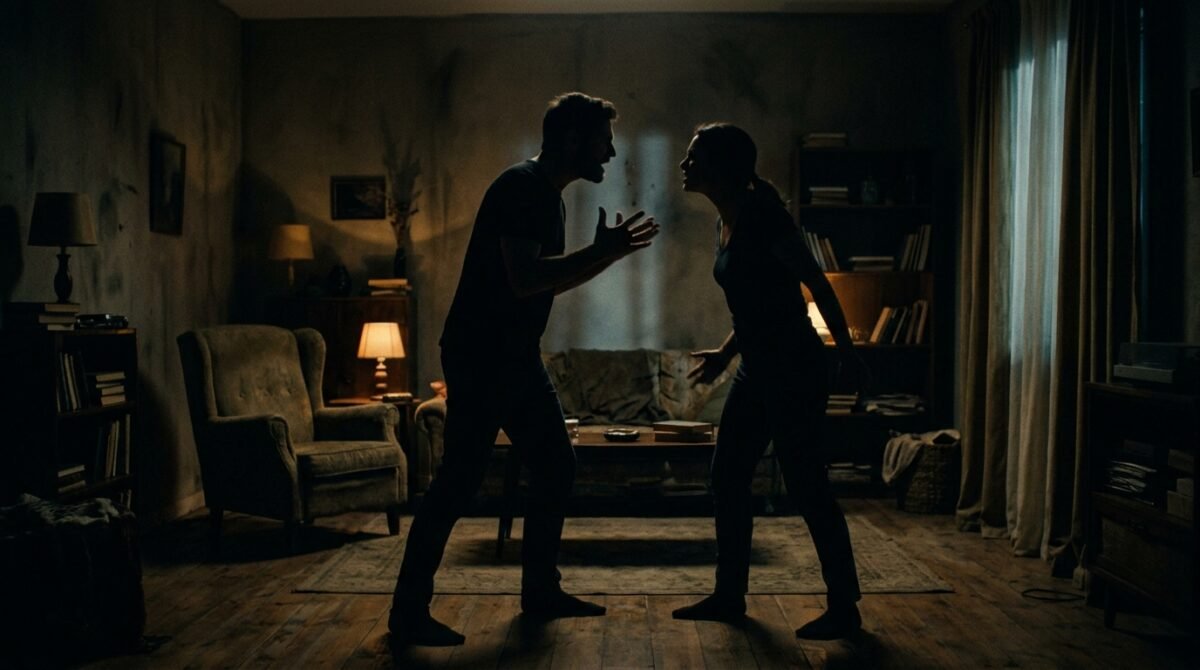
Jason walked through the front door at 11:30 PM, whistling a tune, completely oblivious to the fact that I had uncovered his secret. He stopped dead in his tracks when he saw me sitting in the dark, my phone in my hand, the bathroom door still firmly locked from the outside. He knew immediately that the game was up.
The confrontation was explosive. I didn’t give him a chance to start with his usual excuses. I showed him the photos, the timestamped evidence, and asked him point-blank why he thought it was acceptable to endanger our lives for the sake of an illegal, venomous exotic pet. He tried to laugh it off at first, calling me ‘dramatic’ and ‘overreacting,’ but his face soon crumbled into a defensive, angry snarl.
“You have no idea what you’re talking about! That’s a captive-bred specimen. It’s perfectly safe if it stays in the box. You’re just looking for a reason to control my life.”
— Jason
“A captive-bred specimen? Jason, you have a venomous viper in the bathroom sink! If that thing gets out, we aren’t talking about a controlled environment. We’re talking about a trip to the ER or worse. Get it out of here tonight, or I’m calling the city.”
— Me
He refused. He claimed he had spent thousands on the animal and that he had nowhere else to move it. He tried to bargain, offering to buy a stronger, more secure cage, as if the physical strength of the cage was the only issue at hand. He completely ignored the ethical, legal, and safety concerns, focusing entirely on his own desire to keep the animal. The level of narcissism was staggering.
I realized that he wasn’t going to budge. He was committed to this insanity, and he expected me to just go along with it because that’s what we had always done—compromised. But this wasn’t a compromise. This was a deal with the devil, and I wasn’t going to be the one to pay the price when things inevitably went wrong. I stood my ground, my voice steady for the first time in hours.
The Call That Started a Legal War
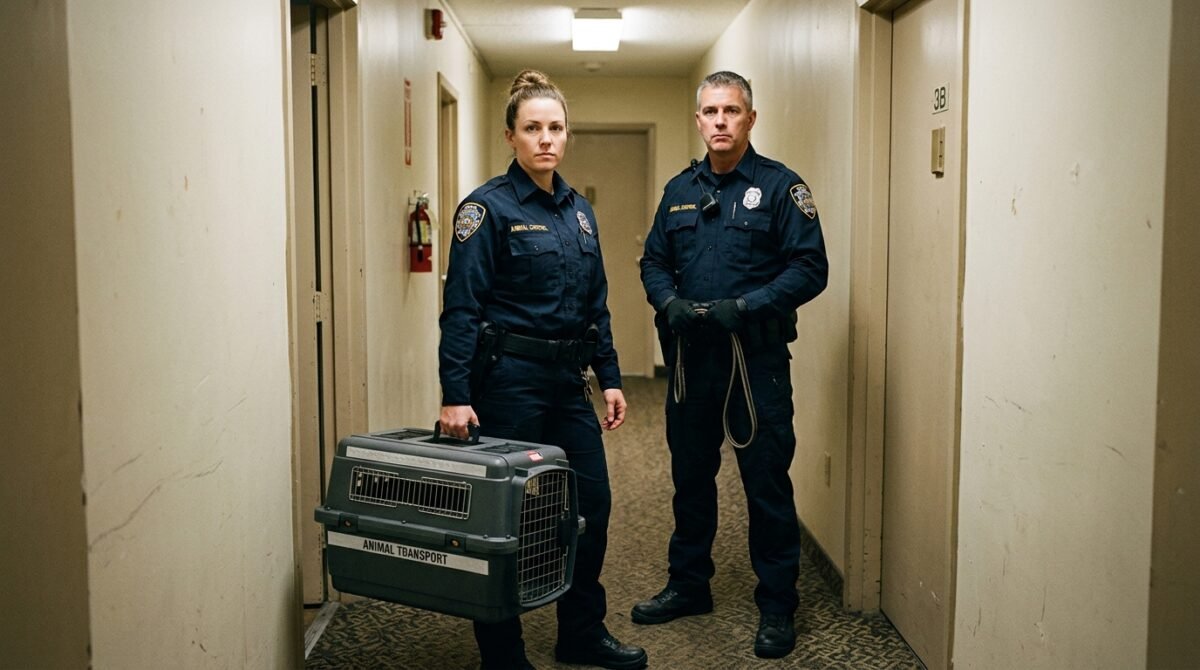
The next morning, while Jason was at the gym, I made the call. I contacted the city’s animal control division and gave them the details. I didn’t want to be ‘that guy’, but the safety of my neighbors outweighed any sense of loyalty I felt toward a roommate who had lied to my face for months. The operator was surprisingly calm, but she emphasized the severity of the situation—keeping venomous snakes in a residential apartment building was a clear violation of municipal bylaws.
Within two hours, two officers were at our doorstep. They were professional but stern, and when I opened the door to the bathroom, their expressions confirmed that I hadn’t been exaggerating. They identified the snake as an exotic species that required a specialized permit, one which Jason clearly did not possess. The process of seizing the animal was quick, surgical, and absolutely terrifying to witness.
Jason arrived home just as the officers were hauling the container out to their vehicle. The look on his face was a mix of pure, unadulterated rage and disbelief. He didn’t even look at me; he went straight for the officers, demanding to know what right they had to take his property. They ignored him completely, issuing him a hefty fine and a stern warning regarding his future residency.
“You traitor! You had no right to go into my private things and call the authorities. I’m going to make your life a living hell until you move out of here.”
— Jason, via text message after the officers left
I didn’t respond to his message. I spent the rest of the day looking for an alternative place to live, knowing that the living situation was now untenable. I reached out to my landlord, explaining the situation and providing the police report number. He was shocked, to say the least, and thanked me for preventing a potentially catastrophic liability issue.
The aftermath of the ‘raid’ was a whirlwind of legal notices, angry shouting matches through closed bedroom doors, and the slow, painful process of packing my life into boxes. I felt a strange sense of relief, though the anxiety of living with someone who was now actively hostile toward me was a new kind of stress. I had done the right thing, but the social fallout was just beginning.
The Digital Backlash
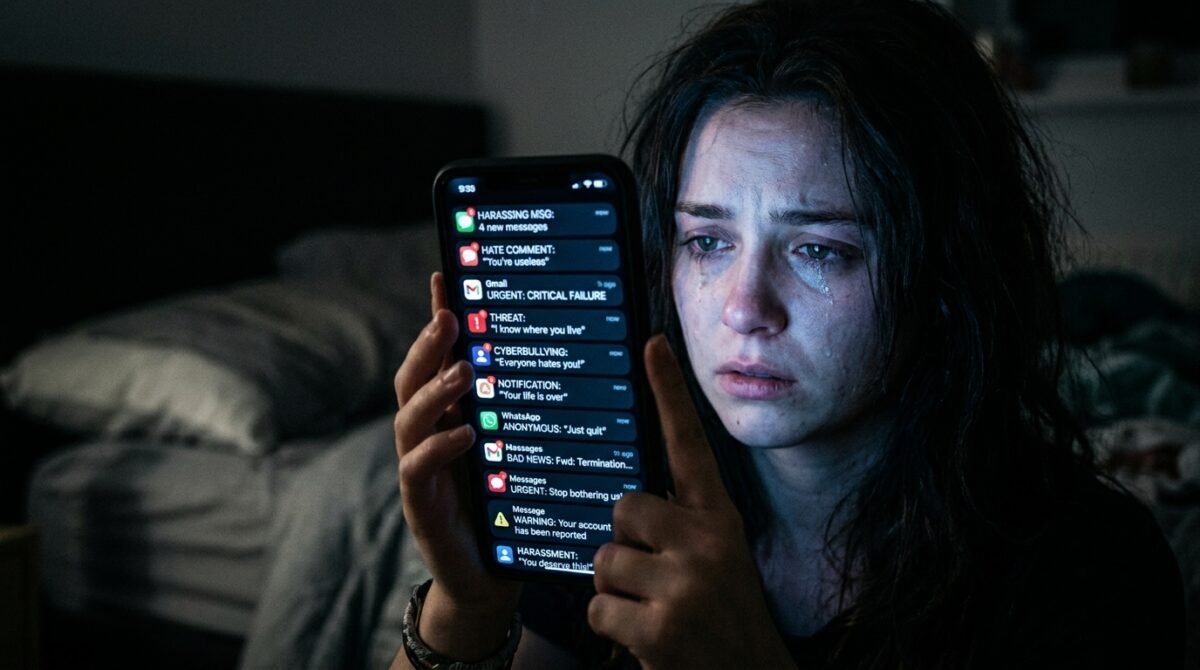
Jason didn’t just stop at verbal threats. He took to social media to paint me as the villain, spinning a narrative where I was the invasive, controlling roommate who had destroyed his ‘cherished research project’ for no reason. He posted screenshots of our old, innocent texts, framing me as the aggressor in our living situation. It was a masterclass in gaslighting, and unfortunately, a few of our mutual friends fell for it.
My phone started buzzing with messages from people I hadn’t spoken to in months, asking me why I was ‘trying to ruin’ Jason’s life. I had to spend my afternoons explaining the truth, sending links to local news articles about the dangers of illegal exotic pets. It was exhausting and emotionally draining, but I refused to let his lies stand as the objective truth.
“Hey, I heard about the snake thing. Why would you call the cops on your own roommate? Can’t you guys just talk about this like adults? It feels like you’re overreacting and trying to get him kicked out.”
— A mutual friend via DM
I realized then who my real friends were. The ones who listened, the ones who understood the gravity of the situation, and the ones who stood by me were the people I wanted in my life. The others—the ones who prioritized his ‘rights’ over my safety—were easy to cut out. The digital drama was a necessary filter for my social circle.
I started documenting the harassment, keeping a log of every threatening text and every inflammatory post he made. My lawyer advised me to keep everything, just in case he tried to take it further. It was a bleak period, but it served as a stark reminder of how quickly digital narratives can be manipulated and why it’s vital to hold your ground against bullies.
The Lease Termination Ultimatum
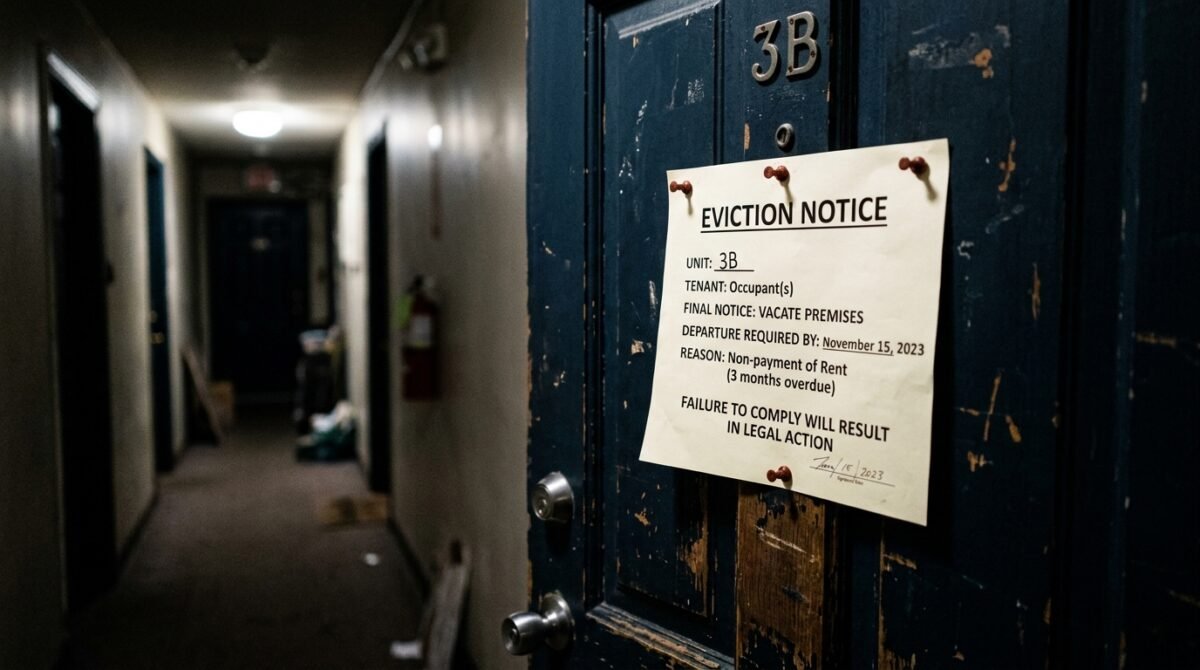
The landlord, after receiving a copy of the animal control report and the fines issued to the building, didn’t hesitate. He served Jason with an eviction notice, citing a breach of contract regarding ‘hazardous living conditions’. The legal process was surprisingly swift, given the clear-cut nature of the violation. Jason was given 30 days to vacate, a period that felt like an eternity under the circumstances.
During those 30 days, we lived in total silence. We didn’t speak, we didn’t acknowledge each other’s presence, and I made sure to stay out of the apartment as much as possible. I stayed at libraries, friends’ houses, and coffee shops, anything to avoid the palpable, suffocating tension that hung in the air every time we crossed paths in the kitchen.
“I hope you’re happy. You’ve ruined everything I worked for, and you have no idea what it feels like to lose something you cared about.”
— Jason, leaving a note on the kitchen counter
His note only confirmed my decision. He still didn’t understand that his care for the animal was secondary to the potential harm it caused to others. He had no remorse, no recognition of his own culpability, only a victim complex that prevented him from seeing the reality of the situation. I threw the note in the trash without a second thought.
I focused on finding a new place to live, a place where I could breathe again, a place without hidden terrariums or secret threats. I found a great apartment across town, smaller but infinitely safer. I signed the lease with a sense of relief that I hadn’t felt in months. The light at the end of the tunnel was finally visible, and it wasn’t the reflection of a snake’s eyes.
Community Perspectives: The Reddit Verdict
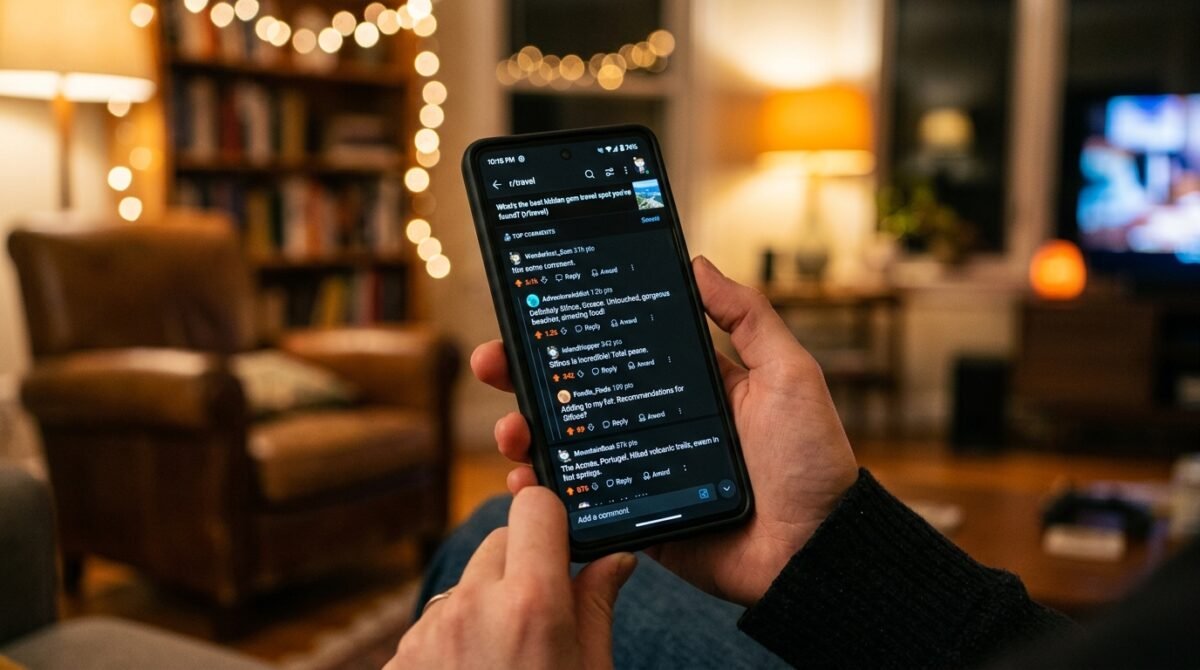
Naturally, I took to the internet to vent, sharing the story in a popular relationship advice subreddit. The response was immediate and overwhelming. I was honestly expecting a mixed bag, but the consensus was overwhelmingly supportive of my decision to involve the authorities. Thousands of people weighed in, sharing their own horror stories of bad roommates and reinforcing the idea that safety is non-negotiable.
“OP, you are absolutely in the right. This isn’t a ‘roommate dispute’ over dirty dishes; this is a literal public safety issue. You saved yourself and your neighbors from a potential tragedy. NTA (Not the Asshole) 100%.”
— u/SafetyFirst_99 (Top Comment, 32.5k upvotes)
It was validating to see that, despite the internet’s tendency to be cynical, the majority of people valued life and safety over the ‘bro code’ of roommate etiquette. People from all over the world reached out, sharing stories about illegal pet owners they’d dealt with. It made me realize that I wasn’t alone in this nightmare and that there was a strong community of people who stood for common sense.
“The fact that he tried to frame you for being ‘controlling’ is a classic narcissist move. He’s mad because he got caught, not because you were wrong. Don’t look back and don’t apologize.”
— u/Realist_Always (15.2k upvotes)
Of course, there were dissenters—the people who claimed I should have tried to ‘work it out’ with him, as if you can negotiate with someone who keeps a venomous viper in a bathroom. I ignored them. Their comments only reinforced my belief that when people disregard basic human decency and safety, the only way to deal with them is through clear, enforced boundaries.
The Final Move-Out Day

Moving out day was a blur of cardboard boxes and bittersweet goodbyes to the building staff. I hadn’t seen Jason for the last week, and I hoped to keep it that way. I finished loading the last of my belongings into a moving van, feeling a heavy weight lift off my shoulders as the engine turned over. I didn’t look back at the apartment window.
As I drove away, I thought about how quickly a peaceful life can descend into chaos when we fail to address small red flags. I had ignored the hissing, the smell, and the strange behavior, hoping it would just go away. I learned that silence is often mistaken for consent in these situations, and that by staying quiet, I had actually enabled his behavior for far too long.
My new apartment felt empty, but it was a good kind of empty. It was clean, quiet, and most importantly, it was mine. I didn’t have to worry about what was under my sink, or what kind of bizarre project my roommate was working on in secret. I was finally in control of my own environment again, and that feeling was worth every penny of the moving costs.
I spent the first night sitting on the floor of my living room, just enjoying the silence. I didn’t even have furniture yet, but I didn’t care. I felt safe. And in a world that often feels unpredictable, that’s the greatest luxury I could ask for.
Lessons in Trust and Boundaries

Reflecting on the whole ordeal, I’ve realized that the biggest lesson wasn’t about snakes or roommates, but about the importance of trusting my own gut. When something feels off, it usually is. We often try to rationalize the weird behavior of those we live with because we don’t want to cause a scene or be the ‘difficult one’, but this approach can have real, life-altering consequences.
I’ve also learned that true friends don’t ask you to compromise your safety. If someone gets angry because you set a healthy boundary, that’s their issue to resolve, not yours. I’m now much more selective about who I bring into my life, and I don’t hesitate to ask the hard questions early on. If someone can’t handle a simple question about their lifestyle, they’re not someone I want to be sharing a kitchen with.
The ordeal has made me more resilient. I’ve dealt with a narcissist, a legal threat, and a genuine physical danger, and I came out on the other side. I’ve realized that I have the strength to stand up for myself, even when the situation is intimidating and the social pressure is high. That’s a confidence that will stay with me for the rest of my life.
I’m finally at a place where I can laugh about it—at least, a little bit. It’s a bizarre story, one that sounds like the plot of a bad thriller movie, but it happened. And it taught me more about myself than I could have ever learned in a stress-free living arrangement.
Life After the Viper

It’s been six months since I moved out, and I haven’t heard a word from Jason. I assume he moved on to his next venture, hopefully one that doesn’t involve endangering others. I’ve kept the documentation of everything, just in case he tries to reach out or escalate things, but for now, the air is clear. I’ve settled into my new neighborhood, made new friends, and even started a small garden on my balcony—a much safer hobby than anything involving exotic animals.
Every time I walk into my bathroom, I still take a quick glance under the sink. It’s a force of habit, a lingering reminder of the fear I lived with. But each time I do, I’m greeted only by my cleaning supplies and a few spare rolls of toilet paper. It’s a small, daily act of reassurance that I am safe and that my home is my own.
I’ve also become a bit of an advocate for pet safety in apartments. I’ve joined a local community group that focuses on responsible pet ownership and housing rights. It’s a way for me to take the negative experience I had and turn it into something productive, something that helps others avoid the same fate. It’s been a rewarding way to close this chapter of my life.
If there’s one thing I’d say to anyone currently living in a similar situation, it’s this: don’t wait. Don’t wait for the situation to fix itself, and don’t wait for the other person to realize their mistake. Your safety is more important than someone else’s feelings, and if you’re ever in doubt, call the authorities. It’s not about being a bad roommate; it’s about being a responsible human being.
Conclusion
Looking back, the entire experience was a crash course in the reality of human behavior. When we share our lives with others, we often forget that everyone has their own secret motives, some more dangerous than others. The incident with the viper wasn’t just a random act of insanity; it was a symptom of a deeper disregard for others that I had simply chosen to ignore for the sake of convenience.
I’ve learned that the ‘moral’ thing to do is rarely the easiest one. It requires courage to stand up, to speak out, and to accept the consequences of doing what is right. I don’t regret my choice, and I’m proud of how I handled it. I stood up for myself and for my neighbors, and I’m a better person for it.
What about you? Have you ever had a roommate who crossed the line in a way that left you questioning your sanity? How did you handle it, and what did you learn about the importance of boundaries? Let’s keep the conversation going in the comments below—I’d love to hear your stories of triumph over toxic living situations.
What's your verdict on this dilemma?
Vote below to contribute to the official community consensus.

Have a Dilemma Keeping You Up at Night?
Share your real-life feud, wedding chaos, or relationship crossroads anonymously with our editorial team.
What do you think ?
0 Comments🛡️ Comments are moderated to protect community integrity. Your comment will appear once approved by the editorial team.