

When my husband and I asked his mother to housesit for a week while we were away for our anniversary, we expected the usual: maybe a few milk cartons left in the fridge or a slightly disorganized spice rack. We certainly didn’t anticipate returning to a home that had been effectively gutted of its most sentimental heart. My late grandmother’s ceramic collection—hand-painted pieces that survived wars and migrations—was gone.
In its place sat a towering, haphazard stack of flimsy, supermarket-brand paper cups, plastic forks, and thin paper plates. The cabinets, once filled with the warmth of mismatched floral patterns and sturdy stoneware, now echoed with the hollow sound of cheap disposable goods. It wasn’t just a lack of respect; it was an act of erasure.
My grandmother had spent years curating that kitchen. Every mug held a story; every bowl was a vessel of history. To see them discarded like trash because my mother-in-law, Brenda, decided they were ‘too dusty’ or ‘too much work to wash’ has been the single most painful experience of my adult life. This isn’t just about kitchenware. It’s about the audacity of someone stepping into a private home and deciding they have the authority to rewrite its history.
The silence in the house when we walked through the door on Sunday evening was deafening. My husband, usually the mediator, stood in the center of the kitchen, his face draining of color as he opened the cupboard to grab his favorite coffee mug, only to find a stack of styrofoam. The journey of how we got here—and the fallout that followed—is a cautionary tale about boundaries, entitlement, and the things we hold most sacred.
The Invitation to Disaster

We had been planning our fifth-anniversary trip for months. It was meant to be a getaway to recharge, and because we have a large, high-maintenance dog, we needed someone we trusted to stay at the house. Brenda, my mother-in-law, had been hinting for weeks that she ‘never gets to spend enough time’ in our home. It felt like the perfect solution.
We sat her down a month before the trip, laying out the ground rules. We were very specific: the dog needed his meds, the plants needed water, and the house was meant to be a sanctuary. I even went as far as to label the pantry and mention that the kitchen was a ‘no-reorganization zone.’ She had nodded, smiling that tight-lipped, martyr-like smile she often wears.
Little did I know, she had already been judging my collection of vintage ceramics. She had mentioned in passing during a dinner a few weeks prior that she found ‘all that clutter’ to be a ‘breeding ground for bacteria.’ I had brushed it off as her usual brand of unsolicited advice, not realizing she was already formulating a plan to ‘clean up’ for me.
The morning of our departure, the house was immaculate. I had freshly washed the favorite teapot my grandmother gave me, placing it front and center in the glass-front cabinet. It felt like a symbol of peace. Brenda walked in, carrying her suitcase, and looked around with a judgmental arch in her brow. ‘Don’t worry, dear,’ she said, patting my hand. ‘I’ll make sure the place is sparkling when you get back. You really need to stop worrying about these chores.’
We left feeling optimistic. We thought we were doing her a favor, giving her a nice place to stay while we enjoyed the coast. We were blissfully unaware that the ‘cleaning’ she promised involved a dumpster, a charitable donation bin, and a complete disregard for anything that didn’t fit her narrow, sterile vision of domesticity.
The Sound of Hollowing Cabinets
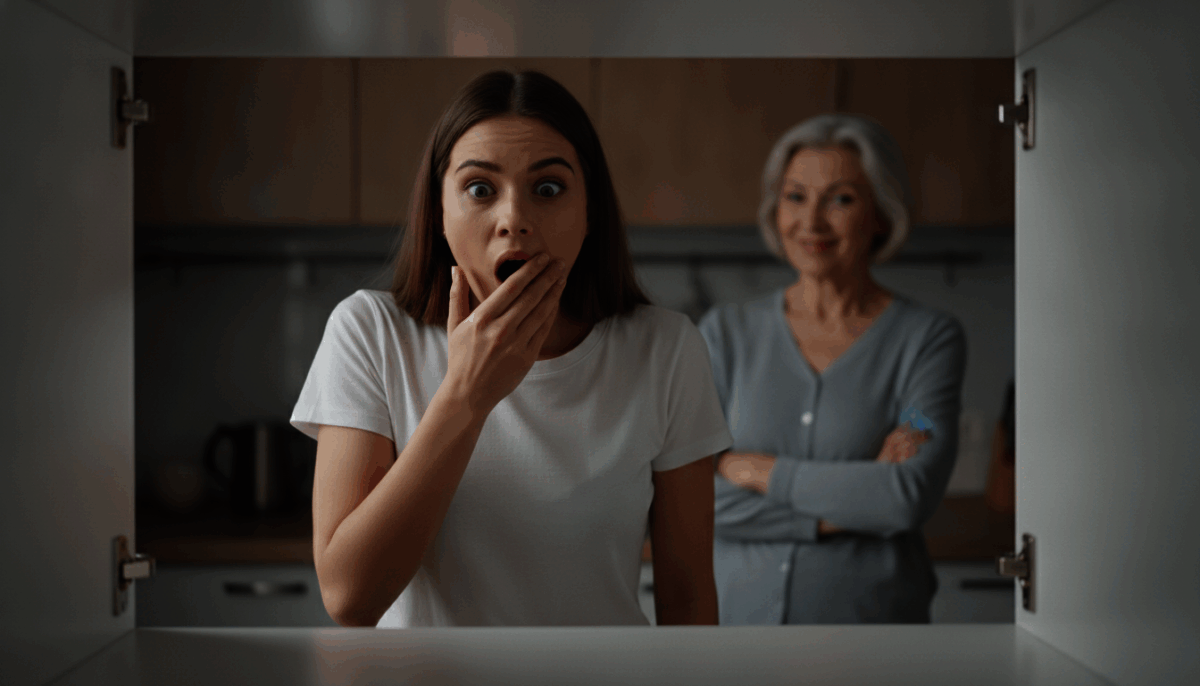
The realization hit us the moment we walked through the door. It wasn’t just the absence of the ceramics; it was the smell. The house, which usually smelled like cedar and light vanilla, now had the sharp, chemical scent of heavy-duty bleach. Every surface had been wiped down to the point of stripping the wax off the floorboards.
My husband, Mark, went straight to the kitchen to make a pot of coffee, his usual ritual after a long drive. I followed him, still carrying my suitcase, feeling a strange sense of unease. He reached for the hand-painted ceramic mug—the one with the chipped rim that had survived three generations—and his hand grasped at nothing but air. He stopped, confused, and opened the cabinet door wider.
“Where are they, Brenda? The mugs. The dishes. Everything is gone. Where did you put them?”
— Mark, confronting his mother in the empty kitchen.
Brenda emerged from the living room, wiping her hands on an apron she must have brought herself. She looked entirely too pleased with herself, standing tall and projecting an aura of someone who had just done us a great service. ‘Oh, you’re back,’ she said, her voice bright and chirpy. ‘I’ve made things so much easier for you. No more washing, no more worrying about breakages. Everything is disposable now.’
I felt my knees buckle. I ran to the glass-front cabinet. It was barren. The lace doilies were gone, the ceramic bowls were missing, and in their place were stacks of cheap, neon-colored paper plates. I turned to look at her, my voice shaking with a mix of fury and disbelief. ‘Brenda, those weren’t just dishes. Those were heirlooms. Where is my grandmother’s collection?’
She shrugged, as if she had just tossed out a few stale crackers. ‘They were dusty, dear. And they looked so dated. I took them to the thrift shop yesterday. It’s better they go to someone who actually needs them rather than sitting here collecting dust. You’re welcome, by the way.’
The Justification of the ‘Modernization’
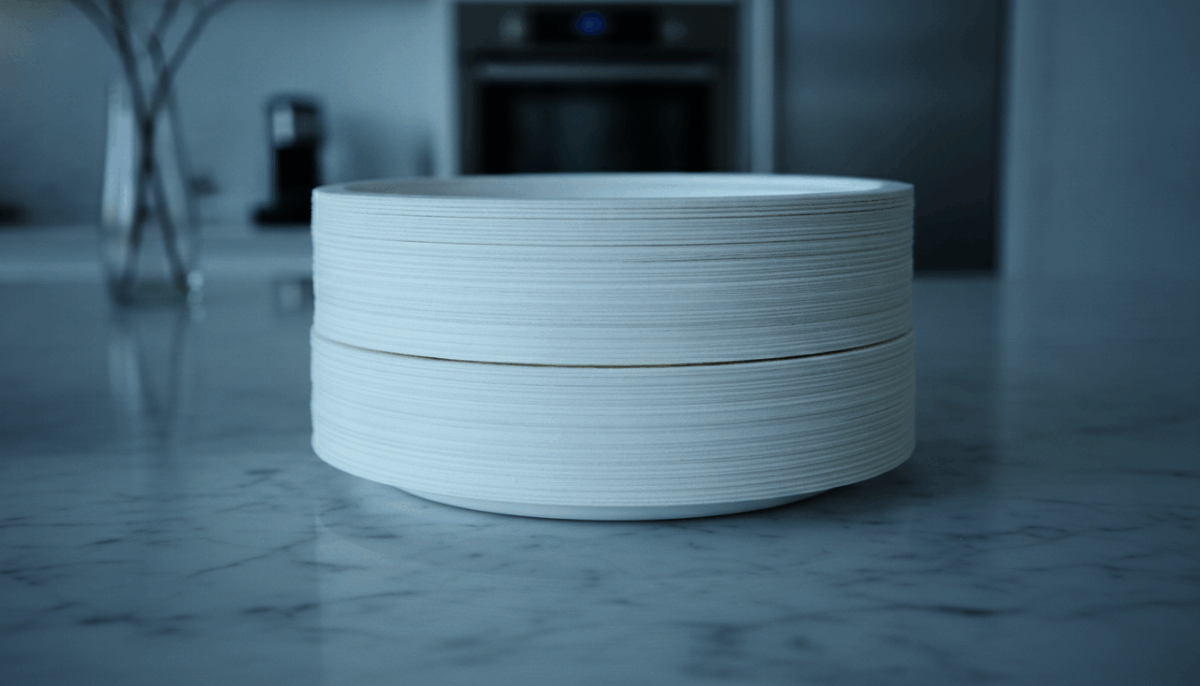
The argument that followed was less of a conversation and more of an assault on my sanity. Brenda genuinely believed she was a hero. She sat at our kitchen island, sipping tea from a styrofoam cup, explaining why my grandmother’s legacy was essentially ‘junk.’ She kept repeating the same phrases: ‘low maintenance,’ ‘hygienic,’ and ‘minimalist.’
I couldn’t fathom the level of entitlement it took to enter someone else’s home and donate their property. She hadn’t asked. She hadn’t texted. She had simply decided that her aesthetic preferences outweighed my emotional connection to my own family history. Every time I tried to speak, she would interrupt with a lecture about how ‘young people today’ are too attached to ‘material clutter.’
“I saved you hours of labor. Do you have any idea how much time you spend hand-washing those fragile things? I’ve given you freedom. You should be thanking me, not acting like I’ve committed a crime.”
— Brenda, attempting to justify the donation of the heirlooms.
I felt like I was losing my mind. Mark was trying to keep his cool, but he was clearly struggling to comprehend the scale of the loss. He kept asking for the address of the thrift shop, but Brenda refused to give it. She claimed she didn’t remember which one she dropped them off at, or that they were likely already sorted and put on the floor.
It felt like a calculated move. She knew exactly what she was doing. She hated my connection to my maternal side of the family, and this was her way of severing that cord. She wanted my home to look like her home—cold, beige, and entirely devoid of personality. By removing the ceramics, she was trying to scrub my identity out of the house.
I eventually stopped arguing and just stared at her. The silence stretched for an hour. She kept talking about how ‘refreshing’ it felt to have a clean kitchen, while I was mentally cataloging the pieces I had lost. There was the blue-and-white soup tureen, the hand-painted mugs from Provence, and the set of tea cups from my great-grandmother’s wedding. They weren’t just dishes; they were the only physical remnants of a lineage I deeply cherished.
The Hunt for the Lost Heirlooms
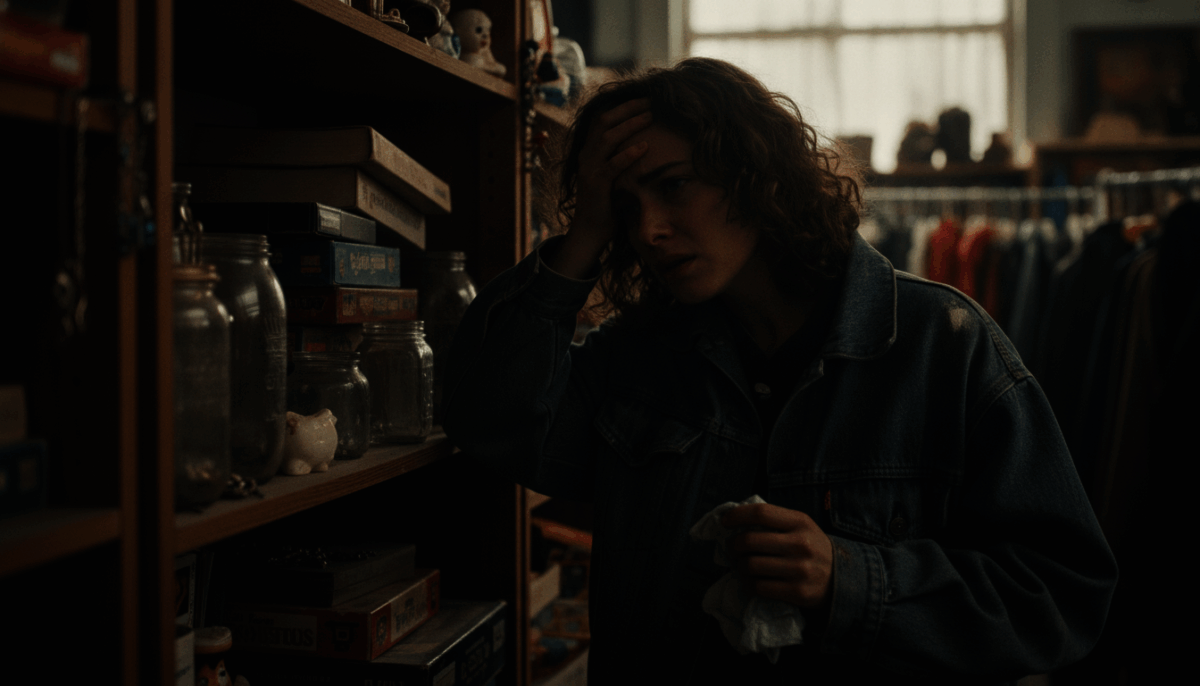
The next morning was a blur of frantic phone calls and driving to every thrift store within a twenty-mile radius. Brenda had been vague, but she mentioned a ‘local charity shop downtown.’ I spent hours walking through aisles of dusty knick-knacks and discarded electronics, hoping against hope to see that distinct blue-and-white pattern peering out from a shelf.
Mark stayed on the phone with the manager of the shop Brenda frequented most often. I could hear him pleading, explaining that these were family heirlooms donated in error. The manager was sympathetic but firm. ‘Once they’re processed, they go on the floor. I can check the back, but there are no guarantees.’
We found a few of the smaller plates, but the core of the collection—the teapot and the soup tureen—were gone. Someone had already purchased them. The thought of a stranger eating off my grandmother’s bowls made me physically sick. It felt like a violation of the highest order. We ended up going to four different shops, and by the end of the day, we had only recovered about 20% of what was taken.
I kept texting Brenda, asking for the exact time and location of the drop-off, but she stopped replying. It was clear she was avoiding accountability. When she did finally respond, it was a gaslighting masterpiece. She claimed she had ‘done us a favor’ and that we were ‘overreacting to a few pieces of ceramic.’ She even told Mark that I was being ‘hysterical’ and ‘ungrateful’ for her hard work.
“I can’t believe you’re making such a big deal out of this. It’s just stuff. I’ve lived a long time and I know what’s important. You’re lucky I cleaned the kitchen when I did.”
— A text from Brenda to Mark, sent while we were out searching.
The realization set in that we weren’t going to get them back. The bulk of the collection was lost to the wind, scattered into the homes of people who had no idea of the history behind the glaze. I felt a profound sense of mourning that I hadn’t expected. It wasn’t just the objects; it was the betrayal of trust. My home was no longer a safe space.
The Family Group Chat Explosion

By the third day, the entire extended family knew. Brenda had spun a narrative that made her the victim of my ‘irrational temper.’ She had posted on Facebook about how she ‘helped her daughter-in-law declutter her kitchen’ and was met with ‘unexpected hostility.’ The comments were filled with people telling her how ‘helpful’ and ‘thoughtful’ she was.
I felt a cold rage bubbling in my chest. I took a screenshot of the empty cabinets and the stack of paper cups and sent them to our family group chat. I didn’t mince words. I told the story of exactly what happened, including the fact that she had donated irreplaceable heirlooms without permission. The reaction was swift and divided.
“Brenda, I cannot believe you did this. Those were her grandmother’s. You don’t touch someone else’s property, ever. This is a massive boundary violation.”
— Aunt Sarah, defending the author in the family chat.
Others, however, sided with Brenda. My sister-in-law chimed in, saying that I was being ‘dramatic’ and that ‘it’s just houseware.’ The group chat turned into a battlefield. It was a microcosm of the larger issue: some people valued the sanctity of boundaries, while others felt that older family members had a ‘right’ to do as they pleased in the name of ‘helping.’
I felt isolated, even though I knew I was in the right. It’s a strange phenomenon—the way family members will defend a clear violation because they don’t want to rock the boat. They kept telling me to ‘just let it go’ and ‘she didn’t mean any harm.’ But intent doesn’t matter when the outcome is the destruction of something irreplaceable.
I eventually muted the chat, but not before seeing Brenda’s response. She didn’t apologize. She doubled down. She claimed that she had done it out of ‘love’ and that I should be thanking her for teaching me a ‘lesson about attachment.’ It was the most condescending thing I had ever read. She truly believed she was in the right, which was the scariest part of all.
The Financial and Emotional Audit

When we finally sat down to calculate the damage, it was staggering. While the monetary value of the ceramics was in the thousands, the emotional cost was incalculable. We tried to find similar pieces on auction sites, but the specific pattern was discontinued in the late 1990s. Even if we found them, they wouldn’t be *her* pieces.
We created a spreadsheet to track what was missing and what it would cost to replace even just the basic set. It was a grim reminder of how much had been taken. The ‘convenience’ Brenda had forced upon us was costing us more than money; it was costing us our sense of security in our own home.
| Item | Status | Estimated Replacement Cost |
|---|---|---|
| Hand-painted Tureen | Lost (Sold) | $450+ (If found) |
| Floral Tea Set | Recovered 2/6 | $200 |
| Vintage Mixing Bowls | Lost (Sold) | $300 |
| Daily Ceramic Mugs | All Lost | $150 |
The financial aspect was secondary, but it served as a wake-up call for Mark. He finally saw that his mother’s ‘help’ was actually a form of control. He started talking about going no-contact, something he had resisted for years. Seeing his mother’s dismissiveness toward something he knew I loved deeply changed his perspective on their entire relationship.
We spent the week talking through everything—not just the kitchen incident, but years of subtle boundary crossings. The ceramics were the catalyst, but they weren’t the whole story. Brenda had been chipping away at our autonomy for years, and this was the final, irreversible blow. We realized we couldn’t go back to the way things were.
I felt a strange sense of clarity. The grief was still there, but it was being replaced by a firm, cold resolve. We weren’t going to let her back into our home. We weren’t going to let her dictate the terms of our life anymore. The paper cups were going in the trash, and the locks were getting changed.
The Reddit Verdict
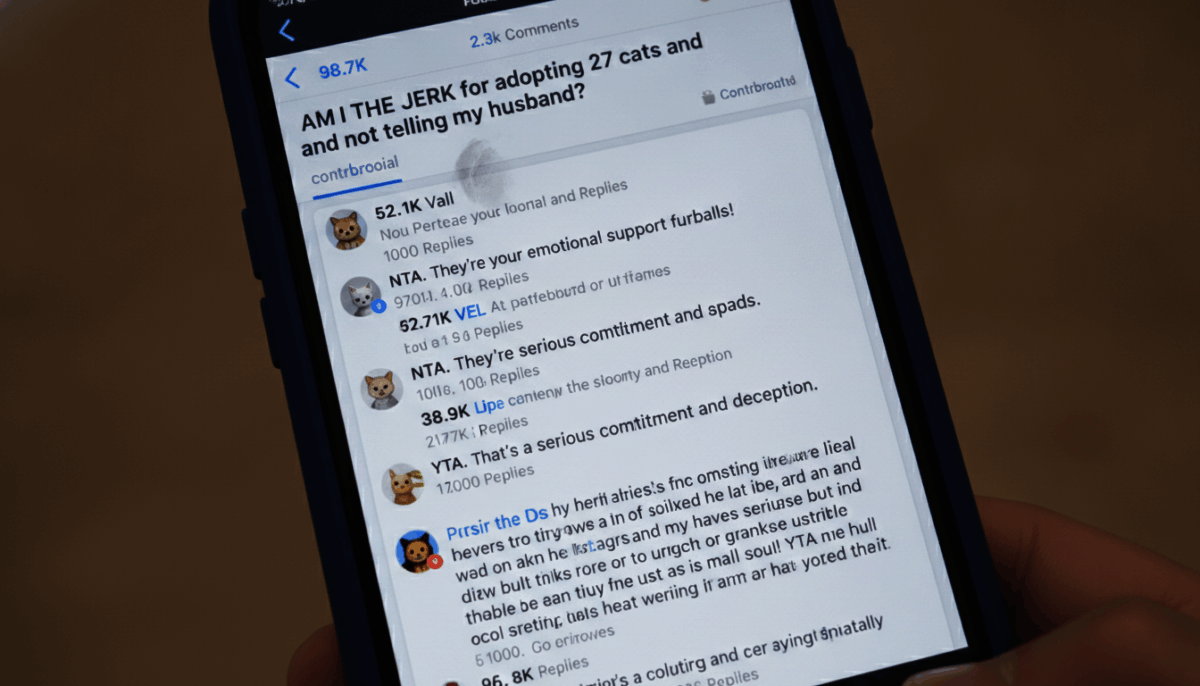
I posted the situation on a popular subreddit to get an objective view, terrified that maybe I *was* being too sensitive. The response was overwhelming. Within an hour, the thread had thousands of upvotes and hundreds of comments. The consensus was clear: this was a gross violation, and I was absolutely not the asshole.
“This is not ‘decluttering.’ This is theft and property destruction. The fact that she did this while you were away makes it premeditated. Do not let her back in your house under any circumstances.”
— u/ReasonableObserver (Top Comment, 32.5k upvotes)
The comments were validating, but they also highlighted the severity of the situation. Many people shared stories of their own ‘well-meaning’ relatives who had caused irreparable damage. It made me feel less alone, but also more determined to protect my space. I realized that my feelings of violation were completely justified by the community’s reaction.
Some of the most helpful comments came from people who explained the legal side of things. While it’s hard to sue a family member for ‘donating’ items, it’s a clear enough act of hostility that it warrants cutting ties. The community wasn’t just supporting me; they were providing a blueprint for how to handle the inevitable fallout.
I read through the comments until the early hours of the morning. It was like a crash course in setting boundaries. The stories of people who had been ‘the bigger person’ only to be walked over again and again were a stark warning. I knew what I had to do. The days of me being the ‘polite daughter-in-law’ were over.
The thread became a safe space for me to process the anger. Seeing thousands of strangers call out the exact behavior I had been questioning made me feel strong again. I wasn’t the one who was crazy; I was the one who had been wronged. And I was going to stand up for my home, my history, and my dignity.
The Final Confrontation
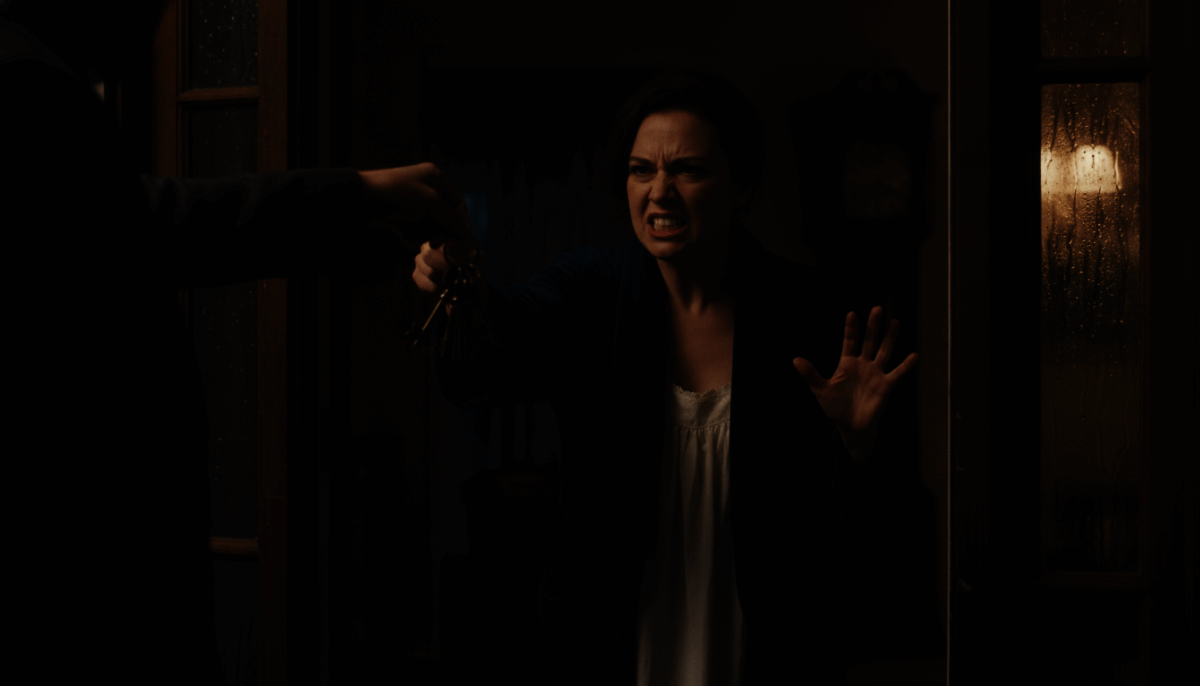
We invited Brenda over for a ‘talk’ a week later. She arrived expecting an apology, I’m sure. She sat on our couch, looking around the living room as if she was already planning her next round of ‘improvements.’ I didn’t offer her tea. I didn’t offer her a seat at the table. I stood in the middle of the room and told her exactly what the consequences were.
I told her that she was no longer welcome in our home, under any circumstances. I told her that what she did was a violation of my trust and that I would never be able to look at her the same way again. Mark backed me up, his voice steady. It was the first time he had ever stood up to her without wavering.
“You didn’t just clean my kitchen, Brenda. You destroyed a part of my history. You are not allowed to be in our private space anymore. Your keys are to be returned now.”
— Me, delivering the boundary to my mother-in-law.
Her reaction was predictable. She played the victim, she cried, she claimed we were being cruel. But for once, her performance didn’t land. I didn’t reach out to comfort her. I didn’t try to explain myself further. I just held my ground. She looked at me with such venom that it confirmed everything I had suspected all along: she didn’t care about my feelings, she only cared about her own power.
She left in a huff, promising that we would ‘regret this.’ As the door closed behind her, I felt a weight lift off my shoulders. It was done. The boundary was set, and the house felt mine again. The paper cups were in the trash, and even though the cabinets were still empty, they were *clean*—clean of her influence and her judgment.
We changed the locks the next day. It was a simple act, but it felt like a declaration of independence. The house was once again a sanctuary, a place where our history mattered. We would slowly rebuild the collection, piece by piece, but this time, it would be on our terms, and it would be protected from anyone who didn’t respect what it meant to us.
The Path to Healing
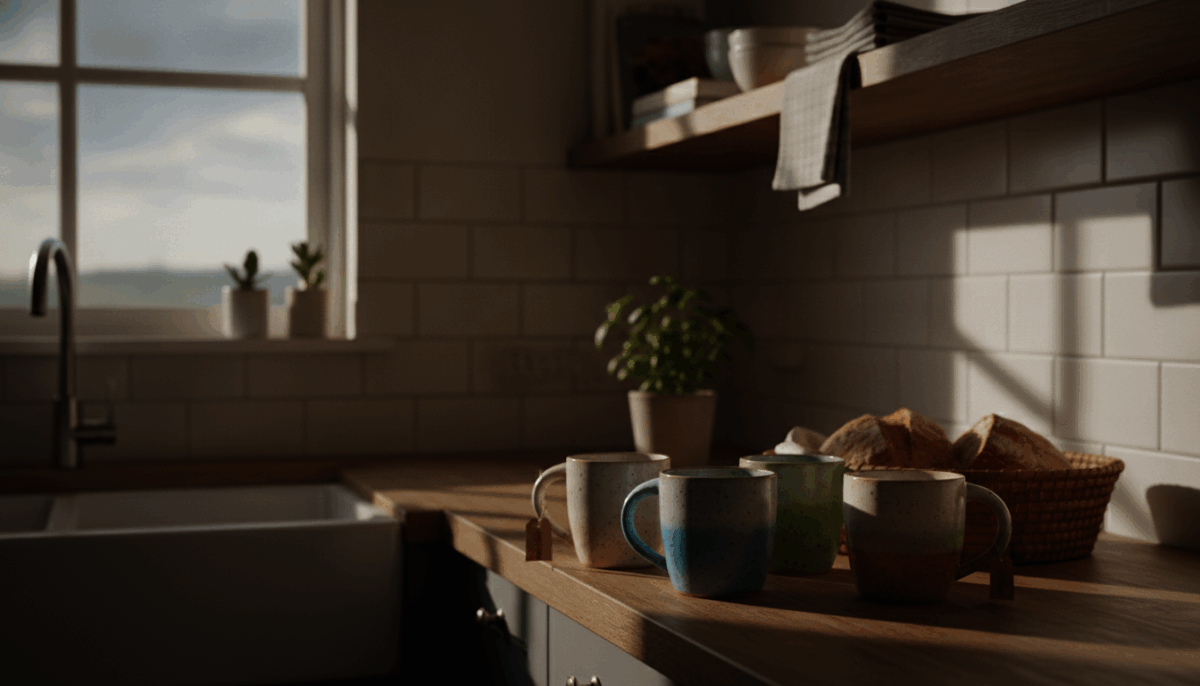
It has been six months since the incident. We are still not on speaking terms with Brenda, and honestly, the peace has been worth every bit of the drama. I have started rebuilding my grandmother’s kitchen collection, but I’m doing it differently this time. I’m searching for pieces that mean something to me, and I’m taking my time.
Every time I place a new ceramic mug in the cabinet, I feel a sense of triumph. It’s not just about the mug; it’s about the fact that no one can take this away from me again. I’ve learned that setting boundaries isn’t just about protecting your stuff; it’s about protecting your peace of mind. It’s about recognizing when someone is trying to erase you and having the courage to say ‘no.’
Mark and I have grown closer because of all of this. We had to face some hard truths about his family, but we came out the other side stronger. We’ve learned that family is what you build together, not just the people you are biologically tied to. We’ve cultivated a group of friends who respect our space and our history, and that has been a healing experience in itself.
I still get sad sometimes when I think about the pieces that were lost. But I’ve realized that the memory of my grandmother isn’t tied to a specific bowl or plate. It’s in the stories I tell, the recipes I make, and the way I live my life. Brenda couldn’t take that away, no matter how hard she tried. She only succeeded in revealing who she really was.
Looking back, I would have handled things differently. I wouldn’t have asked her to housesit in the first place. But I don’t regret the outcome. I regret the loss, but I don’t regret the boundary. Sometimes, you have to lose something to understand what’s truly worth fighting for. And for me, this was the fight that defined my marriage and my life.
A Note to My Future Self
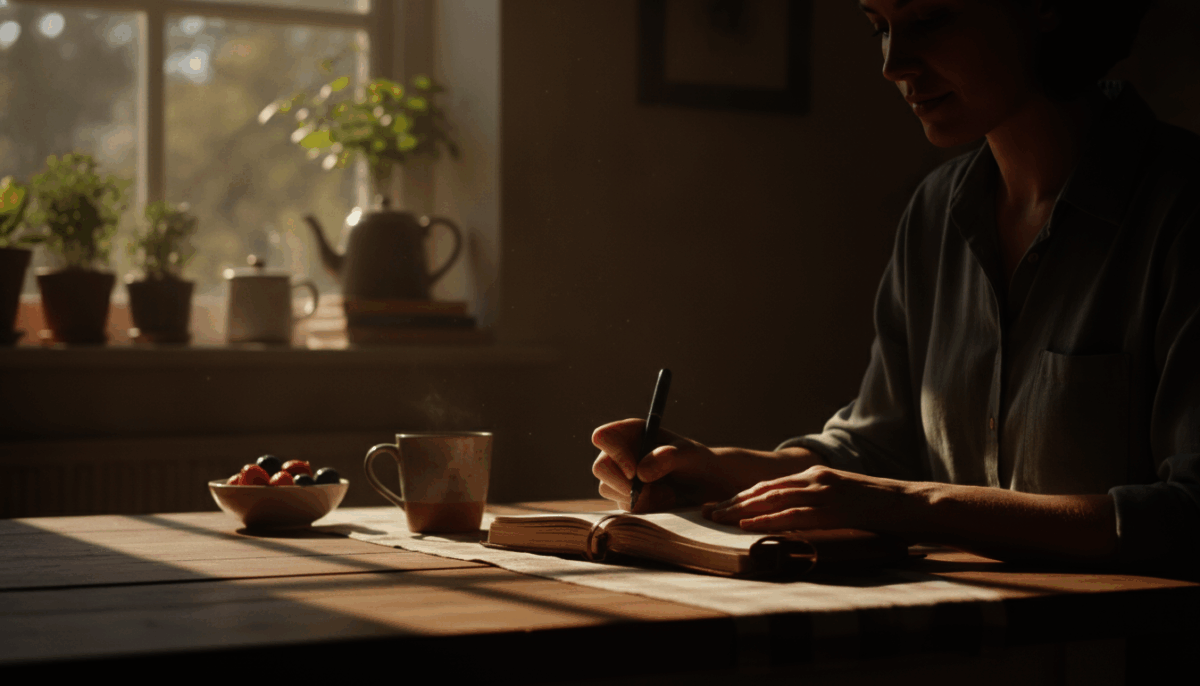
If I could go back in time, I’d tell myself to trust my gut. I knew Brenda didn’t respect my home, yet I invited her in because I thought that was what ‘good’ people did. I’ve learned that being ‘good’ doesn’t mean being a doormat. It means being kind, but also being firm. It means protecting your inner circle from people who would tear it down.
I’ve also learned to be more vocal about my boundaries early on. I shouldn’t have waited for her to do something this drastic to realize we needed to distance ourselves. I should have spoken up when she made those ‘decluttering’ comments months before. Silence is often interpreted as agreement by people like her.
I’ve started a new tradition: every month, I buy one special piece of ceramic, something that reminds me of a good memory. I take a picture of it and write down the story behind why I chose it. It’s my way of reclaiming my home and my history. It’s a small thing, but it feels like a victory every single time.
I’m finally at peace with the fact that I don’t need Brenda’s approval. I don’t need her to understand why I value what I value. I just need to be happy in my own home. And for the first time in a long time, I truly am. The house is quiet, the cabinets are filled with things I love, and the doors are locked to those who don’t deserve to be here.
So, here is my advice to anyone who is going through a similar situation: don’t wait. Don’t worry about being ‘rude.’ Your home is your sanctuary, and you have every right to protect it. If someone doesn’t respect your boundaries, they don’t deserve the privilege of your presence. Protect your peace, protect your history, and never, ever let anyone make you feel bad for loving the things that make you, you.
Conclusion
The story of the ceramic-to-paper-cup swap is more than just a tale of lost dishes; it’s a masterclass in the necessity of boundaries. Brenda’s actions were an attempt to impose her reality onto mine, and by standing up to her, I reclaimed my autonomy. The loss of those heirlooms was a tragedy, but the gain of self-respect was the ultimate victory.
We have learned that forgiveness is a choice, not a requirement, especially when the other person shows no remorse. We continue to live our lives, surrounded by items that carry our own meaning, not someone else’s definition of ‘modern’ or ‘clean.’ The lesson here is simple: never underestimate the power of someone who feels they have the right to change your life, and never underestimate your own power to say ‘no.’
How about you? Have you ever had a guest, family member, or friend overstep a major boundary in your home, thinking they were doing you a ‘favor’? How did you handle it, and did it change the dynamic of your relationship? Join the debate in the comments below: is ‘decluttering’ someone else’s house ever acceptable, or is it always a red flag?
What's your verdict on this dilemma?
Vote below to contribute to the official community consensus.

Have a Dilemma Keeping You Up at Night?
Share your real-life feud, wedding chaos, or relationship crossroads anonymously with our editorial team.
What do you think ?
0 Comments🛡️ Comments are moderated to protect community integrity. Your comment will appear once approved by the editorial team.