
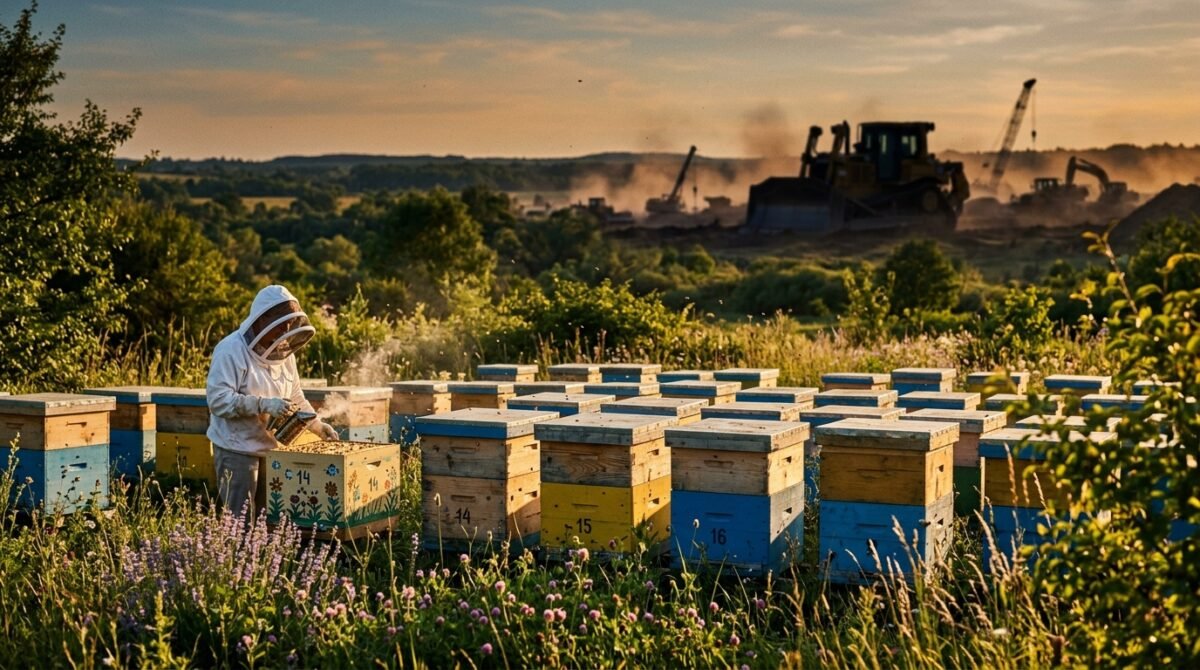
When my grandfather, a man whose hands were permanently stained with propolis and local wildflower honey, passed away, the terms of his will were simple: the land and the apiary went to me. It wasn’t just a plot of dirt; it was a sanctuary of buzzing life that had sustained our local ecosystem for over sixty years. My cousin, Mark, who hadn’t visited the farm in over a decade, suddenly appeared at the funeral with a shark-like grin and a briefcase full of development proposals.
The audacity of his arrival was matched only by the speed at which he began his campaign to seize control. He viewed the land not as a legacy of ecological stewardship, but as a prime opportunity for a high-density, low-quality luxury condominium project. The moral dilemma wasn’t just about the money; it was about the desecration of a life’s work. My family, caught in the middle, quickly fractured into factions: those who prioritized short-term financial gain and those who believed, like me, that some things are not for sale.
As the legal threats started flying, the reality of the situation became clear: this was not a dispute between cousins. This was a war between two entirely different value systems. Mark didn’t want a seat at the table; he wanted to burn the table down and sell the ashes as construction material. The stress began to manifest physically, keeping me awake at night, listening to the hum of the hives and wondering if they would be silenced by the sound of heavy machinery.
The situation escalated when Mark brought in attorneys who specialized in aggressive land acquisition. They weren’t just asking for a slice; they were questioning the legitimacy of my grandfather’s mental state at the time the will was signed. The accusations were baseless and cruel, designed to smear a man who couldn’t defend himself, all for the sake of a payout that Mark desperately needed to clear his own mounting gambling debts.
This is the chronicle of how I defended not just a piece of property, but the very integrity of a promise made to a dying man. It is a story of legal intimidation, family betrayal, and the cold, hard realization that sometimes, blood is not thicker than the profit margin of a bulldozer.
The Uninvited Guest at the Wake
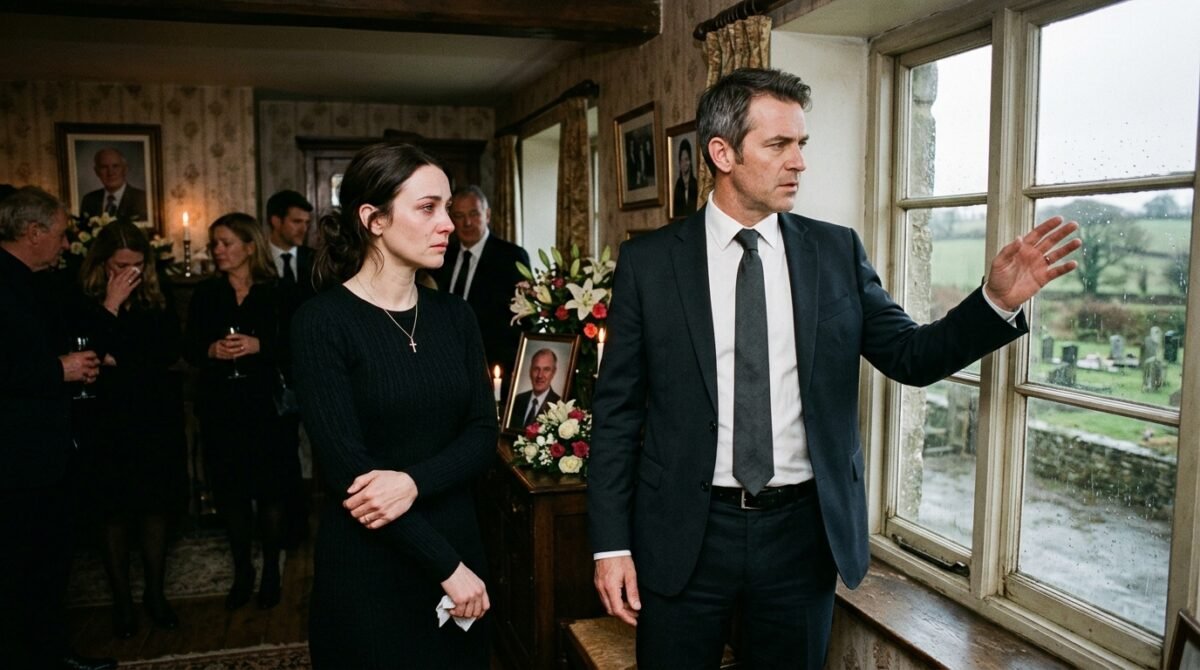
The wake was meant to be a time for reflection and quiet grief. The air in the farmhouse was thick with the scent of lilies and the hushed tones of relatives mourning a patriarch. That was until Mark walked through the front door, looking more like he was attending a business merger than a funeral. He didn’t offer condolences to my grandmother; he went straight for the dining room table where the estate papers were being organized.
I watched from across the room as he adjusted his cufflinks, his eyes scanning the blueprints of the orchard. It was repulsive. I approached him, hoping to keep the peace, but he didn’t even look me in the eye. He just gestured toward the window, looking out over the hives with a look of pure, calculated disdain.
“You know, cousin, holding onto this mess is going to cost you a fortune in property taxes. You’re sitting on a goldmine, but you’re treating it like a hobby farm. It’s an insult to his memory to let this land rot.”
— Mark, during the funeral wake
I felt my blood run cold. He was already framing his greed as a form of respect. I told him in no uncertain terms that the land was not for sale, and that my grandfather had entrusted it to me for a reason. He laughed, a short, sharp sound that silenced the nearby guests, and walked away, leaving me to wonder if he was already planning his first move.
The following morning, I received a text notification that set the tone for the coming months. It wasn’t a sympathetic check-in, but a demand for a meeting. My mother urged me to be ‘reasonable,’ claiming that Mark was just ‘looking out for the family’s future,’ but I saw the truth. He was looking out for himself, and he didn’t care who he had to steamroll to get it.
I spent the next three days in the apiary, finding solace in the rhythmic, life-affirming work of the bees. It was a stark contrast to the cold, sterile reality of the legal threat hanging over my head. I knew then that I wouldn’t be bullied. I had the documents, I had the will, and I had the conviction that I was doing exactly what my grandfather would have wanted.
The Cease and Desist of a Lifetime
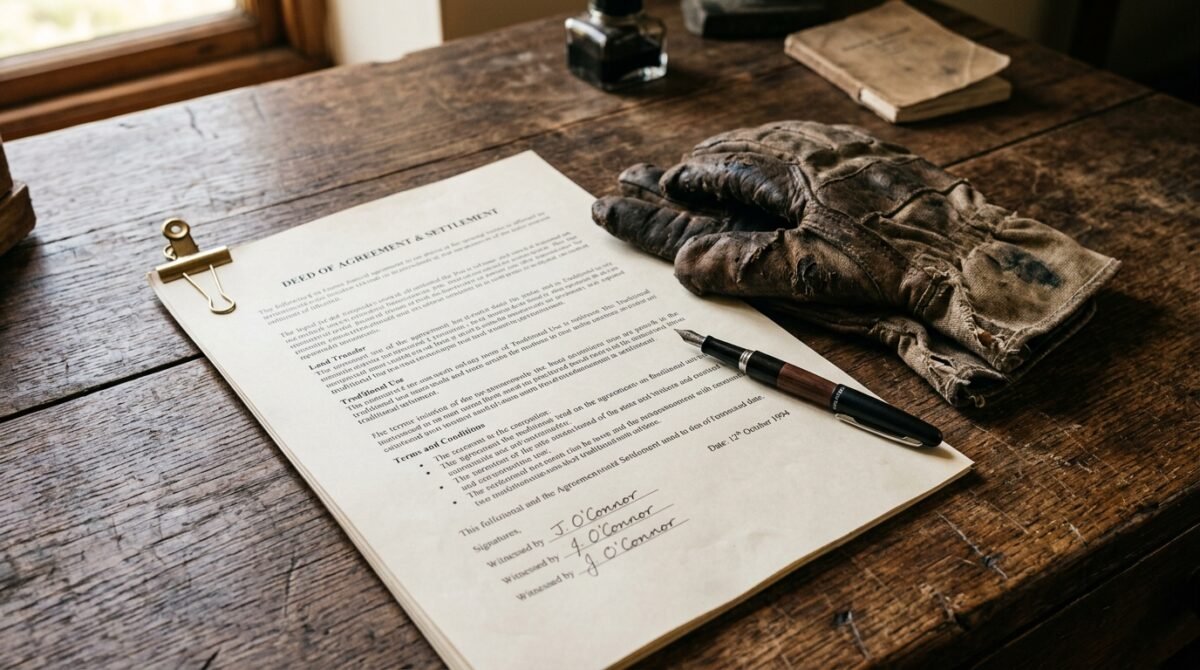
Two weeks after the funeral, a registered letter arrived. It wasn’t a standard inquiry; it was a formal notice that Mark’s firm was initiating a challenge to the validity of the codicil that granted me the land. They claimed undue influence and lack of capacity, a direct attack on my grandfather’s final years. It was a low blow, designed to hit me where it hurt most: my memories.
I contacted a lawyer immediately, a sharp-witted woman who specialized in probate disputes. We sat in her office, surrounded by stacks of legal precedents, and she laid out the reality of the threat. Mark was banking on my inability to afford a long, drawn-out legal fight. He wanted to drain my resources until I was forced to settle just to make the nightmare go away.
“He’s not trying to win on the merits of the law, OP. He’s trying to win on the merits of your bank account. He wants you to fold under the pressure of legal fees. We need to document everything, every conversation, every threat.”
— My Attorney, during our initial consultation
The financial pressure was immense. I had to choose between paying for the farm’s maintenance and paying for the defense. I chose the defense, but it meant I had to start cutting corners elsewhere. The farm suffered. I stopped buying new equipment and started fixing things with duct tape and hope, knowing that every penny I saved was a bullet in the magazine for this war.
Mark began to get sloppy. He started sending me emails, thinking he could intimidate me into a private settlement. He promised me a ‘generous’ payout if I just signed over the development rights. I kept every single one of them. Each email was a piece of evidence, a breadcrumb trail leading straight to his bad faith.
My family group chat became a battlefield. My aunt was the worst of them, constantly forwarding me articles about how ‘responsible’ it was to develop land for housing. She didn’t realize that Mark’s project wasn’t affordable housing; it was luxury townhomes that would displace the wildlife and turn the valley into a concrete jungle. The divide was widening by the day.
The Midnight Visit to the Apiary
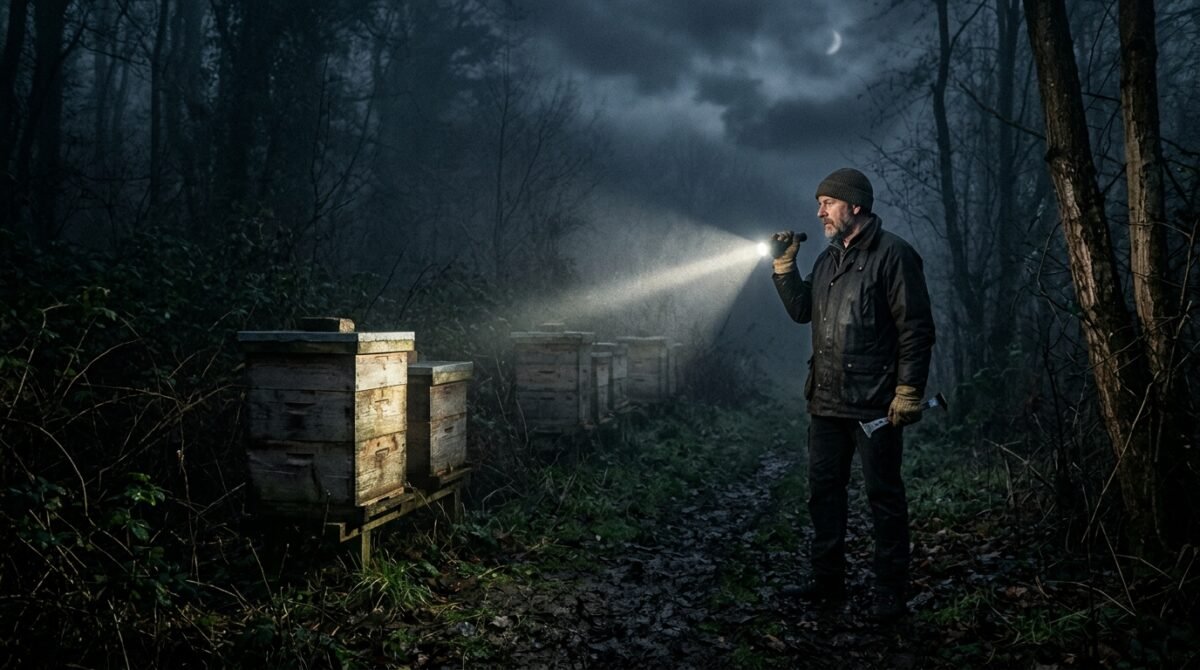
I woke up at 2:00 AM to the sound of tires crunching on gravel. I grabbed my flashlight and headed out to the apiary, my heart hammering against my ribs. There, standing near the edge of the hives, was Mark. He was on his phone, likely talking to his contractors, measuring the distance between the hives and the property line.
I confronted him, the light of my flash piercing the darkness. He didn’t look scared; he looked annoyed that he had been caught. He tried to brush it off as an ‘inspection’ for his surveyors, but we both knew that surveyors don’t work at two in the morning. He was scouting the land, looking for a way to prove that the apiary wasn’t a functional business, but a hobby that could be easily dismantled.
“You’re trespassing, Mark. Get off my land before I call the sheriff. This isn’t your property, and it never will be. Stop treating this like your personal playground.”
— Me, confronting Mark at the beehives
He sneered at me, telling me that the land would be his within six months regardless of what I said. His arrogance was his greatest weakness. I recorded the entire interaction, the audio clear as day. When he finally left, he left behind a trail of cigarette butts—a direct violation of the fire safety rules I had established for the property.
The next day, I filed for a restraining order. It was a strategic move, not just for my safety, but to establish a legal paper trail of his harassment. The court date was set for three weeks out, and the anticipation made the waiting game even more agonizing. My lawyer told me that the judge would not take kindly to his midnight excursions.
The incident solidified my resolve. I realized that Mark didn’t just want the land; he wanted to dominate the situation. He wanted me to feel small, to feel like an intruder on my own land. But the land belonged to the bees, and the bees belonged to the cycle of the seasons. Mark was just a temporary nuisance, a summer storm that would eventually pass.
Leaked Texts and Family Fallout

The family group chat, once a place for sharing photos of birthdays and holiday plans, had devolved into a cesspool of passive-aggressive commentary. My aunt, Sarah, was the primary aggressor, constantly tagging me in posts about ‘family unity’ and ‘letting go of grudges.’ She wasn’t subtle about her support for Mark, often hinting that I was being selfish for keeping the inheritance to myself.
One night, I received a notification from a family member who had finally had enough of the drama. They sent me a screenshot of a private group chat I hadn’t been invited to. It was titled ‘Development Strategy,’ and it included my aunt, Mark, and several of the cousins who were waiting for their share of the payout. The content was sickening.
“We just need to push him into a corner. If he can’t pay the legal fees, the bank will force a sale. Then we can buy it back for pennies on the dollar and flip it to the developer. Don’t worry about his feelings; he’s too sentimental for his own good.”
— Mark, in a private group chat with the extended family
I read the messages until my eyes blurred. They weren’t just plotting against the farm; they were plotting against me. They viewed my attachment to the legacy as a weakness to be exploited. I didn’t respond in the group chat. I didn’t give them the satisfaction of knowing I had seen their true colors. Instead, I took the screenshots to my attorney.
This was the game-changer. It wasn’t just a business dispute anymore; it was evidence of a coordinated effort to defraud me of my legal inheritance. My attorney’s eyes lit up when she saw the messages. She knew that this would change the entire trajectory of the lawsuit. We were no longer on the defensive; we were preparing to strike back.
The fallout was swift. I blocked the entire group of them, effectively cutting them off from my life. My mother was furious, telling me that I was ‘burning bridges’ that could never be rebuilt. I told her that those bridges were already burned; they had just been holding the torches the entire time.
The Day the Appraisal Failed
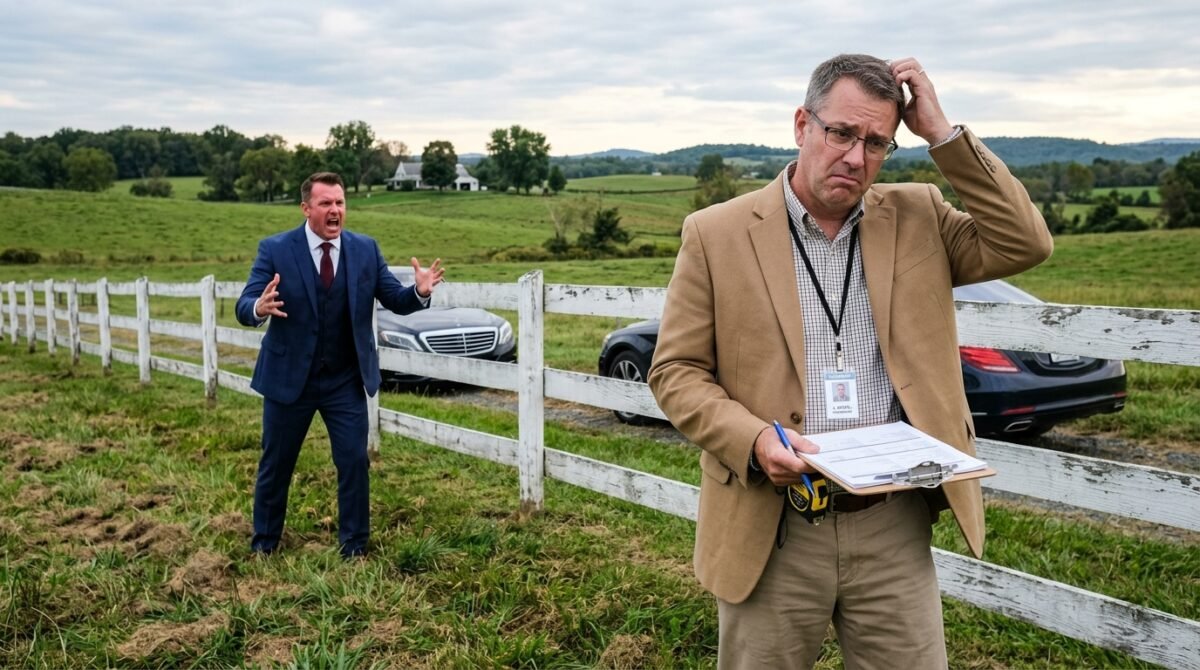
Mark had sent an appraiser to the property to value it for his grand plan. He assumed that the appraiser would look at the land and see only the potential for townhomes. But he hadn’t counted on the environmental impact study that I had commissioned months prior. The apiary was part of a state-protected pollinator corridor, a fact that drastically limited what could be built on the property.
The appraiser arrived in a high-end truck, clearly expecting a quick job. I walked him through the hives, showing him the records of our honey production and the importance of the land to the local agricultural economy. When he saw the protected status of the land, his attitude shifted. He wasn’t looking at a construction site anymore; he was looking at a conservation project.
“If this land is under a protected corridor designation, you can’t put more than one structure here, and that’s only if it supports the agricultural use. This project of yours, Mark? It’s dead in the water before it even starts.”
— The appraiser, informing Mark of the site’s limitations
Mark’s reaction was explosive. He screamed at the appraiser, accusing him of being ‘in on it’ with me. He threatened to sue the firm, to ruin their reputation, and to bring in his own ‘expert’ appraisers. It was a tantrum of epic proportions, and I just stood there, arms crossed, watching him unravel.
I felt a strange sense of peace. The land was safe. Not because of my own efforts, but because of the reality of the land itself. The legal threats were still looming, but the financial incentive for Mark to continue the fight was evaporating. The more he fought, the more money he would lose.
That evening, I sat on the porch and watched the sunset. The bees were returning to their hives, a steady, rhythmic hum that was the heartbeat of the farm. I realized then that I had won, not through force, but by standing still while my enemy destroyed himself. It was a lesson in patience that I would carry for the rest of my life.
The Courtroom Confrontation
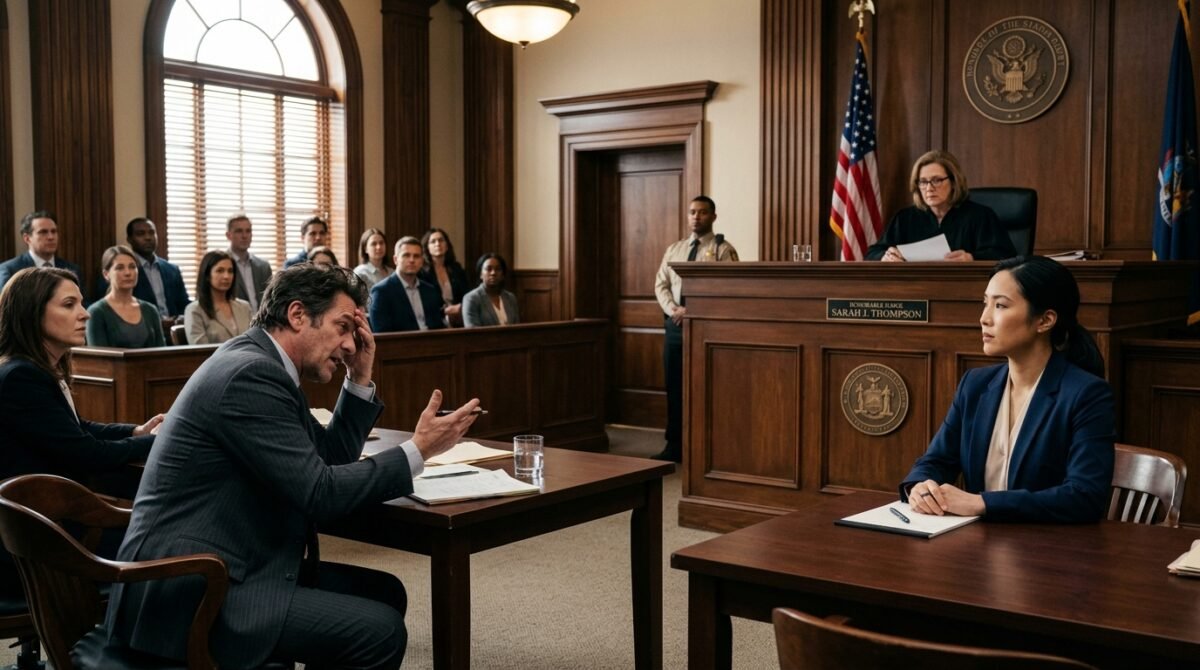
The day of the court hearing finally arrived. The courtroom was cold and sterile, a sharp contrast to the warmth of the farm. Mark sat at the plaintiff’s table, flanked by two high-priced lawyers who looked like they hadn’t slept in days. I sat with my attorney, holding a folder full of evidence that would blow their case wide open.
The judge was a no-nonsense woman who clearly had little patience for family squabbles. When Mark’s lawyer started spouting their theory about ‘undue influence,’ the judge cut them off mid-sentence. She wanted to see proof, not theories. And that was when we brought out the evidence: the emails, the recordings, and the text messages.
“Your Honor, we have proof that the plaintiff has been attempting to intimidate the defendant and that his entire legal strategy is based on a fabricated narrative of the grandfather’s mental state. Furthermore, the land in question is protected property, making his development plans legally impossible.”
— My attorney, addressing the judge
The look on Mark’s face was priceless. He realized in that moment that he had been played, not by me, but by his own greed. He had ignored the legal realities of the land, and now he was going to pay the price. The judge ordered a recess, and when we returned, it was clear that the case was on the verge of being dismissed.
The judge didn’t just dismiss the case; she admonished Mark for his frivolous filing and ordered him to pay my legal fees. It was a complete and total victory. I walked out of that courtroom feeling lighter than I had in years. The weight of the world had been lifted, and I was finally free to return to the life I had chosen.
The aftermath of the court session was a whirlwind of activity. My family, seeing that Mark had lost, started to crawl back, offering excuses and half-baked apologies. I didn’t buy any of it. I had learned who they really were, and I wasn’t interested in maintaining relationships with people who would sell me out for a condo complex.
The Reddit Verdict
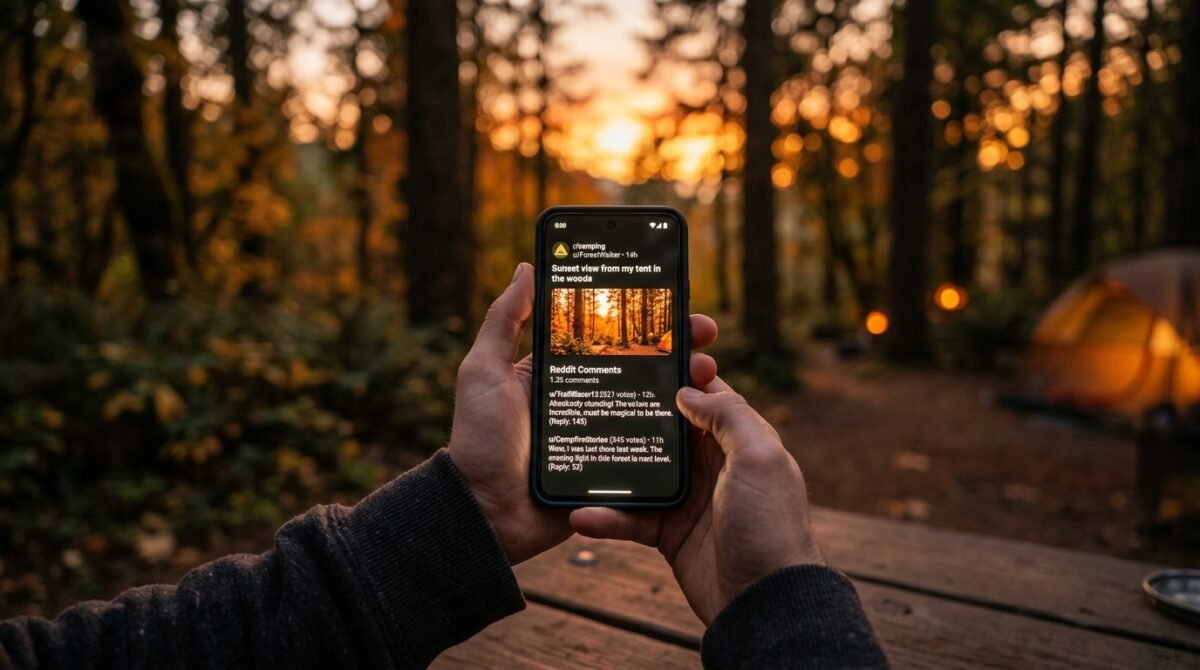
I decided to share the story on Reddit, needing a place to vent the frustration of the past year. I titled the post ‘I Refused To Share My Inherited Beekeeping Apiary With The Cousin Who Sued To Bulldoze The Property.’ The response was immediate and overwhelming. Thousands of people commented, shared their own stories, and offered support.
“This is the definition of ‘play stupid games, win stupid prizes.’ He thought he could bully you, but he didn’t count on the law or your tenacity. You protected your grandfather’s legacy, and that’s something money can’t buy. Keep the bees, ignore the family, and enjoy your peace.”
— u/HoneyBeeDefender (Top Comment, 32.4k upvotes)
The community was incredibly supportive, with many users pointing out that family is not just about blood, but about those who respect your boundaries. It was validating to see that so many people understood the importance of the land and the history behind it. The stories of people dealing with similar ‘inheritance vampires’ were eye-opening.
One user, a lawyer, provided some great advice on how to protect the land in the long term, suggesting a conservation easement. I had never considered it, but it sounded like the perfect way to ensure that the apiary would be safe for generations to come. It was a community effort, and I felt like I had found a new kind of family, one that actually had my back.
The thread became a hub for discussion about land rights, estate planning, and the importance of standing up for what you believe in. It was a reminder that I wasn’t alone in my struggle. Many people face similar pressures, and the common thread was the need to be firm and to prioritize one’s own peace over the expectations of others.
I spent hours reading the comments, realizing that the story had touched a nerve. It was about more than just a farm; it was about the struggle to maintain one’s values in a world that often prizes profit above everything else. The validation from total strangers was more satisfying than any apology my family could have offered.
A Future Defined by Bees and Boundaries
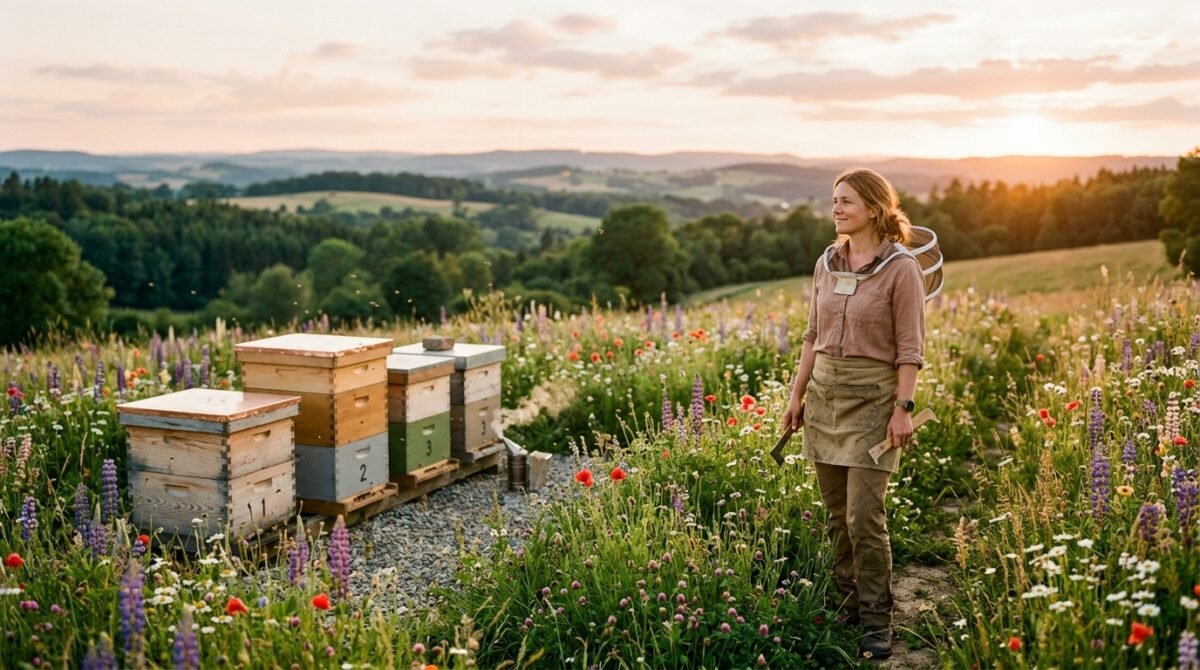
With the legal battle behind me, I turned my attention to the future of the apiary. I started a small business selling local honey and beeswax products, focusing on sustainable practices. The income was modest, but it was enough to keep the farm running, and more importantly, it was mine. I didn’t owe anyone a penny.
I established firm boundaries with my family. I went low-contact with my aunt and completely no-contact with Mark. It was the best decision I ever made. The peace and quiet of the farm was finally mine to enjoy, without the constant threat of intrusion or the weight of judgment. I learned that saying ‘no’ is a powerful tool, and it has allowed me to curate a life that is actually worth living.
“Boundaries aren’t walls; they are filters. They keep the noise out and let the life in. You did what you had to do, and you’re better for it. Don’t look back.”
— A supportive friend, during a celebratory dinner
The apiary is thriving now. We’ve added more hives, and the local wildflower population is better than ever. The land is a sanctuary, not just for the bees, but for me. I spend my mornings checking the frames, listening to the hum of the colony, and feeling a deep sense of gratitude for the life I’ve built.
I often wonder what would have happened if I had just given in. I would have had a pile of money, sure, but I would have lost everything that made my grandfather’s life and my own life meaningful. The cost of the land, in the end, was not measured in currency, but in the integrity of the soul. And that is a price I never would have been willing to pay.
To anyone out there struggling with a similar situation: stand your ground. Don’t be afraid to fight for what you know is right, even if the world tells you that you’re being difficult. Your legacy is yours to protect, and sometimes, the most important thing you can do is to just hold on to what you love.
The Lessons Learned in the Hive
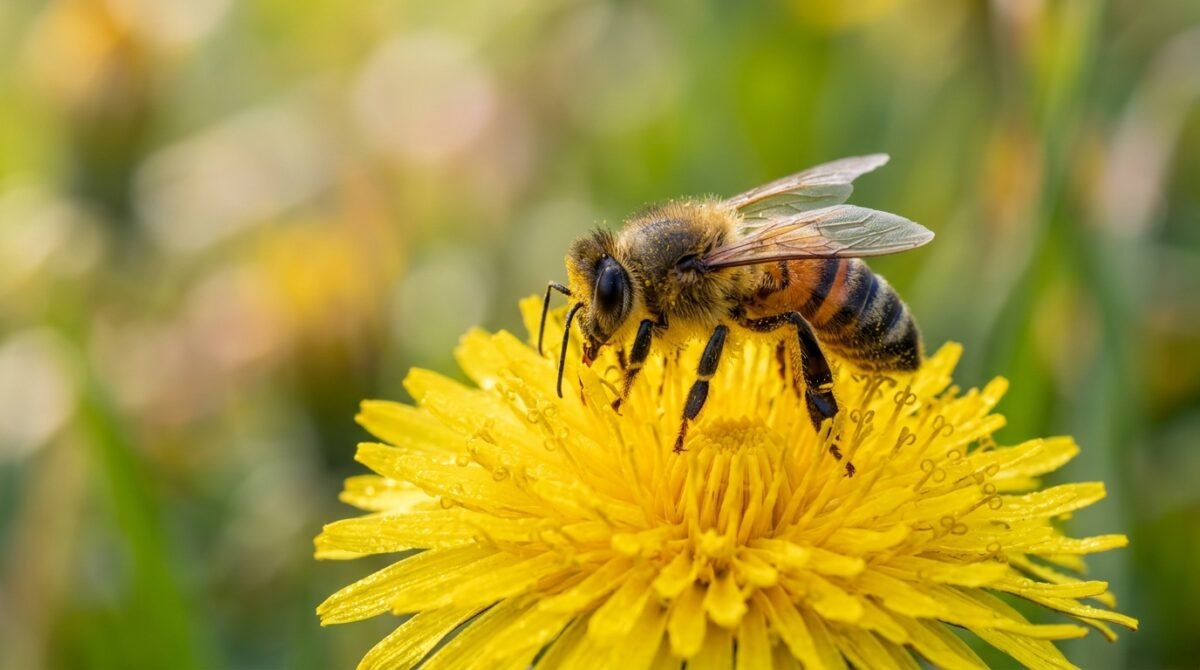
Looking back at the entire ordeal, I realize that the most important thing I learned wasn’t about the law or the courts. It was about the strength that comes from knowing who you are and what you stand for. The bees don’t care about townhomes, and they don’t care about my cousin’s gambling debts. They only care about the work, the colony, and the cycle of life.
That perspective was a grounding force for me throughout the entire process. When the legal bills started to pile up, I reminded myself that the work I was doing was bigger than the temporary crisis. When my family turned their backs on me, I reminded myself that I had a purpose that they would never understand. The hive taught me about collective strength and the importance of resilience.
“The hive is a perfect system of cooperation and individual sacrifice for the greater good. It is the antithesis of the greed I saw from my cousin. I’m proud to carry on that tradition.”
— Me, reflecting on my lessons
I also learned the value of skepticism. I used to trust my family blindly, assuming that they would always have my best interests at heart. That trust was misplaced, and it was a painful, but necessary, lesson to learn. I am now more cautious with my personal information and more protective of my private life.
My relationship with money has also changed. I used to be stressed about not having enough, but now I realize that true wealth is not in the bank account, but in the stability of your environment. I have enough, and that is all I need. I am no longer chasing someone else’s definition of success.
The farm is a testament to that philosophy. It is simple, humble, and beautiful. It is exactly what it needs to be, and nothing more. I am content, and that is a state of being I didn’t think I would reach when this all started. I have emerged from the fire, and I am stronger for it.
The Final Verdict: Legacy over Liquidation
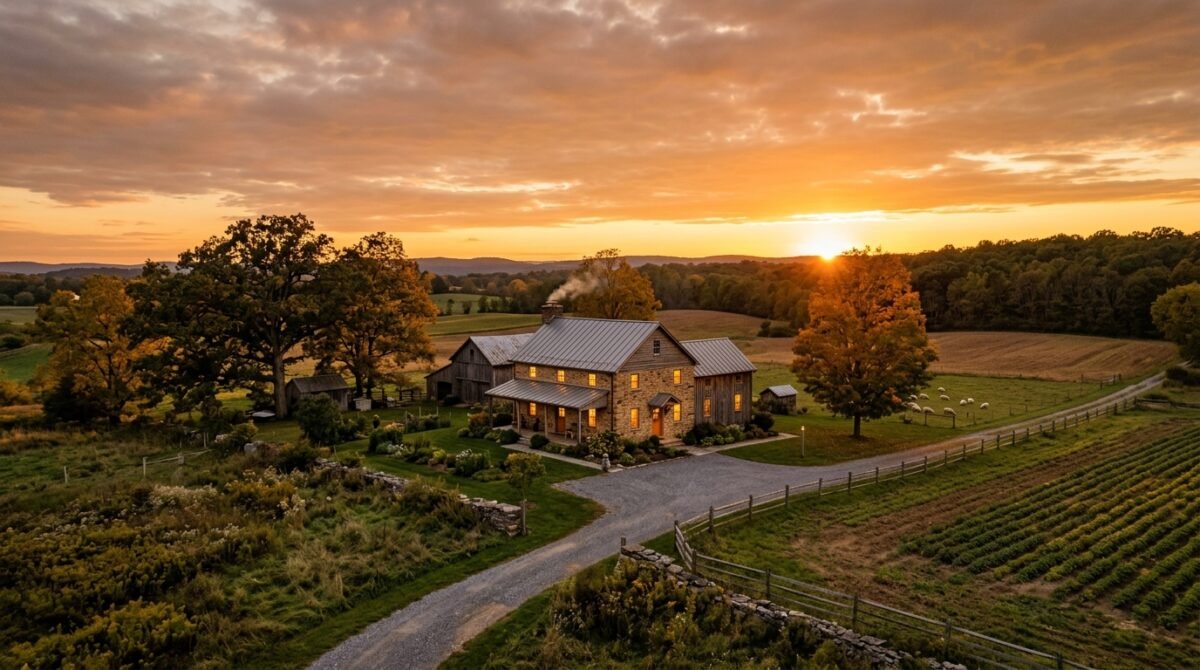
In the end, the attempt to bulldoze the legacy was a failure. The land remains, the bees are still buzzing, and the memories of my grandfather are preserved in every jar of honey we produce. It wasn’t an easy road, and there were many moments where I felt like giving up, but the weight of the promise I made kept me going.
I hope my story serves as a cautionary tale for those who think they can simply steamroll their way to a fortune. Inheritance is a responsibility, not a windfall. It carries with it the duty to honor the person who built it and the land itself. If you can’t respect that, you don’t deserve the property.
“The greatest inheritance is not the land itself, but the values that made it possible to keep it. Protect those values, and you will never be truly lost.”
— Final reflection on the ordeal
I have moved on, and I am not looking back. The drama has faded into a distant memory, a chapter in my life that I have closed for good. I am focused on the future, on the next season of honey production, and on the quiet, peaceful life that I have built for myself.
If you find yourself in a similar position, know that you are not alone. There are resources, there are allies, and there is the strength within you to fight for what is yours. Do not let the pressure of others drown out the voice of your conscience. Stand tall, protect what you love, and know that you are doing the right thing.
Thank you to everyone who followed this journey. Your support, your questions, and your shared experiences have been a part of my healing process. May you find your own peace, your own hive, and your own way of honoring the people who helped you become who you are today.
Conclusion
The story of the apiary is a testament to the fact that money can never replace the value of a legacy built on hard work and respect for nature. My journey from a terrified heir to a resilient landowner was fraught with challenges, but it was one that ultimately defined my character and my values. I chose to prioritize the bees over the condos, and I have never regretted that decision for a single moment.
We all face crossroads in our lives where we must decide whether to chase the easy profit or to hold onto our principles. It is never an easy choice, especially when family pressure is involved. But standing up for what you believe in is the only way to ensure that you can look at yourself in the mirror at the end of the day. The legal system, while flawed, can provide a path to justice if you are willing to fight for it.
I want to thank the community for their unwavering support throughout this ordeal. Your comments and advice helped me navigate the toughest parts of this journey, and I hope my experience can provide some guidance to others in similar situations. Remember to always protect your boundaries and to value the things that money cannot buy.
Now, I’d love to hear your thoughts. Have you ever had to stand your ground against a family member who prioritized profit over your shared heritage? Or have you faced a similar legal battle over inheritance? Share your stories in the comments below—let’s keep the conversation going.
What's your verdict on this dilemma?
Vote below to contribute to the official community consensus.

Have a Dilemma Keeping You Up at Night?
Share your real-life feud, wedding chaos, or relationship crossroads anonymously with our editorial team.
What do you think ?
0 Comments🛡️ Comments are moderated to protect community integrity. Your comment will appear once approved by the editorial team.