
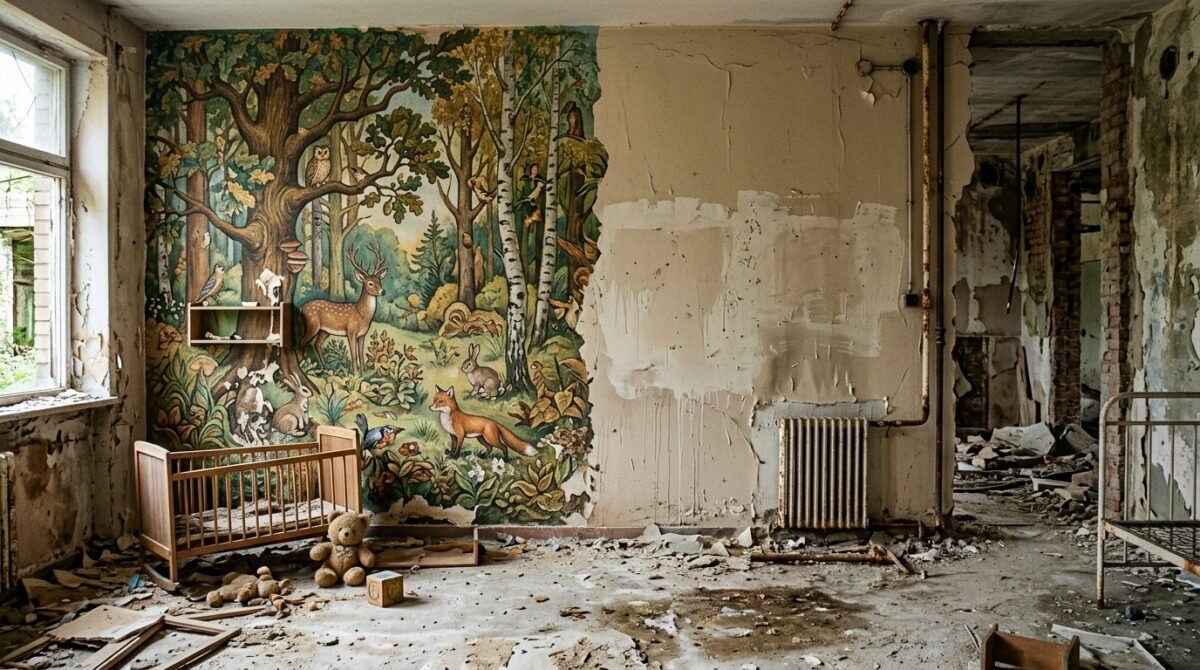
When my husband, Mark, and I finally found out we were expecting our first child, our world turned into a whirlwind of joy and creative anticipation. We weren’t just building a nursery; we were crafting a sanctuary. For three months, I spent every weekend hunched over, breathing in the scent of acrylics, meticulously hand-painting a woodland mural that spanned the entire north wall of our guest-turned-baby room. It was a labor of love, filled with soft greens, whimsical foxes, and golden sunlight peeking through painted birch trees.
We decided to take a short ‘baby-moon’ trip to a coastal town just before I hit my third trimester. It was supposed to be our last quiet weekend, a brief escape before the chaos of diapers and sleepless nights took over. We trusted Mark’s mother, Linda, with our spare key. She had been asking to ‘check on the plants’ and ‘bring in the mail,’ and honestly, we thought it was a sweet gesture. We never imagined we were handing over the keys to a wrecking ball.
The return trip was supposed to be relaxing. Instead, it turned into the most surreal and devastating homecoming of my life. Walking into that house, I expected to see the mail piled neatly on the foyer table. Instead, I smelled something acrid—the pungent, suffocating scent of low-grade latex paint. My stomach dropped. I didn’t even take my suitcase to the bedroom. I walked straight to the nursery, and my heart shattered into a thousand pieces.
The walls were no longer green and gold. They were a flat, depressing, institutional beige. The paint was still wet, dripping down the spots where the foxes used to be. My hand-painted mural was gone, erased by someone who thought my aesthetic was ‘too busy’ for a newborn. The silence that followed was heavy, broken only by the sound of my own shallow, panicked breathing as I realized the violation went far deeper than just paint.
The Initial Discovery and the Lingering Paint Fumes
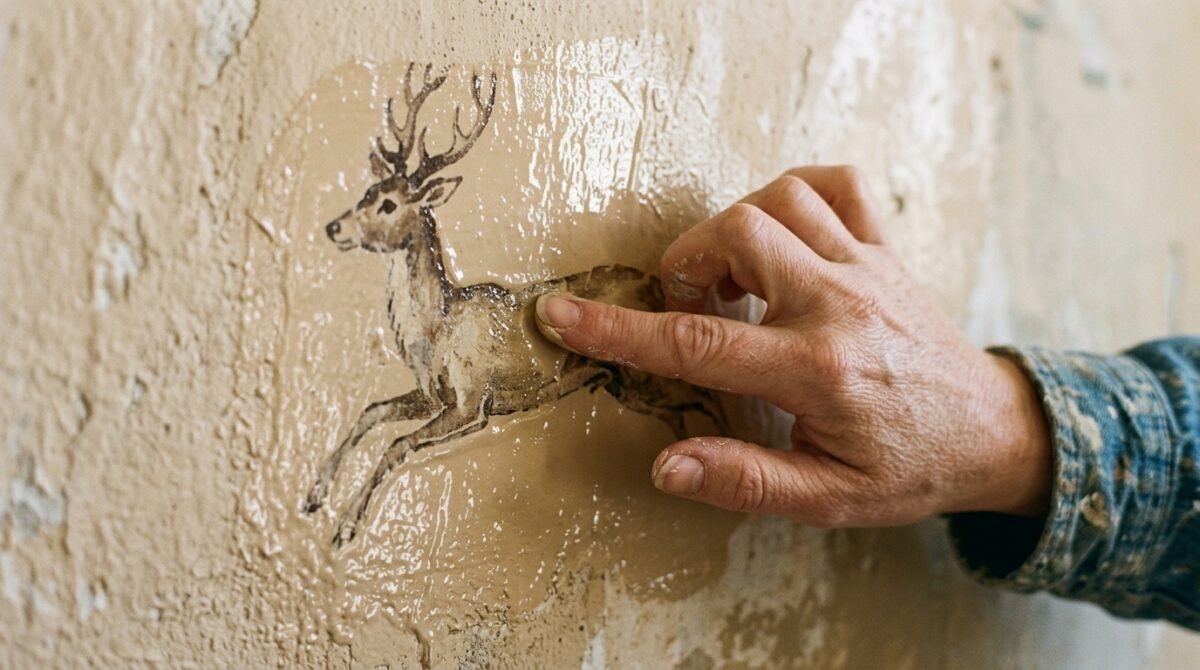
The sight was so shocking it felt like a dream. I stood in the doorway, my fingers gripping the doorframe until my knuckles turned white. It wasn’t just a patch; every single square inch of my hard work had been systematically covered in ‘Contractor’s Special Beige.’ It was as if she had come in with a vendetta against joy itself.
Mark was right behind me, and when he saw it, he didn’t say a word. He just walked over to the wall and touched it. His hand came away wet. He looked at me, his face a mixture of confusion and burgeoning rage. We hadn’t even unpacked our bags, but we were already in the middle of a war we hadn’t signed up for.
I felt a hot, burning sensation in my chest. This wasn’t just paint. It was the hours I spent with lower back pain, the nights I stayed up until 2 AM to get the shading on the leaves just right, the excitement I felt every time I picked up a brush. She had looked at my heart, decided it was inconvenient, and painted over it.
“Mark, why? Why would she do this? She told me she hated it, but I thought she was just being her usual passive-aggressive self. I didn’t think she would actually take action.”
We paced the room like caged animals. The air was thick with the smell, and I felt nauseous—partly from the fumes, and partly from the sheer audacity of the woman who thought she had a say in our home décor. We called her, but the phone went straight to voicemail. That’s when I noticed the note on the kitchen island.
The Passive-Aggressive Post-it Note Confession
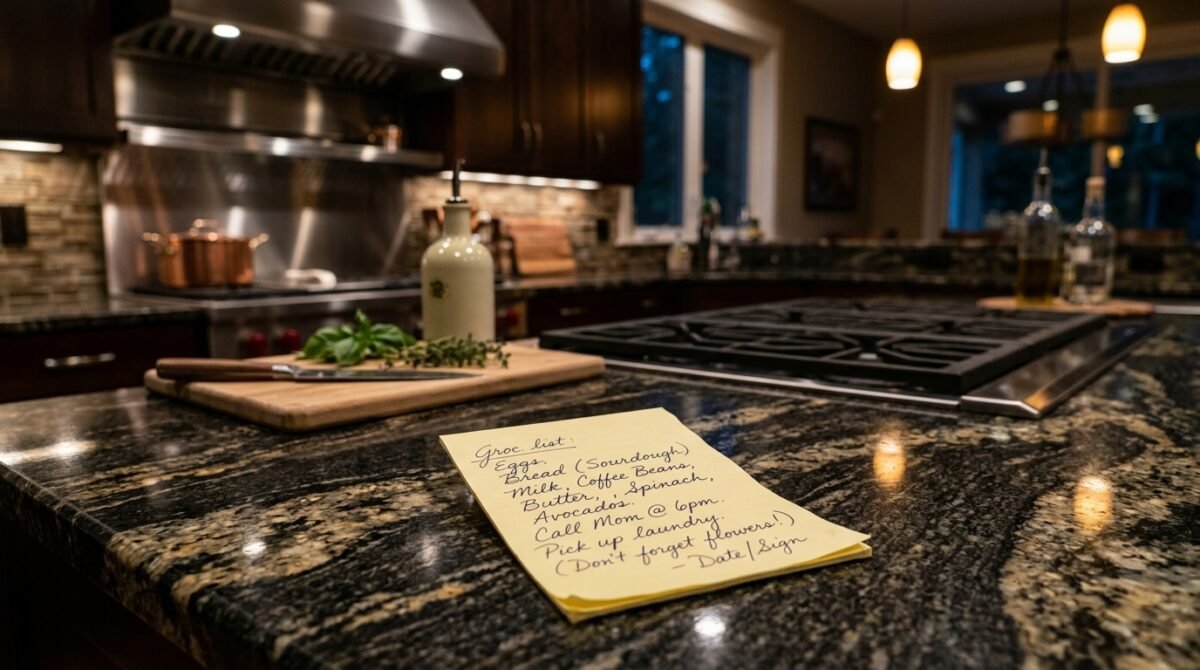
Sitting on the granite countertop was a small, bright yellow sticky note. It looked innocuous, almost cheerful, but the words written in Linda’s precise, cramped cursive felt like a slap in the face. It read: ‘You’ll thank me later. The nursery looks professional now, not like a preschool project. Don’t worry, I used the low-VOC paint. You’re welcome! Love, Mom.’
I read it three times, hoping my brain was failing to translate the insanity. My ‘preschool project.’ That was her verdict. It was a direct insult to the time and emotional energy I had poured into preparing for our child. My husband, usually the peacemaker, was shaking. He looked at me and said, ‘She didn’t just paint. She broke into our house to redecorate because she thinks she owns the place.’
We spent the next hour documenting the damage. I took photos of every drip, every ruined brushstroke, and the receipt for the paint which she had carelessly left in the trash can. She hadn’t even tried to hide it. She had acted with the confidence of someone who truly believed she was doing us a favor. The entitlement was breathtaking.
“She really thinks she’s the hero of this story, Mark. She thinks she rescued our kid from a bad aesthetic. She has no idea that she just crossed a line she can never uncross.”
I realized then that this wasn’t about the paint. It was about power. She wanted to leave her mark on our lives, literally. If she could overwrite my mural, what would she do next? Change the baby’s name? Redecorate the living room? The sense of security I had in my own home evaporated in that moment.
The Confrontation at Sunday Dinner
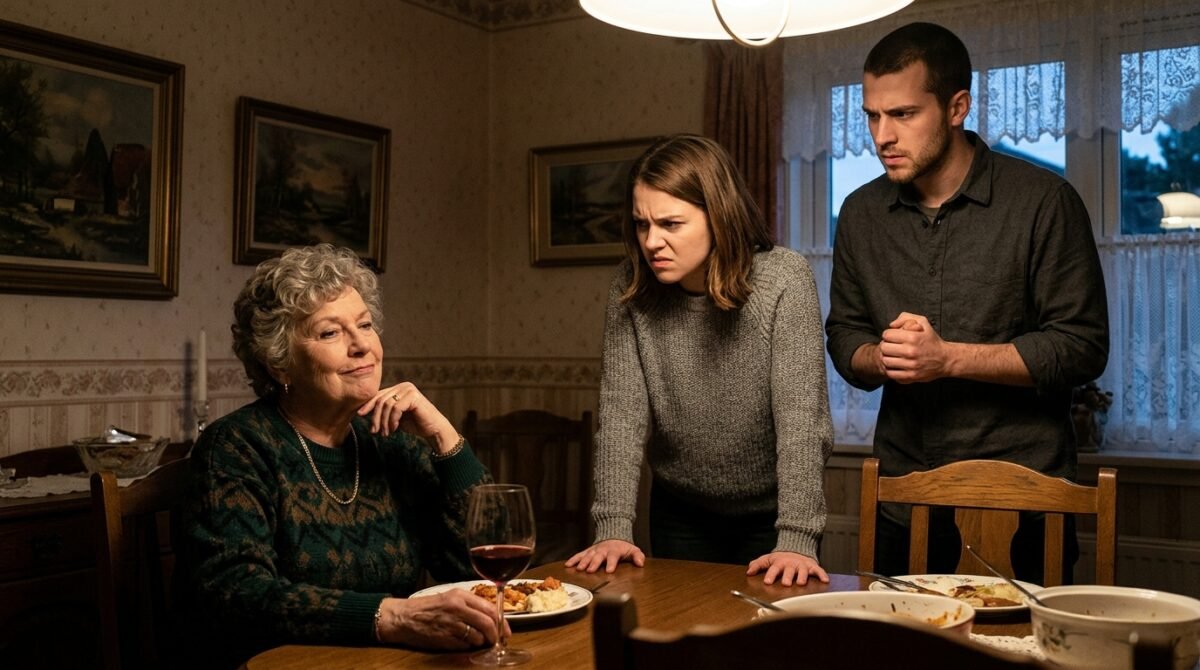
We didn’t wait for her to come to us. We showed up at her house on Sunday, and honestly, the look on her face was almost worth the trip. She was sitting in her sunroom, sipping tea as if she hadn’t just committed a domestic crime. When she saw us, she offered a tight, self-satisfied smile.
We didn’t even sit down. Mark pulled out his phone and showed her the photos. I didn’t speak at first; I let the silence do the work. The air in the room was electric with tension. Linda finally sighed, set her cup down, and looked us dead in the eye, completely unbothered by the gravity of the situation.
She defended herself with a calm, patronizing tone that made my blood boil. She talked about ‘sensory overstimulation’ and how ‘calm, neutral environments’ are better for brain development. She had clearly been reading some outdated parenting blogs to justify her impulse to destroy something that didn’t belong to her.
“Linda, that wall was the most important thing I had done for this baby. It wasn’t ‘busy,’ it was love. You had no right to step foot in our house, let alone change it.”
She didn’t apologize. She didn’t even look guilty. She just kept insisting that we would ‘see the wisdom’ of her decision once the baby arrived. It was the classic narcissist’s trap—the belief that she knows better than the parents, and that her ‘help’ is an obligation we should be grateful for.
The Group Chat Explosion

The fallout started the very next morning. It wasn’t just Linda; it was the entire extended family. She had clearly gone to the family group chat and spun a narrative about how ‘concerned’ she was about the nursery and how she ‘stepped in’ to fix it. My phone started pinging at 7:00 AM with messages from aunts and cousins I hadn’t spoken to in months.
It was a chorus of ‘Linda is just trying to help’ and ‘You’re being hormonal, the baby doesn’t care about the paint.’ It was gaslighting on a family-wide scale. They were all rallying behind the person who had violated our privacy and destroyed our property, framing me as the ungrateful daughter-in-law.
I felt a deep sense of isolation. My husband was furious, but he was also struggling with the pressure from his siblings. They were all telling him to ‘let it go’ and ‘keep the peace.’ It was the classic family dynamic where the boundary-violator is protected because it’s ‘just who she is.’
“Are you kidding me? She painted over the walls while we were gone! How is that helpful? Does anyone actually think this is normal behavior?”
— Sent by OP to the Family Group Chat
The replies were swift and brutal. ‘It’s just paint, don’t be so dramatic,’ one cousin wrote. ‘You’re really going to ruin a relationship over a wall?’ Another aunt suggested that maybe I shouldn’t be so ‘defensive’ and that I should learn to accept help when it’s offered. They were all choosing sides, and they weren’t on mine.
The Cost of ‘Professional’ Help

We decided that if she wanted to play decorator, she could pay for the consequences. We hired a professional muralist to assess the damage. The quote to strip the beige, prime the wall, and recreate the mural was astronomical. When we presented the invoice to Linda, she laughed. She actually laughed in our faces.
She claimed that she did us a favor and that we should be paying her for the supplies. The level of delusion was staggering. Mark finally stepped up and told her that if she didn’t cover the cost of restoration, we would be filing a police report for trespassing and property damage. The room went silent. The threat of legal action was the only thing that broke through her smug exterior.
She started crying—the crocodile tears came out in full force. She talked about how she felt ‘excluded’ and ‘unneeded.’ It was a masterclass in manipulation. She wasn’t sorry for what she did; she was sorry that she was facing consequences. It was a pivotal moment in our marriage as well; Mark had to choose between his mother’s feelings and his wife’s dignity.
“You have two choices, Linda. You pay for the restoration, or you pay a lawyer. And regardless, you will not have a key to our home again.”
She refused to pay, of course. She claimed we were being ‘abusive’ by threatening her. We left her house that day knowing that the relationship was fundamentally fractured. We didn’t need the money as much as we needed her to acknowledge the boundary, but she was incapable of it.
The Reddit Verdict: Echoes of Validation
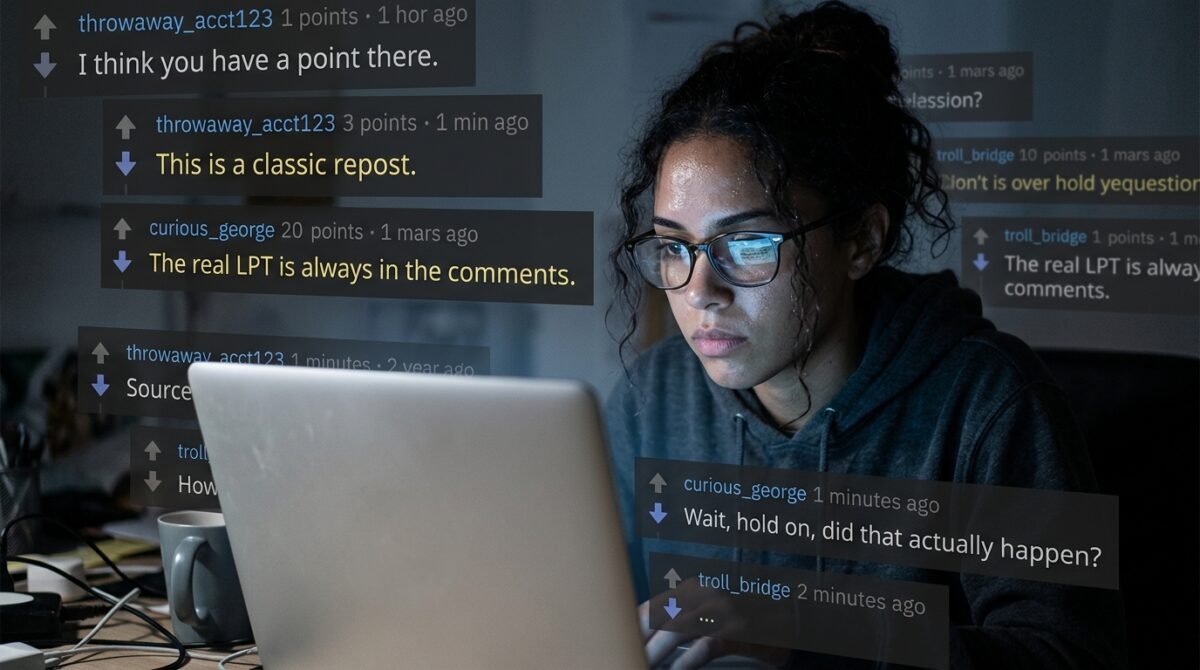
That evening, I did something I rarely do: I posted our story to a popular sub-reddit. I needed to know if I was losing my mind, if I was truly the ‘hormonal’ person my in-laws were making me out to be. The response was overwhelming. Within an hour, the thread had thousands of upvotes. The validation I received was like a balm to my soul.
The commenters were unanimous: this was a massive violation. They called it ‘unhinged,’ ‘narcissistic,’ and a ‘total invasion.’ Many shared their own horror stories of overbearing in-laws, and it made me realize that I wasn’t alone. The collective wisdom of the internet was on my side, and it gave me the strength to stand my ground.
People were offering practical advice, too. They told us to change the locks immediately, install security cameras, and go low-contact. It was the reality check I needed. I wasn’t being dramatic; I was reacting to a clear act of boundary destruction. The ‘NTA’ (Not The Asshole) labels were flying everywhere, and it felt like justice.
“This is not just about the paint. This is about her asserting dominance over your home and your life. Do not let this slide. If you don’t enforce a hard boundary now, she will be naming your child and choosing your pediatrician.”
— u/BoundaryWarrior (Top Comment, 32.1k upvotes)
The thread became a repository for everyone else’s trauma with controlling in-laws. I read through comments for hours, finding comfort in the shared frustration. It turned a private, isolating trauma into a public demonstration of what ‘normal’ healthy boundaries actually look like.
Security Upgrades and Hardened Borders

We took the advice to heart. The very next day, we changed every lock in the house. We installed a video doorbell and internal motion sensors. I felt like a spy in my own home, but it was necessary. The peace of mind that came from knowing she couldn’t just walk in was worth every penny of the installation.
Mark had a long, difficult talk with his father. His dad, who had always stayed out of Linda’s drama, finally admitted that he was tired of her ‘managing’ everyone else’s lives. He didn’t outright side with us, but he agreed that the key should never have been used that way. It was a small win, but we took it.
We also sent a formal letter to Linda, outlining the new rules for our home. No unannounced visits, no keys, and no ‘redecorating’ under any circumstances. It was cold, and it was formal, but it was what we needed to do. We weren’t asking for permission; we were setting the terms of our relationship moving forward.
“We are not accepting visitors for the first month after the baby is born. We need time to bond as a family of three. We will reach out when we are ready.”
She didn’t take the letter well. She called repeatedly, sent long, rambling emails about how much she missed us, and tried to guilt-trip us through other family members. But we stayed silent. We didn’t engage. The silence was our shield, and for the first time in years, the house felt quiet and ours again.
The Uninvited ‘Surprise’ Visit
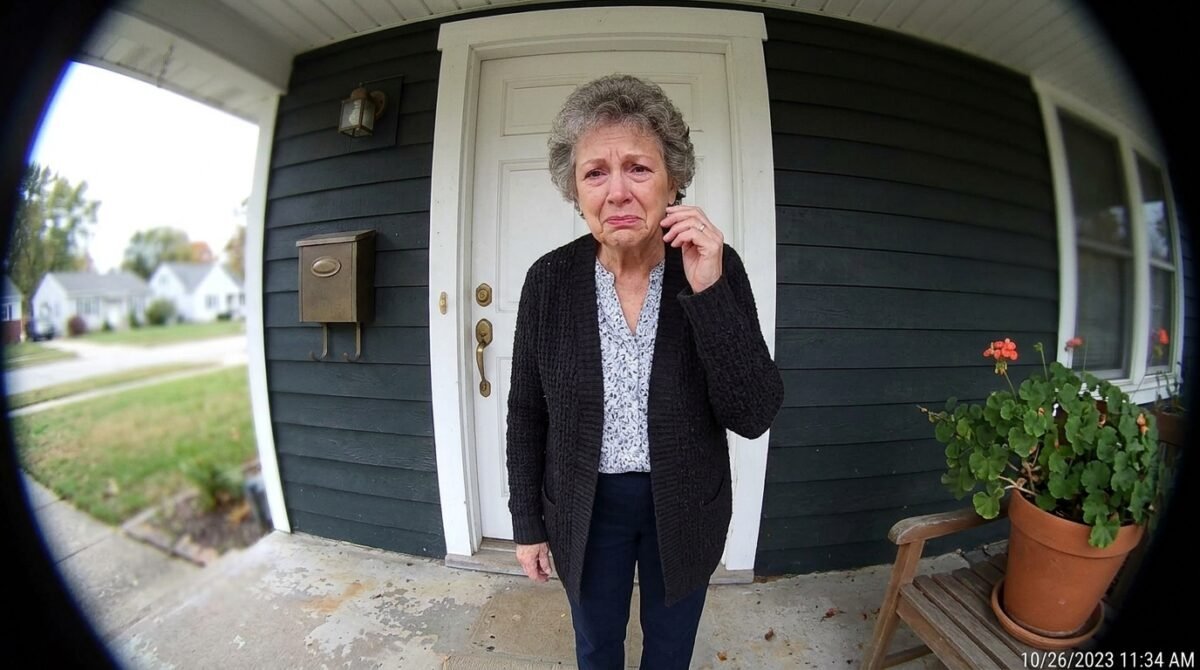
Two weeks later, the doorbell camera pinged. It was Linda. She had arrived with a suitcase and a box of baby clothes. She stood on the porch, ringing the bell repeatedly, then trying the door handle. Watching her on the app was surreal. She looked so small and desperate, but I knew that was just the facade.
Mark went to the door—not to open it, but to speak through the camera. He told her clearly, ‘Mom, we aren’t here, and we aren’t accepting guests. You need to leave.’ She started crying, asking why we were being so cruel. She had no concept of the reality that she had created.
She stayed on the porch for nearly an hour. The neighbors were definitely watching, which only added to the humiliation. Finally, she sat down on the step, defeated. It was a hard thing to watch, but I knew if we opened that door, we would be resetting all the progress we had made.
“I’m your mother! You can’t do this to me! I just want to see the nursery and help you prepare!”
— Linda, through the Ring Doorbell
Eventually, she left. We didn’t speak to her for another month. It was the longest month of my life, but it was also the most peaceful. We focused on ourselves, on our baby, and on fixing the nursery. We didn’t redo the mural—we chose a soft, calm wallpaper instead. It was a new start.
Finding New Meaning in the Nursery
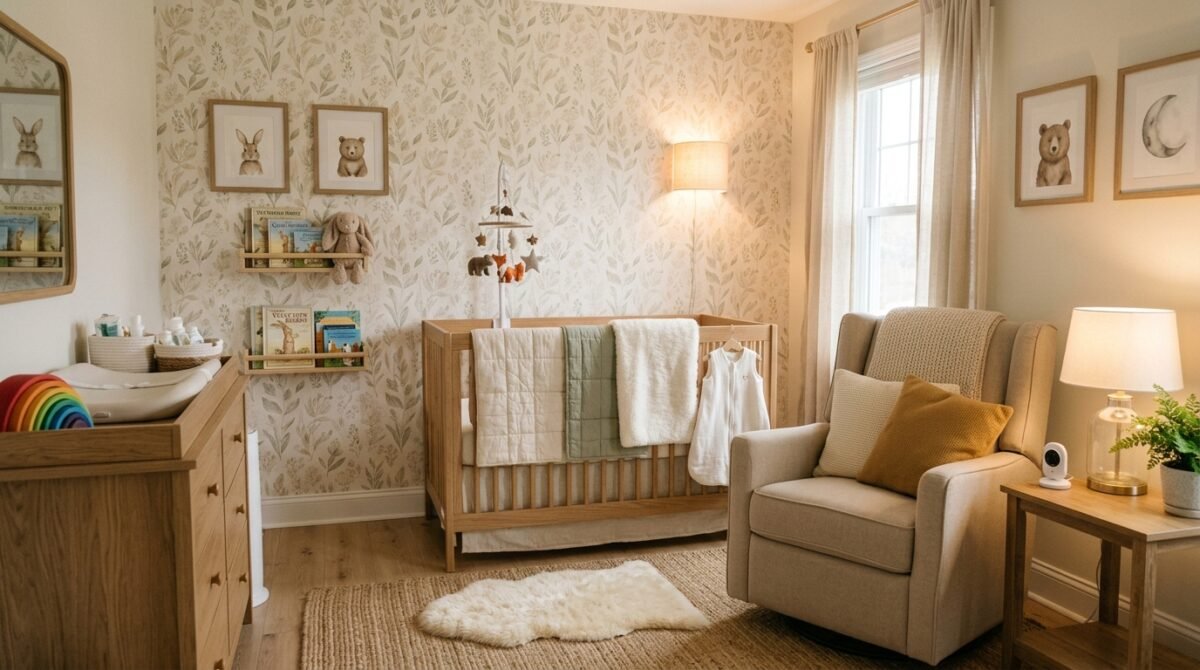
When we finally finished the room, it looked different than I had originally planned, but I loved it even more. It was a symbol of our resilience. Every time I walked in, I was reminded not of the paint, but of the strength Mark and I had found in each other. We had turned a space of violation into a space of protection.
The beige paint was gone, covered by layers of high-quality, non-toxic wallpaper that we had chosen together. It was a soft, neutral landscape that felt serene and welcoming. I realized that the nursery wasn’t about the art on the walls; it was about the environment we were creating for our child—one that was safe, respected, and autonomous.
We started to feel like a real family, one that existed outside of the shadow of Linda’s expectations. We weren’t just reacting to her anymore; we were building our own traditions. We kept the house locked, we kept our distance, and we kept our joy to ourselves. It was the greatest gift we could have given our baby.
“We’ve created something better, haven’t we? It’s not just a room. It’s a fortress. Nothing gets in here unless we want it to.”
We spent hours in that room, preparing for the arrival, talking about how we would raise our child. We knew there would be more challenges ahead, more boundary tests, but we were ready. We had survived the ‘beige incident’ and come out stronger on the other side.
Reflecting on the Long-Term Fallout

Months later, the dust has settled. We are now in a state of ‘civilized distance’ with Linda. We see her for holidays, but we never leave her alone in our home, and we never give her the keys. She still mentions the nursery occasionally, claiming she was just trying to help, but we shut it down every time.
It’s a different relationship than I ever wanted, but it’s the only one that works. I’ve learned that you can’t force someone to respect you; you can only demand it. And if they aren’t willing to give it, you have to be willing to take it. It’s not about being mean; it’s about being healthy.
Our child is healthy and happy, and that’s all that matters. The nursery is just a room now, filled with toys and laughter. The beige paint is a distant memory, a cautionary tale we tell our friends when they talk about boundary issues. We’ve moved on, and in doing so, we’ve found a peace we never would have had otherwise.
“I don’t regret the way we handled it. I regret that it had to happen, but I don’t regret the boundaries we set. They saved us.”
I hope that if anyone is reading this and going through something similar, they know it’s okay to put yourself first. Your home is your sanctuary. Protect it with everything you have. Don’t let anyone, no matter who they are, tell you that your feelings don’t matter or that your boundaries are just ‘dramatic.’
Conclusion
The experience of having my home violated by someone who should have been a supporter was, without a doubt, the most transformative period of my life. It forced us to define what kind of family we wanted to be—one built on mutual respect and clear communication, rather than obligation and manipulation. The loss of the mural was painful, but the gain in our own agency was invaluable.
Looking back, I realize that the beige paint was never really the issue. It was a symptom of a much larger, unspoken entitlement. By addressing it head-on, we didn’t just reclaim our walls; we reclaimed our lives. Boundaries aren’t walls we build to keep people out; they are the gates we use to decide who we let in, and under what terms.
I am curious to hear from you, our readers. Have you ever had a moment where you realized that a family member viewed your home or your life as an extension of their own? How did you handle it, and did it change the dynamic for the better? Let’s talk about it in the comments below—the community support has been truly life-changing for me.
What's your verdict on this dilemma?
Vote below to contribute to the official community consensus.

Have a Dilemma Keeping You Up at Night?
Share your real-life feud, wedding chaos, or relationship crossroads anonymously with our editorial team.
What do you think ?
0 Comments🛡️ Comments are moderated to protect community integrity. Your comment will appear once approved by the editorial team.