
Growing up, the role of ‘mother’ was always a vacant seat at our dinner table. My biological mother, Sarah, had left when I was six under circumstances that were never fully explained to me, leaving my father to navigate the chaos of single parenthood. Five years later, he married Elena, a woman who had a very specific, aggressive vision of what a ‘nuclear family’ looked like. From the very first day, Elena didn’t just want to be a parent; she wanted to erase the past.
For fifteen years, the power dynamic in our household was defined by Elena’s obsession with optics. We had to be the perfect, photogenic family. But beneath the surface, there was a glaring, unresolved void. Elena constantly pushed me to change my legal documents, to drop my mother’s maiden name, and eventually, to sign papers that would grant her ‘legal guardianship’ status. I always resisted, feeling in my gut that her motives weren’t purely rooted in love, but in a desperate need for control.
Then came the health crisis. A rare, chronic condition flared up, requiring frequent hospitalizations and complex medical decisions. Suddenly, my autonomy was in jeopardy. Elena saw the illness not as a tragedy, but as a tactical opening. She cornered me in the ICU, armed with a lawyer’s packet, demanding that I sign a power of attorney that would grant her total control over my medical records and treatment options. Her justification? ‘A real mother would be making these decisions for you.’
That was the moment the dam broke. I realized that if I was going to be forced to navigate my own medical autonomy, I wasn’t going to do it under the shadow of a woman who viewed me as an accessory to her life story. I didn’t just refuse her; I reached out to the person I had been told was a ghost: my biological mother. The fallout was not just a family argument—it was a full-scale war for my own existence.
The Hospital Corridor Ultimatum
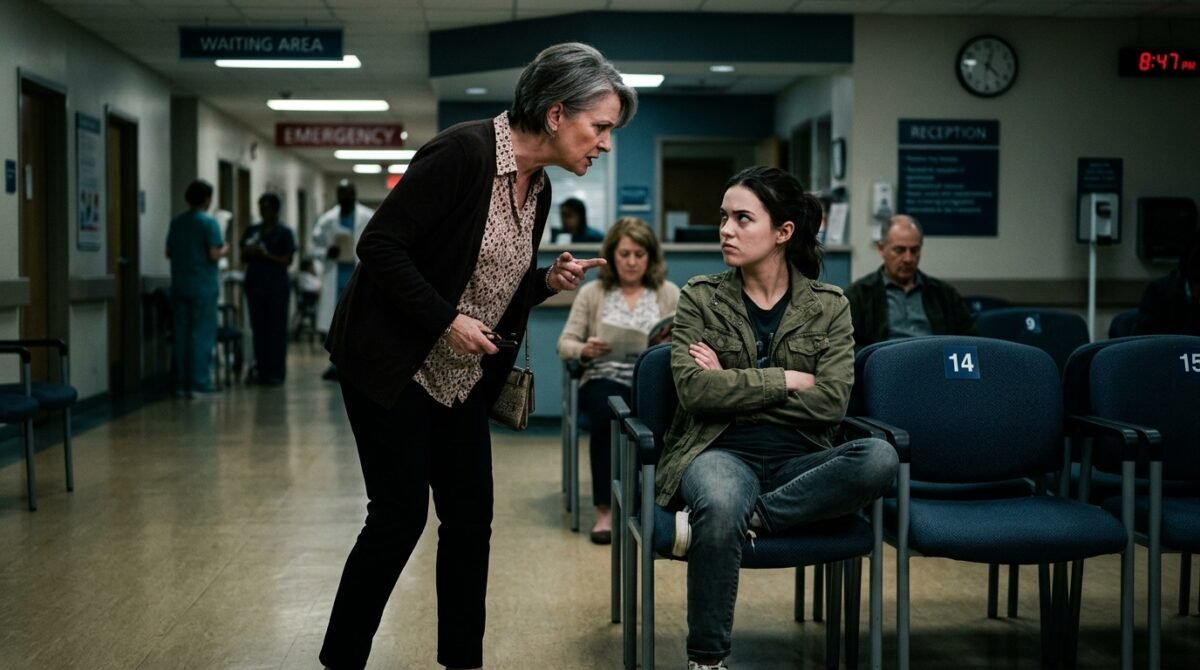
The fluorescent lights of the hospital hallway seemed to hum with a predatory vibration. I was exhausted, hooked up to monitors that beeped in a rhythm that felt like a countdown. Elena walked into the room, not with flowers or comfort, but with a leather-bound folder. She didn’t ask how I was feeling; she asked if I had spoken to the hospital administrators about the guardianship paperwork.
I looked at her, my voice weak but steady. I told her I wasn’t interested in signing away my rights to my own body. That’s when her mask finally slipped. She stopped playing the doting stepmother and started acting like a jilted creditor. She went on a tirade about how much time she had ‘invested’ in me and how she couldn’t possibly manage my care if I didn’t give her the legal authority of a mother.
“You are eighteen now, but you are failing to grasp the gravity of your situation. You need a mother figure, not just in name, but in legal status. If you don’t sign these papers, the hospital will keep you in limbo, and I won’t be able to protect you from the system.”
— Elena, during our confrontation
I realized then that her fear wasn’t for my health, but for her loss of control. She needed to be the one the doctors called. She needed to be the one who controlled the narrative of my illness. I felt a cold surge of clarity. I told her that if she was so concerned about a ‘mother’s presence,’ then perhaps it was time we brought the real one back into the picture.
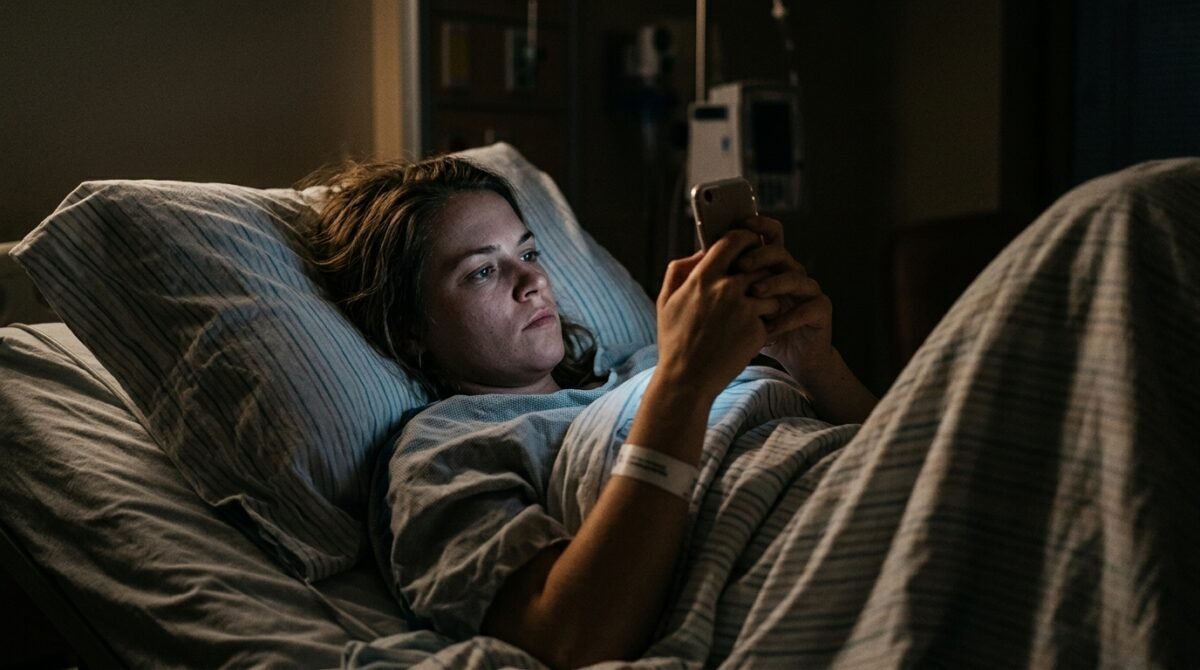
Elena laughed, a sharp, dismissive sound that echoed off the linoleum. She told me Sarah was long gone, that she didn’t care about me, and that she had signed away her rights years ago. She was convinced that I had no leverage. She walked out of the room, leaving the folder on my bed, fully expecting me to cave by the time she returned with coffee. She had no idea what I was already doing on my phone under the sheets.
I spent the next hour drafting a message to a name I hadn’t dialed in a decade. I didn’t know if the number was even active. My hands were shaking, not just from the medication, but from the terrifying realization that I was about to invite an old ghost to fight a new demon. When the text finally sent, I felt like I had jumped off a cliff. There was no going back now.
The Ghost in the Machine
I had tracked down my biological mother, Sarah, through a cousin on social media three years prior but had never worked up the courage to reach out. I had been terrified of rejection, of confirming what Elena had told me for years: that my mother didn’t want me. But as I sat in that bed, with the weight of Elena’s demands crushing my chest, the fear of the unknown was replaced by the necessity of survival.
I didn’t expect a reply within minutes, but my phone buzzed before Elena even made it back to the ward. It was a simple text, but it carried the weight of a decade of silence. ‘I have been waiting for you to call. I am on my way.’ The brevity of the message was electric. It wasn’t the response of a woman who had abandoned her child; it was the response of a woman who had been kept at arm’s length.
“I am at the hospital entrance. The front desk wouldn’t let me up without your consent. Tell them you have a visitor, and tell them who I am. I’m not leaving until I see you.”
— Text from Sarah, my biological mother
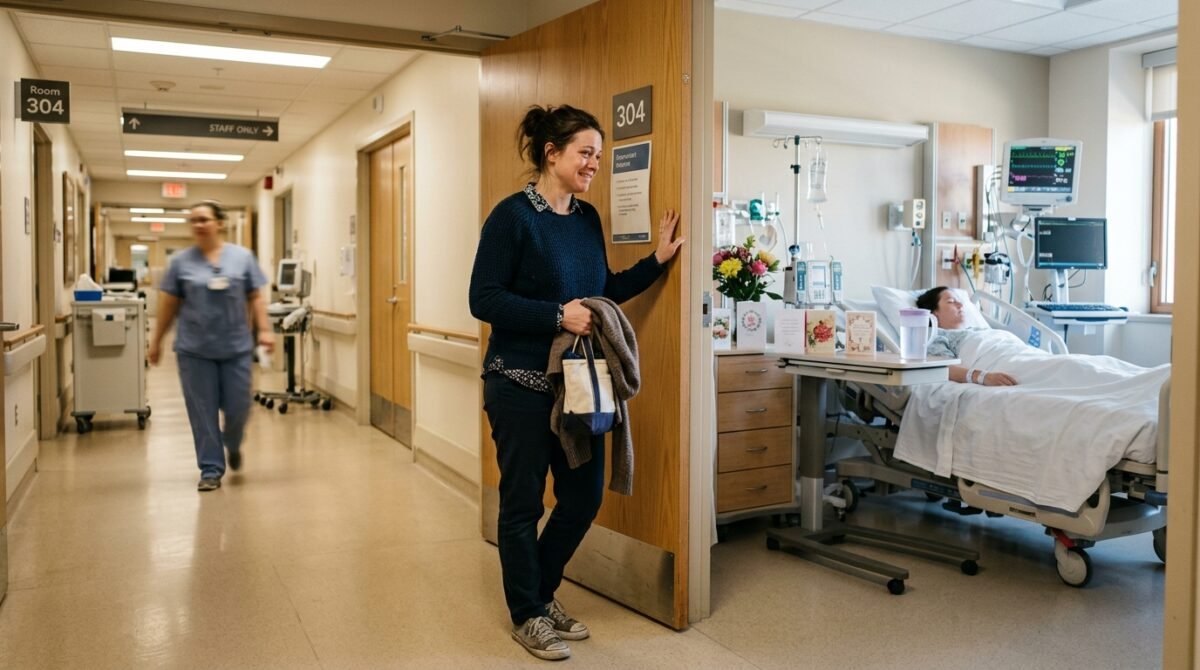
The logistics of the situation were insane. I had to buzz the nurses’ station and explain that my biological mother was downstairs. I felt a weird mix of shame and triumph. When the nurse walked in later to ask if I wanted to admit my visitor, Elena was sitting in the corner chair, scrolling through her phone. The look on the nurse’s face when she asked, ‘Your mother is here to see you,’ was priceless.
Elena dropped her phone. She stood up so fast the chair rattled against the wall. She looked at me, her face pale, and whispered, ‘What have you done?’ I didn’t say a word. I just nodded to the nurse. Elena tried to block the door, but the hospital policy on visitor rights was clear. My choice was the only one that mattered, and for the first time in my life, I was exercising it.
The silence in the room as the door opened was deafening. Sarah walked in—she looked nothing like the monster Elena had described. She looked like a woman who had aged under the weight of a forced absence. She didn’t look at Elena. She walked straight to my bedside, took my hand, and asked me how I was doing. It was the most human moment I had experienced in my entire life.
The Kitchen Table Showdown
Three days later, I was discharged. The drama had shifted from the hospital to the house. My father, who had been blissfully oblivious to the intensity of Elena’s power play, was now caught in the crossfire. Elena had spent those three days crying and playing the victim, telling everyone that my ‘absentee’ mother had appeared out of nowhere to sabotage our family stability.
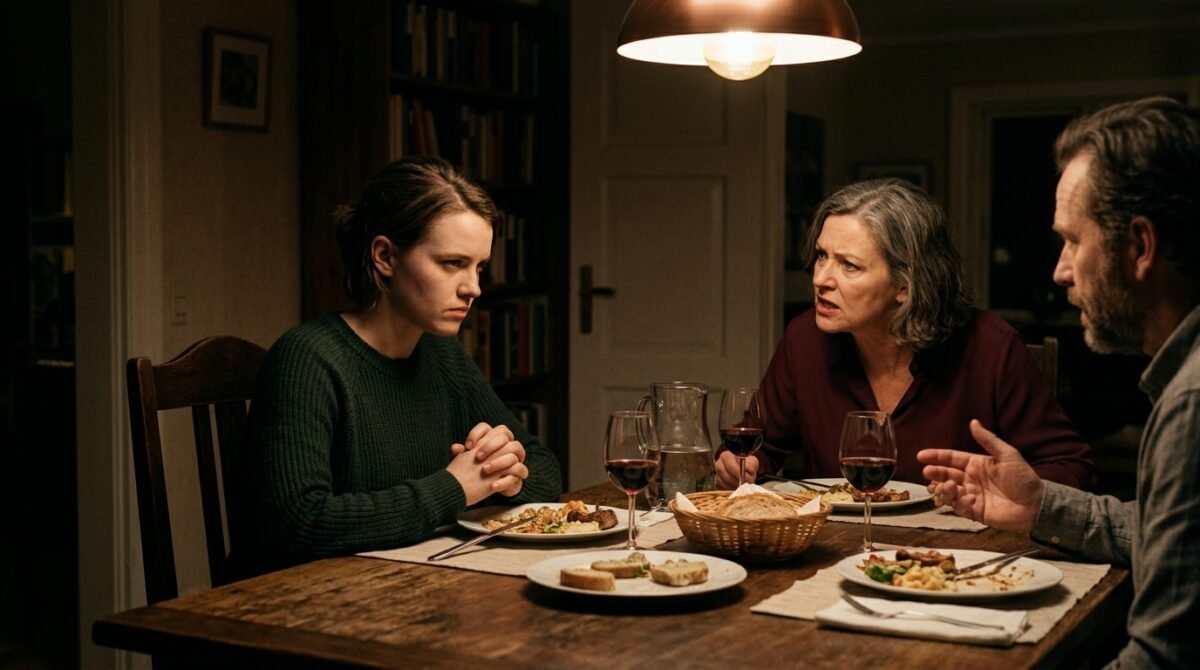
When we sat down for dinner that evening, the tension was so thick you could cut it with a knife. Sarah was there, sitting across from me, while my father sat at the head of the table, looking like he wanted to disappear into the floorboards. Elena was pacing back and forth, holding a glass of wine like a weapon. She started the conversation by questioning Sarah’s intentions, accusing her of only wanting back in once I was ‘valuable’ or ‘the center of attention.’
“You left, Sarah. You gave up your rights, you stopped calling, and you disappeared. You don’t get to waltz back in here and act like you have a seat at the table just because there’s a medical crisis. You are a stranger to this family.”
— Elena, shouting across the dinner table
Sarah didn’t raise her voice. She simply looked at Elena with a cold, terrifying calm that I had never seen before. She explained that she hadn’t left by choice; she had been coerced by my father and Elena into signing papers under the threat of a legal battle she couldn’t afford to win. She had been paying child support from the shadows, checks that Elena had been intercepting and hiding from my father to make it look like Sarah didn’t care.
The revelation hit the room like a bomb. My father’s face turned white as he looked at Elena. He hadn’t known about the checks. He hadn’t known about the threats. The narrative Elena had built for fifteen years was unraveling in real-time. I watched as my father, a man who had always deferred to Elena for the sake of ‘peace,’ finally started to connect the dots.
Elena tried to pivot, claiming she did it for my ‘protection,’ that she wanted me to have a stable home. But it was too late. The justification didn’t hold up against the truth. I spoke up then, detailing the demands for my medical records. I told them that Elena didn’t want a daughter; she wanted a dependent she could control. I told her that I was no longer a ward of hers, and that my health decisions would be made by me and with the guidance of the parent who hadn’t tried to exploit my illness.
The Legal Counter-Move
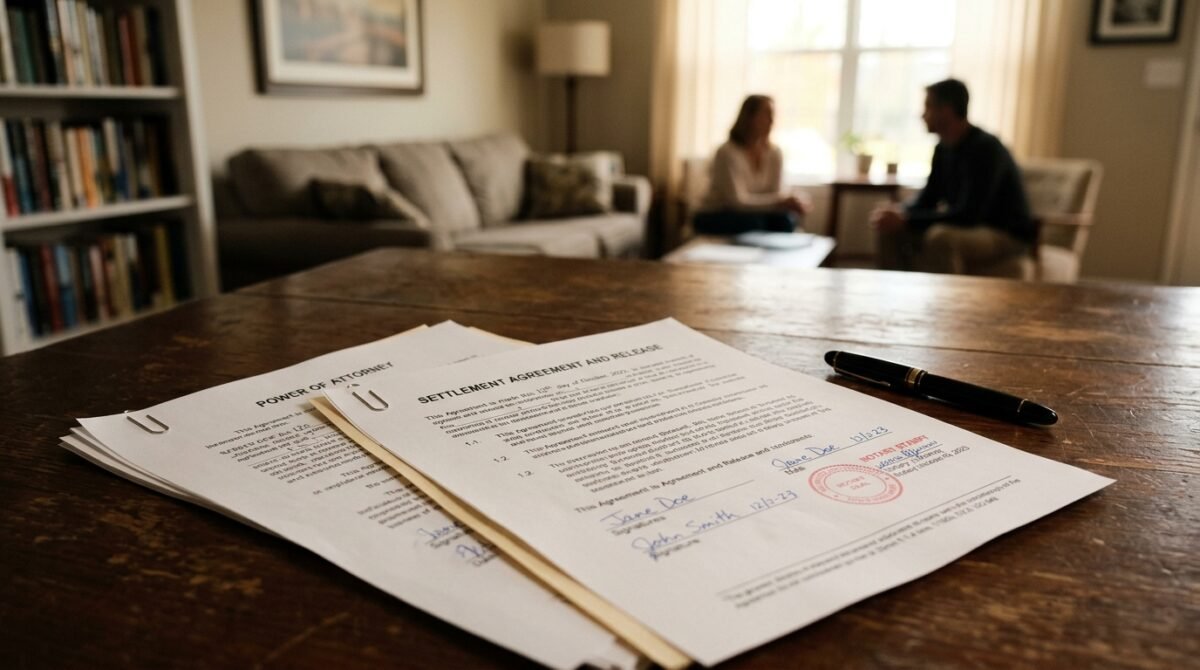
After the dinner, Elena doubled down. She hired a lawyer, threatening to sue for ’emergency guardianship’ based on my medical condition. She claimed I was ‘mentally compromised’ due to my illness and that I couldn’t make sound decisions for myself. It was a disgusting tactic, using my diagnosis as a weapon to maintain her leverage. She was terrified that if I aligned with Sarah, she would lose access to my trust fund and my medical history.
My father finally grew a backbone. He sat Elena down and told her that if she filed for guardianship, he would file for divorce. He had spent the week reviewing the financial records and the hidden correspondence, and the picture was grim. Elena had been manipulating more than just my medical records; she had been siphoning money from a college fund that was supposed to be mine, claiming it was for ‘extra-curricular enrichment’ that never happened.
“You don’t get to call yourself a mother when you’ve been treating our daughter like a line item in a budget. If you go to court, you’re not just fighting her; you’re fighting the truth of what you did to this family.”
— My father, to Elena
I met with a medical advocate and a lawyer of my own, provided by a pro-bono organization that helps patients assert their rights. We drafted a formal document stating that I was of sound mind and that my healthcare power of attorney was designated to my biological mother and my father, explicitly excluding Elena. Serving her with those papers was the most satisfying moment of my life.
Elena went ballistic. She started a group chat with the extended family, trying to frame me as a ‘manipulated child’ and Sarah as an ‘opportunist.’ She sent screenshots of my medical records that she had managed to copy before I revoked her access. It was a violation of privacy so severe that it was actually illegal. When she realized that she was losing the support of the family, she resorted to gaslighting, claiming she was just trying to protect me from being ‘used’ by Sarah.
But the damage was done. The extended family, seeing the proof of the financial discrepancies and the medical coercion, turned their backs on her. The ‘perfect family’ facade had crumbled, and Elena was left standing in the wreckage of her own making. She had tried to force the title of ‘Mom,’ and in the process, she had ensured she would never be part of my life again.
Digital Evidence and the Group Chat Explosion
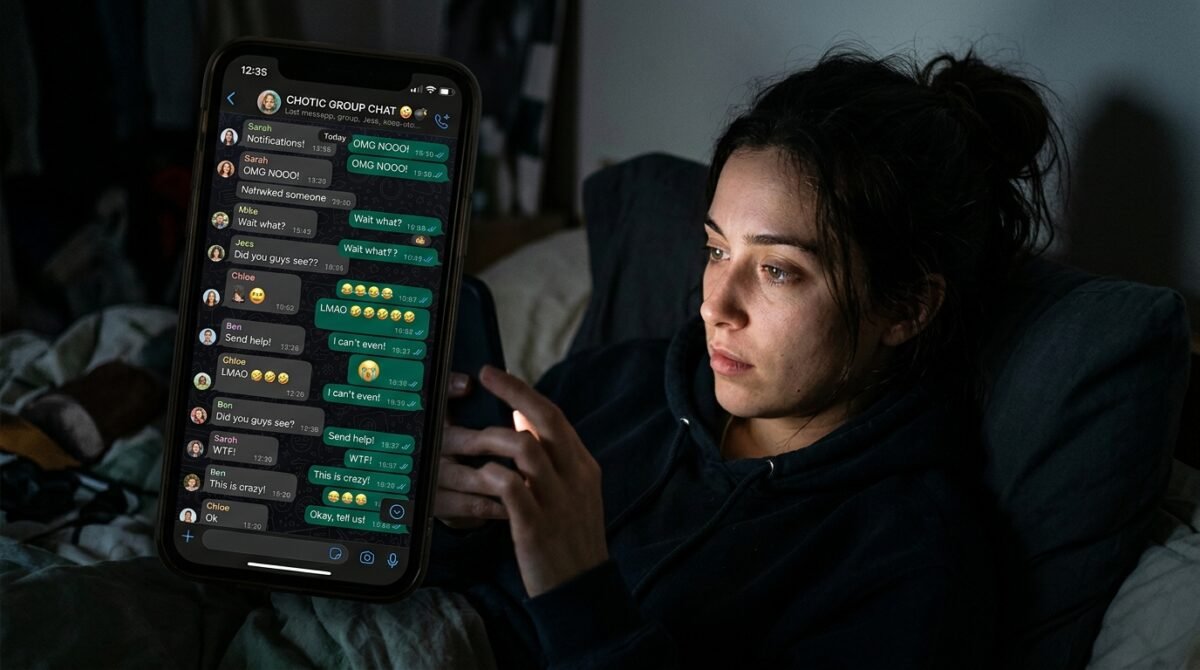
The group chat Elena started was intended to isolate me, but it became her undoing. She posted screenshots of my medical charts, trying to prove I was ‘unstable.’ What she didn’t realize was that the metadata on the files proved she had accessed them without my consent and through an unauthorized account that had been flagged by the hospital’s security team.
My cousin, who was part of the group chat, sent me everything. I wasn’t just observing the chaos; I was documenting it. I took all of it to the hospital’s privacy officer and to our family lawyer. The evidence of her unauthorized access and the blatant breach of my personal health information (PHI) became the centerpiece of our legal strategy. It wasn’t just a family disagreement anymore; it was a formal case of privacy violation.
“You guys are all being brainwashed. OP is sick and needs someone who knows how to handle the medical system. Sarah is just here to take what she can get once the insurance kicks in. I’m doing this for her own good!”
— Elena, in the family group chat
The response from the family was immediate and brutal. My aunt, who had always been the mediator, finally spoke up. She pointed out that Elena had spent years complaining about the cost of my care while simultaneously trying to take control of the insurance payouts. The mask of the ‘devoted mother’ had been stripped away, and everyone could see the cold, calculated greed underneath.
I didn’t engage in the chat. I just let them talk. I watched as Elena slowly realized that her audience was turning into her jury. She tried to delete her messages, but it was too late—everyone had screenshots. The narrative she had spent years cultivating was now being dismantled by the very people she expected to defend her. It was a masterclass in watching someone destroy their own reputation.
By the end of the night, the group chat was a tomb. Elena was kicked out by my father, who told her he needed space to ‘process’ everything. She retreated to the guest house, but she was no longer the matriarch of the household. She was an outsider, clutching a phone full of evidence that would eventually be used against her in a court of law. I felt a strange, quiet peace. The storm was passing, and for the first time, I felt like I was standing on solid ground.
The Reddit Verdict
I posted the story on a popular subreddit because I needed to know if I was losing my mind. The response was overwhelming. Thousands of people commented, offering support, legal advice, and personal stories of their own experiences with toxic parental figures. The consensus was clear: I had done the right thing, and my situation was a textbook case of medical and emotional abuse.
“This is not a ‘stepmom’ issue; this is a ‘narcissist losing control’ issue. You didn’t just stand up for yourself; you exposed a fraud. Keep the records, get a restraining order if necessary, and don’t let her back into your medical or financial life. NTA.”
— u/JusticeForAll (Top Comment, 32.4k upvotes)
The community support gave me the courage to stick to my boundaries. People pointed out that the medical record access was the most critical part—that it was a federal crime to access health information without consent. The ‘medical records’ aspect turned the story from a family drama into a serious legal matter that terrified Elena. It was the leverage I needed to keep her away.
I also received messages from people who had been through similar health crises, warning me about how predators often target vulnerable people during their lowest moments. It was validation that I wasn’t being ‘ungrateful’ or ‘difficult’; I was being a survivor. The comments section became a space where I could vent, reflect, and finally process the trauma of the last fifteen years.
There were a few dissenters, of course, mostly people who believed that ‘a parent is a parent’ regardless of their behavior, but they were quickly drowned out by the reality of the situation. The depth of the community’s insight into the financial and emotional manipulation was eye-opening. I realized that my story wasn’t unique, which was both sad and incredibly comforting. I wasn’t alone.
The thread became a repository of advice that I actually used. I set up a HIPAA password at my doctors’ offices, I froze my credit, and I started the process of reclaiming my legal documents. The internet, for all its chaos, had become my backbone. It turned my private pain into a public stance for accountability. The ‘AITA’ label was irrelevant; I had found my voice.
Reclaiming My Identity

With the legal and family drama beginning to settle, I focused on the most important part of this journey: myself. I had spent years being the daughter Elena wanted me to be—the one who needed her, the one who deferred to her, the one who was defined by her illness. Now, I was just me. I started going to therapy to unpack the years of emotional manipulation, and I began the slow process of redefining my relationship with my own body.
Sarah and I started seeing each other on our own terms. We didn’t try to force a ‘mother-daughter’ bond that had been denied by fifteen years of distance. We just got to know each other. We went for coffee, we talked about books, we navigated the awkwardness of our shared history. It wasn’t perfect, but it was authentic. It was the first time I felt like I had a choice in who I spent my time with.
My father was in a state of transition. He was forced to confront the fact that he had enabled Elena’s behavior for years, and he was working through the guilt of that. We had long, difficult conversations about why he hadn’t seen the signs, and he apologized—not just with words, but with actions. He helped me secure my finances and supported my decision to cut Elena out of my life entirely.
The physical health struggle remained, but it was no longer a tool of control. I had a team of doctors I trusted, and I was the one who signed the consent forms. I was the one who listened to the treatment options. I was the one who decided when to push and when to rest. The feeling of being ‘in charge’ was intoxicating. I wasn’t a child, and I wasn’t a patient; I was an individual.
Elena eventually moved out. The house felt lighter, the air in the hallways didn’t feel so heavy. I started painting again, a hobby she had told me was a waste of time. I reclaimed my space, my energy, and my future. I still have bad days, and the trauma of those years will likely stay with me for a long time, but I am no longer a pawn in someone else’s performance.
The Final Severing
The final blow to Elena’s hold over my life came in the form of a formal notice. My lawyer served her with a cease-and-desist regarding any further attempts to contact me, access my records, or communicate with my medical team. It was a heavy document, cold and final, but it was the only language she seemed to respect. She tried to contest it, but she had no legal ground to stand on.
When she left the house for the last time, there was no dramatic final confrontation. I didn’t come to the door to see her off. I stayed in my room, listening to the sound of her boxes being carried out. It was a strange, hollow silence. I felt a mix of relief and a lingering, phantom guilt that I knew was just the echo of her years of conditioning. I practiced saying ‘no’ until it didn’t feel like a betrayal.
“You’ve made your choice. You’ll regret this when you’re alone in that hospital bed again. Nobody loves you like I do, and you’ll realize that the moment you need real help.”
— Elena’s final text message before being blocked
I read that text and realized she truly believed it. She believed that love was synonymous with control and that my autonomy was an act of rebellion rather than an act of growth. I didn’t respond. I blocked her number, deleted the thread, and turned off my phone. That was the last piece of the puzzle. I had successfully severed the cord.
I realized then that ‘mother’ was just a word, and it didn’t hold any power unless I gave it power. Elena had wanted the title to control my life, and she had failed because she never actually cared about the person living that life. My biological mother, Sarah, had made mistakes, but she had never tried to own me. That was the difference. One was a grab for power; the other was an attempt at reconnection.
I looked at my reflection in the mirror and saw someone who was scarred but standing. I was no longer the girl who was waiting for permission to be herself. I was the architect of my own life. The journey hadn’t been easy, but it had been mine. And that, I realized, was worth more than any ‘perfect’ family image ever could be.
Lessons in Autonomy

The most important lesson I learned was that boundaries are not just for others; they are for yourself. For years, I had believed that saying ‘no’ meant I was being a bad daughter. I had to learn that saying ‘no’ to manipulation was actually the highest form of self-respect. My health was my own, my story was my own, and my choices were my own.
I learned that vulnerability is not a weakness. When I opened up to Sarah, I was terrified of being vulnerable, but it turned out to be the key to my liberation. It wasn’t the vulnerability that was the problem; it was the people I was sharing it with. I learned to distinguish between those who wanted to support me and those who wanted to manage me.
The financial side of things taught me to be vigilant. I learned that you should never, ever assume that people have your best interests at heart, even if they are family. I started auditing my own accounts, learning about estate planning, and ensuring that my medical directives were clearly stated. I became my own advocate, and it gave me a sense of security I had never known.
I also learned that family is a choice. You don’t have to stay in a situation just because you share a roof or a name. You can build your own family, your own support system, and your own life. Sarah and I are still working on our relationship, and it’s a slow, honest process. It’s not the fairy tale I once imagined, but it’s real, and that’s better.
I hope that my story encourages others to stand up for their own autonomy, especially when it comes to medical or personal privacy. Don’t be afraid to pull the rug out from under someone who is trying to build a foundation on your pain. It’s your life, and you are the only one who gets to decide who has a seat at the table.
The Aftermath and Looking Forward

Life has settled into a new, quieter rhythm. The chaos of the legal battles and the family explosions has subsided, leaving room for me to focus on my recovery and my future. I’ve started college, pursuing a degree in a field that I actually care about, not one that was pushed on me. I’m living in a small apartment of my own, and the silence in my home is no longer ominous—it’s peaceful.
Sarah and I have regular check-ins now. We don’t talk about the past every time; we talk about the present. We talk about my classes, my health, and the things that make us laugh. It’s a slow-burn relationship, but it feels sturdy. We are building a foundation on truth, and that is something that Elena could never have understood or achieved.
My father and I have a different dynamic now. He’s more present, more attentive, and less prone to turning a blind eye. We still have a long way to go, but the barrier that Elena built between us has been removed. We are just two people trying to navigate the wreckage of a life that was curated for us, finding our way back to the truth.
I still monitor my medical records and maintain strict security on my health information. I’ve learned the hard way that privacy is a privilege you have to fight to keep. But I don’t live in fear anymore. I live in control. Every decision I make, whether it’s about a doctor’s appointment or a career choice, is mine alone to make.
I’m finally free. It cost me a lot—my family image, my sense of security, and years of my life—but it was the best investment I ever made. I am no longer the ‘sick girl’ or the ‘compliant daughter.’ I am a woman who stood up for herself, reached for the truth, and survived the fallout. I am the author of my own life, and the next chapter is going to be written exactly the way I want it to be.
Conclusion
Looking back, I realize that the demand for ‘Mom’ status wasn’t about me at all; it was about the power that the title provided. Elena didn’t want a daughter; she wanted a possession, and she was willing to use my health crisis to secure it. My decision to call my biological mother wasn’t just an act of defiance—it was an act of reclaiming my history and my agency.
We all have the right to define our own boundaries, especially when it comes to our personal health and privacy. If you are in a situation where someone is using your vulnerability as a lever for control, remember that you have the power to shut it down. Reach out to the people you trust, consult with legal professionals, and don’t let anyone convince you that your autonomy is negotiable.
I’m curious to hear from you—have you ever had to draw a hard line with a family member who viewed your personal boundaries as an invitation to control? How did you handle it, and what did you learn about the importance of self-advocacy? Share your experiences in the comments below, and let’s keep the conversation going.
What's your verdict on this dilemma?
Vote below to contribute to the official community consensus.

Have a Dilemma Keeping You Up at Night?
Share your real-life feud, wedding chaos, or relationship crossroads anonymously with our editorial team.
What do you think ?
0 Comments🛡️ Comments are moderated to protect community integrity. Your comment will appear once approved by the editorial team.