

We had been planning ‘The Tuscan Dream’ for nearly fourteen months. It was supposed to be the ultimate post-pandemic blowout—five friends, one centuries-old villa with a private infinity pool, and enough Chianti to drown our corporate sorrows. The rental was non-refundable, locked into a ironclad contract that required the full $3,000 balance months in advance. We had split the costs evenly, or so I thought, until the dominoes started falling one by one.
It started with Sarah, who suddenly ‘had’ to prioritize her cousin’s destination wedding. Then came Marcus, citing an unexpected layoff. Within forty-eight hours, the dream team had disintegrated, leaving me as the sole person on the hook for the entire villa rental. But the real kicker wasn’t just the financial burden; it was the expectation. My ‘best friend’ Chloe, the organizer of this catastrophe, didn’t offer to help navigate the cancellation or request a refund. Instead, she looked me dead in the eye and suggested I ‘just suck it up’ and pay for the empty rooms so the rest of the group could still ‘feel good’ about their failed commitments.
That was the moment the scales fell from my eyes. I realized that for years, I had been the designated ‘fixer’ in our friend group—the one who cushioned the blow, paid the extra share, and smoothed over the inconveniences caused by others’ lack of planning. I wasn’t just losing money; I was losing my dignity. I looked at the confirmation email, then at my mother’s missed call, and I made a choice that would permanently alienate my social circle but provide the best vacation of my life.
This isn’t just about a villa or a few thousand dollars. It’s about the crushing weight of one-sided friendships and the silent, toxic contracts we sign with people who don’t have our backs. When the dust settled, my bank account was thinner, but my conscience was clear. Here is exactly how the ‘Tuscan Betrayal’ unfolded, from the final group chat explosion to the sunset view I shared with my mother instead of people who didn’t value me.
The Slow Crumbling of the Tuscan Dream

The planning phase of our trip was a masterclass in performative enthusiasm. We had a shared Google Sheet, a Pinterest board that spanned hundreds of pins, and a group chat that pinged with excitement at all hours of the night. Every detail was curated: the vineyard tours, the cooking classes, and the specific day we would rent a convertible to drive through the cypress-lined hills. I was the one who managed the deposit, using my credit card to secure the booking because I was the only one with a high enough limit.
As the date approached, the cracks began to show. First, it was the ‘small’ financial issues—people claiming they needed to pay me back in installments, or asking if we could downgrade our reservations to save a few hundred dollars. I, ever the peacekeeper, accommodated every request. I didn’t want to be the ‘difficult one.’ I wanted the trip to be perfect. Little did I know that by being accommodating, I was signaling that my boundaries were non-existent.
Then came the email from the villa manager. The final balance was due in seven days, and I had received a flurry of notifications from my friends. One by one, they dropped off the list. It felt like a choreographed exit. First, Sarah, then Marcus, and finally, Chloe, who informed me she ‘just couldn’t swing it’ due to a surprise car repair bill. They were effectively leaving me holding a bag worth three thousand dollars for a house that slept ten.
“Hey, I know this is super last minute, but my car transmission completely died this morning. I’m so sorry, but I won’t be able to make it to Italy next month. I’m sure you’ll figure it out!”
— Chloe, via Group Chat
The audacity was staggering. They didn’t ask how I was going to handle the debt. They didn’t offer to help sell their spots to acquaintances. They simply treated me like a corporate entity that could absorb the loss as a business expense. I sat at my kitchen table, staring at the screen, feeling the cold realization that my presence in their lives was valued only for my utility.
I began to look at the contract again. The cancellation policy was draconian—zero percent refund within 60 days. I was looking at a total loss. I felt a wave of nausea, followed by a surge of pure, unadulterated rage. Why was I the only one who felt responsible? Why was I the only one who had actually set aside the funds? The realization hit me: I was being punished for being responsible.
The Expectation of Financial Martyrdom

I didn’t immediately confront them. I spent twenty-four hours in a state of shock, weighing my options. I could try to force them to pay, but these were people who had already proven they didn’t care about their commitments. Legal action felt like a headache I wasn’t prepared for. Then, Chloe sent a follow-up message that tipped the scales completely.
“Since you’ve already paid the full balance, you might as well just keep the booking. Maybe you can find some last-minute travelers or just go solo? It would be a shame for the villa to go to waste, and we don’t want you to be the reason we all lose our deposits.”
— Chloe, via Group Chat
It was the ‘we don’t want you to be the reason’ line that did it. It was a classic projection. They were the ones who backed out, yet they were framing me as the potential villain if I didn’t ‘make it work.’ It was a gaslighting masterclass. They wanted to keep their hands clean while I carried the financial burden of their irresponsibility. I realized then that I wasn’t going to spend a single cent of my own money to cover their cowardice.
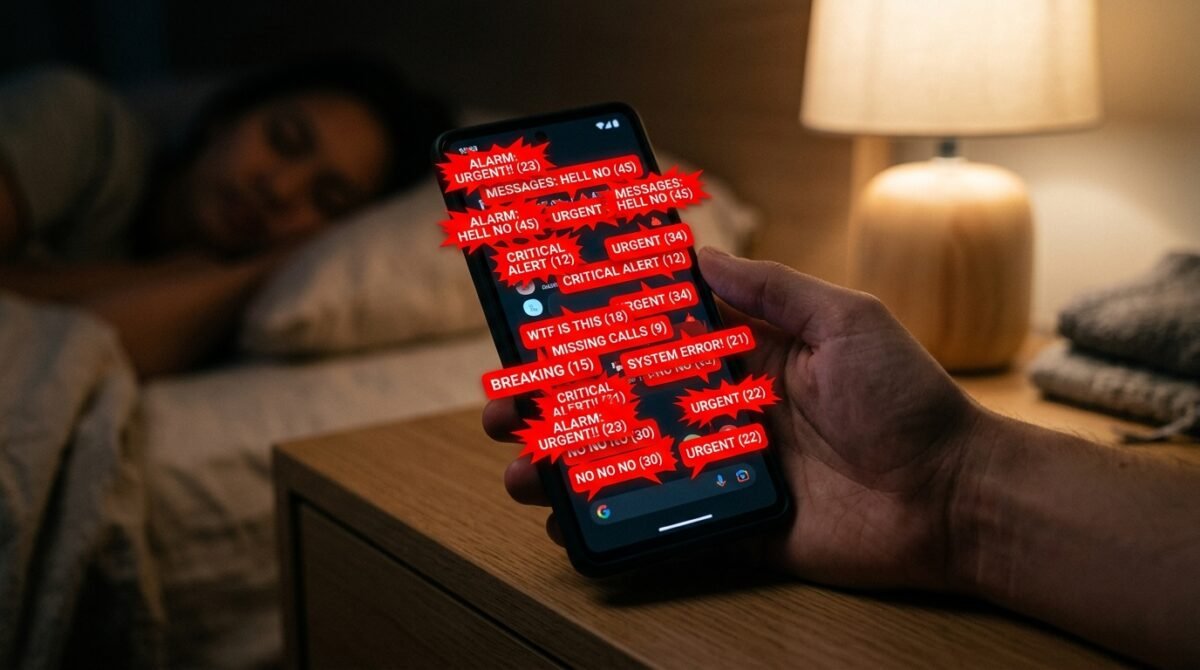
I started replying to the chat, my fingers trembling. I didn’t shout. I didn’t use emojis. I simply laid out the facts. I told them that since they were backing out, they were still liable for their share of the rental. The silence that followed in the chat was deafening. No one typed. No one apologized. For three hours, the screen remained blank, the little bubbles flickering and then disappearing.
When the replies finally came, they were defensive. ‘We didn’t realize it was non-refundable,’ one said. ‘You should have checked that before booking,’ another added. It was pathetic. They were treating me like a travel agent who had failed them, rather than a friend they had abandoned. I stopped reading. I put my phone on ‘Do Not Disturb’ and walked into my living room where my mom was reading a book.
My mom, a retired schoolteacher who had never traveled further than Florida, looked up and asked if I was okay. I told her the situation, expecting her to tell me to cut my losses and move on. Instead, she looked at the photos of the villa on my laptop. She saw the rolling hills, the terrace, the promise of a quiet life. And then, she said something I never expected: ‘Well, it seems like a tragedy to let such a beautiful house sit empty, don’t you think?’
The Invitation That Broke the Group Chat
That was the moment the plan formed. If I was going to lose the money regardless—because I knew there was no way in hell I was getting a dime out of these people—I might as well gain something in return. I wasn’t going to go alone, and I certainly wasn’t going to take someone who didn’t appreciate the sacrifice. I was going to take the one person who had supported me through every crisis I’d ever faced: my mother.
I turned back to the group chat. I didn’t demand their money again. I didn’t argue about the contract. I simply informed them of my new plan. I told them that since the villa was fully paid for and non-refundable, I had invited my mother to join me to ensure the space was utilized. I thanked them for their ‘generous gift’ of the remaining bedrooms and wished them well with their respective financial crises.
“Just wanted to let you all know that since you’ve all backed out and the rental is non-refundable, I’ve decided to take my mom to Italy instead. I’ve already paid the balance, so don’t worry about your shares—consider them a donation to our mother-daughter trip. See you when I get back!”
— My message to the group chat
The reaction was instantaneous. The phone vibrated so hard it rattled against the table. My inbox flooded with outraged messages. They were calling me selfish, vindictive, and accusing me of ‘stealing’ the trip they had ‘planned.’ The hypocrisy was so thick you could cut it with a knife. They were essentially saying that my money was theirs, but their commitments were optional.
Chloe called me three times in ten minutes. I blocked her. Then Sarah, then Marcus. I didn’t want to hear their excuses. I didn’t want to be told that this was a ‘misunderstanding.’ It wasn’t a misunderstanding; it was a character reveal. They showed me exactly who they were when the pressure was on, and I chose to respond with the only currency they understood: cold, hard boundaries.
My mom was worried. She thought I was burning bridges, that I was being too harsh. But I explained to her that these bridges were already burnt; they were just waiting for me to realize it. The villa was booked. The flights were non-refundable. The only thing left to do was pack my bags and prepare for a week of peace, far away from the petty politics of people who couldn’t even keep a promise.
The Fallout: When Friends Become Strangers

The days leading up to the trip were a blur of social media blocking and awkward encounters. I ran into Sarah at a local coffee shop, and the look she gave me was one of pure, unadulterated venom. She didn’t say a word, just turned her back as if I were the one who had committed a crime. It was fascinating to watch, in a sociological sense. They genuinely believed they were the victims here.
I kept a log of the messages I received, just in case I ever needed to remind myself why I had cut them off. They ranged from ‘You’re ruining our friend group dynamic’ to ‘My parents are going to hear about this.’ It was as if we were back in middle school, only the stakes were thousands of dollars and international travel. The sense of entitlement was truly staggering. They felt they had a right to dictate how I spent my money and who I spent my time with.
I realized that I had been the ‘social anchor’ for this group for years. I was the one who hosted the holiday parties, the one who planned the birthdays, the one who checked in when people were down. Without me, the group was essentially a collection of individuals with no common thread other than proximity. By removing myself, I was effectively dismantling the entire social structure they relied on.
“You’re really going to throw away a five-year friendship over a villa rental? This is incredibly petty and shows you never cared about us in the first place.”
— Text from a mutual friend who was not on the trip
I didn’t reply to the mutual friend. There was no point. If they couldn’t see the distinction between a rental contract and a friendship, there was no way to explain it to them. I spent the time packing for my mom. We were going to drink wine, sit by the pool, and talk about everything except the people who had abandoned us. It was going to be glorious.
The morning of our departure, I felt a strange sense of lightness. I had closed the chapter on that friendship group, and I didn’t feel a shred of regret. I had learned the hard way that when people show you who they are, you should believe them the first time. And these people had shown me that I was expendable to them, unless they needed a financier.
The Tuscan Sun and the Clarity of Distance

Arriving in Tuscany was like stepping into a different reality. The villa was even more beautiful than the photos. We spent the first morning sitting on the terrace, drinking coffee as the mist burned off the rolling hills. My mom was radiant. She hadn’t been on a trip like this in decades, and watching her soak in the beauty of the landscape made every penny of that ‘wasted’ money worth it.
We didn’t talk about the drama. Not once. We went to local markets, bought fresh bread and cheese, and drove through tiny, winding villages that felt like they hadn’t changed in centuries. For the first time in years, I wasn’t worrying about someone else’s feelings. I wasn’t managing someone else’s schedule. I was just living.
One evening, as we were watching the sunset from the infinity pool, I finally told my mom about the specific messages I had received before leaving. She listened quietly, then shook her head. ‘You know,’ she said, ‘people are often most angry when they lose access to something they didn’t appreciate. You gave them a lot, and they never learned how to give back. This trip isn’t an act of revenge; it’s a reclamation.’
“You’ve spent your life trying to make everyone else comfortable. It’s okay to be the person who chooses their own joy for once.”
— My Mom, while looking out over the Tuscan valley
She was right. I had spent so much of my life being the ‘reliable’ one, the one who always said yes, the one who never wanted to rock the boat. But the boat was already sinking, and I was the one holding the bucket. It was time to stop bailing and start swimming toward my own shore.
That night, I turned off my phone completely. I didn’t check for updates on the drama back home. I didn’t care who was talking to whom or what they were saying about me. I was in Italy, with my mother, and that was all that mattered. The silence was the most expensive, valuable thing I had ever bought.
The Aftermath: When the Noise Finally Settled

When we returned home, the world had moved on, but not in the way I expected. The ‘friend group’ had splintered even further. Without me there to bridge the gaps, the cracks in their own relationships had widened. They weren’t fighting about me anymore; they were fighting about each other. It was a reminder that people who treat one person poorly will inevitably treat others poorly as well.
I kept my distance. I unfollowed them on all social media platforms and focused on my own life. I started new hobbies, reconnected with old friends I had neglected while trying to maintain the ‘Tuscan’ group, and generally felt like I had been liberated from a secondary job I never applied for. The financial loss was real—three thousand dollars is not an insignificant amount of money—but I viewed it as an exit fee from a toxic environment.
People would occasionally ask me if I ‘missed them.’ I always answered the same way: ‘I miss the version of them I thought I knew.’ That, I think, is the hardest part of any falling out. You aren’t just losing the people; you’re losing the narrative you built around them. You have to mourn the loss of the idea of them before you can move on to the reality of who they actually are.
“I thought you were my friend, but it turns out I was just your bank account with a face. I hope the lesson was worth the price, because I know I learned mine.”
— A draft of a message I never sent, but wrote to clear my head
I didn’t send that message. There was no need. The silence was louder than any parting shot I could have delivered. I had reclaimed my time, my money (in terms of future savings), and my emotional bandwidth. The Tuscan villa was a tomb for that friendship, and I was more than happy to let it stay buried in the Italian countryside.
Looking back, I realize that if I had stayed, if I had let them off the hook, I would still be sitting in the same place, feeling the same resentment, waiting for them to acknowledge my worth. By taking my mom, I forced the situation to a conclusion. It wasn’t a pretty conclusion, but it was a definitive one. And sometimes, you need a definitive ending to start a new beginning.
The Internet Weighs In: A Reddit Retrospective

When I finally posted the full story on a popular subreddit, I expected a mix of opinions. I wasn’t prepared for the sheer volume of support—and the occasional, biting reality check. It was fascinating to see thousands of strangers dissect my life and come to conclusions that I was still struggling to process myself. The post blew up, racking up tens of thousands of upvotes in under forty-eight hours.
The top comments were largely supportive, with many people sharing their own stories of being the ‘designated fixer’ in their friend groups. It was a universal human experience, it seemed: the realization that you are being taken for granted by the people you love. The validation was overwhelming, but it was also a reminder that I wasn’t alone in this, which was both comforting and sad.
“OP, you didn’t ‘steal’ a trip. You salvaged a total loss. They abandoned their contractual obligation to you and then had the audacity to demand you maintain the ‘dream’ for their sake. NTA (Not The Asshole). You took your mom, which is a massive upgrade in terms of company anyway.”
— u/TravelBound99 (Top Comment, 32.1k upvotes)
Of course, there were dissenters. There were the people who argued that I should have ‘tried harder’ to settle it amicably, or that cutting off friends over money was ‘short-sighted.’ I read those comments with interest, wondering if they were the type of people who would have backed out of the trip too. It’s easy to judge someone’s boundaries when you’ve never been the one footing the bill.
One comment in particular stuck with me. It was from someone who had been the ‘Chloe’ in a friend group, and they admitted that they never realized how much their actions hurt others until they were on the receiving end of a boundary. That, to me, was the most valuable takeaway: that maybe, just maybe, my story had prompted someone else to be a better friend to someone else.
“People always talk about the ‘sanctity of friendship,’ but friendship requires reciprocity. If it’s always one-way, it’s not a friendship; it’s a service contract. You just cancelled the service. Good for you.”
— u/TruthTeller_01 (4.8k upvotes)
The debate was fierce. It went from the specific details of the villa contract to the broader implications of adult friendships, financial inequality, and the ethics of travel. It was a digital town square, and I was the subject of the discussion. I didn’t participate in the comments much; I just let the community work it out. I had already lived through the chaos; I didn’t need to relive it in the replies.
The Financial Ledger: What We Learned

Looking back at the numbers, it was a brutal reality check. I kept a ledger of the entire ordeal—from the initial deposit to the final cost of the flight changes for my mom. It wasn’t about the money anymore, but it was important to see the cost of the lesson. We had a breakdown of what was owed and what was actually recouped. It was a stark visual representation of the ‘friendship gap.’
| Category | Amount Owed by Group | Actual Recouped |
|---|---|---|
| Villa Deposit | $1,500 | $0 |
| Final Balance | $1,500 | $0 |
| Food/Misc Costs | $500 | $0 |
| Total Loss | $3,500 | $0 |
The table tells the story better than any essay could. It shows exactly how much I was willing to invest in a lie, and how little I got back in return. The ‘Actual Recouped’ column is empty, which feels like a failure on paper, but in reality, it’s the price I paid for my own peace of mind. Every dollar there was a ticket away from people who didn’t respect me.
I shared this table on my follow-up post, and it resonated deeply with people. It’s a common theme in toxic relationship dynamics—the idea that you can ‘buy’ loyalty or ‘buy’ the preservation of a friendship. The reality is that if a friendship requires you to act as a martyr to survive, it wasn’t a friendship worth preserving in the first place.
I’ve kept this ledger not as a reminder of the money I lost, but as a receipt for the boundaries I gained. I look at it whenever I feel tempted to overextend myself for someone else. It’s my financial and emotional compass, reminding me that I am responsible for my own wellbeing first, and everything else second.
The Unseen Cost of Being the ‘Reliable One’

The psychological toll of being the ‘reliable one’ is something that isn’t often discussed. It creates a dynamic where you are valued for your consistency rather than your humanity. People stop asking how you are and start asking what you can do for them. You become a resource to be managed rather than a person to be cared for. It’s a slow, quiet erosion of self-worth that happens over years.
I realize now that I allowed this to happen. I encouraged it by never saying ‘no,’ by never setting a firm boundary, and by always being the first to apologize even when I was the one who was wronged. It was a survival mechanism from my childhood that I had carried into my adult friendships, and it was finally failing me.
The ‘Tuscan Betrayal’ was the inevitable conclusion of that dynamic. If they hadn’t burned me over the villa, it would have been something else. A wedding, a move, a career crisis—there would have always been a moment where they demanded more than I could reasonably give, and where they would have been outraged that I finally set a limit.
“The moment you set a boundary, you become the villain to those who benefited from your lack of one.”
— A piece of advice I read online that defined my year
I am now much more careful about who I allow into my inner circle. I value reciprocity above all else. I look for people who check in on me, who don’t expect me to sacrifice my own stability for their whims, and who are as generous as they are demanding. It’s a smaller circle, but it’s a much warmer, more supportive one.
I don’t regret the trip. I don’t regret the money. I regret that it took me so long to see the truth. But I’m grateful for the clarity. I’m grateful for the time I got to spend with my mom, and I’m grateful for the person I’ve become on the other side of this. I am no longer the ‘reliable one’ for people who don’t deserve it.
The New Normal: Life After the Villa

Life today is drastically different. I’ve moved away from the social circles that defined my twenties and thirties. I’m more focused on my career, my personal health, and the relationships that truly matter. I’ve found that when you stop trying to manage everyone else’s expectations, you suddenly have a lot more energy to manage your own life.
I still get updates through the grapevine occasionally. I hear that the old friend group is barely speaking, that the drama that started with me continued with them, and that they’re all still looking for someone to blame. It’s not satisfying, exactly, but it is clarifying. It confirms that the problem was never me; it was the dynamic we had created together.
I’ve started traveling again, but on my own terms. My mom and I have a new tradition: one trip a year, just the two of us. We pick the place, we split the costs, and we never, ever invite anyone else. It’s our time, and it’s sacred. We’ve been to the coast of Maine, a mountain cabin in Colorado, and next year we’re thinking of Scotland.
“I never thought I’d be the kind of person who travels like this, but honestly? It’s the best part of my year. We don’t need anyone else to make it fun.”
— My Mom, during our latest trip planning session
I’ve realized that the greatest tragedy of that Tuscan experience wasn’t the money I lost, but the years I spent believing that friendship had to be a constant struggle. It doesn’t. Friendship should be a source of strength, not a drain on your resources. It should be a partnership, not a charity.
If you are reading this and you feel like you are the ‘reliable one’ in your own friend group, take this as a sign. Look at the people around you and ask yourself: if the chips were down, would they be there for you? Or would they be the ones looking for the exit? You deserve better. And trust me, the view from the other side is beautiful.
Conclusion
The story of the Tuscan villa is a story of a boundary finally set, even if it cost me an entire social circle. It’s a story about the transition from being a people-pleaser to a person with principles. I lost money, yes, but I gained something far more valuable: the knowledge that I am enough, and that I don’t need to pay for the company of people who don’t appreciate me.
The internet debate continues to rage, with thousands still arguing over who was in the wrong and what the ‘proper’ etiquette is for group travel. But for me, the debate ended the moment I saw my mom smile at that Italian sunset. That was my closure. That was my victory.
What about you? Have you ever been the ‘fixer’ in your friend group who finally snapped? How did you set your boundaries, and what was the aftermath? Share your stories below—let’s keep the conversation going in the comments.
What's your verdict on this dilemma?
Vote below to contribute to the official community consensus.

Have a Dilemma Keeping You Up at Night?
Share your real-life feud, wedding chaos, or relationship crossroads anonymously with our editorial team.
What do you think ?
0 Comments🛡️ Comments are moderated to protect community integrity. Your comment will appear once approved by the editorial team.