

They say you never truly know someone until you live with them, but I never expected my lease agreement to double as a front-row seat to the systematic liquidation of my life’s work. As a vintage fashion archivist, my collection wasn’t just clothing; it was an investment, a passion, and a retirement plan carefully curated over a decade of scouring estate sales, hidden boutiques, and digital auctions. When I moved Sarah into my spare room to help with the rising rent, I thought I was gaining a friend—someone who appreciated the aesthetic, someone who understood the value of a 1990s Chanel blazer.
The red flags were subtle at first. A misplaced pair of vintage Ferragamo heels, a scarf that went missing for a week, a lingering smell of cheap perfume on my silk blouses. I dismissed them as roommate clumsiness. I was busy, distracted by my work and the complexities of adult life. I never suspected that the person I shared coffee with every morning was using my own closet as her personal ATM, turning my hard-earned acquisitions into rent money and weekend spending cash while I slept soundly in the next room.
It wasn’t until a chance notification popped up on my phone—a suggestion from a resale app I rarely used—that the foundation of my reality cracked. The photo was unmistakable: my rare, limited-edition Dior saddle bag, listed for a fraction of its market value. The seller’s username was ‘S_StyleVault.’ A quick check of the room next door revealed a mountain of shipping supplies, bubble wrap, and an empty space where my heart used to be. The betrayal wasn’t just financial; it was a profound violation of the sanctity of my home.
This is the story of how I transitioned from a trusting roommate to a litigant in small claims court, fighting to reclaim pieces of my history that had been sold out from under me. It is a story about boundaries, the entitlement of ‘friends’ who think what’s yours is theirs, and the agonizing process of holding someone accountable when they think they’ve gotten away with the perfect crime. The following pages detail the unraveling of a friendship, the investigation into a secret digital storefront, and the legal confrontation that changed everything.
The Algorithm That Unmasked the Thief
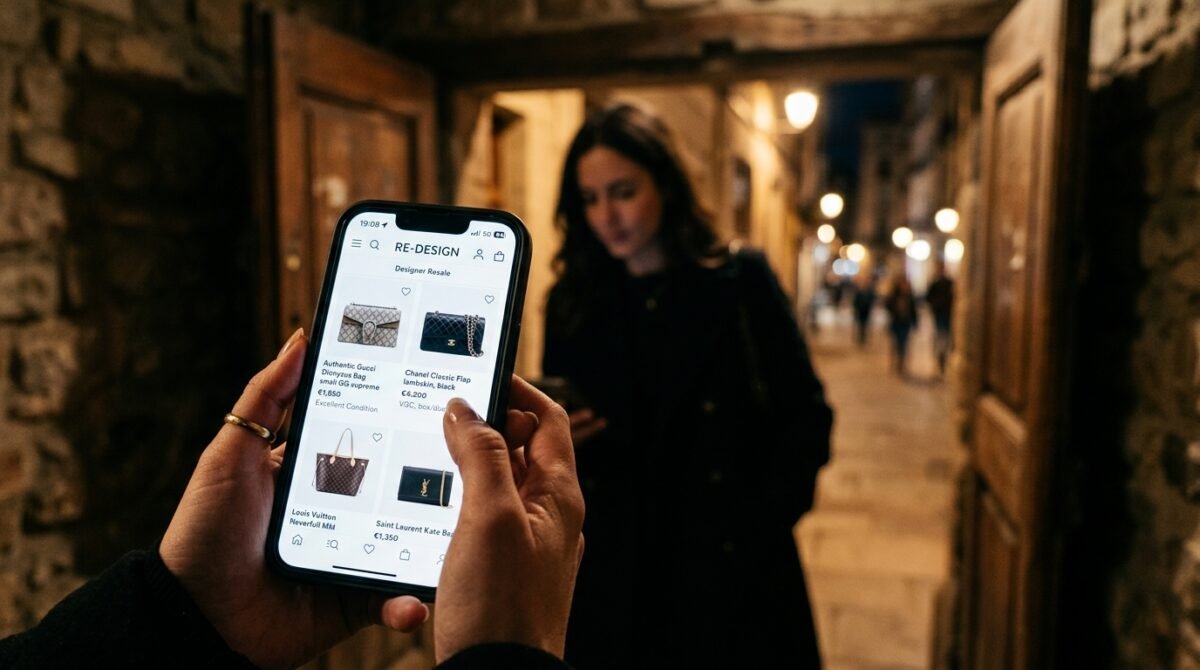
I remember exactly where I was when the notification appeared: sitting on my couch, nursing a lukewarm coffee, scrolling through Instagram when a sponsored ad for a luxury resale site appeared at the top of my feed. It was one of those ‘You might like’ suggestions. Normally, I would have swiped past, but the thumbnail image caught my breath. It was a 1970s Yves Saint Laurent silk scarf with a very specific, hand-stitched repair I had done myself years ago.
I clicked the link, my pulse quickening. The seller, ‘S_StyleVault,’ had a profile filled with items that looked disturbingly familiar. As I scrolled through the listings, the dread pooled in my stomach, cold and heavy. There were my vintage Gucci belts, a pair of pristine Prada loafers, and then, the centerpiece of my collection—the Dior bag. The price tag was insulting, a quick-flip valuation meant to move inventory fast. My hands were shaking so hard I could barely type my password to log in.
I didn’t confront her immediately. I knew better. If I tipped my hand, she would delete the account, wipe her digital footprint, and deny everything. Instead, I spent the next four hours taking screenshots. I downloaded every image, every listing, every transaction record I could access. I was building a case before I even fully processed the emotional weight of what I was looking at. Every photo was a memory of a hunt, a triumph, and now, a crime scene.
“I just wanted to make a little extra cash because rent was tight, and you have so much stuff that you don’t even wear, it seemed like a waste to let it sit in the closet.”
— Sarah, during the initial confrontation
When she finally walked through the door that evening, her face lit up with a casual, unsuspecting smile. She asked about my day, completely oblivious to the fact that I had spent the afternoon documenting her theft. I looked at her—this person I’d trusted enough to give a key to my home—and realized I didn’t know her at all. The facade was perfect, but the evidence sitting in my camera roll was absolute.
The 6:00 AM Kitchen Confrontation

I didn’t sleep that night. I sat in my room, listening to the muffled sounds of her late-night television, waiting for the sun to rise. I had prepared a list of the items missing. I had cross-referenced my own receipts and digital records with the listings on her profile. The total value of the items she had already sold was approaching five figures. The scale of the theft was staggering, calculated and cold.
By 6:00 AM, I was in the kitchen, waiting. When she came out for her morning tea, she didn’t even notice the tension in the room until I laid my phone on the table, open to her ‘S_StyleVault’ profile. She froze. The kettle was whistling, a high-pitched, shrill sound that seemed to mirror the ringing in my own ears. I didn’t yell; I didn’t scream. I just waited for the silence to break her.
Her initial reaction wasn’t shame. It was annoyance. She acted as if I had caught her taking a piece of fruit from the fridge without asking. She tried to pivot to the ‘it’s just stuff’ argument, as if the monetary value or the personal history attached to these pieces didn’t matter. She looked at me with genuine confusion, as if my anger was an unreasonable reaction to her ‘entrepreneurship.’ That was the moment I knew there would be no apology, only mitigation and excuses.
“You’re making this into such a big deal. I thought we were friends. Are you really going to try to ruin me over some old bags and shoes?”
— Sarah, responding to the confrontation
The conversation lasted less than ten minutes, but it felt like hours. I laid out the facts: I had the screenshots, I had the inventory, and I had the proof of the transactions. I told her she had forty-eight hours to vacate the premises and that I would be seeking the full market value of every item she had sold. She laughed at first, thinking it was a bluff. She didn’t realize that for a collector like me, this wasn’t just a loss of property; it was a war declaration.
The Digital Breadcrumb Trail

After she moved out—hastily and under a cloud of indignant protest—I had to go deep into the digital archives. It wasn’t enough to just know she had sold them; I had to prove it in a way that would hold up in court. I spent weeks contacting the resale platforms. I sent emails, provided proof of ownership, and submitted police reports. Some companies were helpful; others were bureaucratic nightmares, hiding behind privacy policies that seemed designed to protect the scammers.
I created a spreadsheet, a master document that would eventually become the centerpiece of my evidence. Columns for ‘Item Name,’ ‘Acquisition Cost,’ ‘Market Value,’ ‘Date Listed,’ and ‘Platform’ were meticulously filled out. I tracked the sales through the metadata she had left behind—a specific background, a unique lighting setup in her room, a reflection in a mirror. She wasn’t careful. She was arrogant, assuming I would never notice the loss of items that were occasionally tucked away in storage boxes.
The most heartbreaking part was uncovering items I didn’t even realize were gone. It was like a slow-motion car crash. Every day, I would find another item missing, another listing, another piece of my history sold for pennies on the dollar. It was a systematic pillaging of my identity. She had been doing this for months, slowly filtering the items out so I wouldn’t notice a massive, sudden depletion of my wardrobe.
I started receiving messages from people who had unwittingly purchased my stolen items. One buyer, a woman from halfway across the country, reached out after seeing my public post about the theft. She had bought my Dior bag. She was horrified to learn it was stolen. We exchanged emails, and she became a key witness, providing me with the shipping label information that directly linked the package to Sarah’s personal address. The net was tightening.
The Certified Letter of Demand
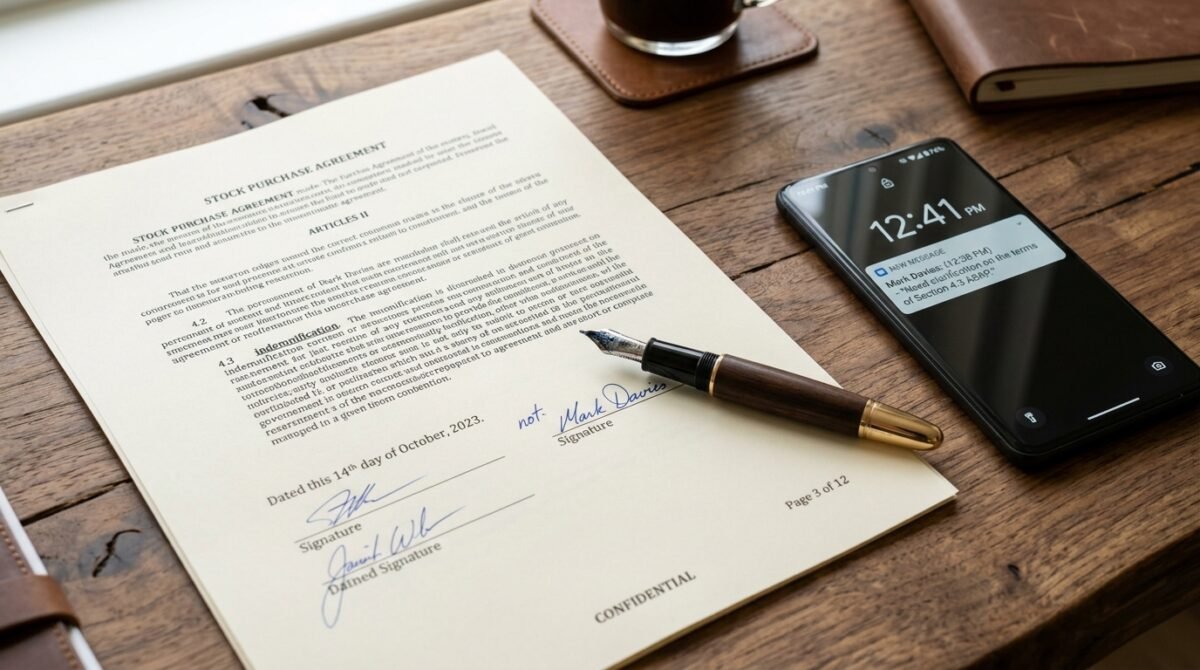
Lawyers are expensive, and I didn’t want to spend more money than I had already lost. I decided to handle the initial phase of the legal process myself. I drafted a formal demand letter, citing the specific items, their values, and the statutes regarding conversion and theft. I sent it via certified mail, requiring a signature. Seeing that signature—her signature—on the delivery receipt was a small, cold victory. She couldn’t claim she hadn’t received notice.
The letter included a strict deadline and a clear warning: settle the amount, or we go to court. I included the total figure, including interest and the costs of the legal process so far. I knew the chances of her paying were slim, but this was about creating a paper trail. I wanted the court to see that I had tried to resolve this civilly before dragging the matter into the public sphere of a courtroom.
Her response came not in a letter, but in a series of frantic, panicked text messages. She had gone from arrogant to desperate in the span of a week. She tried to frame her actions as a loan, or a misunderstanding, or a ‘contribution to the household’ that had gone awry. The shift in tone was palpable, but it was too little, too late. The damage was done, and the bridge was already burning.
“I don’t have that kind of money right now. Can we talk about a payment plan? I’m really scared of what this will do to my record. Please, let’s just talk.”
— A text message from Sarah, two days after receiving the legal demand
I didn’t respond to the texts. I didn’t want to give her any room to manipulate the narrative. Every interaction had to be recorded and official. I was no longer interested in her excuses or her ‘fears.’ She had made her choice when she decided to sell my belongings behind my back. Now, she would have to deal with the consequences of that choice, regardless of whether she had the money or not.
The Day of the Hearing

Walking into the small claims courtroom felt like stepping into an alternate reality. The room was sterile, filled with the hum of a ventilation system and the nervous energy of people dealing with their own private disasters. I had my binder of evidence, color-coded and tabbed. I had my timeline, my receipts, and the printouts of the messages. I was prepared, focused, and completely detached from the person who used to be my roommate.
Sarah showed up looking disheveled, a far cry from the confident thief who had laughed off my initial accusation. She had no legal counsel, and she had no evidence to support her claims. When the judge asked for her defense, she stumbled. She tried to argue that I had abandoned the items, or that she had a right to sell them because she ‘lived there.’ The judge, a no-nonsense woman with a reputation for efficiency, shut her down quickly.
The hearing itself was a blur of technicalities and legal posturing. I presented my case with precision. I didn’t let my emotions cloud the facts. Every time she tried to interrupt or deflect, I simply pointed back to the evidence. The judge’s questions were sharp, cutting through the fluff to the core of the issue: did she sell items that did not belong to her? The answer was yes, and the proof was undeniable.
As I sat there, listening to her struggle to explain her actions, I felt a strange sense of relief. It wasn’t about the money anymore—though the judgment would certainly help. It was about the validation. The system was confirming what I had known all along: she had betrayed me, she had stolen from me, and she was responsible. It was a moment of closure I hadn’t realized I desperately needed until it was actually happening.
Community Perspectives: The Reddit Verdict

I shared the story on a popular forum, keeping the details anonymous but the stakes clear. The response was overwhelming. Within hours, the post had thousands of upvotes and hundreds of comments. People were outraged, sympathetic, and, as is typical for the internet, divided. Some were ready to grab their pitchforks, while others offered practical advice on how to handle the legal aftermath.
The consensus was clear: what she did was a severe breach of trust and, frankly, a criminal act. The community rallied around the idea of ‘curated collections’ as significant investments, not just ‘used clothes.’ The support helped me feel less like a victim and more like an individual who had successfully stood up for their boundaries. It was a reminder that people, for all their cynicism, generally value honesty and integrity.
“This is why I keep my closet locked now. People have zero respect for others’ property. OP, you are NTA. Getting the law involved is the only way to make people like her learn a lesson.”
— u/FashionLawyer (Top Comment, 15.2k upvotes)
However, there were also those who warned me about the difficulty of actually collecting the judgment. They reminded me that a win in court is not the same as a check in the bank. Their caution was a sobering reminder that the legal process is only the first step. The real challenge, they warned, would be enforcing the judgment and dealing with a person who clearly has no moral compass regarding financial obligations.
The Reality of Enforcing a Judgment

Winning the case was the easy part. Actually getting paid was a different beast entirely. Sarah didn’t have the money—or at least, she claimed she didn’t. She had spent the proceeds, and her lifestyle wasn’t one of someone with significant savings. The judgment sat there, a piece of paper that held power but no actual liquid assets. I had to learn the messy, frustrating process of wage garnishment and bank levies.
It felt like I was back to square one, constantly chasing her. I had to deal with the court clerk, the sheriff’s office, and the endless paperwork involved in tracking down her financial information. It was exhausting. I wondered if the time and energy I was putting into this would ever be worth the final payout. But then I would think about the Dior bag, the YSL scarf, and the principle of the matter. I couldn’t let her get away with it.
I started working with a professional collection service. They were much more efficient than I could ever be. They knew the shortcuts, the legal mechanisms to freeze accounts, and the best way to pressure a debtor into paying. It was a humbling experience, realizing that in our society, justice often requires a professional touch. The process took months, but slowly, the payments began to trickle in.
Each payment was a small victory, a reminder that the system was working, albeit slowly. It wasn’t the cathartic lump sum I had imagined, but it was progress. It was a tangible sign that my persistence was paying off. And more importantly, it was a constant reminder to Sarah that she couldn’t simply disappear from the mess she had created. She had to deal with the consequences every single month, just like I had to deal with the loss of my collection.
Reflections on the Meaning of Ownership

Throughout this ordeal, I spent a lot of time thinking about why this hurt so much. It wasn’t just the monetary value; it was the fact that she had taken things I loved and turned them into disposable income. These weren’t just objects; they were markers of a life I had built, a history I had curated. When she sold them, she wasn’t just selling clothes; she was stripping away a piece of my identity, piece by piece.
I realized that for some people, ownership is just about utility. If it’s not being used, it’s ‘wasted.’ They don’t understand the value of preservation, of collection, of the stories attached to physical objects. For Sarah, my closet was just an inventory list. She couldn’t comprehend the emotional weight of a piece of vintage couture. That fundamental disconnect was the real tragedy of our friendship.
I’ve become much more protective of my things now. I have a digital inventory, insurance, and a much tighter handle on who has access to my personal space. I’ve learned that trust has to be earned, not just assumed because someone is a ‘nice person.’ It’s a sad lesson, but an essential one. I still love my vintage collection, but I appreciate it differently now—more as a private joy than a public display.
Ultimately, this experience forced me to define what I value and why. It made me realize that my belongings are an extension of my values, and that protecting them is a form of self-respect. I’m stronger for it, even if the process was incredibly painful. I’ve replaced some of the items I lost, but I’ve also accepted that some things are gone forever, and that’s okay. The most important thing is that I protected my sense of self.
The Aftermath: Moving On

It’s been over a year since the final payment, and I’ve moved on, though I still have the scars from the experience. I live alone now, and the peace of mind is worth every penny of the extra rent. I’ve curated a new collection, more focused and intentional than ever. The lessons from that time serve as a silent guide, a reminder of the boundaries I need to set and the importance of vetting the people I bring into my inner circle.
Sarah moved to another state, and we haven’t spoken since the last court date. I heard she’s still working in retail, still struggling with her own financial demons. Sometimes I wonder if she learned anything, if she looks at a designer bag and thinks of me, or if she has simply moved on to the next target. I hope she learned, but I’ve stopped waiting for an apology. Her growth is no longer my concern.
The community support on the forum continues to be a source of encouragement. I’ve become an active member, helping others navigate their own roommate disputes. It’s a way of paying forward the support I received when I was at my lowest. There is a strange kind of camaraderie in the shared stories of betrayal and resilience. We are all learning to navigate a world that isn’t always fair, and that’s okay.
I am grateful for the journey, as painful as it was. It taught me about my own capacity for standing up for myself, about the importance of evidence, and about the value of my own worth. I’m not just a collector anymore; I’m a survivor. And for that, I’ll take the win.
Final Thoughts and Community Poll

This story is a reminder that personal boundaries are not suggestions—they are requirements for a healthy life. Whether it’s your wardrobe, your finances, or your personal space, you have the right to protect what you’ve built. It’s not about being ‘difficult’ or ‘unreasonable’; it’s about maintaining the integrity of your own existence. Don’t be afraid to take a stand when someone violates that integrity.
As I reflect on this journey, I’m curious about your experiences. Have you ever been betrayed by someone you trusted with your home or your belongings? How did you handle it? Did you pursue legal action, or did you choose to walk away? Let’s keep the conversation going in the comments below. Your stories might be the help someone else needs to stand up for themselves.
And now, a question for our community: In a situation where trust has been fundamentally broken, is it ever possible to rebuild, or is the relationship permanently severed? Cast your vote and share your reasoning.
Conclusion
Betrayal is a bitter pill to swallow, but it often acts as the catalyst for our most profound growth. By choosing to stand up for myself—by documenting the theft, navigating the legal system, and insisting on accountability—I transformed a moment of victimization into an act of self-empowerment. It wasn’t the path I would have chosen, but it was the path I needed to walk to reclaim my identity.
The lessons learned here go beyond fashion and finances. They speak to the core of human relationships: the importance of clear communication, the necessity of boundaries, and the courage to hold others responsible for their actions. We are the guardians of our own lives, and sometimes, that means making the hard choices that no one else can make for us.
I hope this story serves as a reminder that your things, your time, and your trust have value. Do not let anyone convince you otherwise. Stay vigilant, stay informed, and never apologize for protecting the things you hold dear. For those of you currently dealing with similar challenges, remember: the process is grueling, but the peace of mind on the other side is worth every bit of the fight.
What's your verdict on this dilemma?
Vote below to contribute to the official community consensus.

Have a Dilemma Keeping You Up at Night?
Share your real-life feud, wedding chaos, or relationship crossroads anonymously with our editorial team.
What do you think ?
0 Comments🛡️ Comments are moderated to protect community integrity. Your comment will appear once approved by the editorial team.