
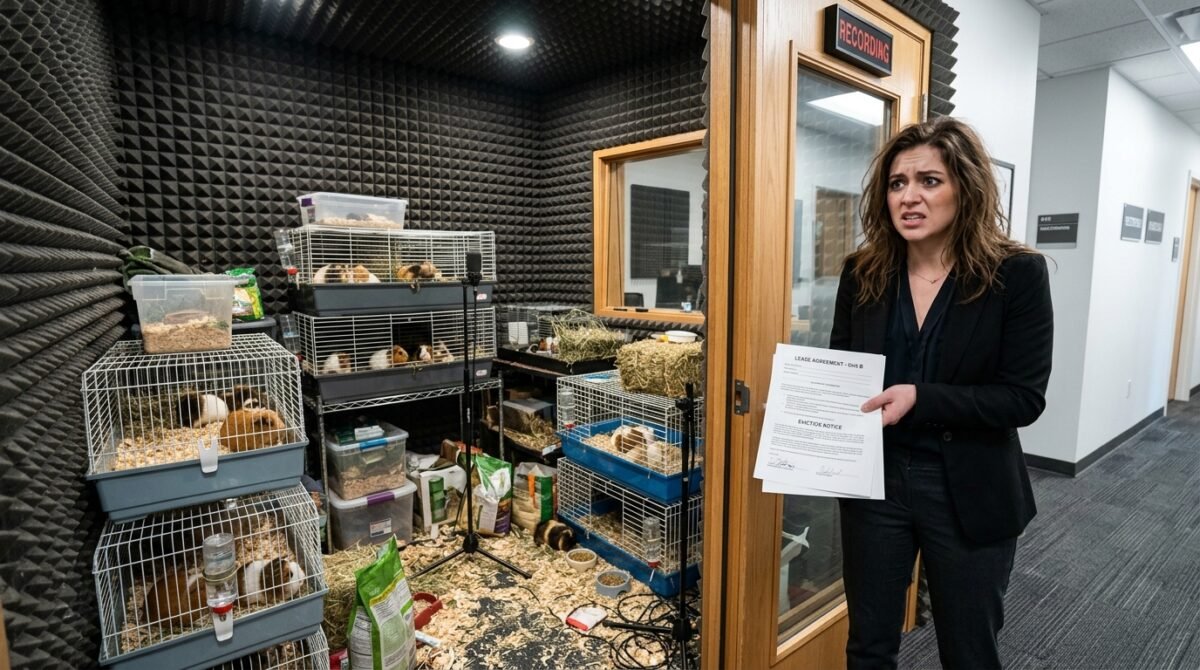
I have spent the better part of five years building my freelance career as a voice-over artist and audio engineer. My pride and joy—and my most expensive investment—was my custom-built, soundproof recording booth. It cost me $8,000, meticulously designed with high-density acoustic foam, double-paned glass, and specialized ventilation systems. It was a sterile, quiet sanctuary that allowed me to land contracts with major studios. It was not a barn. It was not a shelter. It was certainly not a place for livestock.
My flatmate, Chloe, had always been ‘animal-friendly,’ a trait I admired until it veered into pathological irresponsibility. When I moved her in six months ago, we explicitly discussed pets. The lease was ironclad: no pets, specifically no rodents or large animals that could cause damage to the property or create odors. Chloe nodded, smiled, and signed the addendum. She seemed like the perfect roommate—quiet, professional, and respectful. Or so I thought.
The trouble began with small, seemingly benign violations. A stray cat she tried to sneak into the kitchen, followed by a ‘temporary’ foster dog that lived in her room for three weeks. I looked the other way, wanting to preserve the peace. But the weekend I left for a national voice-over conference in Chicago was the breaking point. I returned to find the locks changed on my booth and the unmistakable sound of squeaking emanating from within my workspace.
What unfolded over the next seventy-two hours was not just a roommate dispute; it was a total collapse of professional livelihood and personal sanity. I was forced to confront the reality that the person I shared a living space with viewed my career equipment as communal property. The following account details how a professional recording studio became a clandestine rescue operation and why I had to make the hardest decision of my life to protect my future.
The Hum of a Hundred Tiny Heartbeats
When I walked through the door of our apartment late Sunday night, I was exhausted. The flight had been delayed, and my only goal was to collapse into my bed. However, as I dropped my suitcase in the hallway, I heard it. A rhythmic, high-pitched chirping sound coming from my studio room down the hall. I froze, my heart sinking into my stomach. I walked toward the studio door and found that my electronic keypad—which I had installed specifically to protect my expensive microphones—was flashing red, indicating it had been tampered with.
I bypassed the lock with my master code, expecting to find perhaps a stolen laptop or a mess. What I found instead was a nightmare. The entire sound booth, which usually housed my Neumann U87 microphone and my pristine desk, had been gutted. My acoustic panels were partially torn down, revealing the bare walls behind them, and the floor was covered in a thick layer of cedar wood shavings and hay. There were six plastic cages stacked precariously on my desk, and at least a dozen guinea pigs roaming freely on my expensive soundproofing carpet.
The smell hit me next—a pungent, ammonia-heavy stench of wet hay and rodent waste that seemed to have permeated every inch of the acoustic foam. I felt my lungs tighten. This wasn’t just a nuisance; this was chemical damage to my equipment. I grabbed my phone, my hands shaking with a mixture of rage and disbelief, and dialed Chloe. She didn’t answer, but a message popped up on our shared whiteboard: ‘Hey! Don’t worry, they are just rescues. I’m fostering them for a week! You’re such a hero for sharing the space!’
“You have exactly one hour to get these rodents out of my studio. If they aren’t gone by the time I finish my second cup of coffee, I am calling the landlord and animal control. This is not a shelter, Chloe.”
— My text to Chloe at 11:45 PM
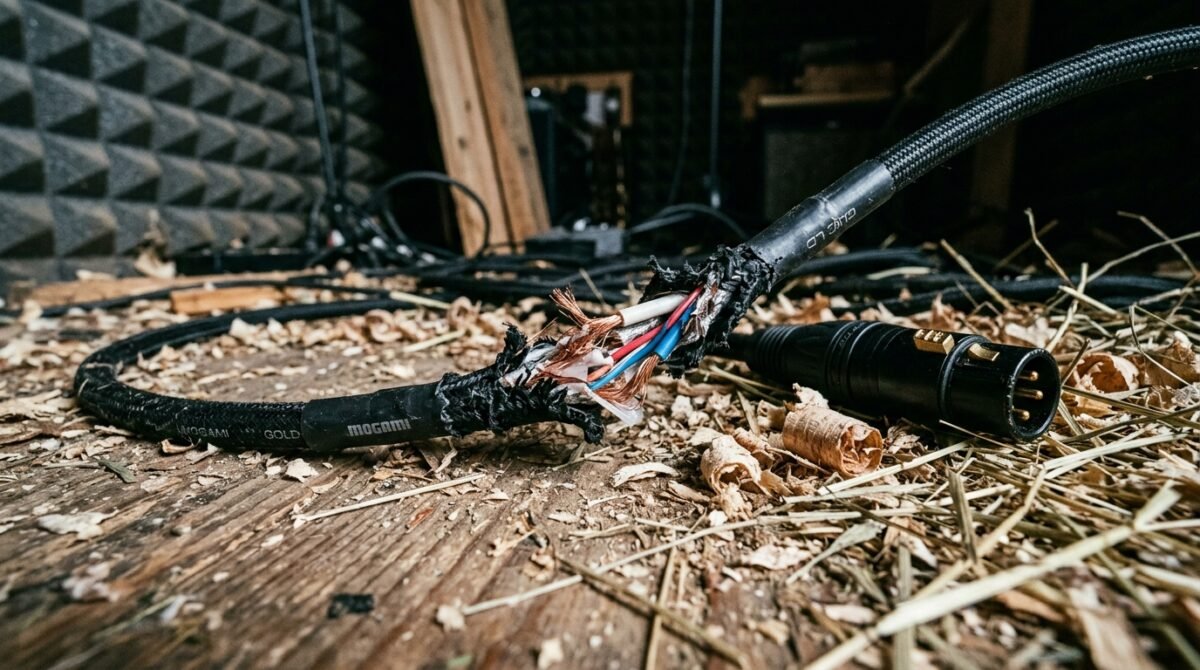
The audacity of the note, combined with the sight of a guinea pig chewing on a $500 XLR cable, snapped something inside me. I realized that my boundaries had been not just pushed, but obliterated. I spent the next hour documenting every piece of damage with my camera, my mind racing through the costs of professional cleaning and potential equipment replacement. This wasn’t just a roommate disagreement; it was a professional catastrophe.
The Performance of Victimhood
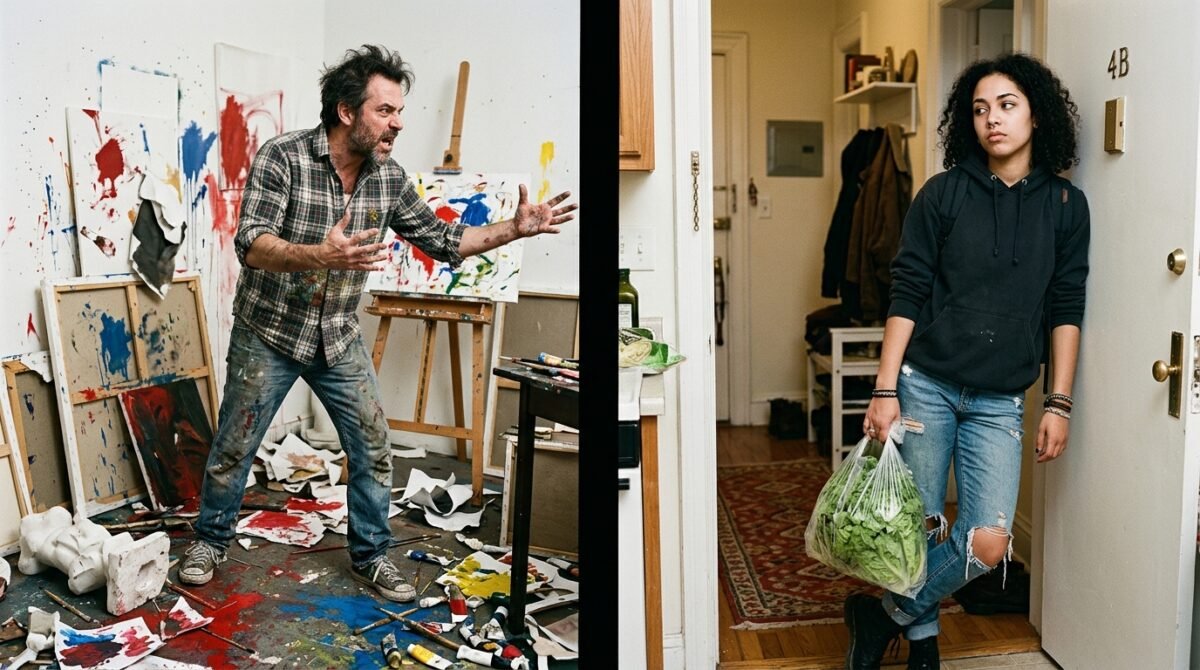
Chloe arrived home just as the sun began to peek over the horizon, looking disheveled and defensive. She walked into the apartment with a bag of lettuce in her hand, completely oblivious to the fact that I had been standing in the doorway of the booth, waiting for her for over an hour. When she saw me, her expression didn’t shift to apology or embarrassment. Instead, she put her hands on her hips, looking as if she were the aggrieved party.
I didn’t let her speak. I pointed to the shredded cables, the stained acoustic panels, and the piles of waste. I asked her how she could possibly justify using my workspace for a DIY animal rescue. She immediately launched into a rehearsed spiel about how these guinea pigs were ‘at-risk’ and how the shelter was ‘full and cruel.’ She argued that my booth was ‘just a box’ and that I wasn’t using it over the weekend, so it was ‘dead space’ that could be put to good use for a noble cause.
“They are living creatures, Mark! They were going to be euthanized tomorrow! You have this giant, empty, soundproof room that stays at the perfect temperature. You should be happy I’m using it for good instead of letting it sit idle like some kind of greedy corporate drone!”
— Chloe’s defensive outburst
I couldn’t believe the logic. The ‘idle’ room was my office, my place of business, and my livelihood. I explained that the soundproof foam was porous and would hold the smell and the dander forever, effectively ruining the acoustics of the space for professional recording. She rolled her eyes, claiming I was being ‘dramatic’ and that a little ‘febreze’ would take care of it. Her utter lack of understanding regarding the complexity of audio engineering was staggering.
The conversation quickly devolved into a shouting match. I told her the lease was voided by this act, and she needed to be out. Her response was to laugh, telling me that I couldn’t kick her out because she was ‘on the lease’ and that the law protected tenants from ‘arbitrary eviction.’ She clearly thought she held all the cards, assuming I would back down to avoid a messy legal conflict. She had no idea how much I had already prepared for this.
The Paperwork of Imminent Departure
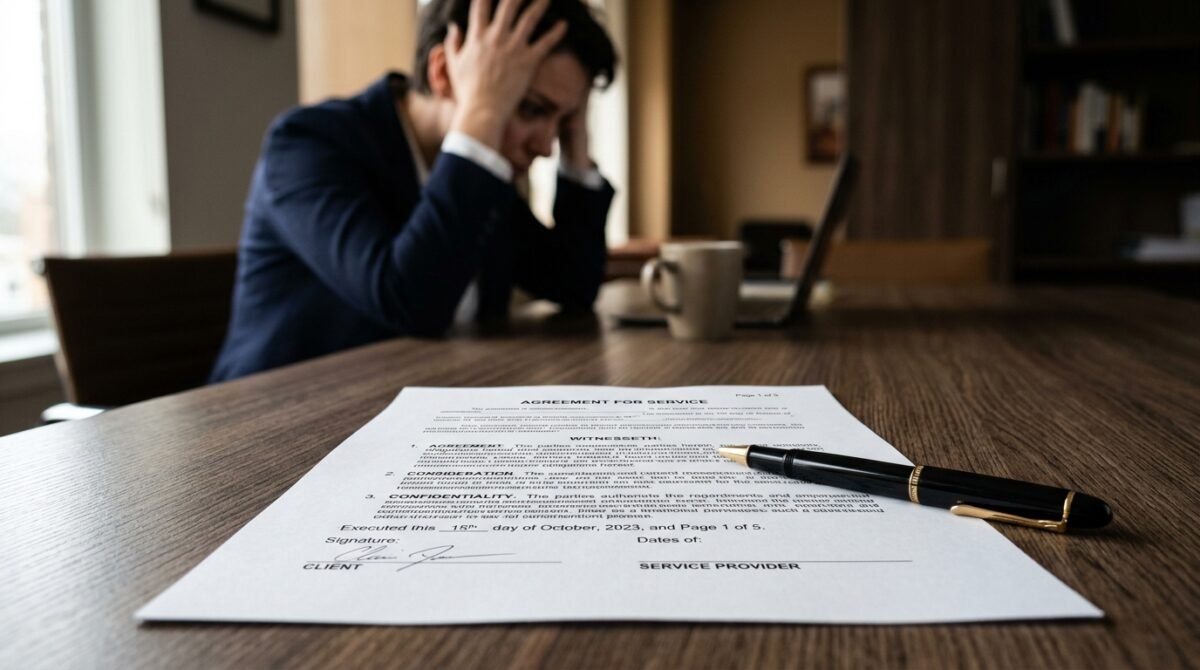
I didn’t wait for her to calm down. I went straight to my laptop and pulled up the sublease agreement we had signed. I had been careful enough to include a specific ‘Property Damage and Unauthorized Use’ clause, which clearly stated that the use of any common or private area for pet storage resulted in immediate breach of contract. I also had the email exchange where she acknowledged the ‘No Pets’ rule upon moving in. It was an open-and-shut case, but I knew she would make it difficult.
I spent the afternoon gathering evidence. I took high-resolution photos of the damage to the acoustic foam, the chewed wires, and the overall mess. I even called the professional cleaning service I used for my gear to get an estimate on the cost of deep-cleaning the studio, which came out to a staggering $2,000. I printed out the breach of contract notice, the cleaning estimate, and a formal eviction notice that allowed her 48 hours to vacate due to ‘hazardous living conditions’ and ‘contractual violation.’
When I handed her the papers, the smirk finally left her face. She read through the document, her face turning pale. She realized that this wasn’t just me being ‘mean’—it was me protecting my legal and financial interests. She tried to deflect, saying that she could fix it, that she would clean the room herself, but I held firm. There was no going back after she had compromised the integrity of my studio.
“You have 48 hours to move out, Chloe. I have already sent a copy of this to the landlord, who has confirmed that your unauthorized animal sanctuary constitutes a lease violation. The police will be here to supervise if you don’t comply.”
— My final notice to Chloe
The energy in the apartment shifted from defiance to panic. She began calling her friends, clearly trying to rally support. I heard snippets of her voice through the walls, painting me as a heartless, cold-hearted person who cared more about money than the lives of defenseless animals. It was a classic projection technique, but it didn’t work on me. I had seen the damage. I had smelled the stench. I was done.
The Digital Campaign of Defamation
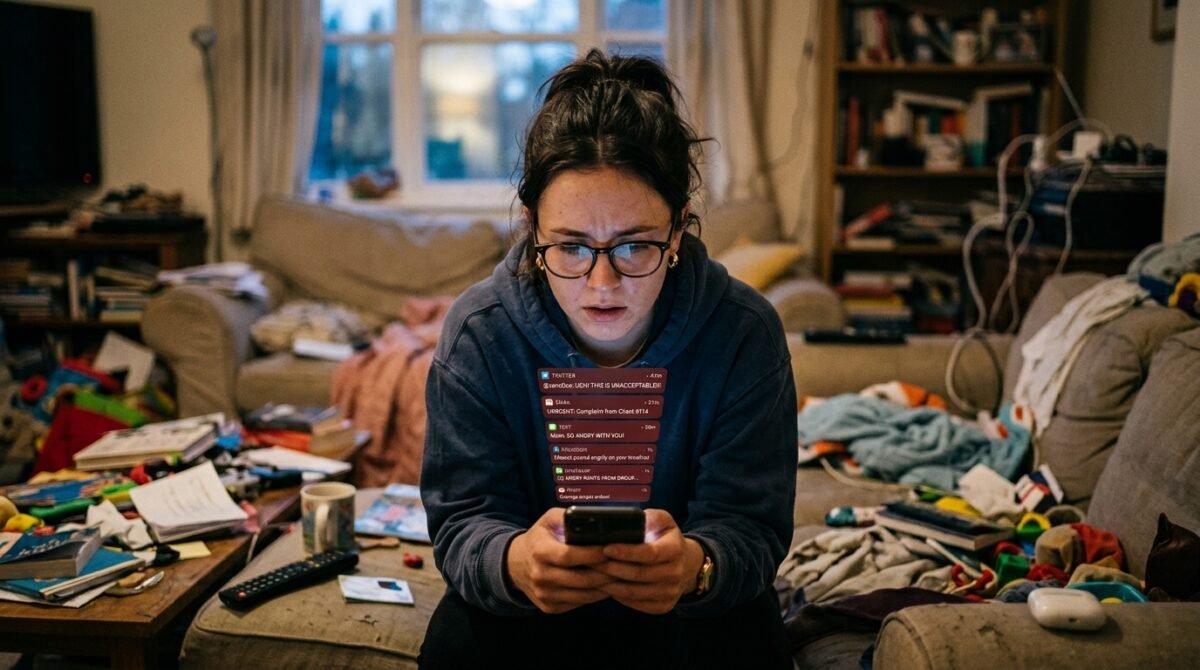
By the next morning, I started receiving messages from people I barely knew. Apparently, Chloe had taken to social media, specifically our local neighborhood Facebook group and Instagram, to tell her side of the story. She posted photos of the cute guinea pigs, omitting the fact that they were in my sound booth, and claimed that a ‘cruel neighbor’ was trying to evict her for ‘saving lives.’ The comments section was a disaster of misinformation and vitriol.
People were calling for my boycott, demanding to know where I lived, and calling me a ‘monster.’ It was surreal to see myself being vilified for wanting to keep my own workspace clean. I had to make a choice: do I engage and try to defend myself, or do I stay silent and let the legal process handle it? I decided to issue a single, factual statement, posting the photo of the destroyed acoustic foam and the ruined microphone cable, with a caption explaining the situation.
“I am all for animal rescue, but not at the expense of someone’s career and professional equipment. My studio is not a sanctuary, and the damages are currently estimated at over $3,000. Please, before judging, realize that this is a private home, not a barn.”
— My response on social media
The turn in the comments was immediate. Once the photos of the actual damage were shown, the narrative shifted. People who had been calling me a monster started questioning why she thought she could use someone else’s equipment for her project. The tide was turning, but it was still incredibly stressful. My phone was buzzing constantly with notifications, and my anxiety levels were through the roof.
Chloe wasn’t happy about my post. She confronted me in the kitchen, demanding I take it down. She claimed that the photos were ‘manipulated’ and that the damage wasn’t ‘that bad.’ I looked her in the eye and told her that if she wanted to continue this, we could involve lawyers to handle the defamation charges as well. She finally stopped, realizing that I was not going to be bullied into silence or submission.
The Arrival of the Animal Shelter
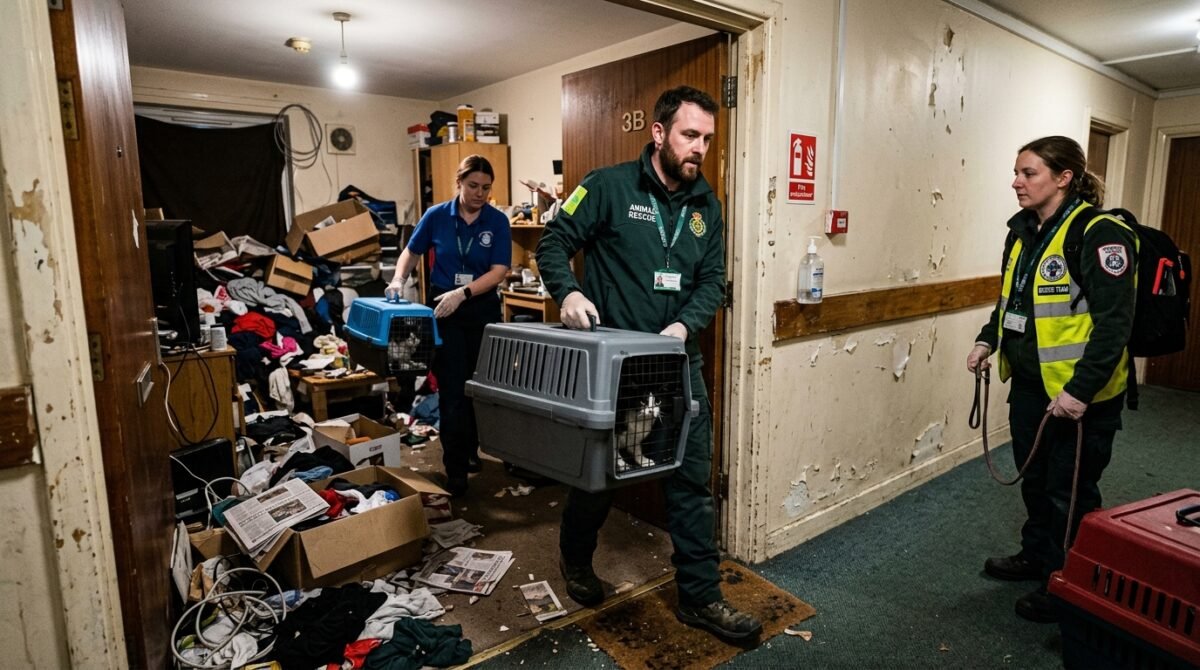
When the animal rescue organization finally showed up—I had contacted them once I realized she had no intention of actually taking care of the animals properly—the scene became even more chaotic. Chloe had hidden two of the guinea pigs in her closet, thinking she could keep them, but the volunteers were thorough. They scanned the room and found the hidden cages, much to Chloe’s horror. The lead volunteer was visibly upset by the conditions, noting that the animals were stressed and in an inappropriate environment.
Watching the rescue workers take the animals away was a bittersweet moment. I felt bad for the creatures, but I was relieved to have my space back. Chloe cried as they took them, accusing me of ‘killing’ them by calling the shelter. It was the peak of her manipulation tactics, trying to make me feel responsible for the situation she had created. I remained firm, holding the door open until the last crate was removed from my apartment.
“These animals are not healthy, ma’am. They have been living in a space with high-frequency electronic noise and inadequate ventilation. This is not a rescue; this is a health hazard for both the animals and the occupants.”
— Volunteer from the local animal shelter
With the animals gone, the silence in the apartment was deafening. Chloe retreated to her room and locked the door, leaving me to deal with the aftermath of the cleaning. I spent the next several hours scrubbing the walls, trying to salvage what I could of the acoustic foam. The smell was still faint, and I knew I would likely have to replace the panels entirely, a cost that was growing by the hour.
The landlord arrived an hour later to inspect the damage. He wasn’t pleased. He told me that even if Chloe moved out, the damage to the walls and the flooring caused by the wood shavings and animal waste would be deducted from the security deposit. I was already planning on suing for the remainder, but it was just another layer of stress on an already crumbling living arrangement.
The Final Stand-off
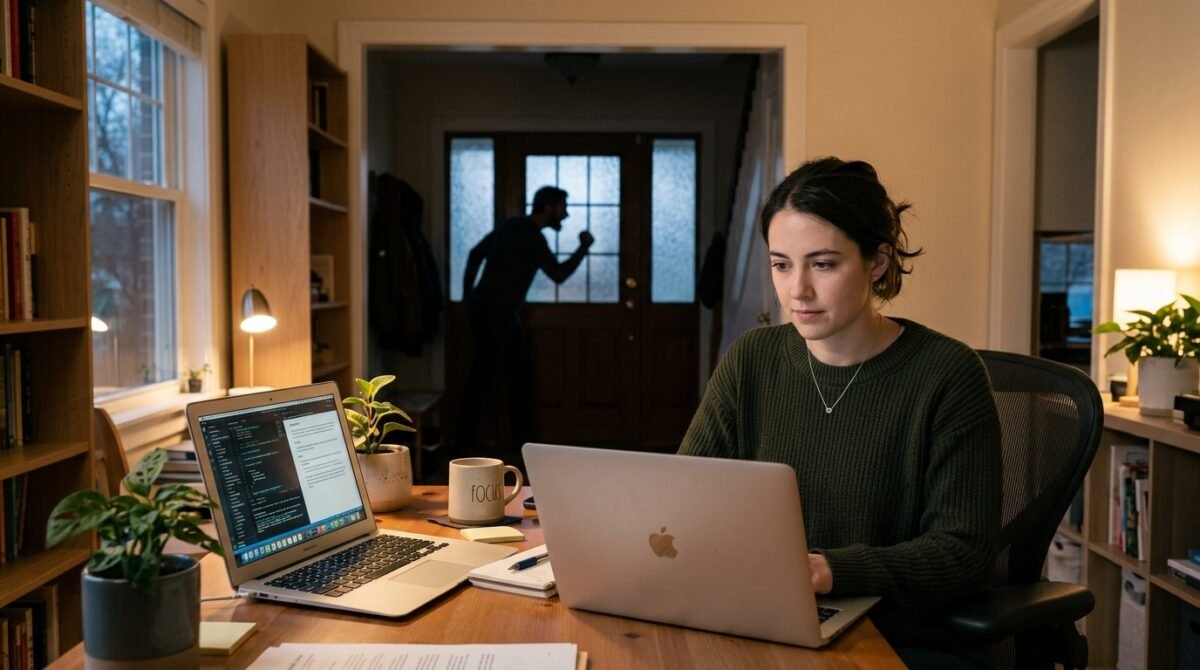
The 48-hour window was coming to a close. Chloe had managed to pack a few boxes, but she was clearly stalling, hoping that I would change my mind or let her stay until the end of the month. She tried one last time to appeal to my ‘kindness,’ bringing me a cup of tea and sitting down to talk. I didn’t drink the tea. I sat in the living room with my laptop open, waiting for her to finish her monologue about how hard her life was.
She talked about how she felt ‘trapped’ by the, in her words, ‘oppressive’ rules of the apartment. She felt that I was too focused on ‘my stupid career’ and not enough on the people around me. She actually tried to make the argument that my professional success was a burden on her personal freedom. It was the most narcissistic thing I had ever heard. I didn’t interrupt her; I just let her talk, knowing that every word she said further justified my decision to remove her.
“You just don’t get it, do you? It’s not about the animals. It’s about your need for control. You think because you have a fancy job and a fancy room that you get to dictate how the rest of us live. I’m a person, not a tenant you can just discard.”
— Chloe’s final attempt to guilt-trip me
I responded calmly, telling her that the ‘control’ I exercised was simply maintaining the contract she had willingly signed. I reminded her that respect is a two-way street and that she had shown zero respect for my boundaries, my property, or my livelihood. I told her that if she wasn’t out by the agreed-upon time, I would be calling the police to escort her out for trespassing on the property she was no longer authorized to occupy.
She finally stood up, realizing that there was no room for negotiation. She grabbed her remaining bags and stormed out of the apartment, slamming the door so hard that it rattled the frames. The silence that followed was the most beautiful thing I had heard in weeks. I immediately called a locksmith to have the locks changed, ensuring that she could never enter the apartment again.
The Reddit Trial: NTA or YTA?
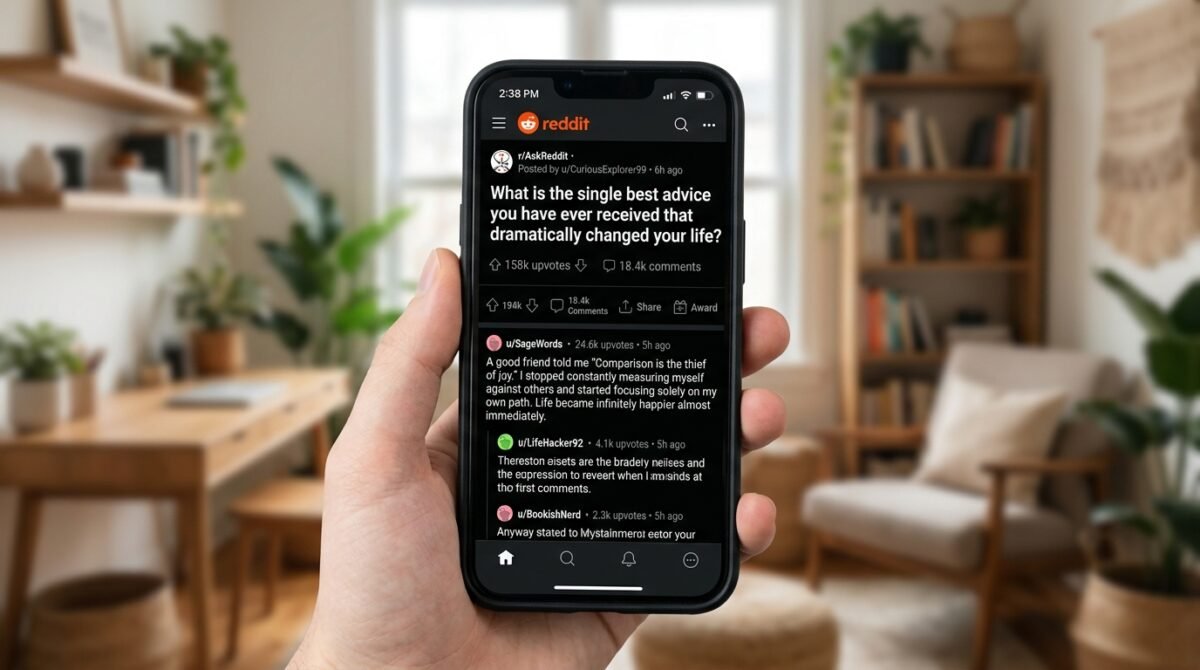
I decided to post the entire story on Reddit, specifically on a popular relationship advice and conflict sub-forum. I wanted to see if I was actually being as ‘monstrous’ as Chloe claimed. The response was overwhelming. Within an hour, the post had over 5,000 upvotes and hundreds of comments. The consensus was almost universally on my side, which was a huge relief for my sanity.
Many users shared their own horror stories of living with entitled roommates. It was validating to see that I wasn’t the only one who had dealt with someone who thought ‘pet-friendly’ meant ‘zoo-friendly.’ People were particularly disgusted by the fact that she had violated my professional space. The community breakdown was fascinating to read, with many offering legal advice on how to handle the damages and the lease termination.
“NTA. Your roommate is a classic narcissist. She took your property, turned it into a health hazard, and then tried to guilt-trip you when she got caught. You were way more patient than I would have been. You’re lucky she’s out.”
— u/SoundEngineerGuru (Top Comment, 18.2k upvotes)
“NTA. The moment she touched your professional recording booth, the friendship/roommate agreement was over. That is your livelihood. That’s like someone coming into your office and turning your desk into a sandbox. Good riddance.”
— u/ApartmentDramaLover (4.5k upvotes)
There were a few contrarians, of course, suggesting that I could have handled it with more ’empathy’ or ‘conversation,’ but they were quickly drowned out by the majority. Reading through the comments helped me realize that setting boundaries isn’t mean—it’s necessary. I felt a sense of closure that I hadn’t expected from an online forum. The validation of the community was exactly what I needed to move forward.
I spent the rest of the night reading through the threads, laughing at some of the wilder stories and taking note of the advice regarding my legal standing. It was a productive way to process the trauma of the last few days. I realized that my mistake wasn’t being strict; my mistake was being too lenient early on, which had encouraged her to push further and further.
Cleaning Up the Mess

The week following Chloe’s departure was dedicated entirely to recovery. I had to hire a professional biohazard and cleaning crew to deal with the smell and the dander in the studio. They were shocked by the state of the room, confirming that the cedar shavings had been ground into the floor and that the ammonia from the waste had indeed soaked into the acoustic panels. It was a massive undertaking, but seeing the room finally empty and smelling clean again was worth every penny.
I spent hours testing my microphones, praying that the humidity and the dust hadn’t ruined them. Thankfully, most of them were fine, though I did have to replace a few cables and a pop filter that had been chewed. It was an expensive lesson, but I was fortunate that the damage wasn’t total. I started documenting everything again, building a case for small claims court to recoup the costs of the cleaning and the damaged equipment.
“It is fortunate that the equipment survived the initial exposure. However, the acoustic integrity of this room will take at least two weeks of professional treatment to restore to your previous recording standards.”
— Professional studio technician’s report
I also took the time to reorganize my studio, upgrading the security system to include a camera that would alert me to any movement inside the room. I was taking no chances. I wanted to make sure that if anyone ever stepped foot in that room without permission again, I would know about it immediately. It was a bit paranoid, perhaps, but it felt necessary after everything I had been through.
My work life began to return to normal. I started booking sessions again, and the quiet of the room was once again a source of comfort rather than a source of stress. The transition from chaotic roommate nightmare to peaceful professional sanctuary was complete. I felt like I had regained control over my life, one step at a time.
The Legal Aftermath
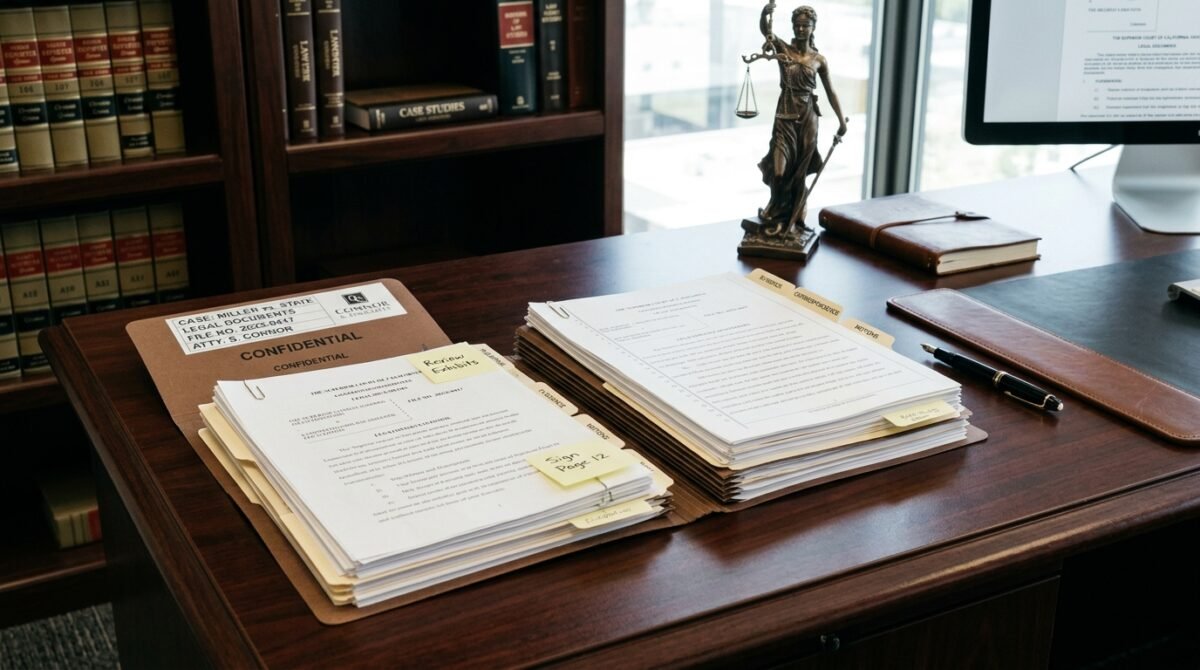
A month after the eviction, I received a notice from a lawyer representing Chloe. She was attempting to sue me for ‘illegal eviction’ and ‘harassment.’ It was absurd, but it forced me to get my own legal counsel. I handed over all the documents I had gathered: the original lease, the signed addendum regarding no pets, the photos of the damaged studio, and the communications with the animal rescue. It was an airtight case.
My lawyer reviewed everything and laughed. He said that her claims were baseless and that, in fact, I had a very strong countersuit for the property damage she had caused. We filed the countersuit, and the initial hearing was set for the following month. Chloe’s attempt to intimidate me had backfired, and she was now facing the financial reality of her actions. It was a stressful process, but it was one I was prepared to see through to the end.
“Your case is solid, Mark. She doesn’t have a leg to stand on. If anything, her attempt to sue you will only result in her having to pay for your legal fees and the damages to your studio.”
— My legal counsel’s assessment
The experience was eye-opening regarding the importance of documentation. If I hadn’t taken the time to write down the rules and document the damage, this could have been a much harder battle. I learned that in any living arrangement, professionalism is key. No matter how friendly you are with a roommate, you must always treat the living space as a contractually governed environment.
I kept a file of everything—every email, every text, every receipt. It was a shield that protected me from her baseless claims. The process took time and money, but it was worth it to ensure that the truth was known and that I wouldn’t be held responsible for the mess she had left behind. I was finally moving toward a resolution, both personally and legally.
Lessons Learned in the Silence

Looking back on everything, I realize that the most important lesson was the value of setting boundaries early and enforcing them without guilt. I had tried to be the ‘nice guy,’ letting the small things slide, which only taught my flatmate that my rules were suggestions rather than mandates. The moment I started enforcing the lease, the situation exploded, but it was an explosion that was necessary to clear the air and protect my interests.
I am now living alone, and the peace in my apartment is worth every cent of the higher rent. My studio is my sanctuary, and I guard it with a sense of pride that I didn’t have before. I’ve become much more discerning about who I trust, and I no longer feel the need to justify my professional needs to anyone. My career is the priority, and my living space must reflect that.
“Boundaries aren’t about being mean. They’re about defining what you will and won’t accept, and that’s a fundamental part of self-respect. You didn’t fail her; she failed herself.”
— Advice from a close friend
I have also learned the importance of having a professional, legally binding agreement for any living arrangement, regardless of how well you think you know the person. It is not about being cold; it is about being responsible. People can change, and situations can devolve quickly. A contract is the only thing that remains consistent when the situation falls apart.
I still think about those guinea pigs from time to time, and I hope they found a better home. But I also know that their presence in my life was a catalyst for a necessary transformation. I am stronger, more assertive, and more professional than I was before. And that is the best outcome I could have asked for from such a chaotic situation.
Conclusion
My life has effectively returned to its quiet, productive rhythm. The legal battle is winding down, and I have regained the financial stability I once feared I would lose. Looking back, the most shocking aspect of the whole ordeal wasn’t even the animals in my room—it was the profound sense of entitlement that someone could believe my professional equipment was a public resource. It was a masterclass in why clear communication and firm boundaries are the bedrock of any successful living arrangement.
I’ve walked away from this with a stronger resolve to protect my workspace and a much clearer understanding of human behavior. No one has the right to jeopardize your livelihood, no matter how ‘noble’ they claim their intentions are. If you take anything away from my experience, let it be this: document everything, trust your gut when it tells you something is wrong, and never apologize for protecting your future.
What about you? Have you ever had a roommate situation that spiraled into a total nightmare? How did you handle the boundary-crossing, and what did you learn about your own limits? Join the conversation in the comments below—I’d love to hear your stories of survival and setting boundaries.
What's your verdict on this dilemma?
Vote below to contribute to the official community consensus.

Have a Dilemma Keeping You Up at Night?
Share your real-life feud, wedding chaos, or relationship crossroads anonymously with our editorial team.
What do you think ?
0 Comments🛡️ Comments are moderated to protect community integrity. Your comment will appear once approved by the editorial team.