
We all have that one person we trust with our lives—or at least with our house keys. For me, that person was Sarah. We’ve been friends since college, shared countless secrets, and helped each other through breakups, career shifts, and the mundane struggles of adulting. When I had to travel out of state for a three-week consulting gig, asking Sarah to keep an eye on my place and water my collection of indoor plants felt like the most natural, stress-free decision in the world.
My house is modest, but I take pride in the detached garage I converted into a creative studio. It’s my sanctuary, a place where I spend hours working on my woodworking projects, surrounded by expensive machinery and reclaimed timber. It was locked, secured, and strictly off-limits to everyone except me. Or so I thought.
Returning home a day earlier than expected, I didn’t expect a parade. I expected a quiet house, dead plants if Sarah had forgotten them, and the lingering scent of my own home. Instead, I pulled into the driveway to see a strange sedan parked near the back fence and the distinct light of a space heater glowing through the garage windows at 2:00 AM.
The moral dilemma here isn’t just about the physical space. It’s about the erosion of boundaries in a relationship I thought was built on mutual respect. When you invite a friend into your inner circle, you expect a guardian, not a host to strangers who have effectively colonized your personal property. As I stood in the driveway, the cold air biting at my skin, I realized that the life I had built was no longer mine—at least for the night.
This is the story of how a simple act of friendship spiraled into a violation of privacy so profound that it effectively ended a decade-long bond. It’s a story about the audacity of entitlement and the painful reality of discovering who your friends really are when they think you aren’t looking.
The Glow Through the Window
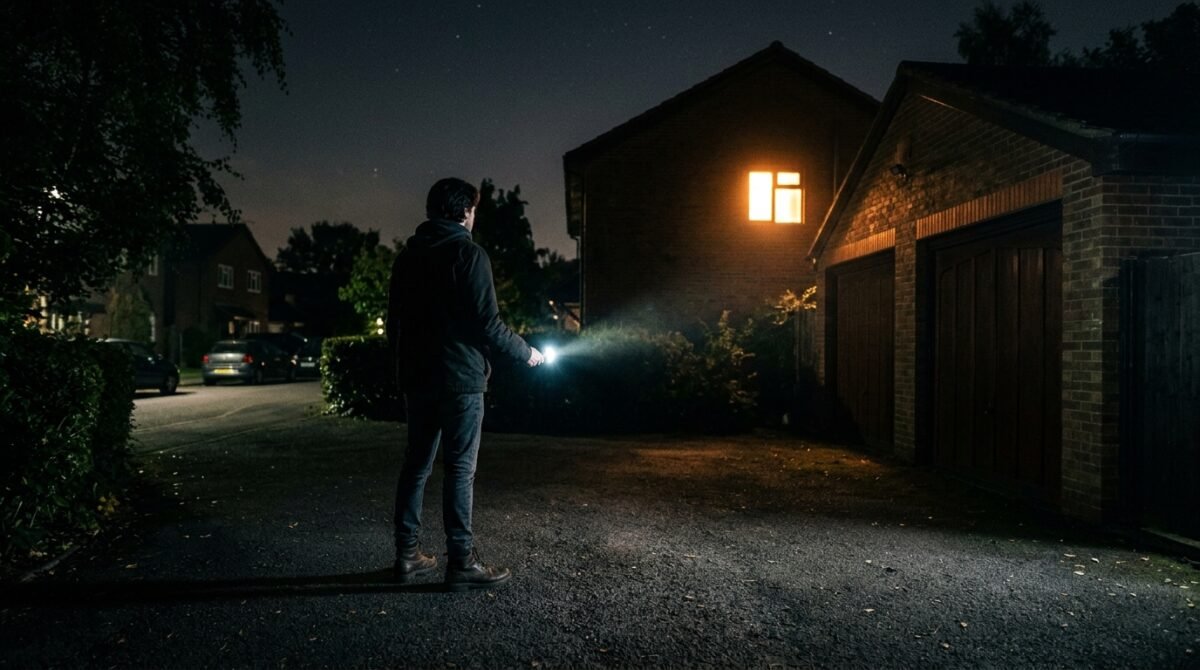
I had driven fourteen hours straight, my eyes stinging from the glare of the highway markers and the monotonous hum of the radio. All I wanted was my own bed and a shower that didn’t involve a hotel curtain clinging to my legs. When I turned onto my street, the house was dark, which was expected. What wasn’t expected was the hum of electricity coming from the detached garage.
I slowed my car to a crawl, my heart rate spiking for no reason other than the sheer wrongness of the scene. The garage windows, which I usually kept covered with heavy-duty thermal shades to protect my wood from humidity, were partially exposed. A soft, orange glow emanated from within. I killed my engine, letting the car coast into the driveway in silence.
My first instinct was to call the police. My second, fueled by a mixture of exhaustion and adrenaline, was to grab the heavy flashlight from my center console. I stepped out of the vehicle, the gravel crunching under my boots like a gunshot in the quiet neighborhood. I approached the side door of the garage, the one that required a specific, stiff key turn to open.
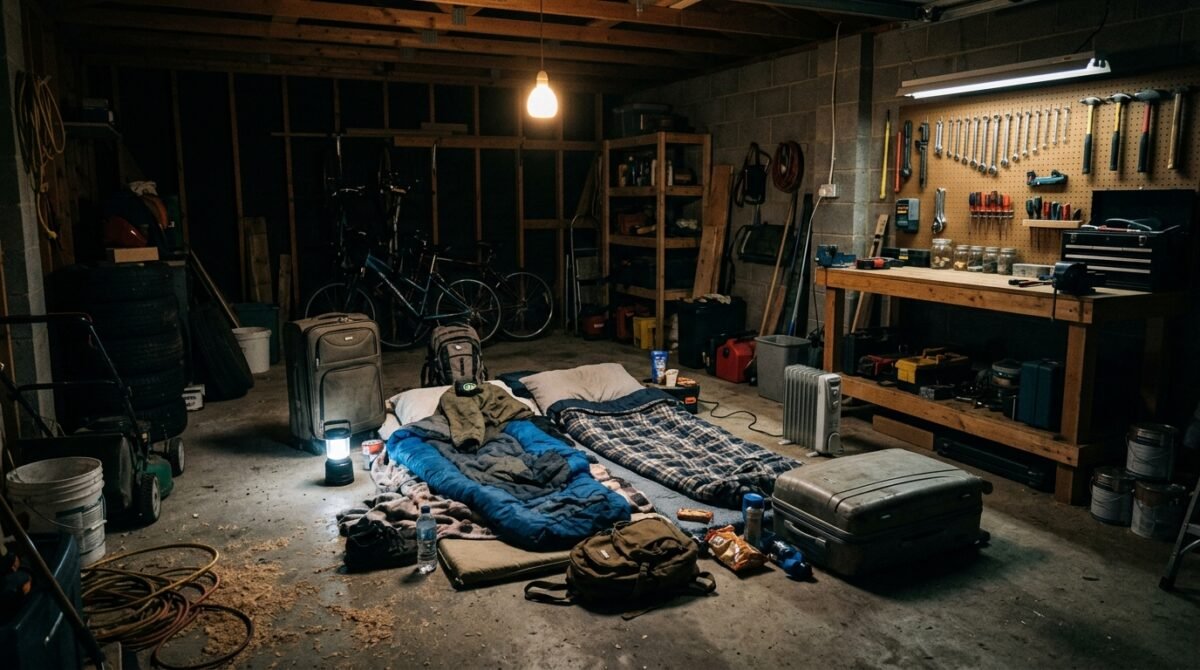
I peered through a small gap in the window treatment. My vision blurred for a second, then snapped into focus. There were two sleeping bags rolled out on the concrete floor, surrounded by piles of clothing, empty takeout containers, and a half-drunk bottle of wine that I recognized from my own kitchen pantry.
“Who the hell is in there?” I whispered to myself, the realization dawning on me that my sanctuary had become a hostel.
I didn’t knock. I didn’t wait for an invitation. I grabbed my key, slid it into the lock, and swung the door open, ready to confront whatever nightmare was waiting for me inside my own workspace.
The Audacity of the Explanation
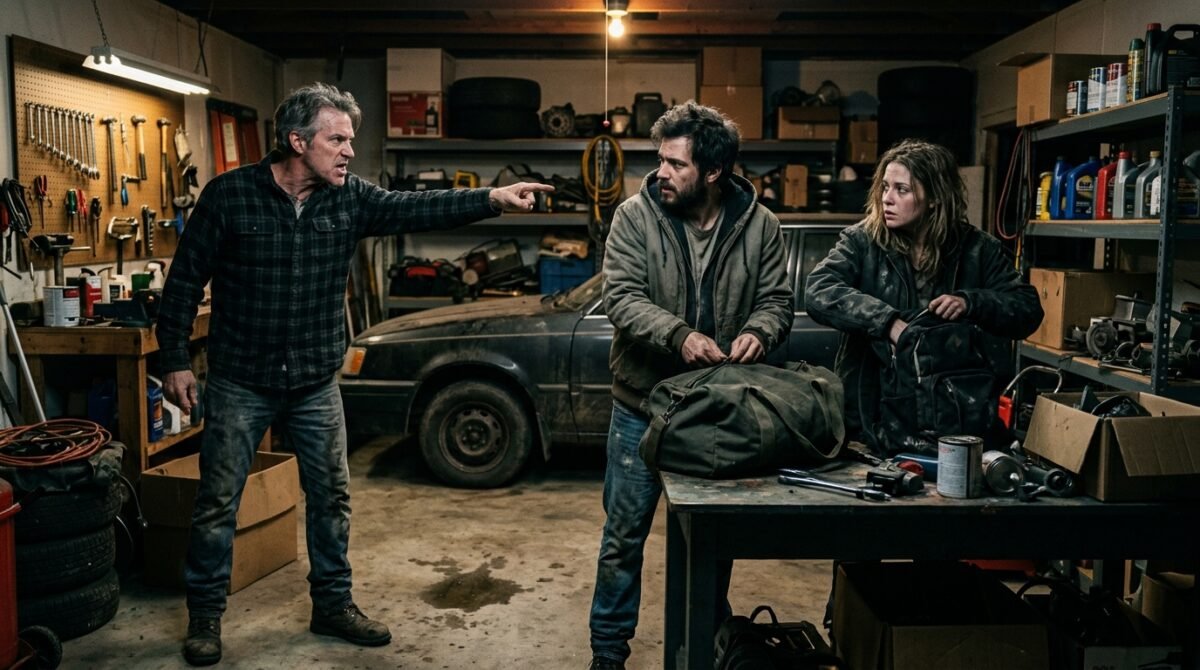
When the door swung open, the smell hit me first—stale sweat, cheap cigarettes, and the unmistakable scent of fast food. A man and a woman, neither of whom I had ever seen in my life, scrambled to their feet, blinking like deer caught in high beams. They looked disheveled, confused, and utterly unbothered by the fact that they were trespassing.
“Who are you?” I barked, my voice echoing against the rafters. The man, who looked like he hadn’t shaved in weeks, stepped forward, shielding the woman behind him. He didn’t look aggressive; he looked annoyed. That, more than the fear, set me off.
“We’re Sarah’s friends,” the man stated, as if that explained the entire situation. “She said it was cool. She told us we could stay here until we found a place in the city. She said you wouldn’t mind because you’re never here anyway.”
I felt the heat rising from my chest to my face. My hands were shaking, and I had to lean against the workbench to keep from collapsing. I wasn’t just a landlord; I was their victim. Sarah had, without a single word of communication, handed out keys to my property as if it were a public community center. The audacity was suffocating.
“You have exactly ten minutes to pack your things and get off my property,” I told them, my voice deathly quiet. “If you aren’t out by the time I count to ten, I am calling the sheriff and pressing charges for breaking and entering.”
The woman started to cry, whispering about how they had nowhere to go, but I wasn’t listening. I watched them scramble, gathering their scattered belongings, their sense of entitlement still clinging to their frantic movements. They treated my workspace like a hotel they were being unfairly evicted from, and their lack of remorse was the final nail in the coffin of my friendship with Sarah.
The Late Night Confrontation
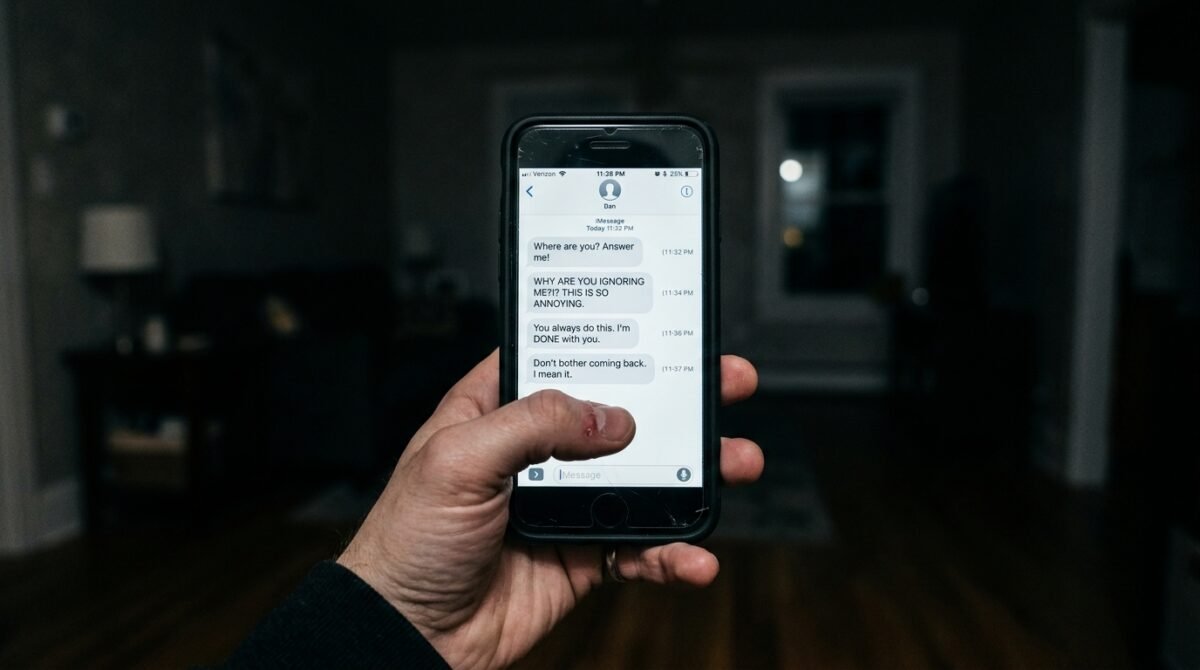
Once the strangers were gone, the silence of the garage was deafening. I didn’t go into the main house. I pulled my phone out, my thumb hovering over Sarah’s contact name. My pulse was still racing, and every time I looked at my woodworking tools, I felt a new wave of violation. My saws, my sanders, my expensive kiln—all of it had been touched by people who had no business being there.
I didn’t wait for morning. I sent a text, then another, before finally calling her. She picked up on the third ring, her voice thick with sleep and an immediate, defensive edge. She clearly knew exactly why I was calling, even before I said a word.
“Hey, you’re back early,” she said, trying to sound casual, but failing. “Everything okay? I was going to head over tomorrow to tidy up.”
“Sarah, who were the two people sleeping in my garage?” I asked, skipping the pleasantries. “Why did you give them access to my home? Why did you use my space as a temporary shelter for strangers?”
The silence on the other end was long and calculated. She didn’t offer an apology. Instead, she sighed, the sound of someone who felt inconvenienced by their own lie. “Look, they’re friends of a friend. They were in a bind. You have all that space, and you’re always complaining about how the garage is just sitting there. I didn’t think it was a big deal. They’re good people, just going through a hard time.”
The selfishness was staggering. She had measured my generosity against her own lack of boundaries and decided that my property was a fair trade for her social capital. I told her that she was no longer welcome at my house, that the keys were effectively null and void, and that our friendship was on a long, indefinite hiatus. She hung up on me before I could finish the sentence.
Cleaning Up the Mess
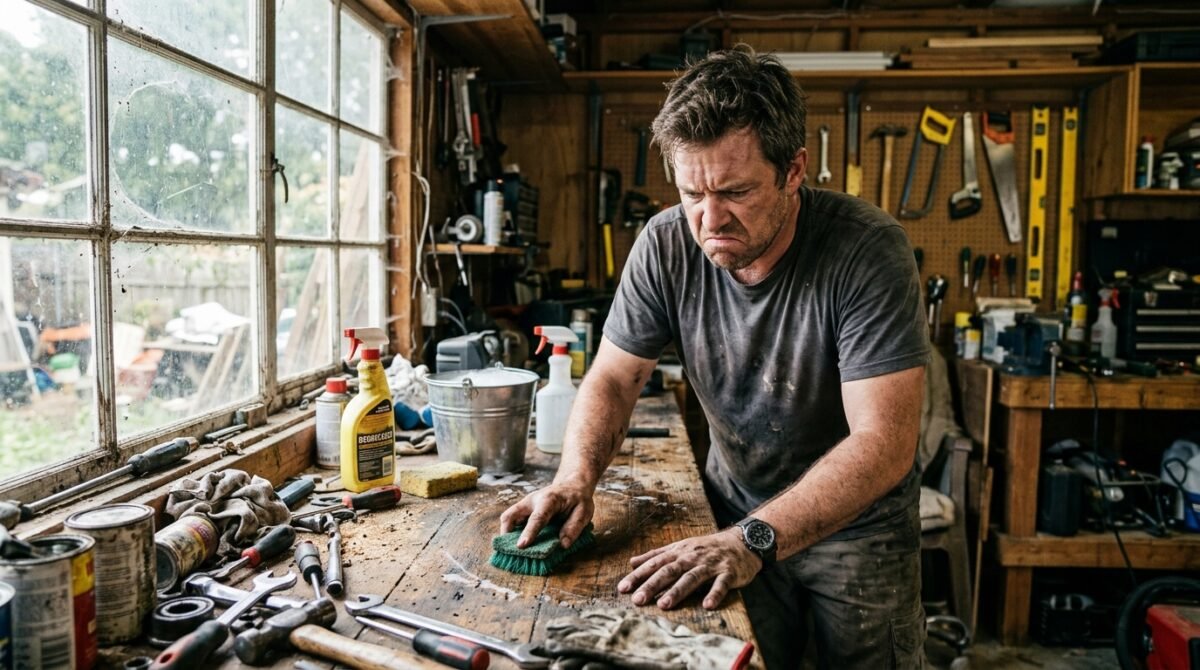
The next morning, the reality of the situation sunk in as I began the cleanup process. It wasn’t just the sleeping bags. They had used my heavy-duty woodworking rags to clean up spills, leaving greasy marks on my pristine timber. They had opened a box of specialty screws I was saving for a commissioned project, scattering them across the floor like confetti.
I spent the entire day scrubbing. Every inch of the floor, every workbench surface, every tool handle felt contaminated. I felt like a stranger in my own home, constantly looking over my shoulder, wondering if Sarah had given keys to anyone else. The psychological impact of being violated in your own sanctuary is something you don’t fully understand until you’re scrubbing grease off a lathe you spent three years paying off.
Around noon, my phone buzzed. It was a message from a mutual friend, someone who had clearly been briefed on the situation by Sarah. The message wasn’t an inquiry; it was a lecture. It felt like the world was closing in, trying to force me to accept this invasion as a ‘kindness’ I should have been happy to provide.
“Hey, I heard about the situation with Sarah. She’s really upset. She said you were incredibly rude to her friends and that you’re being a bit dramatic about a ‘spare’ building. Maybe you should apologize?”
— Text message from mutual friend
I stared at the screen, my blood boiling. The audacity to frame my request for privacy as ‘being dramatic’ was the final insult. I didn’t respond. I blocked the number and kept cleaning, the physical labor serving as a conduit for my rage. I was done being the ‘easy-going’ friend who let people walk all over her.
The Reddit Trial
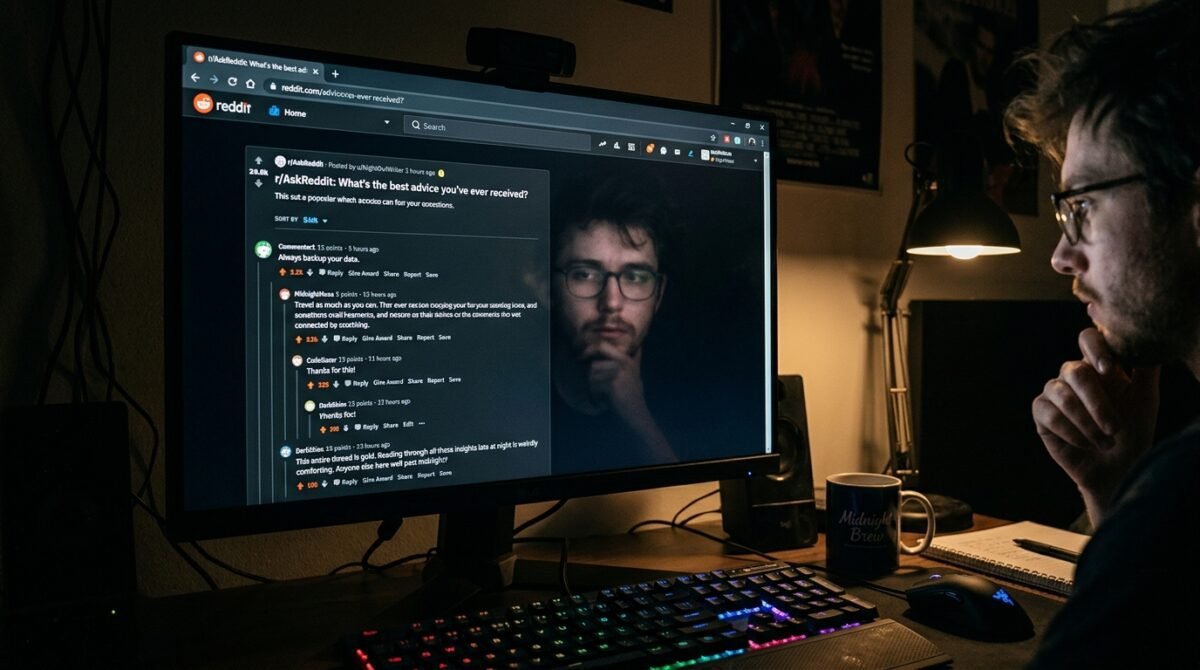
By the third day, the isolation was getting to me. I needed perspective. I sat down at my computer, opened a throwaway account on r/relationships, and typed out the entire saga. I left nothing out—the key, the business trip, the strangers, the confrontation, and the fallout with Sarah. I wanted to see if I was crazy, or if the gaslighting I was receiving was as toxic as it felt.
The response was immediate. Within an hour, the thread had hundreds of comments. Most were supportive, but some were eye-opening. People pointed out the legal liabilities: what if the strangers had been injured? What if they had started a fire? What if they had stolen my tools? The situation was far more dangerous than I had initially calculated.
“NTA. This isn’t about the garage; it’s about the fact that she doesn’t respect you as an individual with boundaries. She treated your property like her own asset. Cut her off completely.”
— u/JusticeForOP (Top Comment, 18.2k upvotes)
“You need to change your locks, install cameras, and get a restraining order if they try to come back. Your ‘friend’ is a massive liability.”
— u/LegalEagleEye (12.4k upvotes)
Reading the comments was like receiving a massive dose of validation. I wasn’t being dramatic. I was being sensible. The realization that I had been enabling this behavior for years—letting Sarah ‘borrow’ things, letting her dictate social plans, letting her take advantage of my kindness—hit me like a ton of bricks. It was time to stop being the victim of my own generosity.
The Confrontation in Public

A week later, I ran into Sarah at a local coffee shop. I knew she frequented the place, so it wasn’t exactly a coincidence, but I wasn’t going to hide. I walked in, ordered my drink, and saw her sitting at a corner table with our mutual friend—the same one who had texted me. She looked up, her expression shifting from surprise to a smug sense of entitlement.
She stood up as I approached, clearly expecting me to come crawling back with an apology. “I think we need to talk about your reaction,” she started, not even waiting for me to say hello. “You embarrassed my friends, and you were completely unprofessional.”
I didn’t sit down. I stood over the table, my posture rigid. “Sarah, let’s get one thing clear. You don’t get to manage my property. You don’t get to invite people into my home. And you certainly don’t get to tell me how to react when I find strangers sleeping in my garage.”
“They had nowhere else to go! I was being a good person. You were just being selfish!”
— Sarah’s outburst at the coffee shop
The entire café went quiet. I felt a strange sense of liberation. I wasn’t embarrassed anymore; I was furious. “If you wanted to be a good person, you should have invited them into *your* home, not mine. If you are so concerned about their wellbeing, write them a check. But never, ever step foot on my property again.” I turned and walked out, leaving her sputtering in the middle of the room.
The Legal Reality Check
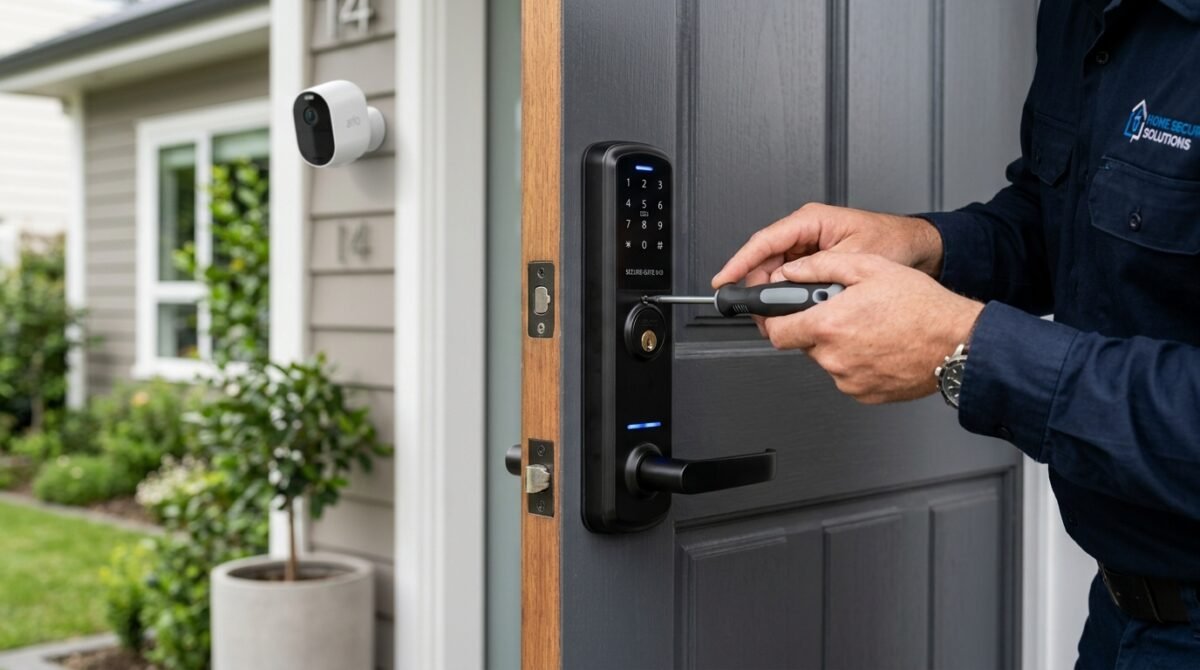
After the encounter at the café, I decided to take the advice of the Reddit thread seriously. I contacted a locksmith and had every single lock on my house and garage changed. I also invested in a high-end security system, complete with motion-sensing cameras that sent alerts directly to my phone. I didn’t want to live in fear, but I also didn’t want to be caught off guard again.
I spoke to a local attorney who specialized in property rights just to make sure I was covered if Sarah or her ‘friends’ decided to retaliate. He told me that what happened was a clear case of unauthorized occupancy, and that if they had stayed any longer, they could have technically claimed residency in some jurisdictions. The thought alone made my skin crawl.
I kept a log of everything. I saved the text messages, the screenshots of the mutual friend’s lecture, and the dates of the encounter. I was building a paper trail, not because I wanted to sue, but because I wanted to be prepared for the inevitable escalation. People who lack boundaries don’t just disappear; they usually lash out when they lose control of their access.
The peace of mind that came with the new security measures was worth every penny. I could sleep at night, knowing that if someone stepped onto my property, I would know about it immediately. It was a small price to pay for the return of my autonomy and the protection of my home, a sanctuary I had foolishly forgotten how to defend.
The Fallout with the Inner Circle

The fallout wasn’t limited to Sarah. It spread through my social circle like wildfire. Some friends reached out, trying to mediate, telling me that Sarah had a ‘good heart’ and that I was being too harsh. Others stood by me, horrified by what I had endured. It became a litmus test for my relationships, and frankly, I was surprised by who sided with who.
I found myself explaining the situation over and over again, defending my right to exclude strangers from my home. It was exhausting. I realized that for years, I had been the ‘accommodating’ one, and when I finally put my foot down, people didn’t know how to handle the new version of me. They were used to the version of me that said yes, the version that offered up my resources whenever they were in need.
“You’ve changed,” one friend told me over dinner. “You’re so cold now.” I looked at her and asked if she would let a stranger sleep in her shed while she was out of town. She went quiet, unable to answer. It was a powerful moment—not of aggression, but of realization. They all had boundaries, they just didn’t like it when I started enforcing mine.
I started trimming the fat. I stopped answering calls from people who wanted to ‘discuss’ the situation. I stopped explaining myself. My inner circle became smaller, but it became stronger. I wasn’t losing friends; I was losing people who only valued me for the utility I provided them.
Finding My Sanctuary Again

Months later, I finally felt comfortable in my garage again. The smell of sawdust and varnish had finally replaced the stench of the strangers. I spent my weekends building a new workbench, one that was taller, sturdier, and designed specifically for my needs. Every strike of the mallet, every turn of the screw, was an act of reclamation.
I stopped thinking about Sarah. I stopped checking my social media to see if she had posted about me. I focused on my work. The projects I was working on turned out better than I had ever hoped. There was a clarity that came with the lack of drama, a focus that I hadn’t been able to maintain for years while I was busy managing other people’s lives.
I invited my new, smaller group of friends over for a BBQ. We sat in the backyard, near the garage, and I didn’t feel a shred of anxiety. I knew who was in my house. I knew who had access to my property. I knew that I was safe. It wasn’t about being paranoid; it was about being an adult, about taking responsibility for my space and my sanity.
If someone asked me today what the most important lesson was, I wouldn’t say it was about keys or locks. It was about realizing that you don’t owe anyone access to your life. Your home, your time, and your generosity are not public goods, and the people who get angry when you set boundaries are exactly the people who need to be kept on the outside.
The Final Reflection

Looking back at the entire saga, the most jarring part isn’t the strangers in the garage. It’s the memory of how easily I let it happen. The slow decay of boundaries is something that happens in the shadows, often masked as ‘kindness’ or ‘friendship.’ We let people take a little bit here, a little bit there, until one day we wake up and realize we’re essentially renters in our own lives.
I have no regrets about cutting ties with Sarah. She was a ghost of a friendship, someone who existed only as long as I was willing to provide. The pain of the betrayal was real, but it was also a catalyst for growth. I learned that my boundaries are not negotiable, and that if someone doesn’t respect the ‘no’ that protects my peace, they have no place in my future.
I’ve seen similar stories on the internet since, and I always feel a wave of empathy for the OPs. We are taught to be polite, to be generous, to be ‘good’ friends. But there is a line between being good and being a doormat. It’s a line I’ve finally learned to draw in permanent ink, and I’m never crossing it again.
The strangers are long gone. The keys are changed. The garage is mine. And for the first time in a decade, I’m not worried about who is walking through my front door when I’m not looking. The quiet, for me, has finally become a source of comfort rather than a source of anxiety.
Conclusion
This story of betrayal and boundary-setting serves as a stark reminder that our homes and our peace are the most valuable things we own. When we give keys to those we trust, we expect a level of respect that matches our own, but often, the people we rely on are the ones who feel the most entitled to exploit that trust. Sarah’s actions were not a lapse in judgment; they were a manifestation of a deeper, long-standing lack of respect for my personal space.
The aftermath of the ‘garage incident’ brought a period of intense reflection. It wasn’t just about the strangers; it was about the years of subtle boundary erosion I had allowed to persist. I’ve learned that the people who get the angriest when you set a boundary are the ones who benefited the most from you having none at all. By choosing to prioritize my own security and peace of mind over the comfort of those who disrespected me, I found a level of personal freedom I hadn’t realized I was missing.
Ultimately, your home is your sanctuary. It is the place where you should feel the most protected and at ease. If a friendship requires you to sacrifice that safety, it is a friendship that has lost its purpose. My journey from the initial shock of finding intruders in my workspace to the current, peaceful reality I enjoy has been a transformative experience in self-worth.
What about you? Have you ever had a friend or family member violate your trust in a way that permanently changed your relationship? How did you handle it, and do you look back on that ‘boundary-setting’ moment as a turning point in your life? Let us know in the comments below.
What's your verdict on this dilemma?
Vote below to contribute to the official community consensus.

Have a Dilemma Keeping You Up at Night?
Share your real-life feud, wedding chaos, or relationship crossroads anonymously with our editorial team.
What do you think ?
0 Comments🛡️ Comments are moderated to protect community integrity. Your comment will appear once approved by the editorial team.