
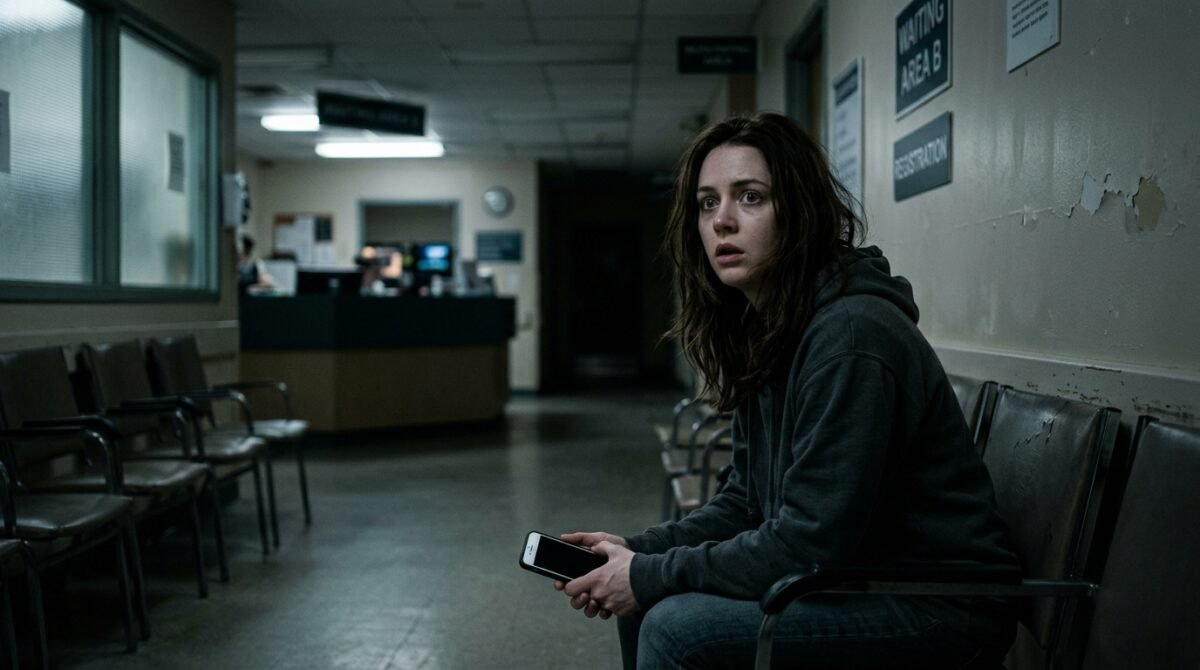
Marriage is supposed to be a partnership built on mutual protection, but for me, that illusion shattered in the most sterile environment imaginable: a clinic waiting room. I had been suffering from chronic health issues for months, issues that required consistent specialist care and expensive diagnostic testing. We had agreed, years ago, that our joint medical policy was non-negotiable—a cornerstone of our shared financial stability. But as I sat in the plastic chair, clutching my insurance card, the receptionist looked at me with an expression of weary pity that I will never forget.
“I’m sorry, ma’am, but your policy was terminated three weeks ago,” she said, her voice dropping to a sympathetic whisper. My stomach didn’t just drop; it evaporated. I checked my online portal, and there it was: a cancellation confirmation dated the exact same day my husband, Mark, had posted photos of his new, elite-tier country club membership on social media. The cost of his ‘gold-level’ access perfectly mirrored the premium I was supposed to be paying for my coverage.
This wasn’t just a lapse in judgment or a forgotten payment. It was a calculated trade-off. Mark had decided that his weekend rounds of golf and access to the club’s exclusive dining room were worth more than the medication and specialist care keeping me functional. The realization didn’t hit me with tears; it hit me with a cold, terrifying clarity. I wasn’t just sick; I was married to a man who had effectively put a price tag on my existence and decided I was depreciating.
As I sat there, the fluorescent lights buzzing overhead, I didn’t reach out to him to argue. I didn’t send a frantic text asking ‘why.’ Instead, I opened my laptop, pulled up a legal site, and began drafting the paperwork that would end our five-year marriage. The betrayal was so absolute, so profoundly selfish, that it bridged the gap between heartbreak and liberation. I didn’t need to speak to him; the serve papers would do all the talking he deserved.
The Day the Coverage Vanished
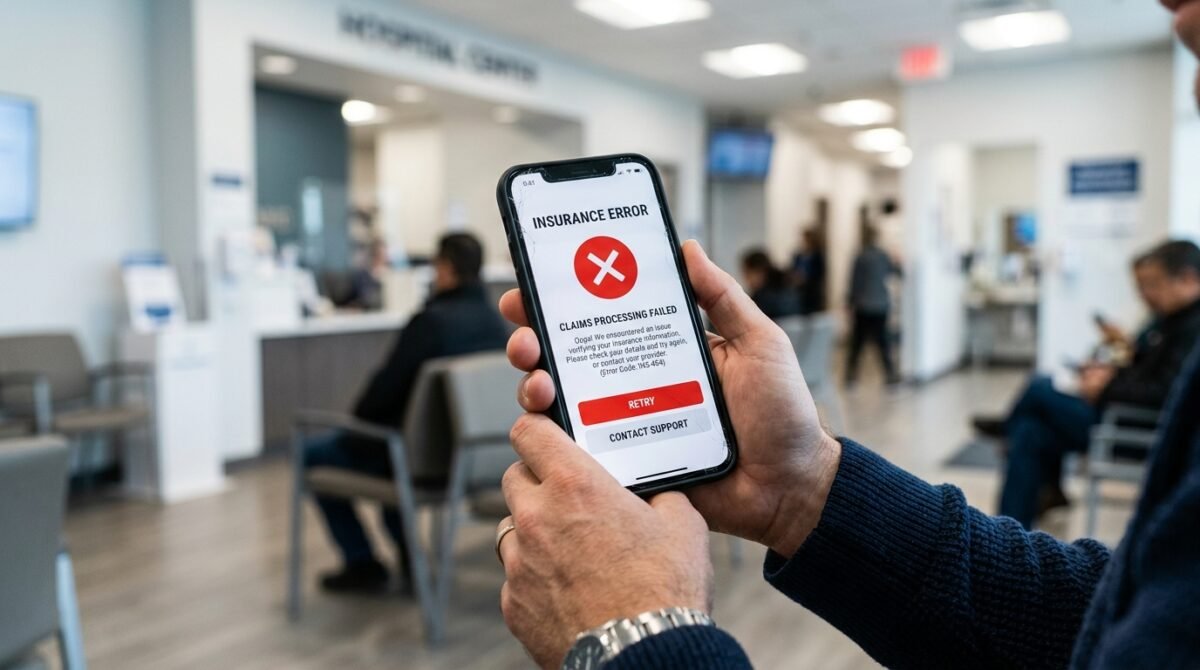
It was a Tuesday, the kind of mundane, grey morning where you expect nothing more than a follow-up appointment to confirm that your health is finally stabilizing. I had been battling a persistent autoimmune flare-up, and my specialist had ordered a series of blood panels. I walked into the clinic with my insurance card in my pocket, feeling a small sense of relief that at least the administrative side of my health was handled. We had a joint bank account for ‘necessities,’ and health insurance was always the first automatic payment to clear.
When I approached the desk, the receptionist swiped the card, paused, and swiped it again. The machine chirped a sharp, discordant error. She looked at the screen, typed a few commands, and then looked up at me. Her face was neutral, but her eyes held that specific brand of professional awkwardness that signals you are about to have a very bad day. She told me the policy had been deactivated due to non-payment. I was baffled, insisting there had to be a mistake, as we had more than enough in the account to cover the monthly premium.
I opened the app on my phone, scrolling through the transaction history of our shared account. The funds were gone. In their place were a series of charges from the ‘Highland Oaks Country Club.’ The dates were unmistakable. The exact amount that should have gone to the insurance provider had been diverted to cover a ‘membership initiation fee’ and a quarterly ‘facility maintenance levy.’ It wasn’t just that he missed the payment; he had actively swapped the insurance payment for a luxury club membership.
“I’m looking at these charges, Mark. You prioritized a golf club over my specialist visits. You knew exactly what the money in that account was for. You didn’t just forget; you stole my healthcare to pay for your hobby.”
— A mental draft of the text I never sent.
I left the office without the tests. I didn’t want to make a scene, and frankly, I was too numb to cry. I walked out into the parking lot, the sound of the city traffic washing over me like white noise. The irony was almost cinematic—here I was, a woman whose body was failing her, being told by a computer screen that her husband had essentially traded her health for a set of high-end golf clubs. I sat in my car for a long time, watching people walk into the clinic, wondering if any of them had a life as hollow as mine had become.
The anger began to bubble, not as a hot, impulsive rage, but as a slow-burning, calcified resolve. I had spent years making excuses for his ‘enthusiasms.’ I had called his selfishness ‘ambition’ and his lack of consideration ‘a need for stress relief.’ But this? This wasn’t stress relief. This was a direct, life-threatening act of negligence. I knew then that I couldn’t go back to that house. Not to argue, not to negotiate, and certainly not to beg for my basic needs. The contract of our marriage had been breached in the most literal way possible.
The Hidden Ledger of Entitlement

Once I regained my composure, I started digging deeper into our finances. I had been trusting for too long, relying on Mark’s promise that he was ‘handling the household budget’ while I focused on my health. What I found was a pattern of financial abuse that stretched back years. He hadn’t just dipped into the insurance money; he had been siphoning funds from our shared savings to finance his social climbing. There were charges for expensive rounds of drinks at the club, professional-grade golf apparel, and even private lessons.
I realized that for the last eighteen months, he had been systematically downgrading our household expenses to cover his escalating lifestyle. We hadn’t taken a vacation in three years because he claimed we were ‘saving for a house,’ yet the ledger showed a steady bleed of cash into the coffers of his country club. It was a double life, built on the back of my physical decline. He was playing the part of a successful, affluent man, while I was sitting at home, rationing medication because we ‘couldn’t afford’ the out-of-pocket costs.
I started exporting the bank statements into a spreadsheet. The numbers were damning. Every time I had a major medical expense, he would cut back on something else—groceries, utilities, even my own car insurance—to ensure his club fees were paid in full. He was an expert in gaslighting, always telling me that we were ‘tight’ financially whenever I asked for a new pair of shoes or a simple dinner out. Meanwhile, he was dining on wagyu beef at the club’s bistro.
“I don’t understand why you’re so obsessed with the budget. I’m doing this for our future. Networking at the club is the only way I’m going to get that promotion. You need to stop being so small-minded about money.”
— A text from Mark three months prior, when I questioned a strange charge.
The realization that he had been lying to my face for years while I struggled to stay healthy made me physically ill. I looked back at the photos he had been posting on Instagram. There he was, smiling, sunburned, holding a glass of expensive scotch in the club’s lounge, while I was at home, unable to get an appointment with my rheumatologist because our insurance had been ‘suspended due to administrative error.’ The administrative error was his ego.
I felt a strange sense of detachment, like I was observing a character in a movie rather than living my own life. I realized that my loyalty to him had been a one-way street. He saw me as an obstacle to his social aspirations, a drain on the resources he wanted to spend on himself. The divorce wasn’t just a legal necessity; it was an act of self-preservation. I needed to cut off the limb before the infection killed me.
The Moment of No Return
I knew if I went home, he would talk me out of it. He had a way of twisting reality, of making me feel like the irrational one for expecting basic, human decency. I went to a local coffee shop instead, my laptop open, my hands shaking as I searched for divorce lawyers in the area. I needed someone who dealt with financial infidelity. I found a firm that specialized in high-conflict separations and scheduled an initial consultation for the following morning.
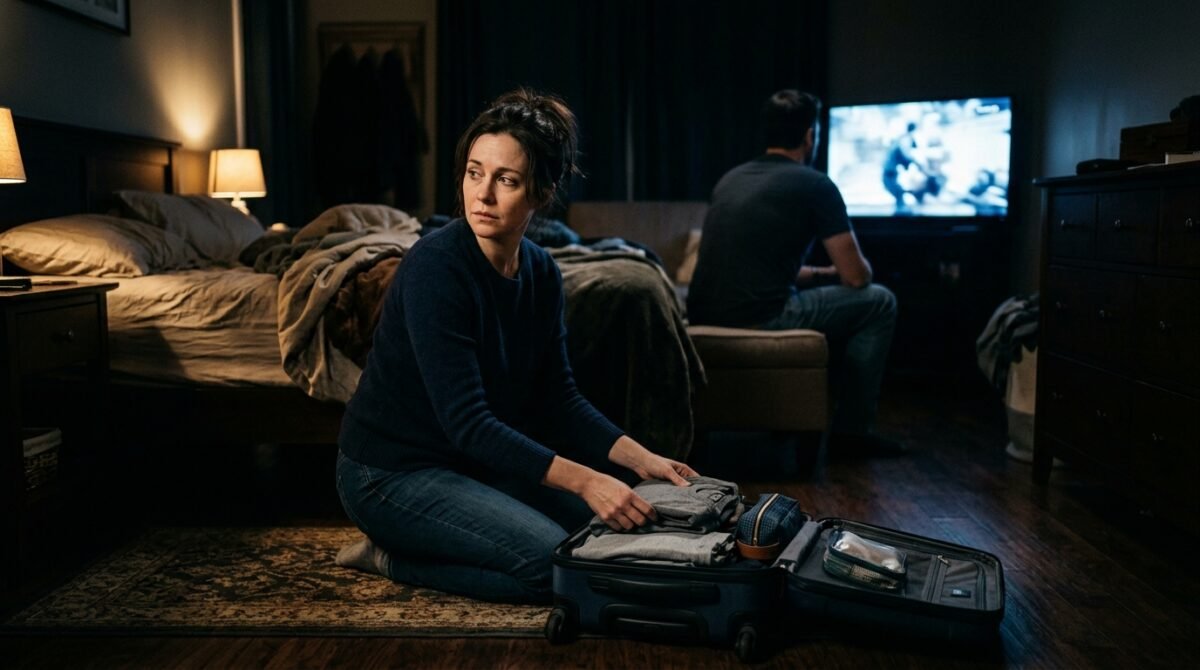
That night, I went home, but I was a ghost. I didn’t speak to him. I packed a single suitcase with my most important documents, my laptop, and my remaining medication. He didn’t even notice. He was in the living room, watching golf on TV, a beer in his hand. He didn’t ask why I didn’t make dinner. He didn’t ask how the doctor’s appointment went. He was completely checked out of our life together, living entirely in his own bubble of self-importance.
I went to bed, but I didn’t sleep. I spent the night staring at the ceiling, thinking about the last five years. I had invested so much in him, supported his career, stood by him during his own failures, and this was the thanks I got. I was being discarded because I was no longer ‘profitable’ or ‘fun.’ As the sun started to rise, I made a silent vow: I would never again let someone else hold the keys to my survival.
“You’re really going to leave over a missed payment? You’re acting like a child. Grow up. It’s just insurance, I’ll fix it next month when my bonus hits. You’re overreacting and it’s embarrassing.”
— Mark’s response via text after I left a note on the counter explaining why I was gone.
When he woke up and found the note, the explosion was immediate. My phone started vibrating incessantly. He wasn’t apologetic; he was furious. He called me selfish, dramatic, and unstable. He tried to gaslight me into believing that the cancellation was a clerical error, even though I had the bank statements in my hand. He threatened to cut me off, as if he hadn’t already done that the moment he decided I wasn’t worth the premium.
I didn’t answer his calls. I didn’t block him yet, because I wanted to keep a record of his rage, but I silenced the notifications. I had moved my essential belongings to a friend’s house, a tiny apartment where the heater clanked and the walls were thin, but it was safe. For the first time in years, the air felt clear. I was poor, I was technically uninsured, and I was in the middle of a legal firestorm, but I was free.
The Legal Tsunami
The divorce proceedings were not the clean break I had hoped for. Mark was a man who couldn’t handle the loss of control. He hired an aggressive attorney, someone who specialized in minimizing spousal support and hiding assets. It was a nightmare of motions, counter-motions, and endless requests for financial documentation. He was fighting to keep his club membership, his car, and his lifestyle, while I was fighting to pay for my medical bills and legal fees.
My lawyer, a sharp woman named Sarah, was my lifeline. She looked at the financial data I had compiled and just shook her head. ‘This is classic,’ she said. ‘He’s been setting this up for years. He’s been moving money into offshore accounts and personal holdings to make himself look broke on paper.’ She was relentless. She didn’t just look for money; she looked for the paper trail of his neglect. She found the invoices for the country club and linked them directly to the cancelled insurance payments.
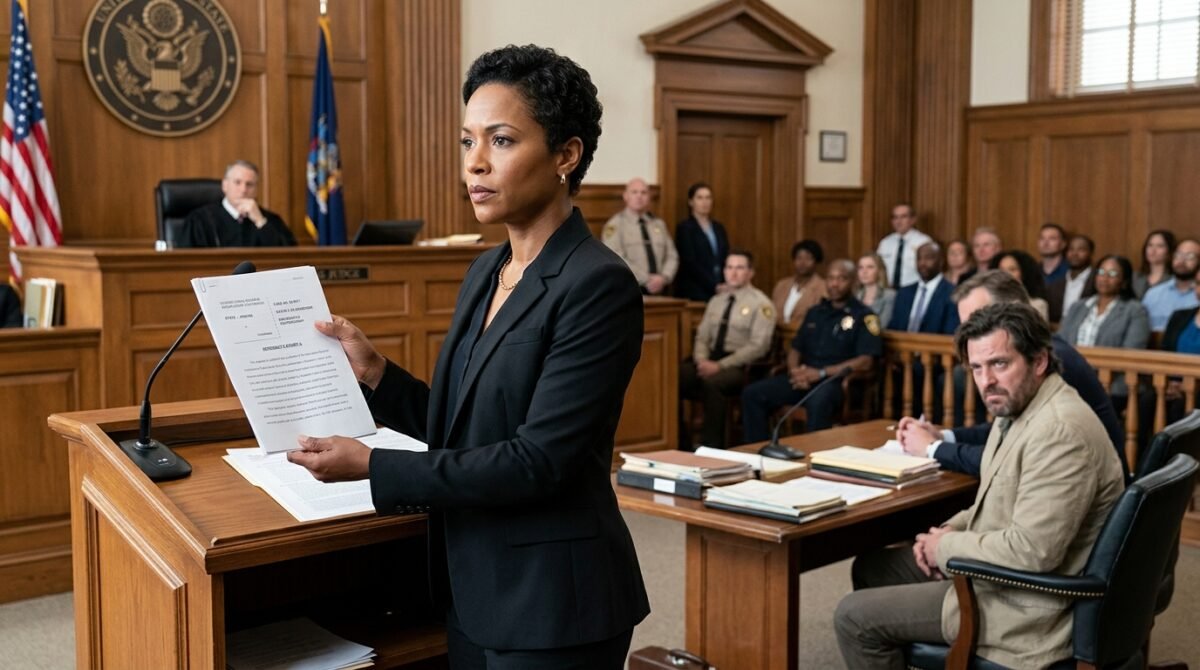
The courtroom was a sterile, cold place, but it felt better than that house. Every time Mark looked at me, I saw the same arrogance, the same belief that he was the victim. He played the part well—the blindsided husband, the ‘victim’ of an irrational, sick wife who just up and left. His friends, the ones he made at the club, even showed up to ‘support’ him. They looked at me with disdain, as if I were the one who had destroyed a perfect home.
“Your honor, my client has been incredibly generous throughout this marriage. He paid for her medical care for years, despite the mounting costs. It is entirely unfair to penalize him for a temporary, accidental lapse in coverage.”
— Mark’s attorney, during a heated custody hearing over assets.
I felt my blood boil, but I stayed silent. I let Sarah do the talking. She presented the evidence: the bank statements, the dates, the correspondence with the insurance provider. She dismantled his argument of ‘accidental lapse’ piece by piece. She showed the judge that he hadn’t just ‘missed’ a payment; he had willfully chosen to redirect funds that were earmarked for my life-saving care. The judge’s expression shifted from boredom to something much colder.
It wasn’t just about the money anymore. It was about the morality of the act. The judge saw exactly what Mark was—a man who valued his golf game over his wife’s life. When the court ordered him to pay back the medical expenses and cover my legal fees, he looked like he’d been slapped. He wasn’t worried about the money; he was worried about the status. He was going to have to cancel his membership, and in his eyes, that was the greatest tragedy of all.
The Reddit Community Weighs In

I finally posted my story on a popular forum. I needed to know if I was crazy. I needed to know if I was the villain for leaving, for making this a legal battle, for wanting him to pay for what he did. The response was overwhelming. Thousands of people reached out, sharing their own stories of financial abuse, validation, and support. It was a massive wave of humanity that I hadn’t expected. It turns out, I wasn’t alone. There are thousands of ‘Marks’ out there, and thousands of us who have been discarded for the sake of a hobby or a lifestyle.
The comments section became a forum for legal and financial advice. People suggested I look for hidden assets, offered to help me navigate the medical debt, and most importantly, told me I did the right thing. It wasn’t just about the insurance; it was about the fundamental breach of trust. When you’re in it, you lose perspective. You start to think that maybe you are the problem, maybe you are asking for too much. But when you lay it out for thousands of strangers, the truth becomes undeniable.
“Girl, you didn’t leave a marriage; you escaped a parasite. He wasn’t your partner; he was an investor who decided the returns on your health weren’t high enough. Get every cent you are entitled to and don’t look back.”
— u/LegalEagleEye (Top Comment, 32.5k upvotes)
“My ex did the same thing. I thought I was crazy until I saw the bank statements. The moment you realize they prioritize their golf/car/gaming setup over your survival is the moment the marriage ends. You are NOT the villain.”
— u/SurvivorOfNarcissism (18.2k upvotes)
Reading these comments, I felt a weight lift off my shoulders that I hadn’t even realized I was carrying. I wasn’t just a victim; I was a survivor. The community offered more than just sympathy; they offered a roadmap. Many had been exactly where I was, feeling the same shame and the same doubt. Seeing them thrive on the other side of their divorces gave me the hope I needed to keep going through the final, messy stages of the legal battle.
I started a follow-up thread, detailing the progress of the divorce. I answered questions about how I found the hidden assets, how I handled the emotional fallout, and how I finally started prioritizing my own health again. It became a space where others could share their fears and ask for guidance. In helping them, I was helping myself. I was reclaiming my life, one post at a time, turning the trauma into a tool for someone else’s escape.
The Secret Group Chat Revelation
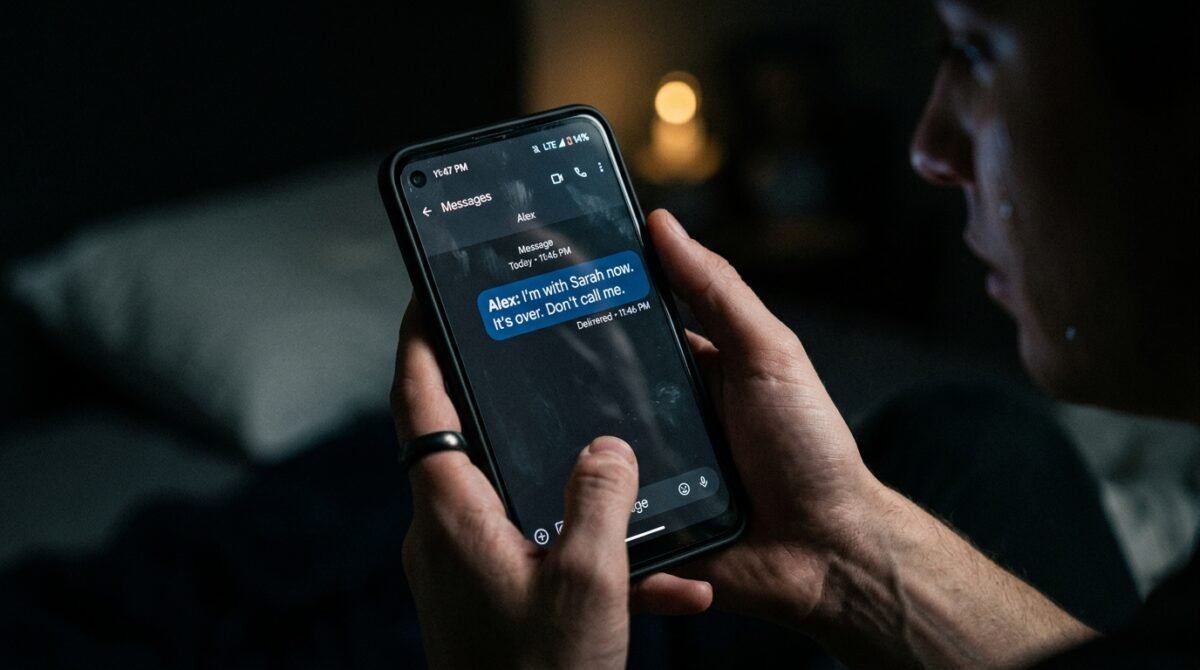
The final nail in the coffin came from an unexpected source: a group chat I wasn’t supposed to see. One of Mark’s ‘golf buddies’ had a conscience, or perhaps just a dislike for Mark, and he sent me screenshots. It was a group thread called ‘The 19th Hole.’ The conversations were horrific. They weren’t just discussing golf; they were mocking my illness. They were laughing about how ‘expensive’ I had become and how Mark was ‘finally putting his foot down’ by cutting off my insurance.
I read the messages with a mounting sense of horror. They referred to me as a ‘liability,’ a ‘drain on the club’s vibe.’ Mark was talking about the divorce like it was a tactical maneuver to ‘protect his assets’ and ‘get back to the bachelor life.’ He was framing it as if I were the one who had abandoned him. I wasn’t just losing my husband; I was losing the person I thought I knew. He was a hollow, cruel man, and I had been married to a ghost for five years.
“Don’t worry, man. Once the divorce is final, you’ll have plenty of cash for the new cart. That wife of yours was always a buzzkill. Good riddance to the dead weight.”
— Message from ‘Dave’, a fellow country club member, in the leaked group chat.
I didn’t confront him with the messages. I just sent them directly to my lawyer. They were exhibit A in the character assassination I had been enduring. When Sarah presented these to the court, the judge’s face didn’t change, but the atmosphere in the room turned ice-cold. It was no longer a dispute about finances; it was a testament to his character. The judge didn’t need to say much; the ruling that followed was swift and devastating for Mark’s lifestyle.
The fallout was instantaneous. Mark was ostracized from his precious club. Once the word got out about how he had treated me, and once the financial mess became public, his ‘friends’ didn’t want to be associated with him. He wasn’t a hero in their eyes anymore; he was a liability. He lost his membership, his reputation, and his status. He became the very thing he feared most: a man with no one to impress.
Cleaning Up the Financial Debris
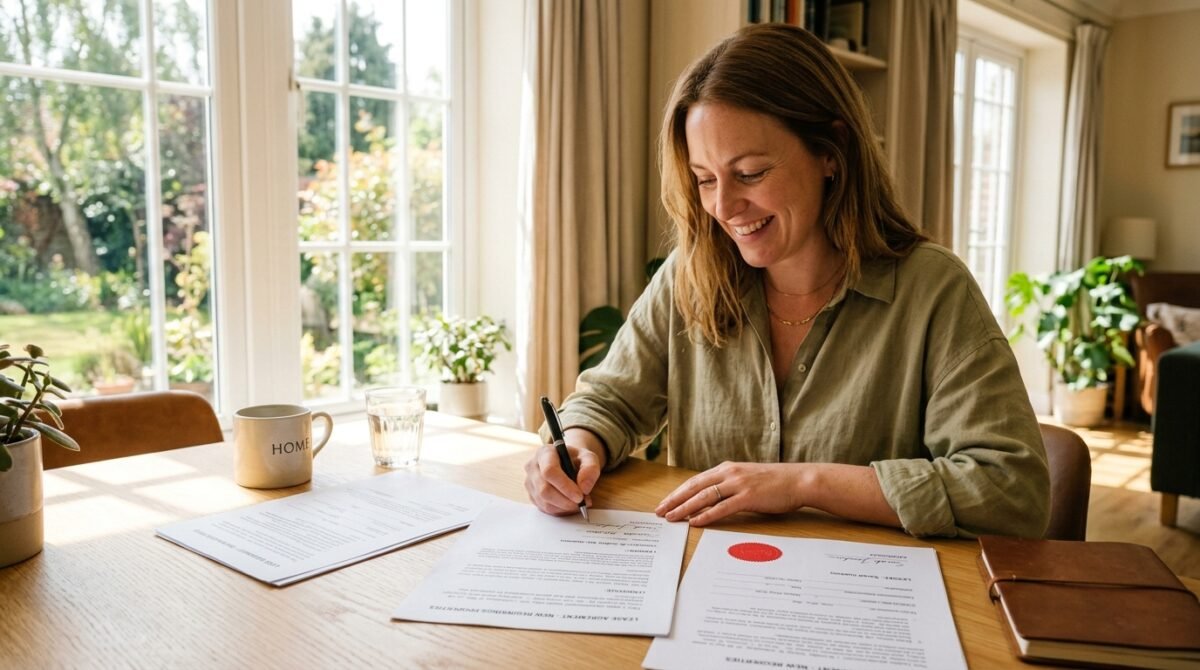
The divorce settlement was finalized six months later. It wasn’t a windfall—I wasn’t looking to get rich—but it was fair. I got back the money he had stolen from our joint account, plus a portion of the assets he had tried to hide. It was enough to cover my medical bills for the next two years and to set up a small emergency fund. I didn’t want his money; I wanted my dignity back. I wanted the peace of mind that came with knowing I could pay my own way.
I spent weeks closing accounts, untangling our finances, and rebuilding my credit. Every step felt like a victory. I was learning how to navigate the system, how to advocate for myself, and how to hold my own when things got difficult. I felt a sense of autonomy I hadn’t experienced since I was in my early twenties. I was no longer a side character in Mark’s life; I was the protagonist in my own.
I also started seeing a therapist. The betrayal of a partner is a deep wound, and I needed help to process it. I learned that my tendency to prioritize others’ needs over my own had made me an easy target for someone like Mark. I learned to set boundaries, to trust my instincts, and to recognize the signs of manipulation. I was healing, not just physically, but emotionally. I was becoming a stronger, more resilient version of myself.
“You’ve done a remarkable job, given the circumstances. It’s rare to see someone reclaim their life so effectively after such a betrayal. Keep focusing on your health. That’s the only thing that truly belongs to you.”
— My therapist, during our final session before I went off on my own.
I moved into a new apartment, one that was just mine. I painted the walls, filled it with plants, and made it a space where I felt safe and comfortable. I didn’t need much, but I needed it to be mine. I started focusing on my health again, finding a new specialist who actually listened to me. For the first time in years, I felt like I was moving forward, not just surviving.
The final, official act of the divorce was signing the papers. When I walked out of the courthouse, I didn’t feel a sense of loss. I felt a surge of energy, a sense of possibility. I was done with the drama, done with the pain, and done with the people who didn’t deserve me. I had survived the worst, and I was ready for whatever came next.
Life After the Collapse

It’s been a year now. My life is unrecognizable. I’m healthier, happier, and completely independent. I still have health challenges, but I handle them with a sense of control I never had before. I don’t wait for anyone else to take care of me; I have my own insurance, my own savings, and my own plan. I’ve learned that the only person you can truly rely on is yourself, and that’s not a cynical thought; it’s a liberating one.
I’ve started a new career path, one that allows me to work from home when I need to and gives me the flexibility to manage my health. I’m surrounded by friends who support me, respect me, and genuinely care about my well-being. We don’t talk about money; we talk about life. We don’t worry about status; we value honesty. I’ve built a life that is small, simple, and entirely authentic.
I sometimes think about Mark. I wonder if he’s still playing golf, still trying to impress people who don’t care about him, still looking for someone new to build his life on. It doesn’t make me angry anymore. It just makes me sad for him. He lost the one thing that truly mattered—a genuine connection—for the sake of a game he wasn’t even very good at. He’s stuck in his own cycle of vanity, and I’m finally off the merry-go-round.
“I don’t regret the marriage because it taught me what I don’t want. I don’t regret the divorce because it showed me who I am. I’m stronger than I ever thought possible.”
— A journal entry from my one-year anniversary of leaving.
I still occasionally check in on the Reddit threads. It’s a way of staying connected to the community that helped me through the dark. I answer questions, offer advice, and sometimes, just remind people that they aren’t crazy. I see the same patterns, the same gaslighting, and the same heartbreak. But I also see the same resilience. It’s a powerful thing, watching people realize their own worth.
If there’s one thing I’ve learned, it’s that you have to be your own advocate. You have to be willing to walk away when the cost of staying becomes too high. You have to believe that you deserve better than what you’re being given. And most importantly, you have to remember that your life, your health, and your happiness are not negotiable items that can be traded for a membership or a status symbol.
Lessons from the Rubble

Reflecting on everything, the most important lesson I learned was the value of financial transparency. In any relationship, the money isn’t just about paying bills; it’s a reflection of shared priorities. If you aren’t on the same page about what matters—your health, your future, your stability—you aren’t really in a partnership. You’re just two people living in the same house, often working toward completely different, and sometimes competing, goals.
I also learned the importance of listening to my gut. Looking back, there were so many red flags I chose to ignore. The way he talked about money, the way he treated others, the way he prioritized his own needs above mine. I made excuses for him because I wanted to believe in the version of him I had created in my head. But the reality was always there, waiting for me to see it. Trusting my intuition earlier would have saved me so much pain.
And I learned that it’s never too late to start over. It doesn’t matter if you’ve been together for five years or fifty. If the foundation is built on betrayal, you cannot build a home on it. Walking away is the hardest part, but once you do, the path ahead starts to open up. You realize that you were holding onto something that was already broken, and by letting it go, you were making space for something real.
“The most radical act of self-love is walking away from someone who makes you feel like you are a burden. You are not a burden; you are a person who deserves to be cared for.”
— A quote I kept on my mirror during the hardest days of the divorce.
I’m finally at peace with the decision I made in that clinic waiting room. It was the most terrifying moment of my life, but it was also the most pivotal. It was the moment I stopped waiting for him to do the right thing and started doing the right thing for myself. I am no longer defined by his actions or his choices. I am defined by my own, and for the first time, that feels like enough.
To anyone out there in a similar situation: you are not alone. There is a way out, and there is a version of your life on the other side that is worth fighting for. Do not wait for an ‘administrative error’ to show you who your partner is. Pay attention to the small things, trust your instincts, and never, ever let someone else control your right to be healthy and safe.
The Final Verdict

Looking back, the entire experience feels like a lifetime ago. The pain, the anger, the confusion—it’s all faded into a dull, distant memory. What remains is a profound sense of gratitude. Not for the experience itself, but for the clarity it brought. I know who I am now. I know what I’m capable of. And I know that I will never again allow someone to make me feel small, disposable, or unimportant.
I’ve moved on, not just from the marriage, but from the mindset that kept me in it for so long. I’m no longer looking for someone to complete me or take care of me. I’m looking for someone to walk alongside me, to share in the joy and the struggle of life. And if I don’t find that, I’m okay with that too. I’m perfectly capable of walking my own path, and that is a victory in its own right.
I hope that by sharing my story, I’ve helped someone else realize their own worth. I hope that even one person reads this and realizes that they don’t have to settle for less than they deserve. It’s a hard road, but it’s a road worth traveling. You are stronger than you think, and you have more power than you realize. All you have to do is take that first step, even if your hands are shaking.
“Your life is the only thing you truly own. Protect it, cherish it, and never let anyone else place a price tag on it. You are priceless.”
— My message to anyone currently facing their own breaking point.
Thank you for letting me share my journey. It’s been a long, painful, but ultimately beautiful process of self-discovery. I’m looking forward to the future, not with fear, but with a quiet, steady confidence. I’m ready for whatever comes next, and I’m ready to face it on my own terms. Here’s to new beginnings, to health, and to the strength we all carry within us.
Conclusion
My journey from the clinic waiting room to today hasn’t been a fairy tale, but it has been a necessary evolution. I’ve learned that the most difficult decisions are often the ones that lead to the most profound peace. I lost a marriage, but I found myself. I lost a partner who didn’t value my life, but I gained the realization that my life is my own to protect and cherish.
What about you? Have you ever had a moment where you realized your partner’s priorities were fundamentally at odds with your survival or your values? How did you handle that realization, and what did it teach you about your own boundaries? Let’s keep the conversation going in the comments below. Your stories might just be the clarity someone else needs to take their own first step toward freedom.
Community Poll: Should you ever stay in a relationship where your partner makes unilateral financial decisions that affect your health?
- Yes, it’s about working through the conflict.
- No, that is a fundamental breach of trust and safety.
- It depends on the circumstances and the willingness to change.
What's your verdict on this dilemma?
Vote below to contribute to the official community consensus.

Have a Dilemma Keeping You Up at Night?
Share your real-life feud, wedding chaos, or relationship crossroads anonymously with our editorial team.
What do you think ?
0 Comments🛡️ Comments are moderated to protect community integrity. Your comment will appear once approved by the editorial team.