
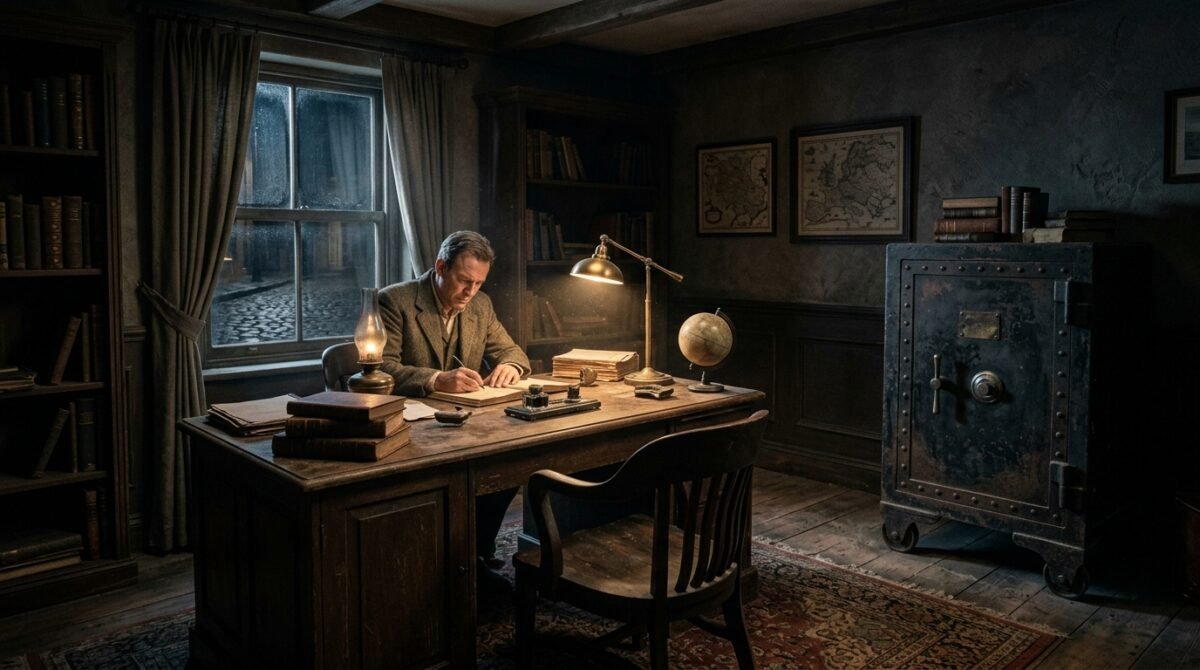
Grief is a strange, suffocating blanket. When my father, a man of meticulous habits and quiet intelligence, passed away suddenly from a heart attack, the world seemed to stop. But for my stepmother, Elena, the world didn’t stop—it accelerated. Within forty-eight hours, the house was being cleared, his personal papers were being shredded, and she stood in the center of his study, eyes dry and voice icy, declaring that my father had died ‘intestate,’ leaving everything to her as the surviving spouse.
I had always been wary of Elena, but I had respected my father’s choice to marry her late in life. However, there was one thing she didn’t count on: my memory. My father was a man who planned for every eventuality. He had often mentioned a ‘final plan’ he kept tucked away in a place he called his ‘insurance policy’—a small, vintage wall safe he had installed behind a bookshelf in his study years before he even met Elena.
The suspicion didn’t hit me all at once. It grew like mold in the corners of my mind. Why was she so eager to sell the property? Why did she react with such visceral, trembling rage when I asked about his personal documents? The moral dilemma felt like a weight in my chest: do I trust the woman who claimed to love him, or do I trust the man who spent his life teaching me to never be caught off guard? I chose the latter, and that choice set me on a path that would dismantle my family legacy to save it.
This isn’t just a story about money. It is a story about the sanctity of a person’s final wishes and the lengths to which someone will go to erase them. Hiring a private investigator wasn’t a decision I made lightly. It was an act of war, born from the realization that the woman in my house was not his widow, but his jailer in death.
The Empty Desk and the Fabricated Narrative
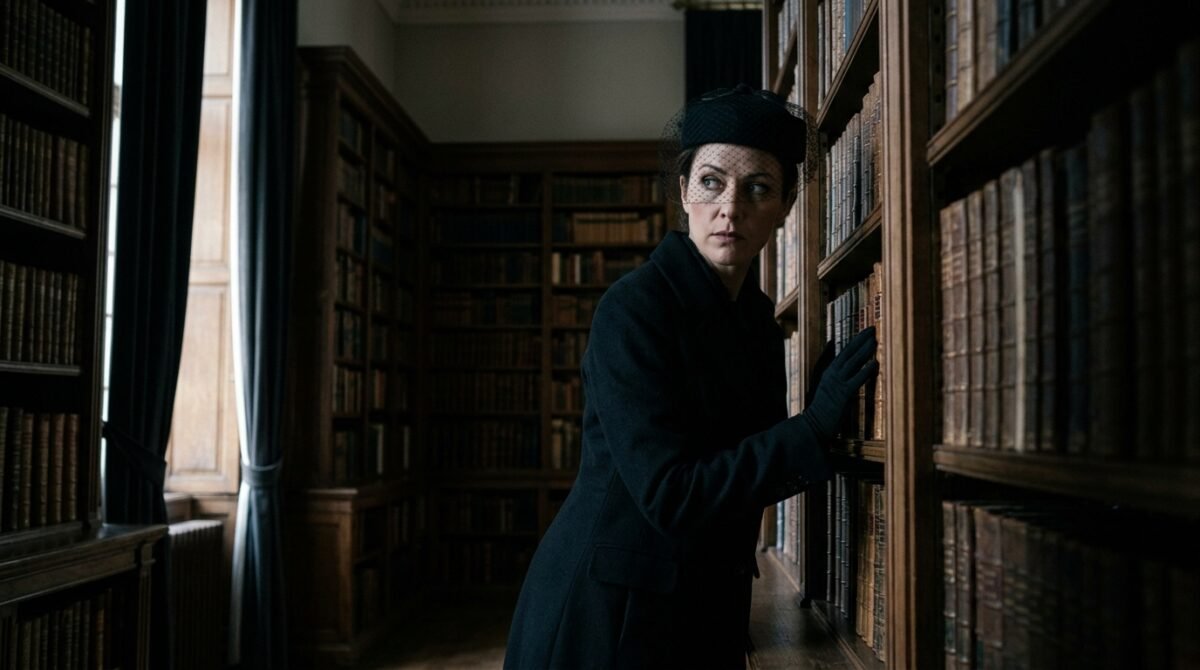
The house felt hollow, stripped of the life that had animated it for decades. Elena moved through the hallways with a jarring efficiency, stacking boxes of my father’s books as if they were nothing more than refuse. She caught me watching her and sighed, a performative sound that seemed designed to make me feel like an intruder in my own childhood home. She told me that the lawyers had already been contacted and that everything was straightforward.
“It’s a tragedy, of course,” she said, not looking up from a stack of bank statements she was tossing into a shredder bag. “But your father was notoriously disorganized. He didn’t leave a will, which is a headache for all of us. But don’t worry, I’ll make sure you get a token of his collection.”
Her words felt like a slap. My father was the kind of man who color-coded his spice rack. He didn’t do ‘disorganized.’ I watched her, noting how she glanced toward the bookshelf in the corner—the one that concealed the safe. It wasn’t a long look, just a flicker of her eyes, but it was enough to solidify my resolve. She wasn’t just clearing the house; she was sanitizing it.
“Elena, he kept records of every cent he ever spent. You are telling me he didn’t leave a single directive for his estate? That doesn’t sound like the man I grew up with.”
— Me, challenging her narrative
She froze, her posture tightening until she looked like a coiled spring. She turned to face me, her expression shifting from mourning to something far colder. She didn’t argue; she simply dismissed me, claiming I was acting out because of my grief. It was then I realized that I couldn’t confront her directly. She would hide whatever was in that safe before I could blink if she knew I was onto her.
The Investigator’s Cold Calculation
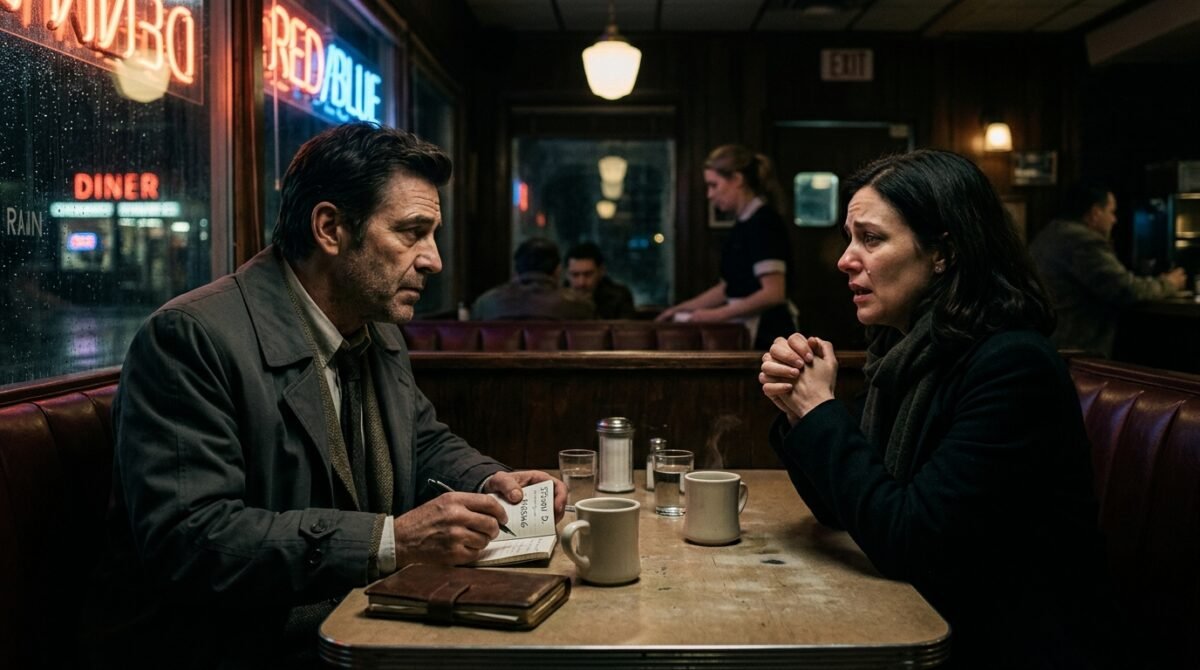
I didn’t go to the police—not yet. I went to a man named Marcus, a private investigator known for his discretion and his expertise in probate disputes. We met in a corner booth of a quiet diner, the kind of place where secrets are traded over burnt coffee. I laid out the situation: the suspicious timing, the shredder, and the hidden wall safe that Elena claimed didn’t exist or didn’t matter.
Marcus looked at me with weary, observant eyes. He told me that these cases were common—the ‘predatory widow’ narrative, he called it. He explained that if she had control of the property, she had the power to make evidence disappear. He needed proof that the safe existed, and he needed a way to gain access without triggering a legal disaster that would leave me in cuffs for breaking and entering.
“If there is a handwritten will in there, it needs to be legally authenticated,” Marcus explained. “But if we break that safe open ourselves, she could claim we stole other assets or compromised the scene. We need to do this by the book, or the book will be used to bury us.”
“I don’t care about the money, Marcus. I care that she is rewriting his history. He trusted me to carry out his legacy, and I won’t let her erase him.”
— My conversation with the PI
We devised a plan. I would invite a family friend—someone who had helped my father install the shelving years ago—to ‘fix’ a supposed wiring issue in that wall. It was a ruse to get a third party into the room, a witness who could testify that the safe was indeed part of the original structure of the house, effectively forcing the issue of its contents.
The 6:00 AM Confrontation
The next morning, the air was thick with tension. Elena was at the kitchen table when the ‘electrician’ arrived. She was immediately on edge, her tea cup clattering against the saucer. She demanded to know why I had called a contractor so early in the morning when the house was supposedly being prepped for sale. I played the part of the distraught, confused child, blaming the house’s aging infrastructure.
“The lights flickered all night,” I lied, my voice steady despite the adrenaline pumping through my veins. “I’m not selling a house with faulty wiring, Elena. I’m looking out for the sale price, just like you.”
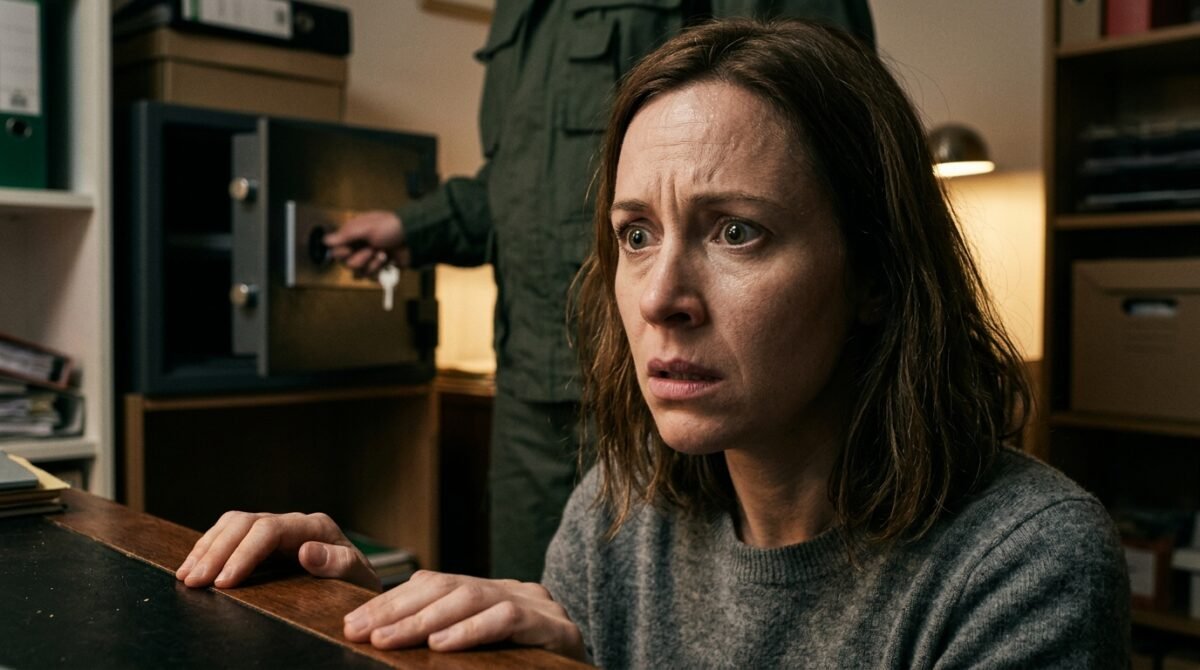
She narrowed her eyes, watching the contractor approach the bookshelf. When he started pulling books, her face went deathly pale. She stood up abruptly, her chair scraping harshly against the hardwood floor. She tried to block his path, claiming that the furniture was fragile and that we had no right to move it without her permission as the ‘temporary executor’ of the estate.
“Step aside, Elena. If there’s nothing behind this wall but bricks, then what are you so afraid of us finding?”
— My demand to the stepmother
The contractor continued, unmoved by her outbursts. He moved the books and revealed the small, iron-faced safe embedded in the wall. The silence that filled the room was deafening. Elena looked like she wanted to scream, but instead, she just straightened her blouse, adjusted her expression, and retreated to the living room, pulling out her phone to send a flurry of messages.
The Evidence Within the Iron Box

The contractor didn’t have the combination, but he had tools. With a deft touch, he bypassed the lock. My heart was hammering against my ribs as the door creaked open. Inside, there were no gold bars or stacks of cash. Just a thick, leather-bound notebook and a sealed envelope marked ‘For My Children.’ I grabbed the envelope, my hands trembling as I saw my father’s handwriting—the elegant, cursive script I had known my entire life.
I opened the envelope right there in the study. Inside was a notarized, handwritten will. It clearly outlined that the house, the family business, and the bulk of his liquid assets were to be divided equally between his children and Elena, with a specific provision that the house be kept in the family until his youngest grandchild turned eighteen. It completely invalidated the ‘intestate’ narrative she had been spinning.
I looked over at the doorway. Elena was standing there, staring at the notebook in my hands. Her mask of the ‘grieving widow’ had completely dissolved, replaced by a look of pure, unadulterated malice. She didn’t try to hide it anymore. She knew that the jig was up, and the look in her eyes told me that she was already calculating how to fight this in court.
“You think a piece of paper matters? He was delusional when he wrote that. I was the one who cared for him in his final years. I deserve everything!”
— Elena’s outburst
I walked past her, clutching the will like it was a holy relic. I didn’t say a word. I knew that anything I said would be twisted later. I simply left the house, heading straight for the law offices of the firm that held the original records. The war had officially moved from the living room to the courtroom.
The Digital Trail of Betrayal
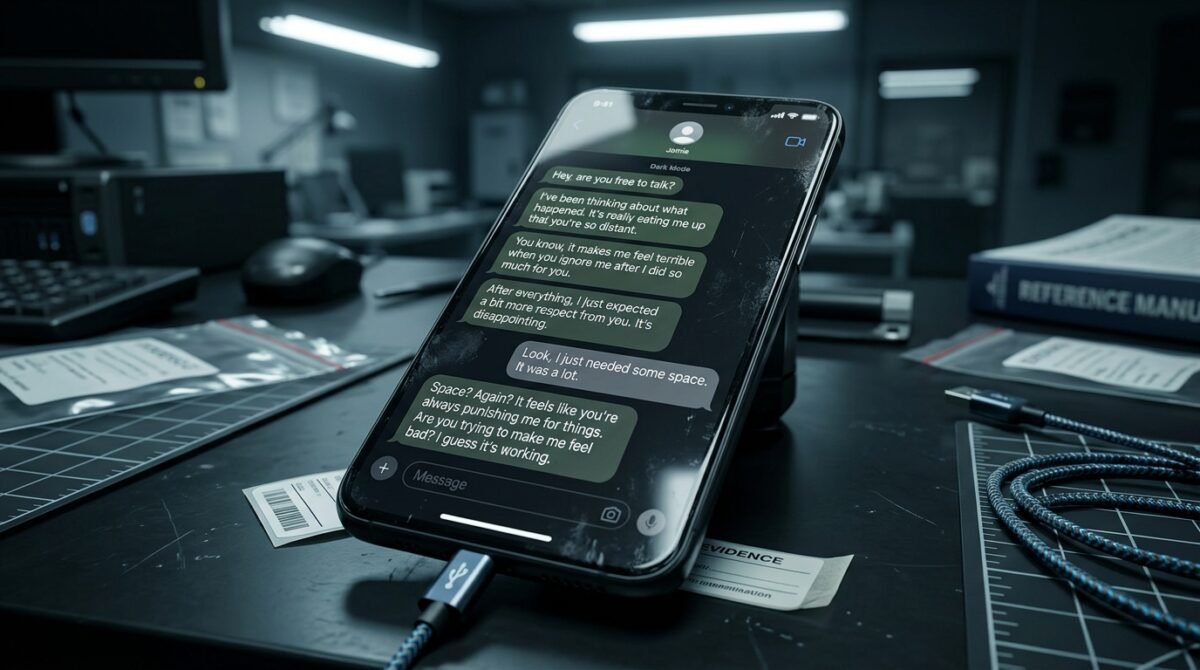
With the will in hand, my lawyers began to dig deeper. It turned out Elena hadn’t just been hiding the will; she had been actively siphoning funds from my father’s business accounts for months before his death. She had been using his declining health as a cover to move money into offshore accounts, thinking that if she declared him intestate, no one would ever bother to look at the books.
We found emails—cold, calculated messages sent to her sister—detailing exactly how she planned to ‘wait him out’ and then ‘claim the house.’ She had mocked his condition, referring to him as ‘the old fool’ who wouldn’t notice a missing zero or two in his accounts. Seeing these words, printed in black and white, was more painful than the initial shock of his death. It shattered the last remaining memories of a ‘loving’ stepmother.
We compiled everything into a massive dossier for the probate judge. The sheer volume of the evidence made it impossible for her to argue that this was a misunderstanding. She had intentionally committed fraud, and the legal repercussions were going to be severe. She tried to reach out to me, sending frantic, manipulative messages that oscillated between begging for forgiveness and threatening to sue me for ‘harassment.’
“Please, let’s talk. This is all a misunderstanding. I was just scared for my future. Don’t do this to me, think of your father’s memory.”
— Text message from Elena to me
I didn’t respond. I blocked her number and let the lawyers handle the communication. Every message she sent was just more evidence for the court to review. She had played her hand, and she had lost everything.
The Courtroom Climax
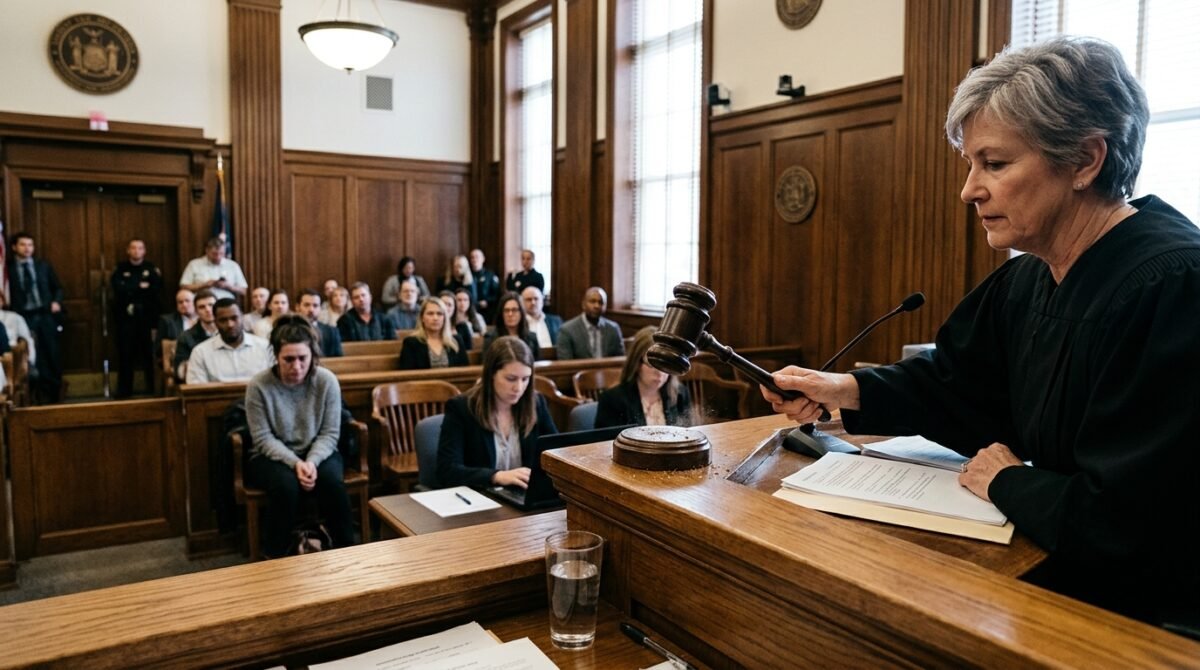
The day of the probate hearing felt like an eternity. The courtroom was cold, the air sterile and sharp. Elena arrived with a high-priced attorney, her face heavily powdered to hide the stress. When it was my turn to speak, I didn’t hold back. I detailed the day we opened the safe, the shredding of his papers, and the evidence of the financial siphoning. I stood firm as her lawyer tried to poke holes in my testimony.
The judge was a stern woman who didn’t tolerate nonsense. She examined the will, then the financial records, and finally the emails we had recovered. Elena’s attorney looked increasingly pale as the judge read aloud the contents of one particularly damning email where Elena discussed the ‘inevitability’ of my father’s death. The atmosphere in the courtroom shifted from legal procedure to a moral reckoning.
The verdict was swift. The judge ruled the handwritten will as valid and final. Furthermore, the court ordered a forensic audit of all accounts associated with my father’s estate. Elena was removed as executor, and a neutral third party was appointed to oversee the distribution of assets. She was effectively cut off from the very fortune she had tried to steal.
“Ms. Elena, your actions represent a flagrant disregard for the law and the deceased’s final wishes. You will be held liable for the misappropriated funds, and the court will pursue criminal charges if warranted by the audit.”
— The Judge’s final ruling
Watching her face crumble as the gavel fell wasn’t the catharsis I had expected. It was just sad. All that effort, all that cruelty, and for what? She was left with nothing but a legal bill that would likely bankrupt her, and a reputation that would never recover.
The Aftermath and the Rebuilding

Months later, the house was still standing, but it felt different. It was no longer a place of secrets and shadows. We had spent weeks going through the rest of his belongings, finding letters and photos that Elena had tried to hide. It was a process of reclamation, piece by piece, memory by memory. The business was finally stabilized, and the employees, who had been under the thumb of Elena’s mismanagement, were relieved to be back under the original, fair leadership.
I found myself sitting in his study, the room where it all began. The safe was now empty, the will safely lodged with the state archives. I felt a sense of peace that had been absent since he died. I had honored his legacy, not by just following his orders, but by protecting the integrity of his life’s work. I realized that my father had likely expected something like this might happen—he had known her better than I ever did.
The financial audit confirmed that she had stolen a significant amount, and the legal battle to recover those funds was ongoing, but I wasn’t worried about the money anymore. The real victory was the truth. The lies had been exposed, and the record had been set straight. My siblings and I had grown closer through the process, bonded by the shared trauma of the experience and the relief of the outcome.
“We did it. We actually kept the house. Dad would have been so proud of us for not letting her win.”
— My sister, during a quiet dinner in the dining room
We sold some of the non-essential assets to cover the legal fees, but the core of what he built remained intact. The house was once again a home, filled with the laughter of my nieces and nephews, rather than the silence of a stolen inheritance.
Reddit’s Verdict: The Community Speaks

When I shared this story on Reddit, the response was overwhelming. Thousands of people chimed in, many sharing their own horror stories of inheritance theft and family betrayal. The consensus was clear: I was not only in the right, but I had shown a level of restraint that most people wouldn’t have managed. The community was visceral in its support and its hatred for Elena’s actions.
Some users pointed out the legal nuances, offering advice on how to handle the long-term tax implications of the estate. Others shared stories of how they had dealt with similar ‘predatory’ relatives, providing a sense of solidarity that I hadn’t realized I needed. It was a stark reminder that while my story felt unique and isolating, it was a pattern that many families had to navigate.
“OP, you are an absolute legend. Most people would have crumbled under the gaslighting, but you kept your cool, hired the right help, and saved your legacy. Never feel bad for holding her accountable. She would have gladly left you with nothing.”
— u/JusticeForHeirs (Top Comment, 32.4k upvotes)
There were, of course, the skeptics who questioned if this was even legal, but the legal advice in the comments section provided a roadmap for others in similar situations. The thread became a resource, a testament to the fact that when faced with injustice, the only way out is through the truth.
The Lessons Learned in the Shadows
Looking back, I learned more about human nature in those six months than I had in the previous thirty years. I learned that greed is a powerful drug that can turn the most ‘respectable’ people into monsters. I learned that silence is often mistaken for consent, and that sometimes, the only way to protect what matters is to be willing to burn down the house to find the hidden truth.
I also learned about the importance of documentation. My father’s obsession with records was not a quirk; it was a survival strategy. It was the only reason we had a leg to stand on. I’ve since implemented his system for my own affairs, ensuring that there will be no ambiguity or room for manipulation when my time comes. I owe it to my children to provide the same clarity that he tried, in his own way, to provide to me.
The most important lesson was about trust. I learned that trust is not something to be given blindly, even to those who share your home. It must be earned and maintained. I don’t regret the conflict, as painful as it was. It taught me who my true allies were—my siblings, our family friends, and the professionals who stood by us when we were at our lowest.
“When people show you who they are, believe them the first time. But also, make sure you have the evidence to back it up when they try to tell you otherwise.”
— My parting advice to the community
The experience changed me. I am more cautious, more organized, and perhaps a little more cynical. But I am also more grounded. I know exactly who I am, and I know exactly what I am capable of defending.
Closing the Chapter on the Past
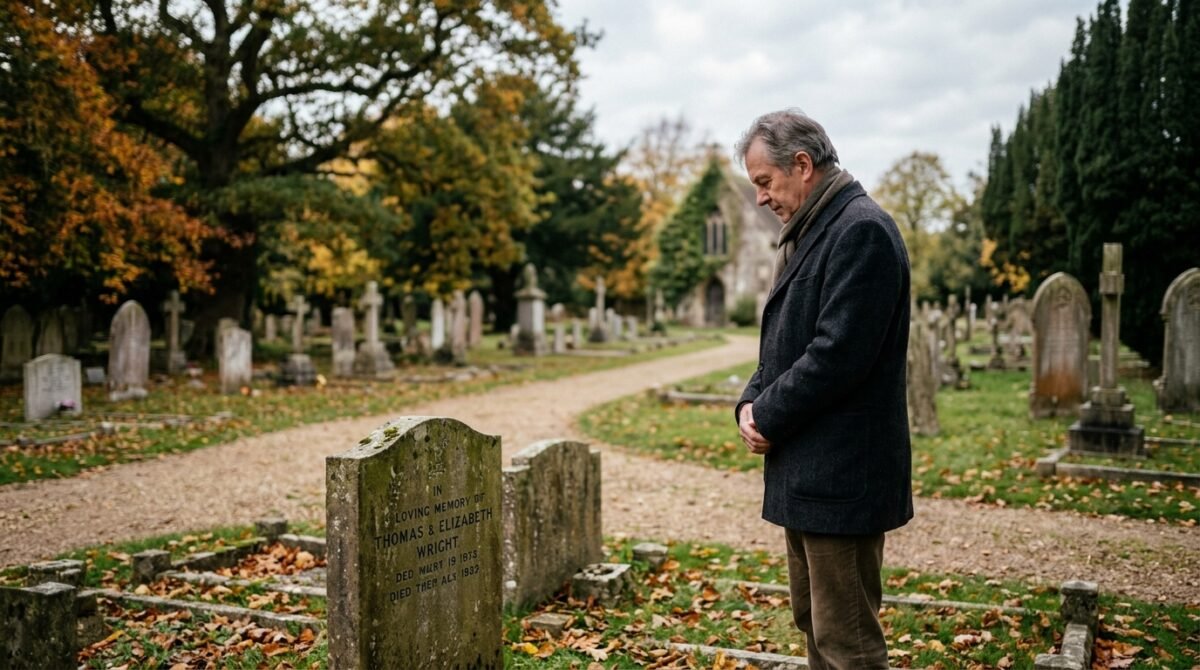
Today, I finally signed the last of the paperwork. The estate is officially settled, the debts are paid, and the assets are divided as my father intended. Elena is a distant, unpleasant memory, a ghost that no longer haunts our hallways. I visited my father’s grave this morning, the first time I felt I could do so without the weight of the legal battle hanging over me.
I placed a single, leather-bound notebook on the grass beside his headstone—a symbol of the truth that had set us free. It felt like the final step in a long, arduous journey. The air was crisp and clear, and for the first time in a long time, the future didn’t feel like a threat. It felt like a blank page, one that I was ready to write on my own terms.
The house is quiet, but it’s a peaceful quiet now. It’s no longer the silence of secrets, but the silence of a home that is loved and respected. I have moved on, and so has my family. We have the memories, we have the foundation, and most importantly, we have the truth. And in the end, that is all that really matters.
“Thank you all for your support. This journey was long and exhausting, but knowing that there are others out there fighting for what is right gave me the strength to finish it.”
— My final update to the community
As I look toward the years ahead, I do so with a renewed sense of purpose. I know that life will throw other challenges my way, but I also know that I have the tools to face them. I am not the same person who stood in that study watching a shredder destroy my history. I am stronger, wiser, and entirely at peace with the choices I made.
Conclusion
The story of the hidden will is a harsh reminder that family ties are often tested by the most materialistic of forces. In the end, truth has a way of rising to the surface, regardless of how deep it is buried. My journey taught me that while grief is unavoidable, being a victim is a choice. By standing up for my father’s final wishes, I reclaimed not only our inheritance but our dignity.
What about you? Have you ever had to fight for what was rightfully yours against family members who were blinded by greed? Does this story change how you view your own estate planning or the conversations you have with your loved ones? Let me know your thoughts in the comments below—I read every single one of them.
What's your verdict on this dilemma?
Vote below to contribute to the official community consensus.

Have a Dilemma Keeping You Up at Night?
Share your real-life feud, wedding chaos, or relationship crossroads anonymously with our editorial team.
What do you think ?
0 Comments🛡️ Comments are moderated to protect community integrity. Your comment will appear once approved by the editorial team.