

When my father, Arthur, passed away last November, the world felt like it had stopped. He was a man of simple pleasures, and his crowning achievement was a modest, hand-built waterfront cottage that had been in our family for three generations. It was a place of quiet reflection, mosquito-bitten summer nights, and the smell of pine needles. I spent every summer of my childhood there, learning to fish off the rotting dock and reading books by the fireplace.
My stepmother, Karen, entered the picture when I was eighteen. For years, she was a polite, if distant, presence. She didn’t share my father’s love for the rugged, isolated life of the lake; she preferred the glitz of the city and the predictability of luxury hotels. When he died, the Will was read in a hushed, sterile law office, and the revelation was clear: the house was mine, held in a trust that became active the moment his heart stopped beating.
Karen didn’t cry. She didn’t mourn in the traditional sense. She narrowed her eyes, adjusted her designer scarf, and asked the attorney if there was ‘an error’ in the drafting. She had envisioned the property as a legacy for her own son, Tyler—her ‘golden child’ who had never once picked up a hammer or spent a weekend helping my father clear the brush during the grueling autumn months.
The moral dilemma feels heavy, a constant knot in my stomach. Am I being selfish by holding onto my father’s legacy, or is this merely the rightful execution of his final wishes? Karen’s narrative is one of victimhood, claiming that my father ‘promised’ the house to Tyler as a wedding gift. But the paper trail says otherwise, and the silence from the rest of the family is starting to speak volumes.
The Reading of the Will and the Frozen Stare
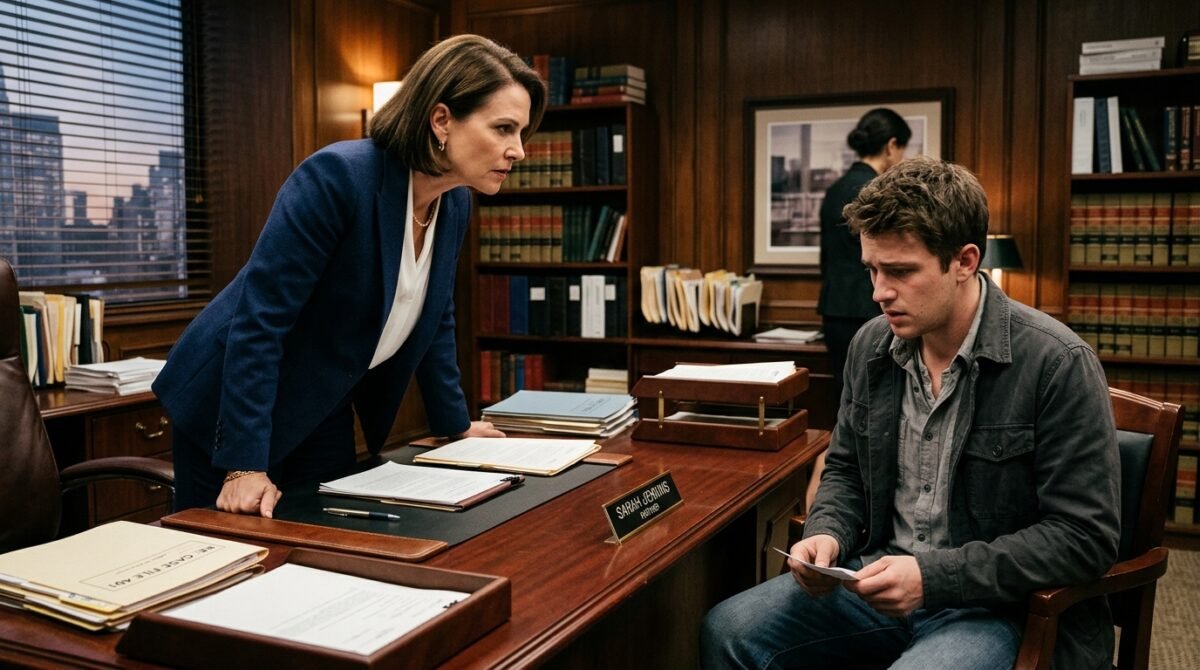
The law office smelled of stale coffee and old mahogany. I sat on one side, clutching a tissue, while Karen sat opposite me, her posture rigid as if she were waiting for a boardroom presentation to begin. The attorney, a man whose voice seemed to lack any human inflection, droned on about assets and liabilities, but my heart only raced when he touched upon the lake property.
When the specific bequest was read—my name, clear as day, as the sole beneficiary of the cottage—the temperature in the room seemed to plummet. I expected a sigh of relief, or perhaps a moment of shared grief. Instead, Karen looked at me with a cold, piercing intensity that I hadn’t seen in over a decade of knowing her.
“There has been a mistake, Mr. Henderson. Arthur and I had an agreement. That property was meant for Tyler to start his life. You already have your own home in the city. This is clearly a clerical oversight.”
I felt the blood drain from my face. I looked to the attorney, who simply cleared his throat and maintained his professional neutrality. He noted that the document was notarized, witnessed, and written with the explicit guidance of my father only six months prior to his passing. The ‘mistake’ was, in his eyes, non-existent.
The rest of the meeting was a blur. Karen didn’t argue further; she simply stood up, smoothed her skirt, and left without saying goodbye. I walked out into the bright afternoon light feeling as though I had just committed a crime, despite knowing that I was only upholding the final, explicit wish of my father.
Later that night, the first text arrived. It wasn’t from Karen, but from Tyler. It was short, dismissive, and dripping with the kind of entitlement that I had always associated with his upbringing. My hands shook as I typed a response, but I stopped myself, realizing that anything I said would be used as ammunition in the coming storm.
The 6:00 AM Kitchen Intrusion
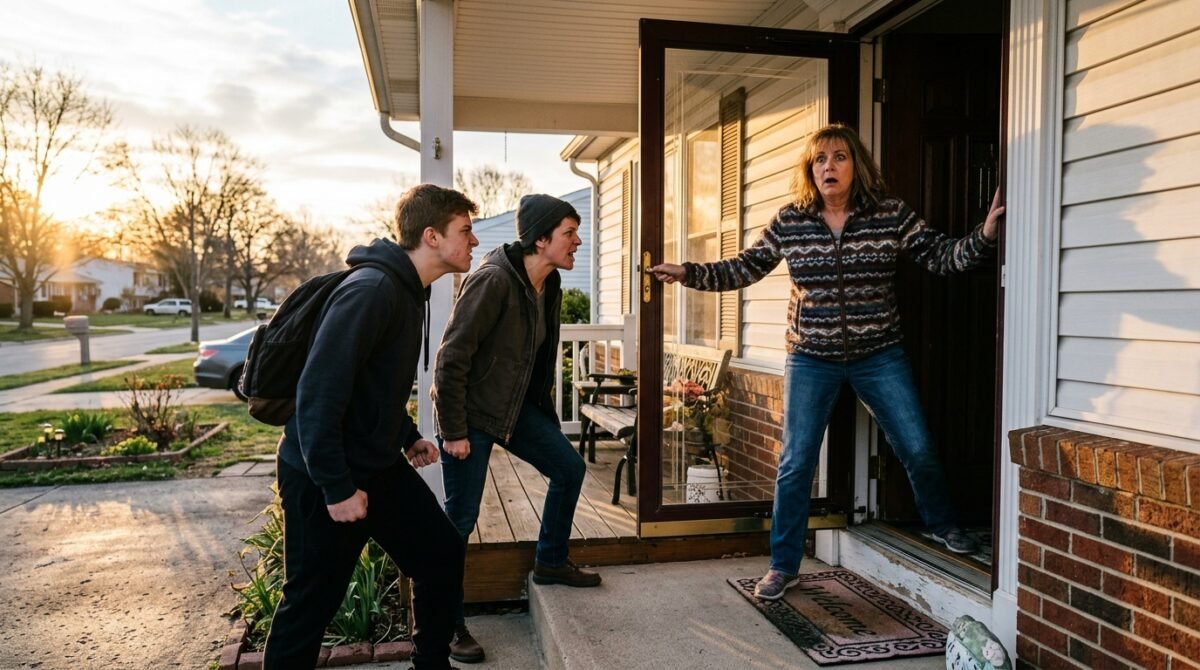
I didn’t expect her to show up at my own house, let alone at the crack of dawn. I was making coffee, still in my bathrobe, when the doorbell rang with a persistent, aggressive rhythm. When I opened the door, there was Karen, looking perfectly put-together as if she had been awake for hours, accompanied by Tyler, who looked like he had been dragged out of bed against his will.
They didn’t wait for an invitation. Karen brushed past me, her eyes scanning my living room with a judgmental gaze. She began talking about ‘family fairness’ and ‘the importance of supporting one’s step-siblings.’ She spoke about the cottage as if it were a common asset that had been accidentally misplaced, rather than a specific, sentimental inheritance.
“You’re young, you’re successful. You don’t need a fixer-upper in the middle of nowhere. Tyler is getting married in a year, and he needs a place to host his reception. Arthur would have wanted him to have it. Don’t be the person who steals from family.”
I stood there, stunned. I thought about the hours I spent with my father, painting the deck, fixing the leaky roof, and winterizing the pipes. I thought about how Tyler had visited once, complained about the Wi-Fi, and spent the entire weekend in the spare room with his noise-canceling headphones on. The audacity of her request was breathtaking.
I told them both to leave. I didn’t raise my voice; I simply stated that the legal status of the cottage was non-negotiable and that I would not be discussing it further. The look of pure venom on Karen’s face told me that this was far from over. She whispered something to Tyler, who looked at me with a mixture of confusion and resentment, before they turned and left my home.
The impact of that morning was profound. I realized that my stepmother wasn’t just grieving; she was fighting a war on behalf of a son she felt entitled to everything. I immediately called the locks company to have my home security updated. The sanctity of my personal space had been violated, and I knew I had to prepare for a long, drawn-out conflict.
The Digital Campaign of Guilt

By noon that day, the family group chat—a group that had been largely dormant since the funeral—lit up with notifications. Karen had posted a long, carefully worded message about the ‘heartbreaking situation’ regarding the cottage. She framed it as a story of a young, greedy heir disregarding the dying wishes of a father who loved everyone equally.
Other relatives, who knew nothing of the actual legal documents, chimed in. My aunt, who hadn’t spoken to my father in five years, sent a message about how ‘family is everything’ and ‘greed is a terrible disease.’ It was a masterclass in manipulation, and I felt the weight of their collective judgment pressing down on me.
“It’s truly sad to see how money changes people. Arthur worked so hard to build a life for all of us, and now his own child is trying to hoard it. Do the right thing, OP. Family should come first.”
— Family Group Chat
I felt a sick, hollow feeling in my stomach. I debated responding with the truth, with screenshots of the Will, or even with the history of how little Tyler had actually contributed to the cottage. But I knew that logic wouldn’t work against a narrative that was already gaining traction. They wanted a villain, and they had already decided I was it.
I sat at my computer for hours, drafting responses that I eventually deleted. I realized that responding was playing into her game. She wanted me to lose my temper, to be the one to lash out, and to provide the ‘proof’ of my instability. I decided to go silent, letting them speculate while I focused on the legal reality of the situation.
The emotional toll was immense. I found myself checking my phone constantly, waiting for the next attack, the next accusation, the next lie. It was an exhausting cycle of paranoia and sadness. I wondered if the cottage was even worth this level of toxicity, but then I remembered the way my father’s eyes used to light up when he talked about it. It wasn’t just property; it was his life’s work.
The Certified Letter and the First Legal Salvo
Two weeks after the kitchen incident, a certified letter arrived. It was from a law firm, representing Karen. It contained a formal demand that I ‘relinquish my claim to the property’ based on an alleged ‘verbal contract’ that my father supposedly made with her. It was laughable, of course, but it was also a sign that she was willing to spend her own money to drag me through the courts.
I took the letter to my own attorney, who sighed as he read it. He told me that these kinds of suits were common, designed to intimidate and exhaust the beneficiary into settling. He assured me that as long as I held firm, the law was on my side. But he also warned me that the process would be expensive and, more importantly, deeply draining.
“They are betting that you will get tired, that you will feel guilty enough to walk away. This isn’t about the cottage. This is about control. They want you to capitulate so they can prove they have power over you.”
I spent the afternoon at the cottage, sitting on the porch and watching the sun set over the water. I thought about the legal fees, the stress, and the possibility of a fractured family. But then I looked at the wood grain on the railing—a railing my father and I had sanded together. I knew I couldn’t walk away. It wasn’t about the money; it was about the truth.
I had to explain to my own siblings—who were supportive—what was happening. They were appalled, but they also urged me to be careful. They didn’t want to get involved, but they promised to stand by me if the trial became public. It was a small comfort, but it helped me feel a little less isolated in this struggle.
The legal process began in earnest. We started gathering documents, emails, and even old calendars that tracked the times my father had been at the cottage versus the times Karen and Tyler had visited. We were building a timeline of neglect, a stark contrast to my consistent presence and help. The case was becoming a story of facts against emotions.
The Community Weighs In: The Reddit Perspective

I turned to the internet, not for legal advice, but for a sense of sanity. I posted an anonymous account of the situation on a popular sub-forum. I laid out the facts: the Will, the behavior of my stepmother, and the pressure from the rest of the family. The response was overwhelming and, for the most part, incredibly validating.
Thousands of people read the story, and the comments poured in. Some people shared their own experiences with inheritance drama, while others provided clear, logical perspectives on why I shouldn’t cave. It was the first time I felt like I wasn’t the ‘greedy’ one.
“Do not yield an inch. A Will is a legal document, not a suggestion. If your father wanted your stepbrother to have the cottage, he would have written it into the Will. She is gaslighting you to see if you are weak enough to fold.”
— u/LegalEagleEye (15.2k upvotes)
Another user noted the emotional manipulation:
“The ‘golden child’ narrative is the oldest trick in the book. Karen is trying to secure her son’s future at your expense because she knows he can’t provide for himself. Stay strong, keep your lawyers updated, and go full no-contact. You don’t owe her your peace of mind.”
— u/FamilyDramaExpert (9.8k upvotes)
The feedback helped me realize that my internal conflict was a result of the pressure they were putting on me, not because I was actually doing something wrong. It was a massive relief to see so many people objectively analyze the situation and confirm that I was standing on solid, moral ground.
I spent hours reading the comments, finding comfort in the shared stories of others. It made me realize that this was a rite of passage for many people—the realization that family is often defined by loyalty and respect, not just biology or marriage. I felt empowered, ready to face the next stage of the battle with a clearer head.
The Sunday Dinner Silence
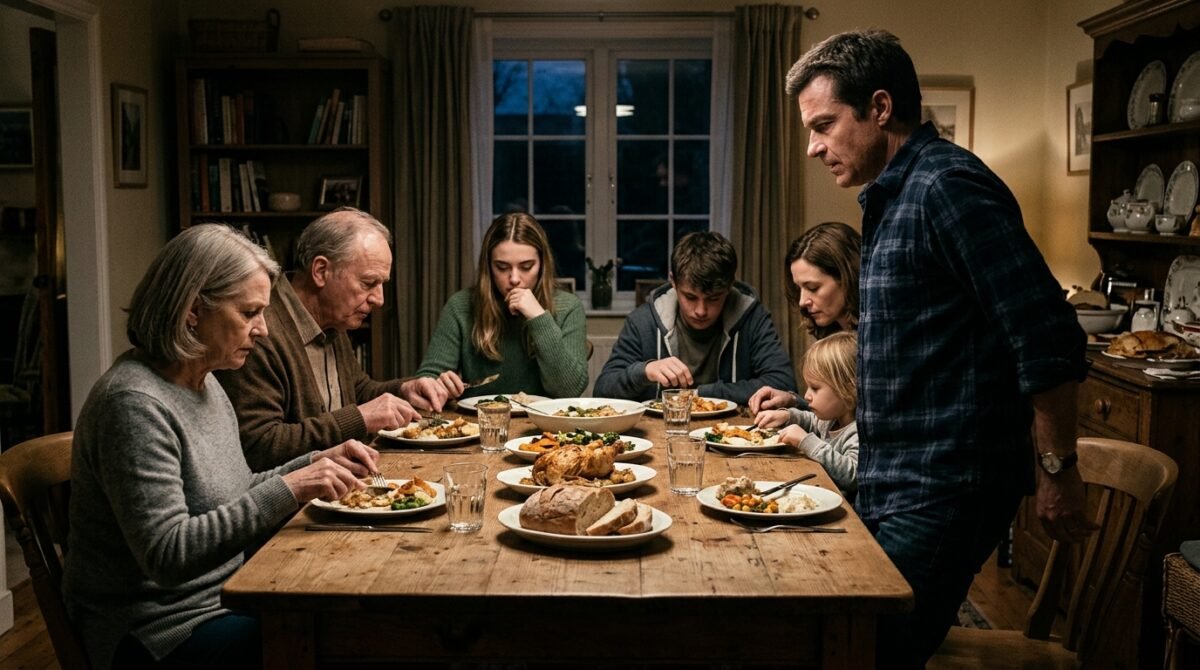
A month later, there was a mandatory family gathering for a birthday. I didn’t want to go, but my siblings convinced me it would be better to show up and be the bigger person. I arrived to find the air thick with tension. The moment I walked into the kitchen, the conversation died instantly, replaced by a wall of cold silence.
Karen sat at the head of the table, her face a mask of practiced misery. Tyler was there, looking everywhere but at me. I sat down, plates were passed, and the only sound was the clinking of silverware against porcelain. It was the most awkward meal I had ever attended in my life.
“I hope you’re happy, OP. I hope that cottage is worth the destruction of your father’s memory. It’s disgusting how you can sit there and eat while knowing what you’ve done to this family.”
— Karen, at the dinner table
I calmly put down my fork. I looked her in the eye and said, ‘The only thing destroying my father’s memory is your refusal to respect his wishes.’ The room gasped. My uncle tried to intervene, saying we shouldn’t talk about ‘business’ at the table, but I stood my ground. I didn’t scream, I didn’t throw anything; I simply stood up and walked out of the house.
The drive home was exhilarating. For the first time in months, I felt like I had taken control of the narrative. I wasn’t just a victim of her outbursts; I was an active participant in my own defense. I knew that I wouldn’t be invited to any more family dinners, and honestly, that was a relief.
That night, I received a barrage of texts from relatives who weren’t at the dinner, all repeating Karen’s version of events. I blocked them, one by one. I realized that if they were willing to believe her without asking me for my side of the story, they didn’t deserve a place in my life. It was a painful, necessary pruning of my social circle.
The Deposition That Shattered the Myth
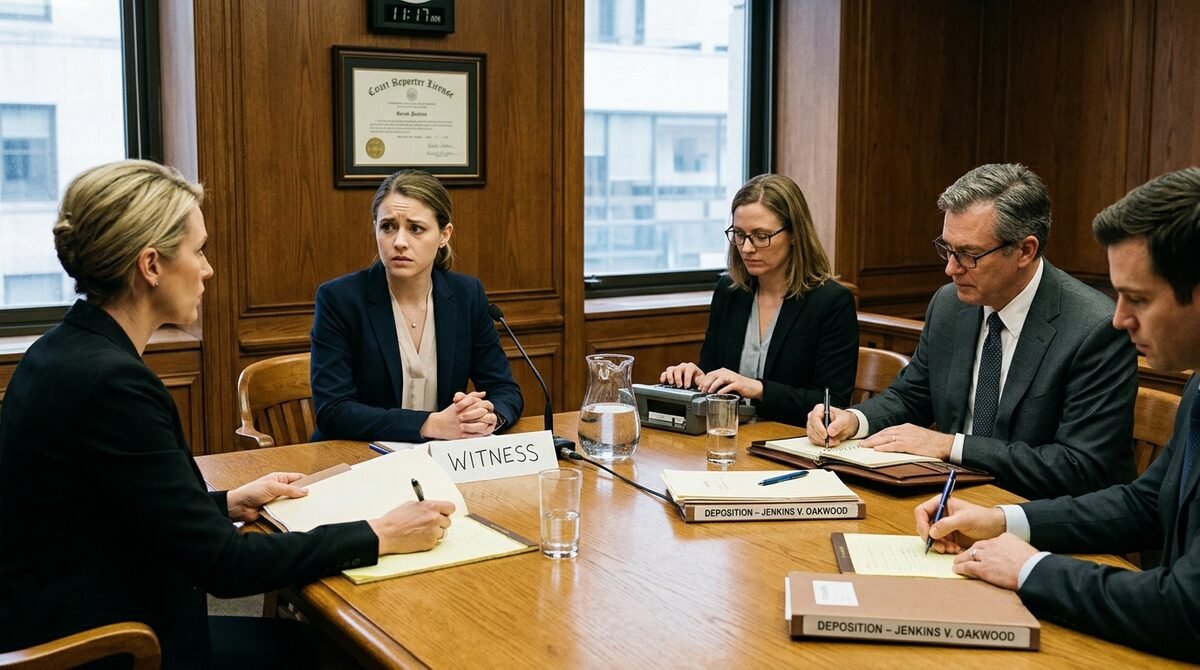
The legal process moved to depositions. I sat in a small room, my lawyer by my side, and listened as Karen was forced to testify under oath. It was a fascinating, if infuriating, experience. She tried to spin a tale of a long-standing, secret understanding with my father, but under cross-examination, her story began to crumble.
My attorney asked her about the date she claimed my father had promised the cottage to Tyler. She gave a specific date, and then my attorney produced bank statements and travel records proving that my father was actually out of the country on that date. Her face went pale as she realized she had been caught in a lie.
“I… I might have been mistaken about the date. But the intention was always there. Arthur was forgetful in his later years; he didn’t realize what he was signing.”
The suggestion that my father—a man whose mind was sharp until the very end—was ‘forgetful’ was the final insult. I felt a surge of righteous anger. It wasn’t just about the house; it was about her attempt to rewrite my father’s legacy as a confused, incompetent man who didn’t know his own mind. I wanted to scream, but I kept my composure.
The deposition ended early. It was clear that her case was built on a foundation of sand. My attorney looked at me and gave a small, knowing nod. We were winning, not through tricks, but through the simple, boring, indisputable truth of the documentation and the timeline.
I walked out of the building feeling lighter than I had in years. The ‘golden child’ narrative had been exposed for what it was—a fabrication. The legal battle was far from over, but the turning point had arrived. I knew now that I would prevail, and that the house would remain exactly where my father wanted it to be.
The Final Offer and the Refusal
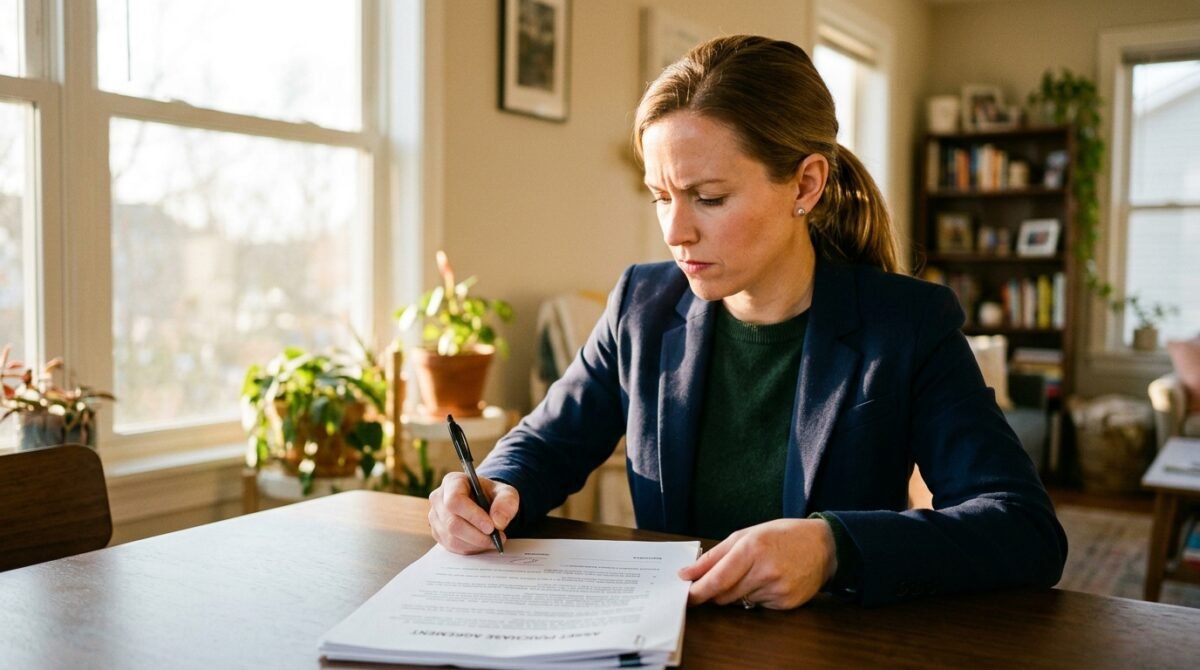
A week later, Karen’s lawyer contacted us with a ‘settlement offer.’ They wanted me to give them a significant portion of the inheritance—money from the estate—in exchange for dropping the claim to the cottage. It was a clear admission that they knew they couldn’t win the house, so they were pivoting to a cash grab.
I didn’t even have to think about it. I told my lawyer to reject the offer immediately. I wasn’t going to pay them a cent to go away. If they wanted to continue the fight, we would go to trial, and we would win. I was done with the games and the attempts at extortion.
“They are testing you one last time. If you say yes to this, you validate their behavior. If you say no, you end the cycle. It will be the most satisfying ‘no’ you ever give.”
— My Attorney
I remember sitting in my living room, the quiet hum of the city outside, and feeling a profound sense of peace. I had stood up for myself, I had protected my father’s wishes, and I hadn’t succumbed to the pressure to be ‘nice’ at the expense of my own integrity. The cottage was secure, and so was my conscience.
The message I sent back to their lawyer was short and professional. It was the end of the negotiation. They could either drop the suit or lose in court. I didn’t care which path they chose, as long as they stopped bothering me. The silence that followed was the best sound I had heard in months.
I spent the weekend doing things I enjoyed, ignoring the phone entirely. I went to the park, read a book, and started planning a trip to the cottage for the upcoming spring. I was reclaiming my life, one step at a time, and the weight that had been on my shoulders was finally starting to lift.
The Aftermath: Reclaiming the Peace

Six months have passed since that final offer. The lawsuit was officially dismissed with prejudice after they realized that any further action would only result in them paying my legal fees. The cottage is now mine in every sense of the word. I’ve spent the last few weeks out there, doing the repairs that were long overdue, and it feels like home again.
I haven’t spoken to Karen or Tyler since the dinner. I blocked their numbers and their social media. I’ve heard through the grapevine that they are struggling, which is unfortunate, but it’s a situation of their own making. I don’t feel guilty anymore. I did what was right, and I have no regrets about the boundaries I set.
“Some people think that being family means you have to endure abuse. I’ve learned that family is what you choose, and I choose to protect the things that matter.”
I’ve started a small, anonymous project to donate to local conservation efforts around the lake, in my father’s honor. It’s a way to give back to the place he loved, and it feels like a much better use of my energy than fighting with people who never truly understood him. The cottage is a place of healing now, not a battleground.
I still reflect on the experience often. It was a crucible, a moment that forced me to define my own worth and my own commitment to the truth. I’m a stronger person for it, and I know that I’m the guardian of a legacy that is worth fighting for. The water is calm, the trees are tall, and I am finally at peace.
Reflecting on the Cost of Truth

Looking back, the financial cost of the legal battle was significant, but the personal cost was even greater. I lost people I thought were family, and I experienced a level of stress that I wouldn’t wish on anyone. However, the value of keeping the cottage and maintaining the truth of my father’s wishes is something that cannot be measured in dollars.
The lessons I learned were stark: do not assume that family members will act with integrity in times of crisis; do not let guilt be the driver of your decisions; and always, always keep your legal affairs in order. If my father hadn’t been so diligent with his estate planning, this situation would have been a disaster.
“The hardest part wasn’t the legal battle; it was the realization that the people I called family were willing to burn it all down for a piece of property. The betrayal hurts more than the stress of the trial.”
I hope that anyone in a similar situation finds the strength to hold their ground. You don’t have to be the martyr. You don’t have to sacrifice your inheritance or your father’s legacy to keep the peace. Sometimes, the only way to find peace is to fight for it, even if that means losing people along the way.
I’m looking forward to the future now. The cottage will remain in our family, and I will continue to care for it as my father did. It’s a place where I can honor his memory in a way that feels authentic and true. And for that, the struggle was worth every single moment.
Conclusion
The story of the cottage is, at its heart, a story about the intersection of grief, entitlement, and the preservation of legacy. When we face these challenges, it is easy to succumb to the pressure of those who shout the loudest, but the truth is rarely as loud as the lies. Standing by the principles of what is right, even when it is difficult, is the only way to find true resolution.
What would you have done? Would you have held onto the cottage at the cost of your family, or would you have surrendered to maintain the peace? The debate is always ongoing in our community. Some believe that family harmony is the highest priority, regardless of the cost, while others argue that respecting the dead and protecting one’s rights is the only moral path.
Let us know your thoughts in the comments below. Have you ever faced a similar inheritance battle? What were the boundaries you set to protect your peace? We want to hear from you as we continue to discuss the complexities of family, legacy, and the difficult choices we face when life takes an unexpected turn.
What's your verdict on this dilemma?
Vote below to contribute to the official community consensus.

Have a Dilemma Keeping You Up at Night?
Share your real-life feud, wedding chaos, or relationship crossroads anonymously with our editorial team.
What do you think ?
0 Comments🛡️ Comments are moderated to protect community integrity. Your comment will appear once approved by the editorial team.