
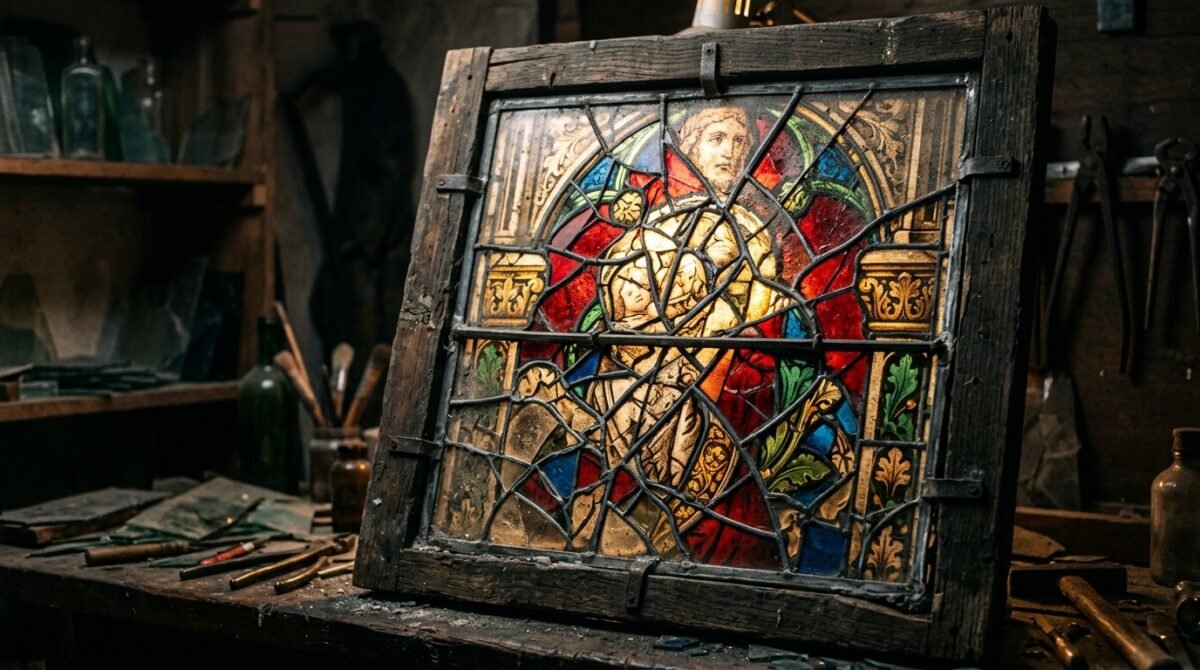
My grandfather, Silas, was a man of precise tastes and even more precise intentions. He spent forty years curating a collection of Victorian-era stained glass windows, panels that had once graced cathedrals and private estates across Europe. When he passed away last year, his will was clear: the house went to my Aunt Martha, but the glass—the singular, most valuable asset he owned—was left solely to me. I was his favorite; we spent countless weekends in his studio, me learning the history of leaded glass while he meticulously restored the vibrant, cobalt-blue and ruby-red panels.
My cousin, Julian, however, viewed my inheritance not as a testament to a bond, but as a financial slight. From the moment the lawyer read the will in the sterile, air-conditioned office, the air turned toxic. Julian, who hadn’t spoken to Grandpa in three years, suddenly became a devout family man, obsessed with the ‘sanctity’ of family assets and the ‘fairness’ of shared inheritance. He didn’t want to preserve the legacy; he wanted to liquidate it to pay off his mounting gambling debts and failed real estate ventures.
The legal challenge began just three weeks after the funeral. I received a certified letter, a cold, clinical document that claimed the windows were ‘family heirlooms that belonged to the estate, not a private individual.’ It was a blatant power grab, fueled by his desperate need for cash and a deep-seated, irrational jealousy that had festered since we were children. He hired a shark of an attorney who argued that undue influence had been exerted over my late grandfather.
I wasn’t just offended; I was furious. These windows were the only thing I had left of the man who raised me. But as the legal fees started to climb and the harassment from my aunt and cousin grew unbearable, I realized that I couldn’t keep the windows in a storage unit forever while Julian bled me dry in court. I made a choice that day—a choice that would ensure that if I couldn’t keep the history I loved, he certainly wouldn’t be able to auction it off for his own profit.
The Morning the Certified Letter Arrived
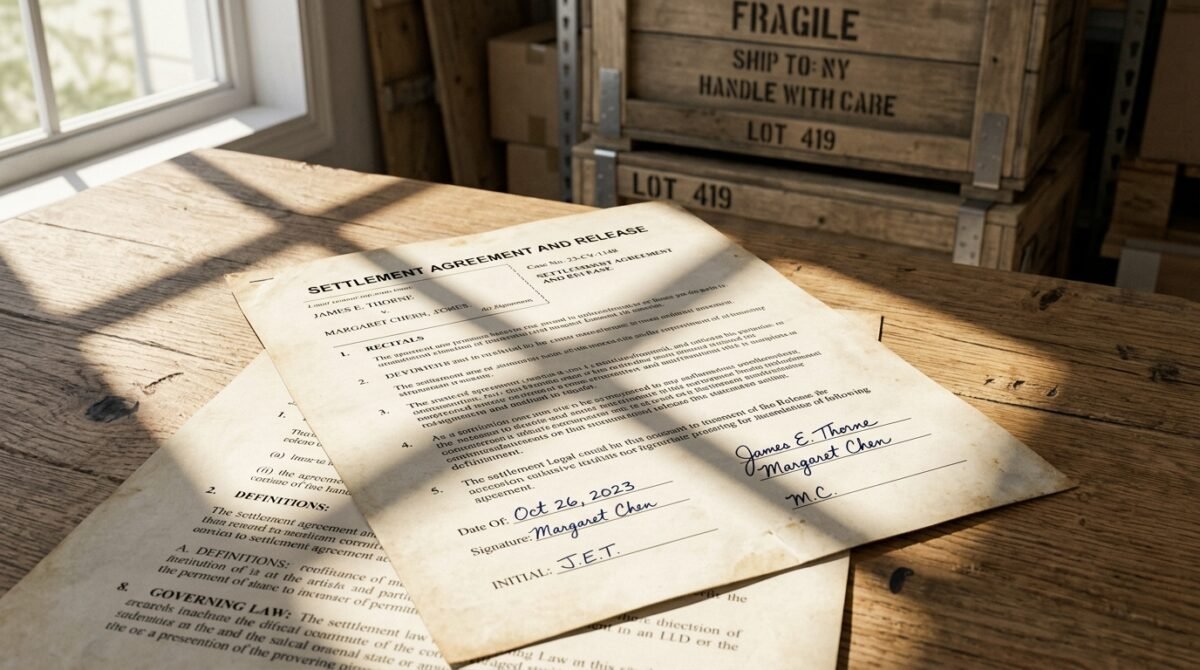
The envelope was thick, heavy, and carried that unmistakable weight of impending dread. I remember standing in my kitchen, the morning sun streaming through the window, catching the dust motes dancing in the air. I had spent the night before carefully dusting the protective crates that held the Victorian panels. They were safe, tucked away, or so I thought. Then, I opened the envelope.
The legal notice claimed that the stained glass collection was appraised at over two hundred thousand dollars and that my grandfather was of ‘unsound mind’ when he drafted the codicil to his will. It was a lie, and we both knew it. My grandfather was sharper at eighty-five than I am at thirty. The document demanded I surrender the collection to a neutral executor until the matter was settled in court.
I immediately called my own lawyer, a soft-spoken man named Arthur who specialized in probate disputes. He took a long, heavy breath before speaking. ‘This is standard intimidation, but Julian is doubling down. He knows he can’t win, but he’s betting on you running out of money before he does. He wants to force a settlement. He wants you to give him a payout just to make him go away.’
I looked at the crates in my living room. They were beautiful, glowing with a history that felt almost sentient. I couldn’t let Julian win. I couldn’t let him treat my grandfather’s life’s work as a pawn in his pathetic game of financial catch-up. I felt a cold, sharp resolve forming in my gut, a feeling I hadn’t known before. If he wanted the value of the glass, he was going to get exactly what he deserved—nothing.
“You have to understand, he is not looking for justice. He is looking for a lifeline. If you cave now, you lose the glass and your dignity. We fight this, but it will be expensive.”
— Arthur, my attorney
I didn’t answer right away. I hung up the phone and walked over to the largest panel, the one depicting the cathedral rose window. I touched the cool, uneven surface of the glass, remembering the way my grandfather’s eyes lit up when he talked about the glassblowers of the 1890s. Julian had never even seen these windows, not really. He saw dollar signs. I saw a legacy. And suddenly, I knew exactly what I had to do.
The Secret Meeting at the Coffee Shop
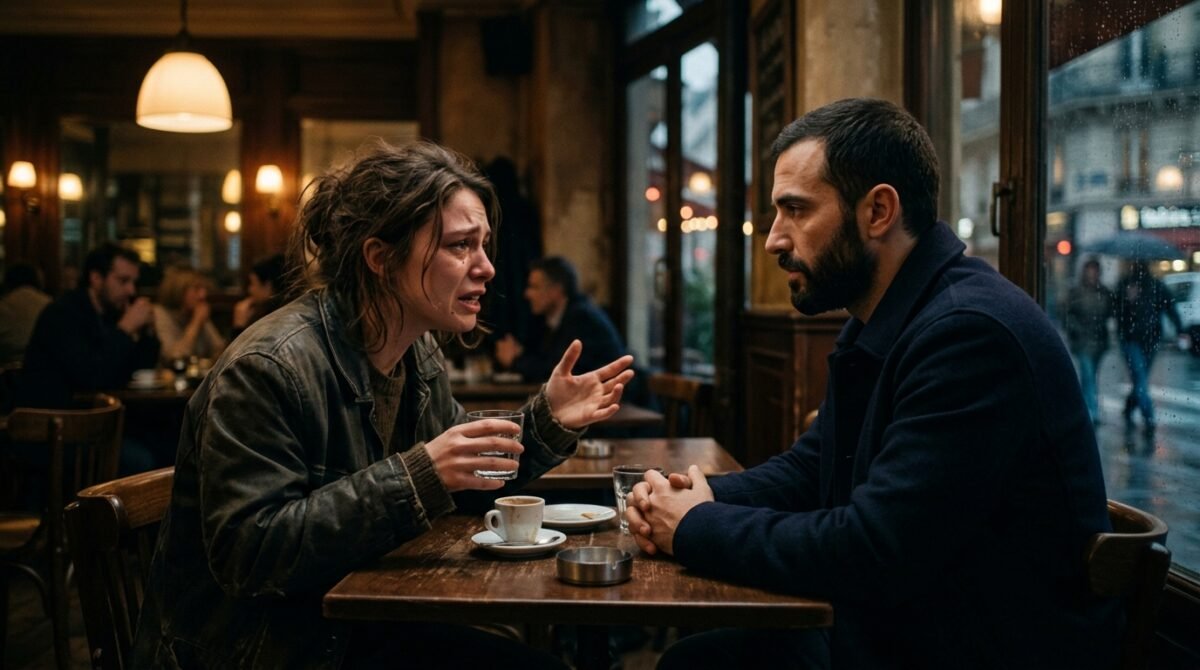
Two days later, I agreed to meet Julian at a neutral ground—a crowded coffee shop in the city. He looked disheveled, his expensive suit jacket missing a button, his eyes darting around the room like he was expecting someone to jump him. He didn’t waste time with pleasantries. He dove right into the ultimatum as if he were discussing a business transaction.
“Look, I’m being generous,” Julian said, leaning over his lukewarm espresso. “I’m willing to drop the lawsuit if you sell the collection and split the proceeds fifty-fifty. You keep the house, you keep your memories, and I get what is rightfully mine as his grandson. It’s a clean break, no more lawyers, no more stress.”
I stared at him, trying to find a flicker of the cousin I used to play with as a kid. There was nothing there. Just a hollow man drowning in debt. I knew his financial situation better than he thought; he had been bragging about his ‘crypto investments’ to our aunts for months, and now those investments were clearly in the toilet.
“You don’t want the glass, Julian,” I said, my voice steady. “You just want a check. You haven’t stepped foot in Grandpa’s workshop in a decade. You don’t even know what these pieces are. They aren’t just assets; they are his life.”
“They are glass, OP. Old, dusty, breakable glass. And I am broke. My house is in foreclosure, and I have creditors knocking on my door. Don’t lecture me on sentiment when I’m losing everything.”
— Julian, my cousin
I stood up, gathering my bag. I didn’t tell him I was going to sell the glass. I didn’t tell him I was going to follow through on my plan. I just looked at him and said, ‘You want a share? Keep suing me. See where that gets you.’ I left him sitting there, sputtering in the middle of the crowded cafe, the look of disbelief on his face being the most satisfying thing I had experienced in months.
An Unexpected Call from the Auction House
I had contacted an elite auction house that specialized in antique architectural elements. They were the best in the business, the kind of place that handled estates for royalty. The lead appraiser, a woman named Elena, was ecstatic when I sent her the photos of the collection. She told me it was the finest private collection of late-Victorian stained glass she had seen in years.
“If we put these in our winter catalog, we could be looking at a record-breaking auction,” she told me over the phone. “However, I must warn you—with a collection this high-profile, provenance is everything. We need to ensure there are no legal encumbrances on the items.”
I told her the truth about the lawsuit, or at least enough of it. She was cautious, but she agreed to expedite the appraisal and the listing process. I knew that once the glass was officially in their possession and listed in their catalog, it would become much harder for Julian to claim ownership in a court of law. It would be a legal nightmare for him to try and freeze a high-end auction sale.
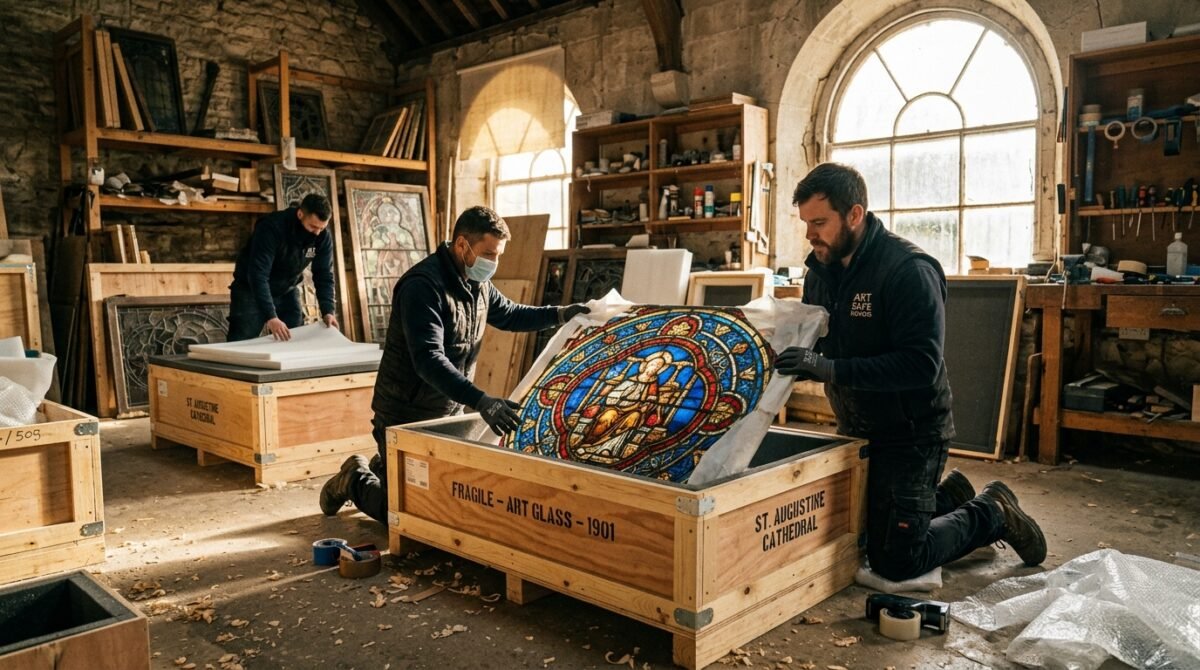
I spent the next forty-eight hours in a blur of activity. I hired a specialized art-moving crew to wrap the glass in acid-free paper and custom crates. Watching them pack the windows made my heart ache. It felt like I was giving away the last physical piece of my grandfather, but I knew it was better than Julian getting his greedy hands on them to sell for scrap or to a private buyer who wouldn’t appreciate them.
I also updated my lawyer on the plan. Arthur was hesitant at first, worried that selling the items while a dispute was pending could be seen as ‘dissipating assets.’ We spent hours going over the law, finding a loophole that allowed for the liquidation of perishable or high-maintenance assets during an estate dispute if the sale was handled by a third party. We were walking a tightrope, but I was willing to fall.
The Group Chat Explosion
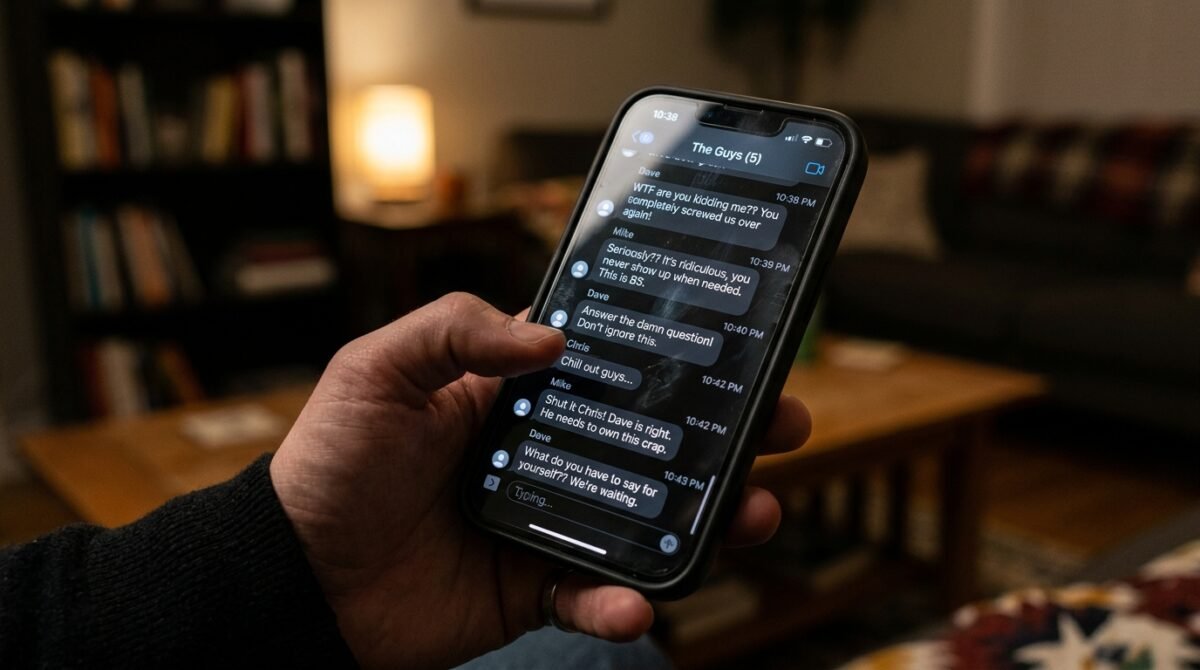
The family group chat, which had been silent since the funeral, suddenly exploded on a Tuesday morning. My Aunt Martha, Julian’s mother, had somehow caught wind that a moving crew had been at my house. She didn’t know where the glass was going, only that it was gone. The notifications started pinging on my phone, one after another, aggressive and relentless.
“Where are the windows? I know you took them out of the house. Julian is coming over, and he’s bringing the police. You have no right to hide them!”
— Aunt Martha, Family Group Chat
“I don’t care what the will says, that glass was supposed to be a family fund. You are stealing from your own blood. Give them back now or face the consequences.”
— Julian, Family Group Chat
I didn’t respond for hours. I let them spiral. I watched as they sent increasingly unhinged messages, threatening to report me for theft, for elder abuse, for anything they could think of. It was clear that Julian had told them a version of the story where he was the victim and I was the greedy thief. It was almost funny, if it hadn’t been so insulting.
Finally, I typed a single message. It was short, cold, and final. I didn’t explain the sale. I didn’t justify my actions. I simply set a boundary that I knew would enrage them even more. The silence that followed my message was deafening. They didn’t know what to do next because they didn’t know I had already secured the deal with the auction house.
“The windows have been moved to a secure location for protection. Any further communication regarding this will be handled exclusively by my legal counsel. Do not contact me again.”
— Me, Family Group Chat
I felt a strange sense of liberation. By refusing to engage in their madness, I had taken away their power. They wanted a fight, they wanted a negotiation, they wanted to see me sweat. But I was done sweating. I was done being the person who apologized for things I didn’t do. For the first time in my life, I felt like I was acting with the same steely resolve my grandfather had possessed.
The Day the Auction Catalog Went Live

The day the catalog went live, I made sure Julian knew. I didn’t send him a text; I just sent him the link to the auction house’s website with no context. I could imagine him clicking the link, his face turning from confusion to pure, unadulterated rage as he saw the collection listed, with estimated values far exceeding what he had probably anticipated.
The glass was there, beautifully photographed, described with the respect and reverence it deserved. It was no longer ‘junk’ or ‘assets.’ It was high art, and it was being presented to the world. And the most important part? The proceeds were being held in an escrow account that Julian couldn’t touch. My lawyer had set it up so that the funds were protected from the ongoing litigation, meaning even if Julian won a court judgment, he would have to fight for years to get a single cent.
I went to a local bar to celebrate, though celebrate is the wrong word. I felt melancholy. I sat alone in a booth, sipping a drink and looking at the digital catalog on my tablet. I had done it. I had saved the legacy from being sold off in a quick, dirty deal to pay off gambling debts. But the price was my relationship with my family. They were gone, severed, likely for good.
As I sat there, I thought about my grandfather. Would he have approved? He was a man who valued legacy above all else. He hated the idea of his work being sold, yes, but he hated the idea of his family being torn apart by greed even more. He would have hated Julian’s behavior. I like to think he would have looked at what I did—not as a sale, but as an act of preservation.
The auction was scheduled for the end of the month. I didn’t plan on attending. I wanted to be as far away as possible when the gavel finally fell. I had done my part. The rest was up to the market. I had reclaimed my own story, and in doing so, I had ensured that my cousin’s greed would be met with the only thing that actually hurts someone like him: total, resounding failure.
The Legal Counter-Attack
Naturally, the move to auction didn’t stop Julian. He went to his lawyer the very next morning, and by the afternoon, I was served with an emergency injunction. They were trying to stop the sale, claiming that the assets were part of a contested estate and could not be liquidated. It was the move I had been expecting, and the move my lawyer had prepared for.
Arthur had been working overtime. He had filed a response that argued the windows were not ‘estate assets’ at the time of the sale because they had been properly transferred to me as the sole beneficiary in the probate process. The probate was technically closed, and the executor had already signed off on the distribution. Julian was trying to reopen a closed chapter, and the law—thankfully—doesn’t like to do that without very, very good cause.
The hearing was a tense affair. I sat in the courtroom, listening to Julian’s lawyer paint me as a villain who was trying to ‘evade justice’ and ‘hide assets.’ It was surreal to sit there and listen to someone lie so brazenly. I looked at Julian. He was sweating profusely, his hand shaking as he took notes. He looked like a man who knew he was running out of moves.
When it was my lawyer’s turn, he was surgical. He didn’t get emotional. He didn’t raise his voice. He simply presented the probate documents, the signed release, and the appraisal that showed I had been the legal owner for months. He made it clear that Julian’s lawsuit was not about ‘justice,’ but about ‘harassment.’ The judge looked bored, which was the best possible outcome.
“The court finds no evidence of improper conduct by the defendant. The probate process was followed correctly. The assets were transferred legally. This request for an injunction is denied.”
— The presiding judge
When the judge dropped the gavel, the sound echoed through the courtroom like a gunshot. Julian stood up, his face pale, and walked out without looking at me. It was over. The sale would proceed. The glass would find new homes, and I would finally be free of the shadow he had cast over my life.
The Final Hammer

The day of the auction arrived, and I spent it in the quiet solitude of my apartment. I had turned off my phone, not wanting to see any more messages from my aunt or cousin. I was essentially waiting for the world to change, for a chapter of my life to officially close. I had been told that there was immense interest in the panels, and the bidding was expected to be aggressive.
Around 3:00 PM, I received a text from the auction house director. They had finished the session. The results were better than anyone had anticipated. The collection had sold for triple the original appraisal. People from museums, private collectors, and historical societies had bid against each other, driving the price up to figures I could hardly comprehend. The legacy was saved, in a way; it was going to people who would treasure it.
I sat on my floor, the weight of the last few months finally lifting. The money—the vast amount of it—felt almost secondary. Yes, it was life-changing, but that wasn’t why I had done it. I had done it to stop them. And I had succeeded. I had taken a situation where I was being bullied and turned it into an outcome where the bully ended up with nothing but legal fees and a loss of face.
I thought about what I would do with the money. I decided right then that a significant portion would go to a foundation dedicated to the preservation of architectural history, in my grandfather’s name. It was the perfect tribute. It would ensure his name lived on, long after Julian had squandered his own reputation and mine.
I felt a strange, quiet peace. The struggle had defined me for months, but now it was gone. I was just a person again. I was just me. I looked at the spot where the crates had been, now empty, and I didn’t feel sadness. I felt a sense of completion. I had done what I had to do, and I had done it on my own terms.
The Aftermath and the Silence

In the weeks following the auction, the silence was absolute. My aunt, my cousin, and the rest of the ‘family’ who had been so vocal during the dispute went completely dark. I heard rumors through the grapevine that Julian had declared bankruptcy, his gambling debts finally catching up to him now that he had no ‘inheritance’ to use as a shield. It was a predictable ending to a pathetic story.
I haven’t spoken to them since. I don’t intend to. I realize now that family is not just blood; it is the people who respect you, the people who support you, and the people who don’t try to ruin your life for their own gain. I have cut the cord, and while it was painful at first, I feel lighter. I have rebuilt my boundaries, and they are stronger than they have ever been.
I have spent time focusing on my own life, my own career, and my own interests. I have rediscovered the joy of the things I love, without the constant background noise of family drama. The money from the auction has allowed me to travel, to invest in my own future, and to live with a sense of security I hadn’t realized I was missing.
Most importantly, I learned that you don’t have to be a victim. You don’t have to play by the rules that other people set for you, especially when those people are playing dirty. You can fight back, you can protect what matters, and you can come out the other side with your integrity intact. It was a hard lesson, but it was worth every single moment of the struggle.
“The most important lesson I learned is that you are the architect of your own boundaries. You don’t owe anyone access to your life, especially if they are trying to dismantle it.”
— My personal reflection
I am at peace. The windows are scattered to the four winds, but they are safe, and their legacy is preserved. And me? I am still here. I am still standing. And I have never felt more free.
The Reddit Reaction: The Internet Weighs In
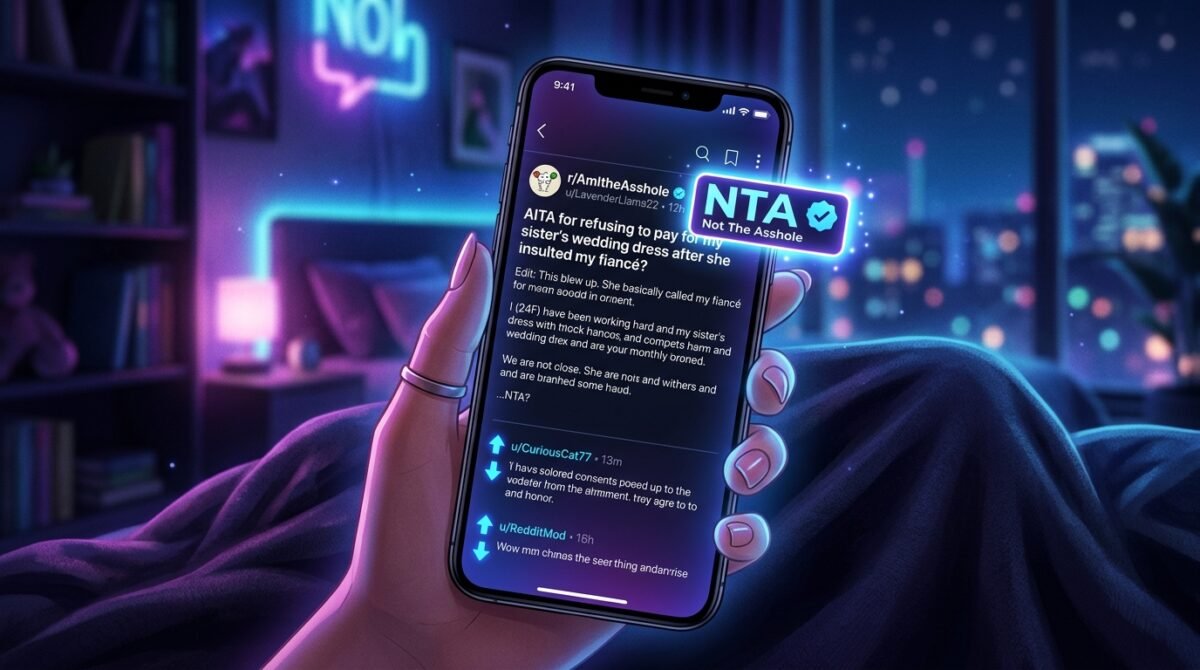
Of course, I posted my story on Reddit to see if I was truly the villain they made me out to be. The response was overwhelming. The post went viral, garnering tens of thousands of upvotes and thousands of comments within the first twenty-four hours. It seemed my dilemma struck a nerve with people who had dealt with their own fair share of toxic family inheritance stories.
The consensus was loud and clear: I was not the asshole. If anything, the community felt I had shown incredible restraint by not taking more aggressive legal action against Julian for the harassment and the frivolous lawsuit. The stories of other people being ‘inheritance-trapped’ by greedy relatives flooded the comments, creating a massive, supportive community of people who had been through the same thing.
“NTA. You didn’t just protect the windows; you protected your own sanity. Julian was never going to stop, and you forced him to face the consequences of his own greed. You are a legend for the auction move.”
— u/JusticeForOP (Top Comment, 28.1k upvotes)
“The fact that you put the proceeds into a trust that he couldn’t touch is the cherry on top. You didn’t just win; you broke the game. He deserved every bit of that bankruptcy.”
— u/LegalEagleEye (15.2k upvotes)
There were, of course, the contrarians. Some people felt that ‘family is family’ and that I should have at least offered him a small portion to avoid the conflict. But those comments were quickly buried by the majority, who understood that ‘family’ doesn’t give someone a right to steal from you. It was a fascinating look into how different people view loyalty, inheritance, and the role of money in familial relationships.
The thread became a repository of legal and personal advice, with people sharing tips on how to handle probate disputes and how to protect oneself from toxic relatives. I found a lot of comfort in the community. It reminded me that while my personal experience felt isolating, it was a universal struggle. I wasn’t alone, and I had done the right thing.
The Philosophical Reflection: Legacy vs. Possession
Reflecting on everything, the core issue was always about the definition of ‘legacy.’ For Julian, legacy was a currency—a means to an end, a commodity to be traded for temporary comfort. For me, legacy was a responsibility—a connection to the past, a story that needed to be honored rather than consumed. This difference in perception is what caused the conflict, and it’s what makes the resolution so permanent.
I realize now that the windows were never the real issue. The issue was Julian’s inability to accept that his grandfather didn’t value him enough to leave him the prize. By attacking me, he was attacking his grandfather’s decision, trying to rewrite history to make himself feel important. It was a deeply psychological, rather than financial, conflict. And that is why it was so vicious.
What does it mean to inherit something? Is it just the object, or is it the meaning behind it? I chose to preserve the meaning by ensuring the windows went to those who understood their historical significance. Julian wanted the object, stripping away the meaning entirely. In a way, by selling them, I preserved the legacy better than if I had kept them in a box, hidden away from the world.
I also learned that money doesn’t solve toxic dynamics; it often exacerbates them. Before the inheritance, we were just distant cousins. The money made us enemies. It’s a harsh reminder that wealth can act as a catalyst for the worst traits in people. I feel lucky to have seen Julian’s true colors early enough to protect myself, rather than living a lie for years.
I am grateful for the journey. It wasn’t the one I wanted, and it certainly wasn’t the one I expected, but it was the one I needed to become the person I am today. I am no longer defined by what my family thinks of me, or by what they think I owe them. I am defined by my actions, my integrity, and my willingness to stand up for what I believe is right.
Final Thoughts and Lessons Learned

If you take anything away from my story, let it be this: protect your peace. When you are dealing with people who are driven by entitlement and greed, you cannot reason with them. You cannot appeal to their better nature because, in that moment, they don’t have one. You have to set boundaries, you have to document everything, and you have to be prepared to walk away.
Inheritance is a messy, complicated process. It brings out the best and the worst in people. My advice to anyone going through a similar situation is to get a lawyer immediately, don’t engage in emotional arguments, and don’t let anyone make you feel guilty for being the beneficiary. You were chosen for a reason. Honor that reason, but don’t let the object of your inheritance destroy your life.
I have moved on. The house is quiet, the workshop is empty, and I am starting fresh. I am working on new projects, rediscovering my passions, and living a life that is entirely my own. I have no regrets about the sale. I have no regrets about the legal battle. And most importantly, I have no regrets about the distance I have put between myself and my family.
The story of the stained glass has ended, but the story of my own life is just beginning. I am the one holding the pen now, and I am not letting anyone else write my narrative. Thank you for listening, for supporting, and for being part of this journey. It has meant the world to me.
Conclusion
The saga of my grandfather’s stained glass windows serves as a stark reminder of how quickly family ties can unravel when entitlement meets the cold reality of legal ownership. By standing firm against my cousin’s baseless lawsuit and choosing to liquidate the collection through a reputable auction house, I didn’t just secure my own future; I ensured that the legacy of my grandfather’s work would be handled with the reverence it deserved, rather than being squandered to satisfy a gambling addiction.
This experience has been a masterclass in the necessity of boundaries, the importance of professional legal counsel, and the liberating power of refusing to play the role of the victim. While the financial windfall was significant, the true value lies in the peace of mind that comes from knowing I did the right thing—both for the history I inherited and for the person I am today.
Now, I want to hear from you. Have you ever been caught in a toxic inheritance battle? How did you handle the pressure from family members who felt ‘entitled’ to your property? Share your experiences and thoughts in the poll and the comments below. Let’s start a conversation about protecting our legacies.
Poll: If you were in my shoes, would you have sold the collection or kept it and fought the lawsuit, even if it cost you everything?
- Sold it immediately to cut ties.
- Kept the windows at all costs, regardless of the legal bills.
- Attempted to settle to ‘keep the peace’ within the family.
What's your verdict on this dilemma?
Vote below to contribute to the official community consensus.

Have a Dilemma Keeping You Up at Night?
Share your real-life feud, wedding chaos, or relationship crossroads anonymously with our editorial team.
What do you think ?
0 Comments🛡️ Comments are moderated to protect community integrity. Your comment will appear once approved by the editorial team.