
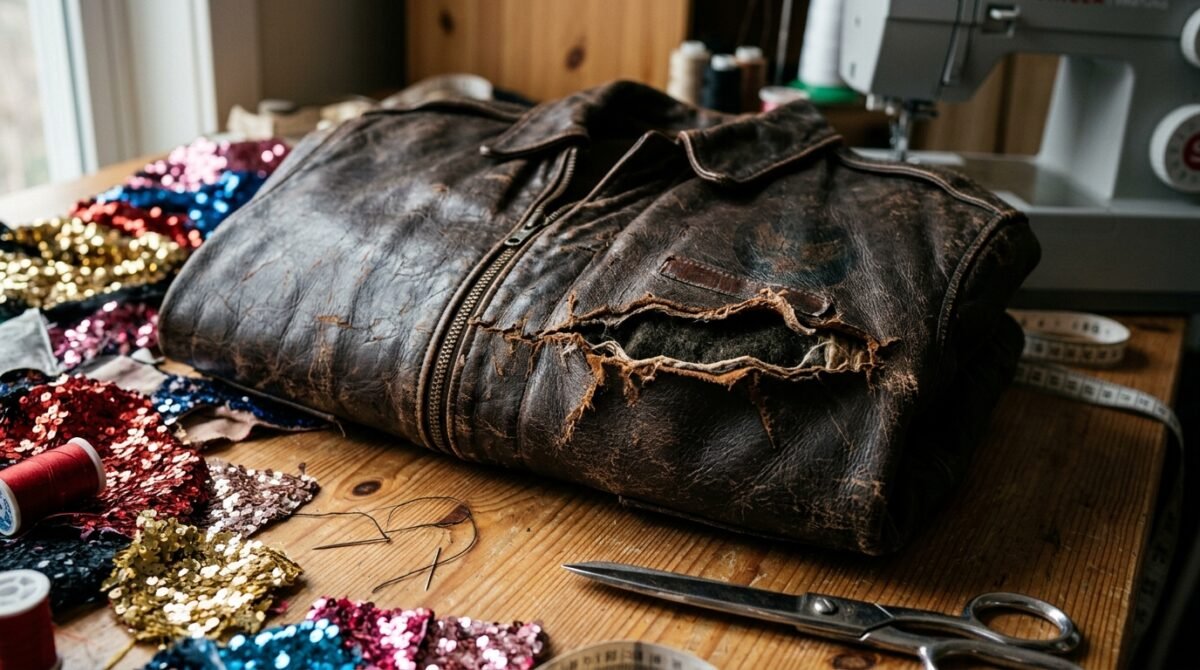
Grief is a strange, shifting landscape. For our family, the loss of our grandfather, Arthur, wasn’t just the absence of a man who told terrible jokes and smelled like pipe tobacco; it was the loss of a bridge to a history we barely understood. Arthur was a decorated pilot in the Pacific Theater, and his belongings weren’t just ‘stuff.’ They were talismans. Among these, the crown jewel was his original 1944 leather flight jacket, worn, battle-scarred, and smelling faintly of ozone and history. It was a museum piece, kept in a climate-controlled cedar chest, waiting for the right moment to be passed down to the next generation.
My sister, Chloe, has always lived in a world of immediate gratification. To her, history is something that happens to other people, and aesthetic trends are the only currency that matters. While I spent the months following the funeral cataloging letters and restoring old photographs, Chloe was browsing social media, looking for ‘vintage inspiration’ for her upcoming festival season. I never imagined she would look at our grandfather’s most prized possession and see nothing more than high-quality, distressed leather for a project.
The discovery didn’t come in a gentle conversation. It came via an Instagram post. I was sitting at my desk, trying to finalize the executor’s report, when her latest story popped up. There she was, grinning at the camera, wearing a cropped, corset-style top fashioned from unmistakable, aged leather. Even through the filter, I recognized the patch—or what remained of it—stuck to the side of her bodice. The room went cold. My heart didn’t just sink; it shattered.
When I confronted her, I expected at least a flicker of shame. I expected a ‘I didn’t realize’ or even a ‘I’m sorry.’ Instead, I was met with a shrug and a lecture about ‘upcycling’ and ‘sustainable fashion.’ She didn’t just ruin a jacket; she erased a part of our heritage for a trend that would last six months at most. That moment changed everything. It wasn’t just about the jacket anymore; it was about the fundamental disrespect she held for our family and the trust she had betrayed.
This is the story of how that one act of narcissism led to the total exclusion of my sister from the remainder of our grandfather’s estate. It is a story about the cost of entitlement, the line between selfishness and sociopathy, and the painful process of deciding that blood is not always thicker than the legacy we are tasked to preserve.
The Instagram Notification That Changed My Life

It was 11:30 PM on a Tuesday. The house was quiet, save for the hum of the refrigerator. I was scrolling through my feed, mindlessly killing time, when Chloe’s profile picture glowed with that tell-tale circle indicating a new story. I tapped it, expecting to see a coffee shop or a sunset. Instead, I saw a close-up of a DIY fashion project.
The leather was unmistakable. The specific grain, the darkened patina of the collar, and the faint, hand-stitched repair on the sleeve where Arthur had once snagged it on a fuselage door. She had taken a pair of fabric shears to the back panel to create a ‘boho-chic’ festival top. She had even added gold chain straps. It was nauseating.
“Obsessed with my new fit! Who says vintage can’t be custom? Nothing like a little structural leather to make a statement at Coachella. #Upcycled #VintageStyle #FestivalFashion”
— Chloe’s Instagram Story
I didn’t call her. I couldn’t trust myself to speak. I took a screenshot, my hands shaking so hard I nearly dropped my phone. I went to the cedar chest in the guest room. The lock hadn’t been forced; she had found the spare key I’d hidden in the kitchen junk drawer. The chest stood open, a hollowed-out shell of its former self. The jacket was gone.
I felt a rage so pure it was almost physical. I walked into my office and printed the screenshot. I didn’t want to lose the evidence. I knew, with the kind of clarity that only comes from deep betrayal, that this wasn’t just a mistake. This was a statement of who she was. She felt entitled to anything she wanted, regardless of the emotional value it held for the rest of us.
I spent the rest of the night staring at the wall, replaying memories of Arthur wearing that jacket. He wore it to my high school graduation. He wore it to my first apartment move-in. It was his skin. And now, it was a crop top being worn by someone who couldn’t even tell you what squadron he flew in. The violation felt absolute.
The Confrontation in the Coffee Shop

I met her the next morning at a local cafe. I hadn’t slept. I looked terrible, and I knew it. She arrived looking refreshed, wearing the very item she had destroyed. She walked up to the table, sat down, and ordered an oat milk latte, completely oblivious to the fact that I was ready to scream.
I slid the printed screenshot across the table. She looked at it, then looked at me, and let out a light, dismissive laugh. She didn’t seem to realize the gravity of the situation. She thought I was upset because I was ‘jealous’ of her outfit, or perhaps that I was being ‘controlling’ about the estate. She had no concept of the historical weight of what she had decimated.
“You’re really going to be this dramatic? It was just an old, dusty jacket, OP. It smelled like mothballs and death. I actually turned it into something people will notice. You should be thanking me for bringing it into the 21st century.”
— Chloe
I leaned forward, keeping my voice low but sharp. I told her that the jacket wasn’t hers to take, let alone cut. I explained that it was part of an estate that was currently in probate, and that by destroying it, she hadn’t just ‘upcycled’—she had committed an act of vandalism against a shared family heirloom. Her face hardened, the mask of the bubbly ‘influencer’ slipping to reveal a deep-seated resentment.
The conversation spiraled quickly. She started listing all the things she felt I had received that she hadn’t. She brought up the fact that I had the original letters, the watch, and the medals. She didn’t care that those items were kept because I was the one who actually documented Arthur’s service. She saw inheritance as a zero-sum game, and she felt cheated.
I walked out of that cafe leaving her with the bill. It was the first time in my life I had ever stood up to her in such a public, decisive way. I knew the fallout would be catastrophic, but for the first time, I didn’t care. The jacket was dead, but my patience had died with it.
The Legal Reality of Destruction
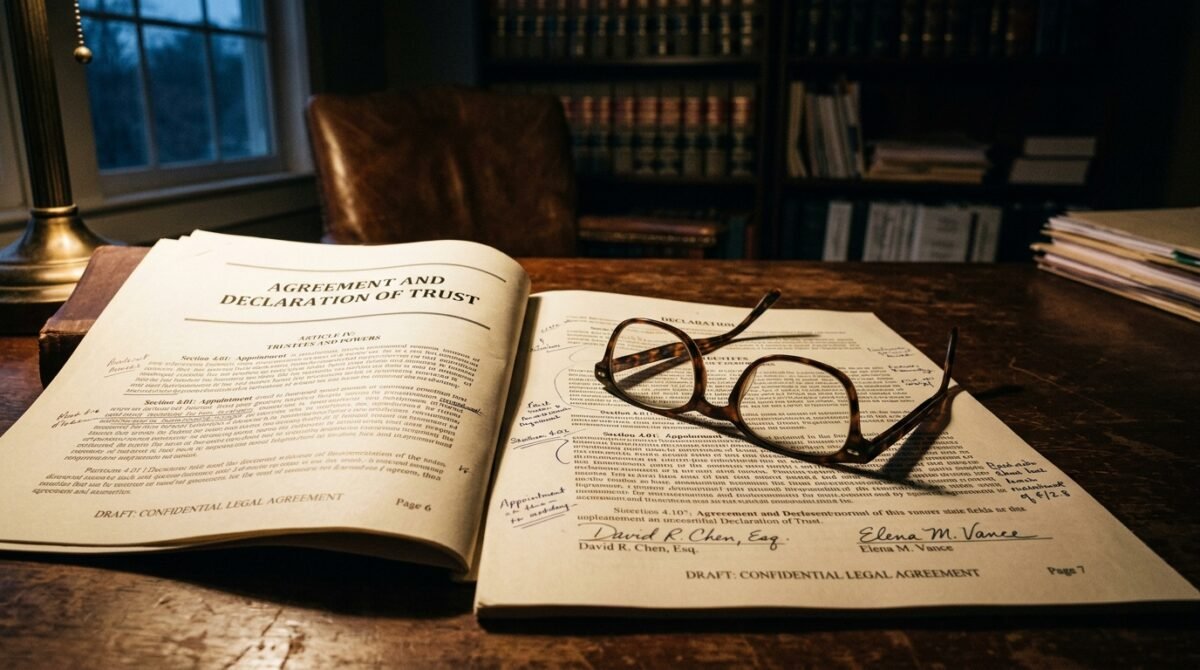
When I got home, I called the estate attorney. I had to know where I stood. Legally, the jacket was an asset of the estate. Because I was the executor, I had a fiduciary duty to preserve those assets. Chloe, by taking and altering the jacket, had effectively stolen and destroyed estate property. The lawyer was blunt: I had grounds to sue for the value of the heirloom, but more importantly, I had the power to adjust the distribution of the remaining estate to compensate for the loss.
I spent the next three days drafting a formal letter. I didn’t want to make this a court battle if I could avoid it, but I needed her to understand that there were consequences. I listed the items she was originally slated to inherit: the vintage jewelry, the small savings account designated for her, and the family collection of china. It was a substantial amount, meant to help her get a head start.
I sent the document via certified mail. I wanted a paper trail. I wasn’t doing this out of spite—or at least, not entirely. I was doing it because the estate had a duty to be fair, and giving her a share of the remaining assets after she had destroyed a piece of the inheritance seemed fundamentally unjust to the rest of the family.
The group chat exploded shortly after. My cousins, who had been in the dark about the whole incident, started pinging me. Chloe had framed herself as the victim, telling everyone that I was ‘hoarding’ the estate and using the jacket as an excuse to ‘punish her for having a life.’ She played the role of the misunderstood, creative spirit perfectly.
“I can’t believe OP is actually withholding my share of the jewelry because I altered a piece of leather. It’s literal harassment. Who does that to their own sister? I’m crying right now. This is so toxic.”
— Family Group Chat / Chloe
I didn’t defend myself in the chat. I simply posted a photo of the original jacket, taken on the day we cleared out Arthur’s closet, next to the photo of her wearing the crop top. The silence that followed was deafening. Even the cousins who usually supported her didn’t know what to say. The visual evidence was too damning to ignore.
Why the Sunday Dinner Table Went Silent
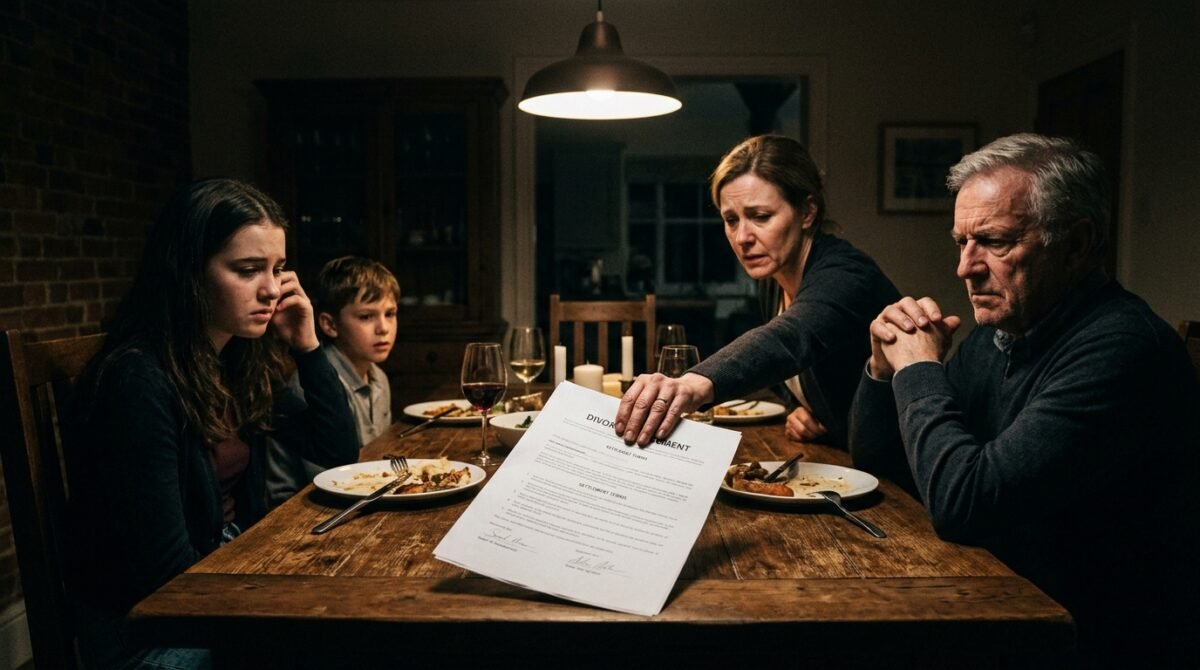
My mother, caught in the middle as always, tried to host a ‘peace-making’ dinner. She insisted that we just ‘move past it.’ She wanted to keep the peace, which usually meant me swallowing my anger so that Chloe could continue to act like a spoiled teenager. I agreed to go, but only because I had already made up my mind about the estate.
The dinner was a nightmare. Chloe walked in, still wearing the damn crop top. She seemed to think that wearing it was a power move, a way to show that she ‘owned’ the jacket now. Every time she moved, the leather creaked. It was like a constant, mocking reminder of what she had done. Mom tried to talk about the weather, but the tension in the room was suffocating.
Finally, I put my fork down. I looked at Mom and said, ‘I need to be clear about something. The estate distribution has been modified. Chloe will no longer be receiving the jewelry or the savings allocation.’ My mother gasped. Chloe’s eyes went wide, and then she started laughing, a high, thin sound that made my skin crawl.
“You think you have that kind of power? You’re just a glorified secretary for this estate. You don’t get to decide what I get. Dad left those things to both of us.”
— Chloe
I reached into my bag and pulled out the legal addendum I had prepared. I laid it on the table. It wasn’t a bluff. I had documented the value of the jacket, the cost of its destruction, and the legal precedent for deducting that value from her share. It was a clean, clinical document that turned her ‘fashion statement’ into a massive financial liability.
The rest of the family watched as Chloe read the document. Her face went pale. She realized that I wasn’t just being mean; I was being methodical. She had traded a piece of history for a scrap of leather, and the cost was going to be thousands of dollars in inheritance. She didn’t scream this time. She just looked at me with a cold, hollow expression.
The Reddit Community Weighs In
When I posted about this on a throwaway account, I expected to be called the ‘a**hole.’ I expected people to say that I was being petty, that ‘it’s just a jacket,’ or that family should come first. I wanted to see if I was actually the villain in this story. The response was not what I expected. The internet, for once, seemed to be in total agreement.
“NTA. That jacket was an irreplaceable historical artifact. It’s not just about the money; it’s about the fact that she destroyed a piece of your shared history for a trend. Honestly, you should have sent her the bill for the appraisal value on top of cutting her out of the estate.”
— u/VintageCollector99 (Top Comment, 32.1k upvotes)
Another user brought up the emotional aspect that I had been struggling to articulate. They reminded me that grief is fragile and that destruction of sentimental property is a form of psychological violence. It wasn’t just a jacket; it was a connection to the man we both lost. By destroying it, she destroyed the physical manifestation of our grandfather’s legacy.
“This isn’t about a jacket. This is about boundaries. She has clearly never faced a real consequence in her life. By cutting her out, you are giving her the first real lesson in accountability she has probably ever had. Keep the boundaries firm. She doesn’t get to have her cake and eat it too.”
— u/FirmBoundaries (15.2k upvotes)
Reading the comments helped me realize that I wasn’t being ‘toxic.’ I was simply enforcing the reality of a situation she had created. The comments section became a support group for people who had dealt with similar family members—the ones who believe that ‘family’ is just a word that allows them to take whatever they want without consequence.
I felt a weight lift off my shoulders. For months, I had been internalizing the idea that I was the one being difficult. Seeing thousands of strangers confirm that my reaction was a proportional response to an unreasonable action was the final validation I needed to stop feeling guilty.
The Fallout: Legal Threats and Desperation
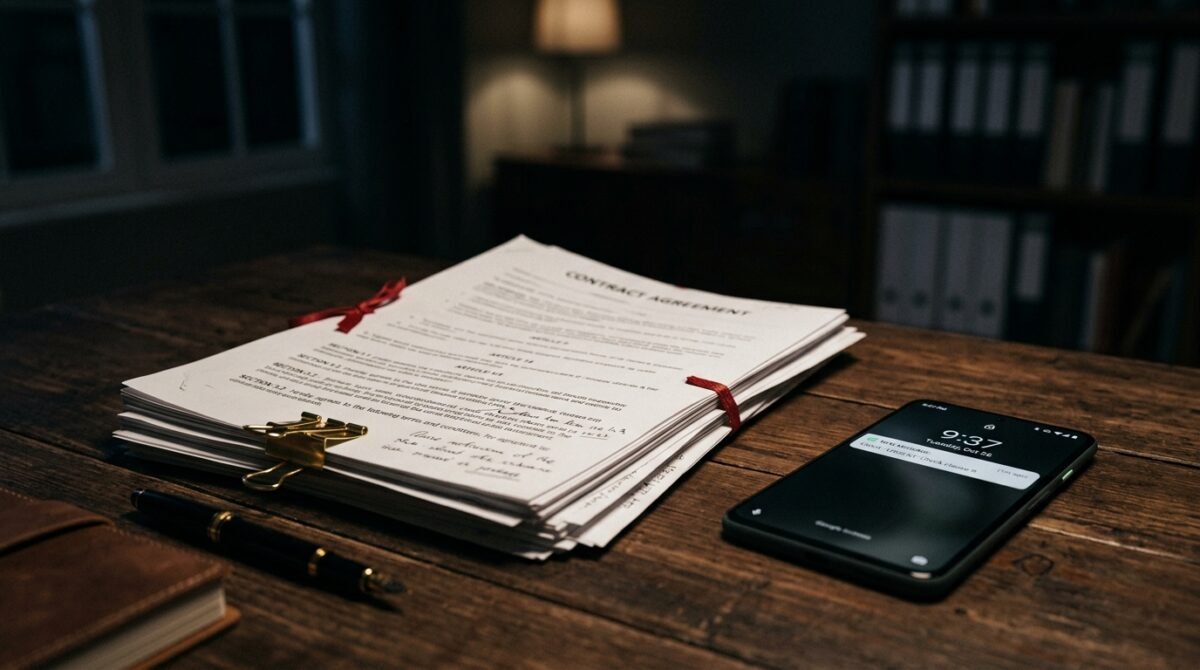
Two weeks after the dinner, the legal threats started. Chloe had hired a lawyer, or at least someone who called themselves one. They sent a letter claiming I was embezzling estate funds and that the jacket had ‘negligible value.’ They tried to claim it was an ‘artistic contribution’ that added value to the collection. It was laughable, but it was also incredibly stressful.
I had to spend hours meeting with my own lawyer, pulling together receipts, appraisal documents, and even photos of the jacket from years ago to show its original condition. The legal fees were eating into the estate, which meant everyone was getting less. I felt like I was burning the house down to keep the rats out, but there was no other option.
Chloe, meanwhile, was spiraling. She started messaging me at all hours of the night. Sometimes she was begging, saying she was broke and needed the money. Other times, she was threatening, saying she would ruin my reputation in the community. She had turned the situation into a full-blown war, and she was losing on every front.
“Please, OP. I’m drowning. I didn’t think you’d actually do it. I’ll pay you back for the jacket if you just give me my share of the jewelry. I have debts, you know that. Don’t do this to me.”
— Text Message from Chloe
I didn’t reply to the pleas for money. I knew if I gave in, it would be the same cycle all over again. I just sent a single text back: ‘The legal process is ongoing. All communication must go through my attorney.’ It was cold, but it was the only way to protect myself.
It was heartbreaking in a way. I remembered being kids, playing in the backyard with our grandfather. I remembered how he would let us sit in his lap while he told stories about the war. How did we end up here? How did the sibling bond turn into this transactional nightmare?
The Day I Finally Blocked Her

The final straw was when she showed up at my workplace. I was in a meeting, and the receptionist called to say my sister was in the lobby, screaming about ‘stolen property’ and ‘family betrayal.’ I had to call security. It was the most embarrassing moment of my professional life.
When I finally got down to the lobby, she was being escorted out. She looked wild-eyed, her hair disheveled. She screamed that I was a ‘cold-hearted witch’ and that she would never forgive me. I just watched her go. I felt nothing but a profound sense of relief. It was over. The charade of the ‘close-knit family’ was gone, and I was finally free from the obligation of pretending she was someone she wasn’t.
I went home and blocked her number. I blocked her on all social media. I even set up a filter in my email to send anything from her directly to a folder I wouldn’t check unless I absolutely had to. I didn’t want to hear her voice anymore. I didn’t want to hear her excuses. I wanted my life back.
“You are dead to me. Keep the money. I hope it’s worth the price of your family.”
— Last message from Chloe, sent before I blocked her.
I sat on my porch and watched the sunset. I thought about the jacket again. It was gone, yes. But the values it represented—the integrity, the service, the memory of our grandfather—couldn’t be destroyed by a pair of scissors. By cutting her off, I was protecting those values. I was protecting myself.
I realized then that ‘family’ is not a blood mandate. It is a choice. And for the first time in my life, I was choosing to prioritize my own sanity over the toxic expectations of a sister who had never learned the meaning of respect.
Reflecting on the True Cost of the Heirloom
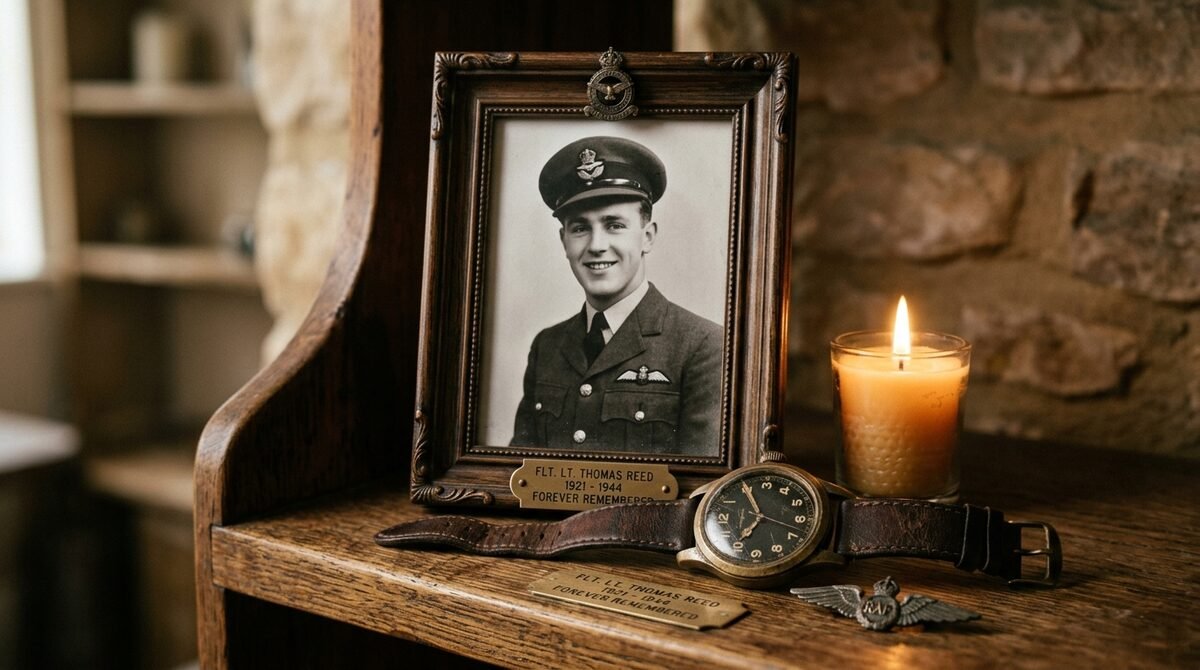
Looking back, the jacket was the catalyst, but the explosion was inevitable. It was years of small boundary violations—the borrowed clothes never returned, the ‘lost’ jewelry, the casual disregard for my time and my life—that led to this. The jacket was simply the one thing I couldn’t ignore.
Some people say I should have been the bigger person. They say I should have just let it go because ‘she’s family.’ But what does that even mean? Does being family give you the right to destroy the things that matter most to me? Does it mean I have to be a doormat? I don’t think so.
I have spent a lot of time reflecting on what it means to be a guardian of someone else’s legacy. It’s a heavy weight, but it’s also a privilege. Arthur didn’t keep those things for us to destroy. He kept them because they were part of who he was. I feel like I’ve honored him more by standing up for what was his than if I had just let Chloe sweep it all under the rug.
“The thing about legacies is that they are not just physical objects. They are the stories we tell and the principles we uphold. By allowing the destruction of his memory to go unpunished, I would have been betraying the man he was.”
— OP, personal journal entry
The money I saved by adjusting the estate won’t fix the jacket. It won’t bring back the original piece of history. But it will go toward creating a scholarship in our grandfather’s name—a way to turn a negative into something that might actually help someone else. That feels like a better legacy than a crop top.
I’m still healing. There are days when I miss having a sister, but then I remember that the sister I’m missing is a version of her that doesn’t really exist anymore—or maybe she never did. I’ve accepted that this is the price of my peace.
Navigating the New Family Dynamic

The rest of the family has been forced to take sides, whether they wanted to or not. It’s been messy. Some of my aunts are furious, calling me ‘divisive.’ Others have quietly reached out to say they understand. It’s strange how an inheritance can reveal the true colors of people you’ve known your entire life.
I’ve started hosting small gatherings, specifically inviting only those who have been supportive. It’s smaller, quieter, and infinitely more peaceful. I don’t feel the need to perform or to keep the peace at the expense of my own feelings. It’s a liberation I didn’t know I needed.
I still see Chloe occasionally in passing, or I hear about her through the grapevine. She’s still the same, though she seems to be struggling more than before. It’s not satisfaction I feel when I hear she’s struggling; it’s more of a sad acknowledgment. I wish she had chosen a different path, but I can’t walk it for her.
“You’ve set a boundary that most people are terrified to set. It’s not just about the jacket; it’s about the fact that you finally realized your worth isn’t tied to being the ‘reasonable’ sister in a dysfunctional dynamic.”
— A cousin’s text message, sent months later
I’ve learned that boundaries are not just for other people; they are for yourself. They are the map you use to navigate your life, and if you don’t enforce them, you end up lost. I’m no longer lost. I’m exactly where I need to be.
I don’t regret my decision. Even if I had to do it all over again, I would. The cost was high, and the pain was real, but the result is a life that is truly mine—not one dictated by the selfish whims of someone who never learned to respect the past.
Lessons Learned in the Wake of Destruction

So, what have I learned? First, that sentimental objects are often the biggest stressors in an inheritance. If there’s something you truly value, get it appraised, get it documented, and get it out of the reach of people who don’t understand its value. Don’t assume that family will respect your boundaries.
Second, don’t be afraid to use the legal tools at your disposal. If you are the executor, you have a job to do. That job includes protecting the estate from mismanagement, even if the person mismanaging it is a family member. It’s not ‘petty’ to be professional. It’s necessary.
Third, trust your gut. If someone is consistently showing you who they are, believe them. Don’t wait for them to destroy your most prized possession before you decide to cut them off. I could have saved myself a lot of heartache if I had seen the signs years ago.
“The most important thing I’ve learned is that it’s okay to walk away from people who don’t value what you cherish. You don’t owe them your history, and you definitely don’t owe them your future.”
— Final reflection from OP
I’m planning to keep the remaining pieces of the estate safe and to continue honoring our grandfather’s memory in ways that feel right to me. I’m not looking for closure from Chloe anymore. I’ve found it within myself.
The jacket is gone, but the story is not. It’s a story about strength, about standing up for what matters, and about the courage to say ‘no’ when everyone else expects you to say ‘yes.’ And that, I think, is a legacy worth keeping.
Conclusion
The dust has finally settled. The inheritance has been finalized, the legal threats have evaporated, and I have moved on. The silence in my life is not a lonely one; it’s a peaceful one. I’ve come to realize that the most important thing we inherit is not the physical property of our ancestors, but the integrity to protect what matters.
Chloe is still out there, and I’m sure she’s still looking for her next ‘upcycle,’ but she isn’t doing it with our family’s history anymore. That, for me, is the true victory. The moral of this story isn’t just about a jacket; it’s about the fact that we are all responsible for the boundaries we set and the legacies we protect.
What about you? Have you ever had to draw a hard line with family over a sentimental heirloom, or has a sibling or relative ever crossed a boundary that changed your relationship forever? Does ‘family’ grant an automatic pass for destructive behavior, or is there a point where the damage becomes irreparable? Join the discussion below and let me know your thoughts.
What's your verdict on this dilemma?
Vote below to contribute to the official community consensus.

Have a Dilemma Keeping You Up at Night?
Share your real-life feud, wedding chaos, or relationship crossroads anonymously with our editorial team.
What do you think ?
0 Comments🛡️ Comments are moderated to protect community integrity. Your comment will appear once approved by the editorial team.