
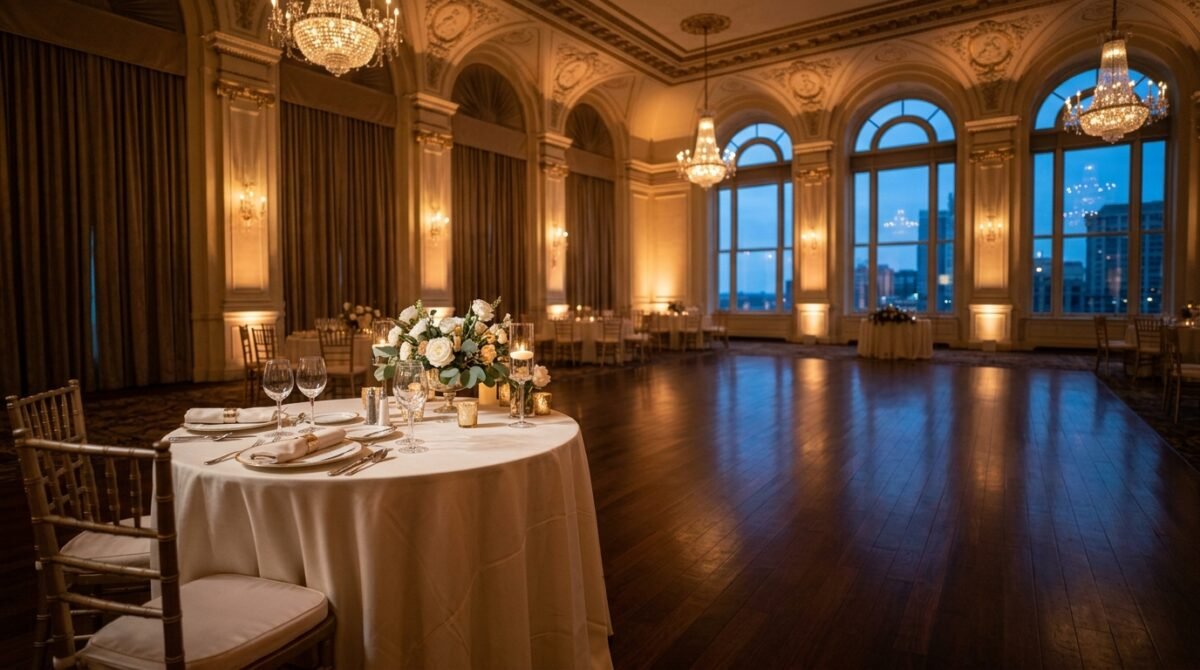
Ten years of marriage is a milestone that deserves nothing less than perfection. My husband, Mark, and I spent eighteen months meticulously planning our vow renewal. We secured ‘The Gilded Arbor,’ a historic estate known for its exclusivity and strict non-transferability policy. We paid in full—a significant sum that represented years of careful saving—knowing exactly what we wanted: intimacy, elegance, and peace.
Then there is my sister, Chloe. We have been estranged for three years, primarily due to her penchant for treating other people’s milestones as personal platforms for her own ego. When she discovered through a mutual contact that I had booked the estate for my anniversary, the entitlement didn’t just simmer—it boiled over. She decided that my decade of commitment was less important than her impending thirtieth birthday.
What followed was a masterclass in manipulation. Chloe didn’t just ask for the date; she expected me to hand it over as a ‘gift’ to bridge the gap between our broken relationship. She assumed that because I am the ‘stable’ sibling, I would naturally fold under the pressure of her performative crisis. She hadn’t accounted for the fact that after years of silence, I had stopped caring about the optics of being the ‘bigger person.’
The situation escalated quickly from an awkward family request to a full-blown confrontation involving extended relatives, leaked group chats, and a financial decision that effectively burned the bridge she was trying to walk across. This isn’t just a story about a venue; it is about the moment I realized that no amount of family loyalty is worth sacrificing your own hard-earned joy for someone who views your life as a resource to be exploited.
As the walls closed in and the pressure mounted, I made a choice. I didn’t cancel. I didn’t defer. I upgraded. I turned the deposit into a statement of autonomy, ensuring that the space would never be hers, regardless of the fallout. This is the chronicle of the most satisfying ‘no’ I have ever delivered, and the subsequent fallout that proved exactly why we remain estranged.
The Unsolicited Morning Delivery
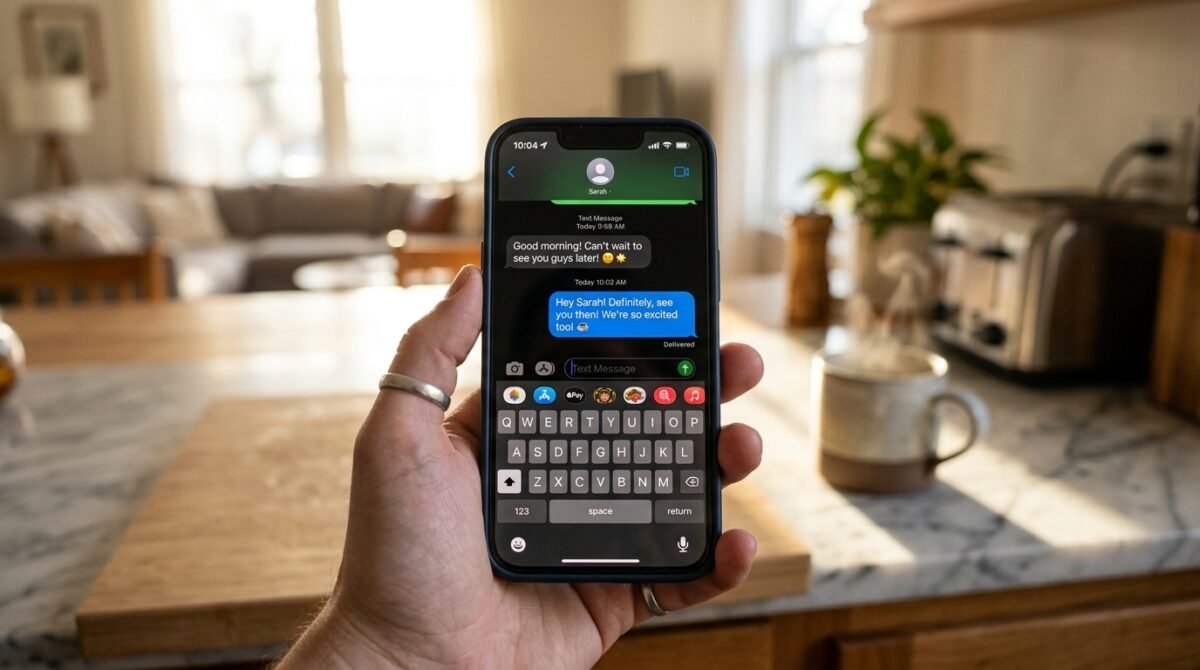
It began on a Tuesday morning with a notification that made my blood run cold. My phone buzzed at 6:45 AM, and there it was: a message from a number I had blocked months ago, coming through on a secondary app Chloe had clearly downloaded just to bypass my digital defenses. It wasn’t a birthday wish or a peace offering; it was a demand written as if it were a favor she was bestowing upon me.
The message was long, flowery, and utterly delusional. She described her thirtieth birthday as a ‘pivotal cultural moment’ and suggested that my anniversary renewal was ‘a bit played out’ compared to the gala she had envisioned. She went on to explain that since she had already told our mother she was hosting her party at The Gilded Arbor, I should simply call the venue and ‘transfer the paperwork’ to her name.
“Hey sis, I know we haven’t talked, but I need you to do the right thing. I’ve already told Mom and the girls I’m hosting my 30th at The Gilded Arbor. It’s perfect for my vision. Just call them today and sign over the deposit. I’ll make sure to mention you in my speech so everyone knows you’re supportive!”
— Text Message from Chloe
I stared at the screen, my heart hammering against my ribs. The sheer audacity was breathtaking. She didn’t offer to pay me back. She didn’t apologize for the three years of silence. She simply assumed that my life, my money, and my celebration were hers to commandeer because she had already spoken them into existence. My husband, Mark, walked into the kitchen, saw my face, and immediately knew something was wrong.
I handed him the phone without a word. He read it twice, his expression shifting from confusion to cold, hard anger. He didn’t ask if I was going to respond. He knew me well enough to know that the boundary was already being drawn. This was not a request; it was an attempt to exert control over a life I had worked very hard to build away from her influence.
We didn’t respond immediately. We sat at the kitchen island, the coffee going cold, and dissected the audacity. It was then that I realized this wasn’t just about a birthday. It was about Chloe testing the waters to see if she could still manipulate me into playing a secondary role in her life. The silence in the house was heavy, punctuated only by the distant sound of the morning traffic outside, which felt like the rest of the world moving on while we were being dragged back into the past.
The Inevitable Group Chat Leak
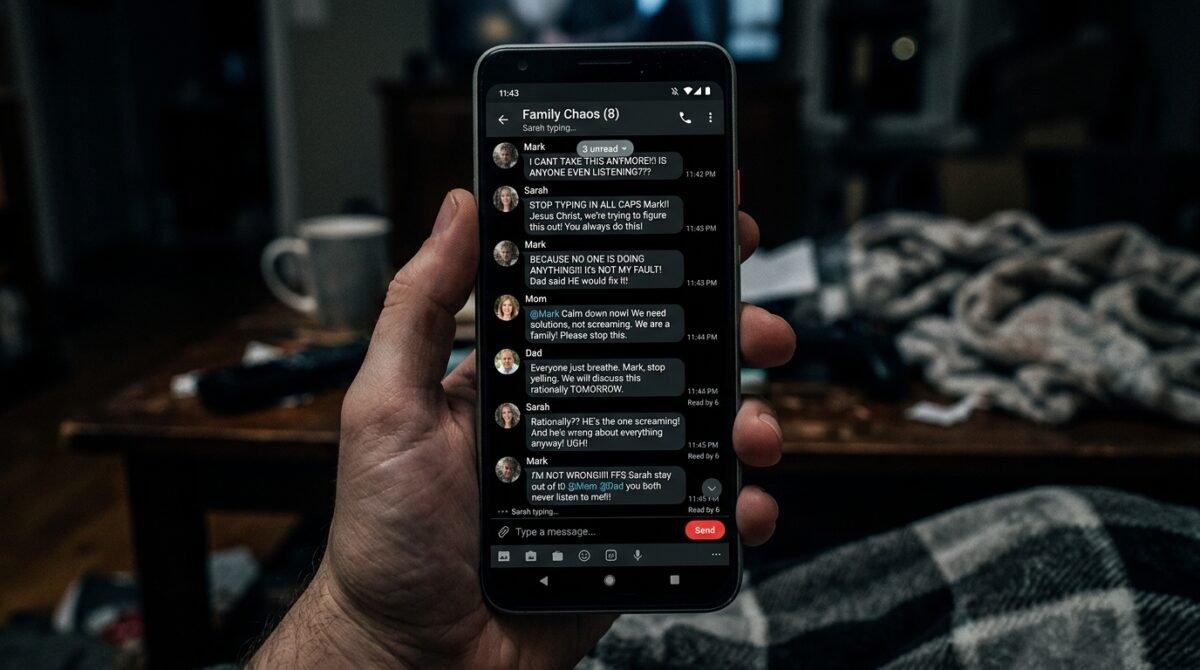
The situation turned ugly when my cousin, Sarah, sent me a screenshot from a family group chat I wasn’t part of. It turns out, Chloe hadn’t just messaged me; she had been campaigning to our entire extended family, positioning herself as the victim and me as the ‘selfish’ sibling who was wasting a beautiful venue on a boring, decade-old marriage.
The group chat was a cesspool of enabling behavior. My aunt, who has always favored Chloe, was leading the charge, suggesting that ‘family matters more than dates.’ They were discussing how to ‘pressure’ me into compliance, even suggesting that I didn’t actually need a venue for a vow renewal when I could just have a nice backyard barbecue instead. The entitlement was being validated by the very people who should have been holding her accountable.
“She is being so stubborn. It’s just a venue, and Chloe is turning thirty! She’s acting like her anniversary is more important than family harmony. If she doesn’t give it up, we should all just show up at her place and make her feel guilty.”
— Aunt Linda via Family Group Chat
Seeing my name dragged through the mud for the crime of wanting to honor my marriage was the turning point. I realized that my silence over the last three years had been perceived as weakness. They didn’t think I had the spine to defend my boundaries because I hadn’t had to in a long time. They were wrong.
I spent the afternoon drafting responses, but I deleted every single one of them. Arguments with people like Chloe are never about facts; they are about her need to win. If I engaged, I was playing her game. If I ignored her, I was being ‘difficult.’ I needed to do something that removed the possibility of negotiation entirely, something that made the venue unavailable, not just to me, but to her.
I looked at the contract again. The clause was very specific: the deposit was non-refundable, but it could be upgraded for ‘enhanced amenities.’ I called the venue manager, a woman I had built a good rapport with over the last year, and asked a very specific question about their ‘Luxury Platinum Package.’ It was expensive, but it was exactly what I needed to ensure the venue was locked down for my specific usage.
The Strategic Upgrade
When I told Mark what I was planning, he didn’t hesitate. He pulled up our savings account and checked the numbers. We had been saving for a house addition, but he told me that the peace of mind—and the sheer satisfaction of denying Chloe her stage—was worth every penny. We weren’t just paying for flowers and champagne; we were paying for a barrier.
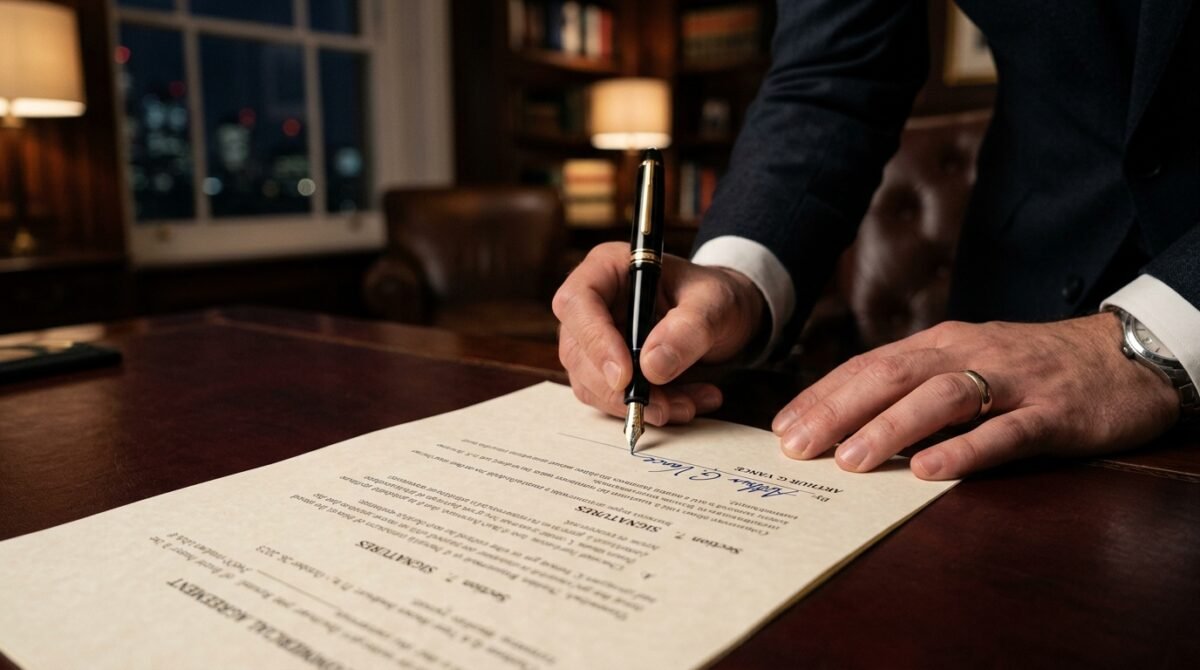
I called The Gilded Arbor and spoke with the manager, Elena. I explained the situation, not the drama, but the logistical reality: I wanted to secure the date so firmly that no changes could possibly be made. She understood perfectly. It turns out, she had dealt with ‘entitled planners’ before and was more than happy to facilitate my upgrade to the Luxury Platinum Package.
The package included an override clause: any changes to the booking after this upgrade would require a notarized signature from both the primary contract holder and the venue director, and the forfeit would be tripled if the date was canceled by the client. It was an ironclad lock. I signed the documents electronically within the hour, my hand shaking slightly from the adrenaline of the decision.
“The date is yours, and with the Platinum upgrade, the booking is now locked in our system with secondary verification required for any modifications. No one will be able to touch this reservation without your explicit, verified consent in person. You are completely protected.”
— Elena, Venue Manager
The feeling of relief was instantaneous. Chloe could threaten, she could cry, and she could rally the entire family against me, but she could not have the venue. The door was closed, locked, and bolted. I felt a strange sense of power, a reclamation of my own life that I hadn’t realized I was missing until that very moment.
I didn’t tell anyone. Not my mom, not my aunt, and certainly not Chloe. I let them continue to believe that the date was ‘up for grabs’ or that they could negotiate it out of me. Let them waste their time planning a party for a venue that was permanently reserved. Let them experience the slow realization that the world does not revolve around their whims.
That night, Mark and I ordered takeout and celebrated. We weren’t celebrating the anniversary yet; we were celebrating the fact that we had successfully navigated a toxic attempt at manipulation without losing our cool. It was the most intimate moment we’d had in a long time, grounded in the knowledge that we were a team, and that our boundaries were non-negotiable.
The Inevitable Face-to-Face

Three days later, Chloe showed up at our house. I wasn’t expecting her, but I saw her car pull into the driveway from the kitchen window. She looked furious, her hair pulled back tightly, dressed in an outfit that looked like it was chosen for a confrontation. She marched up to the front door and hammered on it like she was the police.
I opened the door and stood there, saying nothing. She immediately started in, her voice rising in volume. She didn’t bother with ‘hello.’ She started talking about the venue and how I was ‘ruining’ her birthday, how I was being a spiteful, jealous sister who couldn’t stand to see her shine. She was projecting every insecurity she had onto me.
“You have no right to do this! Do you have any idea how many people I’ve already invited? I’ve already put down deposits for the caterer and the band! You’re being a cruel, petty person, and everyone in the family thinks you’re being ridiculous. Just give me the date, or I swear, I’ll never speak to you again.”
— Chloe, standing on the front porch
I listened to her scream for a solid two minutes. It was almost fascinating to watch someone so completely convinced of their own righteousness. When she finally took a breath, I didn’t shout back. I didn’t defend myself. I just looked at her with a calm detachment that seemed to infuriate her even more.
I told her quietly, ‘Chloe, the venue is booked. It is paid for. It is mine. And no, you cannot have it. There is nothing to negotiate because the contract is already finalized.’ I didn’t mention the upgrade. I didn’t tell her about the ironclad lock. I didn’t want to give her anything to fight against; I wanted her to realize that she was simply hitting a brick wall.
She started crying—the fake, performative kind of crying that she had used since we were children. She grabbed my arm, trying to pull me toward the driveway as if she could physically drag me to a phone to change the reservation. I stepped back, firmly closing the door just enough to put it between us, though not locking it yet. I told her that if she didn’t leave, I would call the police. That was the first time she looked truly shocked.
The Family Intervention Strategy

The next morning, the phone calls started. It wasn’t just my aunt; it was my mother. I had avoided talking to my mom about the situation, but now she was calling to ‘mediate.’ She insisted that I was being ‘too harsh’ and that I should just find another venue, as if finding a premium estate was as easy as swapping a reservation at a casual diner.
I explained to my mother that this was about boundaries. I explained how Chloe had treated me, how she had leaked the information to the family, and how she had arrived at my house to demand my assets. My mother, bless her heart, tried to minimize it all. ‘That’s just Chloe,’ she said. ‘She’s always been dramatic. Can’t you just let her have this one thing for her peace of mind?’
I felt a deep sense of betrayal. It wasn’t about Chloe’s peace of mind; it was about the fact that my mother was willing to sacrifice my peace of mind to keep Chloe quiet. I realized then that my upbringing had been a series of these moments, where I was expected to yield so that the ‘difficult’ child could be placated. I told my mother clearly that I would not be discussing the venue again, and if she kept pushing, I would have to take a break from our calls.
“You’re telling me that because Chloe is difficult, I have to be the one to suffer? That’s not a request for a venue, Mom, that’s a request for me to abandon my own life events. I am not doing it. The venue is mine, and that is the end of the conversation.”
— My response to my mother
The call ended with a stunned silence. I don’t think my mother had ever heard me say ‘no’ so firmly before. I spent the rest of the day in a state of high alert, waiting for the next attack. It was exhausting, but it was also clarifying. I was finally, for the first time, not just surviving the family dynamic but actively rejecting it.
I decided to document everything. Every text, every call, every attempt to pressure me. I didn’t know if I would ever use it, but having a record made me feel more in control. It turned the chaos into a structured list of grievances, which somehow made the emotional burden feel a little lighter, as if I were putting the weight of the situation into a file folder rather than carrying it on my shoulders.
The Venue Manager’s Warning

By the end of the week, I received a call from Elena at The Gilded Arbor. She informed me that they had received a very strange inquiry from a ‘family representative’—my aunt—trying to see if there was any way to ‘overrule’ the current booking. Elena was polite, but her tone was firm. She told me that she had informed my aunt that the contract was strictly confidential and that no information would be shared with third parties.
I was appalled. The fact that they had gone behind my back to try and force the venue to reveal contract details was beyond the pale. It wasn’t just entitlement anymore; it was an active attempt to circumvent my authority. I thanked Elena for her professionalism and made a note to send her a gift after our anniversary—she was the only person who had treated me with any respect throughout this whole ordeal.
This development pushed me to go even further. I contacted my lawyer, a friend from college, just to make sure I had my bases covered. He told me that since I was the sole signatory on the contract, there was absolutely nothing they could do legally. He suggested sending a cease and desist if they continued to harass me, which gave me a sense of security I hadn’t had before. I was playing by the rules; they were playing by the ‘family’ rules, which were rapidly becoming obsolete.
“They are testing to see if they can bully you into giving up. If you give in even an inch, they will never stop. You have to keep this line, even if it feels uncomfortable. They are in the wrong, and the contract is your shield.”
— My lawyer, over a brief consultation
I started to see the situation not as a family dispute, but as a test of my own character. If I folded now, what would be next? Would I have to give up my house for my sister? Would I have to give up my career achievements because they inconvenienced someone else? The realization that this wasn’t about a venue—it was about my autonomy—was the most empowering thought I’d had in years.
I went to bed that night feeling a strange mix of sadness and resolve. It was sad that my family couldn’t just be happy for me, that they couldn’t just say, ‘That’s nice, congratulations on ten years.’ But the resolve was stronger. I was doing this for myself, for Mark, and for the life we had built together, which was worth far more than the approval of people who didn’t respect me.
The Public Social Media Tirade

Chloe eventually took her grievances to social media. She didn’t name me directly at first, but the context was clear enough for anyone who knew our family. She posted a long, tearful video about ‘toxic family members’ who ‘hoard’ experiences and ‘refuse to share the joy.’ She played the victim card to perfection, complete with dramatic lighting and curated sadness.
The comments section was exactly what you’d expect: an echo chamber of people telling her how wonderful she was and how ‘heartless’ her sister must be. It was infuriating to see my reputation being dismantled by a lie, but I didn’t engage. I didn’t comment, I didn’t post a rebuttal, and I didn’t even acknowledge that I saw it. I knew that the truth would eventually come out, or at least, that my silence would make her look more unstable over time.
However, the harassment increased. I started getting random messages from ‘concerned’ strangers telling me to ‘be a better sister.’ It was a surreal experience. I had people I didn’t even know weighing in on a situation they understood nothing about, all because they were fed a one-sided, dramatic narrative. It was the downside of social media, the way it could turn a private family issue into a public spectacle.
“It’s truly heartbreaking when those who are supposed to be your closest allies turn against you because they are too selfish to let you have one special day. Some people just thrive on making others miserable. #FamilyBetrayal #StayStrong”
— Chloe’s public Facebook post
I took a break from social media entirely. I deleted the apps and focused on my real life. It was amazing how much quieter my head became when I wasn’t constantly checking to see what new lie had been told about me. I focused on planning the actual anniversary, picking out the flowers, the menu, and the music, reclaiming the joy that had been momentarily tainted by the conflict.
When I look back on that time, I realize that the social media tirade was actually a blessing. It showed me exactly who was in my corner and who was just there for the drama. The people who mattered—my true friends, my husband—didn’t care what she posted. They knew the truth, and that was all that mattered. The rest was just noise, and I was getting very good at tuning it out.
The Final Stand at the Family Dinner
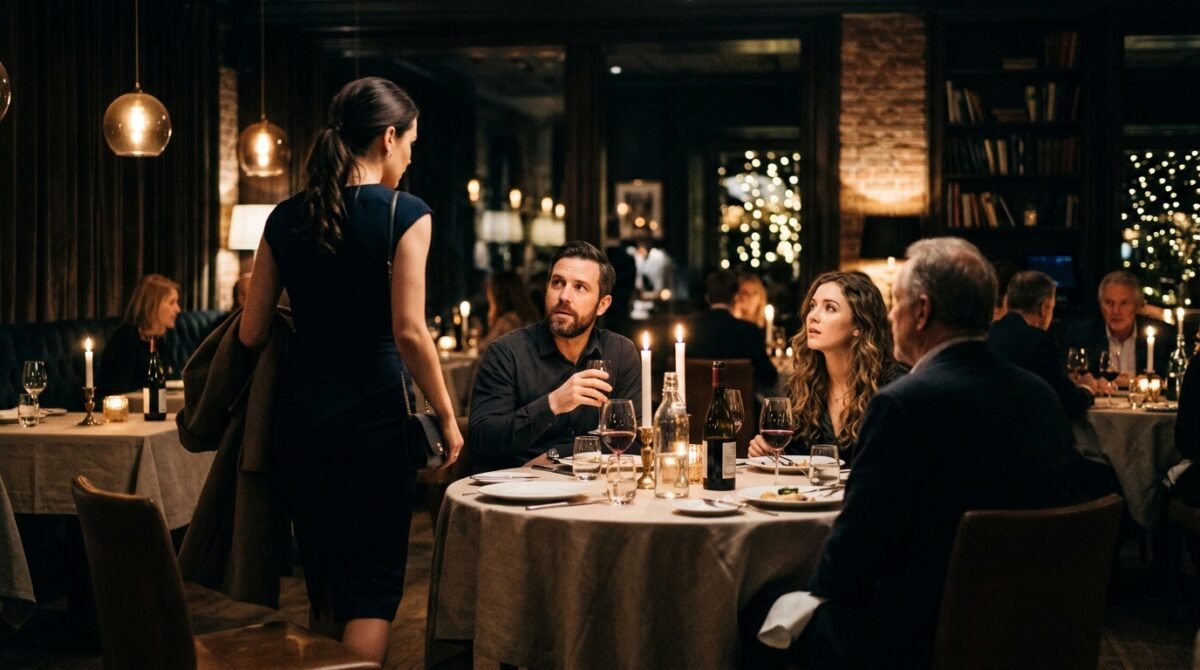
My parents insisted on a ‘reconciliation dinner’ two weeks before the anniversary. I almost said no, but Mark convinced me that it might be the final chance to set the record straight in person. We went, dressed for dinner but ready for a fight. Chloe was there, of course, looking smug, as if she had already won the venue war in her head.
The tension at the table was palpable. We ordered appetizers in silence, the only sound being the clinking of silverware against china. Then, my father brought it up. He asked if we had ‘made any progress’ on the venue situation. I looked at him, then at Chloe, and then at my mother. I decided I was finished with the games.
I told them, in no uncertain terms, that the venue was not available, that it would never be available, and that the constant attempts to manipulate me were the reason I had been distant for three years. I told them that I was not a resource to be used, but a person with my own life and my own milestones. Chloe started to interrupt, but I held up my hand and told her to be silent.
“This ends tonight. The venue is non-negotiable. If you want to celebrate your birthday, do it somewhere else. If you want to have a relationship with me, you will stop trying to control my life and start respecting my boundaries. If you can’t do that, then this dinner is the last time we will be speaking for a very long time.”
— My statement at the family dinner
The table went silent. My mother looked horrified, my father looked impressed, and Chloe looked like she wanted to explode. She stood up, grabbed her purse, and stormed out of the restaurant, leaving the rest of us sitting there. It was the most satisfying moment of the entire ordeal. I didn’t chase her. I didn’t apologize. I finished my meal.
We didn’t talk for the rest of the night. My parents tried to make small talk, but the energy was gone. I realized as we left that I didn’t feel guilty. I felt free. I had stood up for myself in the most direct way possible, and the sky hadn’t fallen. I had set a boundary, and I was prepared to enforce it, regardless of the consequences.
The Reddit Verdict

When I finally posted the story to a popular subreddit, I was terrified of the judgment. I had been living in such a bubble of family criticism that I truly wasn’t sure if I was the villain or if I was in the right. The response was overwhelming. Within hours, the post had thousands of upvotes and hundreds of comments, almost all of them validating my decision to hold my ground.
People were shocked by the audacity of my sister. They pointed out that her ‘birthday milestone’ was entirely manufactured and that my anniversary was a significant, earned milestone. The consensus was clear: I was not the bad guy. I was a person who had finally decided that enough was enough, and the internet was here for it.
“OP, you are a saint for keeping your cool for this long. Your sister sounds like the textbook definition of an entitled narcissist. She thinks her life is a movie and you’re just a supporting character. Good for you for buying that upgrade. It’s the ultimate ‘f*** you’ in the most polite, contractual way possible.”
— u/ReasonableObserver, 15.2k upvotes
“I love that you didn’t tell her about the upgrade. Watching someone hit a wall they can’t see is the best way to handle these people. You didn’t just save your anniversary; you taught them that they can’t control you anymore. That is a priceless lesson.”
— u/BoundariesAreKey, 9.8k upvotes
Reading these comments, I felt a deep sense of validation. It wasn’t just my imagination—the way I had been treated was objectively wrong. The Reddit community, in all its chaotic glory, had provided a mirror that showed me the reality of the situation. I wasn’t being ‘difficult’; I was being assertive, and there was nothing wrong with that.
I kept reading, finding comfort in the stories of others who had struggled with similar family dynamics. It made me feel less alone. It reminded me that this wasn’t just my fight—it was a fight for personal sovereignty that so many people have to engage in when dealing with difficult relatives. I felt a surge of pride in the way I had handled it, knowing I would do it all over again if I had to.
The Aftermath: Peace, Finally

Our 10th anniversary came and went, and it was everything I had imagined. The Gilded Arbor was beautiful, the weather was perfect, and the absence of the toxic family members made the event feel so much more intimate and special. We were surrounded by the people who actually supported our marriage, who knew the real story, and who were just happy to be there with us.
Chloe ended up throwing her birthday party at a local banquet hall that looked, from the photos she posted, like a sad, dim replica of what she had wanted. I didn’t look at them for long, but I saw enough to know that she had moved on to her next obsession. She hasn’t reached out to me since the dinner, and I haven’t reached out to her. The silence is golden.
My relationship with my parents is still strained, but it is better. I think they finally understand that I am not the person I used to be. They don’t push as hard, and they don’t try to mediate as often. I have set a clear boundary, and they seem to respect it because they know I won’t hesitate to enforce it again. It’s a work in progress, but it’s a healthy one.
I have learned that boundaries are not about punishing others; they are about protecting your own peace. Every time I say ‘no’ to something that doesn’t serve me, I am saying ‘yes’ to myself. And that is the most important lesson I’ve ever learned. The venue was just the beginning—I feel like I have finally claimed my own life, and no one can ever take that away from me again.
If you are in a similar situation, please know that it is okay to put yourself first. You do not owe your life, your milestones, or your happiness to anyone, not even family. Stand your ground, protect your peace, and do not be afraid to be ‘the difficult one’ when it means defending your own joy. You will survive, you will thrive, and you will eventually find your own peace.
Conclusion
Looking back at the entire ordeal, I am struck by how much energy we waste trying to accommodate the unreasonable. The saga of the anniversary venue wasn’t just a logistical disagreement; it was a defining moment of my adult life. By refusing to fold, I didn’t just save a reservation—I saved my dignity and my future peace of mind. The lesson here isn’t about the venue itself; it’s about the inherent value of our own boundaries when faced with those who believe they have a claim to our happiness.
The fallout with my family was painful, certainly, but the clarity that came with it was worth it. I am no longer the person who waits for permission to celebrate, nor the person who allows others to dictate the terms of my life. The ‘Luxury Platinum Package’ was an investment in my own autonomy, and it paid dividends that far exceeded the monetary cost. I hope this serves as a reminder to anyone struggling with similar entitlement in their own family: you are not a supporting character in someone else’s life. You are the architect of your own.
What about you? Have you ever had to stand your ground against an entitled relative during a major life event? Did you find that your boundaries were respected, or did it cause a permanent rift? Let’s talk about it in the comments below—I would love to hear your experiences and how you navigated your own ‘no’ moments.
What's your verdict on this dilemma?
Vote below to contribute to the official community consensus.

Have a Dilemma Keeping You Up at Night?
Share your real-life feud, wedding chaos, or relationship crossroads anonymously with our editorial team.
What do you think ?
0 Comments🛡️ Comments are moderated to protect community integrity. Your comment will appear once approved by the editorial team.