
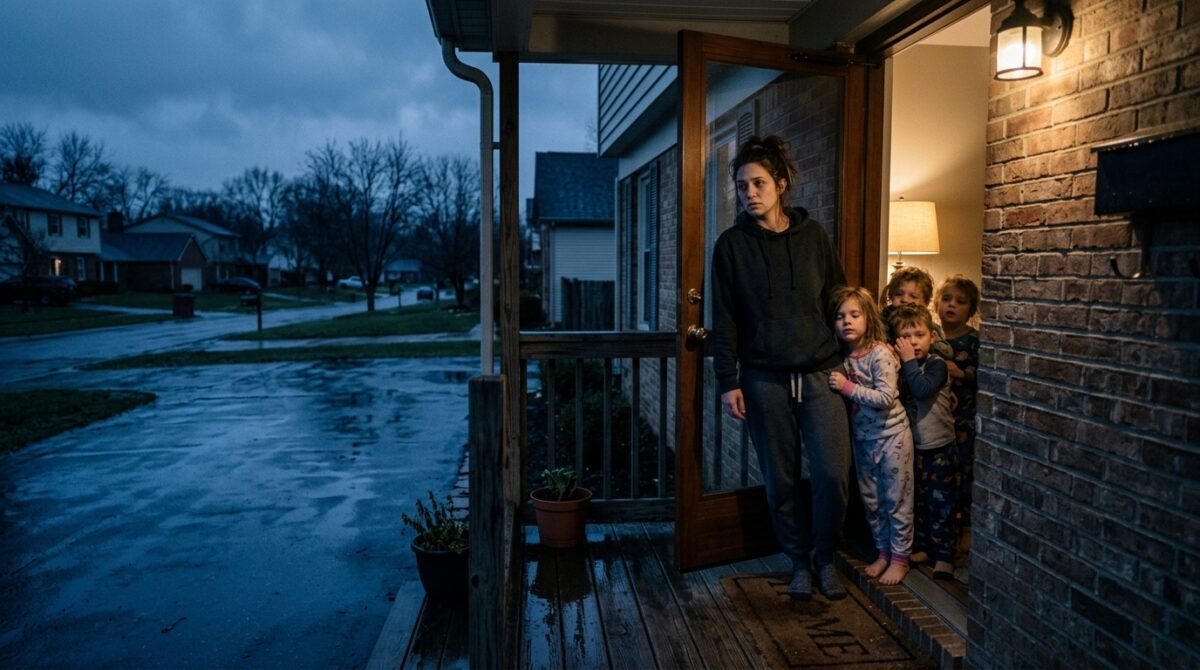
We have all heard the horror stories about family members who treat their siblings like free, on-call childcare services, but there is a line—a thin, moral, and legal line—that when crossed, changes everything. For years, I have been the ‘reliable’ sister. I am the one with the stable job, the quiet house, and the apparent assumption by my sister, Sarah, that my life exists solely to pick up the pieces of her chaotic existence. But silence is not consent, and patience eventually runs out.
It was a Tuesday morning when the world finally stopped spinning the way Sarah expected it to. The air was still thick with the humidity of early summer when the doorbell rang at 6:00 AM. It wasn’t a gentle knock; it was a frantic, insistent pounding that shook the frame of my front door. I pulled myself out of bed, heart hammering against my ribs, assuming it was an emergency. I didn’t expect to find my sister standing on my porch with four tired, crying children, a suitcase of mismatched clothes, and a look of pure, unadulterated entitlement.
She didn’t ask. She didn’t explain. She simply said, ‘I have a flight in two hours. I’ll be back in a week. Don’t call me unless it’s a disaster.’ With that, she turned on her heels, climbed into an Uber, and left me standing on my porch with my four nieces and nephews, none of whom had eaten, none of whom had a plan, and all of whom were looking to me as if I were a savior I never asked to be.
The moral dilemma that followed was not just about babysitting. It was about the safety of these children, the patterns of neglect that had been festering for years, and the horrifying realization that my sister no longer saw them as people, but as baggage to be checked at the door. I had to make a choice: be the silent enabler of her negligence, or pick up the phone and dial the number that would change my relationship with my family forever.
The Dawn Raid on My Sanity
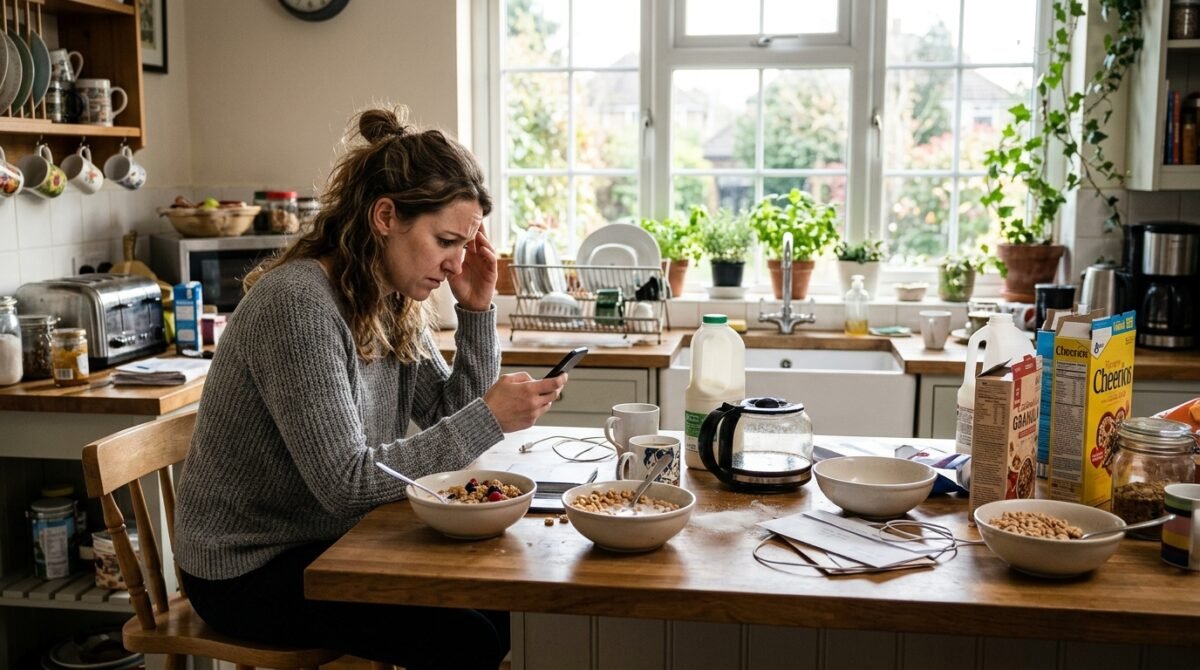
The sun hadn’t even fully cleared the horizon when the doorbell signaled the end of my peaceful life. I remember standing there in my bathrobe, eyes bleary, trying to process why Sarah was standing on my lawn with four children ranging from ages three to ten. The youngest, Leo, was clutching a plastic dinosaur and crying softly, his eyes puffy from a lack of sleep. My sister looked frantic, her makeup smeared, her phone buzzing incessantly in her hand.
I barely had time to ask what was happening before she began shoving backpacks into my hallway. She was speaking a mile a minute, words tumbling over each other in a frantic, rehearsed justification. She told me she had won a trip, that it was ‘non-refundable,’ and that she needed ‘a little bit of space’ to clear her head. It was the classic Sarah maneuver—presenting a crisis she created as an unavoidable natural disaster that I was obligated to navigate.
“I just can’t do it right now, okay? I’m drowning. You have the room, you have the patience, and honestly, they love you more than they listen to me anyway. It’s only a week. It’s not like I’m abandoning them.”
— Sarah, moments before leaving her four children on my porch
I tried to protest, my voice shaking with a mixture of shock and suppressed rage. I told her I had a massive project due at work that week, that I hadn’t prepared, that I didn’t even have enough food for four extra mouths. She didn’t listen. She simply hugged the kids with a perfunctory, distracted energy, kissed the top of their heads, and turned to the waiting car. She didn’t look back.
As the car pulled away, the silence of the street was replaced by the overwhelming reality of the situation. The four children stood in my entryway, looking at me with a mixture of confusion and fear. I realized then that this wasn’t just a favor; it was a total abdication of parental responsibility. Sarah hadn’t just asked me to watch them; she had literally walked away from them with no plan for their wellbeing, no instructions, and no contact information.
I ushered them inside, trying to maintain a facade of calm for their sake. I started making pancakes, but my mind was racing. I checked my phone, finding no missed calls from her, no itinerary, just a single text message she had sent after she was already in the car. It was the final straw in a lifetime of boundary-pushing, but this time, the stakes were far higher than just a borrowed dress or a missed lunch date.
The Inventory of Neglect
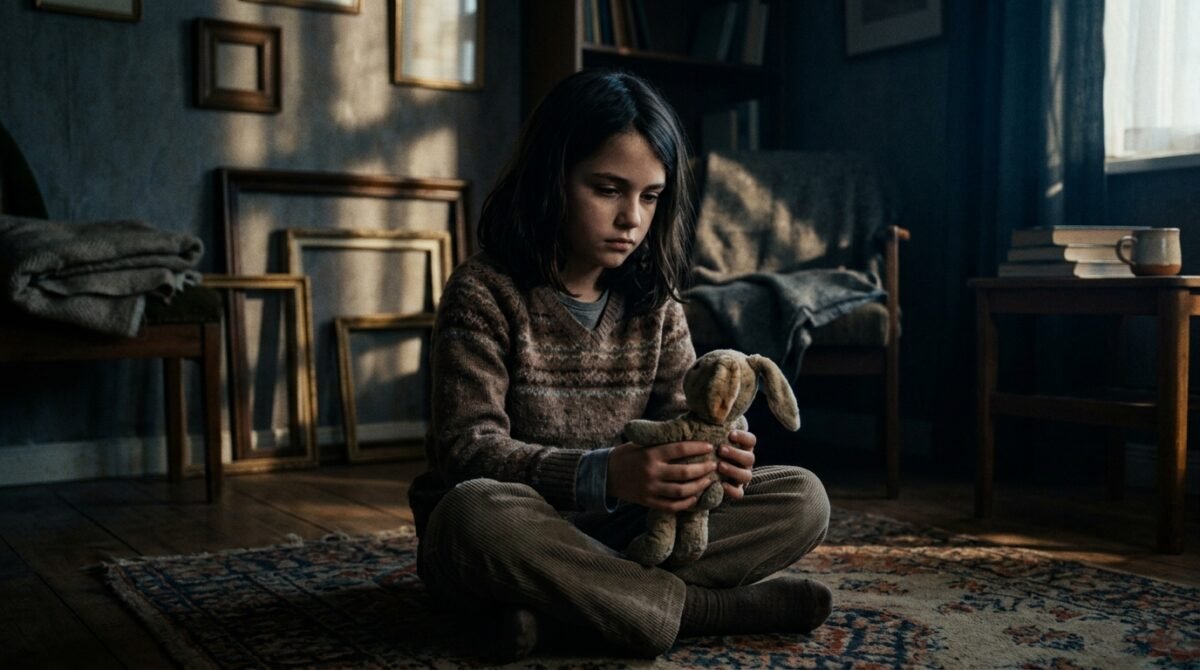
By noon, the house was a disaster. The kids were hungry, bored, and terrified, and I was deep in the investigative work of a parent-by-proxy. I started searching through the bags Sarah had left behind. There were no diapers for the youngest, no medication for the middle one who had chronic asthma, and a single, nearly empty bottle of formula. My stomach dropped. How could a mother pack for a ‘trip’ and forget the absolute essentials for her children?
I started calling her, my fingers trembling on the screen. It went straight to voicemail. I sent a text, then another, then a third. No response. I checked the children’s tablets and backpacks, hoping for a note, a doctor’s card, anything. Nothing. I felt a cold knot of dread form in my chest. If she was unreachable during a medical emergency, what would happen? The reality of the neglect hit me with the force of a physical blow.
“Mom left because she said the noise makes her brain feel like it’s breaking. She told us not to tell anyone, or she’d get in big trouble at her new job.”
— The eldest niece, age 10, explaining why they were left behind
That sentence changed everything. It wasn’t a one-off mistake or a ‘bad week.’ It was a pattern of gaslighting and neglect that the children had been coached to hide. The weight of that secret felt radioactive. I looked at the ten-year-old, whose eyes were wide with a maturity that no child should possess. She was the one who had been ‘parenting’ her siblings, managing the meals, and keeping their mother’s secrets. It was a tragedy of systemic failure.
I spent the afternoon calling our other relatives, but the response was predictable. My mother told me to ‘just be patient’ and that ‘Sarah is going through a hard time.’ Nobody wanted to acknowledge the reality of what was happening. They were all complicit in a culture of silence that allowed Sarah to keep failing upward while the children paid the price. I realized I was entirely alone in this.
I sat on the floor of my living room, watching them play quietly, their movements subdued and cautious, as if they were walking on eggshells in their own aunt’s house. I knew then that if I didn’t act, if I didn’t break the cycle, these children would grow up in a world where their needs were always an inconvenience. The decision to call the authorities wasn’t born out of malice; it was a desperate, final act of protection.
The Call That Broke the Silence
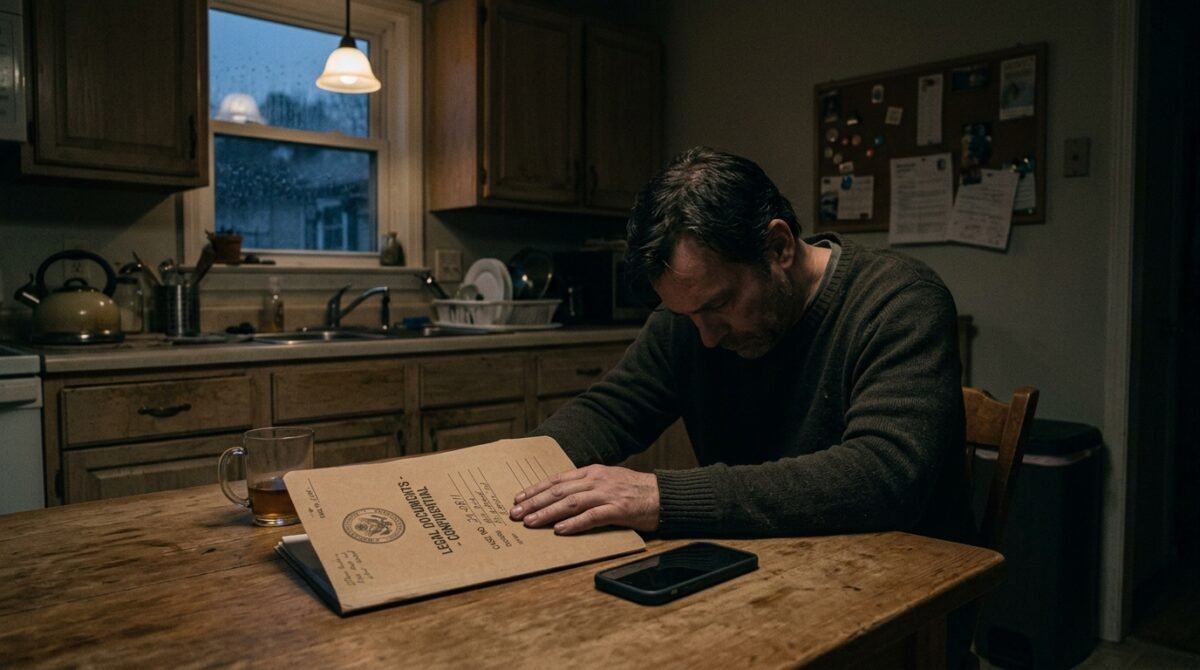
Dialing the number for the local child welfare agency was the hardest thing I have ever done. My hand hovered over the phone for twenty minutes. I kept thinking about the fallout, the inevitable family explosion, and the look of betrayal Sarah would give me if she ever found out. But then I looked at the youngest child, sleeping fitfully on the sofa, clutching a tattered blanket that smelled of neglect. I knew I couldn’t be a party to this anymore.
The person on the other end of the line was calm, professional, and terrifyingly efficient. They asked questions I didn’t want to answer, but I knew I had to. I documented the lack of supplies, the history of unannounced drop-offs, the lack of contact information, and the chilling admission from the ten-year-old about Sarah’s threats. Every detail I provided felt like a betrayal of my sister, but a defense of her children.
After the call, the house felt different. The air was charged with a heavy, impending sense of finality. I felt sick to my stomach, a cocktail of adrenaline and guilt. I wasn’t just a sister anymore; I was a whistleblower. I had effectively ended the status quo that had governed our family for years. I knew that once the authorities showed up, there would be no turning back to the way things were.
“I’m doing this because I love you, and I love them more. I can’t be the one who sits by and watches you lose them forever. This isn’t just about this week. It’s about every week.”
— The internal monologue I practiced before the agency arrived
The agency representative arrived within three hours. They were incredibly kind but firm. They spoke with the children in a private room while I sat in the kitchen, listening to the hum of the refrigerator. The reality of the legal process began to unfold—the interviews, the notes, the assessment of the living situation. It was cold, clinical, and absolutely necessary.
I waited for the verdict, feeling the clock tick down. When they finally came out, they didn’t take the kids away immediately, but they laid out a plan. The oversight was going to be intense. They needed to contact Sarah, they needed to assess her living situation, and they needed to ensure that the children were safe. I was legally designated as a temporary guardian, but the clock was ticking on Sarah’s return.
The Aftermath of the Intervention
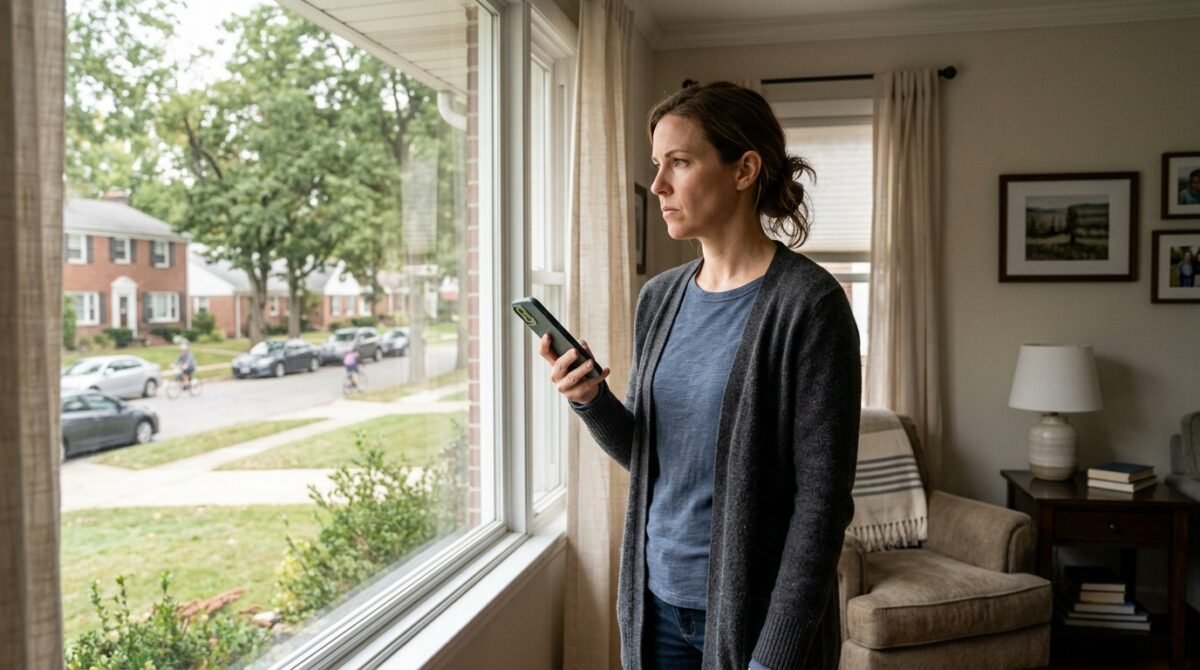
When Sarah finally called, three days into her trip, she was furious. She didn’t ask how the kids were doing; she didn’t apologize for being gone. She had received a notification from the agency and was calling to scream at me. The vitriol in her voice was staggering. She called me every name in the book, accusing me of being jealous, of wanting to ‘steal’ her life, of being a traitor who destroyed a family for ‘attention.’
I stood my ground, my voice steady despite the shaking in my legs. I told her that if she wanted to be a mother, she had to act like one. I told her about the lack of supplies, the secrets, and the terror the children felt when she left. She tried to laugh it off, calling me ‘dramatic’ and saying I was ‘ruining everything over a small misunderstanding.’ She simply couldn’t comprehend that her actions had real-world consequences.
“You have no idea what you’ve done. You’ve put them in the system. You’ve ruined their reputation, my reputation, and our family. You are dead to me.”
— Sarah, during a heated phone call after finding out about the CPS report
The call lasted for twenty minutes, and by the end, I knew that our relationship was effectively over. She wasn’t seeking help; she was seeking a way to avoid responsibility. She tried to threaten me, saying she would show up at my house and ‘take them back’ by force. I calmly informed her that the authorities were already involved and that any attempt to interfere would only make her situation worse.
The next few days were a blur of meetings and paperwork. I was in constant contact with the case worker, ensuring that the children were getting what they needed. The kids, for their part, seemed to breathe a sigh of relief. The constant, underlying tension they had been living with seemed to dissipate slightly now that there was structure and, more importantly, a lack of fear that they would be left alone again.
I saw glimpses of who they could be without the constant shadow of their mother’s instability. They started to play with more abandon, they laughed more freely, and they started to trust that I would be there when they woke up in the morning. It was a heartbreaking realization—that their baseline for ‘normal’ had been so low that my basic care felt like a miracle to them.
The Family Group Chat Explosion
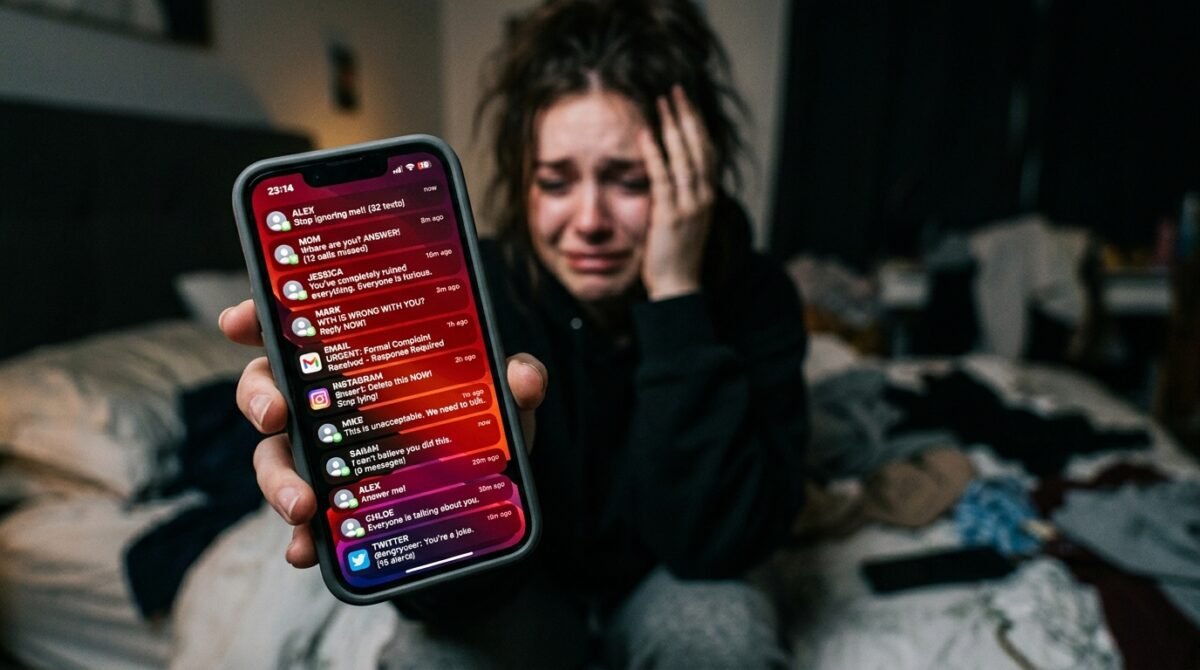
It didn’t take long for the rest of the family to weigh in. Sarah had gone to our parents, painting herself as the victim and me as the cold-hearted, vindictive sibling. The family group chat, which usually consisted of birthday wishes and holiday plans, turned into a war zone. My phone wouldn’t stop buzzing with messages from aunts, uncles, and cousins who didn’t know the full story but were eager to pick a side.
I decided to be transparent. I didn’t sugarcoat it. I laid out the facts: the early morning drop-off, the lack of supplies, the danger the children had been in, and the reality of the situation. I sent screenshots of the conversations I had with the kids and the timeline of events. The reaction was immediate and polarized. Half the family thought I was a hero; the other half thought I was a ‘traitor to the blood.’
“How could you call them on your own sister? We handle things in-house. You’ve brought outsiders into our private business, and you’ll never be forgiven for this.”
— A text from my Aunt, reacting to the news of the CPS involvement
I left the chat shortly after that message. I didn’t need the opinions of people who prioritized ‘keeping it in the family’ over the physical and emotional safety of four innocent children. It was a liberating feeling to cut those strings. The toxicity that I had been wading through for years was suddenly, and violently, severed. I knew it would be a long road, but I felt lighter than I had in a decade.
The criticism stung, of course. Being called a traitor by people you grew up with is a specific kind of pain. But it was nothing compared to the relief of knowing the kids were safe. I had to remind myself constantly that I wasn’t doing this for my reputation; I was doing it for their future. If being the ‘villain’ was the price for their safety, I would pay it every single time.
The family began to fracture. There were those who stood by me, acknowledging the years of Sarah’s erratic behavior, and those who continued to enable her. The divide was clear, and it was permanent. I realized then that family isn’t just about DNA; it’s about respect, safety, and accountability. And that, unfortunately, was something that my sister and a large portion of my family had never learned.
The Reality Check of the Legal System
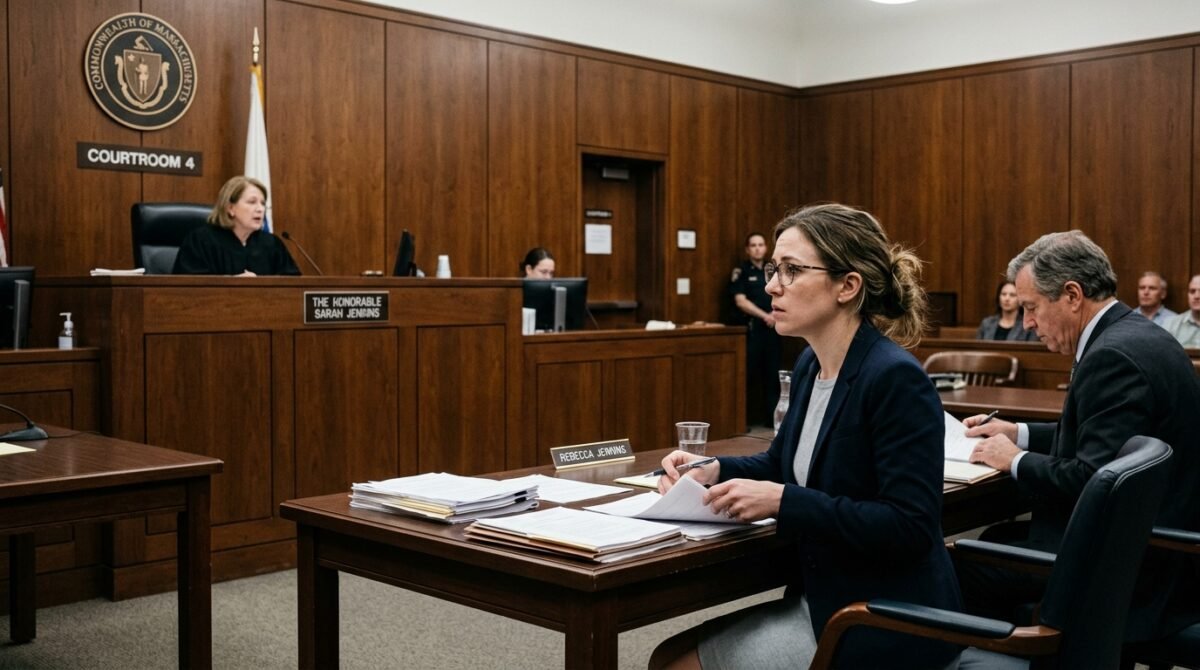
The legal process moved slowly, a grinding machine of bureaucracy that felt agonizingly disconnected from the children’s daily needs. Every meeting with the caseworker, every court appearance, felt like a battle to keep the focus on what was best for the kids. Sarah fought at every turn, hiring a lawyer and insisting that she was ‘a perfect mother’ who had simply had a ‘moment of weakness.’ It was infuriating to hear her twist the truth.
The evidence I had collected—the logs of her absences, the texts, the testimony of the children—became the centerpiece of the case. My lawyer (who I had to hire, further straining my finances) told me that Sarah’s case was weak, but the legal system is often designed to keep parents with their children, even when the parenting is subpar. The fear that they might be returned to a situation that was clearly untenable kept me awake at night.
I had to learn how to compartmentalize. During the day, I was the stable, nurturing aunt; at night, I was the legal strategist. I spent hours reading about family law, preparing testimonies, and documenting every interaction. It was a complete transformation of my life. I went from being a professional who enjoyed her quiet evenings to a parent-by-necessity who was fighting a legal war on four fronts.
“The goal is stability. We need to demonstrate that the current arrangement is not just a temporary fix, but a necessary intervention for the long-term health and safety of the children.”
— My lawyer, during a consultation regarding the custody hearing
The strain on the children was palpable. They were scared of the lawyers, scared of the judge, and scared of what would happen if they were sent back. I had to reassure them constantly that they were safe, that I was there for them, and that they wouldn’t have to go back to the way things were. It was a heavy burden, but watching them slowly begin to thrive in a stable environment made every struggle worth it.
The court proceedings were a nightmare of uncomfortable truths. Hearing my sister lie about her parenting in front of a judge, with her children sitting just a few feet away, was a surreal experience. She looked like a stranger to me—someone I had once known but who had been consumed by her own ego and inability to face reality. The judge’s look of skepticism during her testimony was the first glimmer of hope I had in months.
The Turning Point in the Courtroom
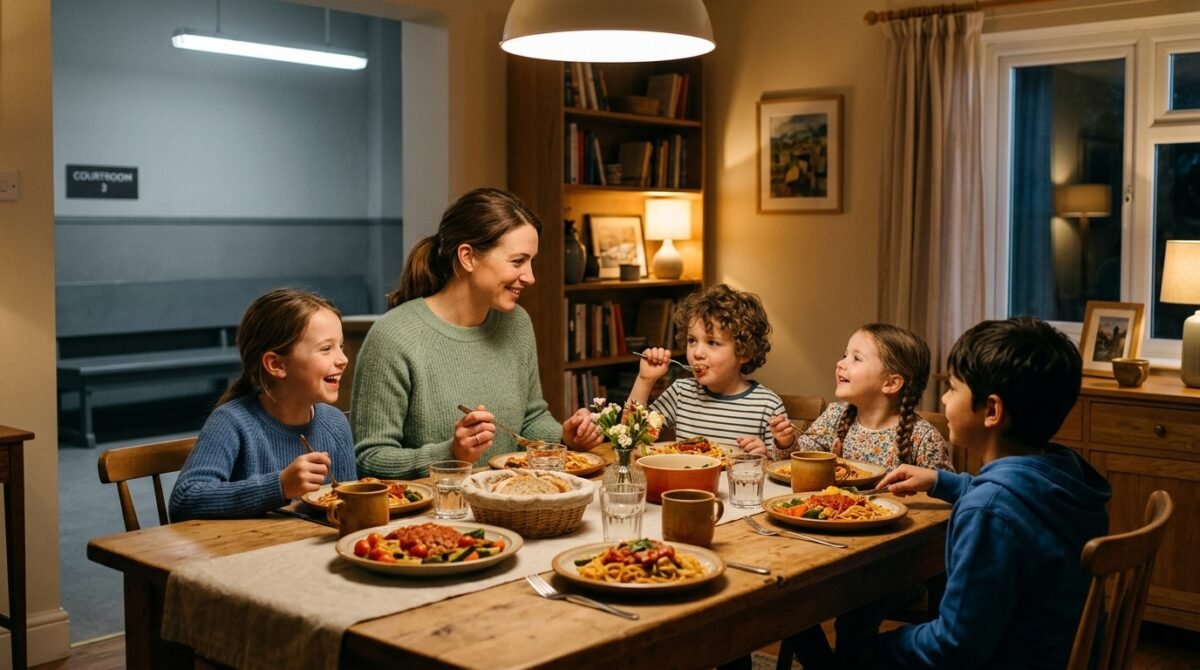
The defining moment of the hearing came when the eldest niece was asked to speak to the judge in private. She didn’t want to do it, but she knew it was necessary. When she came out, she was crying, but she looked relieved. The judge called a recess shortly after, and when we returned, the tone in the room had shifted entirely. It was no longer a debate about whether Sarah was a ‘good enough’ parent; it was a discussion about the immediate safety of the children.
The judge was stern with Sarah. He pointed out the inconsistency of her stories, the lack of support she had provided for her children, and the glaring reality of her neglect. He didn’t order the kids to be permanently removed, but he mandated a strict, supervised visitation schedule and placed the children in my care for an extended, open-ended period. It was a massive win, though it felt more like a survival than a victory.
Sarah was hysterical. She stormed out of the courtroom, screaming at me in the hallway, threatening to sue, to report me for kidnapping, to destroy my life. I didn’t respond. I just walked to my car, put the kids in their seats, and drove home. That drive was the most peaceful I had taken in months. I felt like the weight of the world had been lifted, even though I knew the fight wasn’t over.
“You’ve won the battle, but you’ve lost the war. You’ll see what happens when the dust settles and everyone realizes who you really are.”
— Sarah, shouting in the courthouse parking lot
I think the most shocking part of the ordeal was the realization that I didn’t care what they thought of me anymore. The fear of being the ‘black sheep’ of the family had been replaced by the resolve of a protector. I wasn’t doing this for their approval; I was doing it because it was right. That shift in perspective was the most important change in my life.
When we got home, the kids were quiet, but for the first time, they were truly relaxed. We ordered pizza, watched a movie, and just existed in the space of a home that was safe. No more yelling, no more secret-keeping, no more living in fear. We had a long road ahead of us—the therapy, the legal follow-ups, the rebuilding—but for that night, we were okay.
Finding a New Normal
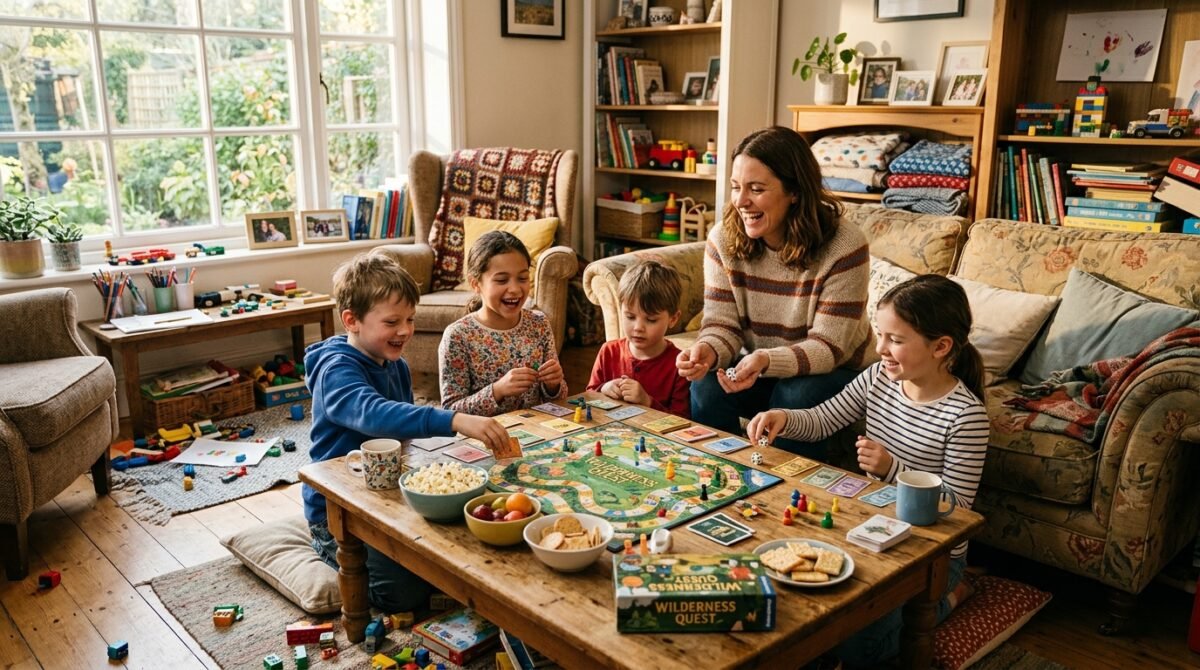
Life didn’t instantly turn into a fairy tale. It was hard. Four children are a lot to handle, even for a seasoned parent, and I was learning on the fly. I had to learn how to cook for a crowd, how to manage four different schedules, how to help with homework, and most importantly, how to deal with the trauma they had been through. They were prone to outbursts, nightmares, and moments of intense, unexplained anxiety.
We started seeing a family therapist, which was another hurdle. The children needed to talk through what they had been through, and I needed to learn how to provide the emotional support they required. It was exhausting, but it was also incredibly rewarding. Seeing them start to trust again, seeing them find joy in small, everyday things like a walk in the park or a board game on a rainy afternoon, was worth more than anything.
I had to reorganize my life completely. I transitioned to a remote work schedule, moved my office into a corner of the living room, and became a expert at multitasking. My career, which had once been my only priority, took a backseat to the needs of my nieces and nephews. It was a sacrifice, but I found that I didn’t mind it as much as I thought I would. I felt a sense of purpose that I had been missing.
“I don’t think I’ve ever seen them sleep this soundly. They aren’t jumping at every noise. They’re finally just being kids.”
— My therapist, commenting on the children’s progress after three months
Our extended family remained divided. Some had come around, realizing that I had done the right thing, while others stayed firmly in Sarah’s camp. I stopped trying to convince them. I stopped caring about the gossip and the judgment. I focused entirely on the four people who actually mattered—the ones living in my house, depending on me for their security and their future.
We started creating our own traditions. Sunday morning pancakes, Friday night movie marathons, and Saturday afternoon trips to the local park. These were small things, but they built a life. We were becoming a unit, a family built on trust and care rather than obligation and guilt. It wasn’t the life I had planned, but it was a life that felt real and meaningful.
The Weight of the ‘Traitor’ Label

I won’t lie and say it was easy to be the family villain. There were times when the isolation felt overwhelming, especially during the holidays. Seeing pictures of family gatherings on social media that I wasn’t invited to was a recurring sting. It was a reminder that when you set a hard boundary, you have to be prepared for the consequences—and one of those consequences is often losing the people who aren’t willing to respect that boundary.
I started attending support groups for people dealing with toxic family dynamics. It was there that I realized I wasn’t alone. There were hundreds of others who had made the same ‘impossible’ choice—the choice to put their own health or the health of someone else above the expectations of their family. It helped me realize that the ‘traitor’ label was just a tool used by toxic people to keep their victims in line.
I learned that you cannot fix someone who doesn’t want to be fixed. Sarah continued her path, seemingly unchanged, which was the hardest thing to accept. She still lived her life, still made her choices, but now she was doing it without the convenient safety net of my home. It wasn’t my responsibility to save her from herself. That was the lesson I had to learn over and over again.
“You aren’t a traitor for protecting children. You’re a hero for having the courage to do what no one else would. Don’t let their guilt stop you from doing the right thing.”
— A member of my support group
The label of ‘traitor’ started to lose its sting. I began to wear it like armor. If protecting the innocent meant being the villain in their story, I was perfectly fine with that. It was a perspective shift that changed how I walked through the world. I became more assertive, more confident, and less prone to people-pleasing. The trauma had made me stronger, more focused on what was actually important.
I also stopped checking the family group chat. I blocked the people who were sending abusive messages. I cleaned up my social media, removing the ones who were only there to spy or judge. It was a digital decluttering that mirrored the physical one I was doing in my life. It was all about creating a space where I could thrive, and where the children could grow without being judged.
The Verdict of the Internet

When I finally posted my story on a popular forum, I didn’t expect the response I got. I thought people would call me out for being cold, for not being supportive enough, or for being ‘too dramatic.’ Instead, I was met with an overwhelming wave of support. Thousands of people shared their own stories, their own struggles, and their own victories over toxic family members. It was a reminder that I was not alone.
The comments were a mixture of outrage on behalf of the children, legal validation, and personal anecdotes that mirrored my own. It was a validation that I had been seeking for months, not from my family, but from people who saw the situation for what it was. It helped me realize that the ‘family-first’ mentality can sometimes be a trap that keeps us from doing what is right.
“You didn’t ‘betray’ your family. You stood up for children who couldn’t stand up for themselves. Sarah had her chance to be a mother and she chose to abandon it. NTA (Not The Asshole) a million times over.”
— u/SupportiveStranger (Top Comment, 32.4k upvotes)
“I work in CPS. People like you are the reason we can keep kids in safe environments. You took a hard step, but it was the one that mattered most. You didn’t just call; you saved them.”
— u/SocialWorker_XYZ (15.2k upvotes)
It was fascinating to read the different perspectives. Some people focused on the legal side, others on the psychological impact of growing up with a neglectful parent, and still others on the dynamics of sibling relationships. The thread became a testament to the fact that family is not a free pass for bad behavior. It was a cathartic experience to see my story validated by thousands of strangers.
I realized then that the ‘family secret’ culture is finally dying. People are starting to speak up, to set boundaries, and to hold each other accountable. It’s a messy, painful process, but it’s necessary for change. If my story helped even one person realize that they don’t have to accept mistreatment for the sake of ‘family,’ then it was all worth it.
The internet, for all its flaws, had become a space for me to find my community—not the one I was born into, but the one I had chosen. It was a powerful lesson in the importance of finding your own support system. We aren’t defined by the people who share our DNA; we are defined by the people we choose to surround ourselves with and the values we choose to live by.
Conclusion
Looking back, the day Sarah dropped those four children on my porch wasn’t just a day of chaos; it was the beginning of my true life. It was the moment I stopped being the person everyone expected me to be and started being the person I needed to be. The legal battles, the family fractures, and the personal exhaustion were all part of a larger process—a journey from codependency to autonomy.
I am still caring for the kids, and while the road ahead is still filled with uncertainty, I know one thing for sure: we are safe. We are supported. We are moving forward. I have learned that boundaries are not just words—they are the foundation of healthy relationships. And I have learned that the people who get angry when you set a boundary are exactly the ones who needed that boundary the most.
To anyone out there who feels like they are stuck in a similar cycle—you are not alone. You don’t owe anyone your peace, your security, or your future, regardless of what they say about ‘family.’ Sometimes, the most heroic thing you can do is to put your foot down, make the hard call, and choose yourself, even when everyone else is shouting at you to do otherwise.
What about you? Have you ever had to make a decision that alienated your family but ultimately saved you? Let us know in the comments below. We want to hear your stories of boundary setting, resilience, and reclaiming your life. Let’s start the conversation and keep supporting one another in this journey of healing.
What's your verdict on this dilemma?
Vote below to contribute to the official community consensus.

Have a Dilemma Keeping You Up at Night?
Share your real-life feud, wedding chaos, or relationship crossroads anonymously with our editorial team.
What do you think ?
0 Comments🛡️ Comments are moderated to protect community integrity. Your comment will appear once approved by the editorial team.