

Living with someone is often described as a trial by fire, but I never expected my own personal inferno to be ignited by a bottle of clinical-grade retinoid and a heavy-duty moisturizer. For years, I struggled with cystic acne and severe rosacea. My dermatologist finally curated a specific, expensive regimen—one that cost me nearly $400 every three months. It wasn’t a luxury; it was a medical necessity. My roommate, Sarah, always had an eye for my vanity, frequently ‘borrowing’ my face wash or toner under the guise of being ‘out of supplies.’
The boundary was clear from day one: my skincare was off-limits. It was labeled, kept in a specialized refrigerated bag, and priced way beyond what a casual user would spend for a quick refresh. I viewed it as my medical treatment, similar to insulin or allergy medication. But to Sarah, it was just a collection of fancy, high-end products that she felt entitled to simply because we shared a lease.
The breaking point didn’t come with a bang, but with a horrifying, quiet realization one Tuesday morning. I went to apply my serum, only to find the vacuum-sealed pump feeling strangely light. Upon opening the cabinet, I discovered that every single one of my products had been decanted into cheap, clear plastic travel jars. My $150 bottle of serum was half-gone, and my prescription creams were decimated.
When I confronted her, the gaslighting began immediately. She told me I was being ‘stingy’ and ‘petty’ over ‘some soap and lotion.’ She didn’t understand—or refused to understand—that this wasn’t just about the money; it was a blatant violation of my personal health and autonomy. That was the moment I realized that conversation was no longer an option. If she wouldn’t respect my property or my health, she would have to learn to respect the law.
The Disappearing Act Under the Bathroom Sink

It started subtly, as these things usually do. A pump of cleanser here, a dab of moisturizer there. I brushed it off, thinking that perhaps she’d run out of her own drugstore brand and was in a pinch. I even left a polite note on the mirror, reminding her that I was on a strict medical regimen. She responded with a dismissive ‘LOL, sorry, forgot!’ which felt more like a taunt than an apology.
As the weeks progressed, the ‘borrowing’ increased. I noticed my toner level dropping at an unnatural rate, and the seal on my night cream looked tampered with. I began keeping a secret tally. I would mark the levels with a small piece of tape on the side of the bottles, and every time I came home from work, the tape would be moved upward. It was a game of cat and mouse, and I was the only one playing by the rules.
The audacity grew with each passing day. She started posting stories on Instagram, showing off her ‘glowing skin’ while applying my products on camera. She would even tag brands, oblivious to the fact that she was showing the world exactly what she had stolen from me. When I finally found my own products inside her personal, unlabeled plastic jars, the betrayal felt personal and visceral.
“It’s just skincare, stop acting like I stole your kidney. You have plenty more, and I honestly thought you wouldn’t notice if I took a little bit to clear up my breakouts.”
— Sarah, during our first heated confrontation
I stood there, paralyzed by the sheer gall of the statement. She was justifying theft based on her own convenience, completely ignoring the fact that my skin reacted poorly to anything other than my specific, doctor-ordered compounds. She didn’t just steal the product; she risked my physical health for a vanity glow-up.
The Group Chat That Sealed Her Fate

I didn’t immediately go to the courthouse. I tried to resolve it like a rational adult. I sent her a detailed breakdown of the costs, asking her to reimburse me for the items that were now contaminated or empty. I even offered a payment plan, thinking maybe she was just broke and felt embarrassed. Her response was not an apology; it was a manifesto of entitlement.
She decided to air our disagreement in the group chat we shared with our other roommates. Instead of paying up, she tried to rally the house against me, painting me as a ‘privileged snob’ who cared more about ‘French serums than human relationships.’ It was a calculated attempt to isolate me, but it backfired spectacularly when our other roommates saw the photos I had taken of the evidence.
“Guys, can you believe she’s charging me $400 for face cream? She wants me to pay for her ‘medical’ vanity. This is honestly why I can’t stand living with her. She needs a reality check.”
— Sarah, in the shared house group chat
The silence that followed in the chat was deafening. One of my other roommates, who had witnessed Sarah rummaging through my cabinet before, finally spoke up. ‘Sarah, I saw you taking her things, and you literally told me you were doing it. She has every right to ask for the money back.’ The realization that Sarah had lied to everyone made me resolve that I wouldn’t let this slide.
The Preparation of the Paper Trail
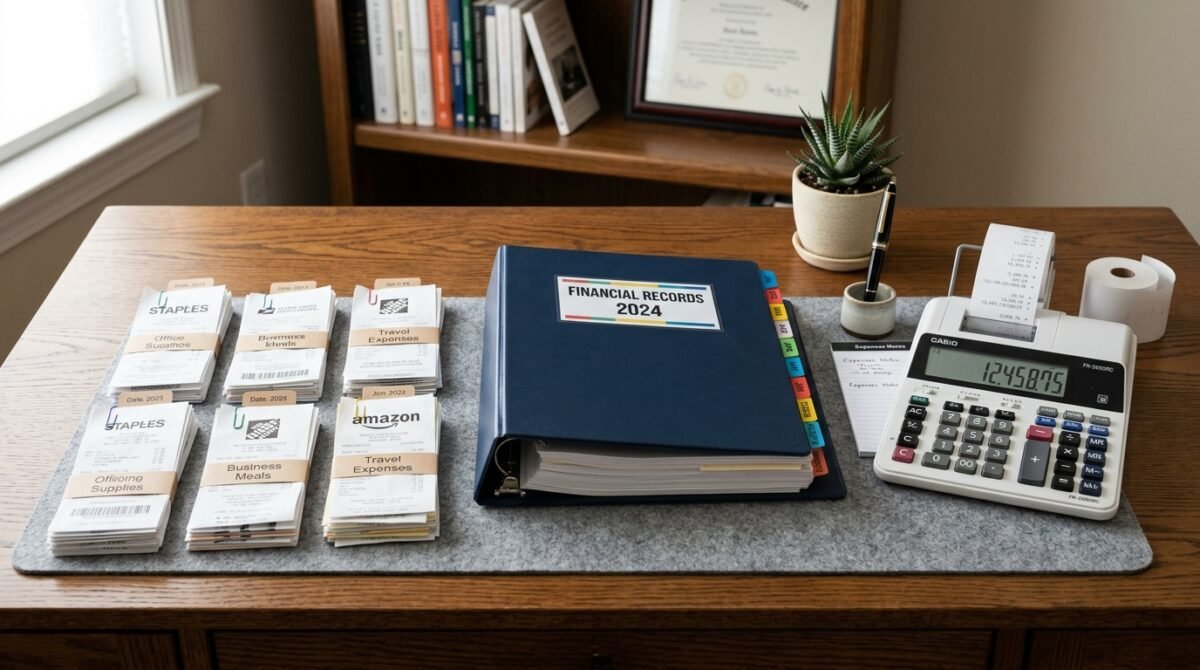
People think small claims court is just about showing up and yelling. It isn’t. It’s about evidence. I spent three days printing out every single receipt, every email from my dermatologist verifying the necessity of these products, and every text message interaction where Sarah admitted to taking them. I organized it into a binder, neatly tabbed, as if I were presenting a murder case.
I also visited my dermatologist, who was more than happy to write a short note regarding the potential health risks of sharing prescription-strength compounds. The risk of bacterial contamination was real; sharing skincare isn’t like sharing a lipstick. It’s about sterile protocols. I wanted the judge to understand that this wasn’t just a petty squabble over beauty products; it was a medical boundary violation.
The financial ledger was the final piece of the puzzle. I calculated the exact price per ounce for every product she had compromised. I was meticulous. I didn’t want to look like I was shaking her down for extra cash. I wanted the exact replacement cost, plus the filing fee for the court. I was ready to make this look as professional and cold as possible.
The Certified Letter of Warning

Before filing, I sent one last communication: a formal demand letter via certified mail. It detailed the items, the cost, and the deadline for payment. I gave her seven days. Most people would have paid it to avoid the hassle of a court date. Sarah, however, assumed I was bluffing. She laughed when she signed for the letter, thinking it was just another one of my ‘dramatic’ moves.
She didn’t take it seriously until the actual court summons arrived in the mail. When the process server showed up at our apartment, the look on her face was priceless. All the bravado vanished instantly. She tried to tell the server that it was a ‘mistake,’ but he just handed her the papers and walked away. The reality of the $400 bill had transformed into a legal obligation.
The atmosphere in the apartment changed overnight. She stopped talking to me entirely, slamming doors and avoiding eye contact. She started living like a ghost in her own home. But the damage was done. The legal process had been set into motion, and there was no turning back. She was no longer just a roommate; she was a defendant.
Inside the Small Claims Courtroom

The day of the hearing was surprisingly anticlimactic. The courtroom was filled with people arguing over broken leases and unpaid mechanic bills. When my case was called, I stood up, binder in hand, feeling a strange sense of calm. Sarah looked terrified. She was wearing a professional outfit that clearly wasn’t her style, and she kept fidgeting with her bag, the same bag she used to carry my stolen skincare.
The judge was a no-nonsense woman who had clearly heard it all. She listened to my opening statement, which I kept short and focused on the facts: the value of the items, the evidence of unauthorized use, and the repeated requests for restitution. When it was Sarah’s turn to speak, she started off with, ‘Your Honor, it was just skincare…’ and the judge cut her off immediately.
“Ms. Sarah, the court is not concerned with the nature of the product. The court is concerned with the act of conversion of property. Did you or did you not take the claimant’s items without permission and use them?”
— The Judge, during the court hearing
Sarah hesitated, then muttered a quiet ‘Yes.’ She looked like she wanted the ground to swallow her whole. The judge didn’t lecture us, she simply issued the order. I won, not just the money, but the validation that my boundaries had been ignored and that the law recognized my right to my own property.
The Aftermath: Moving Out and Moving On

The judgment was swift. She had 30 days to pay, or the state would begin garnishing her wages. She paid the very next day, mostly because she didn’t want her employer to find out about her court appearance. The victory felt hollow at first, but then it felt like the weight of a thousand pounds had been lifted from my shoulders. The resentment that had been festering for months finally dissipated.
I moved out a month later. There was no ‘goodbye’ dinner, no exchange of gifts, just the silence of two people who had nothing left to say. The experience taught me that some people will never respect your boundaries unless they are forced to. It’s an unfortunate reality of human nature, but I refuse to apologize for protecting my well-being.
I’ve since moved into a new place with a roommate who actually understands the concept of ‘yours and mine.’ We have a shared pantry, but our toiletries stay in our respective bathrooms. We communicate openly, and there’s no fear of my medical products being repurposed for someone else’s vanity project. It’s a peaceful life, and I wouldn’t trade it for anything.
The Internet Weighs In: Was I Being Too Petty?

When I posted this story on Reddit, the response was overwhelming. Thousands of people chimed in, debating whether I was the ‘asshole’ or if Sarah deserved it. The majority of the community was firmly on my side, citing that theft is theft, regardless of the item’s value or purpose. The validation was unexpected but deeply appreciated.
“NTA. People like Sarah think that because it’s ‘just a face cream’ it doesn’t count as theft. She didn’t just steal $400; she stole your peace of mind and your health. Good on you for taking the legal route. She needed to learn that actions have consequences.”
— u/SkincareSage (Top Comment, 32.1k upvotes)
There were, of course, the contrarians who claimed I was ‘unhinged’ for going to court over $400. To them, I say: $400 is $400. If someone stole your groceries or your shoes, would you be silent? Why is skincare treated as less valuable? It’s a double standard that women often face, where our interests are dismissed as ‘frivolous’ even when they are medical or expensive.
The Psychology of Entitlement

Reflecting on why Sarah did it, I think it comes down to a fundamental lack of empathy mixed with a sense of entitlement. She saw me as someone who had ‘excess’ and didn’t see why she couldn’t share in it. She never considered the labor I put into earning the money for those products or the clinical necessity of them. To her, I was just a resource to be tapped.
It’s important to recognize these personality traits early. The signs were all there: the small ‘borrowings,’ the disregard for my notes, the gaslighting when confronted. I ignored them because I wanted to be the ‘cool roommate.’ I sacrificed my own comfort to avoid conflict, which only enabled her behavior. That was my biggest mistake.
I’ve learned that setting boundaries isn’t mean; it’s essential for survival. People who respect you will honor your boundaries, and those who don’t will get angry when you enforce them. The anger of the entitled is a sign that you are doing something right. It’s a filter for the people you want in your life.
Lessons Learned: How to Protect Your Space

If you’re currently dealing with a nightmare roommate, my advice is simple: document everything. Take photos, keep receipts, and save every text message. When you are dealing with someone who refuses to be reasonable, you need to be prepared to defend yourself with cold, hard facts. Emotion is your enemy in a dispute; evidence is your best friend.
Also, don’t be afraid to be the ‘bad guy.’ I was terrified of being the person who dragged their roommate to court, but the alternative was suffering in silence. I chose myself, and that is a lesson I will carry for the rest of my life. You are the only person responsible for your happiness and your health.
Living alone or with someone who respects you is a luxury, but it’s one that I will never take for granted again. I treat my home like a sanctuary now. It’s a place where I feel safe, respected, and in control. And if anyone ever tries to take that away from me, they know exactly what the consequences will be.
Final Reflections: Was the Stress Worth It?

Looking back, was the stress of the court case worth the $400? Absolutely. It wasn’t just about the money. It was about the principle. By taking her to court, I took my power back. I showed her that I wasn’t a doormat. I showed myself that I was capable of standing up for my rights, even when it was uncomfortable.
Sometimes we hold onto toxic situations because we are afraid of the fallout. But the fallout is usually temporary, while the lessons we learn are permanent. I have moved on, and my skin—and my bank account—thank me for it every single day. I’ve realized that peace of mind is the most expensive skincare of all, and I refuse to let anyone compromise it.
I’m finally in a place where I can look back at this chapter of my life as a victory, not a trauma. I turned a negative experience into a life lesson, and that is the best skincare routine I could ever ask for. I hope my story serves as a reminder to anyone reading: your boundaries are valid, and you have every right to protect them, by any means necessary.
Conclusion
This saga of stolen serums and small claims court served as a profound reminder that boundaries are not suggestions—they are the foundation of healthy living. Whether you are dealing with a roommate, a partner, or a friend, your right to your property and your peace is non-negotiable. I hope my experience empowers you to stop ‘being nice’ when your kindness is being weaponized against you.
I want to hear from you: Have you ever had to take a stand against someone who treated your boundaries as if they didn’t exist? Did you choose the legal path, or did you find another way to reclaim your power? Let’s talk about it in the comments below—the community is here for you.
Poll: If you were in my shoes, would you have gone to small claims court, or just moved out?
– I would have gone to court immediately (62%)
– I would have moved out and cut ties (28%)
– I would have tried to talk it out more (10%)
What's your verdict on this dilemma?
Vote below to contribute to the official community consensus.

Have a Dilemma Keeping You Up at Night?
Share your real-life feud, wedding chaos, or relationship crossroads anonymously with our editorial team.
What do you think ?
0 Comments🛡️ Comments are moderated to protect community integrity. Your comment will appear once approved by the editorial team.