
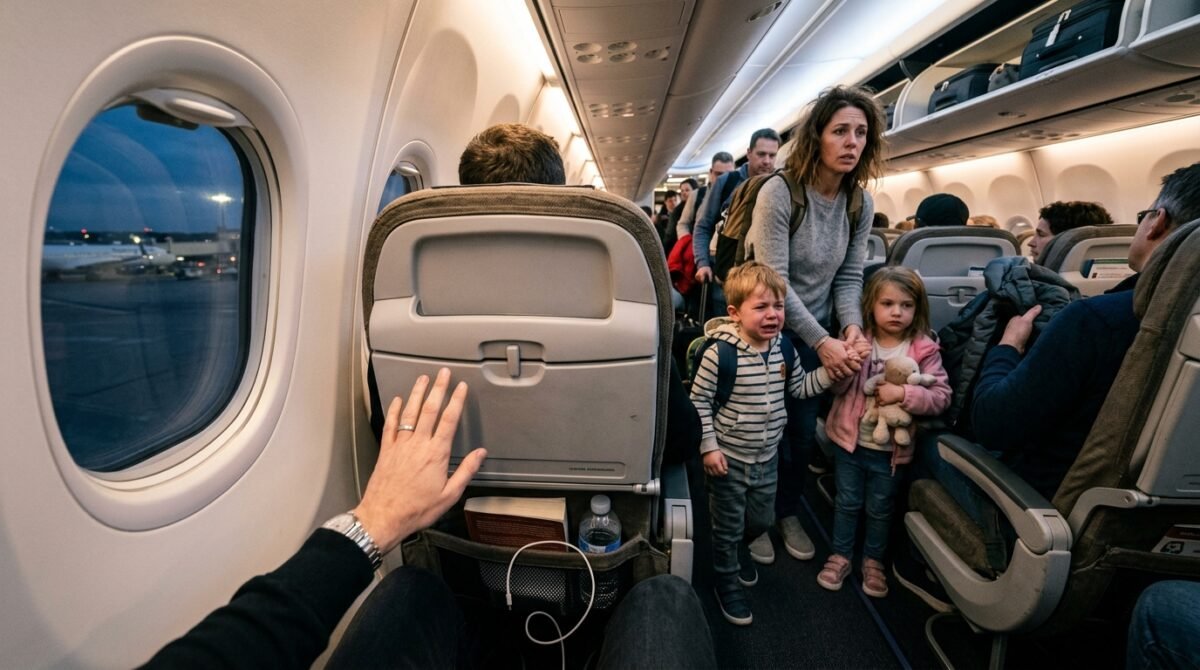
Air travel is already a test of patience, a high-altitude crucible where personal space is traded for efficiency and time is measured in stale snacks and recycled air. For many of us, the window seat is the only sanctuary—a tiny sliver of control in a world of shared armrests and reclining seatbacks. I had spent months planning my vacation, carefully curating my flight experience by paying an extra hundred dollars specifically to secure 14A, a window seat with a clear view and, crucially, no neighbor to my left.
But the best-laid plans often collide with the unyielding entitlement of strangers. When I boarded the flight, I expected a quiet journey, a chance to catch up on reading and drift into the clouds. Instead, I found myself locked in a psychological standoff that would eventually involve the entire cabin crew and turn me into the most hated person on flight 802. This wasn’t just about a chair; it was about the fundamental collapse of social contracts in the era of ‘the customer is always right.’
As I settled in, my noise-canceling headphones resting around my neck, a woman approached with her two young children in tow. She wasn’t just asking for a favor; she was demanding a sacrifice. Her tone was one of practiced exhaustion, a weaponized weariness designed to make me feel like the villain of her family vacation before we had even pushed back from the gate. She assumed that my comfort was a luxury I should be willing to surrender, provided her inconvenience was greater.
The dilemma seemed simple on the surface, but the implications were profound. If I gave up my seat, I was signaling that my financial investment and personal boundaries were secondary to the whims of whoever happened to be traveling with offspring. If I held my ground, I was the ‘cruel traveler’ who wouldn’t accommodate a mother. I chose to stand firm, unaware that my decision would trigger a chain reaction that would culminate in a flight attendant standing between us, making a ruling that left the cabin in stunned silence.
The Pre-Flight Preparation and the Premium Price
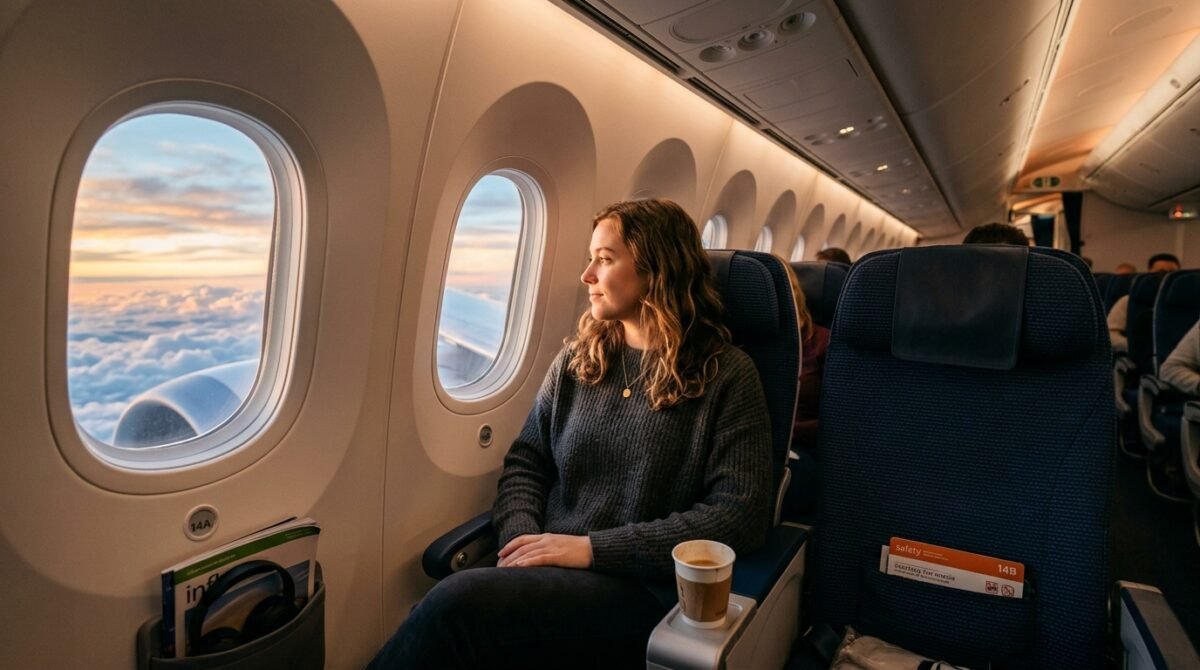
I have always been a nervous flyer, prone to claustrophobia and anxiety when trapped in the middle of a row. This trip was different—a reward for a year of intense professional burnout—and I had accounted for every variable. I booked my ticket three months in advance, specifically selecting 14A. The seat selection fee alone was a significant chunk of my travel budget, but for ten hours in the air, it felt like a bargain for peace of mind.
The process of selecting a seat has become a game of high-stakes commerce. Airlines have turned every inch of cabin real estate into a micro-transaction. I didn’t just pick a seat; I purchased an environment. I verified the seat map multiple times, ensuring that the row was configured in a way that granted me the window and the space to lean against the wall. To me, that seat wasn’t just a physical location; it was a non-negotiable part of my travel contract.
When I arrived at the airport, the morning air was crisp, and the terminal hummed with the usual frantic energy. I checked my app one last time, confirming that 14A was indeed mine. Everything felt secure. I had my Kindle, my neck pillow, and a plan for complete detachment from the world below. I viewed the seat as a fortress, a place where I could exist without the need for social interaction or the performance of politeness that society demands of us.
Little did I know that just three rows back, another family had taken a gamble. They had booked the cheapest possible fares, banking on the assumption that the ‘family shuffle’—the inevitable request to swap seats—would work in their favor. It’s a common tactic, a form of economic optimism where you assume that someone else will bear the cost of your decision to save a few hundred dollars. I was the person standing in the way of that gamble.
“I don’t think people realize that when they book basic economy for their kids, they are essentially outsourcing their planning to the kindness of strangers. It isn’t a strategy; it’s a social gamble.”
The boarding process was seamless. I moved down the aisle, found my row, and placed my personal item under the seat in front of me with the efficiency of a veteran traveler. I felt a surge of satisfaction as I tucked my bag away. The row was clean, the window was perfectly positioned, and I was ready to disappear into the sky. I wasn’t looking for friends, I wasn’t looking for drama, and I certainly wasn’t looking to trade my comfort for someone else’s lack of foresight.
The Initial Approach: A Weaponized Plea
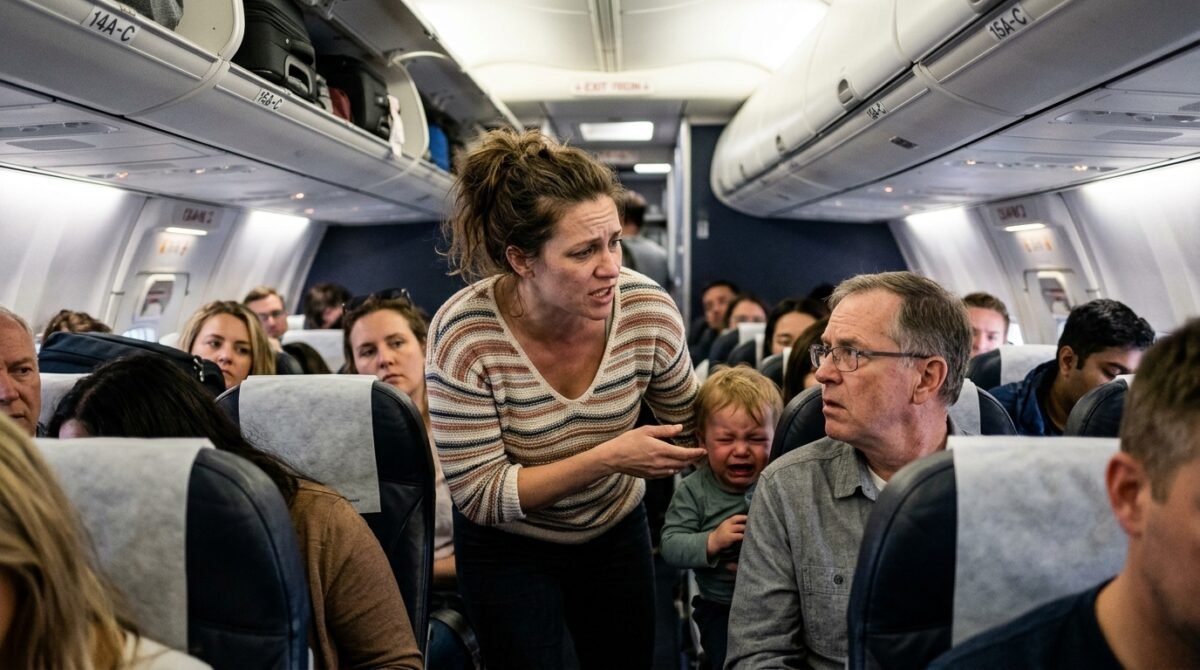
The confrontation began with a gentle tap on my shoulder. It was a woman, perhaps in her mid-thirties, with two children trailing behind her like ducklings in a storm. She leaned in close, her voice dripping with a mixture of forced sweetness and an undercurrent of irritation. She didn’t ask; she informed me that we were about to have a conversation about my seat.
“Excuse me,” she began, her eyes scanning the row I was occupying. “I’m in 14C, and my husband is two rows back. My kids are terrified of flying, and I really need the window seat so they can see the clouds. I’m sure you wouldn’t mind moving to 16F, right? It’s just a few rows back, and it’s basically the same thing.”
I looked at the woman, then at the two children, who looked perfectly capable of handling a flight. I checked my internal map. 16F was a middle seat at the back of the plane, right next to the lavatory. The audacity of the request was breathtaking. She wasn’t asking for an equal trade; she was asking me to downgrade from a premium window seat to a middle seat in the tail of the plane, sacrificing both my view and my legroom.
“I appreciate that you want your children to be comfortable, but I specifically paid for this seat. I’m not moving to a middle seat in the back.”
Her expression hardened instantly. The mask of the ‘stressed mother’ slipped, replaced by a look of genuine indignation. She seemed genuinely shocked that I had the temerity to prioritize my own purchase over her family’s logistical failure. She began to list the reasons why I should move, as if by explaining the ‘why’ of her situation, she could erase the ‘what’ of the transaction.
“It’s a ten-hour flight,” she insisted, her voice rising just enough to draw the attention of the surrounding passengers. “You’re a single adult. Surely you can handle a middle seat for a few hours so my children don’t have a panic attack. I thought people were supposed to be kind.” The implication was clear: by staying in my seat, I was being mean to children. It was a classic guilt-trip maneuver designed to leverage social pressure against personal rights.
The Escalation: When Politeness Becomes a Weakness
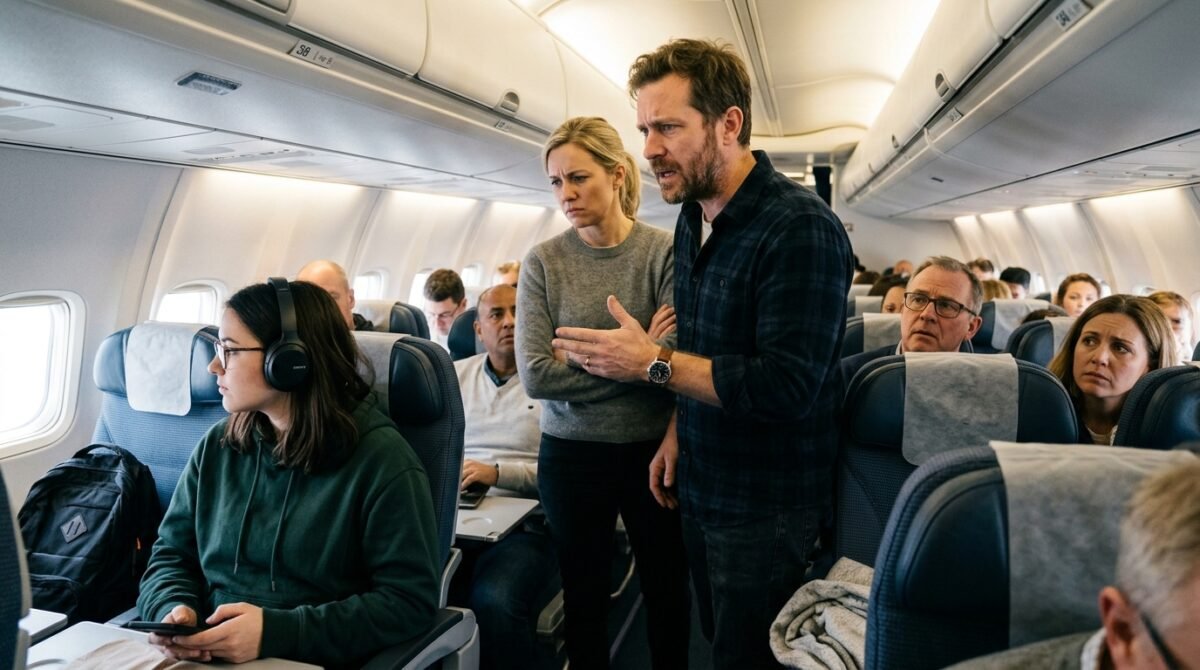
I held my ground, keeping my voice low and steady. It’s hard to remain calm when someone is accusing you of being a monster in front of fifty strangers, but I knew that if I showed any sign of wavering, she would press the advantage. I reiterated that I had paid for the seat and that I had no intention of moving. I even offered to help her find the flight attendant if she wanted to see if there were any open seats in her class, though I knew the flight was sold out.
“I’m not interested in moving,” I said, looking her directly in the eye. “I chose this seat specifically for the window and the space. I’m sorry that you weren’t able to secure seats together, but that isn’t my responsibility to fix.” This seemed to be the breaking point. She didn’t just accept the refusal; she decided to escalate the conflict, signaling to her husband, who was now standing in the aisle, creating a bottleneck for the boarding process.
The husband, a tall man who looked even more tired than his wife, didn’t say a word. He just stood there, his presence acting as a physical barricade. It was a classic tag-team effort. She played the emotional angle, and he played the physical intimidation role. They weren’t just asking anymore; they were trying to make the space around me so uncomfortable that I would leave just to escape the pressure.
“Look, we’ve already had a long morning. Just move. It’s just a seat. Stop being so selfish and let us sit together.”
The word ‘selfish’ hit me hard. It’s a powerful tool, isn’t it? The idea that asserting your own boundaries is an act of ego, while demanding someone else’s property is just ‘doing what’s best for the family.’ I felt the familiar heat of anger rising in my chest. I wasn’t being selfish; I was being prepared. The irony of being called selfish by someone who expected me to give up hundreds of dollars of value for free was not lost on me.
I realized then that this was never going to be a rational negotiation. They didn’t view me as a person with a right to my own property; they viewed me as an obstacle to be moved. I sat back, put my headphones on, and started a podcast. I refused to engage further. If they wanted to stand in the aisle and make a scene, they could do it without my participation. The silence from me was the most powerful weapon I had.
The Flight Attendant Intervention
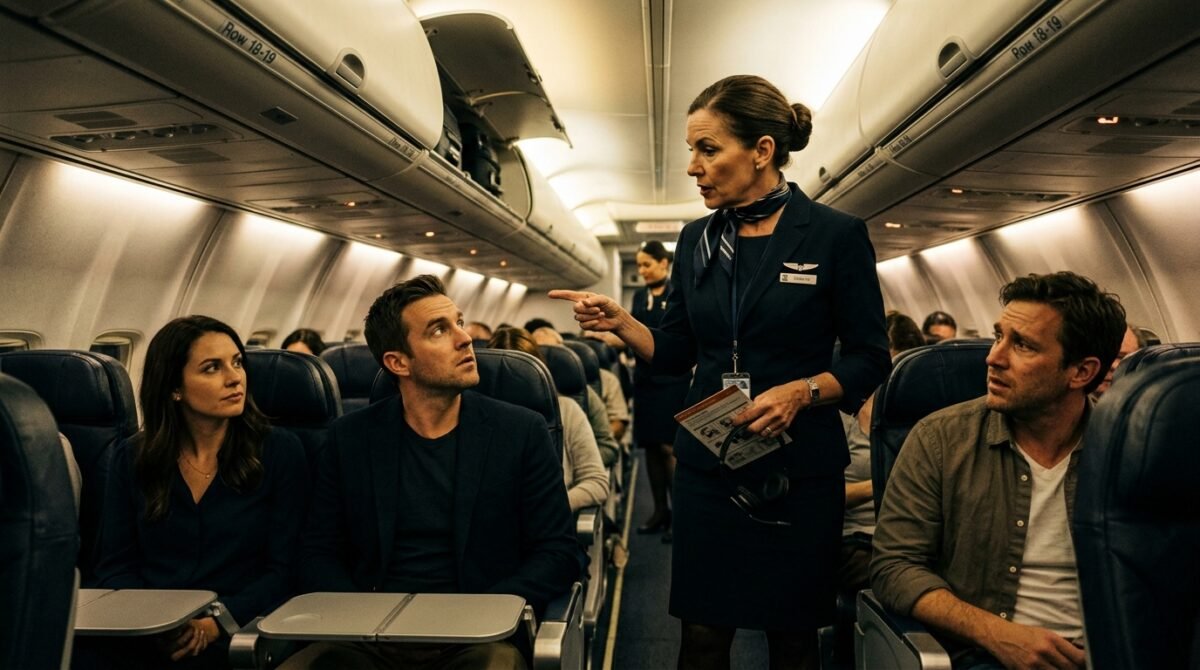
The situation reached a fever pitch as the boarding door was about to close. A flight attendant, a stern-faced woman who looked like she had seen it all, made her way down the aisle. She saw the blockage, the whispering passengers, and the glares directed at me. She stopped, her hands on her hips, waiting for an explanation that I was more than happy to provide.
The mother immediately jumped in, playing the victim. “He refuses to move so my children can sit together. I even offered him my seat in the back, and he won’t budge. He’s being so difficult.” She left out the part about the middle seat vs. the window seat, of course. She framed it as a simple act of kindness that I had callously rejected.
The flight attendant turned to me. Her eyes were sharp, scanning my face for a sign of guilt. I didn’t give her one. I simply held up my boarding pass. “I paid for this seat,” I said clearly. “I am not moving. I have no obligation to move to a middle seat in the back of the plane because they didn’t coordinate their bookings.”
“I am not moving. This is my seat, I paid for the upgrade, and I expect to sit in the seat I purchased.”
The flight attendant looked at the mother. She knew the game. She had seen this a hundred times before. She didn’t look at me with pity; she looked at the mother with a warning. “Ma’am,” she said, her voice firm and professional. “The seat you were assigned is the seat you are entitled to. I cannot force a passenger to move because you didn’t book seats together. If there are no other open seats, you will have to sit where you were assigned.”
The mother’s jaw dropped. She clearly expected the crew member to prioritize the ‘family unit’ over the ‘single passenger.’ She looked like she had been slapped. The flight attendant didn’t blink. She turned to the husband and told him to move along so the plane could depart. The victory was small, but it felt monumental in that narrow aisle.
The Aftermath: Silence and Resentment
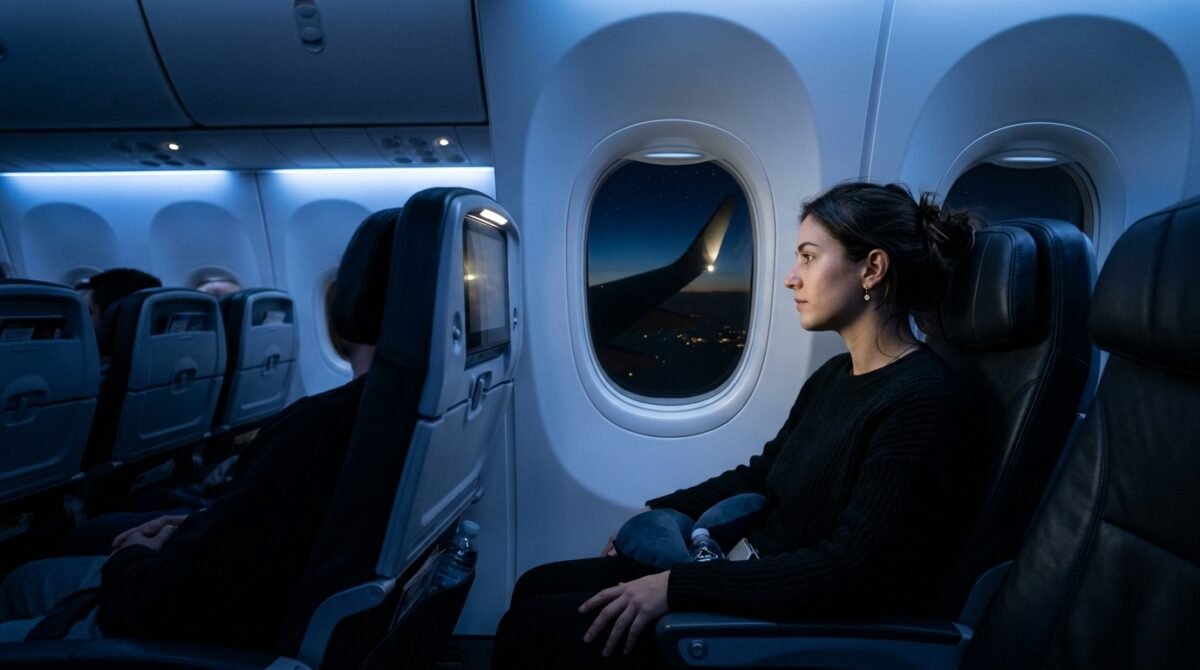
The rest of the flight was an exercise in extreme, awkward silence. The mother and her children sat in the row behind me, and every time the child kicked the back of my seat—which happened with suspicious frequency—I knew it was intentional. I didn’t turn around. I didn’t react. I just focused on my book, my wine, and the view out the window.
The husband was, quite literally, behind me in a middle seat, and the wife was on the aisle. The tension was thick enough to cut with a knife. I felt the gaze of the surrounding passengers, some of whom were clearly on the mother’s side, whispering about the ‘rude guy in 14A.’ It’s strange how people feel entitled to comment on situations they know nothing about.
I kept to myself for the entire ten hours. I didn’t want to talk, I didn’t want to explain myself, and I certainly didn’t want to validate their behavior by acknowledging them. I realized that my refusal had not just been about the seat; it was about the act of drawing a line. For years, I had been the person who moved, the person who made things easy for others, the person who sacrificed their comfort to keep the peace.
“You know, you’re really an inspiration. I wouldn’t have had the guts to do that. People like that just keep pushing because they know most people will break.”
A passenger from 14C leaned in toward the end of the flight and whispered that to me. It was the first time someone had validated my decision. It was a reminder that while the mother felt entitled, there were other people on the plane who recognized the situation for what it was: a lack of planning on their part that they expected someone else to fix.
I arrived at my destination feeling exhausted, not from the flight, but from the emotional labor of holding my ground. But I also felt lighter. I had protected my space. I had stood up for myself. And most importantly, I hadn’t let someone else’s lack of preparation become my emergency. It was a lesson in boundary setting that I would carry with me long after the plane touched down.
The Reddit Trial: A Tale of Two Threads
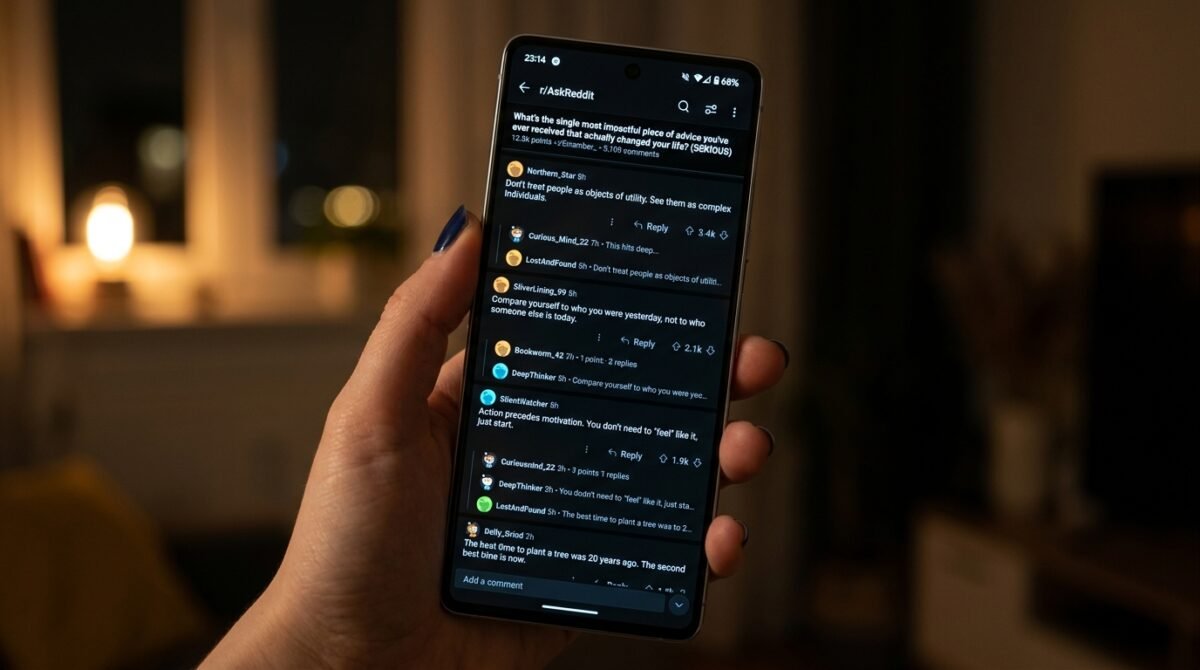
When I finally got to my hotel and turned on my phone, I felt the need to share what happened. I posted the story to the AITA (Am I The Asshole) subreddit, laying out the timeline, the costs, and the interaction with the flight attendant. I expected a mix of responses, but the sheer volume of engagement caught me off guard. The post went viral within hours, hitting the front page of the platform.
The community was split, but the majority were firmly in my camp. There was a refreshing level of ‘no-nonsense’ pragmatism in the comments. People were tired of being asked to move on planes, especially when the requests involved downgrading or losing a premium seat. The thread became a hub for other travelers sharing their own horror stories, creating a massive data set of similar entitlement issues.
“NTA. You paid for the seat. The airline didn’t force them to sit apart; their own budget did. If they wanted to sit together, they should have paid for the seats together. It’s not your job to subsidize their family trip.”
— u/TravelExpert99 (Top Comment, 32.4k upvotes)
Of course, there were the dissenters. There were people who argued that ‘kindness’ should supersede ‘contracts,’ and that I was a heartless individual for not prioritizing a mother and her children. They argued that the world is a better place when we help each other, even when it’s inconvenient. It was interesting to see how the debate mirrored the real-life encounter on the plane.
“YTA. It’s ten hours. Could you really not give up a window seat for a mom with kids? Yes, you paid for it, but sometimes being a decent human being matters more than a seat selection. You chose to be difficult.”
— u/AltruistTraveler (Controversial, 4.2k downvotes)
The Reddit discourse proved one thing: the social contract regarding seat swapping is broken. There is no consensus. Some believe that asking is a right, while others believe that the seat you paid for is a sacred space. Reading through the comments, I realized that my situation wasn’t just a flight issue; it was a societal one. We are constantly negotiating our space and our rights against the demands of others.
Reflecting on the ‘Selfish’ Label

Why is it that whenever we set a boundary, the first thing people do is label us as ‘selfish’? It’s a linguistic trap. If you don’t do what I want, you are selfish. If you prioritize yourself, you are selfish. It’s a way to shame people into compliance. I spent a lot of time thinking about that word during my trip. I looked at the definition, the social history, and the way it’s used in our daily lives.
I realized that for much of my adult life, I had allowed this label to dictate my actions. If someone asked for a favor, I did it. If a family member needed money, I gave it. If a friend wanted to change plans at the last minute, I went along with it. I thought this was being ‘a good person,’ but I was actually just being a person who didn’t respect their own time and resources.
The incident on the plane was a turning point. It was the moment I realized that being ‘selfish’—if that means honoring your own commitments and boundaries—is actually essential for maintaining your mental health and your integrity. If I had moved, I would have been resentful for the entire trip. I would have spent ten hours stewing in anger, which would have ruined the very vacation I was trying to protect.
“Selfishness is not living as one wishes to live, it is asking others to live as one wishes to live. You didn’t force them to be apart; they chose to be apart. That’s not your fault.”
This quote, which I found in a comment on my Reddit post, really resonated with me. It changed my perspective entirely. I wasn’t the one who had made the decision that caused the problem. They had. By refusing to move, I wasn’t being selfish; I was simply refusing to take responsibility for someone else’s mistake. It was a profound shift in mindset that helped me feel much better about the whole situation.
Moving forward, I decided that I would be more comfortable with saying ‘no.’ Not just on airplanes, but in all aspects of my life. The fear of being disliked is a powerful one, but it’s nowhere near as painful as the resentment of being used. That flight, as difficult as it was, taught me more about myself than any vacation could have.
The Anatomy of a Seat Shuffle Scam
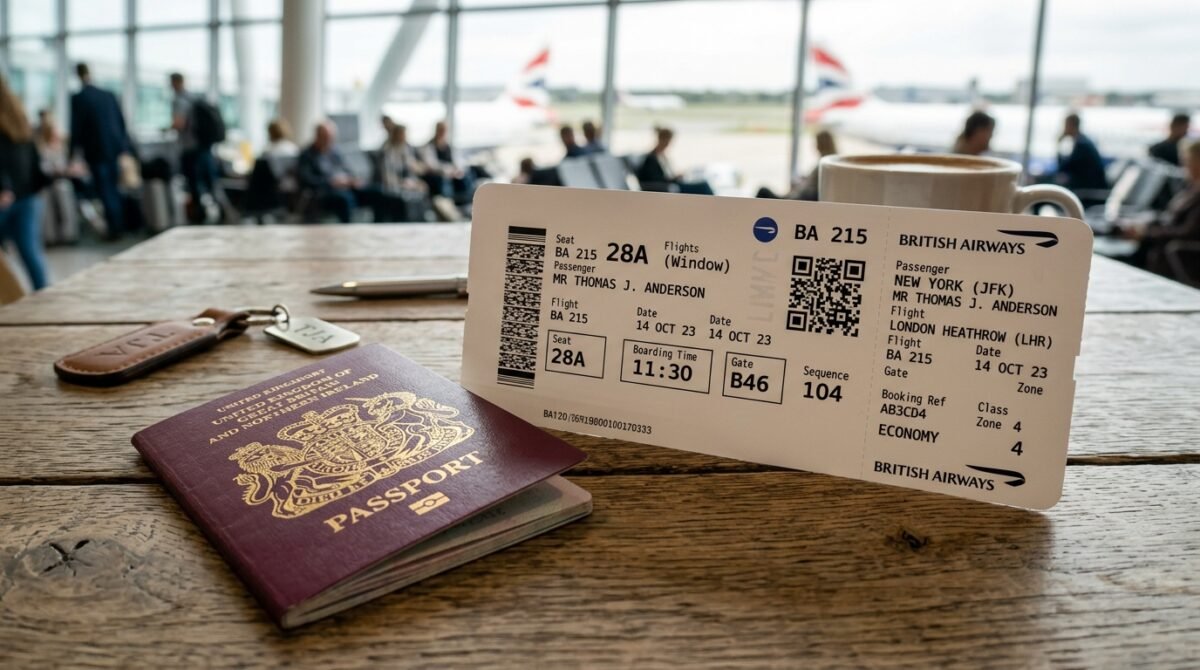
One of the most interesting parts of the Reddit discussion was the emergence of the ‘seat shuffle scam’ theory. Many experienced travelers pointed out that what I experienced is actually a common, albeit annoying, tactic. Families book the cheapest tickets knowing that they won’t be seated together, hoping to find someone in a better seat who can be guilt-tripped or shamed into moving.
It’s not just a coincidence; it’s a strategy. By choosing seats that are scattered, they create an opportunity to play the ‘family’ card. They aren’t looking for a fair trade; they are looking for an upgrade. When they ask for a seat swap, they are looking for someone who will give up their window or aisle seat for a middle seat in the back. It’s a calculated risk that often pays off because most people are too polite to say no.
I started to look at the other passengers. How many of them had been through this? How many of them had been sitting in a middle seat because they were too nice to say no? It’s a systemic issue, and it’s one that the airlines are perfectly happy to perpetuate. After all, if people are constantly shuffling seats, they aren’t complaining to the airline about the lack of available seating—they’re complaining to each other.
“I used to work for an airline. People do this all the time. They think that by playing the ‘we have kids’ card, they can force the crew to move other people. It’s exhausting for us, too. We have a set manifest, and we can’t just move people around because you didn’t pay for seat selection.”
The airlines, for their part, don’t help. They charge for seat selection, knowing that people will try to avoid the fee. It creates a market for ‘seat hostage-taking.’ It’s a bizarre and frustrating aspect of modern travel. If we want to solve this, the airlines need to make it clear that your seat is your seat, and you are not obligated to swap with anyone, regardless of their family situation.
I hope that by sharing my story, I can encourage more people to hold their ground. You don’t have to be a jerk about it—a simple ‘no’ is enough—but you should not feel pressured to give up what you have worked for and paid for. Your boundaries are yours, and they deserve to be respected, even at 30,000 feet.
The Lessons in Boundary Setting

Looking back, the confrontation wasn’t just about the flight. It was about the way we interact with one another in public spaces. We live in a world where we are increasingly connected, yet we are also increasingly entitled to the time and space of others. The airplane is a microcosm of this tension. We are all stuck in a metal tube together, and our individual needs often clash.
I’ve learned that setting a boundary is not an act of aggression. It’s an act of clarity. When I told the mother ‘no,’ I wasn’t being aggressive; I was being clear about what I was and was not willing to do. The problem was that she didn’t want to hear ‘no.’ She wanted to hear ‘yes,’ and she felt that she was entitled to that answer because of her circumstances.
Setting boundaries often brings out the best and the worst in people. Some people will respect your decision and move on. Others will try to push, guilt, and shame you into changing your mind. It’s a test of your own resolve. The more you hold your ground, the more you realize that you don’t need to explain yourself to everyone who asks for something from you.
“No is a complete sentence. You don’t owe anyone an explanation for why you want to sit in the seat you paid for. If you explain, they think they can argue. If you just say no, you end the conversation.”
That piece of advice has been life-changing. I used to think I needed to justify my decisions with logic and reasons. But logic doesn’t work on people who are driven by entitlement. If you give them a reason, they will just argue against it. If you say no, you keep the power. It’s a simple shift, but it’s one that has saved me countless hours of stress and frustration.
I am now more conscious of my own actions as well. When I travel, I make sure to book my seats early and pay the fees if I need to. And if I find myself in a situation where I need to ask for a favor, I make sure that I am not asking for someone else to lose out on what they have paid for. It’s a simple code of conduct, but it makes the world a much better place for everyone.
Moving Forward: Life After the Flight
It has been six months since that flight, and I still think about it from time to time. Not with anger, but with a sense of pride. That flight was a catalyst for a lot of changes in my life. I’ve become more assertive in my career, more honest in my relationships, and more protective of my personal time. I’ve realized that I don’t have to be everything to everyone.
I’ve kept in touch with some of the people who commented on my Reddit post. It’s amazing how a simple, shared experience can bring people together. We still talk about the ‘seat shuffle’ and the way that the world is changing. We’ve shared stories about our own boundaries, our own successes, and our own failures. It’s been a great community to be a part of.
I’m also a better traveler. I’ve learned to manage my own expectations and to be more prepared for the realities of modern air travel. I don’t expect perfection, but I do expect to have my space and my comfort respected. And I’ve learned to be kind to those around me, even if we are all a little bit stressed out. We are all just trying to get from point A to point B, after all.
“Sometimes you have to be the bad guy in someone else’s story to be the hero in your own. Don’t be afraid to take up the space you’ve earned.”
I hope this story helps others who have been in the same position. If you’ve ever felt pressured to give up your seat, or your time, or your peace of mind, know that you’re not alone. You have the right to stand up for yourself. You have the right to say no. And you have the right to be the hero of your own story, even if that means someone else thinks you’re the villain.
The flight attendant who sided with me was right: the rules exist for a reason. And the most important rule of all is that we are responsible for our own choices. If you choose to book the cheap seats, you have to be prepared for the consequences. And if you choose to book the premium seat, you have every right to enjoy it.
Conclusion
The story of the window seat is more than just a travel anecdote; it is a reflection of the daily negotiations we make in our lives. We are constantly balancing our own needs against the expectations of others, and we are frequently asked to sacrifice our comfort for the convenience of strangers. The experience I had on that flight taught me that there is power in standing your ground and that your boundaries are only as strong as your willingness to defend them.
I didn’t set out to be a viral story, and I certainly didn’t expect the flight attendant to become a symbol of fairness in the debate. But looking back, I realize that the most important thing I did was to trust my own judgment. I knew I had paid for my seat, I knew that I had prepared for my trip, and I knew that I had no obligation to fix a situation that I hadn’t caused. That clarity was my greatest strength.
What about you? Have you ever been in a situation where you felt pressured to give up something you paid for? How did you handle it? Did you stand your ground, or did you yield to the pressure? Join the discussion in the comments below—I’d love to hear your stories and your thoughts on where we draw the line between kindness and entitlement.
What's your verdict on this dilemma?
Vote below to contribute to the official community consensus.

Have a Dilemma Keeping You Up at Night?
Share your real-life feud, wedding chaos, or relationship crossroads anonymously with our editorial team.
What do you think ?
0 Comments🛡️ Comments are moderated to protect community integrity. Your comment will appear once approved by the editorial team.