
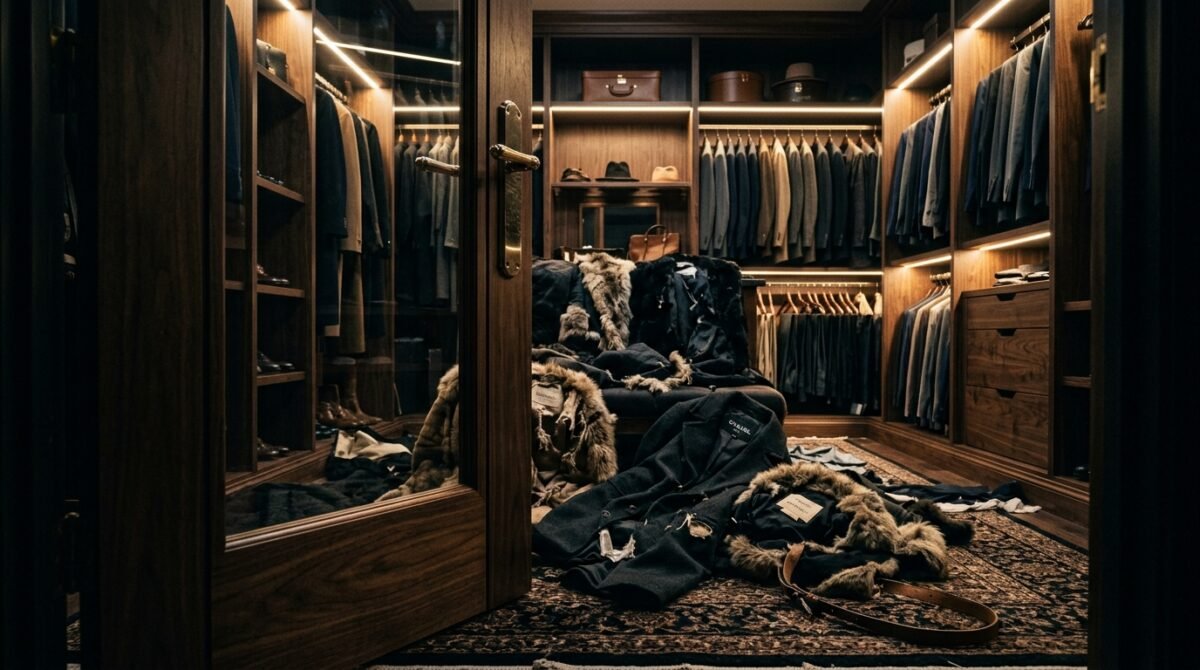
Grief is a strange, quiet companion. For two years, my mother’s vintage cashmere trench coats sat in the back of my closet, tucked away in garment bags as if they were holy relics. They smelled faintly of her signature perfume—sandalwood and light citrus—and served as my final, tangible link to the woman who raised me. I didn’t wear them often, but knowing they were there provided a sense of stability I desperately needed while navigating my twenties.
My roommate, Chloe, was a self-proclaimed ‘wildlife rehabilitator’ with a penchant for bringing home creatures that were better left in the woods. While I had initially agreed to her fostering an occasional injured squirrel, the situation had slowly spiraled into a full-scale menagerie. I spent my days working as a software consultant, often traveling for weeks at a time, trusting that Chloe would keep the apartment in a state of semi-order. That trust was, as it turned out, a catastrophic error in judgment.
When I arrived home on a Tuesday evening, exhausted from a red-eye flight, the first thing I noticed was a strange, earthy smell permeating the hallway. It wasn’t the scent of home. It was the scent of damp fur, musk, and neglect. I reached for the handle of my bedroom door, only to find it unlocked. My heart sank. I had specifically asked Chloe not to enter my room while I was away, a boundary I had reinforced a dozen times.
Stepping inside, the sight paralyzed me. The floor was covered in straw, debris, and what looked like grey rags. I walked closer, my breathing shallow, and realized with a jolt of pure horror that those weren’t rags. They were the sleeves, collars, and belts of my mother’s trench coats. Lined inside three makeshift wooden cages in the corner of my room were the remnants of the only things I had left of her, now caked in mud and raccoon waste.
What followed was not just an argument; it was the total dismantling of a friendship and the realization that some people will never understand the sanctity of grief. This is the story of how I lost my mother’s memory to a group of raccoons, and why I had to burn every bridge I had with the person I once called my best friend.
The Initial Discovery and the ‘Rescue’ Logic
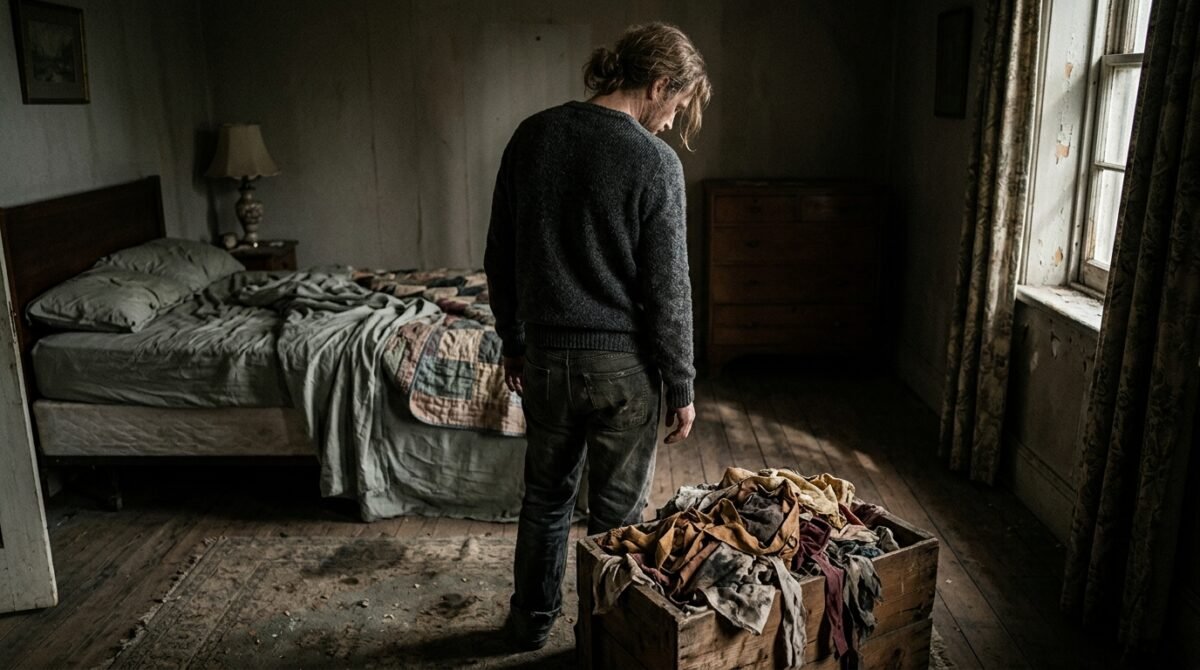
I stood frozen in the center of the room, my suitcase still in my hand. The raccoons, startled by my presence, chattered from their makeshift dens. I didn’t see animals; I saw the shredded remnants of a vintage Burberry and a bespoke Italian cashmere coat that my mother had saved for years to purchase. The fabric was matted, stained with dark, crusty patches, and torn in a way that rendered the fibers completely unsalvageable.
When Chloe walked in, she didn’t look guilty. She looked annoyed. She was holding a tray of cat food and stopped dead when she saw me standing by the cages. I couldn’t speak. I simply pointed at the mangled mess of tan and camel-colored wool. When I finally found my voice, it was barely a whisper, trembling with the kind of rage that burns cold.
“Chloe, please tell me that isn’t my mother’s coat. Tell me you didn’t take them out of the garment bags and use them for bedding.”
She rolled her eyes, placing the food tray on my dresser—my dresser, not hers—and sighed. She didn’t offer an apology. Instead, she launched into a defense of the creatures. She argued that the raccoons were ‘anxious’ and needed ‘soft, familiar textures’ to bond with. According to her, the coats had been ‘sitting there doing nothing,’ whereas the animals were living, breathing beings that needed comfort.
I was reeling. The sheer entitlement required to enter a private room, destroy property worth thousands of dollars, and then justify it as a moral act of animal welfare was beyond my comprehension. I felt like I was living in a fever dream. The smell of the room was overpowering, a mixture of ammonia and decay that made my stomach turn.
“They are raccoons, Chloe!” I shouted, the sound cracking in the small room. “They are wild animals. You didn’t just ruin clothing; you destroyed my history. Those coats were all I had left of her.” She remained unmoved, arguing that my attachment to ‘material objects’ was unhealthy and that if my mother were alive, she would have wanted me to be ‘compassionate’ toward the environment. It was the ultimate gaslighting maneuver, designed to make me feel small for caring about my own property.
The Financial Breakdown and the Inevitable Denial
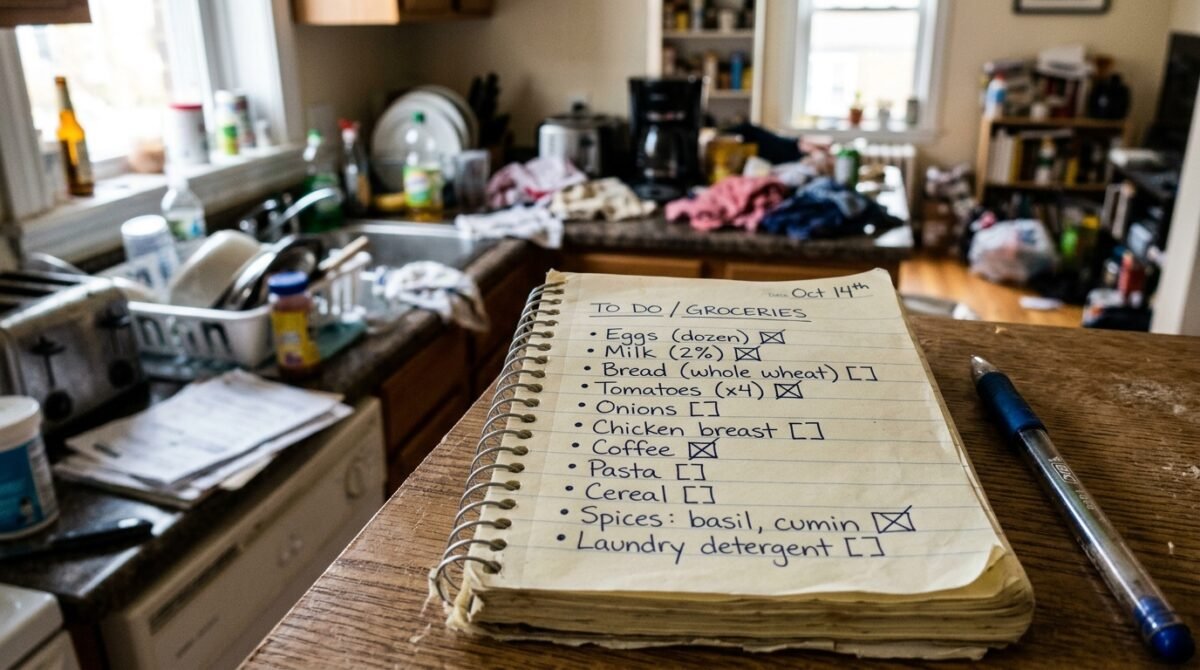
The next morning, I sat at the kitchen table with a notepad, attempting to calculate the value of the damage. Even if I ignored the sentimental value—which was impossible—the replacement cost for vintage cashmere of that quality was astronomical. I pulled up auction sites and vintage luxury consignment pages, tallying the figures. It wasn’t just a few hundred dollars; it was a devastating financial blow.
Chloe emerged from her room, dressed in her usual thrifted loungewear, and acted as if the previous night’s explosion hadn’t happened. She tried to make coffee, humming a tune as if the apartment wasn’t a crime scene. I stood up and placed the itemized list in front of her. I told her exactly what she owed me and gave her a deadline of 48 hours to make arrangements, or I would be contacting the landlord and the local authorities regarding the illegal keeping of wildlife.
“I don’t have that kind of money, and frankly, I shouldn’t have to pay for ‘damages’ to things you weren’t even using. It’s not my fault you’re materialistic.”
Her reaction was a masterclass in deflection. She claimed that she had ‘saved’ the coats from moth damage because she’d seen a tiny hole in one of the bags—a lie, obviously, as I had stored them in airtight containers. She insisted that because I was ‘well-off’ from my career, I should view this as a ‘charitable donation’ to her raccoon sanctuary. The absurdity of calling a cramped apartment in the city a ‘sanctuary’ was not lost on me.
I realized then that Chloe had no intention of taking responsibility. She was living in a delusional reality where her desires were superior to everyone else’s boundaries. I stopped arguing about the money and started focusing on the legal side. I checked our lease. We had a strict ‘no exotic pets’ clause, and while she’d kept the raccoons hidden from the landlord, she had effectively handed me the leverage I needed to evict her.
The tension in the apartment became thick enough to cut with a knife. Every time I passed the hallway, I saw the empty, filth-stained cages. I couldn’t bear to throw the coats away yet, but I couldn’t stand the sight of them. I packed them into a black trash bag and shoved them into the back of my car. I needed to get them out of my sight before I did something I would regret.
The Group Chat Betrayal

By the third day, the drama had spilled over into our shared social circle. I hadn’t told anyone yet, but Chloe had clearly been busy. I started receiving texts from mutual friends—some asking if I was ‘being a bully,’ others asking if I was really going to report her to animal control. It was clear she had spun a narrative where I was the villain for prioritizing ‘expensive rags’ over the welfare of ‘distressed babies.’
“Hey, I heard about the raccoon situation. Isn’t it a bit harsh to threaten eviction over some old clothes? Maybe you guys can just talk this out? They are just rescue animals, after all.”
— Sarah (Mutual Friend), via Text
I was livid. I took a screenshot of the damaged coats—the ones I had laid out on my driveway to photograph—and sent them to the group chat. The silence that followed was immediate and deafening. I didn’t add any commentary. I just sent the image of the ruined Burberry lining and the matted, feces-stained cashmere fibers. The ‘compassionate’ narrative Chloe had built crumbled in a heartbeat.
It turned out that Sarah, and several others, had no idea she was housing raccoons in the apartment. They thought she was volunteering at a shelter. The revelation that she was keeping them in our bedrooms sent a wave of shock through the chat. The tone shifted from ‘OP is mean’ to ‘What the hell is wrong with Chloe?’ almost instantly.
Chloe, realizing she had been outmaneuvered, tried to leave the group chat, but not before sending one last defensive message. She claimed that I had ‘always been jealous’ of her connection with animals and that I was ‘a cold-hearted person’ who deserved the emptiness I was feeling. It was a pathetic attempt to regain control, and it failed spectacularly.
I felt a strange sense of relief, despite the anger. The masks were off. The friends who knew the truth about my mother—who knew what those coats represented—were now rightfully outraged on my behalf. I realized that my circle was smaller than I thought, but it was much, much stronger.
Confrontation at the Landlord’s Office
I didn’t wait for her to move out voluntarily. I went straight to our building manager, armed with photos of the cages, the damage to the carpets, and a report from a local vet confirming that raccoons were potential vectors for rabies and roundworm. The landlord, a man who took his property maintenance very seriously, was at our door within twenty minutes.
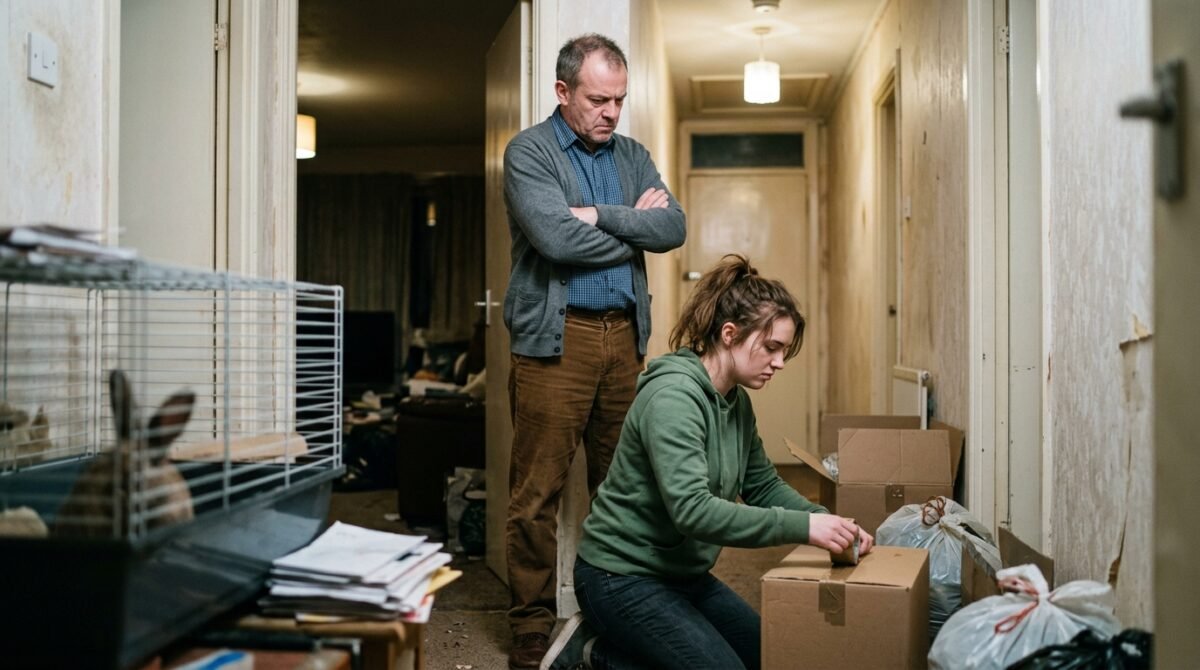
The look on Chloe’s face when the landlord saw the raccoons—and the state of the living room—was priceless. He didn’t even yell. He simply pointed to the door and told her she had 24 hours to vacate the premises, or he would involve the city health department. The raccoons, he informed her, would be collected by animal control immediately. Chloe started crying, begging for more time, but the landlord was stone-faced.
“This is not a zoo. You have compromised the safety of the entire building. Pack your things. Now.”
I went to my room to give them space, but I could hear everything. The protestations, the accusations of cruelty, and finally, the sound of her throwing things into boxes. She knocked on my door one last time, asking if I would reconsider the ‘charges’ I had threatened. I told her that the damages were no longer my primary concern; the fact that she had endangered our living situation was unforgivable.
She left that night, leaving behind a mess that took me three days to professional clean. The carpet had to be ripped out, the walls scrubbed, and the air purified. Every time I scrubbed a corner, I thought about how quickly a life can change because someone else decides your boundaries are merely suggestions.
As she hauled her final box out to the curb, she looked at me with genuine confusion, as if she still couldn’t understand why I wasn’t weeping for her ‘noble cause.’ It was the most disturbing part of the whole experience—the absolute lack of moral compass. I didn’t say goodbye. I closed the door and locked it, for the first time in two years, feeling like I was finally safe in my own home.
The Reddit Verdict

I posted the full story on Reddit under a throwaway account, needing some outside perspective to process the sheer absurdity of the last week. The response was overwhelming. Within hours, the post hit the front page, and the comments were a mix of horror, validation, and practical advice. People were genuinely shocked by the level of entitlement Chloe had displayed.
“This is not about the coats, and it’s not about the raccoons. This is about a complete and total lack of respect for your boundaries and your grief. The fact that she used your mother’s belongings for animal bedding is a level of malice that suggests she knew exactly what she was doing. NTA, and honestly, you should be looking into legal action for the cost of the clothes.”
— u/RedditUser123 (Top Comment, 32.4k upvotes)
There were hundreds of comments like that. It was cathartic to see thousands of strangers recognize the violation for what it was. Some people shared their own stories of roommates with boundary issues, while others provided detailed legal steps for recovering the money. I hadn’t realized how much I needed that validation until I saw it written out in black and white.
Of course, there were a few ‘Devil’s Advocates’ who argued that I should have been more ‘forgiving’ of a young person struggling with mental health issues, but those comments were quickly buried by the community. The consensus was clear: mental health struggles do not grant anyone the right to destroy someone else’s property, especially items of profound sentimental value.
I spent the weekend reading through the thread, finding comfort in the community’s outrage. It helped me realize that I hadn’t been ‘cold’ or ‘unreasonable.’ I had been a victim of a very specific kind of manipulation, and naming it made it feel much smaller. I decided to take the legal advice and file a small claims suit, not just for the money, but to set a precedent that actions have consequences.
The Reddit community also helped me realize that I needed to stop apologizing for my grief. For two years, I had kept those coats hidden because I didn’t want to seem ‘stuck in the past.’ The comments reminded me that there is no timeline for grief, and that the things we hold onto are the anchors that keep us sane. I was done apologizing for being human.
The Aftermath: Rebuilding and Healing
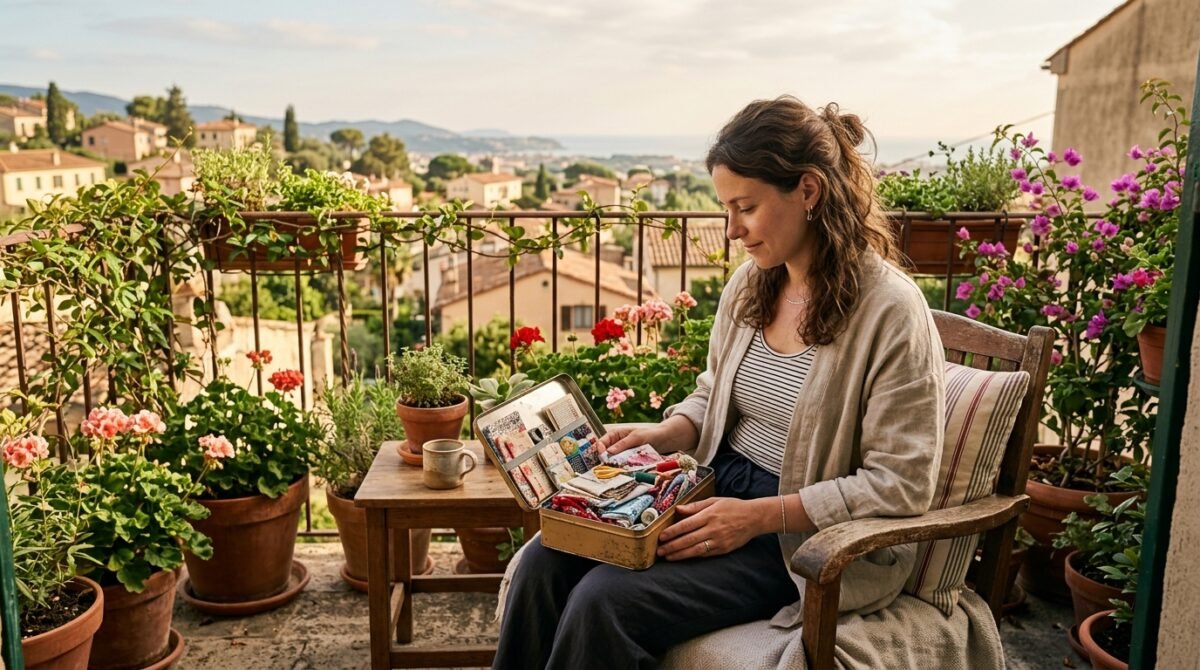
Life in the apartment has become quiet. Too quiet, at times. I’ve replaced the carpet and repainted the walls, erasing the last traces of the ‘rescue’ project. I still find myself looking at the spot in the closet where the coats used to be, a pang of sadness hitting me when I realize they aren’t there anymore. But the anger has started to fade, replaced by a sort of resolve.
I went to a local tailor last week, bringing the remnants of the coats. She looked at the shredded fabric and shook her head, telling me there was no way to restore them to their former glory. However, she suggested we could salvage the buttons, the silk linings that were still intact, and the heavy cashmere fibers to create a quilt—a memory piece. It was a way to keep the spirit of the items without trying to pretend they were still whole.
It felt like a turning point. I wasn’t just throwing away the past; I was transforming it into something new. I started seeing a therapist to talk about the incident, and she helped me realize that I had been allowing people into my life who didn’t respect my history, all because I felt like I needed to be the ‘accommodating’ one.
I’ve changed the locks again, not that I think Chloe would return, but for my own peace of mind. I’ve also become much more selective about who I spend my time with. If someone can’t respect a closed door, they have no place in my home. It’s a simple rule, but it’s one I had forgotten to enforce.
I’m slowly reclaiming my space. I’ve bought new furniture, decorated with things that make me happy, and invited friends over—real friends who respect my boundaries and who would never, ever dream of touching my personal belongings. The apartment is finally starting to feel like a home again, rather than a battlefield.
Financial Recovery and Lessons Learned

The small claims court hearing is scheduled for next month. I’ve gathered all my evidence—the receipts for the coats, the photos of the destruction, the correspondence with the landlord, and the witness statements from our mutual friends. I don’t know if I’ll ever see a dime of the money, as I suspect Chloe doesn’t have it, but the process has been part of my closure.
I’ve also learned a lot about insurance. I didn’t realize that my renter’s insurance might cover damage to personal property in certain circumstances, even if it was caused by a roommate. I’ve been working with my agent to file a claim, and while it won’t replace the specific vintage pieces, it will help with the financial burden. It’s a lesson I wish I had learned under less traumatic circumstances.
The biggest takeaway, however, has been the realization that I am allowed to be angry. For so long, I felt like I had to be the ‘mature’ one, the one who moved on quickly, the one who didn’t let things get to them. But the destruction of those coats was a violation of my mother’s memory, and I have every right to be furious about that.
I’ve started donating to a local wildlife rehab center—not the one Chloe worked with, but a certified, professional facility. It’s my way of turning a negative experience into something positive. I want to ensure that animals are treated with the respect they deserve, in the environments they belong in, far away from people like my former roommate.
I’m also writing a letter to my mother. I’m not sure where I’ll keep it, maybe in the memory quilt the tailor is making, but it’s helped me process the loss of the physical items. I’m starting to focus on the memories I have in my head, the ones that no one can ever touch, shred, or stain. Those are the things that truly matter.
Reflecting on the Boundaries of Friendship

I spent a lot of time thinking about why I let it get this far. Why did I allow a roommate to move in with ‘rescue’ animals when I barely knew her? Why did I allow the boundary of my bedroom to be crossed so many times before I finally snapped? The answer, I think, lies in a desire to be ‘the cool roommate’ who didn’t let things get in the way of a good time.
Friendship, I’ve learned, requires a foundation of mutual respect that goes beyond just ‘getting along.’ It’s about understanding the other person’s limits and honoring them, even when you don’t necessarily understand them. Chloe didn’t care about my limits, and she certainly didn’t care about the history behind the things I owned.
I’ve started setting firmer boundaries in other parts of my life as well. At work, in my relationships, and even with my family, I’ve started saying ‘no’ more often. I’ve realized that my time and my energy are precious, and I don’t have to sacrifice them to please people who don’t have my best interests at heart.
It’s a strange feeling, being more guarded. Some people might call it cynical, but I think of it as self-preservation. I’m not closing myself off from the world; I’m just making sure that the people I let into my inner circle are worthy of that trust. It’s a lesson I’ll carry with me for the rest of my life.
The void where the coats used to be is smaller now. I still miss them, and I still miss the version of myself that didn’t have to go through this, but I’m stronger for it. I’ve survived the loss of my mother, and I’ve survived the betrayal of a friend. I know now that I can handle whatever life throws my way, as long as I stay true to myself.
Moving Forward: The Final Chapter

As I look back on everything, I realize that the incident was the catalyst I needed to start truly living again. I had been living in a state of suspended animation, holding onto the past as if it could save me. The destruction of the coats, as painful as it was, forced me to let go of the physical objects and start embracing the life I have in front of me.
I’m planning a trip for next month—not for work, but for myself. I’m going to spend time in the mountains, hiking and breathing the fresh air, rediscovering the joy of being outside. I’m not going to bring any baggage with me, emotional or otherwise. I’m going to be present in every moment, and I’m going to enjoy the freedom that comes with knowing I’m in control of my own life.
I’ve started a new journal, too. I’m writing down the things I’m grateful for every day, no matter how small. A good cup of coffee, a kind word from a colleague, a quiet evening at home. It’s helping me shift my focus from what I’ve lost to what I have. And honestly, I have a lot.
I’ve found a new, quiet strength in myself that I didn’t know I possessed. I’ve learned how to advocate for myself, how to stand up for my boundaries, and how to let go of the people who don’t value me. I’m a different person than I was a year ago, and I’m proud of the person I’m becoming.
So, to everyone who might be struggling with a similar situation—someone who doesn’t respect your space, your belongings, or your history—know that you aren’t alone. You don’t have to tolerate disrespect. You are allowed to set boundaries, and you are allowed to enforce them. Your life is yours to build, and you deserve to fill it with people and things that bring you peace, not chaos.
Closing Thoughts and Community Poll

This story was one of the most difficult things I’ve ever had to write, but it’s also been the most healing. Sharing it with you all has reminded me that we’re all just doing our best to navigate this crazy, unpredictable thing called life. We all have things we hold onto, and we all have boundaries that we’re learning to set.
I hope that my experience serves as a reminder to always trust your gut. If something feels off, it usually is. If someone makes you feel small for the things you care about, they aren’t your friend. And if you’re ever in a position where you feel like you have to sacrifice your own peace for someone else’s, remember that it’s okay to say no.
I’m curious to hear your thoughts. Have you ever had a friend or a roommate who completely shattered your boundaries? How did you handle it? Did you manage to salvage the relationship, or did you have to walk away? Let me know in the comments below.
Thank you for reading, for the support, and for the reminder that I’m not alone. It’s been a long road, but I’m finally reaching the end of the tunnel, and I’m ready to start something new. Here’s to growth, here’s to boundaries, and here’s to the future.
Conclusion
My journey from the shock of that Tuesday evening to where I am now has been defined by the realization that grief is not a static state. It is a river, and we must learn to swim with it, not try to dam it up with material relics. While the loss of my mother’s coats was a trauma I wouldn’t wish on anyone, it was also the final tether I had to a version of myself that lived in the past.
The community support I received, both from friends and the thousands of strangers who took the time to weigh in on my situation, was a powerful reminder that our stories connect us. We all know the ache of a boundary crossed and the sting of betrayal, but we also know the resilience it takes to rebuild.
I am doing better now. The legal case is still pending, the apartment is quiet, and I am learning to appreciate the new space I’ve created. I hope you’ll share your own experiences in the comments. Have you ever felt forced to choose between your personal integrity and a relationship? Let’s discuss below.
What's your verdict on this dilemma?
Vote below to contribute to the official community consensus.

Have a Dilemma Keeping You Up at Night?
Share your real-life feud, wedding chaos, or relationship crossroads anonymously with our editorial team.
What do you think ?
0 Comments🛡️ Comments are moderated to protect community integrity. Your comment will appear once approved by the editorial team.