
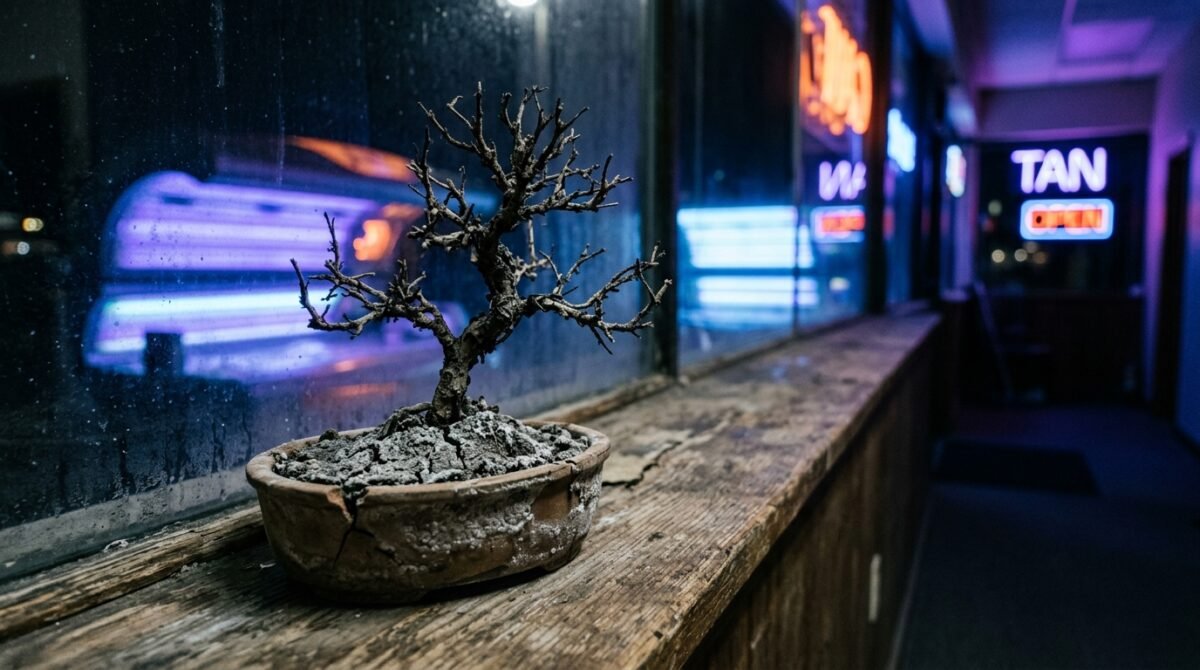
They say that the art of bonsai is a lesson in patience, requiring decades of meticulous pruning, precise watering schedules, and a deep, meditative connection to the living world. For fifteen years, my collection—a carefully curated array of Juniper, Pine, and Maple specimens—was the heartbeat of my apartment. It wasn’t just a hobby; it was a commitment to the slow, steady rhythm of nature in the middle of a concrete jungle. I viewed them as my silent companions, survivors of every major life transition I had endured since graduating college.
My roommate, Sarah, was the polar opposite. She viewed our apartment not as a shared space, but as a backdrop for her lifestyle brand. When she moved in six months ago, I was cautious, but I never imagined my living room window—the only spot with adequate afternoon light—would become the epicenter of an all-out war. She claimed that the ‘clutter’ of my ceramic pots obstructed her ‘optimal tanning zone,’ a specific sliver of light she demanded for her afternoon sessions.
I dismissed her complaints as typical roommate squabbles, assuming a simple compromise would suffice. I even moved two of the smaller trees to the hallway to appease her. But the resentment had been brewing beneath the surface, a slow-burning toxicity that I failed to recognize until it was far too late. I came home on a Tuesday afternoon to the smell of brine and death, to find my life’s work sitting in a puddle of gray, salty sludge.
This isn’t just about plants. It is about a fundamental violation of boundaries and the chilling realization that some people view the world through a lens of total entitlement, where anything they find inconvenient is eligible for immediate destruction. I didn’t just lose trees; I lost the comfort of feeling safe in my own home. This is the story of how a fifteen-year legacy was extinguished in seconds, and how the internet responded to the madness.
The Escalation of the Tanning Window Conflict
It started with subtle snide remarks. Every time Sarah walked past the window, she would heave a heavy sigh, pointedly moving her tanning lamp closer to the glass and nudging one of my pots with her foot. ‘It’s just so claustrophobic in here, don’t you think?’ she would say, her eyes fixed on her phone screen. I tried to explain that these plants required specific light angles to maintain their health, but she simply rolled her eyes.
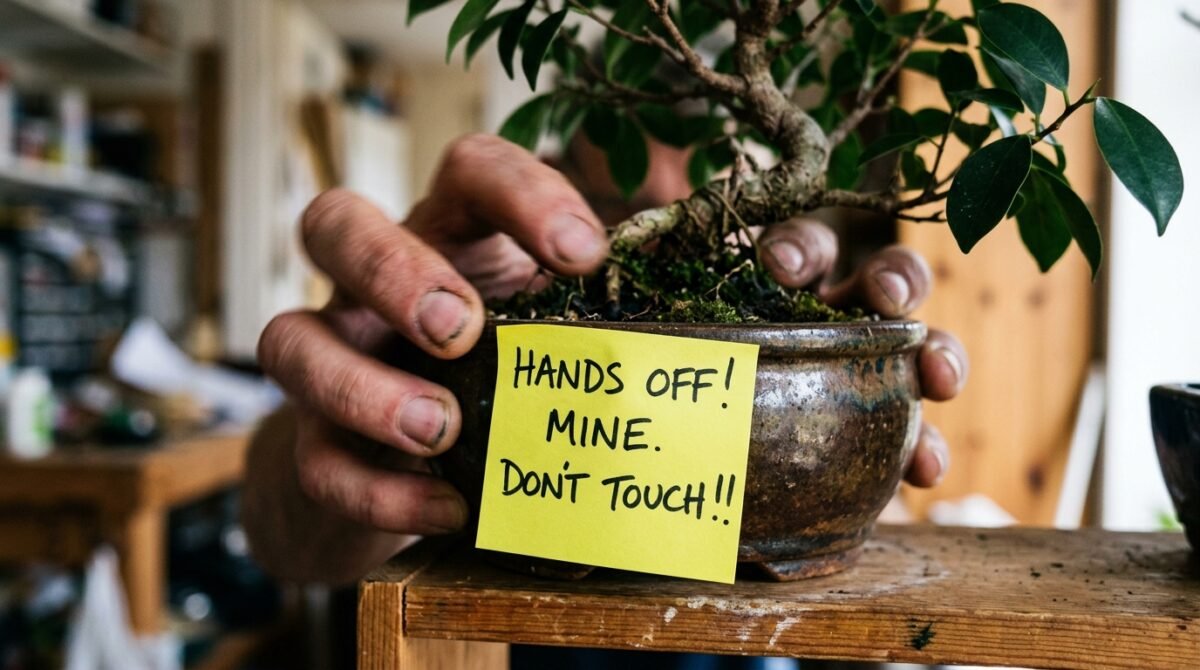
The tension peaked when she started leaving sticky notes on the ceramic bases of the trees. They were passive-aggressive messages like ‘Blocked view!’ and ‘Tanning time = 3-5 PM, please move.’ I ignored them, assuming she would get the hint that I wasn’t going to dismantle a decade of horticultural work just so she could achieve a slightly darker shade of bronzed skin.
One afternoon, I caught her physically rearranging them while I was on a Zoom call. She wasn’t just moving them; she was pushing them into the dark corner of the kitchen, far away from the sun. I ended my call abruptly and confronted her in the living room, my heart hammering against my ribs.
“Sarah, those trees are living organisms. They aren’t props for your apartment aesthetic. Stop touching them, or we are going to have a serious problem.”
— Me, during the first confrontation
She didn’t even look up from her mirror. She just smirked and said, ‘You’re so dramatic. They’re weeds in pots. I’m paying half the rent, and I’m entitled to use the light in the common area. Your little hobby shouldn’t take precedence over my personal wellness.’
I felt a cold shiver run down my spine. The way she dismissed my attachment to the bonsai was chillingly detached. I realized then that she didn’t view them as objects of value, but as obstacles to be removed. I made the mistake of thinking it was just talk.
The Discovery of the Saltwater Massacre
I came home early that day because of a migraine. The apartment was deathly quiet, save for the rhythmic humming of the refrigerator. As soon as I entered the living room, I noticed something was wrong. The air felt heavy, and there was a strange, pungent odor—like the ocean, but stagnant and wrong.
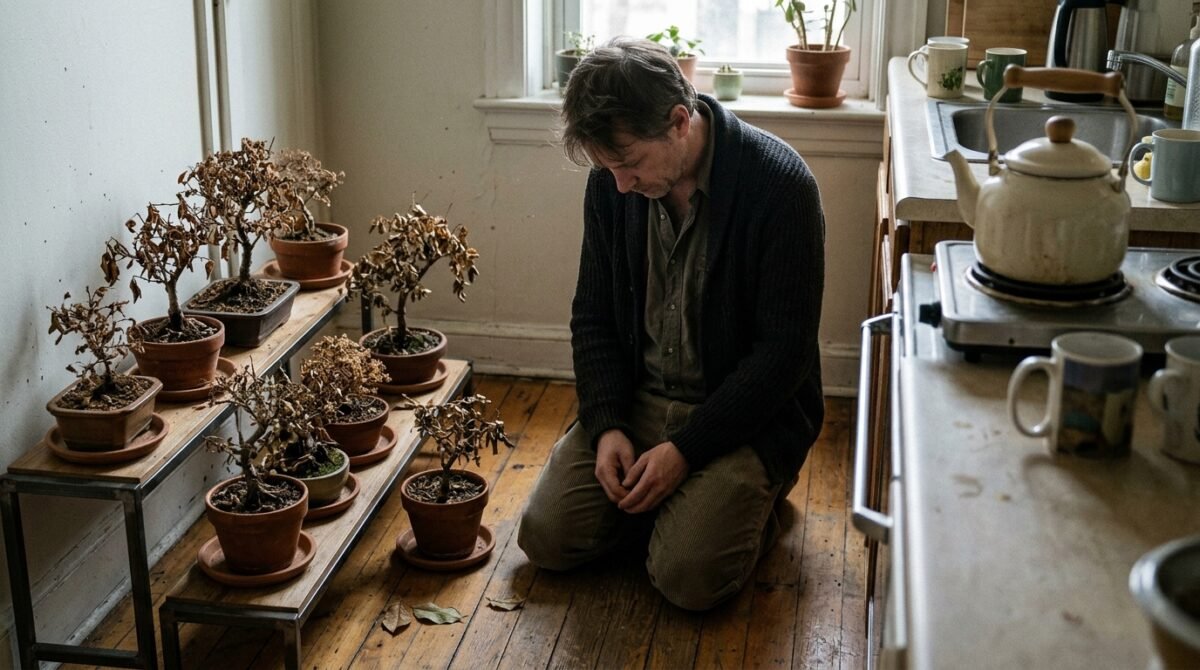
I walked toward the window and stopped dead in my tracks. My beautiful, fifteen-year-old Juniper was dripping with a clear, viscous liquid. The soil was bubbling slightly. I leaned in and touched a leaf; it felt brittle, almost scorched. The ceramic trays beneath the pots were filled with an opaque, white-crusted liquid that smelled unmistakably of concentrated salt.
My mind couldn’t process the reality. I checked the kitchen and found the electric kettle sitting on the counter, still warm to the touch, with a fine white residue lining the inside. Sarah hadn’t just moved them; she had boiled a concentrated saline solution and poured it over the roots to ensure they died from the inside out.
“Sarah! What did you do? My trees… they’re boiling! They’re literally dead!”
— My voice, cracking in the living room
I rushed to the bathroom, sobbing, trying to flush the soil with fresh water, but it was too late. The osmosis had already done its work. The salt had reached the root systems of everything. The prize of my collection—a Juniper that had survived three apartments and a cross-country move—was turning yellow before my eyes.
Sarah walked in from her bedroom, wrapped in a towel, looking absolutely bored. She leaned against the doorframe, checking her nails. ‘Oh, you’re back early. I figured it was the only way to get you to stop obsessing over those things. Now you have space for something useful, like a bookshelf. You’re welcome.’
The Unhinged Justification
I stood there, paralyzed by the sheer magnitude of her audacity. She stood there, completely unbothered, as if she had just cleaned the dust off a coffee table. She started explaining her reasoning as if she were a martyr for the cause of ‘apartment interior design.’ She told me that she had been reading about ‘minimalist living’ and that my collection was a ‘psychological anchor’ holding me back from my full potential.
I couldn’t breathe. I was shaking, not with anger, but with a terrifying clarity. This wasn’t a misunderstanding or a lapse in judgment. This was a calculated act of destruction. She was trying to reshape my life to fit her own shallow worldview, and she felt entirely righteous in doing so.
“You don’t understand, the salt was necessary. I looked it up. It cleanses the soil. You’re going to thank me in a month when the living room actually looks like a grown-up’s apartment.”
— Sarah, explaining her logic
I called my landlord immediately, my hands trembling so hard I dropped the phone twice. Sarah laughed when she saw who I was calling, thinking I was bluffing. She thought that because we were friends—or at least, roommates—that there was some kind of social code that protected her from the consequences of her actions.
I spent the next three hours photographing every pot, every wilted leaf, and every trace of the salt. I felt like a forensic investigator in my own home. Each photo was a testament to fifteen years of effort, now destroyed by a person who valued a tan over the sanctity of someone else’s property.
The Internet Weighs In
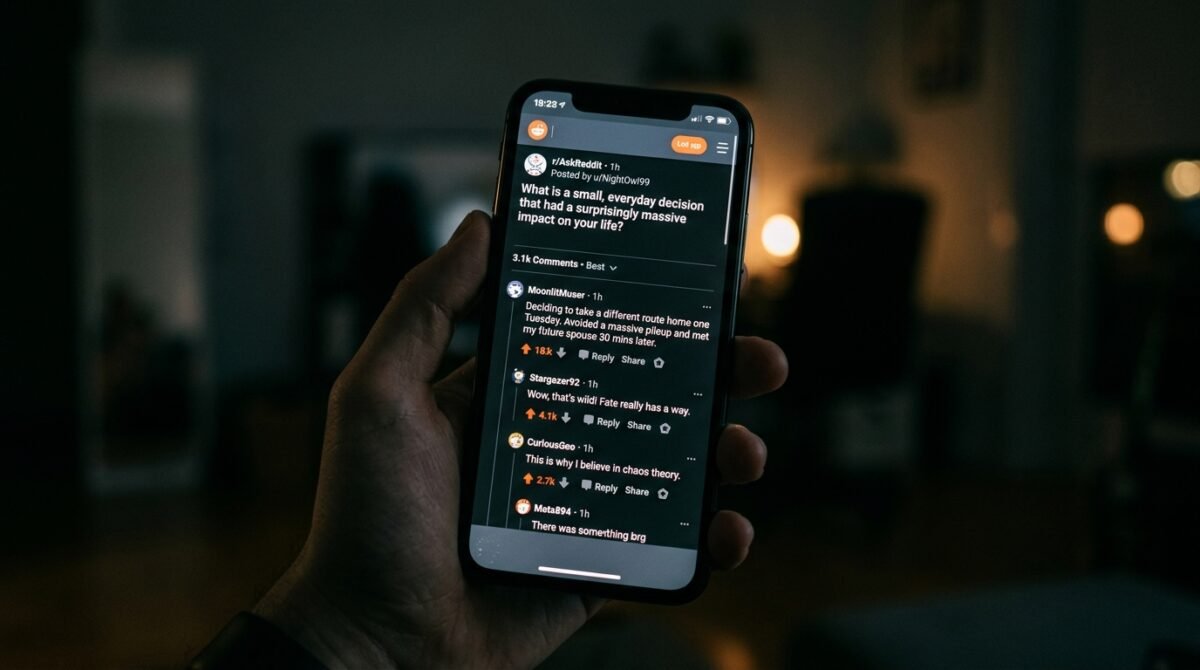
I posted my story on a popular forum that night, expecting some validation, but I wasn’t prepared for the sheer volume of support—and the terrifying stories others shared. The thread blew up within hours, reaching the front page. People were horrified by the level of calculated malice involved in the boiling saltwater method.
“OP, call the police immediately. This isn’t ‘roommate drama,’ this is destruction of property worth potentially thousands of dollars. Do not let her gaslight you into thinking this was anything other than a crime.”
— u/PlantParentExpert (Top Comment, 45.2k upvotes)
The community support was overwhelming, but there were also the contrarians. A few people argued that I should have compromised sooner, or that perhaps the trees were indeed an obstruction. It was a stark reminder that even in the face of blatant abuse, there will always be someone ready to blame the victim for not being ‘accommodating’ enough.
“ESH. Yes, she’s a sociopath for the salt, but you also refused to move them for months? You knew she wanted the space. You were just as stubborn as she was, and this is the result of two people refusing to communicate.”
— u/DevilAdvocate66 (Downvoted to oblivion)
Reading the comments was a rollercoaster. It validated my anger, but it also made me realize how common this type of ‘entitlement narcissism’ actually is. People started posting their own stories about roommates who had thrown away their clothes, sold their instruments, or ‘accidentally’ broken precious heirlooms just because they didn’t like them.
The Legal Reality Check
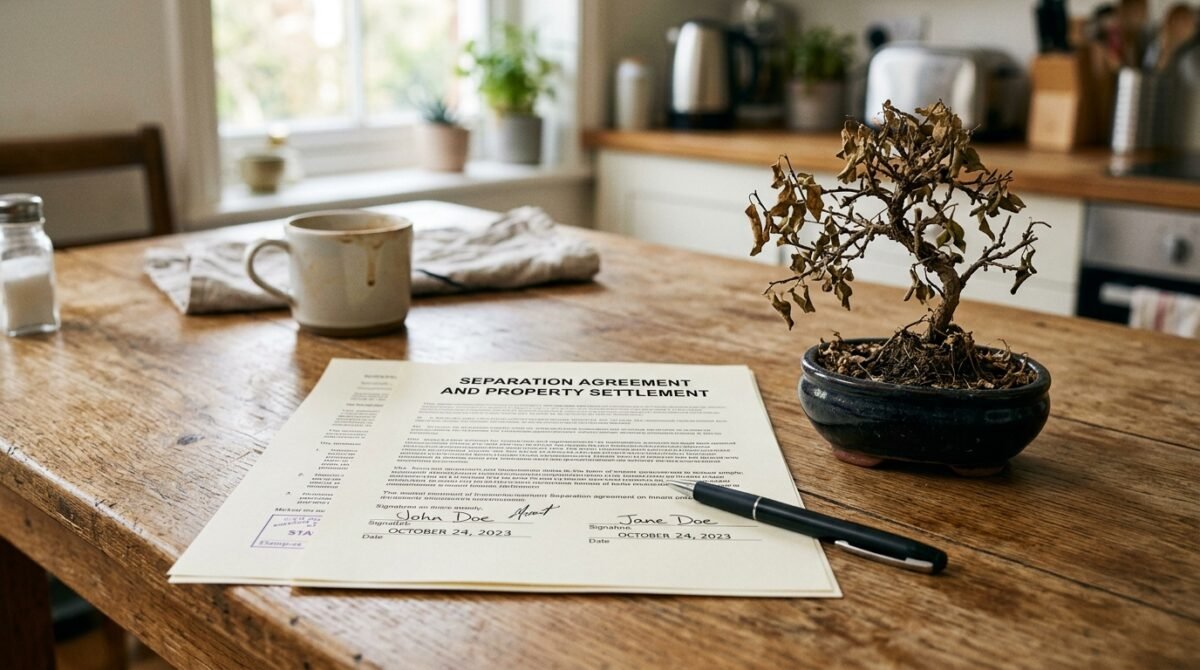
By the next morning, I had a consultation with a local attorney. I brought the photos, a list of the trees (including their species, ages, and estimated market values), and the texts Sarah had sent me regarding the ‘tanning window.’ The attorney’s expression was grim. He explained that while the criminal aspect—the destruction of property—was clear, the financial recovery would depend on proving the value of the bonsai.
I had receipts for some of the older trees, but many were gifts or propagated from cuttings. The attorney told me to prepare for a long, tedious process. He also advised me to issue a formal request for her to vacate, noting that our living situation was now effectively untenable and potentially dangerous.
When I served her the notice to vacate, the mask finally slipped. She wasn’t just a smug roommate anymore; she was a terrified, cornered animal. She started screaming about how she didn’t have money, how she had nowhere to go, and how I was ‘ruining her life’ over some ‘stinky bushes.’
“You’re going to sue me? For some plants? Do you have any idea how crazy you look right now? Everyone is going to think you’re a total psycho.”
— Sarah, during the service of the eviction notice
I realized then that she truly believed she was the victim. She had absolutely no capacity for empathy or understanding the weight of what she had done. It was the most disturbing part of the entire experience—the complete absence of a conscience.
The Group Chat Explosion

The drama spilled over into our shared friend group. Sarah had gone on a campaign to frame me as a ‘controlling, obsessive roommate’ who had been hoarding the common area for years. She posted a long, carefully worded message in our group chat, trying to get people to take her side.
“Hey guys, just a heads up that I’m moving out. My roommate is having a complete breakdown over some plants I accidentally knocked over, and they are threatening to sue me for everything I have. It’s been really toxic living with someone so unstable. Just wanted to warn you all in case you hear some lies.”
— Sarah, in the group chat
The response was not what she expected. A few of our mutual friends had already seen the Reddit post or heard whispers of what happened. They didn’t buy her narrative for a second. The group chat exploded, with people calling her out on the specific details of the ‘boiling saltwater’—a detail she had conveniently left out of her version.
The silence that followed her message was deafening. No one defended her. In fact, a few people left the group entirely, making it clear that they wanted no part in her drama. It was the first time I felt a sense of true vindication. The truth had a way of cutting through her carefully constructed lies.
The Cleanup and the Void
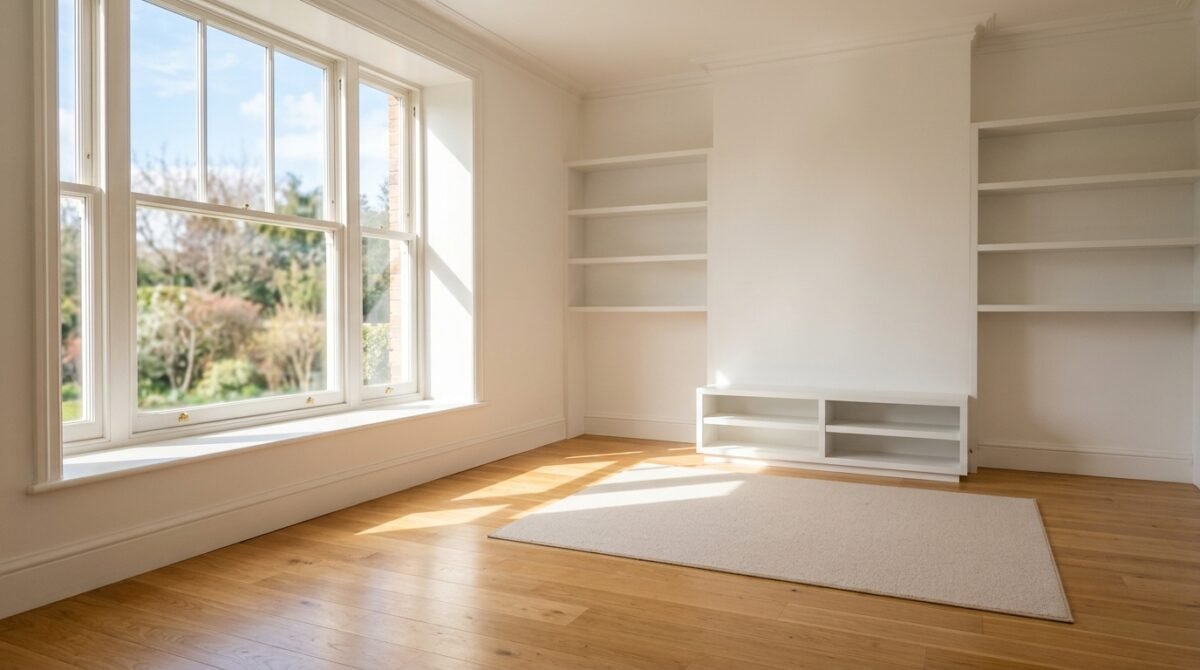
Cleaning out the apartment was a somber, meditative experience. I had to dispose of the trees, one by one. I wrapped them in plastic, feeling the weight of fifteen years of growth in my hands. Each one represented a different stage of my life: the one I bought when I got my first job, the one I nursed back to health after a breakup, the one that sat on my desk during my master’s degree.
As the pots left the apartment, the space felt larger, brighter, and completely empty. Sarah moved out two weeks later, leaving the apartment in a state of disarray. There was salt everywhere—stains on the hardwood, crusted residue on the windowsill, and a lingering sense of malice that I couldn’t seem to scrub away.
I spent an entire weekend deep-cleaning the living room. I washed the windows, scrubbed the floors, and painted the walls to cover the marks where the shelves used to be. It was a symbolic cleansing of the energy she had left behind. I wanted nothing to remind me of her, or the way she had invaded my sanctuary.
I didn’t keep any of the ceramic pots. They felt tainted, forever associated with the act of destruction. I donated them to a local community garden, hoping that someone else might use them to start something new, something that would be treated with more respect than my collection had been.
Life After the Bonsai
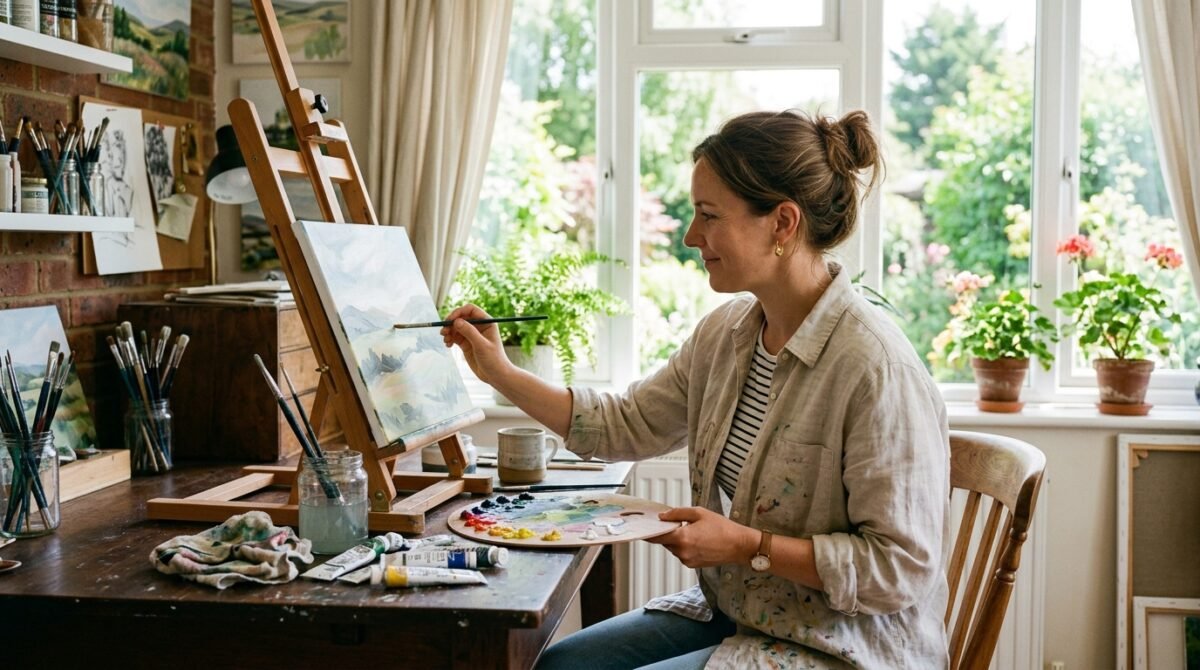
It’s been six months since she moved out. I haven’t replaced the collection yet. I’m not sure if I’m ready. Every time I walk into a nursery, I feel a pang of loss, a reminder of the patience I lost that day. But I also feel something else—a sense of liberation. I don’t have to worry about who is touching my things, or who is complaining about the light, or who is plotting to destroy my peace.
I’ve started focusing on other things. I’ve taken up painting, something that occupies my hands and my mind in a different way. I’ve set strict boundaries with my new housemate, a quiet, respectful person who understands the value of personal space. We have a shared understanding: the common area is for everyone, and respect is the baseline.
I still occasionally look at the spot where the trees used to sit. The light still hits the window in that same, beautiful way at 3:00 PM. But now, it’s just light. It’s not a point of contention. It’s just a reminder of the sun, and the fact that I am safe in my own home.
The legal case is ongoing, but I’ve stopped obsessing over the outcome. The money doesn’t matter as much as the peace I’ve regained. I realized that the value of the bonsai wasn’t just in the plants themselves, but in the time I spent with them. That time is gone, but the lesson I learned is permanent.
The Lingering Lessons of Entitlement

Looking back, I see the red flags I ignored. The way she felt entitled to the space, the way she dismissed my interests as ‘clutter,’ the way she treated our apartment like an extension of her own ego. I was so caught up in being a ‘good roommate’ that I failed to see the danger right in front of me.
We are often taught to be accommodating, to share, to find the middle ground. But there is no middle ground with someone who views your existence as an obstacle. There are people in this world who do not operate by the same rules of empathy and respect. Recognizing that is not cynical; it is self-preservation.
If there is one thing I want people to take away from this, it’s that your boundaries are not negotiable. If someone makes you feel small, if they try to change the things that give your life meaning, or if they threaten your peace, do not wait for them to escalate. Set the boundary, and if they cross it, act immediately.
I’ve learned that life is too short to share it with people who don’t deserve your company. I’ve learned that the objects I own are not just things; they are extensions of my journey, and protecting them is an act of self-respect. And most importantly, I’ve learned that I am capable of starting over.
The Final Verdict of the Community

The Reddit community remained a source of strange comfort long after the initial post. People still message me, asking for updates or sharing their own stories of recovery from toxic roommates. It’s a strange, digital support group, but it’s been invaluable in helping me process the trauma of that day.
“The thing about these people is that they never change. She’ll do this to the next person, and the one after that. You saved yourself by getting her out. Don’t ever feel guilty for standing your ground.”
— u/SupportiveHuman (12.4k upvotes)
It’s fascinating how a story about plants can reveal so much about the human condition. We all have things we care about—our hobbies, our collections, our sanctuaries. The idea that someone could just walk in and take that away from us is a universal fear. It’s why this story resonated with so many.
I’ve realized that the internet isn’t just for memes and entertainment. It’s a place where we can share our experiences, validate our feelings, and learn from each other’s mistakes. It’s a community, for all its flaws, and I’m grateful for the perspective it has given me.
I am moving on. The salt is gone, the anger has faded into a dull memory, and I am ready to grow again. Maybe not a bonsai, maybe not yet, but I am ready to plant something new in the sunlight of my own life.
Conclusion
This experience was a brutal lesson in the fragility of our peace and the necessity of guarding it. When we share our spaces, we are sharing our lives, and the people we choose to live with—or are forced to live with—have an immense impact on our well-being. My collection of fifteen years was more than just trees; it was a testament to my ability to nurture, to wait, and to grow. Having that destroyed was a profound loss, but it also forced me to reclaim my space and my sense of self.
If you find yourself in a situation where your boundaries are being ignored or your property is being treated with contempt, don’t wait for a breaking point. Document, communicate, and protect yourself. Your home should be your sanctuary, not a battleground. As I look back on this chapter, I realize that while I lost the bonsai, I gained a much firmer grasp on what I will never tolerate again.
I want to hear from you: Have you ever had a roommate or a partner destroy something precious to you, and how did you handle the aftermath? Does the ‘tanning window’ argument feel like a bizarre outlier, or does it remind you of a petty entitlement you’ve faced in your own life? Let’s talk about it in the comments below.
What's your verdict on this dilemma?
Vote below to contribute to the official community consensus.

Have a Dilemma Keeping You Up at Night?
Share your real-life feud, wedding chaos, or relationship crossroads anonymously with our editorial team.
What do you think ?
0 Comments🛡️ Comments are moderated to protect community integrity. Your comment will appear once approved by the editorial team.