
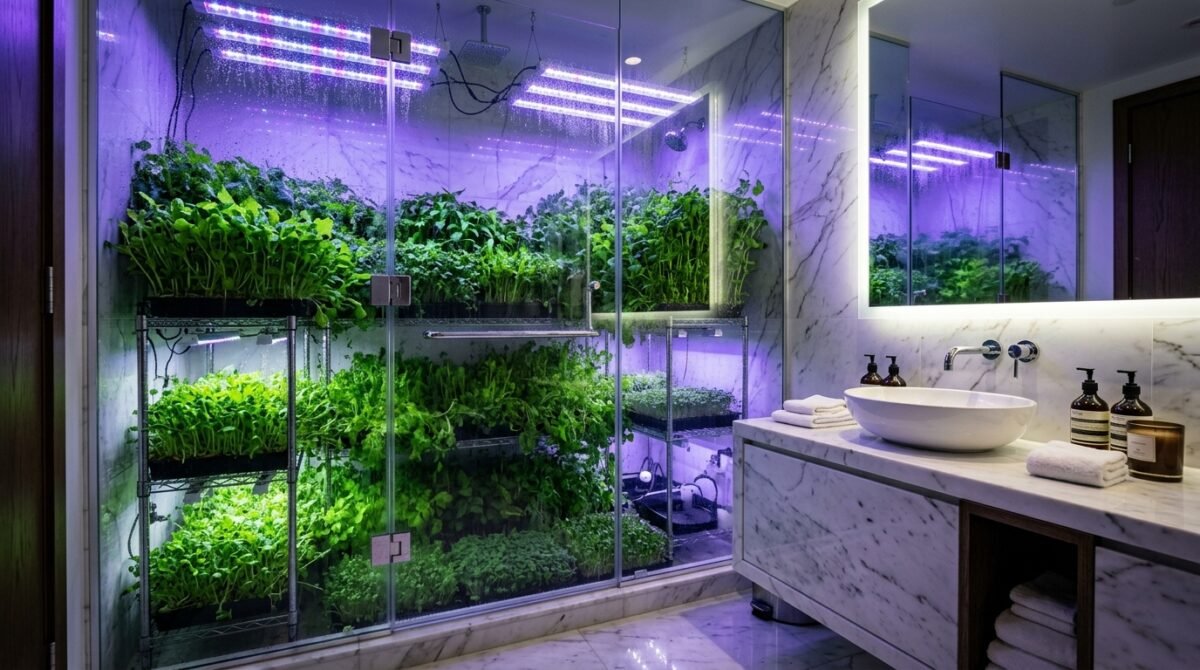
Living with a roommate is a game of compromise. You negotiate chores, fridge space, and the occasional guest policy. Never in my wildest dreams did I expect to be negotiating the structural integrity of my plumbing against a vertical agriculture start-up. My roommate, Jason, had always been the entrepreneurial type—always talking about ‘side hustles’ and ‘market disruptions.’ But when he told me he was looking into ‘high-yield urban farming,’ I assumed he meant a few pots of basil on the fire escape, not an industrial-grade hydroponic setup inside our master shower.
It started subtly. A few trays here, a small LED strip there. Before I knew it, the master bathroom had been converted into what looked like a high-tech laboratory, complete with hums, glowing violet lights, and a humidity level that made me feel like I was living in a tropical rainforest. I tried to talk to him. I tried to reason with him about the smell of wet soil and the inevitable damage to the grout. But Jason was convinced he was on the cusp of becoming the next big supplier for local high-end bistros.
The tipping point wasn’t just the space; it was the financial hemorrhaging. Our water bill for the last month came in at nearly four times our usual rate. When I confronted him with the invoice, he laughed it off as a ‘cost of business’ that would be ‘recouped in the next harvest cycle.’ That was when I realized logic wasn’t going to save our apartment. If the water was the lifeblood of his delusional empire, I had to cut off the supply. This is the story of how a shower-turned-farm ended in a plumbing standoff that shattered our friendship.
The Initial Pitch: Basil and Ambition
It began on a Tuesday evening over a lukewarm takeout pizza. Jason had been watching YouTube videos on ‘passive income’ for weeks, but I didn’t think much of it until he gestured toward our underutilized master shower. He described it as a ‘dead asset’—a space that could be generating thousands of dollars a month. I told him he was crazy, but he insisted the microgreens market was booming, and he just needed a ‘controlled environment’ to get the initial batches going.
I told him I was fine with a few trays on the counter, but the shower was off-limits. I need that space for my post-gym routine. He nodded, looking all cooperative and reasonable. I should have known better. He is the type of person who smiles while he’s planning his next move, a trait I mistook for charm instead of calculated manipulation. Within three days, the shower was gone, replaced by a tiered rack system that looked like it belonged in a government facility.
He didn’t even ask to clear the initial build with me. I came home from work to the sound of pumps humming and the smell of damp potting mix. My shower head was barely visible, buried behind layers of plastic shelving. When I asked what happened to our agreement, he claimed that the ‘yield metrics’ required the specific vertical configuration of the shower stall. He promised me he’d be out in a month, once he made his first big sale.
“Look, it’s just for six weeks. Once I land the contract with that fancy bistro downtown, I’ll have the capital to rent a proper warehouse space. Don’t be a dream-killer, man.”
I should have put my foot down then. I should have demanded he tear it all out. But I was tired, and he was so enthusiastic, painting a picture of us eventually paying half our rent with ‘greens profit.’ I allowed myself to be gaslit into believing this was a temporary inconvenience. I started using the guest bathroom, which felt like a defeat every time I walked down the hall with my towel. The apartment was changing, and not for the better.
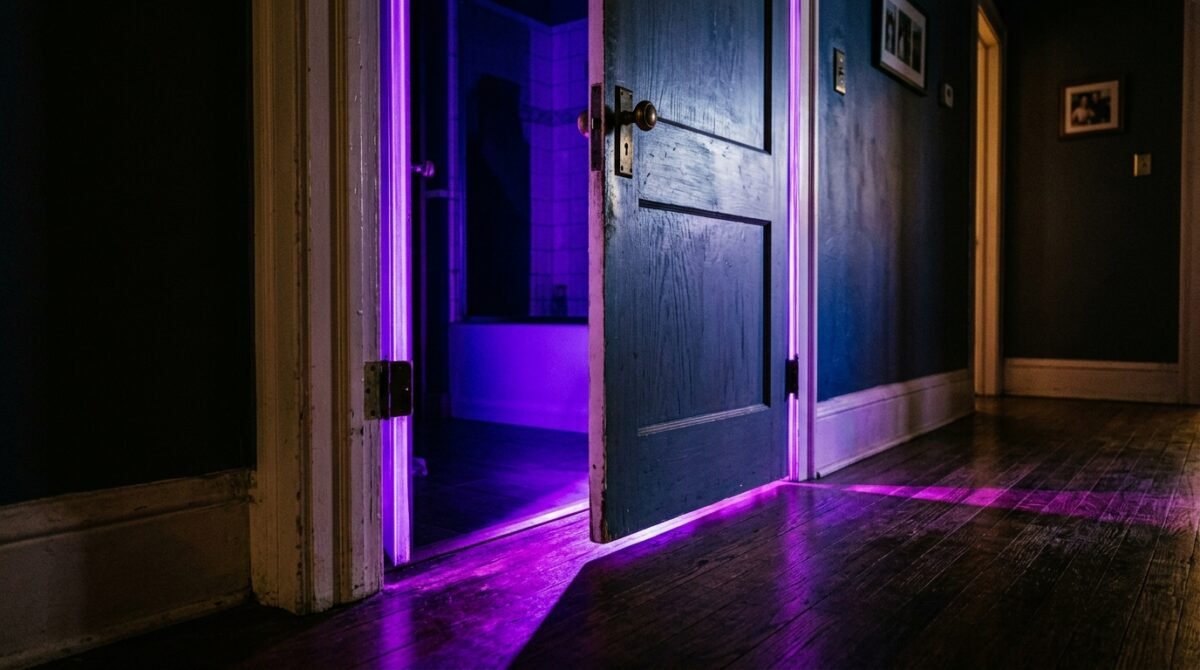
The humidity began to rise throughout the unit. My books started to warp, and I noticed a slight, metallic taste in the air. The light from the bathroom would bleed out into the hallway at night, casting a weird, alien glow that made it impossible to sleep. I was living with a miniature ecosystem, and the ecosystem was starting to win. I was a tenant, but in my own home, I felt like an intruder in a farm.
The First Water Bill Shock
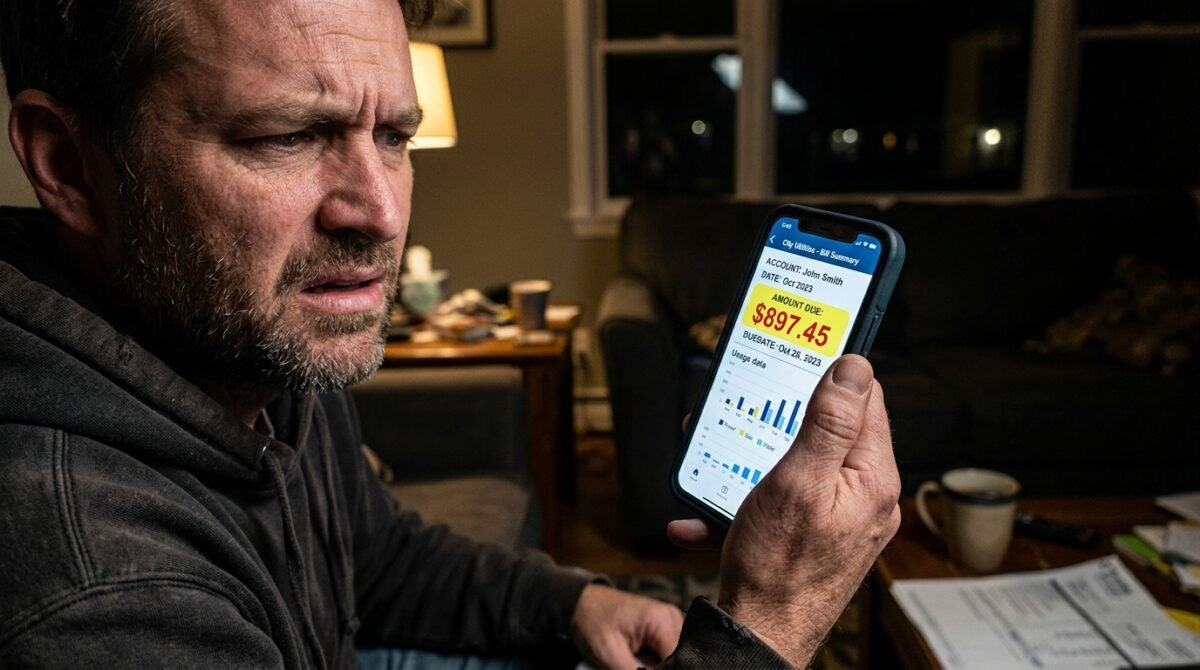
The utility bill arrived at the end of the month, and I almost dropped my phone. Our water consumption had spiked by 400%. It wasn’t just the volume of water; it was the constant, non-stop flow required to keep the hydroponic trays moist. Jason had connected a sophisticated timer system to the shower faucet, meaning the pipes were running nearly 20 hours a day. When I showed him the number, his response was infuriatingly dismissive.
He pulled up a spreadsheet on his laptop, trying to show me ‘projected revenues.’ He argued that the cost of water was negligible compared to the thousands he was expecting to make from his ’boutique pea shoots.’ He didn’t seem to care that the money was coming out of my bank account right now, while the profit was purely speculative. He insisted that I was just ‘looking at the short-term cost’ instead of the ‘long-term investment.’
I told him that his long-term investment was currently bankrupting our short-term bank balance. I demanded he pay the entirety of the water bill and set aside a deposit for any potential mold damage to the bathroom. He looked at me like I was asking him to pay for a luxury yacht. He argued that since we were ‘business partners’ in spirit, the household bills should still be split 50/50, regardless of his hobby farm’s consumption.
“You’re being incredibly shortsighted. This isn’t just water; it’s infrastructure. If you want to talk about money, let’s talk about the ROI when I start supplying the city’s top chefs.”
I felt my blood pressure rising. This was no longer about a few microgreens; it was about respect and shared boundaries. I realized then that Jason didn’t view our apartment as a home; he viewed it as a resource to be exploited for his personal gain. He had become a squatter in his own living space, and he expected me to subsidize his failure. The tension in the apartment became palpable; it was a physical weight that sat in the living room every evening.
I started documenting everything. I took photos of the mold forming on the ceiling tiles, I scanned the water bills, and I saved every text message where he dodged responsibility. I knew that at some point, I was going to need proof. I wasn’t just living with a dreamer anymore; I was living with a man who had completely lost sight of reality and his obligations to his roommate. I was effectively paying for his ‘success’ while living in a damp, glowing prison.
The Midnight Humidity Crisis
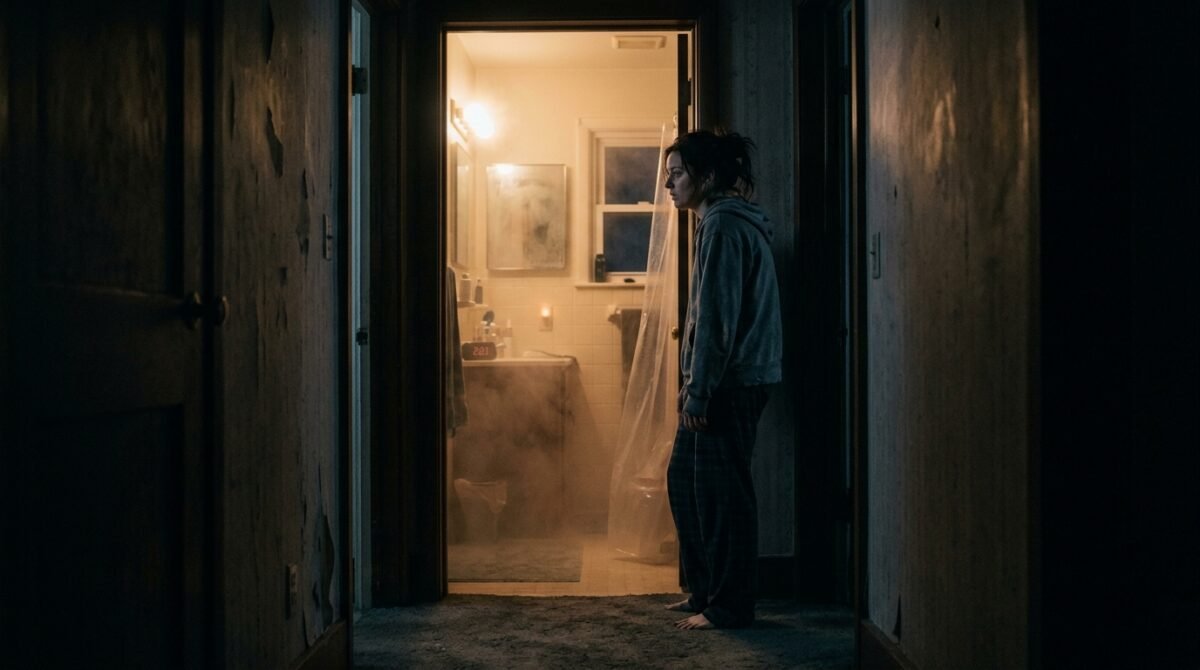
The breaking point arrived on a Tuesday night around 2:00 AM. I woke up feeling like I was breathing underwater. The humidity had reached such a high point that the windows in the living room were completely fogged over. I walked to the bathroom, and the smell of wet earth and rot hit me like a physical wall. I pushed open the door and saw that one of the hydroponic lines had burst, flooding the shower floor with a mix of water and nutrient-rich fertilizer.
Jason was fast asleep in his room, oblivious to the fact that his ‘business’ was actively destroying our lease. The water was pooling near the bathroom door, threatening to seep into the floorboards of the bedroom. I had to act fast. I grabbed a bunch of towels, but they were useless against the sheer volume of water leaking from the pump system. The entire apartment felt like it was decaying.
I shook Jason awake. He was groggy and annoyed that I’d woken him up, but as soon as he saw the state of the bathroom, he didn’t even panic. He just grabbed a mop and told me it was ‘part of the learning process.’ That was the moment something in me snapped. It wasn’t just a mistake; it was complete negligence. I stood in the doorway, watching him try to mop up a flood while I realized he was never going to stop.
“Are you kidding me? This is a disaster, Jason! There is mold on the ceiling and water is leaking into the hallway! Shut the whole thing down!”
He looked at me, his eyes unfocused and defensive, and said that he’d ‘recalibrate the sensors’ tomorrow. There was no remorse. There was no acknowledgement that he had jeopardized our security deposit or, worse, our health. I realized then that I couldn’t rely on him to do the right thing. He was too deep into his own delusion to see the damage he was causing, both to the apartment and to our relationship. That night, I made my decision.
I stayed up until dawn, watching the mist swirl in the bathroom light. I knew I couldn’t evict him—that would be a legal nightmare. But I could control the environment that allowed his farm to exist. If he wanted to run a commercial operation in our master shower, he needed water. And if I was the one paying for the water, then I had every right to turn the tap off. It felt like the only logical conclusion to a situation that had spiraled completely out of control.
The Turn of the Valves
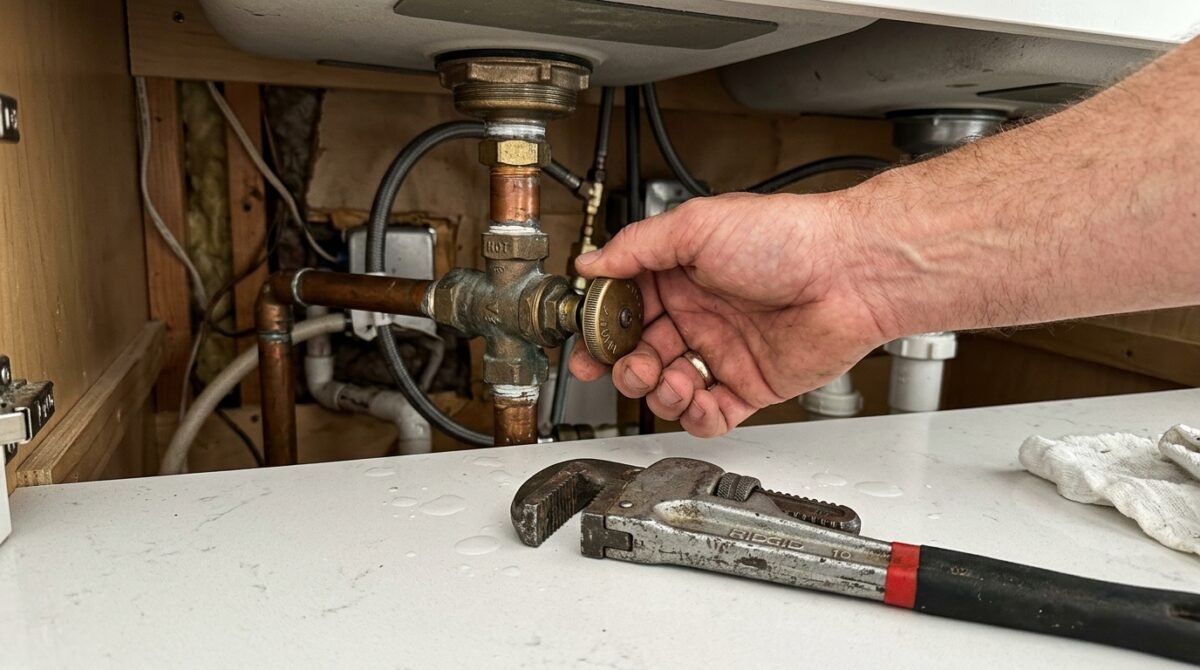
The next morning, while Jason was out at his day job, I went to the maintenance panel. I had spent the previous evening watching tutorials on how to shut off the specific water supply to the master bathroom without cutting off the kitchen or the guest bathroom. It was surprisingly easy. A few turns of a wrench and the hissing of the pipes stopped. It was the most satisfying sound I had heard in months.
The silence in the apartment was deafening. The pumps in the shower groaned for a few seconds, struggling to find water, and then they died. The purple LEDs remained on, but the lifeblood of the operation had been severed. I felt a surge of adrenaline. I wasn’t doing this to be petty; I was doing it to preserve the apartment. I cleaned up the remaining puddles and laid a towel over the shower drain to ensure no further moisture could escape.
I knew he would notice the second he got home. I didn’t hide the wrench. I left it on the kitchen counter, right next to the latest water bill. I sat down and waited. I had a clear, calm sense of purpose. I had given him every opportunity to fix this, and he had chosen his ‘microgreens’ over our living situation. Now, he would have to face the music.
“You’re going to be furious, but I’ve shut off the water to the master shower. The utility costs and the damage to the property are no longer acceptable. We are done with this.”
When he walked in, he didn’t even say hello. He went straight to the bathroom to check on his ‘crop.’ I heard his confusion when the pumps didn’t start. He came out, face pale, holding the wrench. He didn’t yell. He just looked at me with a mixture of shock and disbelief. He asked me how I could do this to him, how I could ‘sabotage’ his business. He really believed that I was the one in the wrong.
I told him to look at the mold on the ceiling. I pointed to the water bill. I explained that the farm was done, effective immediately. He threatened to call the landlord, but I laughed, telling him that the landlord would be thrilled to know about the illegal commercial farm he was operating in the master shower. The power dynamic had shifted entirely. He had the ‘business,’ but I had the water and the leverage.
The Confrontation of Values
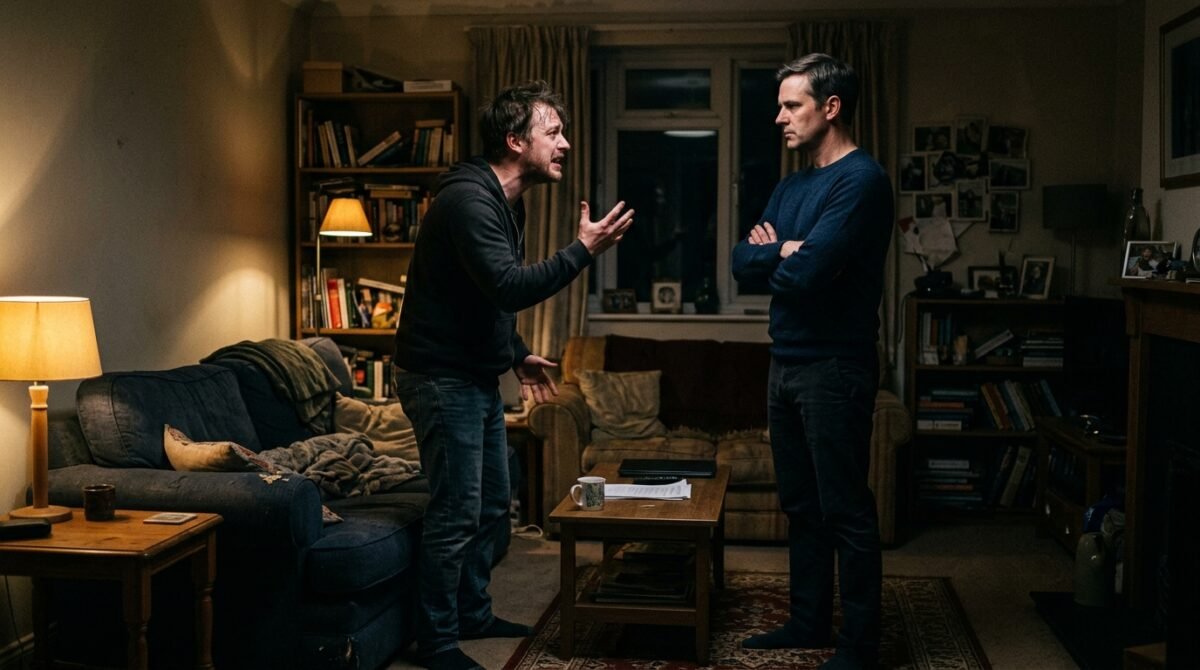
The confrontation that followed was long and brutal. Jason tried to argue that I had signed an implied contract by letting him start, but I held my ground. We went back and forth for hours. He tried to gaslight me, saying I was jealous of his ‘ambition’ and that I was small-minded for not supporting his growth. I reminded him that ambition without responsibility is just a recipe for disaster. We weren’t a company; we were two people trying to live in an apartment.
He even tried to bring in a mutual friend to mediate, but when that friend saw the state of the bathroom—the mold, the humidity, the ruined shower tiles—he took one look at me and told Jason he was being unreasonable. That was the first time Jason realized he didn’t have the moral high ground. He felt isolated, but he still refused to admit he had done anything wrong. He kept calling it a ‘setback’ rather than a failure.
The argument shifted to the money. He demanded I turn the water back on so he could save his crop. I told him I would only turn it on if he signed a written agreement to move his entire operation out by the end of the week and pay for all the damages. He refused, calling my ultimatum ‘extortion.’ I stood there, arms crossed, feeling a strange sense of peace. I had finally taken back control of my environment.
“It’s not extortion, Jason. It’s called living like a responsible adult. If you want to run a farm, do it in a commercial space, not in a residential shower you share with someone else.”
He spent the rest of the night frantically trying to hand-water his plants using jugs from the kitchen sink. It was pathetic, watching him run back and forth, desperate to save his ‘investment’ while the mold continued to spread. I didn’t help him. I went to my room, closed the door, and put on my noise-canceling headphones. The sound of his frantic footsteps began to fade as he realized that hand-watering a hundred trays was impossible.
By morning, the plants were wilting. The purple lights, no longer accompanied by the hum of the pumps, felt like a funeral parlor for his failed dream. He was exhausted, defeated, and, for the first time in months, quiet. The apartment felt like it was finally returning to normal, even though the damage was done. The relationship was fractured, perhaps beyond repair, but I was no longer a victim of his hobby.
The Aftermath: Moving Out
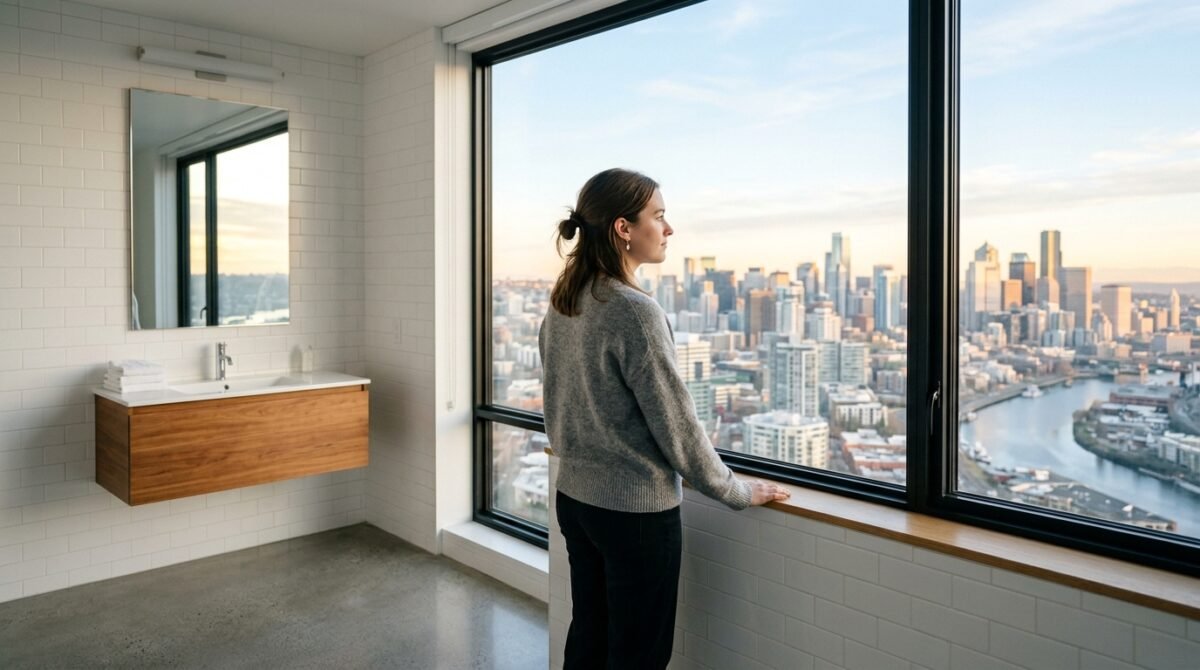
Within forty-eight hours, Jason had moved his entire operation out. It was a miserable process, involving trash bags filled with wet soil, hundreds of broken plastic trays, and a lingering smell that seemed to permeate the carpets. He didn’t speak to me the entire time. He just worked with a grim, silent intensity, his pride clearly wounded. I watched from the living room, not offering to help, knowing that this was a mess he had created entirely on his own.
The bathroom was a wreck. The grout was black with mildew, the shower head was clogged with calcium deposits, and the floor had water damage that would definitely cost us part of our security deposit. I made a list of every item that needed professional cleaning and presented it to him. He didn’t fight it. He signed the agreement, seemingly relieved to just be done with the whole ordeal. He knew he didn’t have a leg to stand on.
The final day was the hardest. He packed his things, not just the farm equipment but his own belongings as well. He had decided he couldn’t stay in an apartment where he couldn’t ‘grow.’ I didn’t try to stop him. I realized that we were fundamentally incompatible as roommates. He needed a partner who would indulge his delusions, and I needed a partner who respected boundaries and the basic rules of shared living.
“I hope you find your warehouse, Jason. Truly. But you need to learn that you can’t build your future on the back of someone else’s living space.”
He didn’t reply. He just closed the door behind him, and the apartment was finally, blissfully, mine. I spent the next week scrubbing, disinfecting, and airing out the place. The smell took forever to leave, but the peace of mind was worth it. I had been pushed to the edge, but I had successfully reclaimed my home. It was a expensive lesson in setting boundaries, but one I would never forget.
I eventually moved out of that apartment a few months later, wanting a fresh start. The memory of the ‘shower farm’ still haunts me every time I take a shower. I check the corners for mold, I listen to the pipes, and I feel a pang of annoyance at the thought of what I went through. But I also feel a sense of pride. I didn’t let myself be walked over. I stood up for my home, and I won.
Reddit Weighs In: The Verdict

I decided to post my story on Reddit to see if I was actually the villain. The response was overwhelming. Within hours, the thread had thousands of comments, with the vast majority of people siding with me. The consensus was clear: Jason was an entitled, delusional roommate who had zero respect for shared living. Some people even shared their own horror stories of ‘entrepreneurial’ roommates who had turned living rooms into workshops and dining rooms into storage lockers.
One user, a property manager, pointed out that what Jason was doing was actually a violation of our lease and could have resulted in an immediate eviction for both of us if the landlord had found out. That made me feel even better about my decision to cut the water. I hadn’t just saved my sanity; I might have saved my credit score and my rental history. The support from the community was validation I didn’t realize I needed.
Of course, there were a few ‘Jason-like’ commenters who thought I was being ‘unsupportive’ and that I should have ‘invested’ in his vision. I ignored them, but it was interesting to see how some people truly believe that personal goals override basic social contracts. The debate in the comments section became quite heated, with people arguing about the nature of friendship versus the nature of business. It was fascinating to watch.
“NTA. You didn’t sabotage a business; you stopped a massive property damage event in progress. He was essentially stealing your money to fund a hobby that was destroying the unit.”
— u/PropertyLawyerRedditor (Top Comment, 32.1k upvotes)
The thread became a repository for people venting about their own ‘side-hustle’ roommates. It seems that ‘micro-entrepreneurship’ is the new plague of the roommate world. People shared stories of roommates brewing beer in the bathtub, 3D printing in the bedroom, and even keeping exotic animals in the walk-in closet. It was a dark, hilarious window into the world of modern urban living where every square foot is a potential battlefield.
I read through as many comments as I could. The validation was great, but the real takeaway for me was realizing how common this dynamic is. People are so desperate to be ‘hustlers’ that they stop seeing the people around them as human beings. They see them as resources. I was glad to be out of that situation and even gladder that I had the backbone to stand up for myself before it went even further.
Lessons in Boundaries

Looking back, the biggest lesson I learned was the importance of early, direct communication. I was too ‘nice’ at the beginning. I let him start with a few trays because I wanted to be a ‘good roommate,’ and that small concession gave him the permission he needed to take over the whole space. If I had said ‘no’ the moment he brought the first tray, I would have saved myself months of stress and thousands of dollars.
Boundaries aren’t mean; they’re the framework that makes relationships possible. I spent so long trying to be supportive of his ‘dream’ that I forgot to protect my own peace. In the future, I know that if a roommate starts something that impacts the shared space, the answer is an immediate, clear ‘no’ until we have a formal, written agreement. And even then, I’ll be much more skeptical of any ‘business’ that involves water, electricity, or structural changes.
I also learned that you can’t save someone from themselves. Jason was so convinced that he was a genius on the verge of a breakthrough that he couldn’t see the mold on his own ceiling. You cannot reason with a person who has decided that their reality is the only one that matters. All you can do is protect yourself and move on. He’s probably out there somewhere, still trying to find the next big ‘side hustle,’ and that’s fine, as long as he’s not doing it in my house.
“The most important thing I learned is that ‘being a good roommate’ doesn’t mean being a doormat. It means holding the line for both of your sake, even when it’s uncomfortable.”
I feel a lot more confident in my ability to handle conflict now. I’m no longer afraid of being the ‘bad guy’ if it means maintaining a healthy living environment. The experience was a trial by fire, but I came out the other side with a much stronger sense of self and a much better understanding of what I deserve in a roommate. I’m living alone now, and honestly? It’s the best decision I ever made.
If you’re in a situation where your boundaries are being crossed, don’t wait for it to get better. It won’t. People like Jason don’t suddenly become considerate. They have to be forced to face the consequences of their actions. Don’t be afraid to pull the plug, literally or figuratively. Your peace of mind is worth more than their ‘hustle.’
The Financial Breakdown

To put things into perspective, I decided to keep a record of the financial impact of the experiment. It’s sobering to look back at the numbers. What started as a ‘small side project’ ballooned into a significant financial burden that took me months to recover from. I’ve compiled a simple table to show just how quickly a ‘small hobby’ can drain a household budget when it’s not properly managed.
| Category | Initial Expectation | Actual Cost |
|---|---|---|
| Water Bill | $60/month (shared) | $240/month (total) |
| Cleaning/Supplies | $0 | $350 (professional mold) |
| Property Damage | $0 | $500 (security deposit) |
| Total Impact | $0 extra | $1,030 total |
The $1,030 was a hard pill to swallow for a young professional. It represented rent money, savings, and the funds I had earmarked for a vacation. Jason eventually paid back half, but the damage to the security deposit was taken out of both our pockets. It was a painful reminder that when you share space, you share risk. If your roommate is a risk-taker, you are, by default, a risk-taker too.
I also factored in the time cost. I spent dozens of hours cleaning, researching, and fighting. If you were to bill that at an hourly rate, the cost would be even higher. It’s a classic case of the ‘hidden costs’ of a bad roommate relationship. We often focus on the rent, but the emotional and physical toll of an intrusive roommate is something you can’t easily quantify in a spreadsheet.
I’m sharing these numbers not just to vent, but to warn others. If your roommate suggests a ‘business’ that involves your shared amenities, run. Run fast. And if they insist, demand a separate utility meter, a legal contract, and a deposit that covers any potential damages. Don’t be like me and think that ‘friendship’ is enough of a buffer. It isn’t. When money and ego are involved, friendship is often the first thing to go.
Reflecting on the ‘Hustle’ Culture

This experience made me think a lot about ‘hustle culture’ and how it’s affected our generation. We are taught that everyone needs a side hustle, that we should be constantly innovating, and that if we aren’t making money in our spare time, we’re wasting it. That pressure can lead people to do incredibly irrational things, like turning their shower into a farm or their bedroom into a sweatshop. It’s a toxic mindset that views every moment as an opportunity for profit.
It’s important to remember that not everyone is an entrepreneur, and that’s okay. A home is a place of rest, not a place of production. When we blur that line, we lose the sanctuary that a home is supposed to provide. My experience with Jason was an extreme case, but it’s symptomatic of a larger problem: the inability to separate our identities from our ‘outputs.’ Jason wasn’t just a guy living with me; he was a ‘founder’ trying to make it big, and that meant he was always ‘on.’ It was exhausting for both of us.
I hope that as more people share stories like this, we can start to deconstruct the idea that ‘hustling’ is always noble. Sometimes, it’s just plain selfish. Sometimes, it’s just a way to ignore the realities of our actual lives and responsibilities. We need to value our peace, our space, and our relationships more than we value the potential for a few extra dollars from a poorly planned side venture.
“The true cost of his ‘side hustle’ wasn’t just the water bill. It was the erosion of trust and the loss of a home that was supposed to be a place to relax.”
I’ve moved on, and I hope Jason has, too. Maybe he’s learned his lesson, or maybe he’s in a warehouse somewhere, still trying to grow those microgreens. Either way, I’m glad I’m not a part of it. I’ve learned to value my home, my boundaries, and my sanity. And honestly? That’s worth more than any business venture I could ever imagine.
Conclusion
Reflecting on this ordeal, it’s clear that boundaries are not just about setting rules; they are about maintaining your sanity in a world that constantly asks us to compromise. My experience with the ‘shower farm’ was a wake-up call to the fact that when you don’t assert yourself, you become a participant in someone else’s chaos. I chose to turn off the water, and in doing so, I turned on the light to my own agency.
I’m curious to hear from you—have you ever lived with someone whose ‘hustle’ completely derailed your living situation? Did you take the passive route, or did you have to draw a line in the sand? Let’s talk about it in the comments. Is there ever a good time to mix business with your personal living space, or is it always a recipe for disaster?
I’ve learned that life is too short to live in a humid, moldy apartment because someone else wanted to be the next big agricultural tycoon. Protect your space, trust your gut, and never be afraid to shut off the valve when things go south.
What's your verdict on this dilemma?
Vote below to contribute to the official community consensus.

Have a Dilemma Keeping You Up at Night?
Share your real-life feud, wedding chaos, or relationship crossroads anonymously with our editorial team.
What do you think ?
0 Comments🛡️ Comments are moderated to protect community integrity. Your comment will appear once approved by the editorial team.