
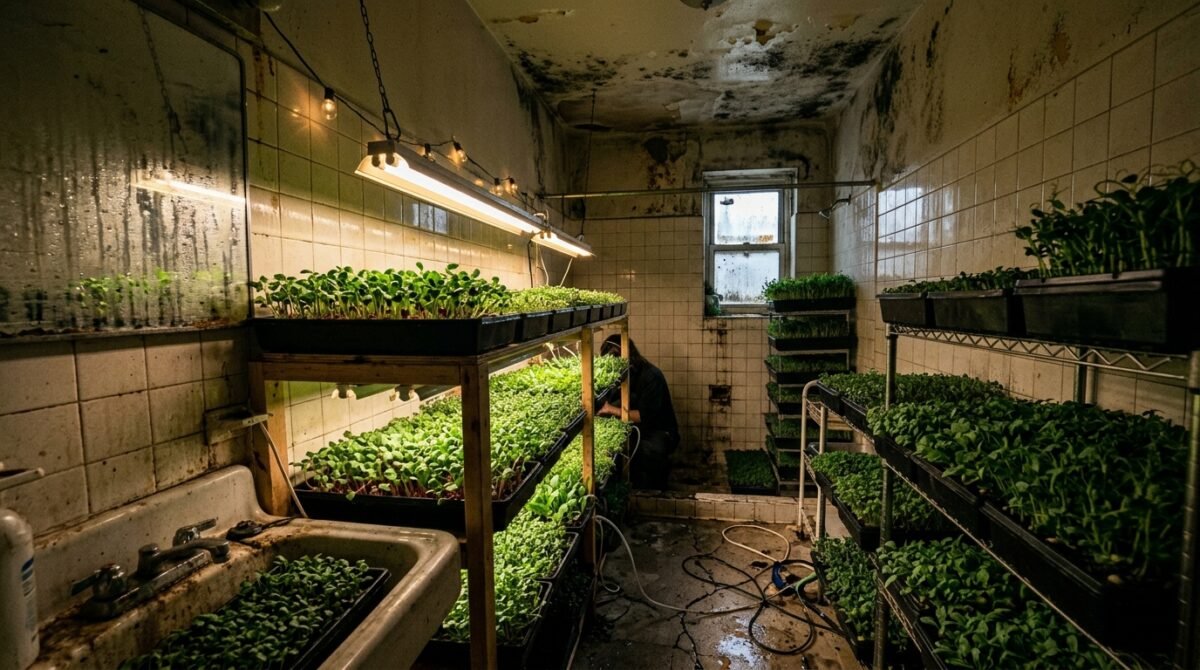
Living with roommates is a trial by fire, but most people at least agree on the basic utility of a bathroom. You know, the place where you go to get clean, not the place where you go to cultivate a jungle of damp soil and questionable fertilizer. My roommate, ‘Elena,’ had always been a bit eccentric, but her latest venture into the world of organic entrepreneurship pushed the boundaries of sanity into a territory I never thought I would occupy.
It started small. A few decorative herbs on the windowsill, which I tolerated. Then came the trays. First in the kitchen, then migrating into the living room, and finally, claiming the sanctuary of our shared bathtub. It was a commercial microgreen nursery, complete with industrial-grade heat lamps and a humidity level that felt like living inside a swamp. Every time I wanted to shower, I had to balance trays of soil like a circus performer, all while Elena scolded me for ‘disrupting the delicate growth cycle’ of her arugula.
The moral dilemma here wasn’t just about the mess; it was about the fundamental right to basic sanitation. The dampness began to seep into the drywall. A faint, earthy scent of rotting organic matter replaced the smell of soap. When I brought up my concerns, I was met with claims of ‘entrepreneurial spirit’ and ‘future passive income.’ It was time for a reality check that only a third party could provide.
I chose the nuclear option: an official inspection. I didn’t want to play house anymore; I wanted to live in a home that wasn’t a biological hazard. This is the story of how a shower curtain, a landlord, and a very expensive tray of sprouts led to the most explosive roommate confrontation of my life, and why I have absolutely no regrets about the scorched earth I left behind.
The Slow Creep of the Soil Kingdom
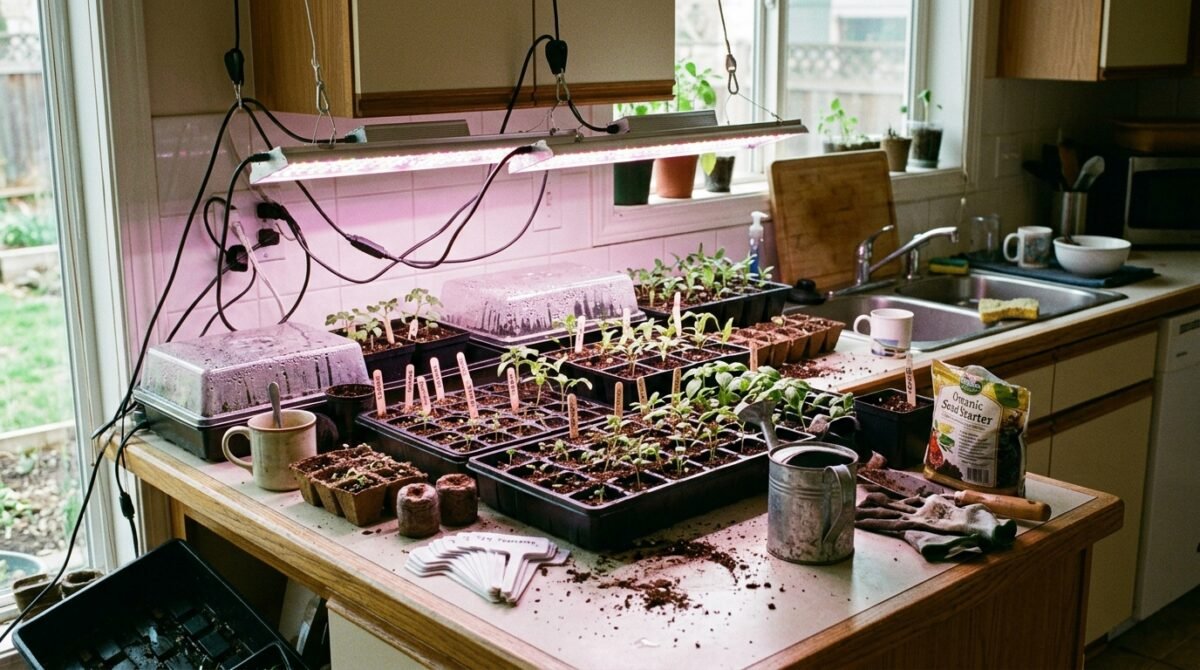
It began as a subtle invasion. Elena had attended one weekend seminar on ‘urban agriculture’ and returned home with a glint in her eye that I should have recognized as a warning sign. The first few plastic trays appeared on the kitchen counter, neatly tucked into the corner. I didn’t think much of it, assuming it was a hobby that would burn out once the novelty wore off. I was wrong.
Within two weeks, the operation had quadrupled. The kitchen counters were no longer for cooking; they were dedicated to the ‘germination phase.’ I found myself eating cereal standing up because the table was covered in grow lights that hummed with a low, persistent buzz. When I asked her where I was supposed to prepare dinner, she just handed me a pair of tweezers and asked me to ‘check the kale for yellowing.’
The tension grew as the smell began to change. It wasn’t an unpleasant smell at first—just earthy, like a forest floor after a heavy rain. But that smell soon mutated into something stagnant. It was the scent of trapped water and decaying plant matter. Every time I opened the front door, the humidity hit me like a physical wall, turning my hair frizzy and making the air feel heavy and thick with spores.
I tried to set boundaries. I specifically asked her to keep the plants out of the bathroom because I needed a dry, ventilated space to keep my toiletries. She agreed with a sheepish smile, only for me to walk in the next morning to find my shampoo bottles relocated to the hallway floor and the bathtub filled with tiered metal racks.
“I just need the humidity from the shower to help them sprout faster, Sarah! It’s basic science. You’re being incredibly selfish by prioritizing your comfort over the success of my startup.”
— Elena, during our first heated argument in the hallway.
That sentence alone should have been my cue to pack my bags, but I had a lease and nowhere else to go. I was locked in a contract with someone who viewed our shared living space as a free incubator for her get-rich-quick scheme. I realized then that negotiation was no longer an option; the infection of our home had already spread too far.
The Night the Ceiling Started to Weep
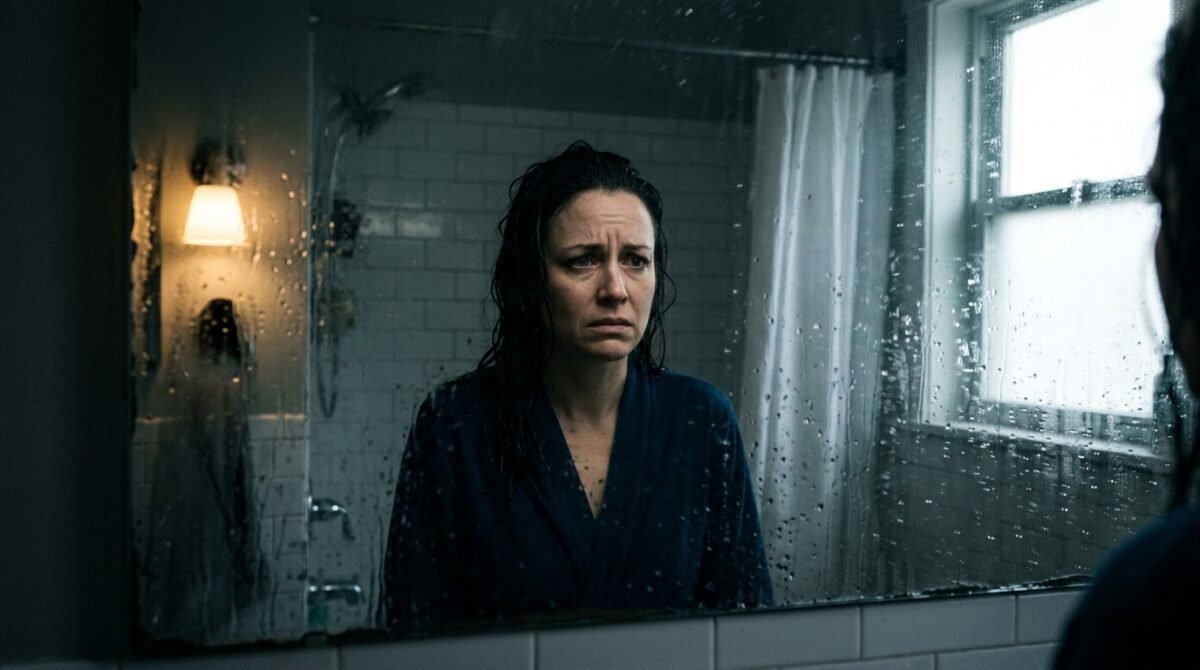
The tipping point arrived on a Tuesday night. I was working late, and when I walked into the apartment, the humidity was so intense that the windows were completely fogged over. I could feel the moisture hanging in the air, clinging to my clothes. I walked toward the bathroom, intending to take a long, hot shower to wash off the stress of the day, only to find the door locked.
I knocked, but there was no answer. I heard the faint, rhythmic sound of a spray bottle clicking. I knocked harder. Finally, Elena opened the door, her face flushed and glistening with sweat. She was wearing a rain poncho inside our apartment, surrounded by shelves of microgreens that seemed to have grown an inch since the morning. The ceiling above the bathtub was dark with condensation, and I noticed a small, black spot blooming near the vent.
“You can’t be in here,” she said, blocking my path. “The moisture balance is perfect right now. If you turn on the exhaust fan, you’ll kill the batch. This is a five-hundred-dollar order for a local bistro, Sarah. Are you going to pay me if they die?” I stared at her in disbelief, my hand trembling as I reached for the handle of the door, pushing past her into the steam-filled room.
The sight was horrifying. The grout between the tiles was slick with a slimy, translucent film. There was standing water on the floor, and the racks had begun to rust, leaving orange streaks running down the white porcelain of the tub. It wasn’t a bathroom anymore; it was a damp-room, a specialized chamber for mold and moss. I realized then that I wasn’t just living with a roommate; I was living with a biohazard.
“Look at the ceiling, Elena. Look at the wall. This isn’t a nursery; it’s a health hazard. I am not living in a swamp because you want to sell trendy salads to hipsters.”
— My response while pointing at the spreading mold patches.
She laughed, a sharp, dismissive sound. She told me I was overreacting, that ‘nature’ was healthy, and that I needed to stop being so uptight about a little water. That was the moment I stopped trying to reason with her. I stepped out of the bathroom, locked my own bedroom door, and pulled out my phone. It was time to call in the professionals.
The Arrival of the Property Manager
I didn’t call the police, and I didn’t call the health department—not yet. I called the building management office under the guise of reporting a ‘chronic leak’ and ‘unexplained structural damage.’ I knew that if I mentioned a microgreen nursery, they might just see it as a tenant dispute. If I mentioned mold and water damage, they would see it as a threat to their property value. I chose the latter.
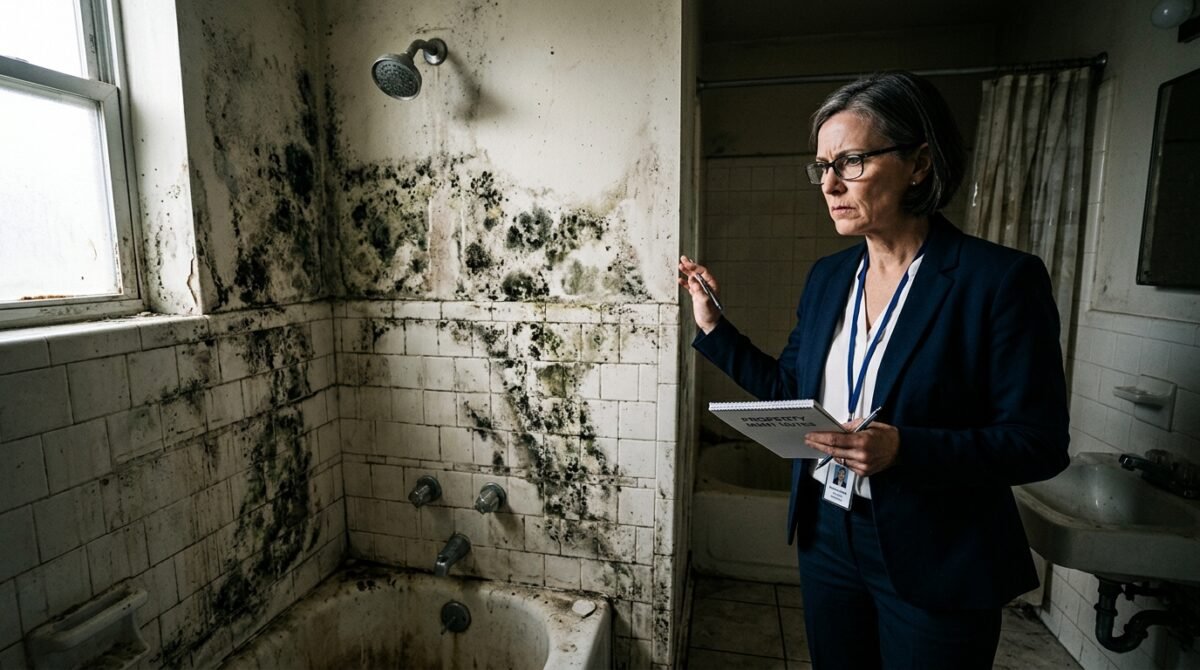
The property manager, a no-nonsense woman named Linda, arrived the next day at 10:00 AM while Elena was out at her ‘market run.’ I had already documented everything. I had photos of the mold, the rusting racks, the standing water, and even the text messages where she admitted to disabling the bathroom exhaust fan to ‘maintain humidity.’ I laid it all out for Linda, who looked at the bathroom and turned a shade of pale that I can only describe as ‘eviction-notice white.’
Linda didn’t just see a hobby; she saw a lawsuit waiting to happen. She ran her finger along the wall and wiped away a smear of black, fuzzy mold. She looked at me, her expression hardening. “This is a violation of at least four clauses in your lease,” she said, her voice clipped. “Unauthorized structural alterations, creation of a hazardous environment, and misuse of plumbing fixtures. I’m giving you twenty-four hours to clear this out, or we are terminating the lease for the entire unit.”
I nodded, keeping my face stoic. I knew Elena was going to lose her mind, but I was past the point of caring about her reaction. As Linda left, she slapped a bright orange notice on our front door. The shame of it was palpable, but the relief of having an authority figure finally recognize the insanity of our living situation was worth every second of the impending confrontation.
“I don’t care about the plants. I care about the drywall. If this mold reaches the ventilation system, it’s going to cost the building thousands. Pack it up, or everyone is out on the street.”
— Linda, the property manager, delivering the ultimatum.
I felt a strange sense of power. For months, I had been the one being pushed around, the one apologizing for wanting to use the toilet. Now, the tables were turned. The ‘entrepreneur’ was about to face the reality of the free market, and it turns out, the market doesn’t value mold-infested microgreens.
The Group Chat Explosion
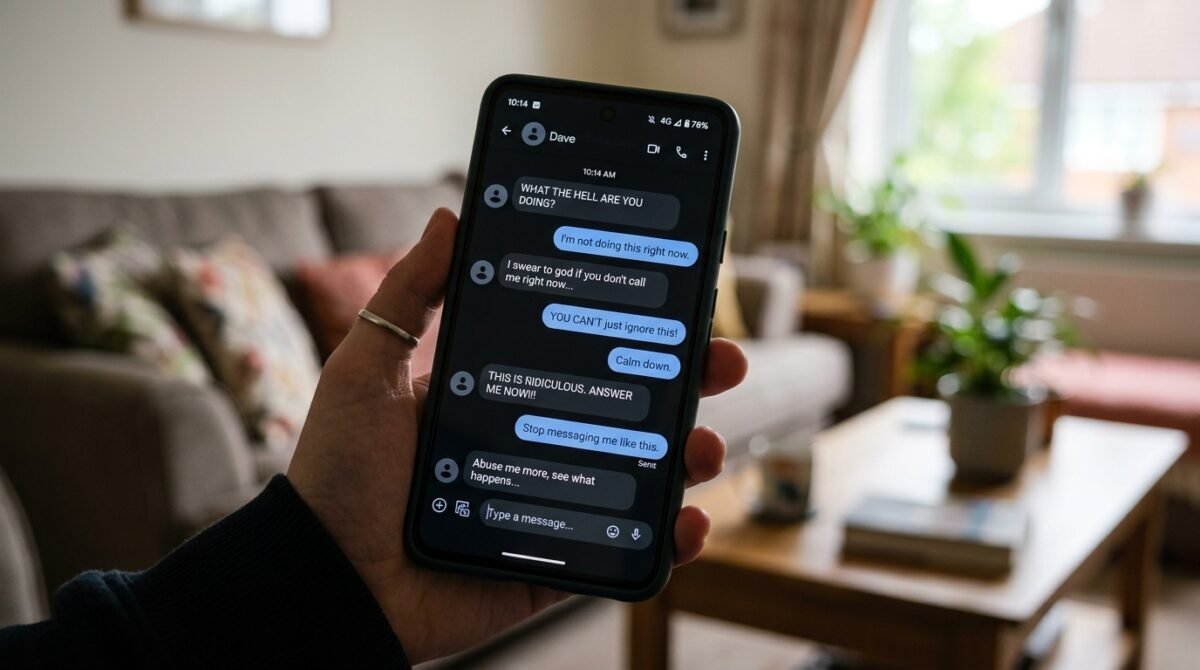
Elena didn’t wait to get home to find out what happened. Linda had sent an email to both of us, and naturally, Elena’s reaction was explosive. My phone started vibrating incessantly while I was sitting on the couch, watching a movie. She wasn’t just messaging me; she had screenshotted the management email and posted it to our mutual friends’ group chat, painting herself as the victim of my ‘petty jealousy.’
The texts came in fast and furious. She accused me of sabotaging her business, of being a corporate shill, and of lacking any imagination or support for her dreams. She even claimed that I had purposely introduced the mold to make her look bad, which was a level of gaslighting that genuinely surprised me. I didn’t respond immediately. I waited, watched the messages pile up, and let her dig her own grave.
“I honestly can’t believe you did this, Sarah. You’re destroying my life over some water? You know this was my only chance to quit my job. You are literally the worst roommate ever.”
— A text from Elena, sent while she was still supposedly at the market.
I finally replied, keeping it short and factual. I sent a photo of the mold patch on the ceiling and a copy of the lease clause regarding property damage. I didn’t use any insults; I just pointed to the rules. The group chat went silent for a few minutes before one of our mutual friends chimed in, asking if we were okay. Elena didn’t wait for them; she went on a tirade that effectively alienated half of our social circle in the span of ten minutes.
It was fascinating to watch, in a dark way. She was so blinded by her own sense of entitlement that she couldn’t see how insane she sounded to everyone else. By the time she pulled into the driveway, she had managed to convince herself that I was a villain and that she was a martyr for organic farming. I stood up, went to the kitchen, and started a pot of coffee. I was ready for the finale.
The Confrontation in the Living Room
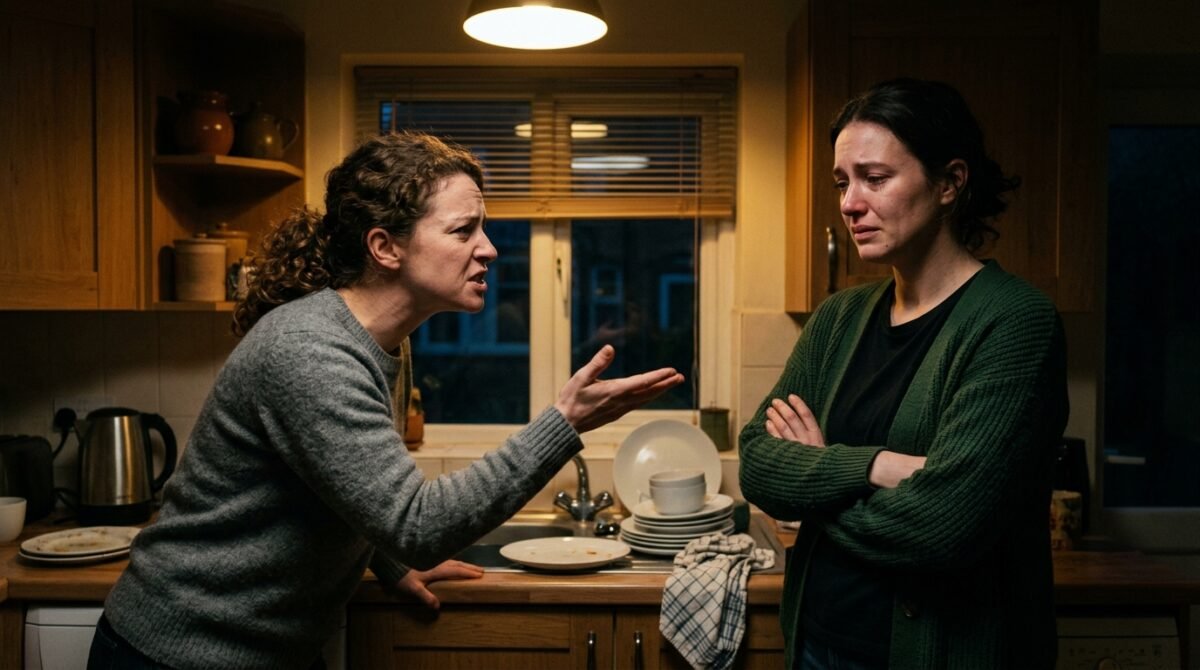
When she walked through the door, she was shaking. She had her keys in one hand and a stack of flyers for her microgreens in the other. She didn’t even say hello. She marched straight into the kitchen, threw her bag on the counter, and confronted me. “Do you have any idea how much money I’m losing?” she screamed, her voice cracking. “That harvest was supposed to pay for my rent this month.”
I stayed calm. I sipped my coffee and looked at her. “Elena, the harvest is dead because of the mold. The mold is there because you turned our bathroom into a swamp. You aren’t losing money because of me; you’re losing money because you ignored basic common sense and breached our lease. You’re lucky management isn’t suing us for damages right now.”
She started crying then, but it wasn’t the crying of someone who had learned a lesson. It was the crying of someone who was cornered and didn’t know what to do next. She begged me to call Linda and tell her it was a ‘misunderstanding,’ to lie and say we had fixed the problem. She promised to move the trays to her bedroom, even though there wasn’t nearly enough space for the sheer volume of plants she had.
I shook my head. “It’s over, Elena. The trays go out tonight. If they aren’t gone by morning, I’m calling Linda back and telling her you’re refusing to comply. Then you can find somewhere else to live, and I’ll take the guest room.” The finality in my voice seemed to hit her. She stopped crying and just stared at me, looking at me as if she had never seen me before. For the first time, she realized I wasn’t just a roommate she could walk all over.
“You’re just a miserable person who wants everyone else to be as small and boring as you are. I hope you’re happy living in your sterile, empty box.”
— Elena, right before she stormed off to her room.
I didn’t answer. I just watched her go. I felt a weight lifting off my chest that I hadn’t realized was there. The ‘sterile, empty box’ she described sounded like paradise to me. It sounded like a place where I could breathe, shower, and live without worrying about the botanical apocalypse growing in my bathtub.
The Great Cleanup

The next morning was a blur of plastic trays and potting soil. I helped her move them out, mostly because I wanted them gone as fast as humanly possible. We hauled bags of damp, rotting soil to the dumpster, and I spent the rest of the day scrubbing the bathroom with bleach. The smell was the hardest part to get rid of; even after the source was gone, the damp, earthy stench clung to the tiles.
Elena didn’t speak to me. She moved the few remaining, non-moldy trays into her room, effectively turning her own living space into the very thing she had tried to impose on the rest of the apartment. I didn’t care. As long as the bathroom was mine, she could live in a greenhouse for all I cared. It was a cold, silent peace, but it was peace nonetheless.
I remember standing in the bathroom after my first shower in weeks. The air felt thin and crisp. There was no hum of grow lights, no smell of decaying kale, and no fear of stepping into a puddle of stagnant water. I felt like I had reclaimed my sovereignty. It was a simple, mundane pleasure—taking a shower—but it felt like a luxury I had been denied for months.
The building management sent a contractor to inspect the walls a few days later. He found some minor water damage but said the structure was sound, provided we kept the place dry. I thanked him, tipped him, and watched him leave. The threat of eviction had passed, but the relationship with my roommate was permanently fractured. There was no going back to the way things were, and honestly, I didn’t want to.
“You know, you could have just been a decent person and told me you were unhappy instead of being a coward and calling the manager.”
— Elena, as she was throwing the last bag of dirt into the bin.
I didn’t respond to that either. There was nothing left to say. She still couldn’t understand that I had tried to talk to her for months, and that her ‘entrepreneurial spirit’ had deafened her to anyone else’s needs. Some people are just incapable of seeing past their own noses, and she was clearly one of them.
The Reddit Verdict

I posted about the situation on Reddit, specifically on a subreddit for roommate horror stories. I needed to know if I was the villain, or if I had actually been pushed to this extreme. I laid out the story exactly as it happened, including the mold, the bathroom takeover, and the management inspection. The response was immediate and overwhelming.
People were shocked that I had tolerated it for as long as I had. The consensus was clear: I was not the asshole. Many users pointed out that the mold wasn’t just an annoyance; it was a health risk that could have caused respiratory issues. Others shared their own stories of roommates from hell, ranging from unauthorized pets to full-blown apartment renovations.
“NTA. Your roommate isn’t an entrepreneur; she’s a health hazard. You didn’t ‘nuke’ her business; you saved your lungs and your lease. Don’t feel guilty for one second.”
— u/RoommateRelief (Top Comment, 15.2k upvotes)
It was validating to see so many people agree. I read through hundreds of comments, some of which were funny, some of which were serious warnings about the dangers of black mold. It made me realize that I hadn’t been overreacting; I had been living in a situation that most people would have fled from months ago. The support from the community helped me realize that setting boundaries isn’t mean; it’s necessary.
I kept the post updated as things progressed, and the community was there for every step. They cheered when I finally got the bathroom clean and offered advice on how to handle the final weeks of the lease. It felt good to be part of a community that understood that sometimes, you have to burn the bridge to save the village.
The Aftermath and Moving Out
The final weeks of our lease were marked by a tense, silent co-existence. Elena eventually gave up on her microgreen project entirely, realizing that without the bathroom, it wasn’t scalable. She spent most of her time in her room, and I spent most of mine in the common areas, enjoying the space I finally had back. We didn’t talk about the ‘nursery’ again, and we didn’t talk about the management inspection.
When it came time to move out, we both did so with relief. We didn’t even say goodbye. I left the keys on the counter, grabbed my bags, and walked out the door for the last time. It was a strange, hollow feeling, leaving a place where I had experienced so much stress, but as I walked to my car, I felt like a different person. I was lighter, more confident, and more aware of what I would and wouldn’t tolerate in a living arrangement.
I moved into a studio apartment. It’s small, it’s quiet, and most importantly, it’s all mine. I have complete control over the humidity levels, the lighting, and the cleanliness. I still grow plants, but they’re on a small, manageable shelf in the corner of my living room, and they certainly aren’t in the bathroom. It’s a hobby that stays in its lane.
I learned a lot from the experience. I learned that you cannot fix someone who doesn’t want to be fixed, and that you have a right to your own home. I also learned that when someone refuses to listen to you, you don’t have to keep begging; you can just change the environment. Sometimes, the only way to get through to someone is to take actions that they can’t ignore.
“Boundaries aren’t walls you build to keep people out; they’re the lines you draw so you know where you end and they begin.”
— A piece of advice I read online that defined my post-roommate life.
Elena and I haven’t spoken since. I see her posts on social media sometimes—she’s into crystals now, or some other trend—but I scroll past them. I don’t hold a grudge, but I also don’t have any interest in welcoming her back into my life. The microgreen chapter is closed, and the air in my home has never been fresher.
Financial Lessons in the Soil
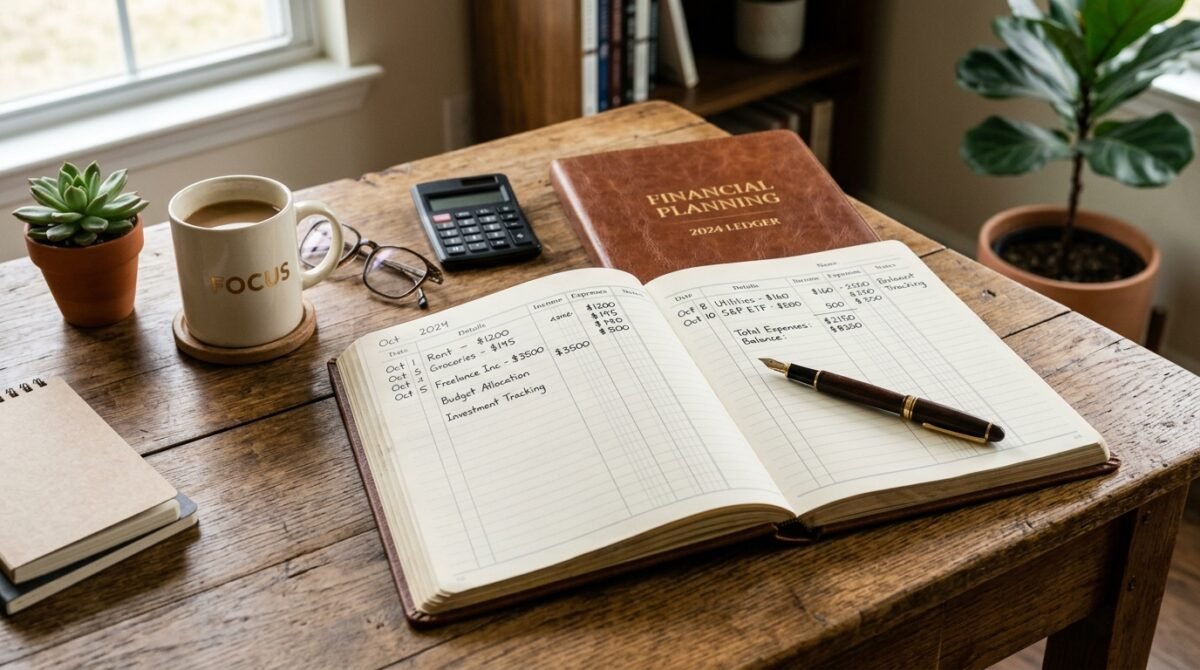
Looking back, I wanted to see exactly how much money had been ‘invested’ in this bathtub experiment versus what was gained. I made a list of the costs we shared and the costs Elena incurred. It’s a sobering look at how a lack of financial planning can lead to disaster. We were paying for the electricity, the water, and the rent, and she was effectively using those resources to subsidize her business without asking.
| Item | Cost (Approx) | The Reality |
|---|---|---|
| Electricity | $40/month (extra) | Used for grow lights |
| Water | $25/month (extra) | Constant spraying/misting |
| Cleaning Supplies | $150 total | Needed to remove mold |
| Lost Time | – | Stress and mental toll |
The table shows that it wasn’t just a simple disagreement; it was a financial drain. She was essentially stealing my contribution to the rent and utilities to fuel her own potential profit. And the profit? It was negligible. When she did sell a few trays to a local bistro, she barely made enough to cover the cost of the seeds and the lights. It was a classic example of a ‘side hustle’ that was destined to fail because it lacked the infrastructure to succeed.
I think about the people who encourage these kinds of ventures without considering the practical implications. It’s easy to say ‘follow your dreams,’ but when those dreams involve destroying someone else’s living space, it’s time for a reality check. I wish someone had told her that sooner, but I also realize that she wouldn’t have listened. She was too busy being the ‘visionary’ to be a decent roommate.
I feel better knowing I didn’t subsidize her dream for a single day longer than I had to. The cost of the cleaning supplies was a small price to pay for my sanity. I kept the receipts, just in case, but I never ended up needing them. The lesson was learned, the apartment was cleaned, and the debt—if you can call it that—was paid in full by the end of the lease.
Reflections on Radical Transparency
One of the biggest takeaways from this entire ordeal was the power of being transparent with management. I had spent so long feeling like I had to solve this ‘in-house,’ like I was betraying Elena by bringing an outsider into our mess. But the moment I realized that our home was a shared asset that was being depreciated by her actions, the shame disappeared. Management was the right choice.
There is a lesson here for everyone living in a shared space: you are not a therapist, you are not a co-signer on someone else’s business, and you are not responsible for their ‘growth.’ When someone violates the basic terms of a lease, you are well within your rights to involve the people responsible for the property. It’s not ‘snitching’; it’s protecting your own investment and your health.
I’ve noticed a change in how I approach my living arrangements now. I’m much more upfront about boundaries during the interviewing process for new roommates. I ask about hobbies, I ask about space usage, and I make it very clear that the bathroom is a place for personal hygiene, not for a nursery. It’s saved me a lot of potential headaches and has kept my home a place of peace.
If you find yourself in a similar situation, don’t wait for the mold to show up. Don’t wait for the ceiling to weep. Set your boundaries early, and if they are ignored, don’t be afraid to take the necessary steps to protect yourself. You deserve a home that feels like a sanctuary, not a project that you’re forced to manage against your will.
“True home is the space where you can be yourself, not a space where you are forced to accommodate someone else’s delusions.”
— My personal mantra for living well.
The ordeal with Elena was a nightmare, but it was also a catalyst for change. It pushed me to value my space, my resources, and my sanity. And truthfully, I think I’m a better person for it. I’m certainly a much better roommate, and I’m definitely much happier in a home that smells like soap instead of rotting kale.
Conclusion
The story of the microgreen nursery is one that I’ll probably be telling for the rest of my life. It was a bizarre, frustrating, and ultimately liberating experience that taught me more about boundaries than any book ever could. I’m glad I had the courage to call management, and I’m even more glad that I moved on to a life that doesn’t involve managing someone else’s biological experiments.
Living with others is always going to be a compromise, but it should never be a sacrifice. If you find yourself in a situation where your home is no longer your own, remember that you have options. You don’t have to be the villain in someone else’s story to be the hero of your own. Stand your ground, document the facts, and never feel guilty for wanting a dry place to take a shower.
I’m curious to hear from you—have you ever lived with someone whose ‘hobby’ went completely off the rails? Have you ever had to call management on a roommate because of something completely absurd? Let me know in the comments below. Let’s talk about the wildest roommate stories you’ve experienced and how you reclaimed your sanity in the process!
What's your verdict on this dilemma?
Vote below to contribute to the official community consensus.

Have a Dilemma Keeping You Up at Night?
Share your real-life feud, wedding chaos, or relationship crossroads anonymously with our editorial team.
What do you think ?
0 Comments🛡️ Comments are moderated to protect community integrity. Your comment will appear once approved by the editorial team.