

Relationships are often built on compromises, but every so often, a singular event exposes the true foundation of a partnership—and sometimes, that foundation is made of nothing more than vanity. My boyfriend, Mark, has always had an obsession with his Tesla. It was his pride and joy, a status symbol that he polished every weekend and treated with more reverence than he treated most human beings. I understood it to an extent, but I never imagined that his love for leather seats would lead to me standing in a freezing parking lot at midnight, shivering, while he insisted I order a private ride home.
We had been dating for two years, and while there were minor frictions, I always assumed we were a team. That changed on a Tuesday evening when an unexpected winter storm hit our city. We were at a dinner party, and the roads were becoming increasingly hazardous. The temperature had plummeted, and the city was blanketed in a thick, slushy layer of snow. As we prepared to leave, the reality of the “clean Tesla” rule became the catalyst for the most humiliating night of my life.
It wasn’t just about the car; it was about the disregard for my basic comfort and safety. As I reached for the door handle, he stopped me, his eyes darting to my boots, which were caked in slush. The conversation that followed wasn’t a request; it was a demand. He didn’t want the mud on his floor mats. He didn’t want the moisture in his cabin. And he certainly didn’t care that the surge pricing on ride-sharing apps was hitting record highs due to the storm.
This isn’t just a story about a car. It is a story about the moment the rose-colored glasses shattered. It is about realizing that when the weather gets tough, some people choose their belongings over their partners. In the following chapters, I will detail how this one event unraveled years of gaslighting and led to a confrontation that would eventually end our relationship for good.
The Frozen Ultimatum in the Parking Lot
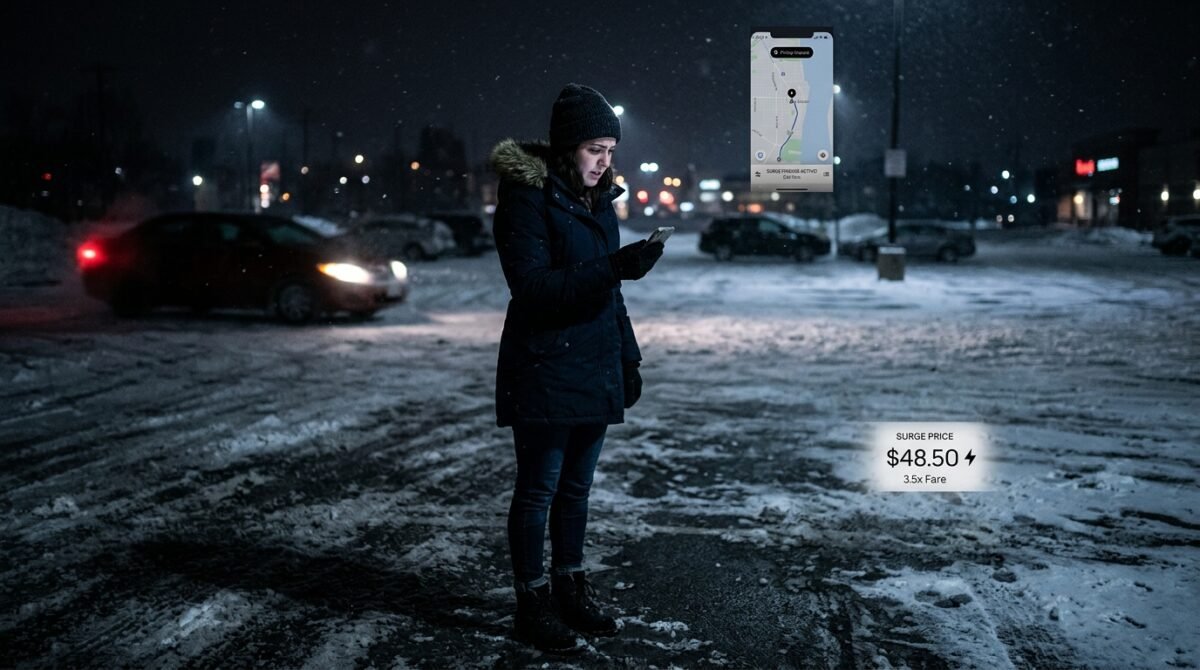
The dinner party had been draining, but the drive home was supposed to be the relaxing part of the night. As we stepped out into the biting wind, I could see the snow piling up on the windshield of his parked Tesla. I reached for the passenger door, my boots feeling heavy with the wet, icy slush we had walked through to reach the car. Before I could even touch the handle, Mark grabbed my arm, pulling me back with a look of genuine panic on his face.
I looked at him, confused, thinking he had forgotten something inside. Instead, he pointed at my feet. The slush was melting, leaving a small trail of gray water on the asphalt. He wasn’t looking at me; he was looking at the bottom of my boots. The silence between us stretched for several agonizing seconds, filled only by the howling wind and the distant sound of a plow clearing the main road.
“Are you serious, Mark? It’s five degrees outside and the roads are a nightmare. You’re really going to make me take an Uber because you’re worried about some floor mats?”
He didn’t flinch. He adjusted his coat, his expression hardening into that familiar look of cold logic he used whenever he wanted to avoid accountability. He told me that he had spent three hours detailing the interior that very morning and that he wasn’t going to let me ruin his hard work. I stared at him, stunned, wondering if I had heard him correctly. It wasn’t a suggestion; it was an instruction to call a car.
I tried to explain that I had no way to get home easily, that the trains were delayed and the surge prices were astronomical, but he had already turned his back to me to start the car. He didn’t offer to pay for the ride. He didn’t offer to help me find a safe way home. He simply climbed into his driver’s seat and locked the doors, waiting for me to walk away from his vehicle so he could pull out of the space.
The humiliation of that moment is hard to put into words. I was left alone under a flickering streetlamp in a near-empty parking lot, watching the taillights of his car fade into the snowy night. I pulled out my phone, my fingers numb and trembling, and opened the ride-sharing app. The screen flashed a massive red alert: “High demand. 4.8x surge pricing.” The estimate for a ride to my apartment was ninety-two dollars.
The $92 Transaction and the Sound of Silence
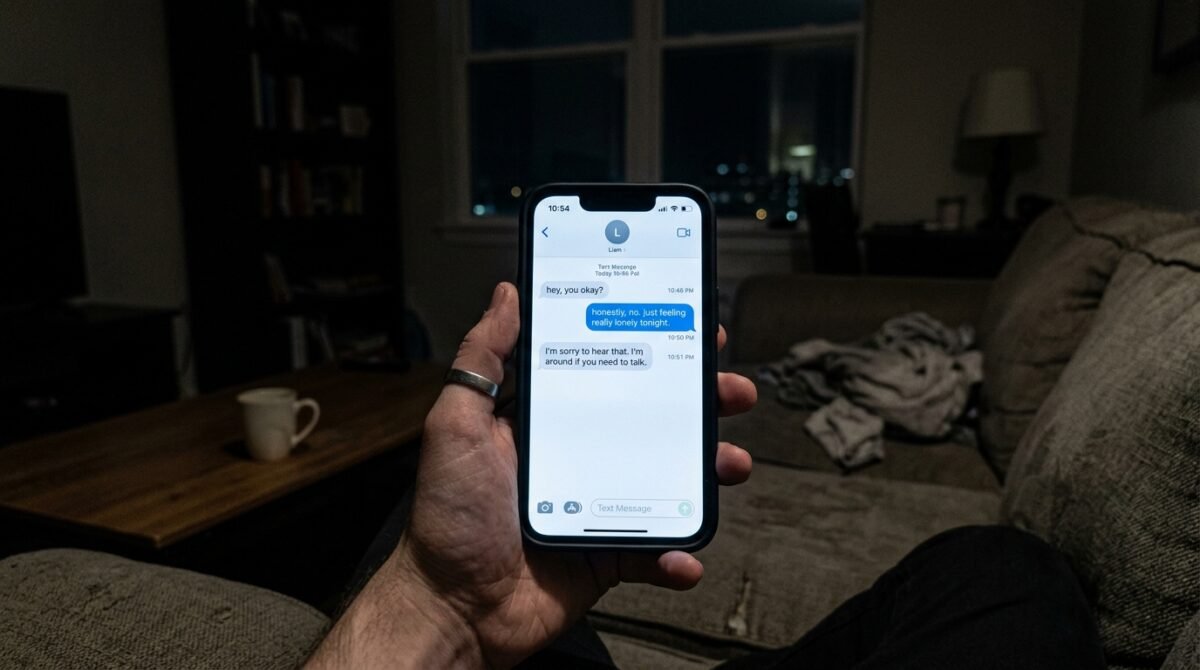
I stood there for twenty minutes, debating whether to call a friend or just suck it up and pay the fare. The cold was beginning to seep through my coat, and my toes felt like blocks of ice. I finally hit ‘confirm’ on the app, feeling a pit of resentment grow in my stomach that I knew would never truly go away. When the driver finally arrived, I scrambled into the backseat, desperate for any kind of heat.
The driver was kind, chatting about the storm, but I couldn’t focus on anything other than the notification on my phone. Ninety-two dollars. It was a week’s worth of groceries, or a significant portion of my utilities. I looked out the window, watching the city go by, feeling a strange sense of detachment. I felt like I was watching my relationship end in real-time, even if Mark hadn’t realized it yet.
“I just spent ninety-two dollars to get home because you were worried about your car. I hope the floor mats are happy.”
I sent that text as soon as I pulled into my driveway. I didn’t wait for a reply. I walked inside, kicked off my wet boots, and collapsed onto the couch. My phone buzzed ten minutes later. He didn’t apologize. He didn’t ask if I made it home safely. He simply responded by telling me that I was being ‘dramatic’ and that I should have worn ‘appropriate footwear’ if I knew it was going to snow.
That text was the final straw. It wasn’t about the money anymore. It was about the fact that he had weaponized my choice of clothing to justify his selfishness. He turned my mistake into a financial penalty, and he felt entirely justified in doing so. I didn’t respond to him for the rest of the night. I went to bed, staring at the ceiling, realizing that this wasn’t the first time he had prioritized himself over my well-being; it was just the first time the cost was so visible.
The next morning, I woke up feeling a strange sense of clarity. The anger had subsided, replaced by a cold, hard resolution. I realized that I had been making excuses for his behavior for years, labeling it as ‘being organized’ or ‘having high standards.’ But standards aren’t supposed to isolate the people you love. They aren’t supposed to leave them stranded in the cold. It was time to start looking at our history through a much clearer lens.
The Pattern of Prioritizing Plastic and Chrome
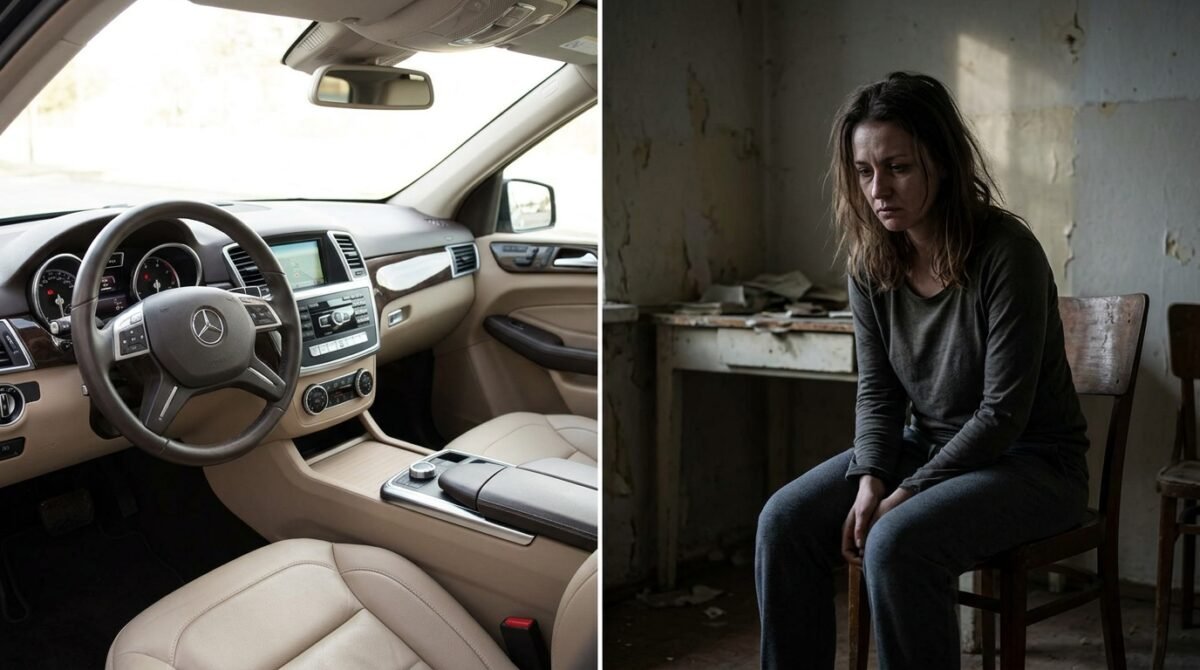
Once I started looking back, the signs were everywhere. The Tesla wasn’t an anomaly; it was the center of his universe. I remembered the time we were supposed to drive to his parents’ house for the holidays, and he made me sit in the backseat because I had a reusable coffee cup that he deemed ‘a spill hazard.’ He made me hold it perfectly upright for three hours, terrified that even a drop of caffeine would land on his pristine upholstery.
I remembered the time we went on a hike, and he made me strip down to my base layers in the parking lot because he didn’t want me to get dirt on his seats. I had laughed it off then, thinking he was just a bit eccentric, but looking back, I felt like a child being reprimanded by a teacher. My comfort had always been secondary to his car. It wasn’t a partnership; it was a subservient role I had unknowingly signed up for.
I started keeping a mental log of these incidents. There was the time he refused to pick me up from the airport because it was raining, and he didn’t want his exterior to get water spots. There was the time he canceled our anniversary dinner because he had to take the car in for an unscheduled detailing. It was almost comical, if it hadn’t been so deeply saddening. I was a person, a living, breathing human being who deserved care, yet I was consistently losing a popularity contest to a piece of machinery.
“I don’t think you understand, it’s an investment. If I keep it in perfect condition, the resale value stays high. Why can’t you respect that?”
When I confronted him about this, he always used the ‘investment’ defense. He treated his life like an asset management firm rather than a series of human experiences. He couldn’t understand why I wanted to feel cared for when he was busy protecting his net worth. I realized that we were fundamentally incompatible. I wanted a partner who would walk through the mud with me, and he wanted a passenger who would ensure he didn’t have to clean his car.
The realization hit me that he didn’t actually want a relationship; he wanted an accessory. Someone who fit the lifestyle he was curating, someone who wouldn’t disrupt the aesthetic of his life. I was a disruption. My messy life, my bad weather days, my simple, human needs—they were all inconveniences to be managed or, in the case of the Uber ride, outsourced to the highest bidder.
The Reddit Trial: A Community Weighs In
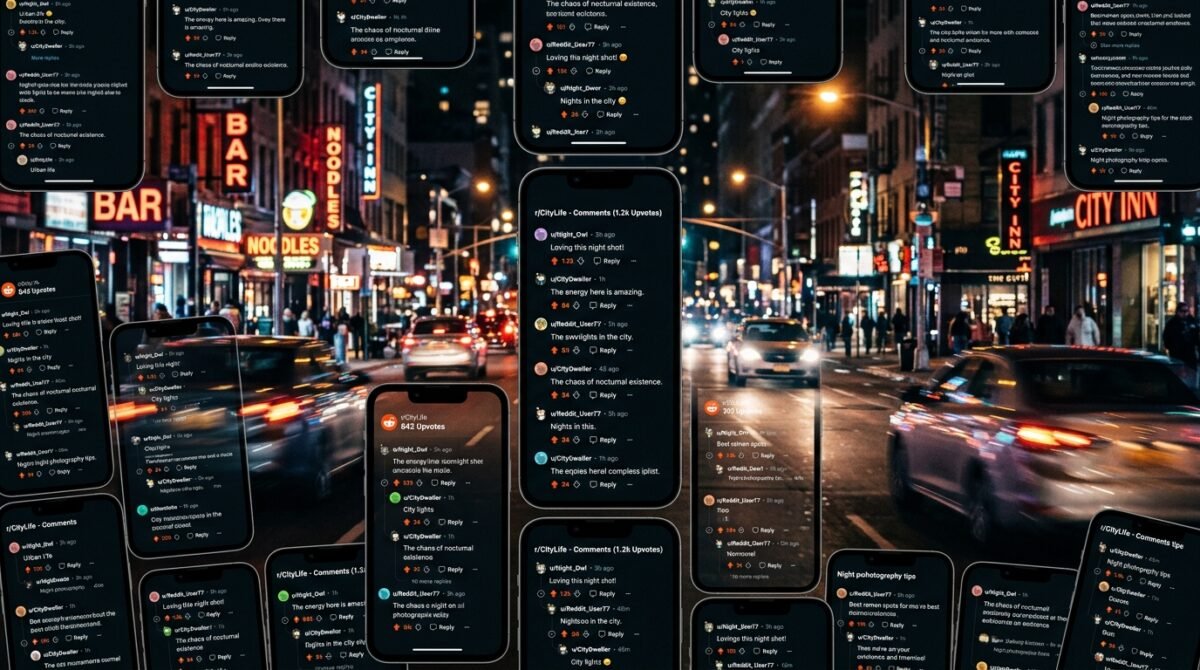
I did something I rarely do: I posted the story to a relationship advice subreddit. I needed a gut check. I needed to know if I was actually being ‘dramatic’ as he had claimed, or if I was being treated with a level of disrespect that most people would find unacceptable. I wrote the post while sitting at my office desk, my heart pounding in my chest, wondering if I was the villain in my own story.
Within an hour, the notifications were non-stop. The community didn’t just support me; they were outraged on my behalf. They pointed out things I had been too close to see. They saw the financial coercion, the lack of empathy, and the blatant narcissism. They weren’t just commenting on the Uber ride; they were dissecting the entire psychology of the man I had been dating for two years.
“He didn’t just make you pay for an Uber; he communicated that your presence in his life is only worth the cost of the floor mats he refuses to clean. Leave him. Yesterday.”— u/RelationshipGuru88 (Top Comment, 45.2k upvotes)
Reading the comments was like receiving a thousand tiny wake-up calls. I saw stories from other people who had been with ‘car guys’ or ‘perfectionists,’ and the common thread was always the same: they eventually felt like they were living as guests in their partners’ lives. The validation was overwhelming. I wasn’t crazy. I wasn’t being dramatic. I was being neglected, and it was time to do something about it.
One comment in particular stood out, written by a user who claimed to be a relationship counselor. They talked about the ‘barrier of objects,’ where people use material possessions to distance themselves from intimacy. It made so much sense. Mark used his car as a wall. By keeping me at a distance, both physically and emotionally, he was ensuring that he never had to deal with the messy, unpredictable nature of a real human relationship.
I spent the entire evening reading through the thread, finding comfort in the shared experiences of strangers. It was the first time I felt like I had a tribe, a group of people who understood that a relationship should be about support, not about protecting the resale value of an object. The Reddit thread wasn’t just a discussion; it was the final push I needed to start planning my exit.
The Confrontation of the Century
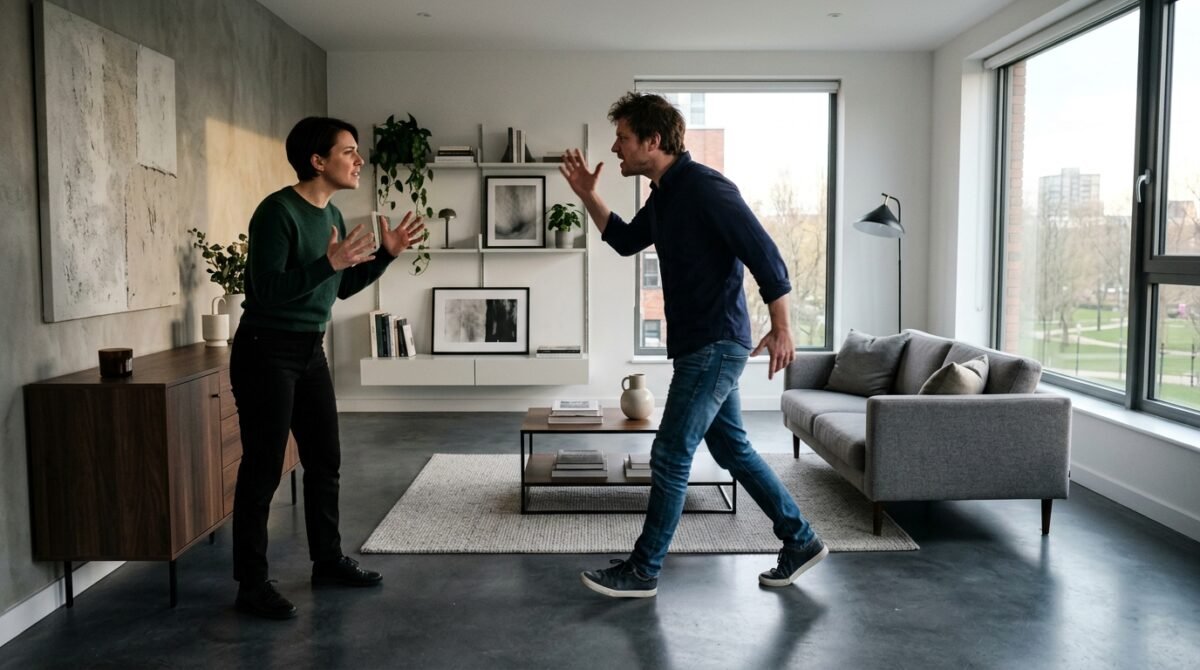
Three days after the incident, Mark came over to my apartment. He didn’t come to apologize. He came over because he wanted to go to a movie, and he expected me to be ready, as if the entire Uber incident hadn’t happened. He walked in, took off his shoes, and started complaining about the traffic, his voice full of the same entitled energy as always. I didn’t say a word. I just stood in the kitchen, watching him.
When he finally noticed I wasn’t moving, he asked what was wrong. I looked him dead in the eye and told him that we needed to talk about the ‘Uber incident.’ I told him that I had been doing a lot of thinking, and that I realized he didn’t respect me. I laid it all out—the way he treated me like an inconvenience, the way he prioritized his car over my safety, and the way he made me feel like an outsider in my own relationship.
“You need to decide, Mark. Is this a relationship between two people, or is this a relationship between you, your car, and a guest you keep around for convenience? Because I’m done being the guest.”
His reaction was exactly what I expected. He went on the defensive. He started talking about how hard he worked to afford his lifestyle, how he expected a certain level of ‘mutual respect’ for his property, and how I was being ‘ungrateful.’ He didn’t hear a single word of what I said about my feelings. He only heard an attack on his lifestyle.
I watched him pace around my living room, gesturing wildly. He looked so small to me now. The power he once held over me had evaporated because I no longer cared if he approved of me. I told him that I wasn’t going to the movie, and that I wasn’t going to be spending any more time with him until he could prove that he could treat a human being with the same care he treated his leather seats.
He walked out, slamming the door behind him. I sat down and let out a breath I felt like I had been holding for two years. It was messy, it was painful, and it was the most liberating thing I had ever done. I knew that this was the beginning of the end, and for the first time in a long time, I was actually excited about my future.
The Silent Treatment and the Final Break
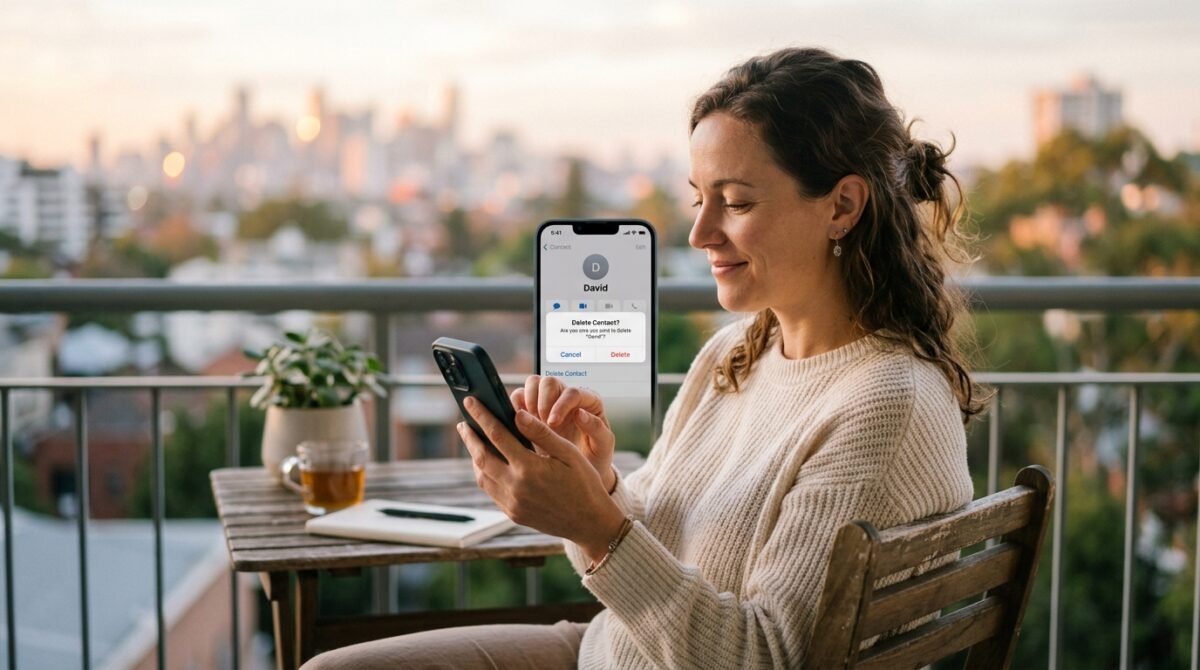
The days following our argument were filled with a deafening silence. Mark didn’t call. He didn’t text. He didn’t try to understand my perspective. He treated my demand for respect as an ultimatum he wasn’t willing to meet. In his mind, he was the injured party. He was the one who was ‘right’ because his car was clean, and I was the one who was ‘wrong’ for being ‘messy’ and ’emotional.’ It was a classic display of his inability to see past his own reflection.
I kept busy. I went for walks, I caught up with friends, and I spent time in places that made me feel good. I didn’t worry about mud, I didn’t worry about snow, and I didn’t worry about the resale value of my shoes. I started to rediscover the parts of myself that I had suppressed to keep him comfortable. It felt like I was waking up from a long, dull dream.
“You haven’t reached out once. Does it really matter that little? Is the car really all that matters to you?”
I sent him one last text, just to get closure for myself. I didn’t expect a reply, and I didn’t get one. I realized that his silence was the answer I had been looking for all along. He couldn’t apologize because an apology would imply that he was wrong, and he would rather lose a relationship than admit that his car was not the center of the world.
It was a strange feeling, mourning the loss of someone who was never really there for me in the first place. I wasn’t mourning the man; I was mourning the version of our relationship I had invented in my head. I realized that I had been in love with the potential of what we could have been, not the reality of who he actually was. The reality was a man who loved his Tesla more than he loved his partner.
I deleted his number, archived our photos, and blocked him on social media. It was a clean break, as clean as his car, but for entirely different reasons. I was moving on. I was stepping into a life where I was the priority, and where my needs were never going to be sacrificed for the sake of a piece of luxury machinery again.
The Aftermath: Finding My Own Wheels

A few months later, I found myself in a position I never expected. I had saved enough money to buy my own car. It wasn’t a Tesla, and it certainly wasn’t a luxury vehicle, but it was mine. It was a sturdy, reliable car that was built to handle the snow, the rain, and the mud. I felt a surge of pride every time I got behind the wheel, knowing that I had earned it on my own terms.
I remember driving through a light rainstorm, the kind that used to make me panic because I was worried about what Mark would think. I laughed out loud. There was nobody in the passenger seat to judge my floor mats. There was nobody there to tell me I was being ‘dramatic.’ It was just me, the road, and the freedom to be exactly who I wanted to be.
I started dating again, but the difference was night and day. I was upfront about my boundaries. I made it clear from the beginning that I was looking for someone who prioritized people over property. It was like a filter. The people who were obsessed with their image, their status, or their possessions didn’t stick around, and the ones who did were the ones who truly mattered.
“I don’t mind a little mess. It means we’re actually living, right?”
I met someone who was the complete opposite of Mark. We went on a road trip, and we ended up getting a flat tire in the middle of nowhere. It was muddy, it was cold, and we were both covered in grease, but we laughed about it. We sat on the side of the road, eating snacks and waiting for help, and I realized that this was what a relationship was supposed to feel like. It was a partnership, not a pristine performance.
I look back at that snowy night in the parking lot as the best thing that ever happened to me. It was the catalyst for everything that followed. It showed me my own worth, and it pushed me to build a life that I could truly be proud of. I still see Teslas on the road sometimes, and I don’t feel anger anymore. I just feel a deep, abiding sense of gratitude that I am not the one sitting in the passenger seat, worried about my muddy boots.
Lessons in Materialism and Human Value
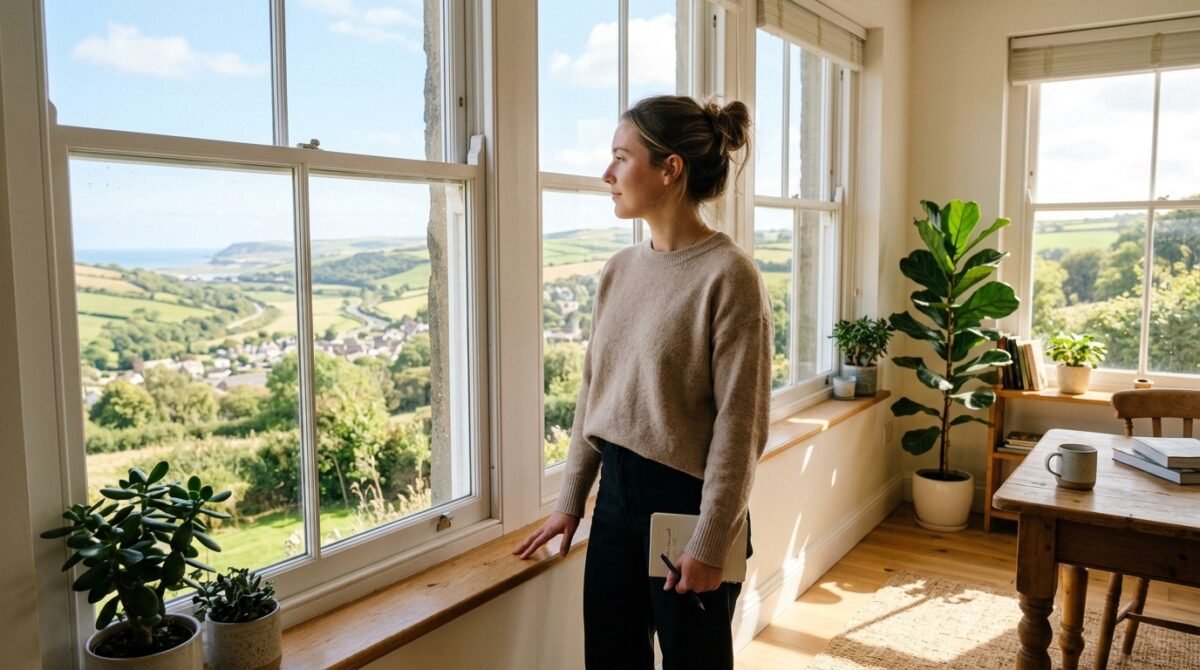
The story of the Tesla and the Uber ride is, at its core, a story about values. We all place value on different things, but when we start to value objects over people, we lose the ability to connect. Materialism can be a trap, especially when it becomes a substitute for emotional intimacy. Mark wasn’t just a car guy; he was someone who had lost the ability to value the unpredictable, human element of his life.
It’s important to ask ourselves what we are willing to sacrifice for our possessions. Are we willing to sacrifice our relationships? Our integrity? Our kindness? The cost of keeping the ‘interior’ of our lives pristine is often a complete lack of warmth in our personal interactions. We end up with a life that looks good from the outside, but is empty on the inside.
“When you value your belongings more than your partner, you’re not protecting your assets—you’re destroying your future.”
I’ve learned that setting boundaries isn’t just about protecting yourself; it’s about creating space for the right people to enter your life. By walking away from a relationship that was based on material entitlement, I opened the door to a relationship based on mutual respect and shared experiences. I learned that I don’t need a partner who is perfect; I need a partner who is human.
The community support I received also taught me that we are not alone in our struggles. So many people have felt the weight of someone else’s ego, and by sharing our stories, we help each other realize that it’s okay to say ‘no.’ It’s okay to demand more. It’s okay to choose your own comfort over someone else’s vanity.
I am moving forward with a newfound sense of clarity. I know what I want, and more importantly, I know what I will never tolerate again. I am grateful for the lessons, the growth, and the freedom. And yes, I am very grateful that I don’t have to worry about the floor mats in my own car.
Why We Stay: The Psychology of the ‘Perfectionist’ Partner

Looking back, one of the most common questions I get asked is, ‘Why did you stay for two years?’ It’s a fair question, and one I’ve spent a lot of time contemplating. When you are in a relationship with someone who is obsessed with perfection, it’s easy to get caught up in the idea that you are the one who needs to ‘improve.’ You start to think that if you were just a little bit more careful, a little bit more tidy, or a little bit more organized, the relationship would work.
This is the trap of the perfectionist partner. They project their own insecurities and their own rigidity onto you, making you feel like your existence is a constant ‘fixer-upper’ project. You don’t realize that the problem isn’t you; it’s their inability to accept anything that doesn’t fit into their narrow, curated view of the world. You spend your time trying to shrink yourself to fit their mold, losing yourself in the process.
“You aren’t a project to be managed. You are a person to be loved. Don’t ever let anyone make you feel like your messiness is a character flaw.”
I also think there was an element of ‘sunk cost fallacy.’ I had invested so much time, energy, and emotion into the relationship that I didn’t want to admit it was a failure. I kept telling myself that if I just got through this rough patch, he would change. I didn’t realize that his behavior wasn’t a phase; it was a fundamental part of who he was. People don’t change just because you want them to.
It takes a lot of courage to admit that you’ve been in a relationship that wasn’t serving you. It requires you to look at your own choices with honesty and compassion. It’s not about blame; it’s about understanding. I had to forgive myself for staying as long as I did, and I had to recognize that I was doing the best I could with the information I had at the time.
If you find yourself in a similar situation, know that you are not alone. It is possible to leave. It is possible to build a life where you feel valued, respected, and free. You don’t have to wait for a ‘final straw’ to realize that you deserve better. You can choose yourself today.
Moving Forward: Redefining Partnership

Today, my life looks very different. I’ve learned to prioritize the things that bring me joy and the relationships that bring me comfort. I’ve learned that a home isn’t a museum, and a car isn’t a shrine. We are meant to live in our spaces, to use our tools, and to share our lives with people who make us feel seen and heard. I am no longer interested in ‘perfect.’ I am interested in ‘real.’
I’ve also learned to trust my intuition. That little voice in the back of my head that told me something was wrong in that parking lot? It was right all along. I’ve learned to listen to that voice, to honor it, and to act on it. It’s the most valuable tool I have, and I will never ignore it again. It has guided me through the hardest times and led me to the most rewarding experiences.
“True partnership is about walking together, even through the mud. If they won’t walk with you, they aren’t your partner.”
I am grateful for the journey, as difficult as it was. It shaped me into the person I am today—stronger, more confident, and more intentional about the life I am building. I am not the same person who stood shivering in that parking lot, and for that, I am truly thankful. I have found a sense of peace that I never thought was possible.
To anyone out there who is currently navigating a difficult relationship, know that you are stronger than you think. You are capable of so much more than you realize. Don’t be afraid to demand the respect you deserve. Don’t be afraid to walk away from what doesn’t serve you. You are worthy of a love that celebrates you, messy boots and all.
I’m finally at a point where I can laugh about the Tesla. It was a catalyst for my freedom, and that is a pretty good legacy for a car. I hope that my story can help at least one other person realize that they don’t have to accept less than they deserve. We are all worth so much more than a clean pair of floor mats.
Conclusion
The story of my breakup has sparked so much conversation among my friends and the online community. It highlights a universal struggle: the tension between our attachments to our possessions and our commitments to the people we love. It is a reminder that we must consistently evaluate our priorities. When we find ourselves caring more about the state of our floors than the state of our partner’s heart, we have reached a dangerous moral crossroads.
Philosophically, this is about the difference between ‘having’ and ‘being.’ If we define our identity through what we own, we become brittle and easily threatened by the realities of life. If we define our identity through our relationships and our experiences, we become resilient and capable of deep, genuine connection. The choice is ours, but it is a choice we must make every single day.
I’d love to hear your thoughts on this. Have you ever been in a relationship where material possessions were prioritized over your comfort? Or, perhaps you’ve been on the other side, learning the hard way that your own standards were creating distance in your life? Let’s keep this conversation going in the comments below. Your stories matter, and your experiences can help others navigate their own paths to healthier, more authentic connections.
What's your verdict on this dilemma?
Vote below to contribute to the official community consensus.

Have a Dilemma Keeping You Up at Night?
Share your real-life feud, wedding chaos, or relationship crossroads anonymously with our editorial team.
What do you think ?
0 Comments🛡️ Comments are moderated to protect community integrity. Your comment will appear once approved by the editorial team.