
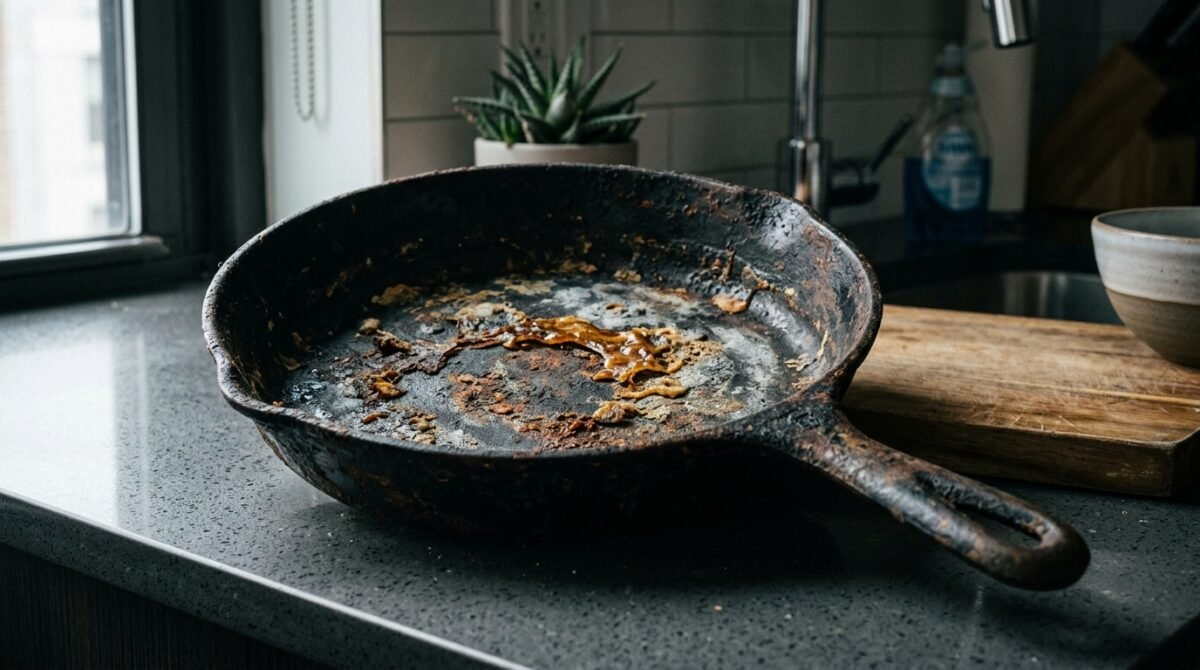
Living with roommates is often a gamble, a delicate dance of shared common spaces and unspoken agreements. Most of us go into these arrangements hoping for mutual respect, clean bathrooms, and the occasional shared glass of wine. We rarely anticipate that our living situation will lead to the irreversible destruction of a family legacy. My great-grandmother’s cast iron skillet was more than just a piece of cookware; it was a physical artifact of my history, seasoned with decades of family Sunday dinners, holiday feasts, and memories of a woman I only knew through stories.
When I moved in with Sarah, I assumed she was a reasonable person. She was a ‘creative’—someone who spent her weekends crafting and experimenting with various art supplies. I made it clear from day one: the kitchen was shared, but my vintage cast iron was strictly off-limits. It wasn’t a matter of elitism; it was a matter of chemistry and care. A seasoned cast iron is a living thing, requiring specific maintenance that is easily undone by someone who doesn’t understand the craft.
The dilemma began on a Tuesday afternoon when I returned home from work to find my kitchen transformed into an amateur chemical laboratory. The smell hit me before I even saw the disaster—a pungent, acrid odor that hung in the air like a warning. There, sitting on the stovetop, was my great-grandmother’s skillet, filled with a hardened, translucent mass of industrial-grade resin and toxic solvents. Sarah had decided that because it was ‘heavy and metal,’ it was the perfect mold for her new project.
The moral weight of this situation felt suffocating. Do I demand the value of the heirloom, even if it’s sentimental? How do you put a price tag on a century of family history? My resolve hardened as I realized Sarah felt zero remorse, viewing my outrage as an overreaction to a ‘piece of junk.’ That night, I made a decision that would redefine our living arrangement and my own boundaries regarding financial accountability.
The Pungent Discovery and the Creative Alibi

I walked into the kitchen expecting to grab a quick snack, but the scene that greeted me stopped me cold. The air was thick with the chemical fumes of a workshop gone wrong. My great-grandmother’s skillet was no longer a tool; it was a graveyard for a failed art piece. The resin had pooled into the pores of the iron, bonding with the seasoning that had been cultivated over four generations.
Sarah walked in shortly after, wearing a paint-stained apron and looking entirely nonplussed. She didn’t even notice the look of horror on my face as she leaned against the counter. She had clearly been waiting for me to come home so she could show off her ‘innovation.’ Her lack of situational awareness was, at that moment, almost as staggering as the damage to the pan.
“Oh, I was going to tell you! I needed a heavy-duty mold for this resin pour, and your pan was just sitting there looking unused. It’s actually a great shape, right?”
— Sarah, attempting to justify the destruction
I stood there, my hands trembling as I pointed at the ruined metal. I explained, as calmly as I could manage, that the pan was a century-old heirloom. It wasn’t ‘unused’—it was a cherished piece of history that required specific care. Sarah just rolled her eyes, claiming that it was ‘just metal’ and that I could easily buy a new one at a hardware store for thirty dollars. The disconnect between her perception of the object and its actual value was a chasm we were never going to bridge.
The interaction escalated quickly. She felt that because the pan was kept in a shared cabinet, it was public property. I felt that my request for boundaries regarding heirlooms was a basic standard of human decency. By the time I left the room, the friendship—if it had ever truly existed—was effectively over. I knew then that the ‘cleaning’ process she suggested wouldn’t work; the chemicals had already leached into the iron, rendering it unsafe for food forever.
The Financial Appraisal of a Lost Legacy
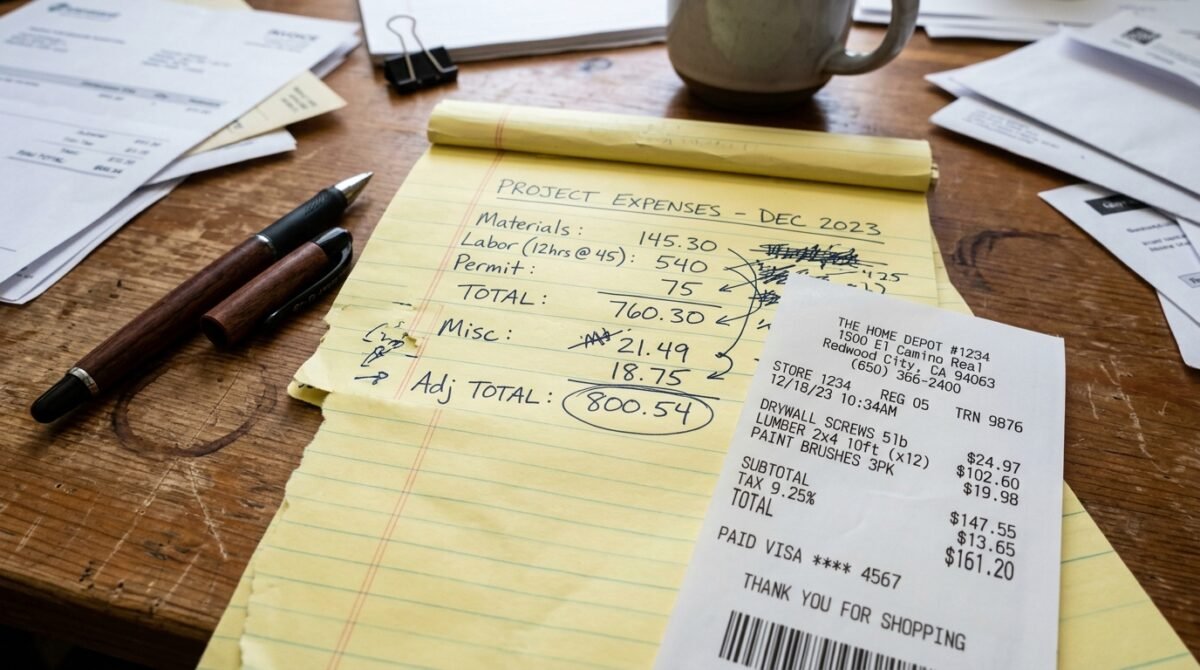
The next morning, I contacted a local kitchen antique dealer to get an appraisal. I needed to know the objective value of what had been lost. When the appraiser saw the photos, he didn’t just look at the pan; he looked at the brand, the casting marks, and the condition prior to the resin incident. He confirmed my fears: the pan was a rare, early 20th-century piece. While the monetary value was high, the replacement value—finding one of that specific quality—was practically impossible.
I presented Sarah with the invoice for the professional cleaning attempt and a breakdown of the market value of the piece. I was essentially billing her for the full replacement cost, plus damages. I wasn’t being malicious; I was being precise. If you break something of value, you cover the cost. It’s a simple rule of adulthood that Sarah seemed to have skipped entirely.
“You’re really sending me an invoice for a skillet? This is absolutely insane. I’m not paying for your ‘sentimental attachment’ to a piece of scrap metal. This is extortion.”
— Sarah’s reply via email, three hours after my request
The tension in the apartment reached a fever pitch. We were no longer speaking, communicating only through formal emails and sticky notes left on the refrigerator. Sarah began to play the victim, telling our mutual friends that I was trying to bankrupt her over a ‘mistake.’ She failed to mention that the mistake involved toxic chemicals in a kitchen utility, which posed a health risk to both of us.
I started documenting everything. I kept a ledger of every interaction, every attempted resolution, and every piece of evidence. I knew that if this went to small claims court or involved our landlord, I needed to have my facts straight. It was a cold, clinical way to live, but it was necessary to protect myself from her gaslighting and the potential for further ‘creative’ accidents.
The Group Chat Explosion

The conflict didn’t stay between the two of us. Sarah, in a moment of poor judgment, decided to screenshot my demand for payment and post it into our shared roommate friend group chat. She framed it as a laugh, hoping to garner support for her ‘eccentric roommate’ narrative. She didn’t expect the response she actually got from our circle.
Instead of the validation she was fishing for, she was met with a chorus of ‘YTA’ (You’re the Asshole) energy, even from people who had previously been on her side. They were horrified that she had used a cast iron skillet for resin—a material that is notoriously difficult to remove and potentially carcinogenic if not handled correctly. The consensus was swift: she had overstepped a major boundary.
“Sarah, you know you can’t melt resin in kitchenware, right? That’s not just a ruined pan, that’s a health hazard. Why on earth did you think that was okay?”
— Mark, in the group chat, 8:15 PM
The chat devolved into a heated debate about common areas versus personal property. Some argued that if I didn’t want my things used, I should have kept them locked in my room. Others pointed out that a kitchen is a shared space for food prep, not for industrial chemistry. Sarah, seeing her allies turn, doubled down on her defensive stance, calling us all ‘elitist’ for caring about a pan.
I stayed out of the chat for the most part, letting the conversation unfold naturally. It was fascinating, in a morbid way, to see how people react to blatant disregard for property. Sarah eventually left the group, claiming she felt ‘ganged up on.’ Her departure didn’t solve the issue of the money, but it certainly clarified the social landscape of our living arrangement.
The Security Deposit Ultimatum
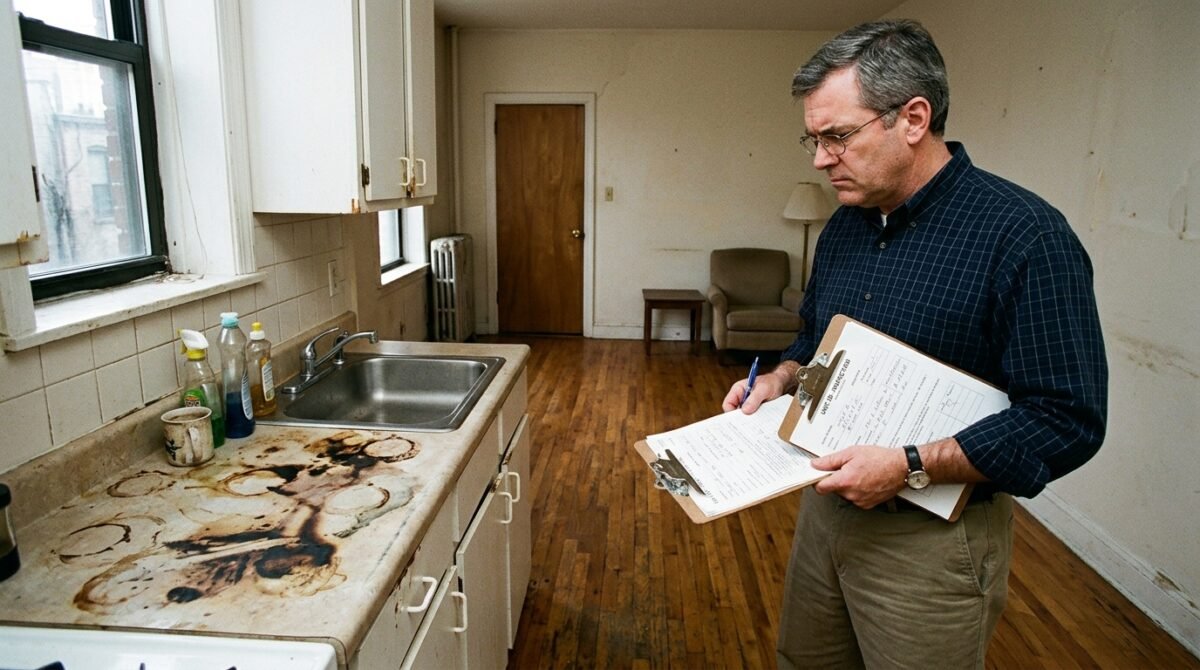
With our lease nearing its end, the issue of the security deposit became the final battlefield. I had already spoken with our landlord, providing him with photographic evidence of the damage to the stovetop and the kitchen counter, as well as the ruined heirloom. I informed him that I would be deducting the cost of the damages from Sarah’s portion of the deposit, as stipulated in our roommate agreement regarding damage to shared property.
Sarah was furious. She believed that the deposit was hers to reclaim, regardless of the ‘minor accidents’ that occurred during the lease. She threatened to sue me, to involve the police, and to cause a scene. I remained steadfast. I had the records, the appraisal, and the admission of guilt from our text exchanges. I was prepared to let the law decide if she was entitled to a refund for her negligence.
“If you touch my deposit, I will take you to small claims court. You have no legal standing to withhold money that isn’t yours. This is theft, plain and simple.”
— Sarah’s text message to me, 2:00 AM
I didn’t reply to the threats. I simply forwarded the message to the landlord as part of my ongoing file. The landlord was actually relieved; he had been worried about the state of the apartment and was happy to have a clear reason to withhold funds for repairs. Sarah’s belligerence had backfired, turning the property manager against her in the process.
The final walk-through was the most awkward hour of my life. The landlord inspected every inch of the kitchen, noting the chemical stains where Sarah had spilled her resin. He didn’t even look at me; he focused entirely on the damage. Sarah stood in the corner, arms crossed, fuming as the reality of the financial loss set in. It wasn’t just the pan; it was the cost of professional cleaning and the potential repair of the countertop.
The Aftermath of the Kitchen Disaster

After Sarah moved out, the silence in the apartment was deafening. It was the first time in months that I felt like I could actually breathe in my own home. I spent the next week scrubbing the chemical residue off the surfaces. Every time I reached for a burner, I was reminded of what had been lost. I never got the pan back, and even if I had, it would never be the same. That sense of grief for an object—something so intangible to others—was a heavy weight to carry.
I realized during this time that I had been far too lenient with my boundaries. I had operated on the assumption that everyone respects history, quality, and the sanctity of a kitchen. I was wrong. Some people see the world as a supply closet for their projects, without considering the history or the effort that goes into maintaining a home. It was a expensive lesson, but one I wouldn’t soon forget.
“You know, I still think you were too harsh. You could have just asked for a new pan. Why did you have to involve the landlord?”
— A mutual friend, weeks after the move-out
I told her the same thing I told Sarah: it wasn’t about the money. It was about the lack of respect. When you destroy something that can’t be replaced, and you don’t even have the decency to apologize or acknowledge the loss, you forfeit the right to a friendly resolution. I didn’t want a new pan; I wanted the person who broke my grandmother’s legacy to understand the gravity of her actions.
The aftermath wasn’t just about the money; it was about reclaiming my peace. I stopped worrying about what Sarah thought or how she was spinning the story. I focused on my own life, my own space, and my own boundaries. The financial compensation was just the icing on the cake—a small, tangible acknowledgement that actions have consequences in the real world.
Community Verdict: Was I the Villain?

I eventually decided to share my story on a popular forum to see if I was truly in the wrong. The internet can be a cruel place, but it can also be remarkably validating. The sheer volume of responses surprised me. Within hours, the post had thousands of upvotes and a sea of comments. The overwhelming majority sided with me, pointing out that toxic chemicals have no place in a shared kitchen, regardless of the circumstances.
“NTA. You don’t put resin in vintage cast iron. That is a war crime against home cooks. She destroyed a family heirloom and then tried to gaslight you about it. Keeping the deposit is the bare minimum for that level of disrespect.”
— u/KitchenWarrior, 15.2k upvotes
There were, of course, the contrarians. A few people argued that I should have kept my possessions under lock and key, or that the emotional value of the pan was irrelevant in a legal context. Some claimed that billing the deposit directly was ‘illegal’ and that I should have taken her to court rather than handling it through the landlord. I appreciated the legal advice, but I knew my state’s laws—the landlord was within his rights to withhold damages from the total deposit.
The most interesting comments were from people who had experienced similar ‘creative’ roommates. The stories of ruined clothes, damaged furniture, and ignored boundaries were endless. It seems that ‘roommate culture’ is rife with people who believe their art projects are more important than their housemates’ property. It made me feel less alone in my frustration, and certainly less like the villain I was painted as by Sarah.
In the end, the community consensus was clear: Sarah was a nightmare roommate who lacked basic situational awareness and respect for others. The fact that she tried to turn the group against me only cemented her status as the antagonist in this story. The validation was a relief, but the true satisfaction came from the fact that I stood my ground against her bullying.
Lessons in Boundaries and Housemate Dynamics

Looking back, I see the warning signs I missed early on. Sarah had always been ‘casual’ about things—borrowing laundry detergent, using my spices without asking, ‘borrowing’ my chargers. I had excused it as just being ‘laid back.’ I realize now that these weren’t signs of being laid back; they were signs of entitlement. She didn’t respect my boundaries because I hadn’t enforced them firmly enough.
The lesson here is simple but crucial: never assume your roommates share your values regarding property. If you have something that matters to you—truly matters, like a family heirloom—keep it in your private space. Do not leave it in a shared cabinet, even if you trust the people you live with. It isn’t paranoia; it’s self-preservation. When you treat your belongings as replaceable, others will treat them that way, too.
“The moment you let someone borrow something without asking, you are setting a precedent that your things are their things. It’s a hard lesson, but one you only need to learn once.”
— Wisdom from a veteran roommate, in the comments
I also learned the importance of clear, documented agreements. If I ever live with someone again, we will have a written document that specifies what is off-limits. It might seem cold or overly formal, but it prevents the kind of heartbreak and drama I experienced. It’s better to have an awkward conversation at the start of a lease than an explosive confrontation at the end.
Most importantly, I learned to trust my instincts. If someone makes you feel uneasy about your things, listen to that feeling. Don’t let yourself be shamed for valuing what you own, especially when that value is sentimental. You are the steward of your own life and your own history, and you have every right to protect it from people who don’t understand the worth of the items you hold dear.
The Final Reckoning: Where I Stand Today
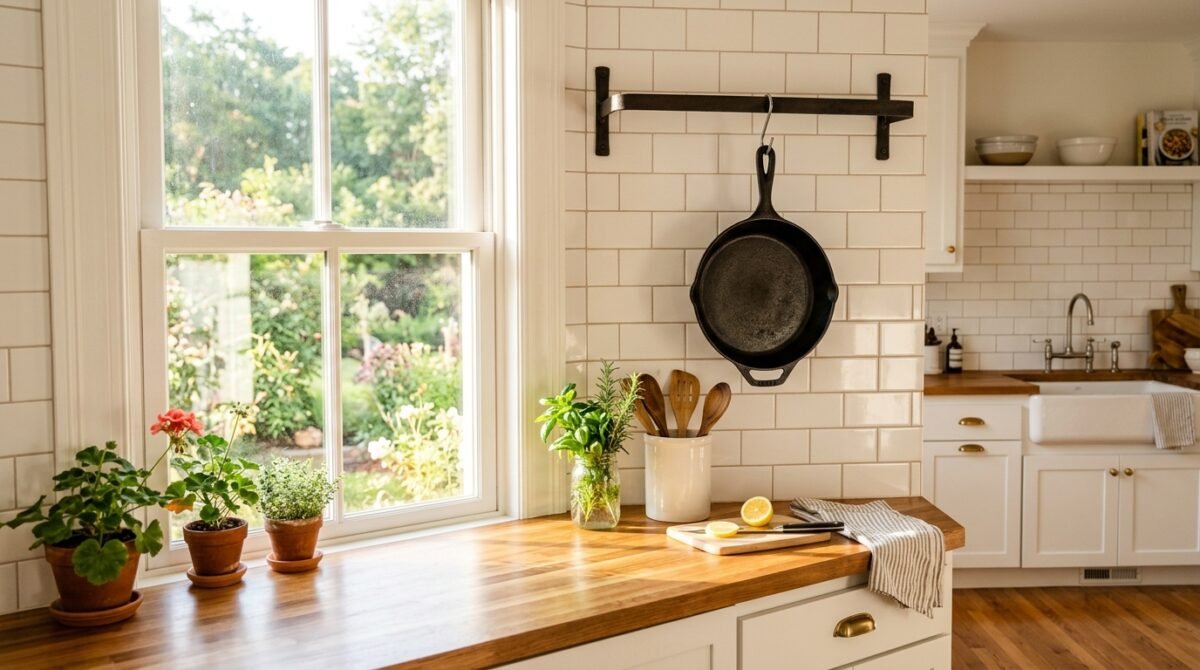
Today, I live alone. It’s more expensive, and sometimes I miss the company, but the peace of mind is worth every extra dollar. I have a new cast iron skillet—a modern one, high quality, but not an heirloom. I still use it every week, and every time I season it, I think of my great-grandmother. I think of the history that was lost, but I also feel a sense of pride that I protected myself and stood up to someone who tried to diminish that history.
Sarah and I have no contact. I hear through the grapevine that she’s looking for a new place, likely struggling to find someone who will put up with her ‘creative’ tendencies. I don’t harbor any ill will, but I don’t have any interest in forgiveness either. Some people are just lessons you learn on the way to a better life, and she was certainly one of those.
“You did the right thing. Never feel bad for standing up for your boundaries. She walked all over you, and you held your ground. That’s a win in my book.”
— My sister, in a recent phone call
The money I recovered from the deposit covered my next few months of groceries. It wasn’t about the cash, but the principle of the matter remains: when you damage someone’s property, you don’t get to dictate the terms of your apology or your financial responsibility. I am proud that I didn’t back down, even when it became difficult and socially awkward.
Moving forward, I am more intentional about the people I allow into my space. I don’t apologize for my boundaries, and I don’t feel guilty for expecting respect. My great-grandmother’s pan might be gone, but the lesson it taught me—about value, respect, and the strength of my own voice—is something I will carry with me for the rest of my life.
Why We Attach Value to Inanimate Objects
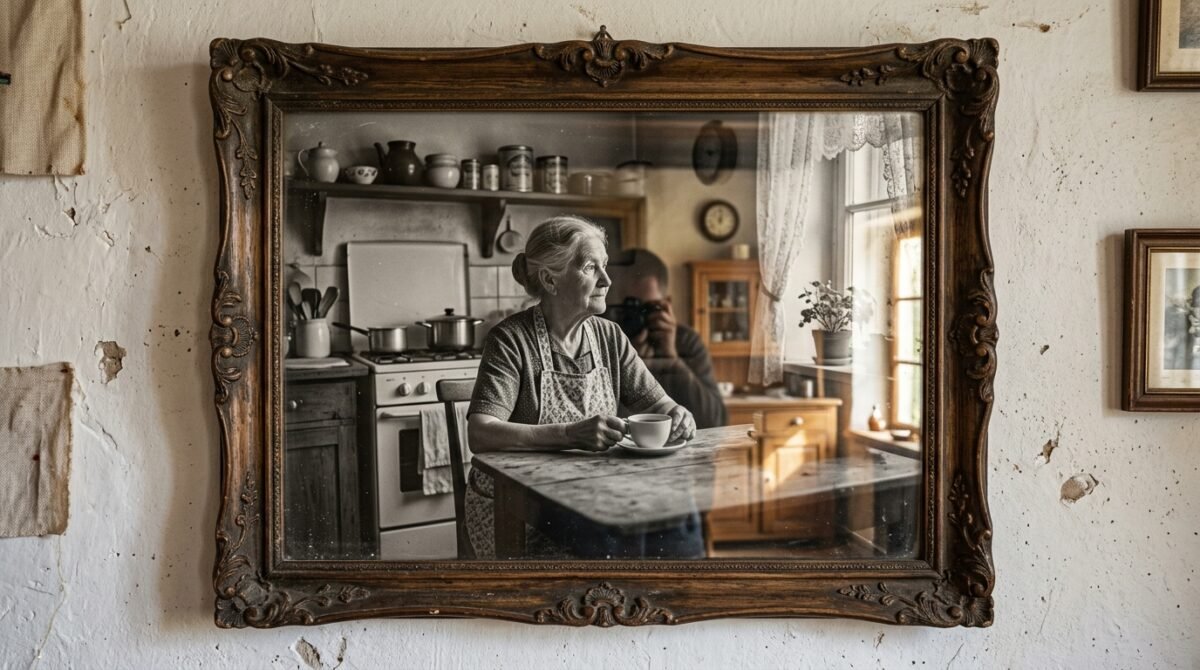
There is a segment of the population that genuinely doesn’t understand why people get upset over ‘things.’ They see a pan as a pan, a table as a table, and a photo as a piece of paper. They fail to understand that these objects serve as anchors for our identity and our connections to those who came before us. My great-grandmother’s pan was a tangible piece of her; by using it, I was participating in a lineage of care and nourishment.
When someone destroys that, they aren’t just destroying the object; they are striking at the history that the object represents. It’s a violation that goes far deeper than the replacement cost. That is why the anger I felt wasn’t just about the money; it was a visceral, emotional response to the erasure of a memory I cherished.
“Objects are the vessels through which we carry our history. To ruin an heirloom is to erase a piece of the story. You have every right to be angry.”
— A comment from a reader who lost a family item
Understanding this difference is key to healthy relationships. If you are someone who doesn’t attach value to objects, that’s fine. But you must be able to respect that others do. If you can’t, you are going to find yourself in conflict with the people around you, because you are constantly stepping over boundaries that you don’t even perceive.
I’ve come to accept that I am someone who values the stories behind the things I own. This realization has helped me become more intentional with my purchases and more protective of my collection. I don’t need to apologize for this, and I don’t need to justify it to people like Sarah. It’s part of who I am, and it’s a standard I will hold for all my future roommates.
Navigating the Social Stigma of Being ‘Difficult’

One of the hardest parts of this entire ordeal was the label of being ‘difficult.’ When I pushed back against Sarah, she tried to characterize me as the mean, uptight roommate who couldn’t take a joke. It’s a common tactic used to deflect blame: make the person holding you accountable look like the irrational one. It’s a form of gaslighting that can be incredibly effective if you aren’t prepared for it.
I had to learn to wear that label as a badge of honor. If being ‘difficult’ means I refuse to let people destroy my property and get away with it, then I am perfectly happy to be the difficult one. The world is full of people who will try to walk all over you if they think you’ll stay quiet to keep the peace. I decided that my peace of mind was more important than their comfort.
“If they call you difficult, it’s usually because you’re holding them to a standard they aren’t prepared to meet. Keep being difficult. It’s working.”
— A supportive friend, during the height of the drama
It’s important to distinguish between being truly unreasonable and just having firm boundaries. If I had demanded she pay for a new floor because she spilled a drop of water, I would be difficult. Demanding she pay for the replacement of a destroyed, century-old heirloom is simply being responsible. Knowing the difference is how you protect yourself.
I encourage anyone in a similar position to not let the fear of social judgment silence them. It is far better to be disliked by someone who doesn’t respect you than to be liked by someone who treats you like a doormat. You owe it to yourself to be your own advocate, even when it feels like you’re going against the grain of social expectations.
Conclusion
In the end, this experience was about much more than a cast iron skillet. It was a crucible for my own self-worth and my ability to demand respect in my living space. While the loss of the heirloom still stings, the clarity I gained from the situation has been invaluable. I learned that you cannot control the actions of others, but you can absolutely control how you respond to them and the boundaries you set to protect your life and your legacy.
My advice to anyone facing a similar roommate horror story is to document everything, stay calm, and refuse to be bullied into silence. You are the guardian of your own history and your own space. Do not be afraid to enforce the rules, even if it means losing a friendship that was built on disrespect in the first place.
What about you? Have you ever had a roommate who destroyed something you loved and refused to make it right? How did you handle it, and do you look back on it with any regrets? Let’s talk about the best—and worst—roommate experiences in the comments below.
What's your verdict on this dilemma?
Vote below to contribute to the official community consensus.

Have a Dilemma Keeping You Up at Night?
Share your real-life feud, wedding chaos, or relationship crossroads anonymously with our editorial team.
What do you think ?
0 Comments🛡️ Comments are moderated to protect community integrity. Your comment will appear once approved by the editorial team.