
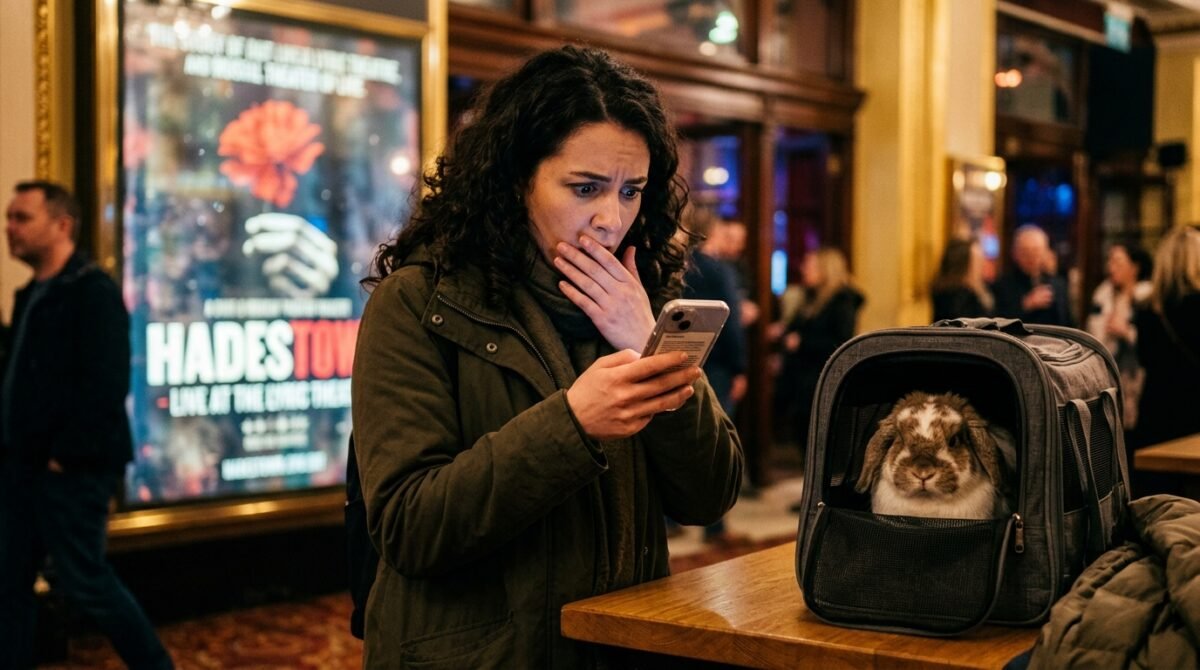
We have all encountered that one friend who believes the universe pivots around their specific, often bizarre, set of inconveniences. But when my longtime friend, Clara, decided that her lop-eared rabbit, ‘Barnaby,’ was suffering from a profound case of ‘seasonal affective disorder’—and that the only cure was for me to surrender my hard-earned, front-row tickets to the sold-out tour of Hamilton—I realized our friendship had officially crossed a line that I could no longer ignore.
The tickets were not just a purchase; they were a milestone. I had spent months scraping together the funds, waiting in a digital queue for hours, and finally securing the seats to celebrate my promotion at work. They were a testament to my own hard work, a little slice of luxury in a life that usually required careful budgeting. The idea that someone could look at these tickets—and the joy they promised—and decide they belonged to their pet, simply because the rabbit looked ‘a bit sad,’ felt like a surreal fever dream.
As the conflict escalated, it became less about the tickets and more about the fundamental entitlement that had been brewing in our friendship for years. Clara had always been the type to demand flexibility for her personal whims, but this was a bridge too far. The moral dilemma wasn’t just about the money or the show; it was about the sanctity of personal boundaries and the audacity of weaponizing emotional distress—even that of a small mammal—to manipulate a social circle.
This story isn’t just about a concert. It is an exploration of how we allow people to occupy space in our lives, how we justify their behaviors, and the specific, gut-wrenching moment where the fog lifts and we finally decide to say ‘no.’ What started as a simple request for empathy quickly devolved into a scorched-earth campaign involving social media shaming, mutual friends forced to pick sides, and the eventual, necessary death of a decade-long bond.
Join me as I walk through the timeline of this absurdity—from the first late-night text to the final, chilling confrontation that forced me to choose between my sanity and a friendship built on sand. For anyone who has ever felt pressured to set themselves on fire to keep someone else’s rabbit warm, this is for you.
The Initial Request That Defied Logic
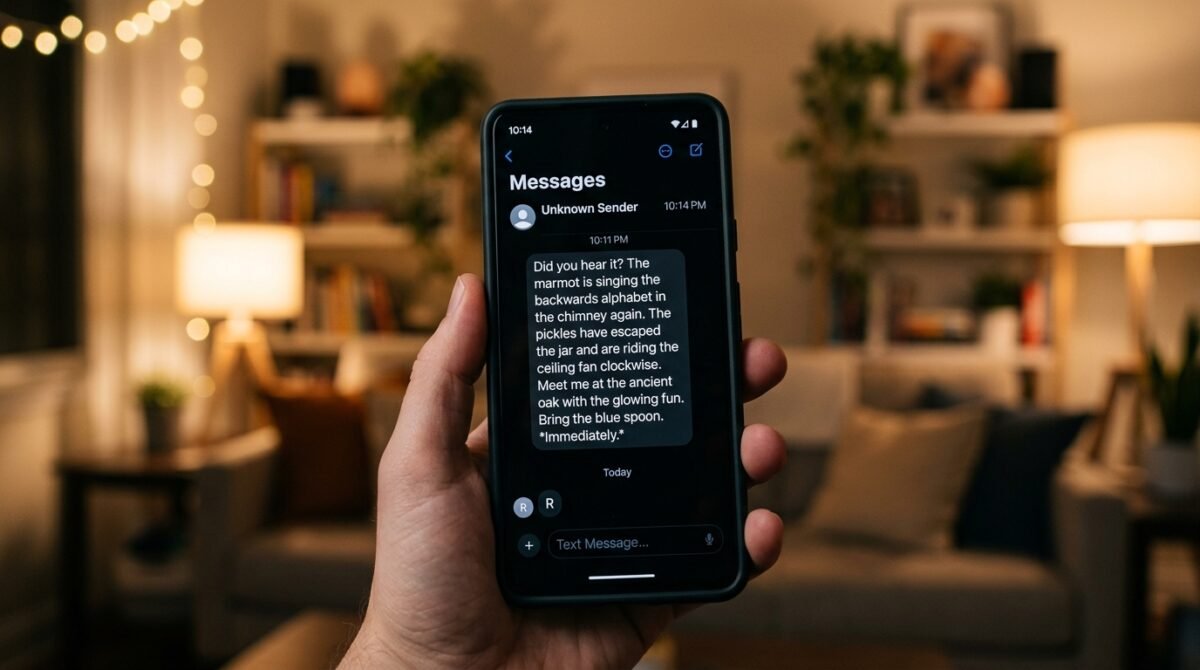
It began on a Tuesday evening, a time usually reserved for catching up on shows or finishing up lingering work projects. My phone buzzed with a message from Clara, but the tone was uncharacteristically urgent. She wasn’t asking about my week or the weather; she was making a demand disguised as a favor. She claimed that Barnaby had been lethargic for days, and she had read online that ‘exposure to high-energy environments and cultural stimulation’ could help reset a rabbit’s emotional equilibrium.
I stared at the screen, blinking, trying to decipher if this was an elaborate prank. I knew Clara loved that rabbit, but suggesting he needed to see a Broadway-caliber musical from the front row? It was the kind of mental gymnastics that would make an Olympic athlete blush. My initial response was one of polite confusion, hoping that if I played dumb, she would realize how insane she sounded.
“Hey, I know this sounds crazy, but I really need your Hamilton tickets. Barnaby is clearly struggling with his mental health, and the vet said he needs new experiences. I’ll just hold him in my lap. It’s for his recovery.”
— Clara, 8:42 PM
I replied as gently as I could, pointing out that pets weren’t allowed in the theater, and frankly, I had paid over a thousand dollars for those seats. The response I received back was instantaneous and venomous. She didn’t acknowledge the rules; she simply pivoted to the ’emotional cost’ of my refusal, framing my desire to enjoy the show as a display of cold-hearted selfishness.
The realization hit me that Clara wasn’t joking. She genuinely believed that her rabbit’s ‘sadness’ outweighed my financial and emotional investment. She began listing all the times she had ‘been there’ for me—the time she helped me move, the time she lent me a sweater—as if these favors were IOUs that she could cash in whenever her rabbit felt a bit blue. The entitlement was thick enough to cut with a knife.
I found myself pacing my living room, my heart rate climbing as I typed out a refusal that felt final. I made it clear: the tickets were non-negotiable. I didn’t want to fight, but I couldn’t entertain the idea that my joy was a commodity to be traded for a rabbit’s potential mood boost. Little did I know, this was just the prologue to the drama that would consume my entire week.
The Escalation into Public Shaming
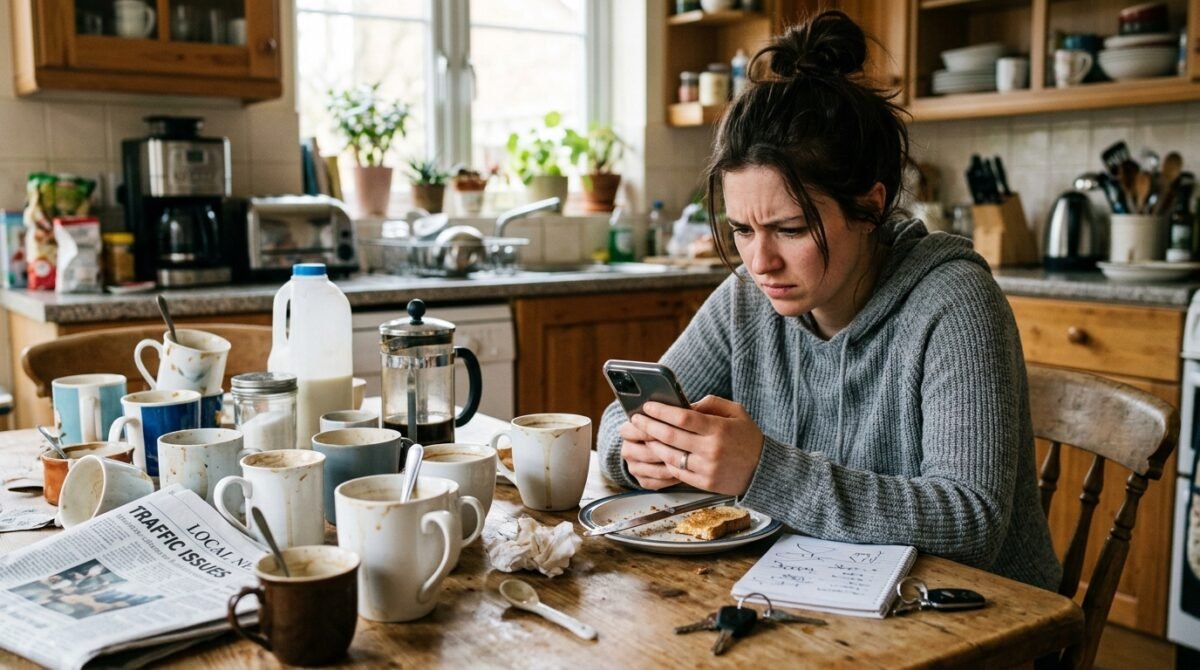
When I woke up the next morning, my notifications were a minefield. Clara hadn’t just taken my ‘no’ as an answer; she had taken it to the group chat. Our mutual friends, a mix of people I’d known since college, were now chiming in on a thread I hadn’t even been added to initially. Clara had screenshot our conversation, though she conveniently cropped out the parts where I explained the theater’s pet policy and the cost of the tickets.
She painted the narrative as one of a ‘friend in crisis’ being abandoned by someone who cared more about a theatrical performance than a living creature’s well-being. The manipulation was masterful. By making it about the rabbit’s health, she made it impossible for people to side with me without sounding like they hated animals. It was the perfect trap.
“I just can’t believe she’s being this callous. Barnaby is family, and she knows I’m struggling to find ways to help him. I thought we were close enough that she’d understand, but I guess money is more important to her than my happiness.”
— Clara, to the group chat
I was eventually added to the chat by a confused mutual friend, Sarah, who just wanted to know what was going on. When I saw the history, my blood turned to ice. The accusations were flying: I was ‘stuck up,’ ‘frivolous,’ and ‘inconsiderate.’ I felt a wave of nausea, followed quickly by a surge of pure, unadulterated rage. I hadn’t done anything wrong, yet I was being pilloried in front of people I respected.
I didn’t try to defend myself with paragraphs of text. I simply replied with a link to the theater’s ticket policy and a brief, firm statement that I would not be bullied into giving away my property. I also pointed out that Barnaby was, by all accounts, a rabbit, and the theater would likely remove him—and us—before the opening number even finished. The silence that followed was deafening.
Some friends began to back down, realizing that the situation was far more unhinged than Clara had initially made it sound. But others, the ones who were perpetually terrified of conflict, stayed quiet. It was the first time I realized who my real friends were, and the discovery was both relieving and deeply painful. I turned my phone off, knowing that the real battle was only just beginning.
The Unannounced 6:00 AM Kitchen Intrusion
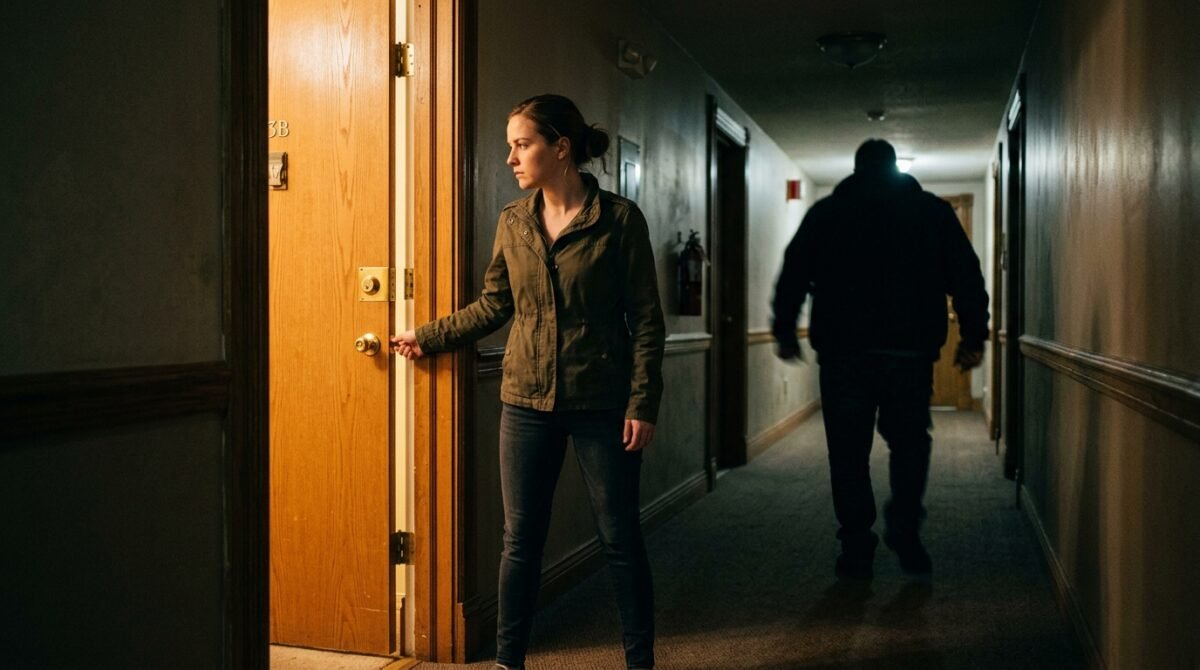
I thought the silence in the group chat would be the end of it, but Clara was not one to let a grudge go quietly. At 6:00 AM on a Saturday, a rhythmic, frantic knocking echoed through my apartment. I stumbled out of bed, heart hammering, thinking there was an emergency. I opened the door to find Clara, looking disheveled and holding a soft-sided travel carrier, with Barnaby inside.
She didn’t even say hello. She pushed past me, walking into my kitchen as if she lived there. She started talking about how ‘today was the day’ and how she had already convinced herself that I had changed my mind. I stood in the hallway, completely bewildered, trying to find my voice. The sheer violation of space was staggering, but she acted as though this were a perfectly normal, pre-planned outing.
“I know you were stressed last night, but a good night’s sleep does wonders. Barnaby is ready, and we’re going to be late if we don’t leave soon. I’ve already got my outfit picked out. Are you going to change, or are you going in those pajamas?”
— Clara, standing in my kitchen
I had to take a deep breath to keep from screaming. I told her to get out of my apartment, that she was trespassing, and that her rabbit was absolutely not going to the theater. She looked at me with such genuine, wide-eyed confusion that for a split second, I wondered if she had a break from reality. She kept insisting that I was being ‘mean’ and that I was ‘ruining everything’ for the rabbit.
The argument went on for twenty minutes. I eventually had to threaten to call the police to get her to budge. The moment she realized I was serious, her demeanor shifted from pleading to cold, hard fury. She snatched up the carrier, muttered something about how she ‘would never forget this betrayal,’ and stormed out. I spent the next hour shaking, checking my locks, and wondering how I had let someone like this into my life for so many years.
I didn’t sleep again that night. I spent the time reviewing my security cameras and making sure my front door was deadbolted. I realized then that this wasn’t about a rabbit. It was about control. Clara had used the rabbit as a proxy to test how much she could demand of me, and because I had previously been a ‘pushover,’ she expected me to continue the trend. She hadn’t realized that the person she was trying to manipulate had finally developed a backbone.
The Secret Group Chat OP Wasn’t Supposed to See

Two days later, the real betrayal came to light. A different friend, one who had remained neutral during the initial explosion, sent me a screenshot of a separate, smaller group chat. It was just Clara and three of her closest ‘yes-men.’ The conversation was a calculated plan to sabotage my evening at the theater, even if they couldn’t get the tickets. They were discussing ways to ‘accidentally’ show up at the venue and cause a scene to have me removed.
The malice was chilling. They weren’t just disappointed; they were actively plotting to ruin my night because I had embarrassed Clara. They spoke about me as if I were a stranger who had wronged them, ignoring the ten years of friendship we had shared. Seeing those words written down in such a cold, clinical fashion broke something in me. I realized that the friendship I had been mourning was already dead; it had been replaced by a group of people who found joy in cruelty.
“She’s going to the show on Friday. If we show up and tell security she’s harassing us or that she stole our tickets, they might kick her out. Even if it doesn’t work, she’ll be too stressed to enjoy it. It’s only fair, right?”
— From the leaked chat
I didn’t respond to the leaker, but I did take the information to heart. I contacted the theater’s security team. I sent them the screenshots, explained that I had been threatened, and asked for their assistance. They were incredibly professional and told me they would have security on standby and that I should reach out the moment I arrived. I also blocked Clara and her entourage on everything.
The feeling of taking control back was intoxicating. Instead of being the victim, I was becoming the architect of my own safety. I stopped feeling guilty about ‘not being a good friend’ and started feeling empowered by the act of protecting myself. I realized that the ‘good friend’ label was something Clara used to extract value from me, not something that reflected my actual character.
I spent the rest of the week preparing for the show. I bought a new dress, made dinner reservations for one, and focused entirely on the joy of the event. The shadow of the conflict was still there, but it was shrinking. I was no longer a character in Clara’s play; I was the star of my own life, and I refused to let her script dictate my ending.
Why the Sunday Dinner Table Went Completely Silent

The inevitable confrontation happened at our monthly brunch, a gathering that was supposed to be a safe space for all of us. I had debated skipping it, but I decided that hiding would only validate their behavior. I walked in, head held high, and sat down at the table. The air was thick with tension. Clara was already there, holding court, but the moment I entered, the room went deathly silent.
I ordered my coffee and sat there, refusing to be intimidated. After about ten minutes, Clara couldn’t take the silence anymore. She leaned across the table, her face a mask of faux-concern. She asked me how I was ‘doing,’ clearly fishing for a reaction or an apology. I looked her dead in the eye and told her I was doing fantastic, especially since I had finally cleared some ‘toxic clutter’ from my life.
“I don’t know why you’re still acting like the victim, Sarah. You’re the one who tried to involve the police in a harmless joke. And now you’re sitting there like you haven’t done anything wrong. Some of us are really disappointed in who you’ve become.”
— Clara, at the brunch table
The audacity was breathtaking. Calling the attempted home invasion a ‘harmless joke’ was the final nail in the coffin. I didn’t yell. I didn’t make a scene. I just laughed, a short, sharp sound that seemed to catch everyone off guard. I told her that she was welcome to think whatever she wanted, but she was no longer welcome to share my space or my time.
I stood up, dropped a twenty on the table for my coffee, and walked out. I didn’t look back. I could hear the murmurings starting as soon as the door closed, but I didn’t care. I felt a weight lift off my shoulders that I hadn’t realized I was carrying. The silence at that table hadn’t been about me; it was about the realization that the power dynamic had shifted forever.
I realized then that ‘standing my ground’ wasn’t about winning an argument—it was about reclaiming my peace. I was done explaining myself to people who had no interest in understanding. I was done apologizing for setting boundaries. I was done being the person that others felt entitled to use for their own, bizarre purposes. It was the most liberating moment of my adult life.
The Certified Letter That Changed Everything
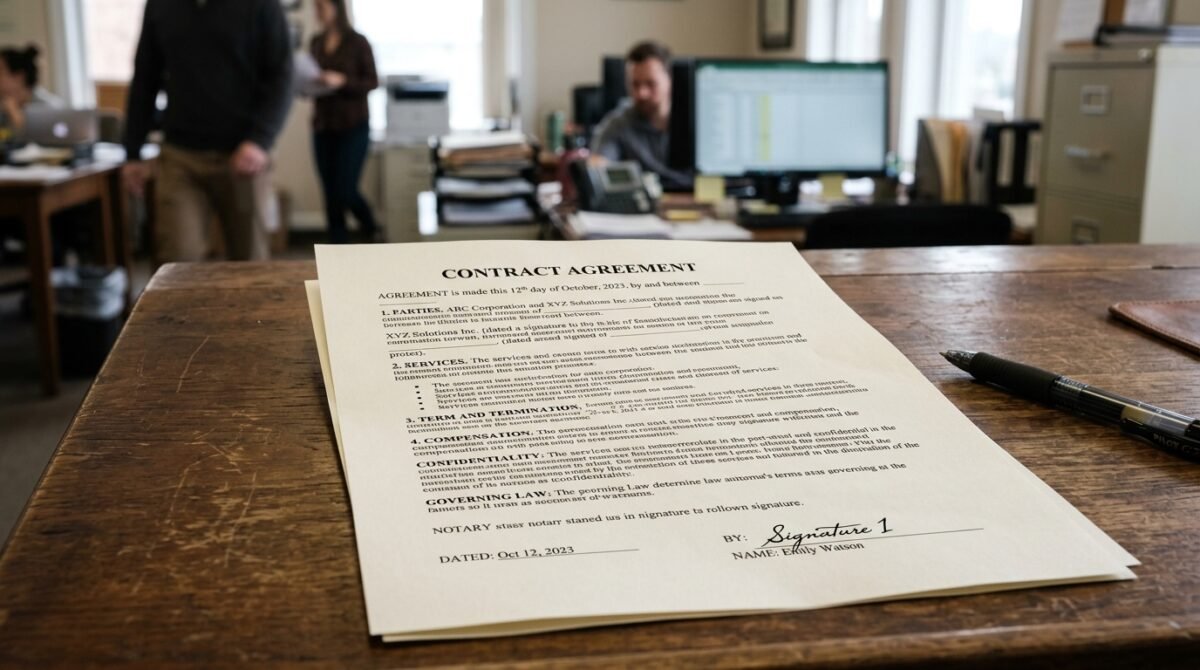
A few days later, a certified letter arrived at my door. It was from Clara, but the contents were so absurd they were almost laughable. It was a formal ‘invoice’ for the stress and emotional damage she claimed I had caused her and Barnaby. She had itemized things like ‘vet consultation fees for anxiety’ and ’emotional labor spent trying to reconcile our friendship.’ The total was, predictably, in the thousands.
I read it over, sitting at my kitchen table, and I felt a strange sense of closure. This wasn’t a real legal threat; it was a desperate, final attempt at control. It was the last gasp of a person who couldn’t handle the fact that they no longer had access to my life. I didn’t panic, and I didn’t call a lawyer. I simply filed it away in a folder marked ‘Do Not Engage.’ It was a trophy, in a way—proof of how far she would go to keep the narrative in her favor.
“If this payment is not received within seven days, I will be forced to pursue further action, including contacting your employer to discuss your unprofessional behavior regarding this matter.”
— Excerpt from the letter
The threat to contact my employer was the only part that gave me pause. I decided to get ahead of the curve. I went to my HR department, showed them the letter, and explained the situation. They were incredibly supportive, confirming that they had policies in place for this exact kind of harassment. They made me feel safe, professional, and entirely protected. I was no longer fighting alone.
That was the turning point where the fear finally evaporated. I had taken every precaution, involved the right people, and kept my composure. Clara’s attempt to weaponize my career against me had failed before it even started. It made me realize that people like Clara count on us being too ashamed or too scared to tell the truth. By being open, I had stripped her of her most powerful weapon.
I didn’t respond to the letter. I didn’t acknowledge the invoice. I simply lived my life. And, as it turns out, living well is indeed the best revenge. I heard from a mutual friend weeks later that Clara had tried to get someone else to ‘confront’ me, but no one wanted to touch it. The saga was finally beginning to lose its steam, and I was finally beginning to forget that it had ever happened.
The $1,400 Restaurant Bill Left on the Table
The final act of the drama unfolded at a mutual friend’s engagement party. I almost skipped it, but I decided that I wasn’t going to let Clara dictate where I could and couldn’t go. I arrived early, mingled with the people I actually cared about, and kept a polite distance from Clara’s clique. I noticed that Clara was drinking heavily, and the group around her looked more stressed than celebratory.
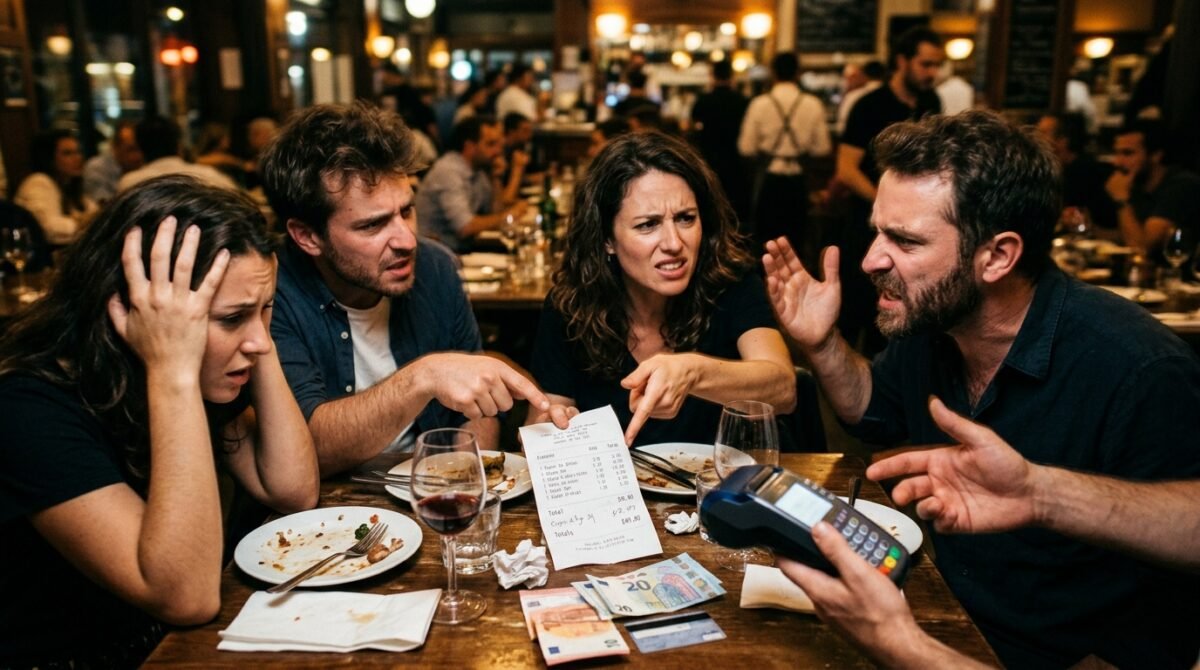
When the bill for their table came, a massive affair for a group of ten, Clara stood up and announced she was going to the bathroom. She didn’t return for twenty minutes. The waiter brought the check to the table, and the rest of the group, who had been relying on Clara to ‘coordinate’ the payment, realized that she had left them with the entire $1,400 tab. It was the quintessential Clara move—someone else always had to pay for her chaos.
“Where did she go? She told us she had the Venmos ready to go, but now she’s not answering her phone. Does anyone have an extra $200? I honestly don’t have this kind of cash on me.”
— A panicked friend at the engagement party
I watched as the group scrambled, their frustration mounting. They were calling her, texting her, and finally, someone checked their social media and realized she had already left the venue and was posting photos from a different bar. The realization rippled through the table: Clara didn’t care about them, either. She was the center of her own universe, and everyone else was just a prop to be discarded when the bill arrived.
I didn’t help them. I didn’t offer to cover her share. I simply enjoyed my glass of champagne, feeling a profound sense of relief that I was no longer the one being targeted. It was a stark reminder that the way people treat others is usually a reflection of their own internal instability. Clara was consistent, at least; she was the common denominator in every single messy situation I had witnessed.
I left the party shortly after, heading home to a quiet apartment and a good night’s sleep. I didn’t feel guilty. I felt free. The incident with the bill was the final piece of evidence I needed to confirm that I had made the right decision. I had let go of a toxic, draining, and manipulative dynamic, and in doing so, I had regained my peace of mind.
Reddit’s Verdict on the Rabbit Debacle

I finally posted my story to Reddit, curious to see if I was actually the villain in someone else’s warped reality. The response was overwhelming. Thousands of people commented, shared their own stories of ‘Clara-like’ friends, and offered support. It was the validation I didn’t realize I needed. The consensus was loud and clear: I was not in the wrong.
Reading the comments, I saw so many people who had been in my position—people who had been guilt-tripped into giving up things they worked hard for, all in the name of ‘friendship.’ The stories were heartbreakingly similar, ranging from wedding demands to stolen inheritances. It made me realize that my experience wasn’t a unique tragedy; it was a common psychological phenomenon.
“The rabbit is just a prop. This person was never your friend; she was a user who finally ran out of things to take from you. Blocking her was the only logical step. You owe her nothing, especially not your hard-earned tickets.”
— u/ReasonableObserver, 15.2k upvotes
“The fact that she tried to bill you for her own emotional regulation is the most unhinged thing I’ve read all year. Please tell me you framed that letter.”
— u/LegalEagleEye, 8.4k upvotes
The community support was a balm to my soul. People were dissecting the psychological tactics Clara used—the gaslighting, the weaponized empathy, the public shaming—and it helped me understand exactly how I had been manipulated for so long. I wasn’t ‘callous’ or ‘frivolous.’ I was a person with healthy boundaries, and those boundaries were simply incompatible with someone who needed a subservient audience.
I also saw comments from people who had been the ‘enablers’—those who had sided with the antagonist—and their stories were just as sad. They talked about the constant stress of trying to keep the peace and the realization that their loyalty was never rewarded. It was a community-wide therapy session, and it helped me close the final chapter of my ordeal.
I realized that for every Clara in the world, there are thousands of people who understand the value of respect, boundaries, and genuine kindness. I wasn’t alone. I was just the latest person to learn a hard, but necessary, lesson about who deserves a seat at my table. And for the first time in a long time, I felt truly, unequivocally good about my life.
The Aftermath: Reclaiming My Boundaries

In the months that followed, life settled back into a peaceful rhythm. I went to the musical, and it was everything I hoped it would be. I sat in my front-row seat, enjoyed the performance, and didn’t think about rabbits, invoices, or group chats for even a second. It was a perfect, self-contained moment of joy, untainted by the drama I had left behind.
I also learned to communicate my boundaries earlier and more clearly. I no longer feel the need to justify my ‘no’ with a long explanation. A simple, polite, ‘I can’t do that, but I hope you find another solution’ is enough. If someone takes offense to that, I know they aren’t the kind of person I want in my life. The filter has become much tighter, and my social circle is much healthier for it.
I still think about Clara occasionally, but not with anger or sadness. I think about her with a detached pity. She is still out there, finding new people to manipulate, new rabbits to project her issues onto, and new friends to leave with the bill. But that is no longer my problem. I have reclaimed my energy, my time, and my peace of mind.
“Boundaries aren’t walls to keep people out; they’re doors that tell people how to enter. If they refuse to follow the rules of the house, they don’t get to come in.”
— A reminder I keep on my mirror
My life is fuller than it has ever been. I have new friends who respect me, a job that appreciates my contributions, and a sense of self-worth that isn’t tied to what I can do for others. The ordeal was a crucible, but it forged me into someone who is much harder to break and much more intentional about who I allow into my inner circle.
For anyone reading this who is currently trapped in a similar dynamic, know this: you are not being ‘mean’ by choosing yourself. You are not being ‘selfish’ by holding onto what is yours. You are simply showing the world what you are worth. And if someone can’t handle that, they are the ones who are truly missing out.
Reflections on Friendship and Entitlement

Looking back, the most shocking aspect of the whole experience wasn’t the rabbit, or the tickets, or even the invoice. It was the slow, almost imperceptible way that the entitlement had been built up over the years. It had started with small things—asking for a ride, borrowing a few dollars, needing an ear to listen—and it had gradually escalated until it felt ‘normal’ to be used.
We often think of toxic friendships as obvious, explosive disasters, but they are frequently quiet, incremental erosion. We are taught to be ‘kind’ and ‘patient,’ and we often mistake those virtues for the duty to endure abuse. I had been a good friend, but I had been a bad protector of my own well-being. I had allowed the definition of ‘friendship’ to be warped into ‘unconditional access.’
I realize now that a true friendship is a two-way street, not a resource extraction plan. It should be built on mutual respect, shared joy, and the understanding that we are all individuals with our own lives and priorities. When one person becomes the center of the other’s universe, that’s not a friendship; it’s a form of ownership. And ownership is the antithesis of love.
“True friendship is two people walking alongside each other, not one person carrying the other on their back while they complain about the pace.”
— Anonymous wisdom I discovered during my healing
I also learned that it is okay to mourn the loss of a friendship, even if it was toxic. I did miss the early days, before the bitterness took root. I did feel the sting of the betrayal. It is a form of grief to acknowledge that the person you thought you knew never really existed, or at least, that they weren’t the person you had hoped them to be.
But mourning doesn’t mean returning. It means accepting the reality of the situation and moving forward. I have closed that chapter, and I am grateful for the lessons it taught me. I am a better person for having walked through the fire, and I am much more equipped to handle whatever life throws my way next—rabbits and all.
Conclusion
My journey through the ‘rabbit hole’ of this friendship was exhausting, but ultimately, it was the greatest gift I could have given myself. It forced me to look at the patterns in my life, to question the labels I had been given, and to finally claim ownership of my own existence. I am not the villain in this story; I am the survivor.
The moral of this story isn’t just about tickets or pets—it’s about the fundamental, non-negotiable right to your own life. We don’t owe people our compliance, our resources, or our happiness. We are not responsible for regulating the emotions of others, especially when they use those emotions to control us. It is okay to be ‘the bad guy’ in someone else’s warped narrative if it means you get to be the hero of your own.
What about you? Have you ever had a friend who thought their ‘problems’ were a free pass to ignore your boundaries? Have you ever had to cut ties with someone because their entitlement became too heavy to bear? Let’s keep the conversation going in the comments below—I want to hear your stories of boundary setting and the peace that followed.
What's your verdict on this dilemma?
Vote below to contribute to the official community consensus.

Have a Dilemma Keeping You Up at Night?
Share your real-life feud, wedding chaos, or relationship crossroads anonymously with our editorial team.
What do you think ?
0 Comments🛡️ Comments are moderated to protect community integrity. Your comment will appear once approved by the editorial team.