
Living with a roommate is rarely a seamless experience, but most of us find a rhythm. We agree on the basics: don’t touch the milk, keep the common areas tidy, and for heaven’s sake, don’t mess with the fridge. For me, that fridge was a sanctuary. Every Sunday, I dedicated six hours to what I call my ‘Performance Protocol’—meticulously weighing, seasoning, and packaging four days’ worth of high-protein, organic meals. It was a lifestyle choice, a financial commitment, and a sanity-saving routine that allowed me to survive a high-stress corporate job.
Then came Mark. Mark was the quintessential ‘tech-bro’ transplant—charismatic, perpetually disorganized, and possessing an unwavering belief that his personal convenience superseded the laws of physics and common courtesy. He moved in with a brand-new electric bike, a beast of a machine that required constant charging, and a complete lack of understanding regarding how communal living actually functions. I viewed him as a temporary hurdle; he viewed the apartment as a private playground for his convenience.
The tension didn’t start with the food; it started with the power strip. Mark had a habit of unplugging anything that wasn’t bolted to the wall to keep his bike battery topped off. I had corrected him twice, explaining that my high-performance blender and, more importantly, the temperature-sensitive components of my freezer required consistent electricity. He promised to be more careful, but I knew the look in his eyes—the classic ‘I’ll do whatever I want, and you’re just being difficult’ stare.
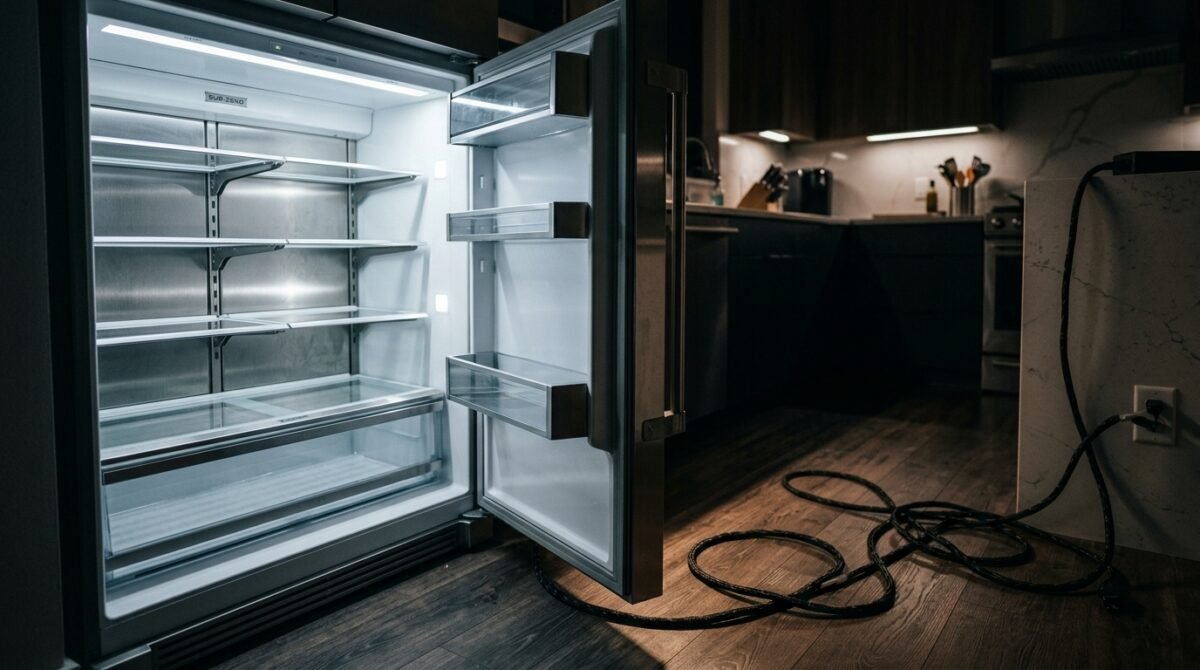
The morning of the incident began with a sickening realization. I walked into the kitchen at 5:00 AM, my heart sinking as I saw the lights on the microwave were dead. I rushed to the fridge, peeling open the door to find the internal light flickering weakly. The temperature inside was climbing fast. My four-hundred dollars worth of grass-fed beef, wild-caught salmon, and pre-prepped macro-balanced meals were sitting in a lukewarm grave. And there, stretched across the linoleum like a tripwire, was the heavy-duty power cord for Mark’s e-bike, plugged into the kitchen’s main circuit outlet.
I stood there in the silence of the pre-dawn house, staring at the cooling condensation dripping down the back wall of the fridge. The anger wasn’t hot; it was cold and calculated. I didn’t scream. I didn’t wake him up. I simply took photos, documented the carnage, and started calculating. If he wanted to treat our shared living space like a private garage, he was going to pay the mechanic’s fee. This wasn’t just about the food anymore; it was about the fundamental disrespect for my time, my money, and my boundaries.
The Sunday Ritual and the Unseen Power Drain

My Sunday meal prep is a science. I don’t just cook; I manage my fuel. I source ingredients from a local butcher and a high-end grocer, spending close to four hundred dollars a week to ensure my macros are perfect. When I arrange those glass containers in the fridge, it’s a mosaic of discipline. Mark, on the other hand, lived off delivery apps and whatever he could scavenge. Our relationship was already strained by his habit of ‘borrowing’ spices or leaving half-empty cartons of almond milk on the counter.
The specific incident occurred on a particularly humid Tuesday. I had returned from a double shift to find the kitchen smelling faintly of ozone. I hadn’t thought much of it until the following morning. The fridge, a high-capacity model I paid extra for, had been dead for hours. The contents were ruined. The ice was melted. The biological cost of the event was immediate, but the financial sting was sharper. Four hundred dollars of high-grade protein, now destined for the dumpster.
I walked into the living room to find Mark fast asleep on the couch, his bike parked in the middle of our shared space, the charger humming rhythmically. I nudged the plug with my foot—it was hot to the touch. He had overloaded the kitchen circuit to ensure his bike was ready for a joyride the next morning. My food was the collateral damage, and he didn’t even have the decency to check the status of the appliances he had compromised.
“I don’t get why you’re so upset. It’s just food. You can go to the store and get more. My battery was low and I had to make sure I could get to work tomorrow.”
— Mark, moments after being confronted.
I looked at him, disbelief washing over me. ‘Just food?’ I echoed. ‘That was four hundred dollars of protein that I spent six hours preparing. You didn’t just ‘borrow’ a little space; you killed my entire week’s prep to charge a toy. You didn’t check the circuit, you didn’t ask, and you didn’t care.’ His response was a dismissive shrug, the classic defense of someone who has never been held accountable for anything in their life.
I realized then that reasoning was a waste of time. Mark operated on a different moral plane. In his world, his needs were primary, and anyone else was just a background character. I walked back to my room, shut the door, and opened my laptop. I wasn’t going to get into a shouting match that would result in nothing but a sore throat. I was going to handle this with the cold, hard logic of a lease agreement.
The Arithmetic of Retaliation

I spent the next two hours drafting a formal itemized invoice. I listed every item that had spoiled: the ribeye steaks, the wild-caught salmon, the organic quinoa, the specialized supplements. I researched the current market price for each item to ensure the total was beyond reproach. I also added a ‘labor’ fee, which I justified as the time lost during my precious Sunday window. The total came to $412.50. It wasn’t just a number; it was a bill.
I printed the document, placed it in a manila folder, and set it on the kitchen counter right next to his bike. I also sent him a polite, yet firm, digital version via our shared roommate group chat. I wanted there to be a paper trail. I wanted him to see that this wasn’t an emotional outburst, but a business transaction. I knew he would try to frame me as the ‘crazy, petty roommate,’ and I was prepared for it.
When he finally emerged from his room around noon, he didn’t even look at the folder. He just breezed past the counter, reached for the coffee maker, and stopped. He stared at the folder, then at me. ‘What is this?’ he asked, already annoyed. I didn’t move from my spot at the dining table. ‘That’s the invoice for the four hundred dollars of food you destroyed. I expect payment by the end of the week, or I’ll be deducting it from the security deposit we both hold with the landlord.’
“You’re really going to charge me for groceries? This is insane. I’m not paying a cent for some meal prep. It’s petty and honestly, it’s a bit unhinged.”
— Mark, attempting to gaslight the situation.
I remained calm, my voice steady. ‘The fact that you think this is unhinged explains exactly why you destroyed my food. You have zero respect for other people’s property or the shared infrastructure of this home. If you don’t pay, I’m taking it out of the deposit. The landlord is already aware of the electrical issues because I reported the outage immediately this morning. It’s documented.’
He laughed, a short, sharp sound. ‘Good luck with that. You think the landlord cares about your frozen steaks? You’re going to look like an idiot.’ I just sipped my coffee. I had already contacted our property manager, who was a stickler for rules and had already warned Mark about the bike charging in the living area due to fire safety concerns. He had no idea how much ground he had already lost.
The Escalation in the Group Chat
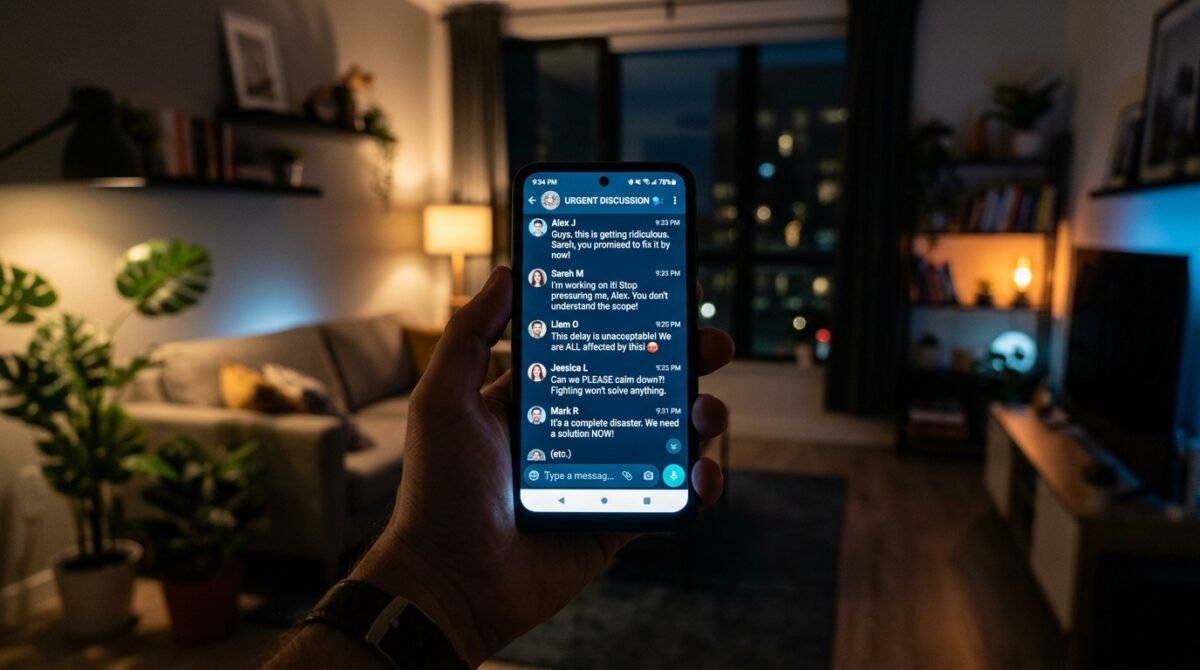
The next few days were a masterclass in passive-aggression. Mark started leaving his dirty dishes in the sink, playing music loudly at 2:00 AM, and making pointed comments about ‘people who take themselves too seriously.’ I ignored it all. I kept my door locked, my headphones on, and my eyes on the prize. I had already sent the formal notice to the landlord, attaching the photos of the spoiled fridge and the bike cord.
The real fireworks started when our other roommate, Sarah, got involved. She was tired of the tension and tried to mediate. She sent a message to the group chat suggesting we ‘just move past it’ and split the cost of a new fridge component—which wasn’t even broken, just tripped by the surge. I corrected her immediately, laying out the timeline of events. Mark chimed in, claiming I was ‘harassing’ him over a simple mistake.
“Look, can we just stop? Everyone makes mistakes. Mark didn’t mean to kill your food. Let’s just buy a pizza and call it a day. Stop being so dramatic about the money.”
— Sarah, attempting to play the peacemaker.
“It wasn’t a mistake, Sarah. It was a conscious choice to prioritize a bike over the household electricity. If I leave the stove on and burn the house down, is that just a ‘mistake’? The invoice stands.”
— My reply in the group chat.
The chat went silent for a while. Then Mark started posting memes about ‘people who love money more than friends.’ It was classic deflection. He couldn’t address the fact that he had caused actual, quantifiable damage, so he attacked my character. I didn’t engage with the memes. I just sent a screenshot of the lease agreement clause regarding ‘Damage to Common Property’ and the specific line about ‘unauthorized use of electrical circuits.’
He didn’t reply to that. Instead, he started complaining to his friends on social media, posting vague statuses about ‘toxic roommates who think they’re accountants.’ I saw a screenshot from a mutual friend. It was clear he was building his own narrative, trying to get people to validate his entitlement. It only solidified my resolve. If he wanted to play this game in public, I would win it with facts.
The real issue was his complete lack of accountability. Every time he broke a rule, he claimed it was an ‘accident’ or a ‘misunderstanding.’ It was a pattern of behavior that had been excused by everyone around him for his entire life. I was the first person to actually present him with a bill for his behavior, and that was why he was so rattled. He didn’t know how to handle a world where actions had consequences.
The Landlord’s Intervention
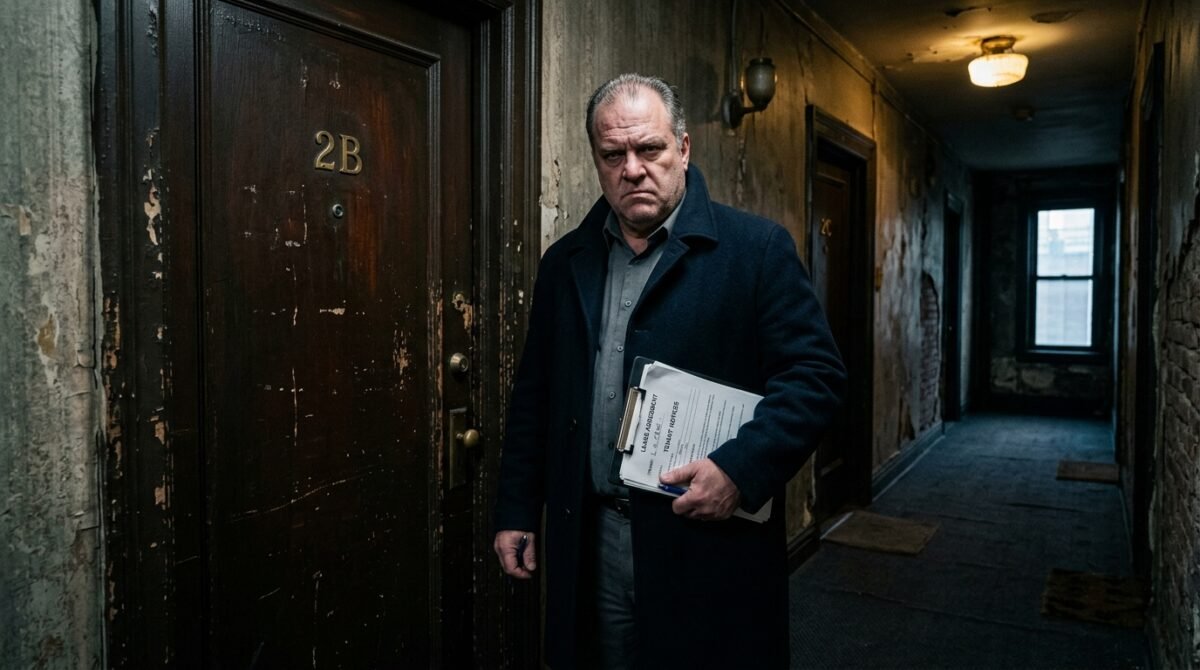
The landlord, Mr. Henderson, was a man who lived for rules. When I sent him the photos and the brief, professional summary of the events, I knew he wouldn’t be sympathetic to Mark’s ‘I didn’t mean to’ defense. Within 24 hours, an email arrived in the group chat. It was short, cold, and final. He had reviewed the lease and the photos of the electrical hazard.
The email stated that any further use of the electrical outlets for personal heavy-duty devices like e-bikes was strictly prohibited and would be considered a breach of the lease. Furthermore, he noted that the damages to the internal circuit and the food loss were the responsibility of the tenant who caused the surge. He essentially validated my entire position in one single paragraph. The silence in the house that evening was deafening.
“Effective immediately, all heavy-duty charging of personal transport devices in the apartment is prohibited. Any further damage resulting from unauthorized electrical use will be deducted from the security deposit held by this office. I have noted the incident regarding the food spoilage. You two need to settle this privately, or I will involve legal arbitration.”
— Mr. Henderson, Property Manager, in the group chat.
Mark tried to call the landlord, but Henderson didn’t pick up. He eventually came knocking on my door. I opened it a crack, keeping the chain lock engaged. He looked disheveled, the bravado completely stripped away. He tried to start with a soft tone, apologizing for the ‘food situation’ and asking if we could just ‘forget about the money’ since the landlord had already banned his bike charging.
I looked at him and shook my head. ‘The ban on your bike doesn’t replace my four hundred dollars, Mark. You made a choice. You chose to risk my property for your convenience. Now you have to pay for the consequences. The amount is the same. I’m not paying for your lack of judgment with my own money.’
He started to raise his voice, his face turning a shade of frustrated red. ‘You’re going to ruin my credit score over some fucking steaks? You’re a sociopath!’ I didn’t even blink. ‘I’m not ruining anything, Mark. You did that yourself the moment you unplugged the fridge. You have until Friday to pay, or I file the paperwork with the landlord to have the amount withheld from your portion of the deposit.’
The Public Court of Opinion
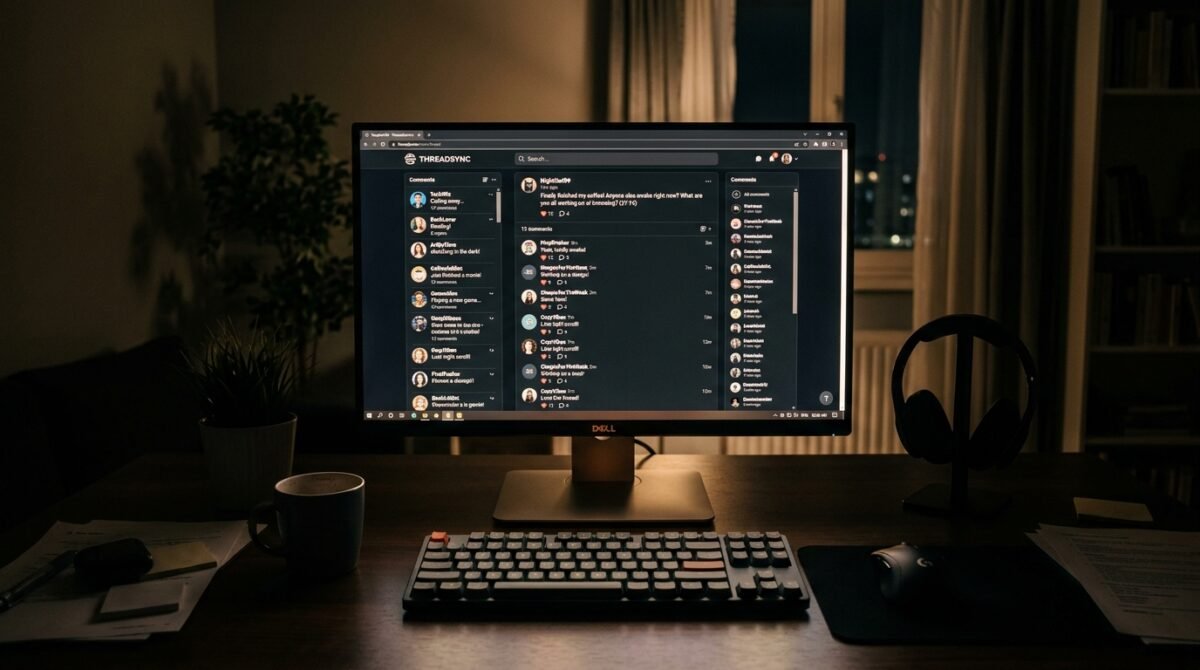
Naturally, the story didn’t stay between us. Mark, feeling backed into a corner, took his version of the story to a local neighborhood social media group. He posted a long, emotive rant about ‘a roommate who is trying to steal my security deposit over some spoiled groceries.’ He conveniently left out the part about the e-bike surge and the fact that I had warned him multiple times about the electrical issues.
I didn’t see the post until my friend sent it to me. I was mentioned by name—well, my handle was—and the comments were a mix of outrage and confusion. Some people were siding with him, calling me a ‘petty tyrant.’ Others were asking for more context. I decided it was time to drop the receipts. I posted a detailed, calm response in the comments section of his post.
I included the photos of the fridge, the timestamped logs of the power outage, and the screenshot of the landlord’s email. I didn’t use insults; I just presented the timeline. The shift in the comments was immediate. The people who had been calling me a tyrant suddenly turned their focus to Mark, asking why he was charging a high-voltage battery on a residential kitchen circuit.
“Wait, so he destroyed $400 in food to charge a bike and now he’s crying that he has to pay for it? Dude, that’s not being a victim, that’s just being a roommate from hell. NTA.”
— u/NeighborlyJustice, Reddit response in a community thread.
The thread became a viral sensation in our local group. People were tagging Mark, asking if he was the one who kept blowing the fuses in the building. It turns out, he had been doing this for months, and other neighbors had been dealing with flickering lights and tripped breakers. He wasn’t just a bad roommate; he was a liability to the entire building.
Mark deleted the post within an hour. But the damage to his reputation was done. He had tried to use the community to bully me into silence, and it had backfired spectacularly. When he came home that night, he didn’t even look at me. He just went straight to his room and locked the door. He knew he had lost the battle for public opinion, and more importantly, he had lost his leverage.
The Final Confrontation
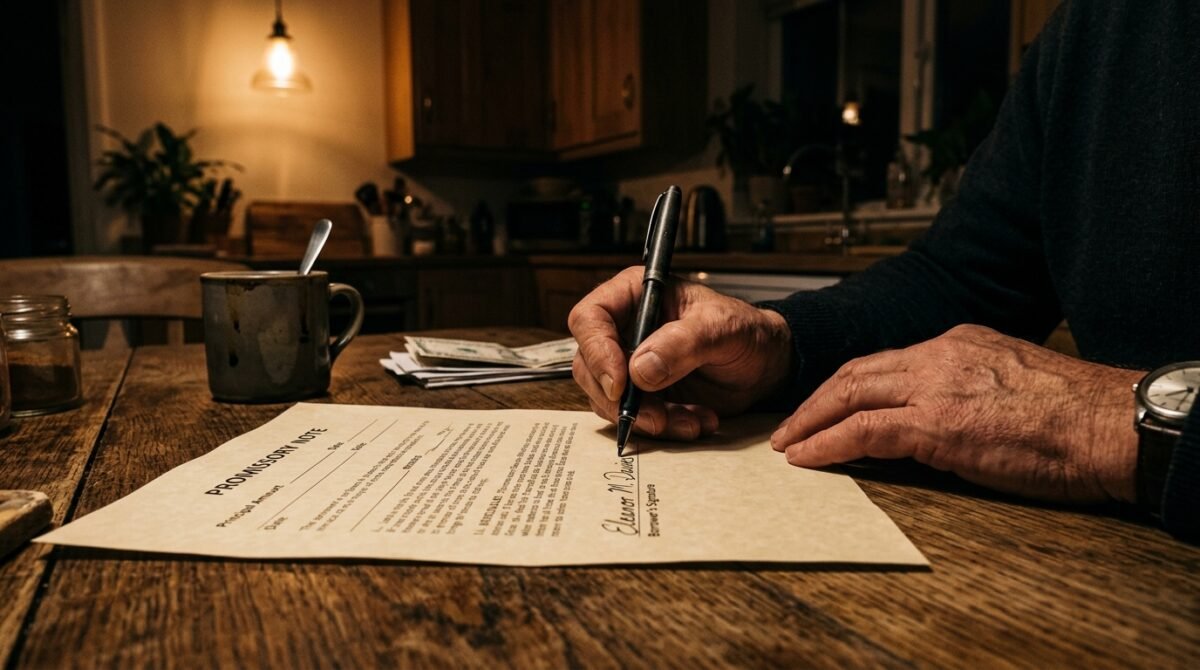
Friday arrived, the deadline I had set. I was sitting at the kitchen table with a printed copy of the invoice and a payment request from a mobile app. Mark walked out of his room, looking exhausted. He didn’t say a word. He walked to the kitchen, opened the fridge, and just stood there. I realized he was finally processing the reality of what he had done.
He turned to me, his voice quiet. ‘I don’t have four hundred dollars to give you right now. My bike needs a new controller because of the surge, and I’m short on rent.’ I looked at him, not with pity, but with a cold clarity. ‘That’s not my problem, Mark. You had four hundred dollars to spend on an e-bike, and you had the money to waste on delivery food every night. You chose to spend it. Now, you’re choosing to prioritize your bike over your financial obligations to me.’
“I’ll pay you, but it’s going to be in installments. I can give you fifty dollars a week until it’s paid off. Just don’t go to the landlord. Please.”
— Mark, finally folding under the pressure.
I considered the offer. It was a concession. It was an admission of guilt. ‘Fine,’ I said. ‘But if you miss a single payment, I go directly to the landlord and submit the claim for the full amount against your deposit. And I want it in writing.’ I pulled out a simple promissory note I had typed up. I wasn’t leaving anything to chance. He signed it, his hand shaking slightly.
It felt like a victory, but it was a hollow one. The house felt cold, the air thick with resentment. But I had reclaimed my boundaries. I had shown that I was not a person to be trifled with. The power dynamic in the house had shifted completely. He wasn’t the charismatic, entitled roommate anymore; he was a person who owed me a debt and knew exactly what would happen if he didn’t pay it.
I went back to my room, feeling a sense of closure. The meal prep incident was just the catalyst for a much deeper lesson. I had learned to document everything, to set clear boundaries from day one, and to never apologize for expecting basic respect. I wasn’t being a ‘difficult’ roommate; I was being an adult living in a shared space, and that was something Mark had never been forced to do.
The Reddit Verdict

I posted the story on a popular subreddit for roommate drama. I didn’t include names, but I laid out the timeline, the invoices, and the eventual resolution. The response was overwhelming. Within hours, the thread had thousands of upvotes and hundreds of comments. People were analyzing the situation from every angle—legal, financial, and psychological.
The consensus was loud and clear: I was not the asshole. Many users pointed out that the $400 was a conservative estimate, considering the time and energy I had invested in the preparation. Others were shocked by the audacity of charging an e-bike on a kitchen circuit—a common cause of house fires. I felt a sense of validation I hadn’t expected. I wasn’t ‘crazy’ or ‘petty’; I was holding someone accountable.
“You absolutely did the right thing. If you don’t enforce boundaries, people will continue to stomp all over them. The fact that he tried to smear you on social media and failed makes this even better. Stick to your guns, OP. He owes you that money.”
— u/JusticeForMealPreppers, Top Comment, 15.2k upvotes
There were, of course, the contrarians. A few people argued that I should have been more ‘forgiving’ because we were roommates. I ignored them. Forgiveness is a choice, not an obligation, and it certainly shouldn’t be forced by someone who refuses to change their behavior. I didn’t want to be ‘friends’ with Mark; I wanted to live in a house where my property was safe and my boundaries were respected.
The community support helped me realize that my internal compass was correct. I had been gaslit for weeks into thinking I was the villain for wanting to be compensated for damages. The collective voice of the internet provided the external validation I needed to stay the course. It was a powerful reminder that while we can’t control how others act, we can control how we respond to them.
I kept the thread updated with the progress of the payments. Every time Mark made a payment, I would update the post, and the community would cheer. It turned a miserable living situation into a weirdly cathartic communal event. I stopped feeling like a victim of his entitlement and started feeling like the protagonist of a story where justice actually prevailed.
The Lessons Learned in the Aftermath

Living with Mark after the ‘incident’ was a lesson in distance. We became roommates in the truest sense—two people who happen to occupy the same square footage but exist in entirely different worlds. I stopped trying to engage with him. I stopped trying to explain why his behavior was problematic. I just existed in my space, and he existed in his. It was a profound shift from the initial, hopeful phase of our living arrangement.
I learned that when someone shows you who they are, you should believe them the first time. I had ignored the red flags—the ‘borrowed’ milk, the unplugged blender, the constant noise. I had made excuses for him, thinking it was just a personality quirk. I was wrong. These weren’t quirks; they were indicators of a profound lack of respect. I realized that my own boundaries were the only thing that kept me sane.
I also learned the importance of clear, written agreements. A verbal ‘don’t touch my stuff’ is useless in a dispute. Now, when I look for new roommates, I have a detailed list of expectations that I present before we even sign the lease. It might seem ‘intense’ to some, but it protects me from ever having to go through this again. If someone thinks it’s too much, then they aren’t the right fit, and that’s perfectly fine.
“You aren’t being mean, you’re being protected. Living with others requires a baseline level of respect. If you don’t set the bar, people will always aim for the floor.”
— A piece of advice I received from a mentor during the ordeal.
The financial loss of the food was painful, but the gain in clarity was worth much more. I now have a much tighter control over my household expenses and my personal time. I no longer feel guilty about being ‘the difficult one.’ I am the person who cares about their living space, their health, and their future. That is not a personality flaw; it is a standard.
I look back at the photos of that spoiled food now, and I don’t feel anger. I feel a strange sense of gratitude. That event forced me to grow. It forced me to stop being a ‘people pleaser’ and start being a ‘boundary setter.’ It was a baptism by fire, but it left me stronger, more confident, and much better equipped to handle the realities of living in the real world.
The Final Payment and Moving On

The last installment arrived on a Tuesday, three months after the incident. Mark didn’t say a word when he transferred the funds. He didn’t offer a final apology, and I didn’t ask for one. The debt was settled, the transaction was complete, and the chapter was closed. I felt a weight lift off my shoulders that I hadn’t even realized was there.
The next month, the lease was up for renewal. I had already made up my mind. I moved out, finding a place where I lived alone. It was more expensive, but the peace of mind was priceless. I walked through the door of my new apartment, and for the first time in years, I knew that every single thing in the fridge would be exactly where I left it, and the power would stay on.
I still see Mark on social media occasionally. He’s still the same person—still posting about his latest ‘life hacks’ and complaining about ‘toxic’ people. But he isn’t in my life anymore. I have moved on to a better, more stable environment. I have my routine back, my meal prep is secure, and my boundaries are ironclad. The ordeal was a crucible that refined my perspective on what it means to coexist with others.
“The best revenge is living well, in a house where nobody touches your stuff and the fridge always stays cold.”
— My final update on the Reddit thread.
The lessons from this experience have translated into every area of my life. I’m more assertive in my professional life, more selective about who I spend my time with, and much more protective of my own energy. The ordeal taught me that being ‘nice’ is not the same as being ‘kind.’ True kindness involves holding people accountable, for their own good as well as yours.
I often wonder what Mark would have done if I hadn’t stood my ground. Would he have continued to treat the apartment like a playground until it caught fire? Would he have kept pushing until he caused an even bigger disaster? I’m glad I don’t have to know. I’m glad I was the one who drew the line in the sand, and I’m glad I had the resolve to keep it there.
Reflecting on the Modern Roommate Dilemma

Looking back, the entire conflict feels like a microcosm of a larger issue in modern society. We are increasingly living in shared spaces, yet we are becoming less and less equipped to handle the nuances of compromise and responsibility. We rely on technology to mediate our lives, but we struggle to communicate the most basic needs and expectations. The ‘meal prep vs. e-bike’ story is just one iteration of a tale as old as time: the collision of personal entitlement and communal duty.
The internet’s response to my situation was a testament to how deeply these issues resonate. People are tired of the ‘unspoken rules’ that only ever seem to benefit the person who least cares about them. There is a hunger for clear communication, for accountability, and for the validation that it is okay to stand up for yourself. My experience was just a lightning rod for those frustrations.
I hope that by sharing this, others who are dealing with similar situations feel empowered to take action. You don’t have to be a ‘doormat’ to be a good roommate. You can be kind and fair while still insisting on respect. It’s a delicate balance, but it’s a necessary one. If you find yourself in a situation where your boundaries are constantly ignored, know that you have the right to demand more, and you have the right to protect your own peace.
“We live in a world where everyone wants the benefits of community but very few want the responsibilities that come with it. Don’t be the person who sacrifices their own stability to enable someone else’s chaos.”
— Closing reflection from my final Reddit post.
The end of this story isn’t just about the $400 or the ruined food. It’s about the reclamation of self-respect. It’s about the decision to stop being a passive participant in my own life and start being the architect of my own environment. It was a tough journey, but it was one worth taking. I am now living in a space that reflects my values, my standards, and my commitment to myself.
If you are currently struggling with a difficult roommate, take heart. You are not alone, and you are not crazy for wanting basic respect. Document your issues, set your boundaries, and don’t be afraid to take the necessary steps to protect your well-being. At the end of the day, the person you have to live with the longest is yourself. Make sure that experience is as positive as possible.
Conclusion
The story of the e-bike and the meal prep is more than just a viral anecdote; it is a cautionary tale about the importance of boundaries, the necessity of financial accountability, and the courage it takes to stand your ground in a world that often rewards those who take, not those who respect. I walked away from that apartment with less money in my pocket than I started with, but with a degree of self-assurance that is truly priceless. The experience was a crucible that forged a new, more resilient version of myself.
Ultimately, the lesson is universal: respect is not a suggestion, it is a requirement. When that respect is violated, you have the right—and perhaps even the duty—to demand restitution. Whether it’s through a formal invoice, a conversation with a landlord, or simply cutting ties, you are the final arbiter of what you are willing to tolerate. Never be afraid to be the ‘difficult’ one if it means you are being the ‘honest’ one.
What about you? Have you ever had to deal with a roommate who thought their convenience was worth more than your sanity? Have you ever had to take drastic measures to ensure your boundaries were respected? Share your stories below—let’s keep the conversation going and continue to support one another in the battle for respectful, peaceful living spaces. The comment section is open for your verdicts, your own horror stories, and your advice for those still in the trenches of roommate warfare.
What's your verdict on this dilemma?
Vote below to contribute to the official community consensus.

Have a Dilemma Keeping You Up at Night?
Share your real-life feud, wedding chaos, or relationship crossroads anonymously with our editorial team.
What do you think ?
0 Comments🛡️ Comments are moderated to protect community integrity. Your comment will appear once approved by the editorial team.