
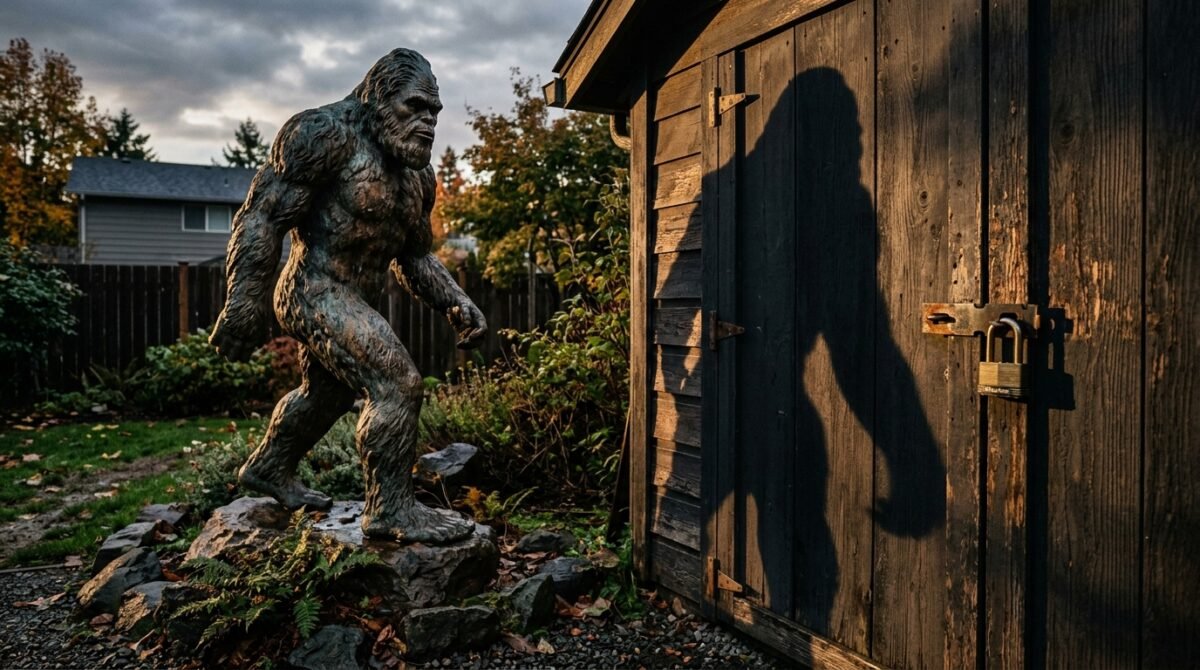
Marriage is built on trust, shared goals, and the occasional compromise. For three years, Mark and I had been meticulously saving for our ‘Smile Fund’—a dedicated savings account meant to cover my overdue wisdom tooth extraction and his looming need for a root canal. It wasn’t a fortune, but at $6,200, it was our financial safety net for a literal pain-free future. That safety net evaporated on a Tuesday, replaced not by dental insurance or a payment plan, but by a 700-pound piece of kitsch that now looms over our azaleas like a cryptid nightmare.
When I discovered the overdraft notification, I assumed it was fraud. I spent four hours on the phone with the bank, my heart hammering against my ribs, only to have the teller gently explain that the transaction was legitimate—a wire transfer to a specialty gallery in Oregon. My husband, a man who once argued that a $40 grocery bill was ‘frivolous,’ had decided that our family’s dental health was secondary to owning a life-sized, bronze statue of Bigfoot.
The confrontation didn’t happen with screaming. It happened with a cold, terrifying stillness. When Mark arrived home, whistling as he pulled into the driveway, I didn’t greet him with the dinner I’d spent hours preparing. I greeted him with the bank statement, the printout of the statue’s ‘limited edition’ invoice, and the heavy-duty padlock I’d bought from the hardware store down the street. It wasn’t a choice I made lightly, but in that moment, the absurdity of the situation demanded an equally absurd response.
I realize that locking your spouse in a tool shed sounds like a scene from a low-budget dark comedy, but when you are faced with a partner who prioritizes local folklore over their own wife’s ability to chew food, the social contract feels remarkably flimsy. I didn’t want a divorce, but I did want an accountability session that he couldn’t walk away from. I needed him to sit in the dark, surrounded by lawnmower blades and bags of mulch, and truly consider the weight of what he had done.
The Day the Savings Account Died
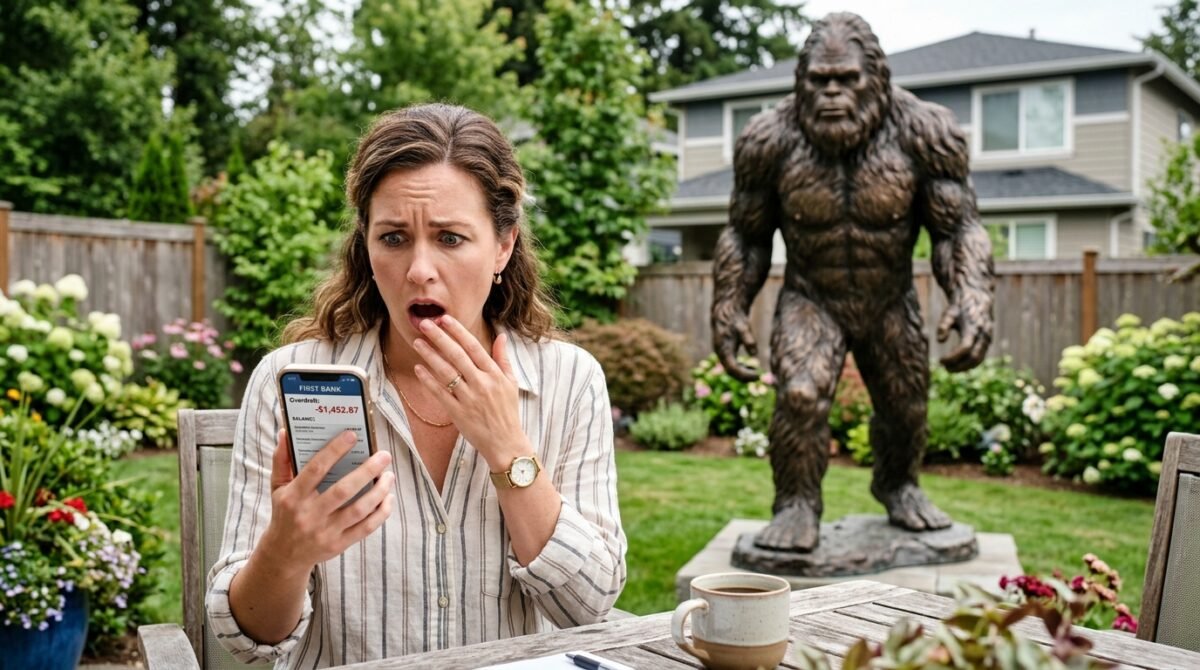
It began as a mundane morning. I was checking the joint account balance to schedule an appointment with the oral surgeon, already dreading the out-of-pocket costs I knew were coming. I logged into the mobile app, fully expecting to see the balance of $6,200. Instead, I saw an ending balance of $12.40. My first thought was that we had been hacked. My second thought was that there must be a clerical error.
I called the bank immediately. The customer service representative sounded genuinely sympathetic as she walked me through the transaction history. The money hadn’t been stolen; it had been transferred to ‘Pacific Northwest Mythical Artifacts.’ I sat on my kitchen floor, the phone pressed against my ear, listening to the soft hum of the refrigerator while my world tilted on its axis. Why would Mark pay six thousand dollars to a company that sold myths?
When I finally got home from work, the delivery truck was just pulling away. There, standing in the center of our manicured garden, was the beast. It was seven feet tall, made of cast bronze, and possessed eyes that seemed to track my movement with a judgmental stare. It was the most expensive piece of yard art I had ever seen, and it looked completely miserable in the suburban humidity.
“Mark, please tell me that this is a rental. Tell me you didn’t spend our dental fund on a garden gnome that grew up to be a monster.”
— Me, the moment he walked through the front door.
He didn’t even look at me at first. He walked right past me, his eyes gleaming with a manic sort of pride as he walked up to the statue and patted its bronze arm. He looked like a child who had just received the best Christmas gift ever, completely oblivious to the fact that his wife was currently vibrating with rage.
The Logistics of the Lockdown
I didn’t plan the shed incident. It was a visceral reaction to his nonchalance. As he began explaining the ‘investment potential’ of the piece, citing some obscure Bigfoot collector forum, I felt a snap in my brain. I realized that arguing with him was useless; he was living in a fantasy world where a bronze ape was a legitimate retirement asset, while my jaw throbbed with chronic pain.
He went into the shed to get the heavy-duty weed whacker, claiming he needed to clear the view for the statue. He was busy moving boxes of old Christmas decorations when I stepped forward. It wasn’t a dramatic struggle. It was a swift, silent motion. I slid the heavy iron bolt into place and clicked the industrial-grade padlock I’d grabbed from my car into the latch. The ‘click’ was the most satisfying sound I had ever heard.
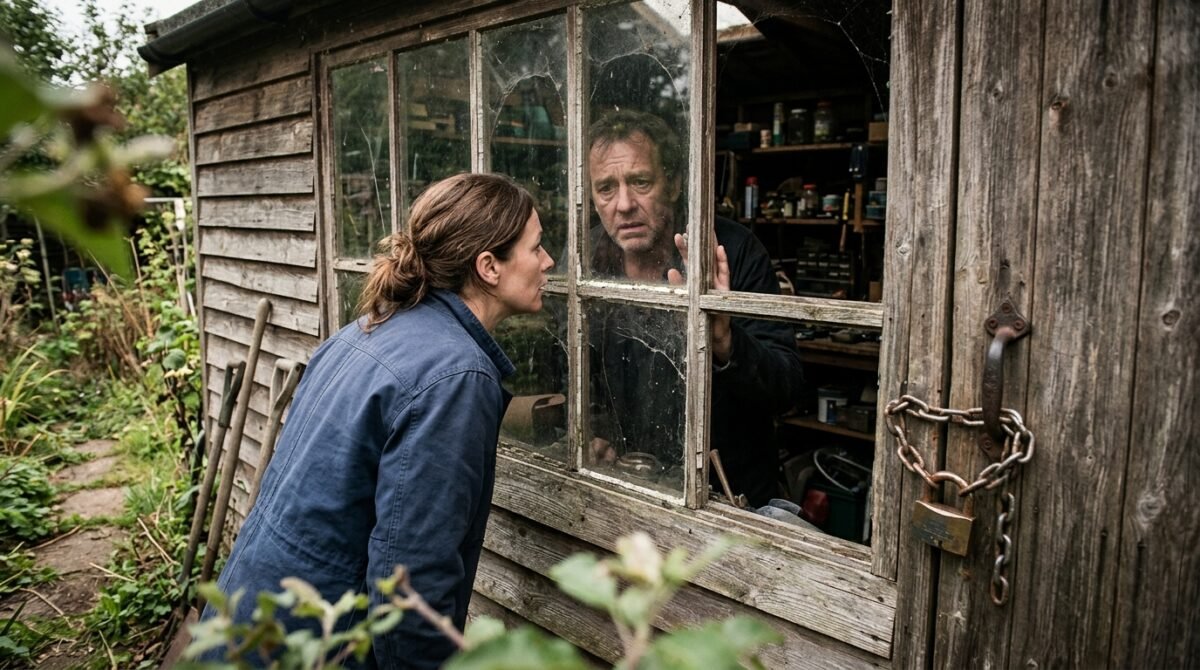
He didn’t even notice at first. He stayed in there for a good ten minutes, grumbling about how we needed a leaf blower. When he finally turned to come out, the door wouldn’t budge. He pushed, then he shouldered it, and then he started banging. That was when I walked over to the window, placed my hand on the glass, and spoke clearly through the gap in the siding.
“You have plenty of time to contemplate the value of bronze vs. the value of a root canal, Mark. You stay in there until you realize exactly why we are currently bankrupt.”
— My ultimatum through the shed door.
The look on his face through the shed’s small, grime-streaked window was pure, unadulterated confusion. He clearly thought I was joking. He started laughing, calling my name, telling me to stop being dramatic. But as the sun began to set and the temperature in the shed rose to an uncomfortable eighty-five degrees, the laughter died out completely.
The Echoes of the Backyard Jail
By the second hour, the reality of the situation had set in. Mark had stopped shouting and started pleading. He told me about how the statue was a ‘rare find,’ how it was going to appreciate in value, and how he had been ‘meaning’ to tell me. He kept insisting that I was being abusive and that I had no right to hold him against his will, but every time he brought up the statue, I simply turned up the music on the patio speakers.
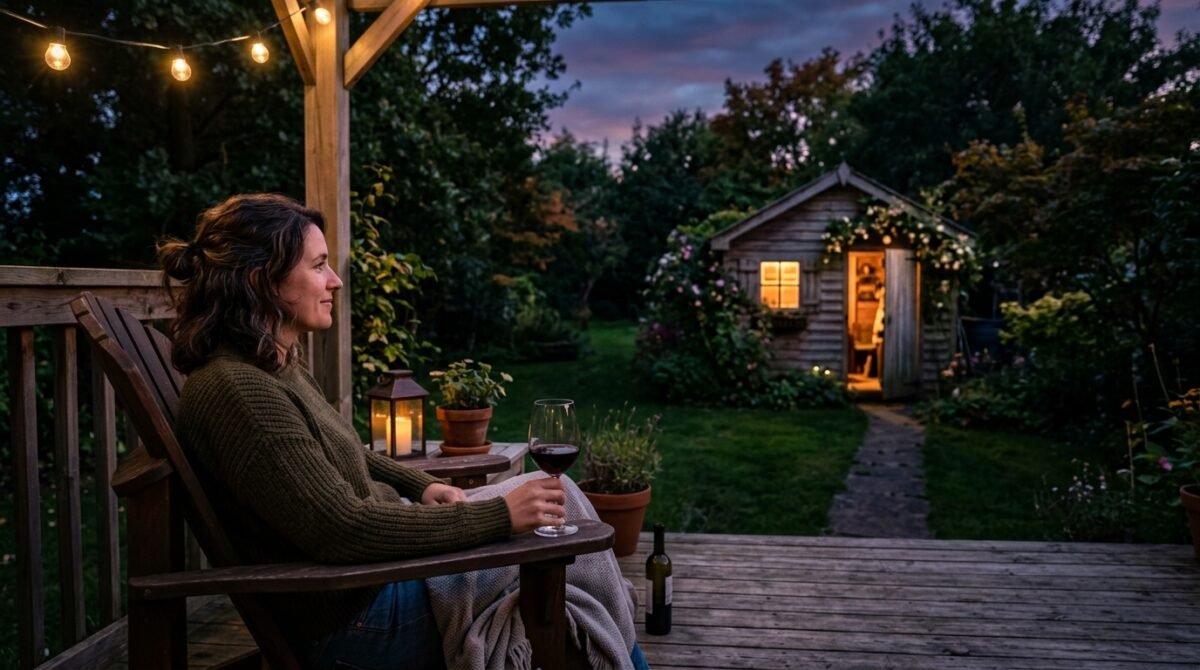
I sat on the back deck with a glass of wine, watching the bronze Bigfoot in the fading light. It was truly hideous. I started thinking about the years I had spent sacrificing my own comfort for our collective future. We had skipped vacations, ate store-brand cereal, and worked overtime so we could be debt-free. And in one afternoon, he had decided that he was the only one allowed to spend the spoils of our labor.
Neighbors started to notice. Mrs. Gable from next door peered over the fence, her eyes wide as she looked from the statue to the shed. I didn’t explain. I just waved and took a sip of my wine. It was the most empowered I had felt in years. I wasn’t just his wife anymore; I was his warden, and for the first time, he was the one feeling the pressure of being silenced.
“If you open this door right now, I promise we can put the statue on eBay. Just let me out, it smells like gasoline in here!”
— Mark, two hours into his confinement.
The deal was tempting, but I knew Mark. If I let him out now, he would just go back to his defensive posture, blaming me for being ‘controlling’ and ‘unsupportive of his hobbies.’ I needed him to sit with the silence. I needed him to feel the fear of being truly alone in his bad decisions.
The Digital Jury Speaks
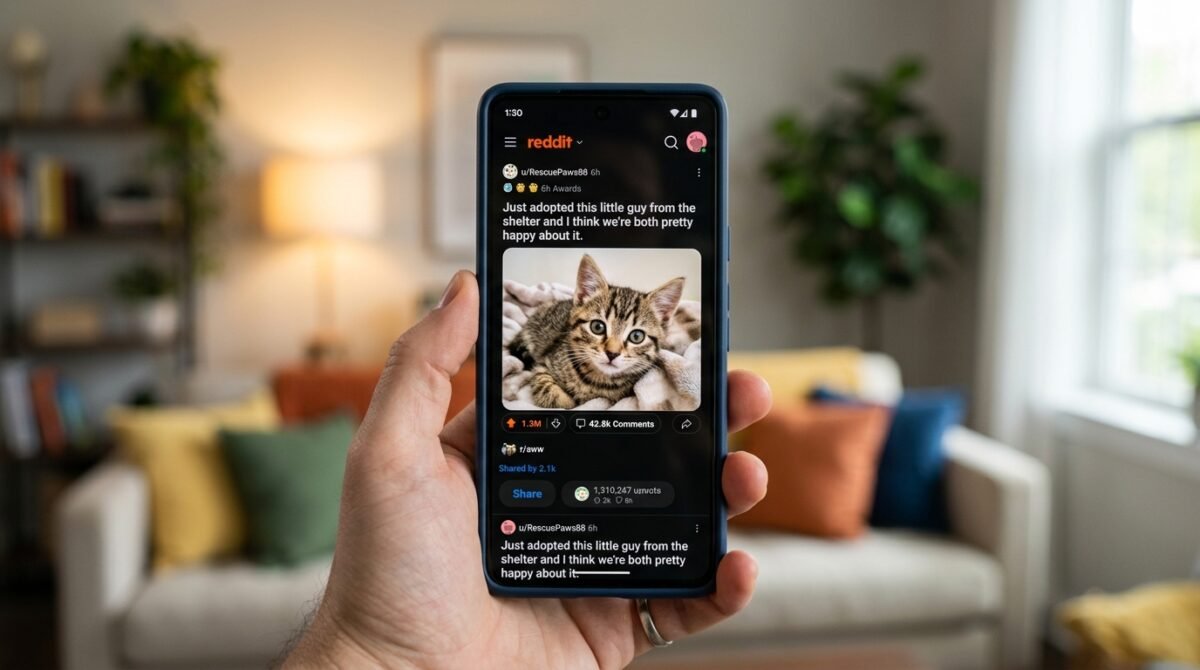
I did what any millennial in a crisis does—I posted the story to Reddit. I didn’t use our real names, of course, but the details were specific enough that the community knew exactly what was happening. Within three hours, the post had exploded. Thousands of comments flooded in, ranging from absolute horror at the financial betrayal to genuine confusion about the statue’s existence.
The consensus was overwhelming. Most people were horrified by the financial infidelity, labeling the statue purchase as a form of abuse. Others found the shed confinement to be a ‘chaotic neutral’ response that they couldn’t help but admire. I read the comments aloud, partly to keep myself entertained and partly to ensure Mark could hear them if I left the back door cracked.
“OP, he didn’t just buy a statue. He bought a monument to his own selfishness. The shed is a bit much, but honestly, he deserves to think about the root canal he cost you. NTA.”
— u/FinanceExpert42 (Top Comment, 32.5k upvotes)
I felt a strange sense of validation reading those comments. For a long time, I had felt like I was the one who had to be the ‘reasonable’ adult, constantly managing our budget while Mark played the role of the whimsical visionary. Seeing strangers react with such outrage reminded me that I wasn’t crazy. My feelings of resentment weren’t just ‘me being difficult’; they were a reaction to a profound lack of respect.
The Late Night Negotiation
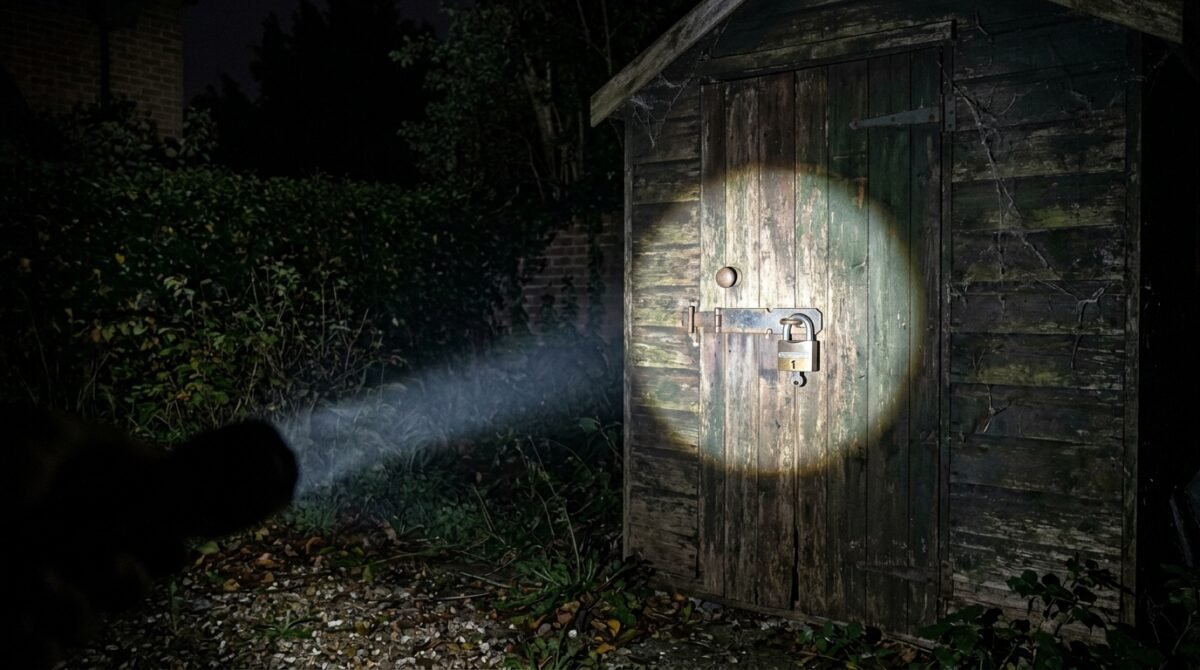
At midnight, the air had cooled significantly. I walked out to the shed with a flashlight and a bottle of water. I knocked on the door, and Mark was instantly there. He looked disheveled and genuinely scared. He hadn’t realized how far I was willing to go, and the bravado had completely vanished. He started to apologize, not for the statue, but for ‘frightening’ me.
I cut him off immediately. I didn’t want his gaslighting. I told him that the statue was going back, or it was going to be scrapped for parts. I told him that if he didn’t provide me with the login credentials for the gallery account so I could initiate a return, he would spend the night out there with the spiders. He finally broke. He gave me the password, his voice cracking.
We talked for an hour through the door. It wasn’t a conversation about the statue anymore; it was a conversation about our marriage. He admitted that he felt like he was losing his youth, and that the statue was a ‘triumph’ he wanted to show off to his friends. I told him that his friends would have laughed at him, not with him. The realization seemed to hit him harder than the shed door.
“I wanted something permanent, something that people would remember me by. I didn’t think about your dental work. I just thought about how cool it would look when people visited.”
— Mark, finally being honest about his motivations.
It was a pathetic, small admission. It didn’t make up for the betrayal, but it gave me a window into his psyche. He was chasing an identity he hadn’t earned, and he was willing to sacrifice our physical health to get there.
The Aftermath of the Bronze Beast
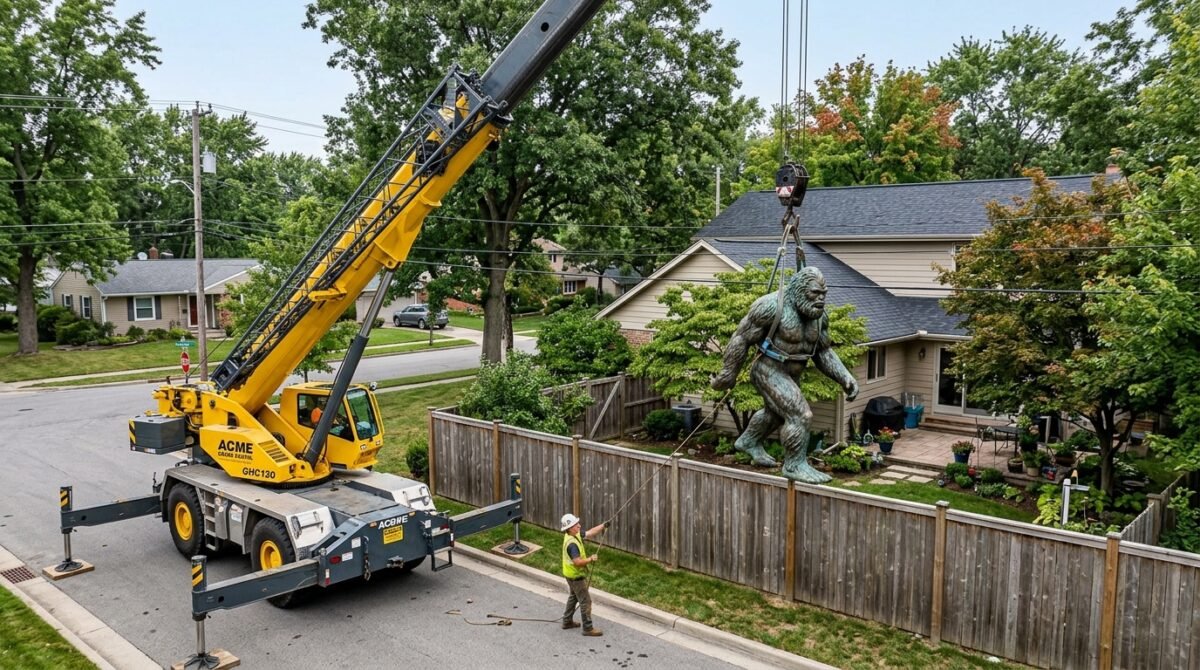
The next morning, I called the gallery. They weren’t happy about the return, especially since I threatened to report them for ‘unauthorized high-value sales to a spouse without consent.’ They agreed to take it back, minus a massive restocking fee and the shipping costs. It was still a blow to our finances, but it was better than living with a seven-foot reminder of my husband’s ego.
We had to hire a professional crew to remove the statue. Watching them haul it away felt like an exorcism. As the crane lifted the bronze Bigfoot into the air, I felt a strange sense of loss. Not for the statue, but for the version of my marriage I had believed in. I realized that my trust had been fundamentally altered, and I wasn’t sure how to rebuild it.
Mark spent the day in the house, silent and avoiding my gaze. He offered to cook, to clean, to do anything I asked. But the gestures felt hollow. He was performing ‘good husband’ duties, but he hadn’t yet grasped the depth of the betrayal. He thought he could buy his way back into my favor, just as he had tried to buy his way into local legend status.
“I’m going to therapy, not because you forced me, but because I realized I don’t know why I did it. I want to understand why I felt like that thing was more important than our life together.”
— Mark, in the kitchen while the statue was being removed.
I told him that therapy was a start, but that it wouldn’t be enough. I needed transparency. I needed a joint bank account that required two signatures for any purchase over five hundred dollars. I needed a future that wasn’t dictated by his whims.
Why the Silence at the Dinner Table Was Loud
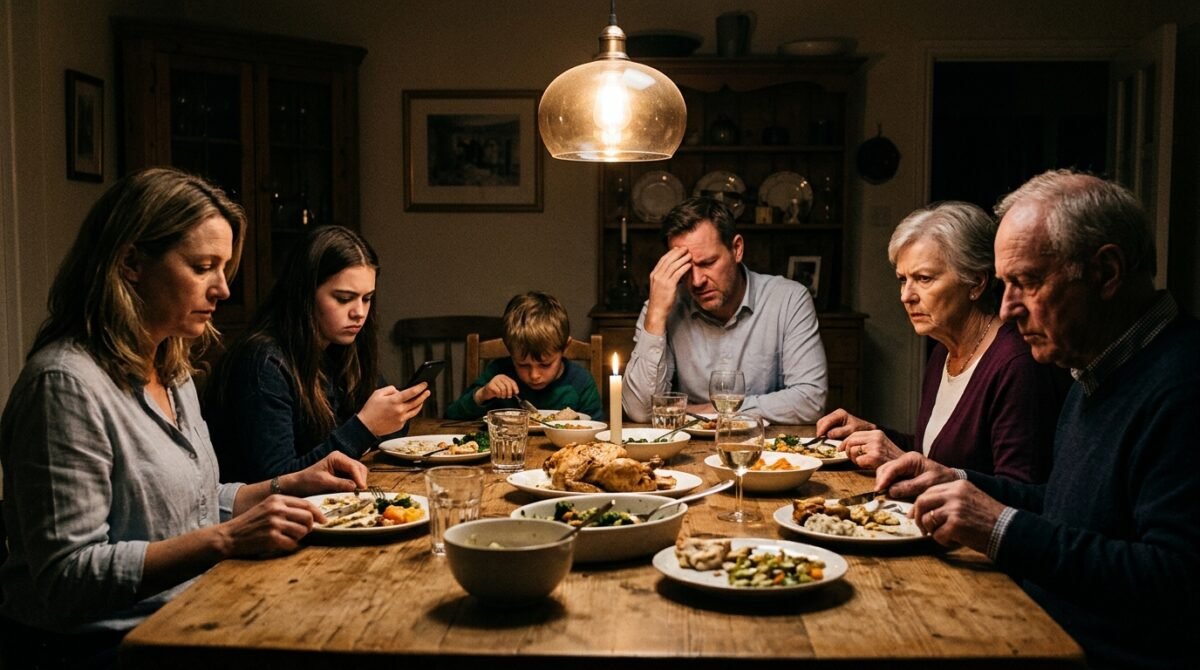
The following weekend, we had our regular Sunday dinner with his parents. I had debated whether or not to tell them, but I decided to keep it internal for now. Mark was unusually quiet, picking at his food and avoiding eye contact with me. The atmosphere was thick with the unspoken, a heavy, suffocating pressure that made the conversation feel forced and superficial.
His mother kept asking why we looked so exhausted. She made comments about how we should be planning for children, about how ‘young couples need to invest in the future.’ Every word felt like a jab. Mark just nodded along, his face pale. I couldn’t help but think about how close we had come to having nothing in our savings, all because of his desperate need for attention.
I eventually excused myself to the bathroom, needing a moment to breathe. I looked at myself in the mirror, noticing the dark circles under my eyes and the tension in my jaw. I was still in pain, still waiting on that dental appointment I couldn’t afford yet. The reality of our situation was still very much present, regardless of whether the statue was gone or not.
“You guys are so quiet today. Is everything okay? You usually never stop talking about your latest DIY projects.”
— Mark’s mother during dinner.
Mark laughed, a nervous, brittle sound. ‘We’ve just been focused on some heavy stuff, Mom,’ he said. It was the first time he had acknowledged that we were having problems, and for a second, I felt a flicker of hope. Maybe he was finally ready to face the music.
The Financial Ledger of Infidelity

I decided to put everything down on paper. I wanted to see the exact cost of his actions, not just the money lost on the statue, but the opportunity cost, the fees, and the emotional toll. I created a spreadsheet, a visual representation of what our life had looked like before and after the ‘Bigfoot Incident.’ It was a stark reminder of how quickly a marriage can be dismantled by a single irresponsible decision.
| Category | Original Status | Current Status |
|---|---|---|
| Dental Savings | $6,200 | $840 |
| Trust Level | High | Critical |
| Marriage Stability | Solid | Fragile |
| Bigfoot Statue | None | Returned (Net Loss: $1,100) |
The loss of $1,100 in fees alone was enough to make me sick. That was a car repair, a vacation, or months of groceries. It was money that vanished into thin air because Mark wanted to feel ‘cool.’ Looking at the table, I realized that I wasn’t just grieving the money; I was grieving the partnership I thought I had.
I left the table open on his laptop. I didn’t say anything, I just walked away. Later that night, I heard him crying in the office. He hadn’t just lost the money; he had lost the illusion of his own competence. He was finally seeing himself through my eyes, and he didn’t like what he saw.
The Long Road to Reconciliation
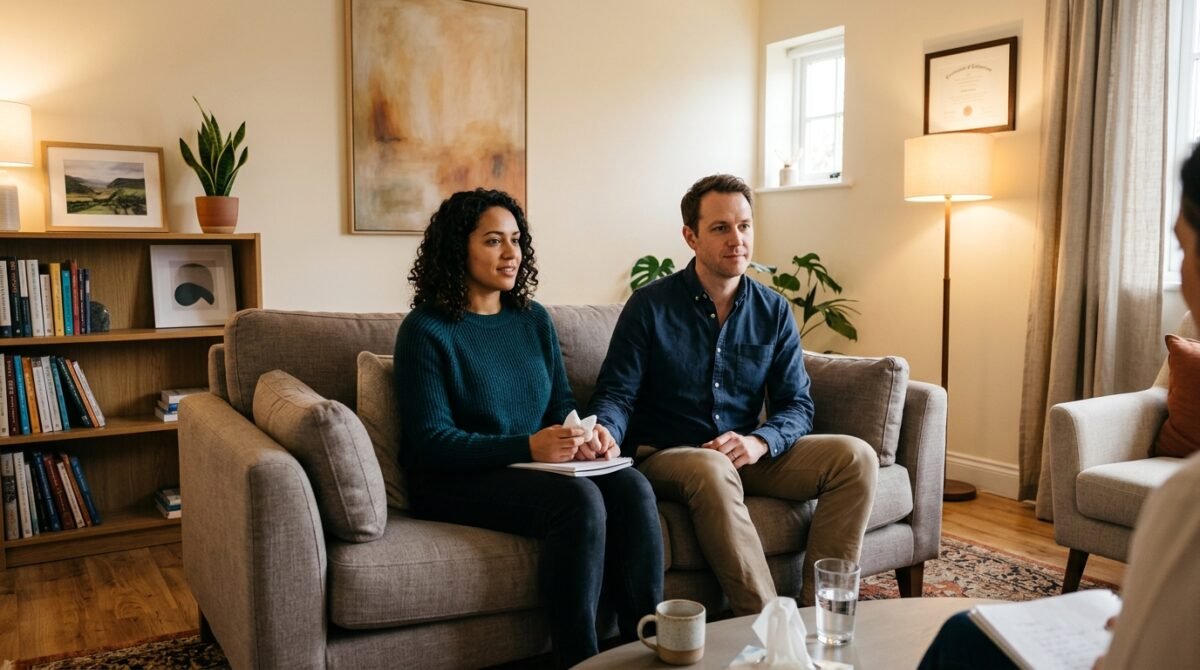
We started marriage counseling two weeks later. It was painful, slow, and often exhausting. Our therapist, Dr. Aris, was brilliant at cutting through the noise. She didn’t let us talk about the statue; she made us talk about the resentment that had been building for years. She helped me voice the anger I’d been suppressing, and she pushed Mark to stop being the ‘fun guy’ and start being a partner.
We set new ground rules for our finances. We moved to a system where we each kept personal accounts for discretionary spending, while our joint account was strictly for shared expenses and savings. It felt like a demotion in trust, but it was necessary. I needed to know that my dental work wouldn’t be sacrificed for his next mid-life crisis.
There were nights where I would wake up and feel the urge to check the bank account, just to make sure the money was still there. Mark would often wake up too, and we would just sit in the dark, talking about our fears. It wasn’t the romantic marriage I had envisioned, but it was a real one. It was built on the ruins of our old life, but it had a stronger foundation.
“I realize now that I was trying to buy a personality. I thought if I had something big and ‘cool,’ people would finally notice me. I didn’t care who I hurt in the process.”
— Mark, during our third therapy session.
It was a devastating confession, but it was honest. And for the first time, I believed him. We weren’t ‘fixed,’ but we were finally moving in the right direction.
Why I Don’t Regret the Shed
People often ask me if I regret locking him in the shed. They tell me it was petty, or illegal, or just plain weird. And they’re right. It was all of those things. But it was also the turning point. Before the shed, Mark didn’t take me seriously. He thought my boundaries were suggestions, and he thought our money was his to spend on whatever caught his eye.
The shed forced a pause. It stopped the momentum of his ego and made him confront the reality of his behavior in a physical, tangible way. It wasn’t the most mature way to handle a crisis, but it was the most effective one. It broke the cycle of entitlement that had been slowly poisoning our relationship for years.
I’ve learned that sometimes, you have to be the villain in someone else’s story to be the hero in your own. I didn’t want to be a warden, but I refused to be a victim. And if that meant locking my husband in a tool shed for a few hours, then so be it. It was a price I was willing to pay for my own sanity.
“You did what you had to do. Sometimes a shock to the system is the only way to get through to someone who is living in a total delusion.”
— A friend who heard the full story.
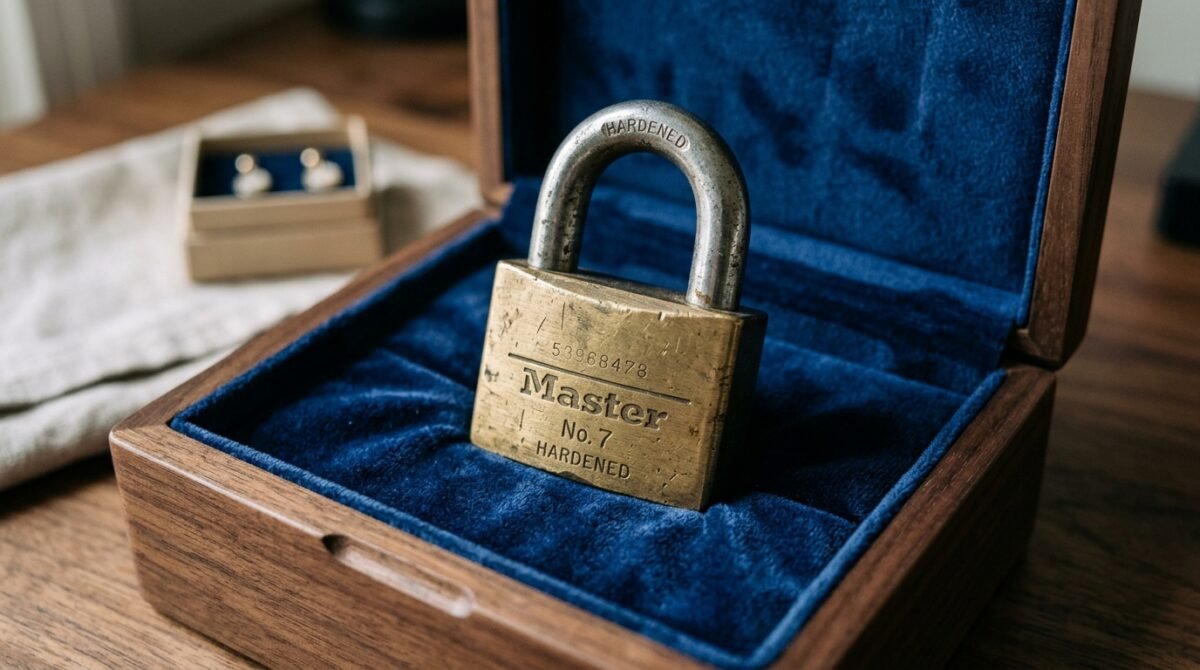
I still have that padlock. I keep it in my jewelry box—not as a trophy, but as a reminder. A reminder that my voice matters, that my needs are valid, and that I will never again allow someone else to dictate the value of my life.
Moving Forward: The Dental Fund Reborn

Today, our savings account is growing again. It’s not as fast as I’d like, and there are still days where I feel a flash of anger when I see a garden center, but we are making progress. Mark is still in therapy, and he’s starting to find hobbies that don’t involve spending thousands of dollars on mythical creatures. He’s learning to find value in himself rather than in objects.
I finally got my wisdom teeth out last month. It was an ordeal, but I felt an immense sense of relief when I woke up from the anesthesia, knowing that I had paid for it with my own hard-earned money, without having to ask anyone for permission. It was a small victory, but it meant everything to me. I had reclaimed my health, and in doing so, I had reclaimed myself.
Our marriage is different now. It’s quieter, less spontaneous, and more grounded. We don’t talk about ‘big dreams’ as much as we talk about ‘real plans.’ We’re building a life that is sustainable, one that isn’t dependent on the whims of a Bigfoot statue or the delusions of a man trying to buy his way into legend. It’s a work in progress, but for the first time, I feel like we’re both on the same team.
“I love you, and I’m so sorry for what I did. I promise I’m never going to stop working to earn back the trust I broke.”
— Mark, the night before my dental surgery.
I believe him. Not because of his words, but because of his actions over the last six months. He’s shown up, he’s listened, and he’s changed. And that, in the end, is what I needed all along.
Conclusion
My journey from a bank-account-drained housewife to a woman who locked her husband in a shed has been a wild one. It taught me that conflict isn’t always something to be avoided, but something to be managed. Sometimes, the most ‘unhinged’ thing you do is the most necessary thing for your own liberation.
I’ve realized that the ‘Bigfoot’ in my life wasn’t the statue; it was the myth of the perfect, effortless marriage that I had been chasing. By destroying that myth, I was finally able to build something real. We are still here, still talking, and still trying to figure out how to be a team. And for now, that’s enough.
What about you? Have you ever had to resort to drastic measures to get your point across in a relationship? Or have you been on the receiving end of a ‘shed moment’ that changed your life? Share your stories below—I’m looking forward to reading the chaos.
What's your verdict on this dilemma?
Vote below to contribute to the official community consensus.

Have a Dilemma Keeping You Up at Night?
Share your real-life feud, wedding chaos, or relationship crossroads anonymously with our editorial team.
What do you think ?
0 Comments🛡️ Comments are moderated to protect community integrity. Your comment will appear once approved by the editorial team.