
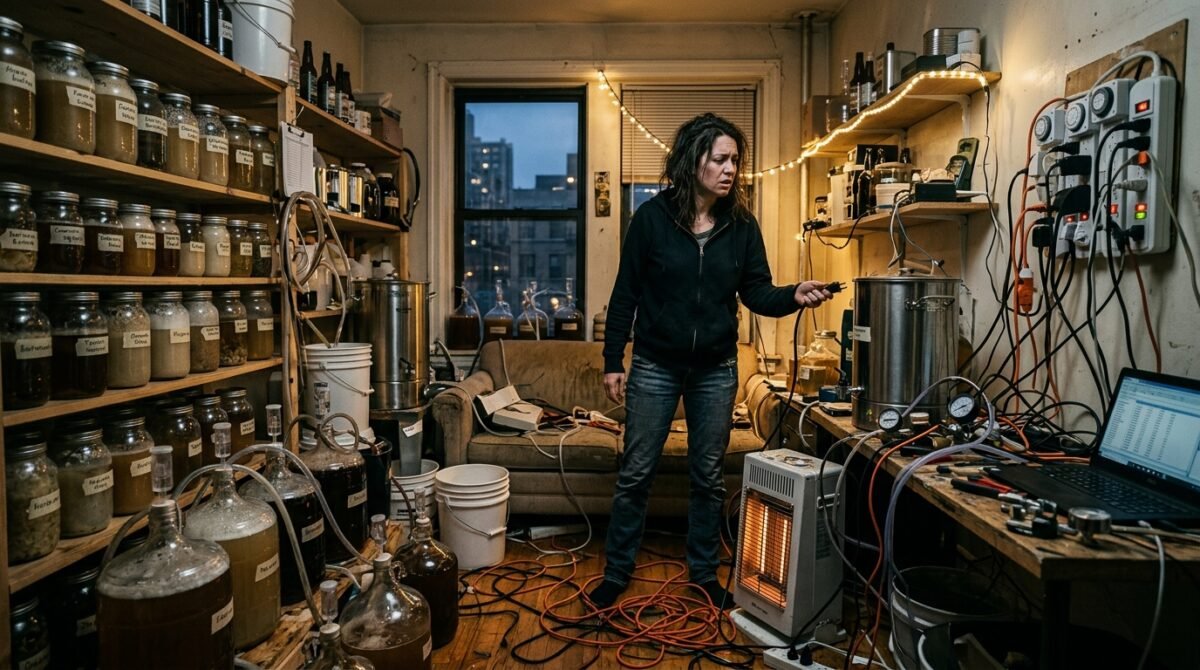
When Sarah moved in, she was the ideal roommate—quiet, prompt with rent, and possessed a seemingly limitless supply of sourdough starter. For the first six months, our shared living space was a sanctuary of calm. That changed the Tuesday she brought home her first ‘kegerator’ and a dozen five-gallon carboys. She called it her ‘side hustle,’ a craft kombucha brand that she claimed would eventually pay our rent. I was skeptical, but supportive, imagining a few bottles in the fridge. I didn’t realize I had unwittingly signed up to live inside a high-moisture, high-temperature petri dish.
The transformation was slow at first, then absolute. The living room, once a space for Netflix and unwinding, became an industrial zone. I started finding pH strips in the bathroom sink and sticky, syrupy residue on the coffee table. But the real issue wasn’t just the space—it was the energy. Sarah installed industrial-grade fermentation warmers to keep her SCOBYs at an optimal 78 degrees, regardless of the room temperature. My AC bill spiked by three hundred percent in a single month.
I tried to set boundaries. I tried to schedule meetings. I even suggested she rent a small studio space. But every time I brought it up, she leaned into the ‘entrepreneurial grind’ narrative, gaslighting me into thinking I was just jealous of her ambition. It culminated on a humid Thursday when I walked into the apartment and the smell of rotting fruit and vinegar hit me like a physical wall. That was the moment I realized my patience had expired.
This isn’t just about a beverage; it’s about the erosion of a home. When she turned my living room into a commercial brewery without my permission, she broke the social contract of cohabitation. What followed was a series of confrontations that exposed the ugly side of ‘hustle culture,’ leading to the night I finally reached behind her precious warmers and pulled the plug on her entire operation.
The Initial Pitch of the Fermentation Empire

It began as a harmless hobby. Sarah had started brewing tea in the kitchen, claiming it was for personal health. She talked about the gut biome, the benefits of probiotics, and the ‘purity’ of homemade tonics. I didn’t mind the occasional jar on the counter. It felt quirky, almost artisanal. Little did I know that Sarah was already scouting wholesale labels and sourcing glass bottles by the crate.
The ‘brewery’ expanded exponentially over the span of a weekend. I returned from a trip to see our modest coffee table replaced by heavy-duty shelving units, each laden with bubbling, murky liquids. She had cleared out the hall closet, moving our vacuum and cleaning supplies to the balcony to make room for ‘dry storage.’ When I asked where the vacuum went, she laughed it off as a temporary measure.
“You have to look at the big picture, Jamie. This isn’t just tea. This is a brand. If we hit the farmer’s market by next month, I’ll be able to cover your half of the utilities. It’s an investment for both of us.”
I didn’t want my utilities covered; I wanted my living room back. I wanted to be able to walk from the bedroom to the kitchen without navigating a labyrinth of glass carboys. But the way she sold it made me feel like I was being small-minded. She was the visionary; I was the unsupportive roommate.
She even went as far as to label the shelves, color-coding the fermentation stages. The ‘First Ferment’ was in the kitchen, the ‘Second Ferment’ was in the living room, and the ‘Bottling Station’ occupied the dining table. I found myself eating dinner standing up in the kitchen, squeezed between a bottle capper and a bag of raw sugar.
The atmosphere became thick with the smell of fermentation. It was a sweet, sharp, yeasty aroma that clung to my clothes and curtains. I started keeping the windows open constantly, which only made the apartment colder, forcing her to crank the heaters even higher. It was a vicious, energy-sapping cycle that neither of us could seem to escape.
The Arrival of the Industrial Warmers
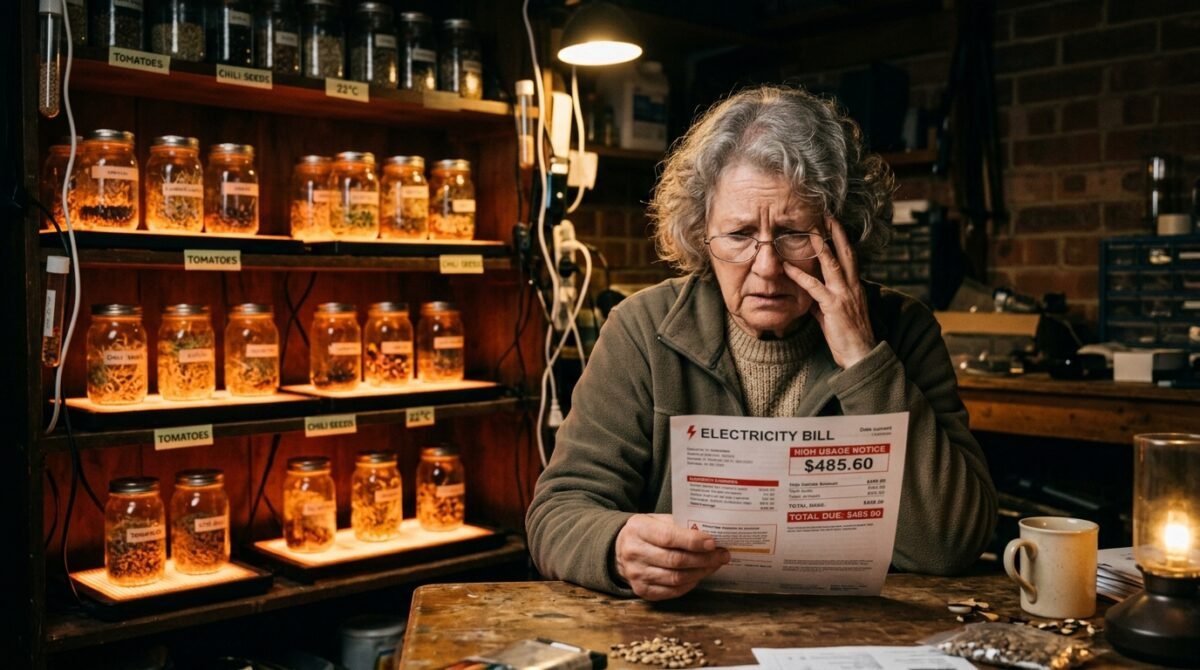
The tipping point for the electricity bill wasn’t the brewing itself; it was the temperature control. Sarah was obsessed with consistency. She insisted that if the temperature dropped even a degree below 75, the entire batch would be ruined. She ordered three professional-grade seedling mats and specialized fermentation warmers that wrapped around the glass tanks like electric blankets.
These devices were not energy efficient. They were designed for greenhouses, not residential living rooms. Within a week, I noticed the lights in the kitchen would flicker when the heat mats kicked on. The apartment felt like a tropical jungle, humid and stifling. My indoor plants began to wilt, unable to cope with the sudden shift in microclimate.
I confronted her about the power usage after receiving a notice from the landlord about the building’s circuit load. Sarah was unfazed. She pulled out a notebook, showing me projected profits. She insisted that once she landed her first contract with a local café, she would reimburse me tenfold. She was living in a fantasy world where her ‘craft’ superseded the basic requirements of our lease.
“Do you have any idea how much this electricity is costing me? I’m not paying for your business overhead, Sarah. My utility bill is triple what it was last month.”
She rolled her eyes, pointing at a bubbling jar with a flourish. “It’s about to break even, Jamie. Just give it another two weeks. You’re holding back my success because you’re annoyed about a few bucks. Do you know how much a bottle of this sells for? Six dollars. Times twelve bottles a case. Times ten cases. We are talking about a gold mine.”
I looked at the ‘gold mine’—a collection of murky, brown sludge that looked like it was being brewed in a bathtub—and realized she didn’t care about the costs because she wasn’t the one footing the bill. She had set up an automated payment system for the rent, but the utilities were in my name, and she had conveniently ‘forgotten’ to switch them over when she started the business.
The Midnight Vinegar Incident

It was 3:00 AM when I woke up to a distinct, pungent smell. It wasn’t the usual sweet fermentation—it was sharp, acidic, and aggressive. The scent of vinegar was so strong it was stinging my eyes. I stumbled out of bed, thinking a pipe had burst or something had spoiled in the fridge.
I walked into the living room and saw disaster. One of the large carboys had developed a crack, or perhaps it had pressurized too much. The floor was covered in a sticky, brown liquid that was rapidly seeping into the carpet. Sarah was asleep in her room, blissfully unaware of the mess, while the heat mats were still glowing, actively trying to maintain the temperature of the leaking, cooling mess.
I panicked. I grabbed every towel in the house, trying to soak up the spill before it ruined the hardwood floor underneath the rug. As I scrubbed the sticky floor, I realized that the smell was permanent. The furniture, the curtains, the very air of the apartment was saturated. I stood there, shivering in the humid room, holding a bottle of cleaner, and felt a cold, hard resolve settle in my chest.
I didn’t wake her up. I cleaned it, shoved the broken glass into a trash bag, and stared at the remaining row of heaters. They were all linked together on a power strip that looked dangerously overloaded. A realization hit me: she hadn’t just put her business in the living room; she had compromised the safety of the entire building.
I took a picture of the scene—the wet carpet, the scattered debris, the dangerous electrical setup. I knew that talking wasn’t going to work anymore. She was too deep in her own narrative to listen to reason. I needed a catalyst for change, and I had just found the perfect one.
The Silent Treatment and the First Ultimatum
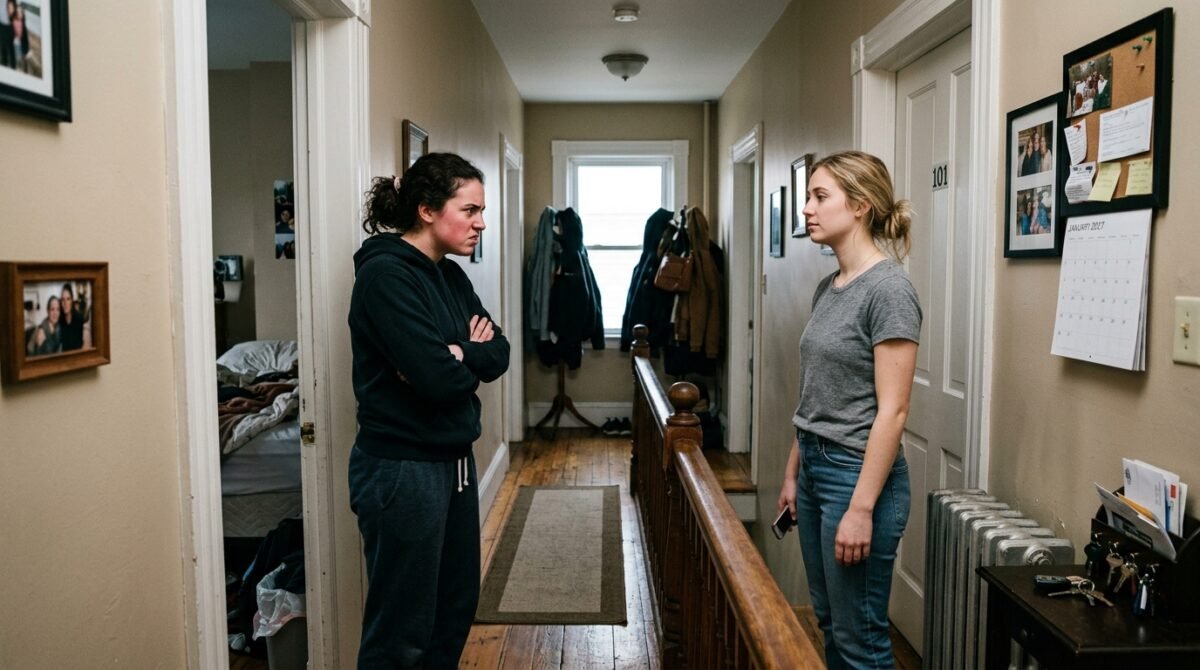
The next morning, the confrontation was inevitable. Sarah came into the living room, took one look at the missing carboy and the clean, damp rug, and turned toward my bedroom door. She didn’t even say good morning. She slammed her hand against the doorframe, her face flushed with anger.
“Did you touch my setup? That was a double-batch of ginger-turmeric. That was over four hundred dollars in retail value, Jamie. What is wrong with you?”
I opened the door, standing my ground. I didn’t raise my voice, which seemed to infuriate her more. “The jar broke, Sarah. It leaked all over the living room floor. I cleaned it up, but the carpet is ruined. And if you think I’m paying for the damage to the floor, you’re mistaken. This ends today. You have forty-eight hours to move the equipment out of the living room.”
She laughed, a sharp, incredulous sound. “You’re moving? Good luck finding a place that allows subletting. Oh, wait, you’re not moving. I am not moving my business. This is my home, too. You don’t get to dictate how I live or what I do in my space.”
“It’s our home, Sarah. That’s the key word. ‘Our.’ And currently, I can’t use the living room, the kitchen, or the hall. My utility bill is insane, and now there’s structural damage to the flooring. You’re moving the operation, or I’m calling the landlord. It’s that simple.”
She retreated to her room, but not before accusing me of being a ‘dream-killer.’ The tension in the apartment was suffocating. For the next two days, we didn’t speak. She spent all her time in the living room, pointedly hovering over her remaining jars, checking the temperatures, and glaring at me whenever I walked by.
The Escalating Text Messages
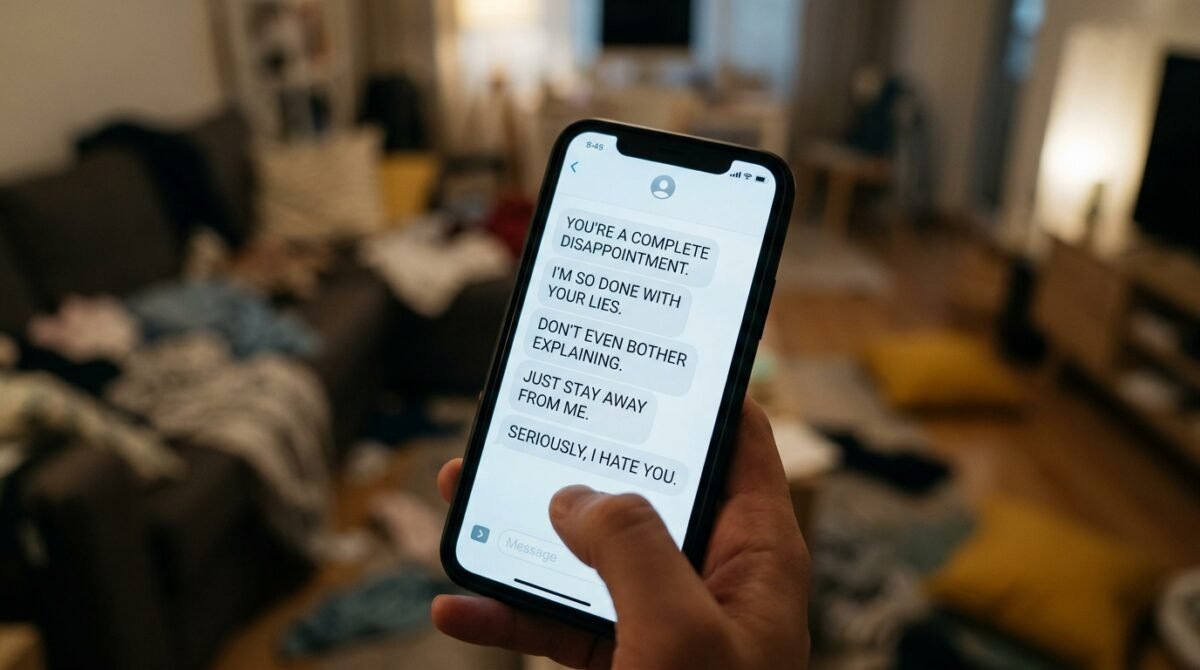
While we weren’t speaking, the communication moved to our phones. Her texts were a mix of passive-aggressive comments about ‘supportive friends’ and demands that I pay for the cleaning supplies she felt I had ‘wasted’ by cleaning up her spill. She was trying to frame the narrative that I was the one who damaged the jar.
“I know you knocked that jar over because you hate that I’m doing better than you. Don’t think I’m paying for the rug cleaning. That was an accident caused by your lack of coordination.”
— Sarah (via iMessage)
I didn’t take the bait. I kept my responses clinical. I documented the electrical draw, the smell, and the lack of space. I sent her a formal list of demands: pay the difference in the utility bill, remove the industrial heaters, and vacate the living room by Sunday. Her responses became increasingly erratic.
“You are literally ruining my life. I have a drop-off with a cafe on Monday. If those jars aren’t at the right temperature, they will spoil. You will be responsible for my lost revenue. I hope you’re happy being the reason I fail.”
— Sarah (via iMessage)
The absurdity of her statements was overwhelming. She truly believed that my right to have a living room was secondary to her potential profit from a local cafe. She viewed me not as a roommate, but as a resource that she was entitled to exploit for her ‘venture.’ I realized then that there was no room for compromise.
She started posting on social media about the ‘haters’ in her life, taking thinly veiled shots at me. Her friends started messaging me, asking why I was being so difficult. It was a classic smear campaign, designed to make me feel isolated. But it had the opposite effect—it solidified my resolve to end the brewery experiment once and for all.
The Sunday Night Stand-Off
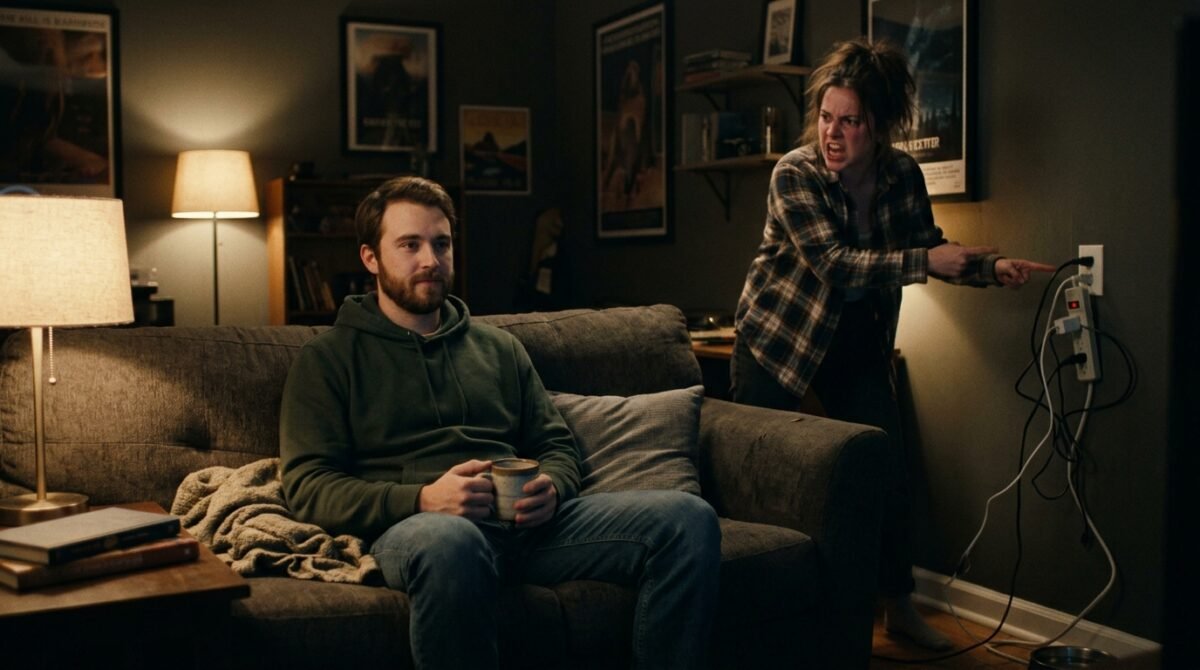
Sunday evening arrived, and the equipment was exactly where it had been on Friday. The heaters were buzzing, the room was stifling, and the smell was stronger than ever. Sarah was out, likely meeting a friend or picking up more supplies. I stood in the living room, staring at the power strip. It was a mess of cords and plugs, all feeding into one outlet.
I felt a strange sense of calm. I wasn’t doing this out of anger, but out of necessity. If she wasn’t going to be a reasonable adult, I would force the issue. I reached down, my hand steady, and grabbed the primary power plug. It was warm to the touch. I pulled it firmly from the wall, and the room instantly went silent.
The hum of the heaters died. The red lights on the temperature controllers flickered and vanished. It was so quiet I could hear the refrigerator running in the other room. I felt a wave of relief so intense I had to sit down on the floor. I didn’t unplug the individual mats—I killed the source. I felt like I had regained a piece of my sanity.
When I heard Sarah’s key in the lock thirty minutes later, I didn’t hide. I sat on the couch, watching a movie, waiting for the inevitable. She walked in, threw her bags on the table, and went straight for her jars. She stopped dead when she realized there was no sound. She turned, her face pale, and looked at the wall outlet.
“You didn’t. You actually didn’t.”
“I did,” I said, not even looking up from my laptop. “And they’re staying off. You have until tomorrow to move everything out of this room. If I see them back on, I’m going to the landlord to report the unauthorized commercial activity and the electrical fire hazard.”
The Aftermath and the Move-Out

The following morning was the most awkward four hours of my life. Sarah spent the entire time packing up her car, muttering under her breath about how I had ‘ruined her business’ and ‘destroyed her dreams.’ She didn’t offer to clean the floor, didn’t apologize for the utilities, and certainly didn’t acknowledge the damage she had caused to the apartment.
She moved everything into a storage unit, which I suppose was the step she should have taken months ago. As she loaded the last of the crates, she turned to me. Her eyes were red, and her voice was shaking. She looked less like a businesswoman and more like a child whose favorite toy had been taken away. She still didn’t understand why I did it.
“You’ll never be successful if you keep treating people like this, Sarah. You can’t just bulldoze over people and call it ambition. You have to be a person first.”
She didn’t respond. She just got in her car and drove away. I spent the rest of the day cleaning. I scrubbed the floors, washed the curtains, and opened every window to air out the smell of sour tea. It took three days for the scent to fully dissipate, but by the end of the week, the apartment finally felt like a home again.
I had to explain the situation to the landlord eventually, but I did it on my own terms. I showed him the photos of the setup and the electrical hazard. He was furious, but because I had taken the initiative to remove the equipment, he didn’t evict us. He did, however, issue a stern warning about unauthorized business activities. It was a close call.
The aftermath was quiet. I found a new roommate within a month—a quiet guy who works in finance and thinks a kettle is for coffee, not for brewing a commercial beverage empire. We haven’t had a single issue since. Sarah and I haven’t spoken since the day she left, and honestly, I don’t think I ever want to.
The Internet Weighs In: Was I the Villain?

I decided to post my story on a popular forum, curious if I had crossed a line. The response was immediate and overwhelming. Thousands of people commented, debating whether I was the hero of my own story or just another petty roommate. The consensus, however, was surprisingly in my favor. The Reddit community didn’t see a business owner; they saw a roommate who had violated the basic rights of her co-inhabitant.
“NTA. Your home is not a warehouse. She didn’t just ‘start a hobby,’ she forced you to live in a humid, smelly, electrical fire hazard. The moment she refused to compromise or acknowledge the utility bills, she lost the right to your patience.”
— u/ApartmentDramaExpert (Top Comment, 18.2k upvotes)
Others pointed out the legal reality of what she was doing. Without a commercial kitchen license, she was essentially operating an illegal food business in a residential building, which could have led to us both being evicted or sued if something had gone wrong. The legal perspective added a layer of vindication I hadn’t expected.
“OP, you’re lucky you didn’t have a fire. Those heat mats are not meant to run 24/7 in a residential apartment. You basically saved your own life and your credit score by unplugging that mess. She was using you, plain and simple.”
— u/LegalEagle88 (5.4k upvotes)
There were a few dissenters, of course. Some argued that I should have talked to her more, or that I should have supported her ‘hustle’ because it was a small business. But most people agreed: an ‘entrepreneurial spirit’ does not give you the right to hold your roommate’s living space hostage. The support felt good, but it also made me realize how common this kind of ‘hustle’ entitlement has become.
I read through hundreds of comments, and I realized that my story wasn’t unique. So many people have dealt with roommates who turn the shared space into a warehouse for their side hustles, whether it’s clothing resale, drop-shipping inventory, or artisanal crafts. It’s a growing problem in a world where everyone is encouraged to be a brand, even at the expense of their roommates.
The Philosophy of Shared Space
Looking back, the entire experience taught me a lot about boundaries. We live in an age where ‘side hustles’ are glorified, and the line between personal life and work is becoming increasingly blurred. When you live with someone, you aren’t just sharing a roof; you are sharing a lifestyle. If one person decides to turn that life into a business, they owe it to the other person to be transparent, respectful, and fully responsible for the costs.
I learned that I was too passive for too long. I spent months making excuses for her, waiting for her to ‘come to her senses’ or ‘make it big’ so she would finally stop. But she was never going to stop because the arrangement was too convenient for her. I was her free lab space, her free utilities, and her free storage unit. I was a resource she didn’t have to pay for, which made it impossible for her to ever view me as an equal.
Being a good roommate is about empathy. It’s about recognizing that the other person needs a place to recharge. When you occupy their space with crates of glass, sticky residue, and industrial-grade heating equipment, you aren’t just pursuing a dream—you are actively encroaching on someone else’s sanctuary. That is a fundamental failure of cohabitation.
I also realized that I don’t owe anyone ‘support’ that costs me my own peace of mind. I don’t have to be a cheerleader for a business that compromises my home. I can be supportive from a distance, but I cannot be the ground upon which that business is built. That distinction was the most valuable thing I took away from the whole ordeal.
If you’re in a situation where a roommate is taking over your space, don’t wait until you’re at the point of unplugging their equipment. Set the boundaries early. Make the expectations clear. And if they refuse to respect them, don’t be afraid to take whatever steps are necessary to reclaim your life. Your home is your space, not a factory.
A Lesson in Toxic Entitlement

The final, and perhaps most difficult, lesson was recognizing the entitlement in the ‘hustle’ mindset. Sarah genuinely believed that because her goal was ‘entrepreneurial,’ it was inherently virtuous, and therefore, any obstruction was a moral failing on my part. This is the dark side of the modern obsession with self-made success—it justifies anything, including the violation of basic interpersonal agreements.
She wasn’t just selfish; she was indoctrinated by the idea that her success was an inevitability, and that anyone standing in her way was just a ‘hater’ or an ‘obstacle.’ This mindset is dangerous because it removes the person from the equation. She didn’t see me as a roommate; she saw me as a hurdle to be jumped. Once I realized that, the guilt I felt about unplugging her heaters disappeared.
It’s important to surround yourself with people who respect your space. It sounds simple, but it’s often overlooked in the hunt for cheap rent or convenient locations. I’ve realized that a roommate who respects your boundaries is worth more than a roommate who is ‘ambitious’ but chaotic. I’m now much more careful about who I choose to live with, and I’m much clearer about my boundaries from day one.
I’ve also started taking more pride in my home. I keep it clean, I keep it organized, and I treat it with the respect it deserves. When I come home after a long day, I don’t have to worry about tripping over a carboy or dealing with the smell of fermenting tea. That peace is worth more than any rent-splitting deal or ‘gold mine’ business idea.
I hope my story serves as a reminder to everyone: your home is not a workspace unless everyone agrees to it. If you’re being pushed out of your own living room, don’t be afraid to stand up for yourself. You aren’t being petty or unsupportive; you are protecting your home and your sanity. And sometimes, you have to pull the plug to get your life back.
Conclusion
Looking back, the entire experience feels like a strange, fever-dream chapter in my life. The kombucha brewery experiment taught me that even the most ‘wholesome’ sounding hobbies can mask a deep, systemic disregard for others. We all have dreams, and we all want to succeed, but the pursuit of that success must never come at the cost of the people we share our lives with. Boundaries are not just suggestions; they are the foundation of any healthy relationship, especially when living together.
I am now in a much better place. I have a clean home, a respectful roommate, and a sense of peace that I hadn’t realized I was missing for so long. I’ve learned to speak up sooner and to prioritize my own comfort over the ‘hustle’ expectations of others. If you find yourself in a similar situation, remember: you are not a cog in someone else’s business plan. You are a person, and your home deserves to be a sanctuary, not a factory.
What about you? Have you ever had a roommate turn your home into a workspace? Did you stand up for your space, or did you let it slide for too long? I’d love to hear your experiences in the comments below. Let’s discuss how we can balance our entrepreneurial ambitions with the basic, human need for a quiet place to call home.
What's your verdict on this dilemma?
Vote below to contribute to the official community consensus.

Have a Dilemma Keeping You Up at Night?
Share your real-life feud, wedding chaos, or relationship crossroads anonymously with our editorial team.
What do you think ?
0 Comments🛡️ Comments are moderated to protect community integrity. Your comment will appear once approved by the editorial team.