

It was supposed to be a relaxing long weekend, a brief escape from our high-stress jobs in the city. Mark, a freelance sound engineer, had been talking about this remote island gig for weeks. He called it a ‘working vacation.’ I called it a logistical nightmare waiting to happen, but I wanted to be the supportive partner. I wanted to be the girlfriend who showed up, who helped, who was ‘chill’—a title I had spent two years desperately trying to earn.
The issue wasn’t the trip itself; it was the equipment. Mark’s professional audio gear, a collection of heavy, metallic cases and tripod bags, looked like it belonged on a film set, not a two-person weekend getaway. He had insisted on bringing his ‘essential rig’ despite my warnings about the ferry terminal’s notoriously steep incline and the lack of accessible transport on the island. I had already packed my own carry-on, but he had arrived at my apartment with two extra, massive, unwheeled cases that he fully expected me to manage.
When I looked at those bags, my back twinged in anticipation. I had a history of chronic muscle strain, something Mark knew perfectly well. Yet, when I suggested we call a ride-share or check the bags at the terminal, he laughed it off, suggesting I was ‘being dramatic’ about a few extra pounds. That morning, in the humid, suffocating heat of the terminal, the tension reached its breaking point. I realized then that my comfort—and perhaps my health—was always destined to be secondary to his career convenience.
This isn’t just a story about a ferry or a heavy backpack. It’s a story about the slow erosion of boundaries, the expectation that women should silently carry the load, and the moment I realized that being the ‘cool girlfriend’ was a trap I had set for myself. Sitting on that cold, concrete floor while the ferry horn blared, signaling his departure without me, I had to decide: would I keep carrying his weight, or was it finally time to let go?
The Morning Of The Great Miscalculation
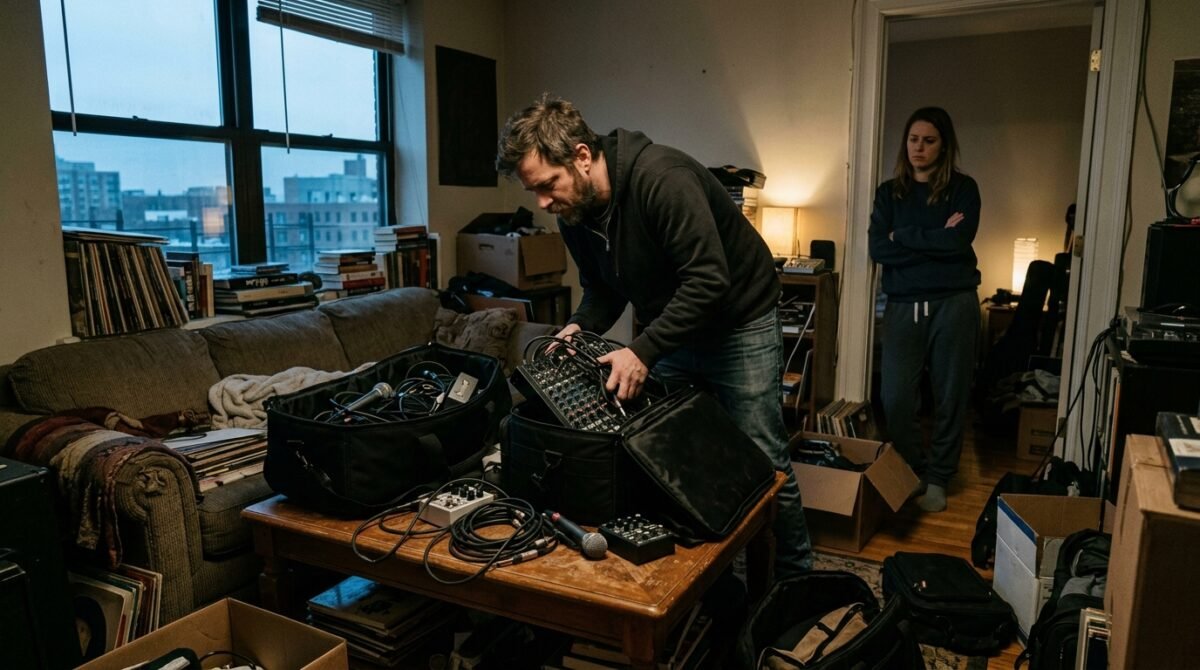
The day began at 5:00 AM with the shrill alarm of Mark’s phone. He was already awake, pacing the living room and checking his gear list for the tenth time. I sat up, groggy and nursing a headache, watching him maneuver those massive cases around my tiny apartment. He looked energized, almost manic, while I felt the heavy dread of a long day of travel ahead. He turned to me, his eyes wide and demanding.
“You’re packed, right? I need you to take the tripod bag and the secondary mic case. My hands need to be free to carry the primary console,” he said, not as a request, but as a statement of fact. I looked at the bag he was gesturing toward. It was long, awkward, and clearly heavy. I felt a surge of indignation. We hadn’t discussed me being a pack mule, yet here he was, delegating the manual labor as if we were a logistics team rather than a couple on vacation.
“Mark, that bag weighs fifty pounds. I told you I wasn’t feeling great today. I can take my own stuff, but I’m not carrying your gear. We need a porter or a taxi.”
He scoffed, rolling his eyes as if I were a child refusing to eat vegetables. “It’s just for the walk to the terminal, and then from the dock to the rental. Don’t be difficult. I’m doing this for us, for the extra money this gig brings in. Are you really going to hold that over me now?” I felt my face flush. He was framing his professional ambitions as a shared benefit, effectively silencing my physical limitations by painting them as an attack on ‘our’ financial future.
I stood my ground, my voice steady despite the adrenaline spiking in my chest. “It’s not about the money, Mark. It’s about the fact that you didn’t ask, you just assigned. I’m not an equipment trolley. We have a budget for the trip; let’s use it to pay for someone to help us, or let’s leave the extra gear behind.” He didn’t answer. He just grabbed his main console and headed out the door, leaving me to scramble to lock up, knowing full well he was already plotting how to force the issue once we reached the terminal.
The Standoff At Terminal Four
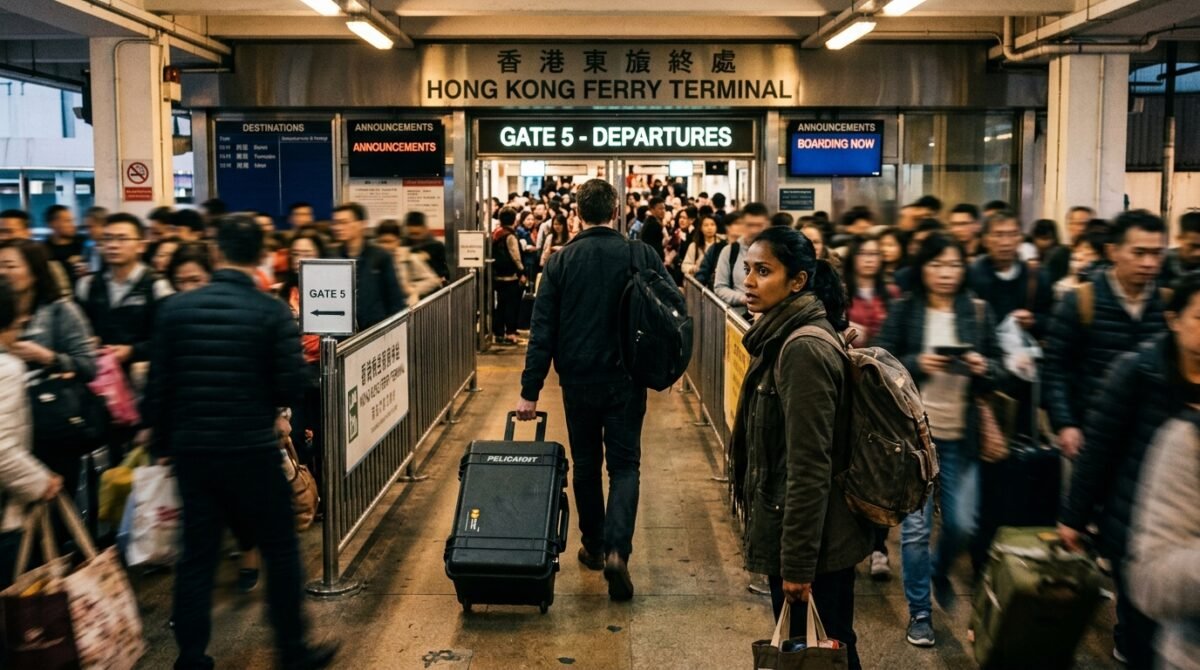
The walk to the ferry terminal was grueling. The humidity hung in the air like a wet blanket. By the time we reached the terminal plaza, I was sweating, exhausted, and deeply resentful. Mark had barely spoken to me, his jaw set in a line of forced patience. When we finally reached the main queue, he shoved the tripod bag at me again. The strap dug into my shoulder instantly, and I dropped it, refusing to pick it back up.
“I’m done, Mark. I am not carrying this. If you want it on the boat, you figure it out. My back is already spasming.” I stood there, arms crossed, feeling the eyes of other travelers on us. The embarrassment stung, but the physical pain was worse. He looked at me with an expression of pure, unadulterated contempt. He didn’t care about my back; he cared that I was an obstacle to his schedule.
“You’re pathetic. Everyone is watching, and you’re acting like a spoiled brat because you have to walk ten feet with a bag. I shouldn’t have invited you. You’re ruining the entire start of this trip.”
I felt a strange, cold calm wash over me. It was the clarity that comes when a mask finally slips. He wasn’t just being a jerk; he was showing me exactly how he viewed me—not as a partner, but as an assistant. I looked him dead in the eye and shrugged. “If I’m ruining it, then go on without me. I’m not picking up that bag. It’s your career, your equipment, and your responsibility.”
He laughed, a sharp, jagged sound. “Fine. You want to play games? Play them alone.” He turned his back on me, grabbed his primary console, and started pushing his way through the crowd toward the boarding gate. He didn’t look back. He didn’t check to see if I was following. He just walked away, leaving me standing in the middle of a bustling, crowded terminal with my own small bag and his heavy, abandoned gear sitting at my feet.
The Sound Of The Departing Engine
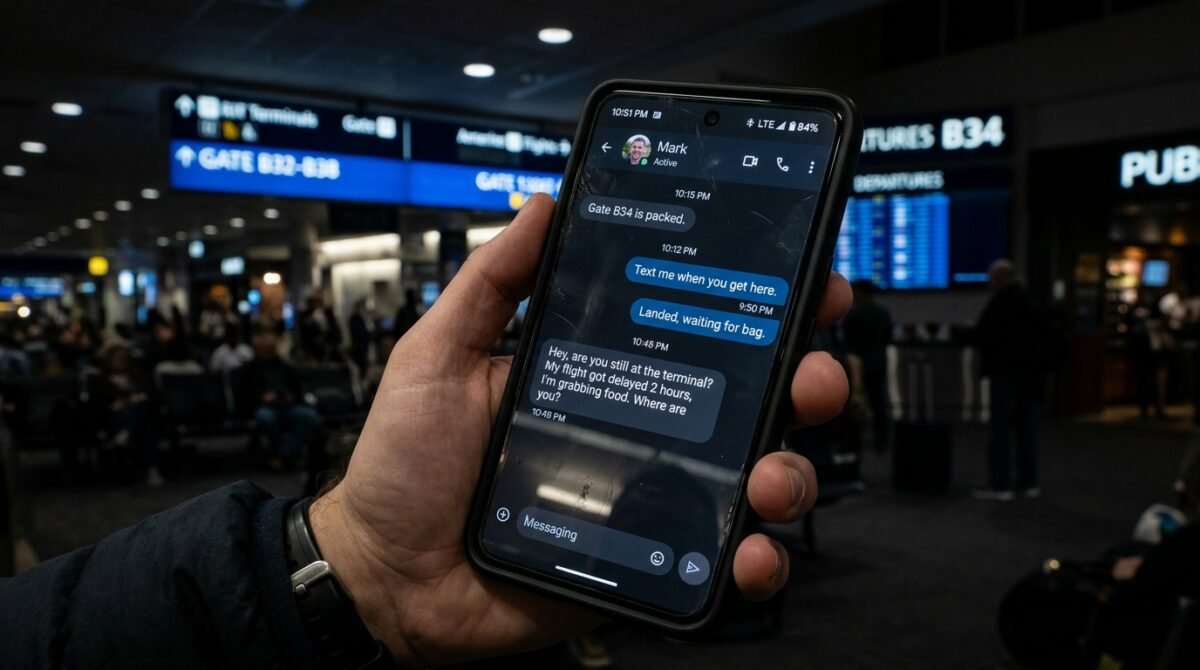
I watched him go. I expected him to stop, to turn around, to realize the sheer insanity of what he was doing. I stood there for five, ten, fifteen minutes. I watched the boarding line dwindle. He never looked back. He disappeared into the loading tunnel, and a few minutes later, the deep, mournful groan of the ferry’s horn echoed through the terminal. He was on that boat. He had actually left me.
My phone buzzed in my pocket. I pulled it out, my hands shaking. A text from Mark. It didn’t ask if I was okay. It didn’t apologize. It was a list of insults and instructions, a bizarre display of entitlement that made my stomach turn. I felt like I was waking up from a two-year-long fever dream where I had been the only one trying to keep the relationship stable.
“I hope you’re happy. You missed the boat. I’m not turning around or waiting. Get an Uber back to the apartment and figure out your own way home. I’m not missing this gig for your temper tantrum.”
— Mark
I stared at the screen, reading the words over and over. Was this real? I had just been abandoned at a ferry terminal because I wouldn’t carry his equipment. The absurdity was almost comedic, if not for the crushing weight of betrayal. I looked down at the pile of gear he had left behind—the expensive, proprietary audio equipment that he apparently valued more than my presence on the trip.
I made a choice then. I wasn’t going to take his gear home for him. I wasn’t going to be his courier. I walked over to the terminal lost-and-found desk, left the bags there, and called a taxi to take me back to my apartment. As I sat in the back of the car, I started typing a message to our group chat, the one with his friends who were always telling me how lucky I was to be with a ‘driven’ man like Mark.
The Group Chat Explosion
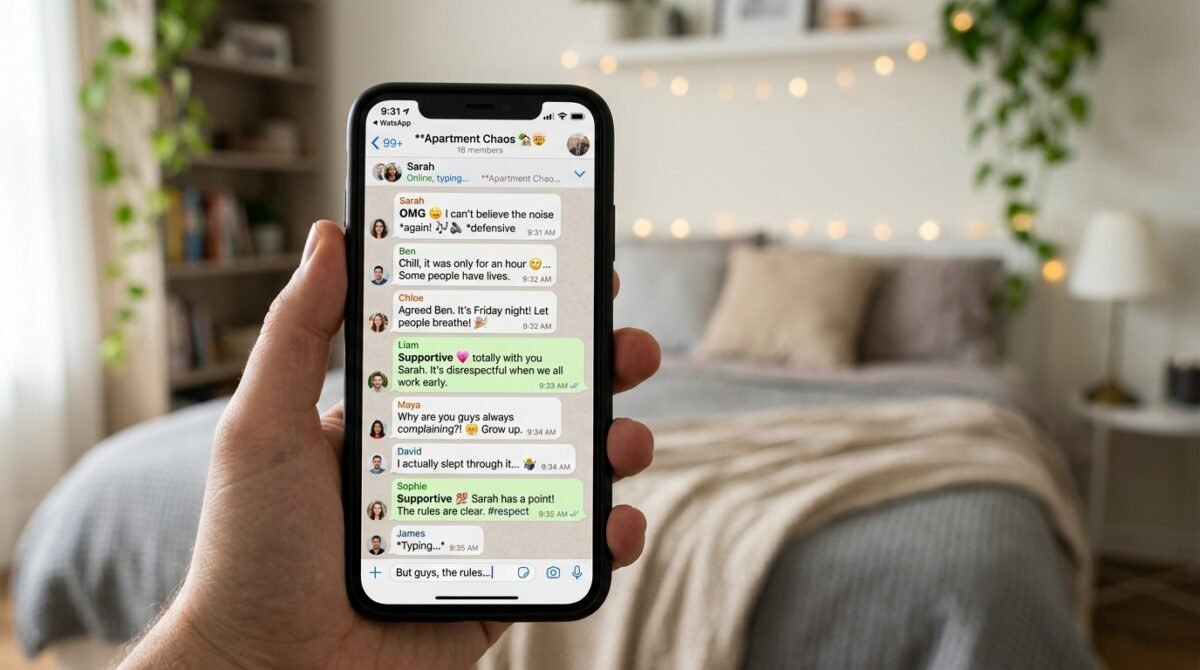
I didn’t hold back. I sent a screenshot of his text along with a brief, cold summary of the morning. I didn’t frame it as a question or ask for advice; I just stated the facts. The reaction was immediate. Within minutes, my phone was buzzing incessantly. Some of his friends were confused, some were defensive, and others were genuinely horrified. The divide was stark and immediate.
“Wait, you’re joking, right? Mark left you at the terminal over a bag? That’s not like him. He’s probably just stressed about the gig. Did you try just taking the bag?”
— Dave (Mark’s friend)
I read Dave’s text and felt a surge of rage. The casual dismissal, the immediate pivot to blaming the woman for the man’s bad behavior—it was the exact same script I had been dealing with for years. I typed back, my thumbs moving faster than I could think. I laid it out for them: the history of him using me as a free assistant, the lack of respect for my health, and the final, crowning moment of him boarding a ferry without his partner.
The conversation spiraled. A few of the women in the group jumped in, supporting me, calling him out for his blatant selfishness. But the men, mostly Mark’s professional peers, kept trying to rationalize his behavior through the lens of ‘work ethic.’ It was a fascinating, if painful, study in how social circles enable toxic behavior under the guise of supporting a ‘career-driven’ individual.
By the time I reached my apartment, I had muted the chat. I didn’t need their validation, and I certainly didn’t need their excuses. I walked into my quiet, empty apartment and felt a sense of peace I hadn’t experienced in months. The absence of his gear, his loud voice, and his constant, unspoken demands was intoxicating. I was alone, but for the first time, I was actually free.
The Realization Of The Pattern
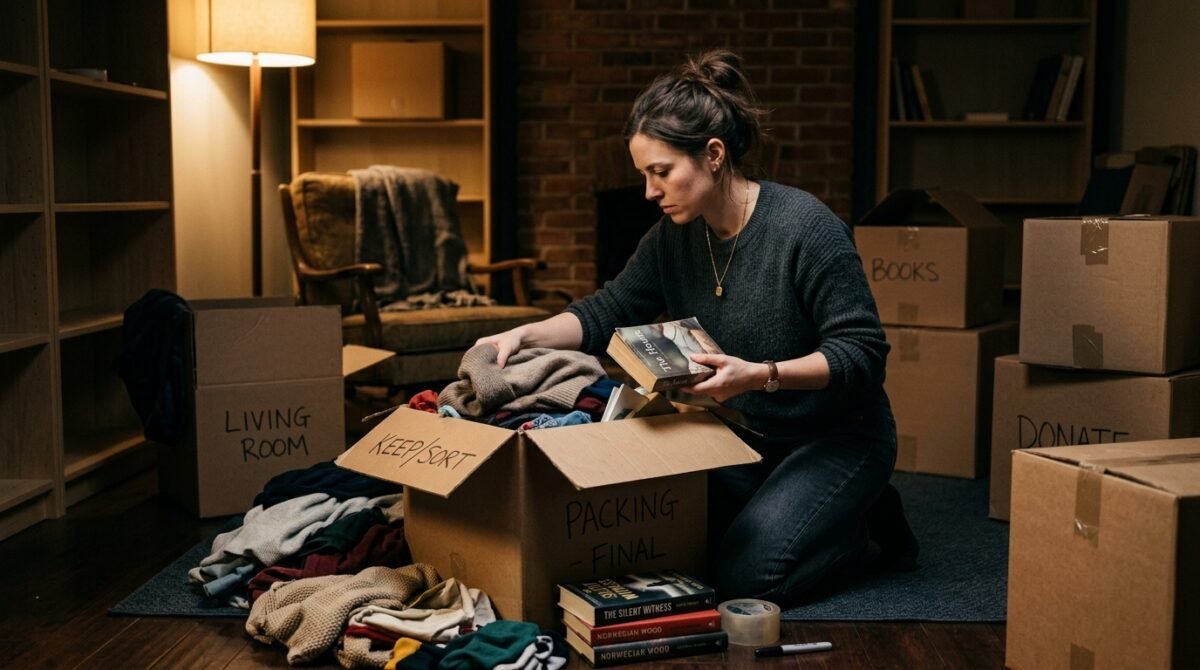
That evening, as I sat on my couch with a glass of wine, I started digging through old messages. I looked at our shared calendar, our text history, our emails. It wasn’t just this trip. It was the move six months ago when he made me carry all the heavy boxes while he ‘supervised the delicate items.’ It was the time I had the flu and he asked me to drive him to a gig because he didn’t want to pay for a parking spot at the venue.
The pattern was undeniable. I had been training him to treat me like a subordinate, and he had been more than happy to oblige. Every time I had complained, he had gaslit me, telling me I was overreacting or that I didn’t understand the ‘pressure’ of his industry. I saw it all now—the manipulation, the subtle undermining of my self-worth, the way he made everything he wanted look like a reasonable request and everything I needed look like a personal failure.
I realized then that I hadn’t been a partner in this relationship; I had been a project manager for his life. My own hobbies, my own career goals, my own physical well-being—they had all been sacrificed on the altar of his convenience. The ferry incident wasn’t a freak accident. It was the inevitable conclusion of a dynamic that was built on my self-erasure.
I decided to end it right then. I didn’t want a long, drawn-out conversation where he would try to manipulate me back into the fold with grand gestures or half-hearted apologies. I wanted it over. I packed his few remaining things from my apartment—a charger, a book, a jacket—and put them in a box by the door. It was a small act of reclamation, but it felt significant.
The Post-Ferry Confrontation
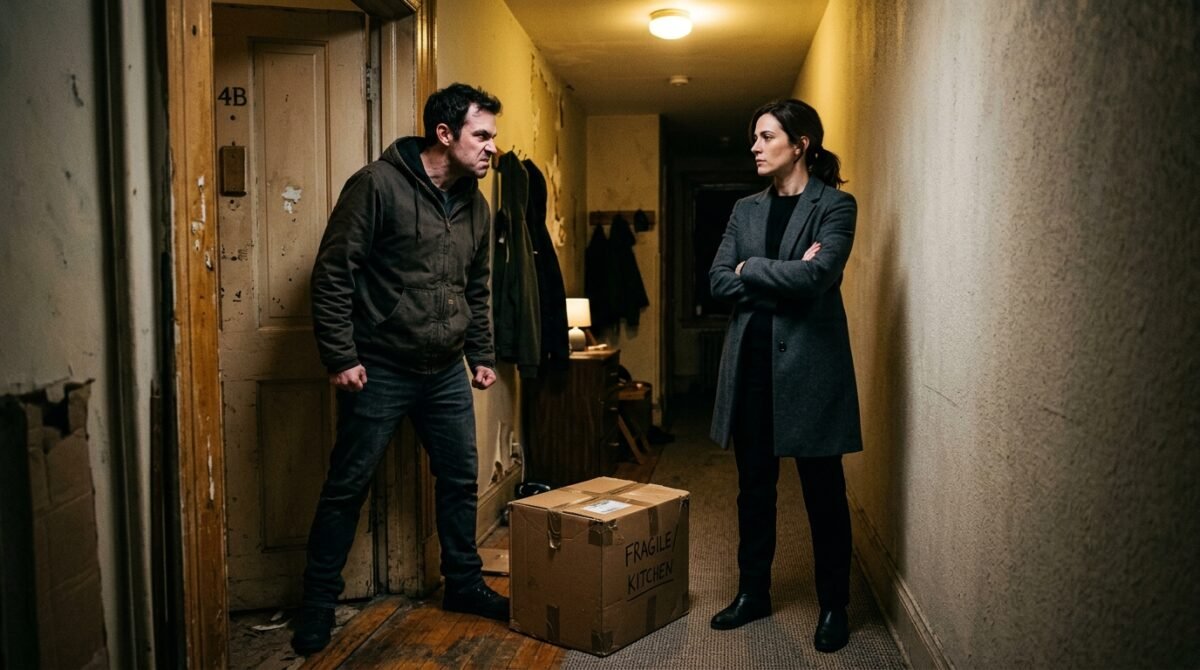
Mark didn’t reach out until he returned from his ‘working vacation’ two days later. He showed up at my door, looking tired and slightly annoyed, as if I had been the one who caused the inconvenience. He didn’t even say hello. He just walked in, saw the box by the door, and his face shifted from annoyance to genuine shock. He clearly hadn’t expected me to actually follow through.
“What is this, Sarah? A box? Are you really going to do the ‘breakup’ thing over a bag? You’re being incredibly immature. I was under immense pressure. That gear is my livelihood. You should have been more supportive.”
I didn’t let him finish. I stood my ground, my voice calm and firm. “It wasn’t about the bag, Mark. It was about you leaving me at the terminal. It was about you prioritizing your gear over your partner. This is who you are, and I’m done being the support staff for your ego. Take your stuff and leave.”
He tried to argue, to pivot, to blame me again, but I just kept repeating the same thing. I didn’t engage with his justifications. I didn’t let him steer the conversation back to his ‘work stress.’ I kept it simple, factual, and final. He was baffled by my lack of emotional response, as if he expected me to crumble as I had so many times before. When he finally realized I wasn’t going to budge, his demeanor shifted from arrogance to a desperate, clawing anger.
He left, slamming the door, leaving the box behind. I didn’t cry. I didn’t feel lonely. I felt a surge of relief that was almost physical. The weight I had been carrying wasn’t just his gear; it was the entire relationship, and it was finally off my back.
The Reddit Verdict
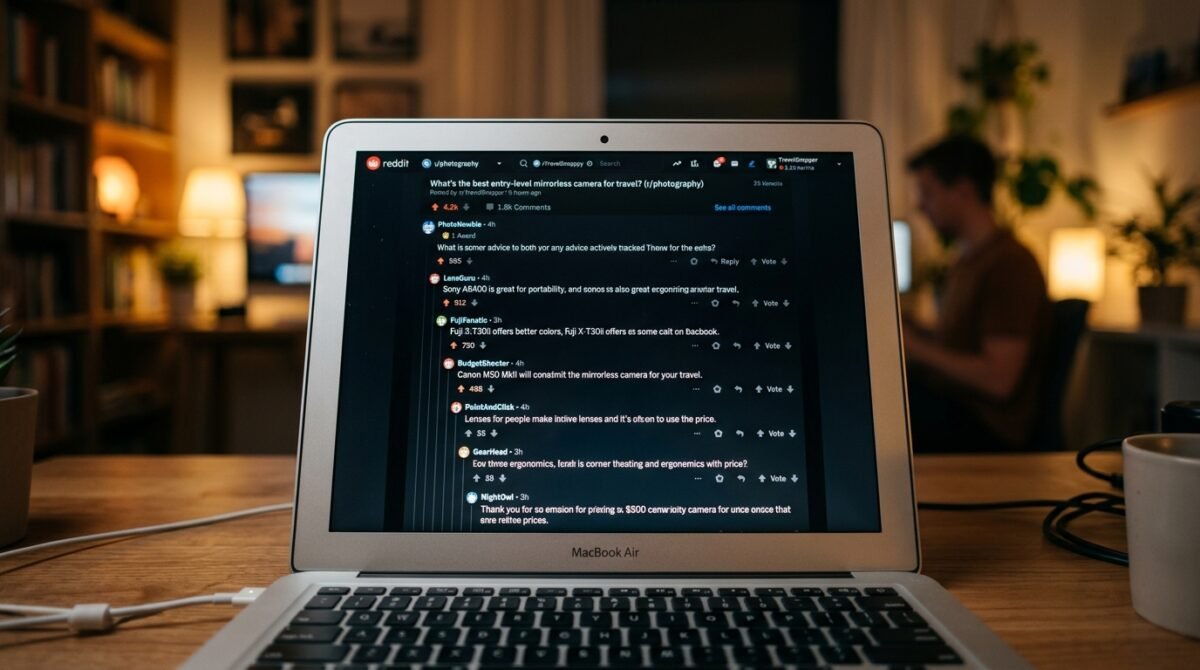
I posted my story to the ‘Relationship Advice’ subreddit, curious to see how a neutral audience would interpret the events. I expected some debate, but the response was overwhelmingly unanimous. The community saw through the ‘work pressure’ excuse immediately and labeled the behavior for what it was: blatant disrespect and emotional abandonment.
“He left you at a ferry terminal? That’s not a partner; that’s an abuser. The fact that he expected you to lug sixty pounds of gear for him while you were having back pain is enough to end it, but abandoning you is the final straw. Glad you’re out of there.”
— u/RelationshipGuru (Top Comment, 32.4k upvotes)
The comment section was a masterclass in collective realization. People shared their own stories of partners who treated them like assistants, who prioritized work over human connection, and who used gaslighting to maintain control. It was validating to see that I wasn’t the ‘difficult’ one—that I had been in a toxic situation that most people would have left long before I did.
There were, of course, a few dissenting voices—the people who argued that ‘relationships are about sacrifice’ or that I should have ‘picked up the bag for the sake of the trip.’ But they were drowned out by a chorus of people pointing out that sacrifice shouldn’t be a one-way street, and that a trip shouldn’t be a test of how much emotional and physical labor one person can endure.
The discussion taught me that my own intuition had been right all along. I had been so used to minimizing my own needs that I had forgotten it was okay to have them. Seeing the community’s outrage was the final piece of the puzzle I needed to fully move on from the guilt I had carried for so long.
Lessons Learned in the Aftermath

Looking back, the ferry terminal incident was a blessing in disguise. It forced a confrontation that I had been avoiding for months. It stripped away the last layer of illusion I had about our relationship. I realized that I had been looking for a partner, but Mark had been looking for a supporter, an assistant, and a punching bag for his own insecurities.
I’ve spent the months since focusing entirely on myself. I’ve started physical therapy for my back, I’ve taken up hobbies I had abandoned while I was busy managing Mark’s life, and I’ve been much more selective about who I let into my inner circle. The freedom of not having to worry about someone else’s demands or someone else’s ‘career pressure’ is, quite frankly, life-changing.
I’ve also learned to set boundaries early and firmly. I don’t apologize for my physical limits anymore. I don’t feel the need to justify my refusal to do something that makes me uncomfortable. If someone asks for help, I weigh it against my own capacity and my own well-being. If the answer is no, I say it without guilt.
Relationships shouldn’t feel like a job. They shouldn’t feel like a negotiation of labor. They should be a partnership of equals, where both parties are invested in each other’s happiness and well-being. I know that now, and I’ll never settle for anything less again.
The Financial and Emotional Ledger
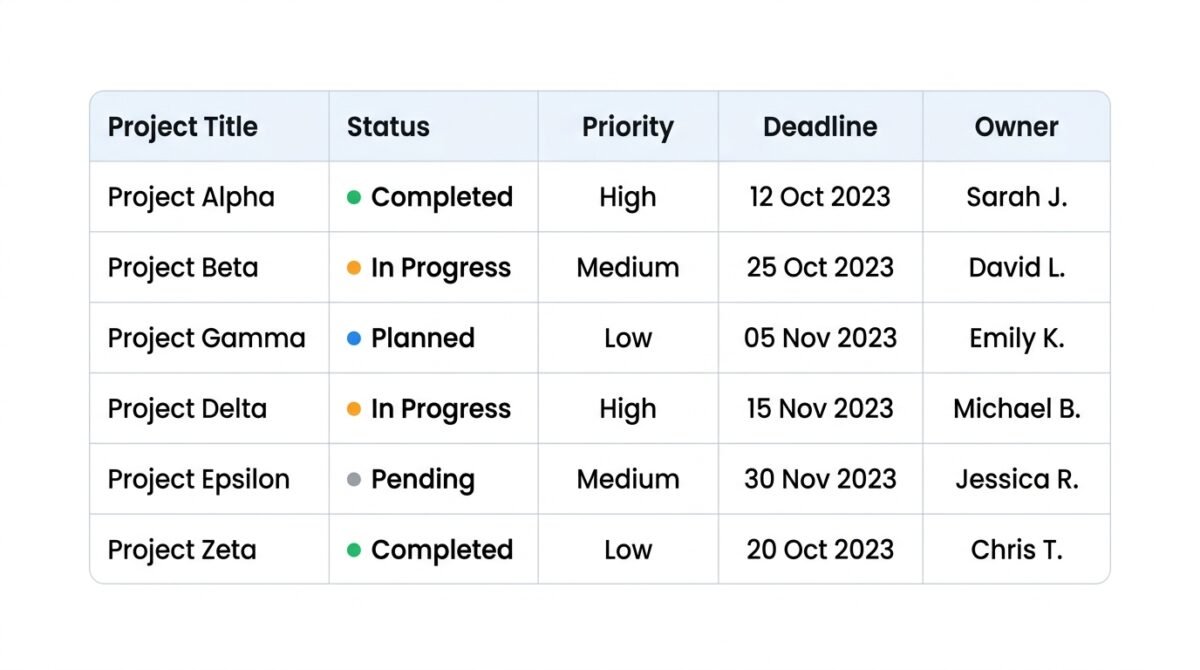
| Category | Mark’s Perspective | The Reality |
|---|---|---|
| Equipment Transport | ‘Helpful assistance’ | Unpaid manual labor |
| Ferry Trip | ‘Working vacation’ | My emotional and physical neglect |
| Relationship Dynamics | ‘Supportive partner’ | Assistant/Manager |
| The Breakup | ‘Immature overreaction’ | Required boundary enforcement |
The table above is a simple summary of the disconnect that defined our relationship. Mark viewed everything through a transactional lens. If it helped him, it was good. If it inconvenienced him, it was bad. My feelings, my physical pain, and my comfort were simply not part of his equation. Seeing it laid out like this makes it seem so obvious, yet it took me so long to see it.
I think the hardest part was accepting that I was complicit in this. I allowed it to happen. I kept saying ‘yes’ when I should have said ‘no.’ I kept trying to be the person I thought he wanted me to be, rather than being the person I actually am. The ledger isn’t just about what he did to me; it’s about what I allowed to happen to myself.
This isn’t about blaming myself for being abused, but it is about taking ownership of my own future. I can’t change what happened in that terminal, but I can change how I approach my next relationship. I can ensure that I never again find myself in a situation where I am treated as a resource rather than a person. It was a expensive lesson, but a necessary one.
Moving Forward With Clear Eyes

I saw Mark once, months later, in a coffee shop downtown. He was with someone new. She was carrying one of his heavy camera bags while he talked animatedly into his phone. I felt a fleeting moment of pity for her, but it quickly faded. That wasn’t my life anymore. I walked past them, ordered my own coffee, and enjoyed the fact that I didn’t have to carry anything but my own handbag.
I’ve realized that the ‘cool girlfriend’ moniker is often just a label for women who are willing to ignore their own needs for the convenience of others. I am perfectly happy being the person who speaks up, who demands respect, and who walks away when that respect isn’t given. I’m no longer afraid of being ‘difficult.’ In fact, I’ve found that being ‘difficult’ is often just a synonym for having boundaries.
My advice to anyone reading this who feels like they are carrying too much—whether it’s literal bags or emotional baggage—is to drop it. See what happens when you stop doing the heavy lifting for someone else. If they can’t handle it, if they get angry or leave, let them. You aren’t losing a partner; you’re losing a weight that was holding you back from the life you deserve.
I’m finally living that life. I’m doing things for myself, I’m surrounded by people who respect my boundaries, and I’m genuinely, deeply content. The ferry terminal was the end of one chapter, but it was the start of something so much better. I’m glad I missed that boat.
Conclusion
The story of the ferry terminal is one that resonates because it touches on the universal struggle of balancing partnership with self-preservation. It is a reminder that the loudest demands often come from those who value their own path more than the person walking beside them. When we prioritize being ‘easy’ or ‘supportive’ over our own physical and emotional health, we inadvertently invite the very treatment we hope to avoid.
The community reaction to this story has been a powerful testament to the necessity of boundaries. Whether you are in a relationship, a workplace, or a friendship, your value is not defined by how much you can carry for someone else. Your value is inherent. When that value is ignored, you have the right—and often the duty—to walk away.
Poll: What would you have done in my position?
- A. I would have carried the bag to avoid the drama.
- B. I would have refused, but waited for him at the terminal.
- C. I would have done exactly what OP did and left the gear behind.
- D. I would have ended the relationship right there at the terminal.
Share your experiences and thoughts in the comments below. Have you ever realized in a single, ‘ferry terminal’ moment that your relationship was fundamentally broken? Let’s talk about the breaking points that led to our own breakthroughs.
What's your verdict on this dilemma?
Vote below to contribute to the official community consensus.

Have a Dilemma Keeping You Up at Night?
Share your real-life feud, wedding chaos, or relationship crossroads anonymously with our editorial team.
What do you think ?
0 Comments🛡️ Comments are moderated to protect community integrity. Your comment will appear once approved by the editorial team.