
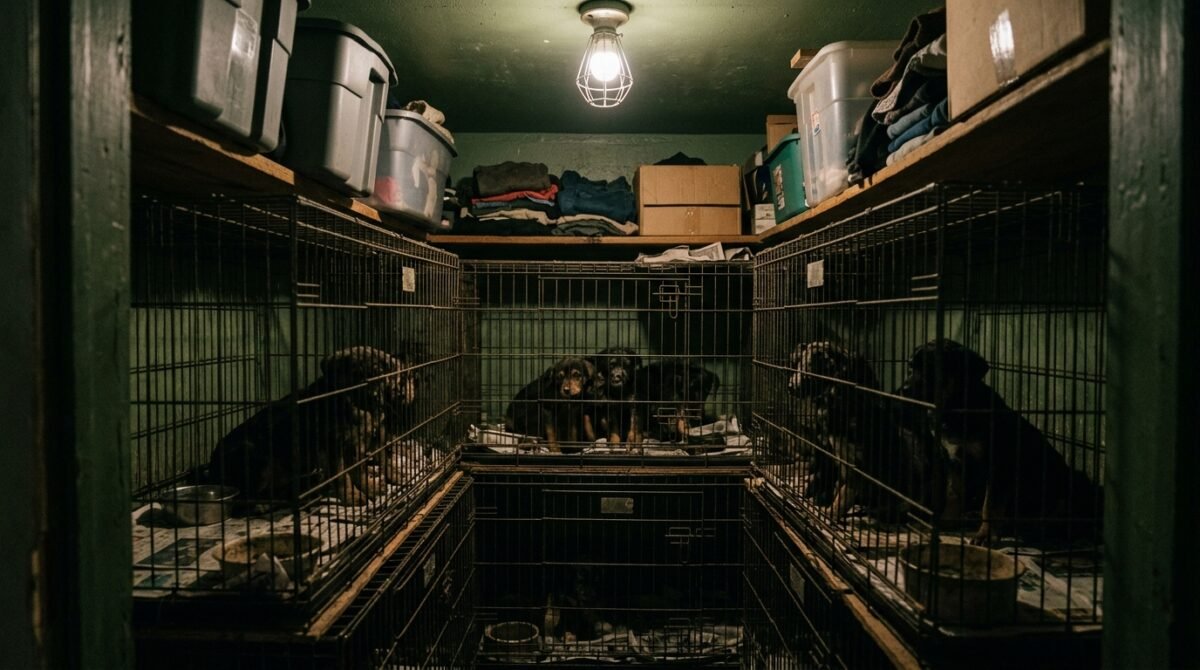
When I moved in with Sarah, I thought I had found the perfect roommate. We were both working professionals in our late twenties, shared a love for late-night takeout, and respected each other’s boundaries. The apartment was a decent two-bedroom in a quiet neighborhood, and for the first six months, everything was harmonious. I had no reason to suspect that beneath her polished exterior and quiet demeanor, Sarah was harboring a secret that would eventually turn our living arrangement into a nightmare.
It started with the smell. It was subtle at first—a faint, musty odor of damp fur and bleach that I assumed was just laundry gone wrong. Then came the sounds. Late at night, when the apartment was still, I would hear the rhythmic clicking of nails against plastic and soft, frantic whimpering. When I asked Sarah about it, she brushed it off as a new hobby—fostering rescue animals for a local charity. I felt guilty for even questioning her kindness, so I let it go, assuming it was a temporary situation.
But as the weeks progressed, the sounds became more frequent and more erratic. The heat in the apartment seemed to rise in tandem with my growing anxiety. Sarah started keeping her bedroom door locked at all times, a departure from our previously open-door policy. The electricity bill spiked dramatically, and she began making excuses whenever I walked past her room, shielding her movements with a suspicious intensity that made my skin crawl. The moral weight of the situation began to settle on my shoulders: how far was too far when it came to a roommate’s privacy versus the welfare of living creatures?
The dilemma wasn’t just about the noise or the strange smells anymore; it was about the fundamental trust that defines a healthy home environment. I found myself hovering near her door, listening, my heart hammering against my ribs, wondering if I was being an intrusive, paranoid roommate or if I was catching onto something truly insidious. The air in our shared space felt charged with a quiet, suffocating tension that left no room for normal conversation, and I knew deep down that a confrontation was inevitable.
This is the story of how I uncovered a secret that changed my perspective on animal cruelty, personal boundaries, and the true cost of living with someone who values profit over the lives of innocent animals. It wasn’t just about reporting a violation; it was about reclaiming my sanity and standing up for the voiceless, even if it meant destroying my living situation in the process.
The Subtle Unraveling of the Bedroom Door
The tipping point arrived on a Tuesday evening when Sarah left for her weekend shift at the veterinary clinic. She had been careless, leaving her door unlocked for the first time in weeks. The moment I heard the front door click shut, my curiosity overcame my hesitation. I stepped into her room, intending to do nothing more than open a window to air out the persistent, heavy scent that had been permeating the hallway.
The air inside her room was thick and humid, nearly tropical in its intensity. As I walked toward the walk-in closet, I noticed the floor was covered in disposable puppy pads, many of them heavily soiled. The scratching sounds were louder here, frantic and constant. My hands trembled as I reached for the closet doorknob, feeling like an intruder in my own home, yet driven by an instinct I couldn’t ignore.
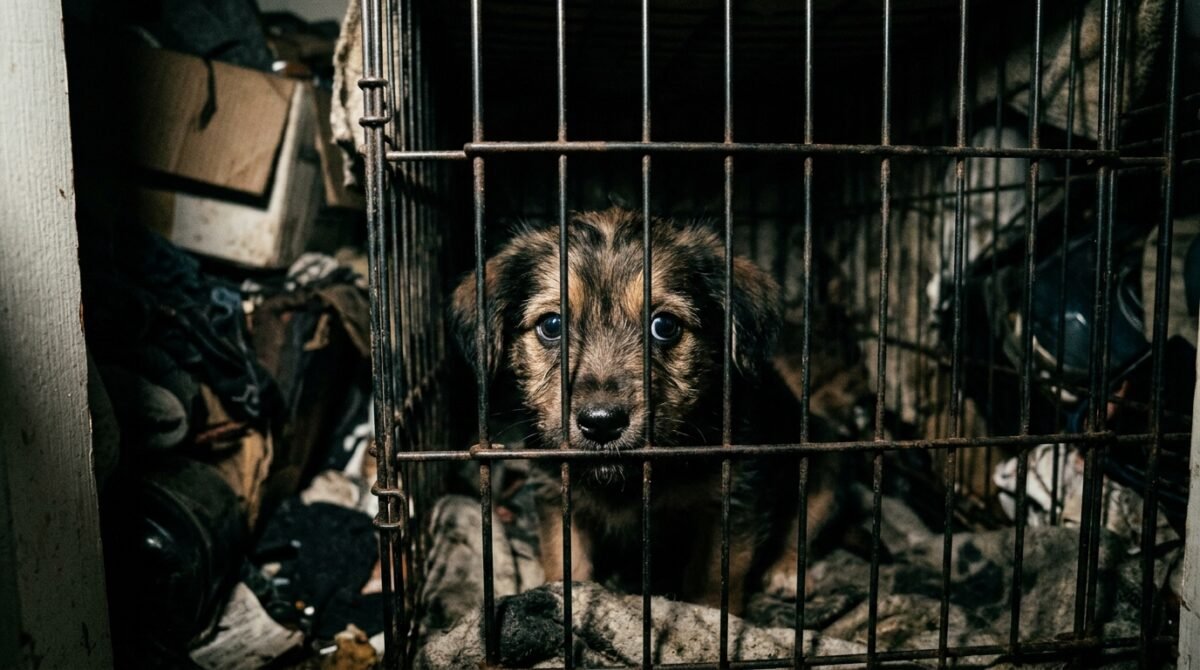
When I swung the door open, the sight hit me like a physical blow. The closet had been converted into a multi-tiered shelving system, stacked floor to ceiling with wire crates. In every single crate, there was a small, shivering French Bulldog, their eyes wide with fear and confusion. The space was barely ventilated, and the sight of their matted fur and the lack of space moved me to tears.
“Oh my god, Sarah. What have you done? This isn’t rescuing. This is a prison.”
I realized then that Sarah wasn’t fostering; she was running an illegal breeding operation. The sheer audacity of it—hiding these animals in our shared living space—made my head spin. I pulled out my phone and started recording, knowing that my word alone wouldn’t be enough to explain what I had witnessed. The images of those dogs, trapped in the dark, would haunt me for months to come.
I retreated to the living room, my legs feeling like lead. I sat on the sofa, staring at the blank wall, trying to process the scale of the deception. Every interaction I had with Sarah over the past few months suddenly took on a sinister light. Her frequent late-night ’emergencies’ at the clinic weren’t work-related at all; they were supply runs for her operation. I was living with a stranger, and the realization was both terrifying and infuriating.
The Confrontation in the Kitchen
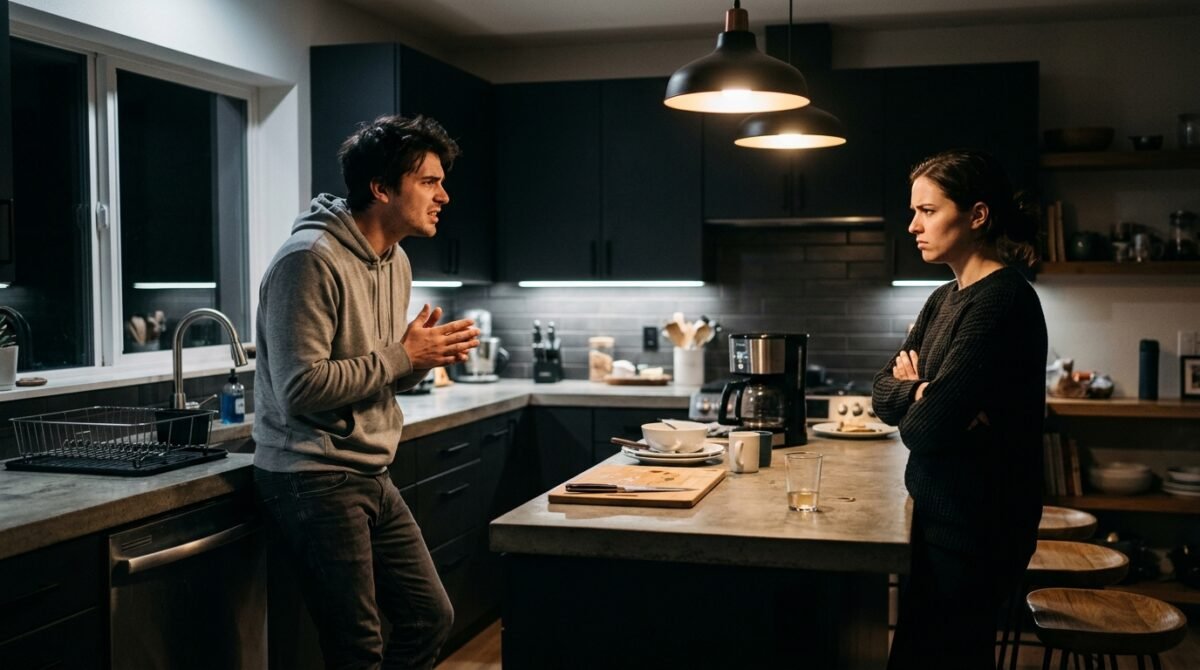
When Sarah returned, the atmosphere in the apartment was electric with unspoken rage. She sensed it the moment she stepped through the door, her eyes darting to my face before checking the state of her bedroom door. I didn’t wait for her to enter her room. I stood in the kitchen doorway, my arms crossed, waiting for her to acknowledge the truth of what I had seen.
She tried to play it cool, acting as if nothing had changed, dropping her bag on the counter with a practiced nonchalance. But I wasn’t going to let her slide by this time. I looked her dead in the eye and told her exactly what I had done. The color drained from her face, replaced by a sudden, sharp defensive anger that I had never seen before.
“You had no right to go into my room! That’s my private space, and you’ve just committed a massive violation of trust.”
“Your privacy doesn’t extend to keeping living creatures in a closet, Sarah. I saw the crates. I saw the conditions. You are abusing those dogs for profit, and I won’t be a party to it.”
She tried to justify it, claiming she was a breeder in progress, that the conditions were temporary, and that she was waiting for a better setup. She spoke about the money, the demand for the breed, and how she was just trying to get ahead in a world that was too expensive for people like us. It was a cold, calculated defense that made me realize she didn’t see the dogs as animals—she saw them as inventory.
The argument escalated quickly. She threatened to move out, claiming I was ruining her life and her future. I told her that if she stayed, she needed to clear the apartment of the dogs immediately. I was firm, but deep down, I knew that she wouldn’t listen. She was too invested in the operation to stop now, and the defiance in her posture told me she was already planning her next move to keep the operation hidden from me.
The Evidence Trail and the Digital Paper Trail

That night, I couldn’t sleep. My mind raced with the implications of what I had discovered. I needed to document everything before she could hide it or move it. I spent hours scouring the internet, looking for any trace of her online. Sure enough, I found a burner account on a marketplace site, advertising ‘premium, home-raised’ French Bulldog puppies at exorbitant prices.
The ads were filled with lies about the living conditions, claiming the puppies were raised in a loving family environment with constant human interaction. I took screenshots of every single listing, every photo, and every message exchange I could find. It was a digital map of her operation, and it was the proof I needed to show that this wasn’t just a mistake—it was a premeditated, profit-driven enterprise.
I also started monitoring the trash. Every day, I found more evidence: empty bags of cheap puppy food, medical supplies that hadn’t been prescribed by a vet, and receipts for crates and cleaning supplies. I organized the evidence into a folder, preparing to take it to the landlord. I wasn’t just doing this for myself; I was doing it for the animals who had no voice to complain about their treatment.
I knew that the moment I involved the landlord, my living situation would become untenable. But I couldn’t live with the silence anymore. Every time I heard a puppy whimper through the wall, my resolve hardened. I was going to end this, regardless of the consequences to my own housing stability. I felt a strange sense of clarity, a mission that had taken over my life.
By the end of the week, I had a binder full of evidence. I had recorded the noise at night, photographed the condition of the closet, and documented the sales listings. I was ready to pull the trigger. I felt like a spy in my own home, constantly watching, always recording, waiting for the perfect moment to report her and expose the truth.
The Landlord’s Unexpected Reaction

I scheduled a meeting with the landlord, a man who had always been distant but fair. I didn’t want to over-the-phone; I needed him to see the evidence in person. We met in the lobby, and I laid out the binder. He was shocked, but his shock quickly turned to a cold, professional assessment of the damage to his property.
He wasn’t as concerned about the animal welfare as I had hoped, but he was furious about the liability. He understood the legal ramifications of having an illegal business operation running out of his building. He promised to handle it, but he warned me that it would be a messy process. He gave me a timeline, promising to conduct an ‘inspection’ that would force her to reveal the contents of her room.
When I got home, the tension was palpable. Sarah was pacing in the living room, her phone pressed to her ear. She stopped talking the moment I entered, her eyes full of suspicion. She had clearly sensed that something was happening, and she was already preparing to deflect. The apartment felt like a pressure cooker, ready to explode at any moment.
“I know you’ve been doing something behind my back. I can feel it. Don’t think I don’t know that you’re planning something.”
“I’m just doing what I have to do, Sarah. You brought this upon yourself when you decided to turn our closet into a kennel.”
The confrontation was short and brutal. She realized that she couldn’t charm or threaten her way out of this. She retreated into her room, slamming the door, and I could hear the sounds of frantic movement inside. She was packing, or perhaps hiding even more evidence, but it didn’t matter anymore. The wheels were in motion, and there was no turning back.
The Day of the Inspection
The inspection was scheduled for 10:00 AM on a Saturday. Sarah was frantic, trying to clear out as much as she could before the landlord arrived. She had crates lining the hallway, and she was frantically trying to move dogs into her car. I stood in the doorway, watching her, feeling a mix of pity and absolute disgust. She was so desperate to save her business that she didn’t care about the stress she was putting on those poor animals.
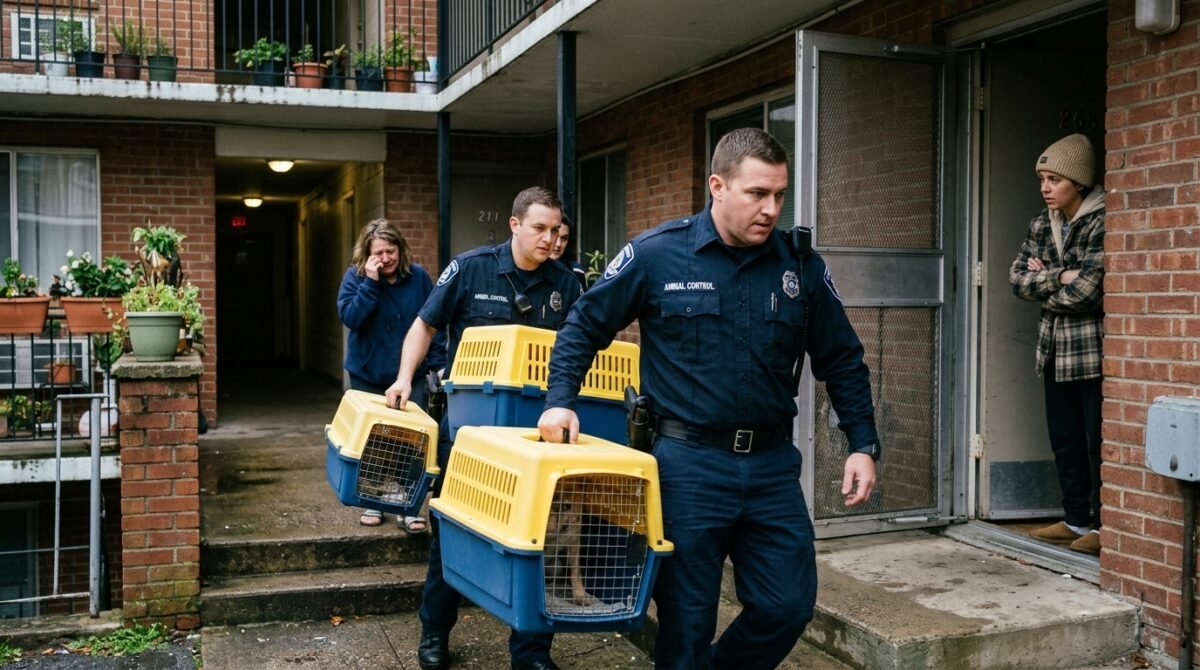
The landlord showed up right on time, accompanied by a local animal control officer. Sarah’s face turned white as a sheet when she saw the officer. She knew the game was up. She tried to deny everything, claiming they were her personal pets, but the sheer number of dogs, combined with the evidence I had provided, made her defense collapse almost immediately.
The animal control officer was thorough. They went through the closet, documenting the conditions, checking the dogs for microchips, and assessing their health. The scene was chaotic and heartbreaking. Watching those dogs being loaded into the animal control truck was the hardest thing I’ve ever had to do. They were so young, so scared, and they had no idea what was happening to them.
“You’ve ruined everything! I was going to move them out today! You didn’t have to call the authorities!”
“If you hadn’t put them in that closet in the first place, we wouldn’t be here. This is on you, not me.”
Sarah was hysterical, screaming at me as the officers escorted her out. She was going to face fines, potential legal charges, and the loss of all her ‘inventory.’ I felt a strange mixture of relief and exhaustion. The apartment was suddenly silent, the oppressive heat began to fade, and for the first time in months, I felt like I could breathe.
The Aftermath and the Silent Apartment

The days following the inspection were incredibly strange. Sarah had been evicted, and the apartment felt cavernous and empty. I had to deal with the cleanup, the lingering smells, and the emotional toll of the whole ordeal. I felt a deep sense of survivor’s guilt, even though I knew I had done the right thing. I had witnessed the worst in people, and it was hard to shake that feeling of betrayal.
I received messages from her friends, calling me a snitch and a terrible roommate. They didn’t know the full story, and I didn’t bother to explain it to them. I had the truth, and that was enough for me. I spent my nights cleaning, scrubbing the floors, and trying to erase every trace of what had happened. It was a cathartic process, a way of reclaiming my home.
I learned later that she was facing criminal charges for animal neglect and operating an unlicensed business. The dogs had been taken to a shelter, and many of them were receiving the care they so desperately needed. I felt a small spark of joy knowing that they were safe, even if the road to recovery for them would be long and difficult.
I started looking for a new place, needing a fresh start. I couldn’t stay in an apartment that felt so tainted by the events of the past few months. I needed to move on, to put the distance between me and the memory of those tiny, scared faces in the closet. It was time to start over, and I was looking forward to the peace and quiet of a new beginning.
The ordeal had changed me, making me more aware of my surroundings and more willing to stand up for what I believed in, regardless of the social consequences. I had lost a roommate, but I had gained a sense of integrity that was worth more than any convenience. I was ready to leave it all behind and move forward with my life, knowing I had made the right choice.
The Reddit Response: A Community Divided
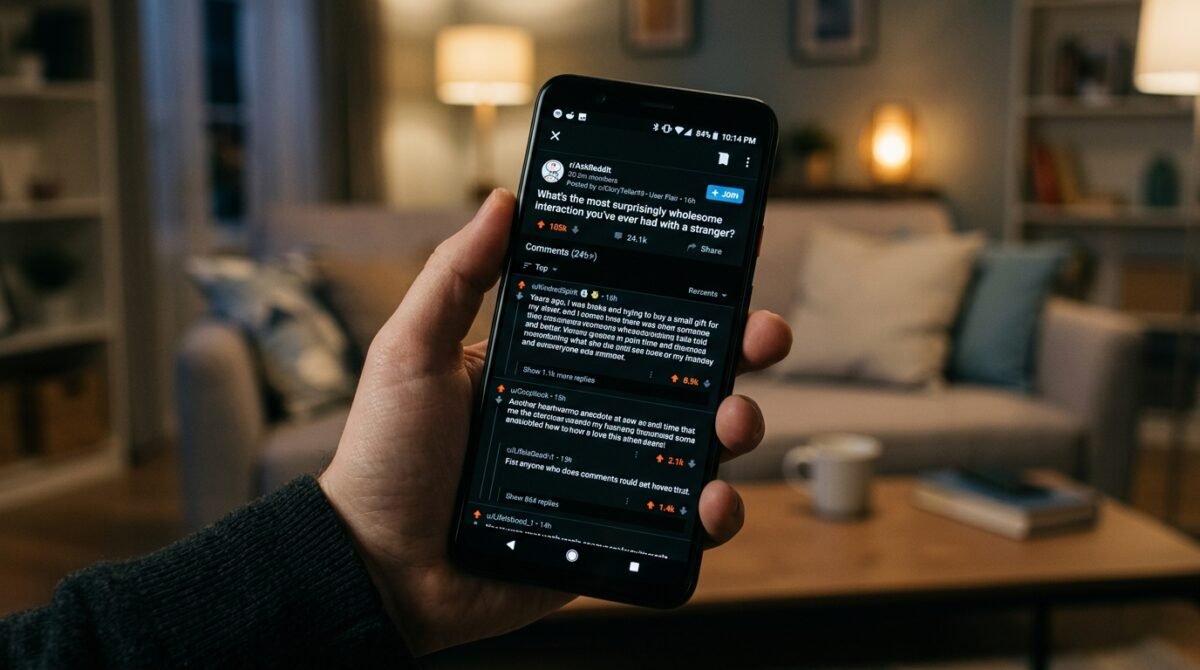
I posted my story on a popular forum to see if I was in the wrong, and the response was overwhelming. Within hours, the thread had thousands of comments, debating my actions, the ethics of the situation, and the legalities involved. It was a bizarre, eye-opening experience to see how strangers reacted to my life being blown up.
Some people were incredibly supportive, praising me for having the courage to report the abuse. They shared their own experiences with animal cruelty and validated my feelings. Others were critical, suggesting that I should have talked to her more or that I had overstepped by involving the landlord without a final warning. It was a fascinating, if sometimes painful, look at human nature.
“You did the right thing. Animal welfare isn’t something you can just negotiate. Those dogs were suffering, and you gave them a chance at a real life.”
— u/DogLover99 (Top Comment, 15.2k upvotes)
“I don’t know, maybe you should have given her one last chance to move them? Evicting her seems a bit extreme for a first offense.”
— u/RoommateNeutralist (Downvoted, -3.4k upvotes)
Reading the comments helped me realize that there will always be people who disagree, regardless of the moral clarity of the situation. The debate over ‘snitching’ versus ‘doing the right thing’ was particularly interesting. I realized that my decision had touched a nerve for many people who had dealt with similar boundary violations or moral dilemmas.
The community support gave me a sense of closure. I wasn’t alone in my feeling that I had done the right thing, even if the process had been difficult. The anonymous validation helped me let go of the guilt I had been feeling about Sarah’s situation, reminding me that her choices led to the consequences, not my actions.
Reflecting on Personal Boundaries

This experience forced me to rethink my approach to shared living. I had always been someone who avoided conflict, someone who tried to keep the peace at all costs. But that approach had nearly led to me being complicit in a cruel and illegal operation. I learned that boundaries are not just about personal space; they are about values and principles.
I realized that I had been too passive, too willing to accept excuses and ignore my gut feelings. I had allowed myself to be gaslit, to believe that my concerns were unwarranted or excessive. That was a mistake I wouldn’t make again. I now know that if something feels wrong, it probably is, and it’s better to be ‘difficult’ than to be silent.
I’ve become more assertive in my communication. If I see something that doesn’t align with my values, I speak up immediately. I’ve learned that setting clear expectations at the beginning of a living arrangement is essential for long-term harmony. And I’ve learned that sometimes, the only way to protect yourself is to cut ties with people who don’t share your moral compass.
The trauma of the experience has faded, but the lessons remain. I am a stronger, more confident person because of it. I’ve learned to trust my instincts and to put my own well-being—and the well-being of those who cannot speak for themselves—above the comfort of others. It’s a hard-won lesson, but a valuable one nonetheless.
I still think about those dogs sometimes. I hope they found loving homes where they can run and play without fear. That thought brings me more peace than anything else. I did what I had to do, and I have no regrets about the outcome, even if the journey was one of the hardest things I’ve ever had to go through.
Lessons in Legal and Ethical Responsibility

Looking back, the legal aspects of the situation were a wake-up call. I hadn’t realized how serious the implications were until I saw the animal control officers in action. The laws regarding animal welfare are often under-enforced, and it took someone taking the initiative to make a report to get anything done. It made me realize that individuals have a lot more power than they think when it comes to holding people accountable.
I also learned about the importance of documentation. If I hadn’t had the photos, the videos, and the receipts, the whole thing would have been a ‘he-said, she-said’ situation. The landlord might not have taken me seriously, and the animal control officers wouldn’t have had the proof they needed to make a strong case. Documentation is everything.
I think about the ethics of being a ‘snitch’ in these situations. Is it really snitching if you’re reporting illegal activity that is harming vulnerable creatures? I’ve come to the conclusion that it’s not. There’s a clear line between reporting personal, non-harmful behavior and reporting something that is fundamentally wrong and illegal. I’m comfortable with where that line is for me.
I’ve also learned that people can be very good at hiding their true intentions. Sarah was a master of deception, using her job at the vet clinic as a shield for her illegal operation. It’s a sobering reminder that you can never truly know what someone is doing behind closed doors. You have to be aware of the signs and be willing to act on them.
Overall, I think the experience has made me more aware of my responsibilities as a member of society. We all have a role to play in keeping our communities safe and ethical. I’m proud of what I did, and I would do it again in a heartbeat if I had to. It was a difficult path, but it was the right one.
Moving Toward a New Life

I have since moved to a new apartment, and the difference is night and day. I have a roommate who is transparent, respectful, and shares my love for a clean, quiet home. We communicate openly, and we have established clear boundaries from the very beginning. It feels like a breath of fresh air after the chaos of the last few months.
I still keep an eye on animal welfare issues, and I’ve even started volunteering at a local shelter on the weekends. It’s a way for me to turn a negative experience into something positive, to give back to the animals that suffered under Sarah’s care. It’s been a healing process for me, and I find a lot of peace in the work.
The memories of that closet and the dogs still surface from time to time, especially when I hear a dog whimpering in the distance. But the fear is gone, replaced by a sense of satisfaction that I helped change their lives for the better. I’ve learned that you can survive the most difficult situations and come out the other side stronger and more resilient.
I’ve also found that I’m more appreciative of the simple things—a quiet night at home, a clean apartment, and the company of people I can trust. I’ve learned to value quality over quantity in my relationships, and I’m much more selective about who I choose to share my life with. It’s a better way to live, and I’m grateful for the perspective I’ve gained.
If you find yourself in a similar situation, don’t be afraid to act. Trust your instincts, document everything, and don’t let anyone make you feel like you’re doing something wrong by standing up for what’s right. You have more power than you realize, and sometimes, taking that first step is all it takes to make a difference.
Conclusion
In the end, this experience wasn’t just about a bad roommate; it was about the fundamental values of compassion, integrity, and personal accountability. I had to face the difficult reality of animal cruelty and the uncomfortable truth that I was living alongside someone who was profiting from it. Standing up to Sarah was the hardest thing I’ve ever had to do, but it was also the most important.
I’ve learned that when you choose to act for the greater good, you will face opposition, both from the person you’re confronting and from those who don’t understand the full picture. But the peace of mind that comes from knowing you’ve done the right thing is worth every ounce of the struggle. I hope that sharing my story encourages others to speak up when they see something wrong.
What about you? Have you ever had to deal with a roommate who crossed the line, or have you ever had to stand up for something you believed in despite the fallout? I’d love to hear your experiences in the comments below. Let’s keep the conversation going about boundaries, ethics, and the importance of speaking up for those who cannot.
What's your verdict on this dilemma?
Vote below to contribute to the official community consensus.

Have a Dilemma Keeping You Up at Night?
Share your real-life feud, wedding chaos, or relationship crossroads anonymously with our editorial team.
What do you think ?
0 Comments🛡️ Comments are moderated to protect community integrity. Your comment will appear once approved by the editorial team.