

They say you never truly know someone until you’ve lived with them. For five years, Sarah was the sister I never had. We shared everything: grocery budgets, late-night takeout bills, and the kind of deep, soul-baring conversations that only happen at 3:00 AM on a Tuesday. I trusted her with my life, my spare key, and—foolishly, as it turns out—my financial autonomy. I never imagined that the person who knew my favorite childhood memories would eventually become the person who tried to dismantle my entire financial future in a single, calculated stroke of a pen.
It started with a notification from my bank that I initially dismissed as a glitch. A $75,000 charge for an luxury vehicle dealership in a city two hours away. At first, I laughed, assuming it was a clerical error that would be cleared up with a quick phone call. But as I dove deeper into the digital paperwork, the blood drained from my face. My signature—my distinct, slightly shaky, habitual scrawl—was sitting there, bold and crisp, on a contract I had never seen, for a car I would never drive.
The betrayal wasn’t just in the money; it was the absolute audacity of the deception. Sarah hadn’t just ‘borrowed’ my identity; she had weaponized it to fulfill a mid-twenties fantasy of status and speed. When I confronted her, she didn’t look remorseful. She looked annoyed, as if I were being petty for bringing up a ‘minor technicality’ regarding her new ride. She truly believed that because we were ‘best friends,’ my credit was hers to command.
Now, the fallout is radioactive. Her family has descended like a swarm of locusts, filling my phone with vitriolic voicemails and long-winded manifestos about ‘loyalty’ and ‘family values.’ They claim that by refusing to sign an affidavit dropping the felony charges, I am ruining her life. They paint me as the villain, the cold-hearted bureaucrat of a roommate who would rather see her behind bars than help her fix a ‘small mistake.’ I’m not just choosing between a friendship and a criminal charge; I’m choosing between my own survival and the whims of someone who viewed me as nothing more than a stepping stone.
The Morning The World Cracked Open
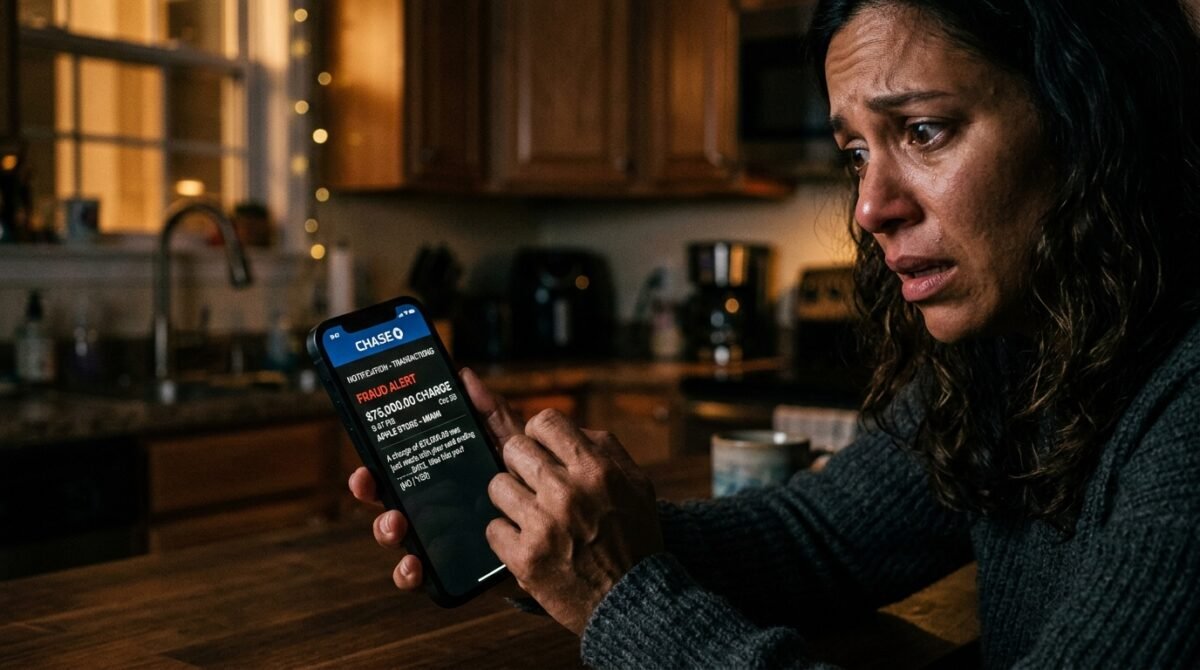
I woke up to the sound of my phone vibrating incessantly against the nightstand. It was 6:15 AM, and the notifications were pouring in from my banking app. ‘Transaction Authorized: $75,000.00’ read the bold letters, followed by a flurry of ‘Insufficient Funds’ alerts for my regular monthly bills that had suddenly bounced. I felt a cold knot tighten in my stomach. I scrambled to unlock my phone, my breath hitching as I navigated to the transaction history.
I looked over at Sarah’s door. It was shut tight, as it usually was at this hour. I walked into the kitchen, my hands trembling as I pulled up the digital copy of the purchase agreement. There, staring back at me, was my signature. It wasn’t even a good forgery; it was a rushed attempt that clearly mimicked the ‘S’ I’ve been using since high school. My heart was hammering against my ribs as I realized the gravity of the situation. This wasn’t a mistake; this was a premeditated crime.
“Sarah, wake up. Now. We need to talk about the seventy-five thousand dollars that just vanished from my account. I have the bank’s records right here.”
I pounded on her door until she finally emerged, rubbing her eyes with a look of feigned grogginess. She stood in the hallway, clutching her robe, giving me that practiced, innocent look that used to work every single time. She acted as if I were overreacting to a prank, dismissing my panic with a flick of her hand. She had no idea that I had already called my lawyer before I had even finished my first cup of coffee.
The sheer gall of her response was staggering. She didn’t deny it. She just didn’t think it was a big deal. She told me the car was ‘an investment’ and that she would ‘pay me back once the influencer marketing deal came through.’ She looked at me with such genuine confusion that I almost questioned my own reality. But the reality was simple: she had robbed me, and she expected me to be grateful for the ‘opportunity’ to be her silent financial partner.
The Gaslighting Gala
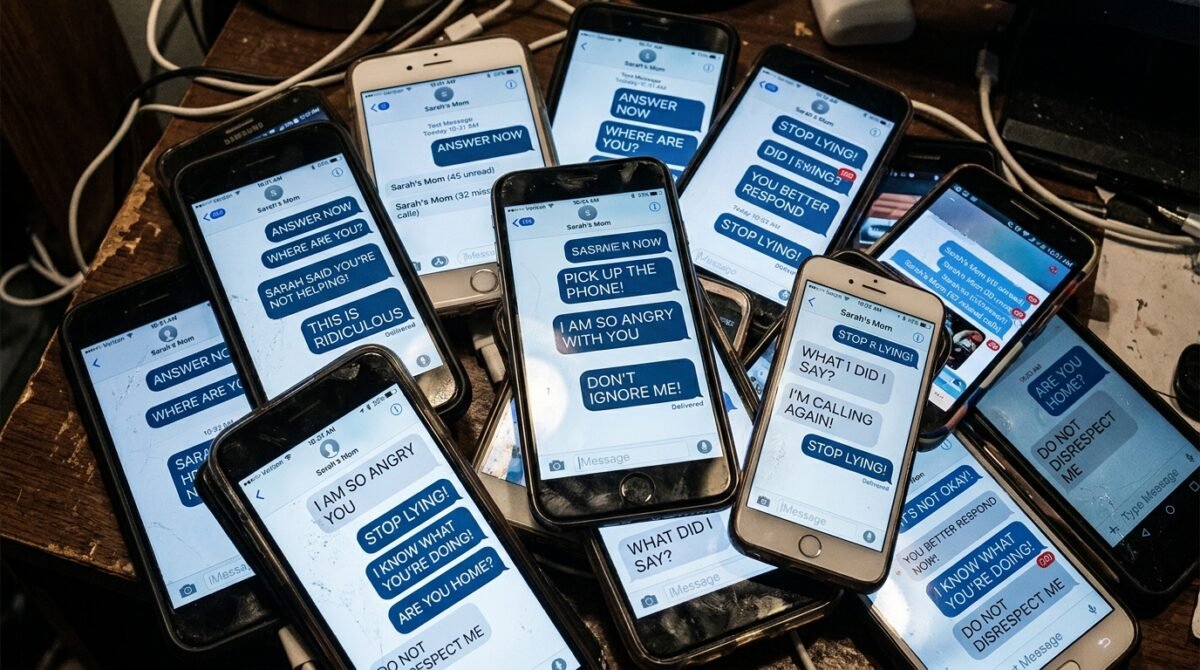
Once the police had arrived and taken my statement, the house became a pressure cooker of tension. Sarah spent the afternoon in her room, presumably texting her family, because by 4:00 PM, my phone began to buzz with a relentless stream of messages from her mother. The tone wasn’t one of apology; it was one of aggressive manipulation. They were framing the narrative before the ink on the police report was even dry.
The messages came in waves, each one more toxic than the last. They called me ‘cold-blooded’ and ‘traitorous.’ They suggested that by calling the police, I was effectively destroying Sarah’s future prospects, as if her own decision to forge a document hadn’t already done that. It was a masterclass in shifting blame, a desperate attempt to make me feel like the criminal for simply reporting a crime.
“You know how sensitive Sarah is. She’s had a rough year. How can you, her best friend, do this to her? This is just a misunderstanding that families handle privately. Drop the charges before you ruin her life forever.”
— Sarah’s Mother, via Text
I sat on my couch, reading these messages out loud to my boyfriend, who was just as horrified as I was. We went through every single one, dissecting the blatant gaslighting. Sarah’s mother tried to paint the car as a ‘necessity’ for Sarah’s career, as if that somehow justified identity theft. It was surreal, watching a grown woman attempt to bully me into silence for a felony her daughter had committed.
I didn’t respond to a single one of those texts. I knew that any word I typed would be screenshotted and twisted to serve their narrative. I kept my silence, which only seemed to enrage them further. They started leaving voicemails, their voices dripping with fake concern, warning me about the ‘consequences’ of being a difficult person. They were creating a wall of sound, hoping I would crumble under the pressure of their collective disappointment.
The Official Police Report
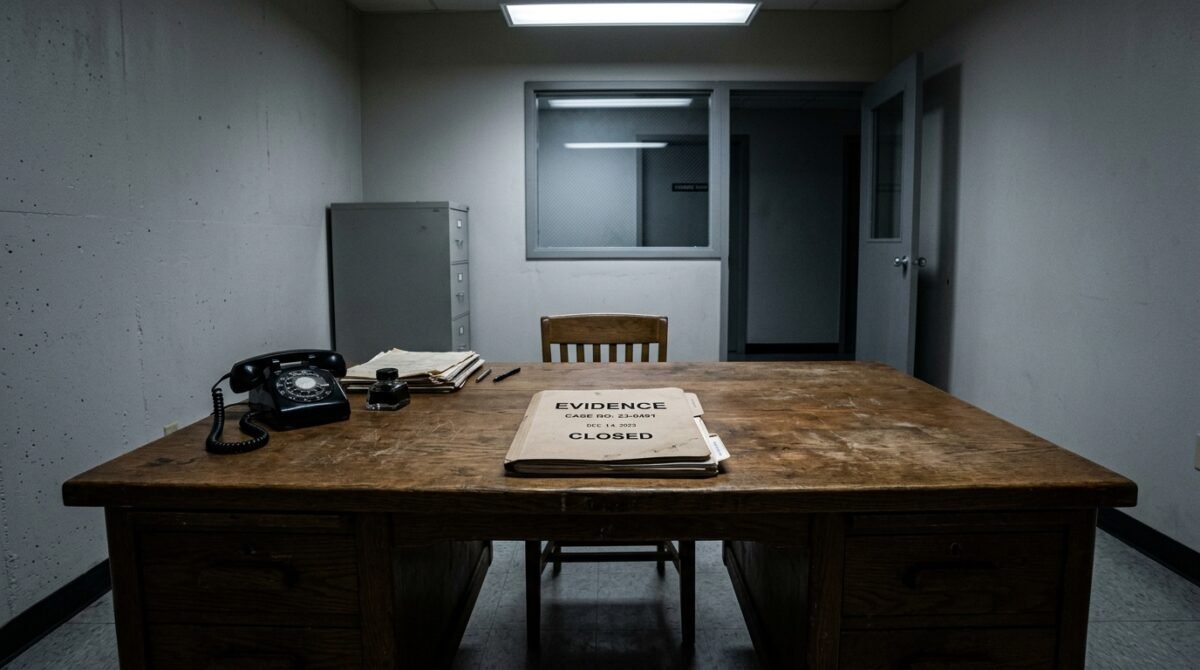
When the detective finally called me for a follow-up interview, the reality of the situation hit me with the force of a wrecking ball. He was professional but firm. He told me that this was a textbook case of identity theft and forgery. He didn’t care about our ‘friendship’ or Sarah’s ‘rough year.’ He cared about the law. He explained that if I wanted to pursue this, I had to be prepared for it to go all the way to court. There was no turning back now.
I sat in the sterile precinct office, surrounded by the hum of fluorescent lights and the smell of stale coffee. I watched as he laid out the evidence: the forged signature, the IP address logs from the dealership, the bank records. It was all there, a trail of breadcrumbs leading directly to Sarah’s door. It was undeniable. I felt a strange sense of relief, followed immediately by an overwhelming wave of sadness. I was mourning the loss of the person I thought I knew.
“Ma’am, once this case is filed, it is out of your hands. The state will take it from here. Are you absolutely sure you want to proceed with the felony charges, or do you wish to settle this through civil litigation instead?”
— Detective Miller
I looked him in the eye and said ‘yes.’ I thought about the thousands of dollars I had saved for my own future, the security I had worked so hard to build, and the fact that Sarah had viewed all of it as her own personal emergency fund. I wasn’t being cruel; I was being an adult who refused to let someone else burn their house down and blame me for the ashes. My decision was final.
When I got home, Sarah was waiting for me. She had clearly been crying, but her eyes hardened the moment I walked through the door. She didn’t ask how I was; she asked if I had dropped the charges. When I told her no, she didn’t just get angry; she got cold. She told me I was dead to her, that I was a ‘fake friend’ who had been waiting for a chance to ruin her. She moved out that night, leaving a mess in her wake, but the sense of weight lifting off my shoulders was palpable.
The Reddit Trial: Community Verdicts

I posted my story on a popular forum, needing to know if I was truly the monster they said I was. Within an hour, the post had blown up. Thousands of comments poured in, most of them echoing the same sentiment. The internet, for once, seemed to be in complete agreement. The nuance of friendship didn’t apply to a seventy-five-thousand-dollar felony, and the comments were both validating and incredibly eye-opening.
“NTA. Your ‘best friend’ didn’t make a mistake; she committed a felony. She stole your identity and leveraged your financial future for a toy. Her family is just as toxic as she is for enabling this. Protect your credit, protect your future, and keep the charges active. If you drop them, you are teaching her that she can do this again to the next person.”
— u/JusticeSeeker99 (Top Comment, 42.1k upvotes)
Reading through the comments felt like therapy. There were people who had been through similar situations, people who had been taken advantage of by ‘best friends’ and had suffered the consequences because they were too nice to speak up. They shared their own stories, their regrets, and their lessons. It was a massive wave of support that made me feel less alone in this nightmare.
There were also some who played devil’s advocate, suggesting that perhaps a civil settlement would be easier. But even they agreed that the felony charge was the correct legal response to such a massive breach of trust. The consensus was clear: Sarah was an adult who had made a calculated decision to commit a crime. My actions were not an act of cruelty, but a necessary defense against someone who clearly didn’t value our relationship at all.
The most impactful comments were the ones from legal professionals who broke down exactly how dangerous it would be to drop the charges. They warned that if I dropped them, I might be liable for the loan Sarah took out in my name. They explained that by pressing charges, I was creating the necessary paper trail to clear my own name and protect my credit score from being permanently decimated by her irresponsibility.
The $75,000 Reality Check

Beyond the drama and the gaslighting, the financial reality began to set in. My credit score took a massive hit, and for a few weeks, I was living in a state of constant anxiety, wondering if my rent would clear or if my own credit cards would be flagged. I spent hours on the phone with banks, filing fraud reports, and dealing with credit bureaus. It was a full-time job, and I was doing it alone while Sarah’s family continued to harass me from the sidelines.
I had to create a detailed spreadsheet to track the damage. Every late fee, every interest payment, every hour of lost work—it all added up. Sarah’s car wasn’t just a purchase; it was a wrecking ball aimed at my financial stability. I realized that if I hadn’t acted immediately, I could have been paying for her vanity project for the next seven years. The scale of her entitlement was truly staggering.
| Category | Estimated Loss | Status |
|---|---|---|
| Immediate Fraud Charge | $75,000.00 | Disputed |
| Credit Score Impact | -120 Points | In Recovery |
| Legal/Consultation Fees | $4,500.00 | Paid |
| Lost Time/Wages | $2,200.00 | Unrecoverable |
The spreadsheet became my anchor. Whenever I felt guilty or wavered in my resolve, I looked at those numbers. They were the cold, hard facts of the betrayal. They were the evidence that Sarah didn’t value our friendship; she valued her own comfort above my entire life’s work. Seeing the numbers written down helped me separate my emotions from the reality of the situation.
I kept this document updated daily. It was my evidence for the police, my weapon against the family’s claims, and my own internal metric for when I could finally stop worrying. It was a reminder that I was not the one who had brought this chaos into our lives. I was just the one cleaning it up.
The Silent Dinner Table

A few weeks into the legal battle, Sarah’s brother tried to corner me at a mutual friend’s birthday party. It was a tense, uncomfortable affair. People were whispering, the music was too loud, and everyone was walking on eggshells. He approached me with a forced smile, clearly hoping to catch me off guard in front of our friends, trying to frame the ‘misunderstanding’ as something we could just laugh off if I was only ‘cool’ about it.
“Come on, we’ve known each other for years. Don’t you think this is a bit much? Everyone makes mistakes. Just tell the DA you made a mistake and that it was your car. It’s not like you’re actually hurting, right?”
The room went completely silent. I felt the heat rising in my cheeks, but I didn’t lose my cool. I looked him dead in the eye and spoke clearly so everyone in the immediate vicinity could hear. I didn’t raise my voice, but the weight of my words was heavy. I told him that his sister had committed a crime, that it wasn’t a mistake, and that my life wasn’t a resource for her to exploit. The silence that followed was deafening.
He tried to interrupt, to spin it back around, but I just walked away. I didn’t need to argue with him. The truth was out, and it spoke for itself. My friends, who had been listening from the periphery, later told me that they had been appalled by his behavior. They hadn’t known the full extent of what Sarah had done, and they were shocked that her brother would have the audacity to confront me like that.
That night was the final nail in the coffin for my relationship with Sarah’s family. It was clear that they were all part of the same echo chamber, feeding into each other’s delusions. I realized then that I wasn’t losing a ‘best friend’—I was losing a toxic influence that had been festering in the shadows for years. Walking away from that conversation felt like the most empowering thing I had ever done.
The Certified Letter of No Contact
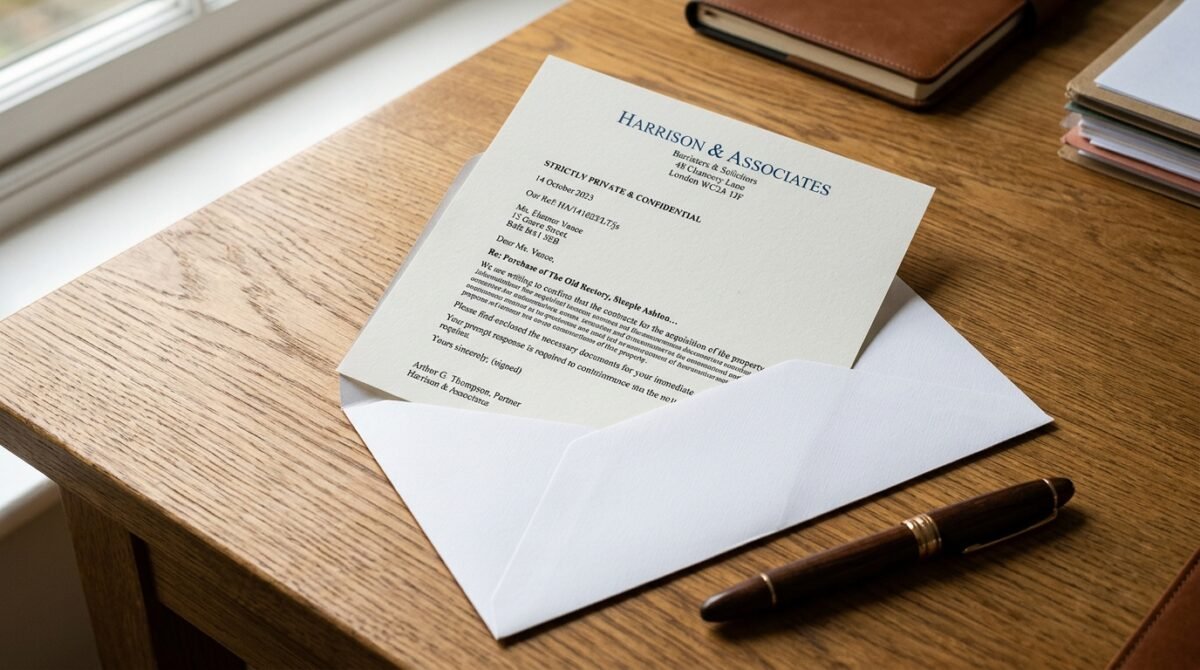
After the confrontation at the party, the harassment escalated to a point where I had to involve an attorney to send a formal cease-and-desist letter. It was a significant step, but it was necessary. I was done with the emails, the texts, and the random ‘accidental’ run-ins. I needed to establish a hard boundary that they couldn’t ignore, one backed by the weight of the legal system.
The letter was short, direct, and final. It laid out the consequences of any further contact, including potential harassment charges. It was a formal notification that our relationship was over and that any attempt to influence the legal proceedings would be met with further action. It was the hardest thing I’ve ever had to write, but it felt like I was finally reclaiming my peace.
Once the letter was sent, the silence that followed was blissful. The constant fear of a new notification, the dread of answering the phone—it all started to dissipate. I was no longer waiting for the other shoe to drop. I was in control of my own life, and for the first time in months, I could breathe without that persistent knot of anxiety in my chest.
I started focusing on myself again. I took up new hobbies, spent time with friends who actually respected my boundaries, and started working with a therapist to process the trauma of the betrayal. I realized that my kindness had been taken for granted, and I started setting firm rules for how I allowed people to treat me. The legal battle was still ongoing, but the emotional battle was finally being won.
The Trial Prep and New Realizations

As the date for the preliminary hearing approached, I had to meet with the District Attorney. It was a surreal experience, sitting in a room with someone whose only goal was to see justice served. We went over my testimony, the timeline of events, and the evidence. The DA was incredibly supportive, validating my feelings and reassuring me that what Sarah did was indeed a serious crime that needed to be addressed.
I learned so much during those meetings about the legal system and the nature of fraud. I learned that Sarah’s actions were part of a pattern of entitlement that had likely been building for years. I started to remember small things—times she had borrowed money and never paid it back, times she had used my things without asking, times she had made me feel guilty for having boundaries. It all started to make sense.
I also realized that I had been an enabler for far too long. I had let her get away with ‘small’ things because I didn’t want to cause a scene. I had prioritized her comfort over my own integrity. The trial prep wasn’t just about the case; it was about me learning to stand up for myself. I was finally shedding the ‘nice girl’ persona that had allowed me to be victimized in the first place.
The DA told me that they had seen many cases like this, where a ‘friend’ or family member crossed the line because they assumed there would be no consequences. It was a common story, and the only way to stop the cycle was to hold the perpetrator accountable. I felt stronger with every conversation, more convinced that I was doing the right thing. The guilt that her family had tried to pile on me was evaporating, replaced by a firm sense of purpose.
The Day in Court
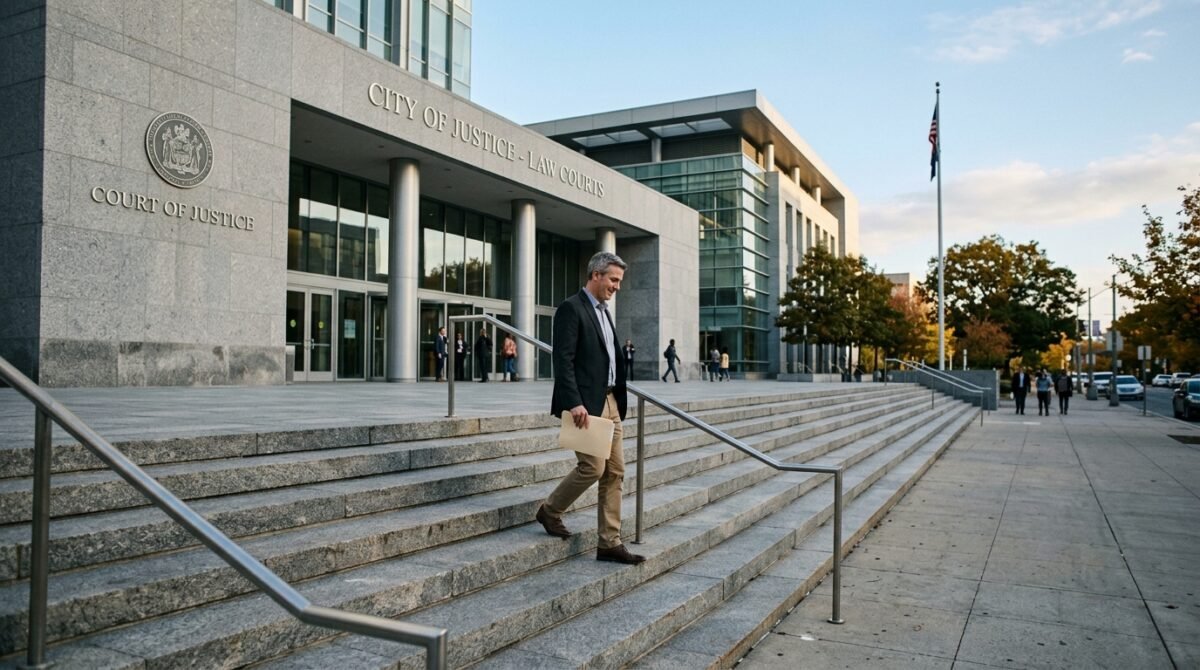
The day of the hearing was surprisingly calm. I walked into the courtroom, my heart steady for the first time in months. I saw Sarah sitting at the defense table, looking diminished and tired. She wouldn’t look at me. Her parents were in the back, their faces tight and angry, but they didn’t dare say a word. The atmosphere was thick with tension, but I felt strangely detached from it all.
When I was called to the stand, I told the truth. I didn’t sugarcoat it, and I didn’t try to save her. I told the judge exactly what happened, how the signature was forged, and how the financial impact had ruined my life for months. I looked directly at the judge, and I knew that my words were having an impact. Sarah’s lawyer tried to object, tried to spin it as a ‘misunderstanding,’ but the facts were just too clear.
“I trusted Sarah with everything. I thought we were sisters. But she didn’t view our friendship that way. She viewed me as a resource to be used. I am not the one who destroyed our relationship. She did, the moment she decided to forge my name for a car she couldn’t afford.”
The judge’s expression was unreadable, but I could tell that they were taking the case seriously. After the hearing concluded, I walked out of the courtroom, and for the first time in ages, I felt free. The case wasn’t fully over, but the most difficult part was done. I had stood my ground, and the legal system was doing its job.
I saw Sarah’s mother outside the courtroom, but she didn’t approach me. She just watched as I walked away, her face a mask of bitter resentment. I didn’t care. I was done with them. I got into my car and drove away, the sun shining through the windshield, marking the beginning of a life where I was finally the one in charge of my own story.
Reflecting on the Unravelling

Looking back now, I can see all the red flags I missed. Sarah had always been about status and appearances, always chasing the next big thing, always looking for shortcuts. I had blinded myself to these traits because I wanted the friendship to work, because I was lonely, because I wanted to believe that she was a good person. The betrayal was painful, but it was also a necessary wake-up call.
I’ve learned that trust is not something to be given away freely; it’s something to be earned, and it must be protected. I’ve learned that being a good friend doesn’t mean being a doormat. I’ve learned that when someone shows you who they are, you should believe them, even if it hurts. The experience was a crucible that forced me to grow, and I am stronger for it.
I’ve since re-established my financial security. My credit score is slowly recovering, and I have systems in place to ensure that something like this can never happen again. I’ve surrounded myself with people who respect me, people who value our relationship for the right reasons. I’ve moved on, and I’ve found peace in the aftermath of the storm.
If there’s one thing I want others to take away from my story, it’s that it’s okay to put yourself first. You are the only person who can advocate for your own life. Don’t let someone else’s audacity or guilt-tripping make you feel like you’re the one in the wrong. You have the right to protect your future, and you have the right to demand that those around you act with integrity. It might be hard, it might be painful, but it is worth it.
Conclusion
In the end, Sarah’s family stopped reaching out once it became clear that the court was not going to be swayed by their emotional appeals. The case, while slow, is proceeding exactly as it should. I am no longer the victim of her ‘best friend’ betrayal; I am the protagonist of my own recovery. The financial, emotional, and social costs have been high, but the price of my integrity would have been higher.
The ordeal has taught me that the most important relationship you will ever have is the one you have with yourself. When you compromise that for the sake of ‘keeping the peace,’ you lose everything. I refused to lose myself, and that is a victory that no amount of money or forged signatures can take away.
Now, I look forward to a future where my boundaries are as clear as my conscience. I’m stronger, wiser, and significantly more cautious, but I haven’t lost my capacity for trust—I’ve just refined who I give it to. Life is too short to be spent cleaning up the wreckage left by those who don’t deserve a seat at your table.
What about you? Have you ever had a friend or family member violate your trust in such a fundamental way? How did you handle the pressure to ‘let it go’? Share your experiences and thoughts in the comments below—let’s discuss the complexities of setting boundaries when the people involved are those we once called family.
What's your verdict on this dilemma?
Vote below to contribute to the official community consensus.

Have a Dilemma Keeping You Up at Night?
Share your real-life feud, wedding chaos, or relationship crossroads anonymously with our editorial team.
What do you think ?
0 Comments🛡️ Comments are moderated to protect community integrity. Your comment will appear once approved by the editorial team.