
When Sarah first moved in, she presented herself as the ideal roommate: quiet, professional, and perpetually busy with her freelance graphic design work. We were both professionals living in a high-cost city, and the arrangement felt like a dream. She respected common spaces, paid her half of the rent on time, and rarely had guests over. I felt lucky to have found such a stable living situation in an increasingly volatile housing market.
However, the shift didn’t happen overnight. It started with small, odd occurrences—packages arriving daily, the faint sound of music and chatter coming from the living room while I was at my 9-to-5, and a sudden, inexplicable jump in our electricity bill. At the time, I brushed it off as my own paranoia or perhaps a series of tech-heavy projects she was working on. I valued our peace and didn’t want to be the ‘nitpicky’ roommate.
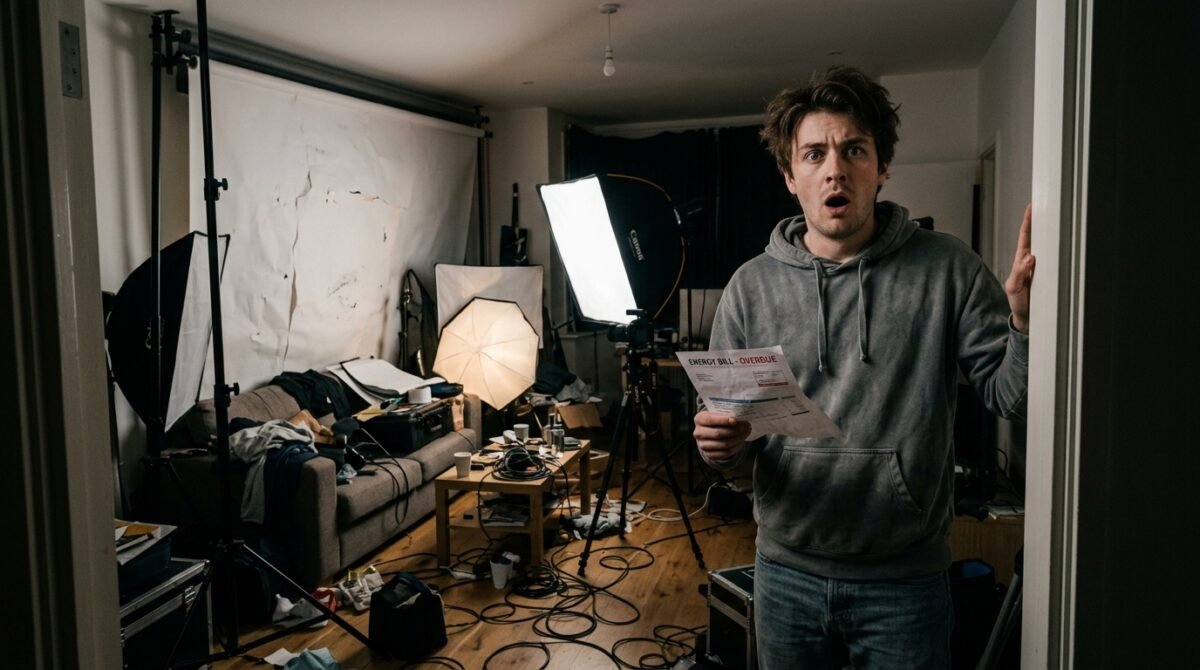
The moral dilemma began to crystallize when I returned home early one Tuesday afternoon. I expected a quiet apartment to work on my own projects, but instead, I walked into a full-scale, professional production environment. There were reflectors, strobe lights, a backdrop frame, and a client sitting on our IKEA couch, waiting to be photographed. The sheer audacity of the transformation was staggering.
I wasn’t just living with a roommate; I was unknowingly providing the overhead for a business that was actively obstructing my ability to enjoy my own home. The boundaries of personal space had been obliterated, and my sense of sanctuary was being sold out for a profit I wasn’t seeing a dime of. This wasn’t just a matter of noise—it was a total breach of our living contract.
What followed was a harrowing journey through gaslighting, financial manipulation, and the eventual dismantling of a friendship. It taught me that ‘privacy’ isn’t just a word; it’s a foundational requirement for any healthy living situation, and when that foundation is compromised by a secret business, the house of cards is destined to collapse.
The Subtle Creep of Equipment
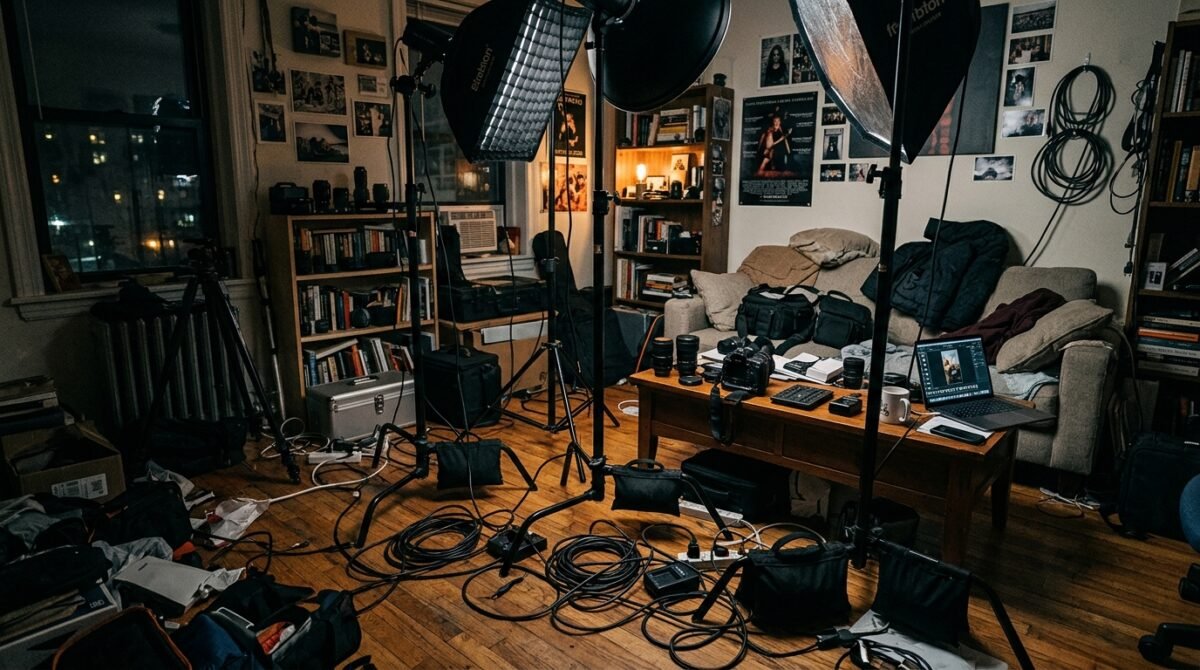
It began with a few small boxes in the corner of the living room. Sarah told me they were ‘client materials’ that she would move once her current project concluded. I didn’t think much of it at the time, as we both worked in creative fields where temporary clutter was common. I was more concerned with keeping the kitchen clean and making sure the chore chart was followed.
Weeks turned into months, and the boxes didn’t vanish. Instead, they seemed to multiply, evolving into tripods, light stands, and rolls of seamless paper. I recall mentioning the space, but Sarah was quick to deflect, claiming she was just ‘organizing her workflow’ for a high-profile client. I felt like a guest in my own home, tiptoeing around expensive gear just to reach the coffee maker.
The tone of our interaction began to shift from friendly to avoidant. Whenever I asked about the gear, Sarah would offer a vague, dismissive answer about ‘career growth’ or ‘industry standards.’ Looking back, I realize this was the beginning of her normalizing the space as her workspace, rather than our shared living environment. She was slowly expanding her footprint, testing how much she could get away with before I pushed back.
I remember one specific evening, I tripped over a C-stand while walking to the kitchen in the dark. The metal clang echoed through the apartment, and I narrowly avoided a nasty bruise. When I complained, her response was telling.
“You really need to be more careful. That equipment is worth more than the furniture in this entire house, and if you damage it, we are going to have a serious problem. Maybe you should watch where you’re going.”
— Sarah, during a heated exchange in the kitchen
That was the moment I realized this wasn’t about work-life balance; it was about entitlement. She had prioritized her gear over my physical safety and our shared comfort, and she had the audacity to scold me for it. It was a wake-up call that I was dealing with someone who viewed our home as a commercial asset rather than a shared sanctuary.
The Utility Bill Revelation
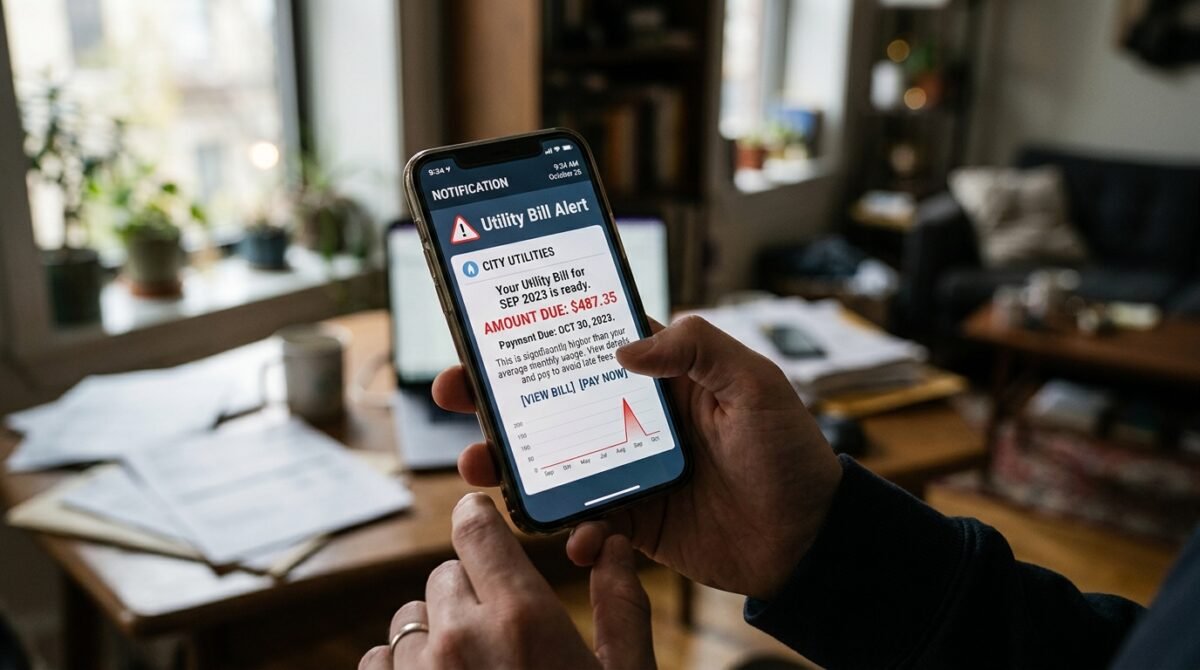
The tipping point for the financial realization came when the utility bill arrived. We had always split it 50/50, but this month, it was nearly triple what we usually paid. I assumed it was a mistake by the energy company and spent an hour on hold, only to be told the usage was accurate. It was then that I started tracking the electrical consumption patterns.
I noticed the spikes in usage correlated perfectly with the times Sarah claimed to be ‘offline’ or ‘away.’ I started paying attention to the hum of the lights and the constant drain of heavy-duty equipment. She wasn’t just editing photos on a laptop; she was running a high-intensity lighting rig that consumed power like a small manufacturing plant.
When I confronted her with the bill, the reaction was pure defensive posturing. She tried to gaslight me into believing that it was just ‘summer heat’ and that my own habits—like running a fan—were the cause. She had an answer for everything, and it was always my fault.
“It is absolutely ridiculous that you are questioning me over a few dollars. My work is what pays my half of the rent, and maybe if you focused on your own career instead of monitoring my light usage, you wouldn’t feel the need to penny-pinch.”
— Sarah’s text response after I sent a spreadsheet of the utility increases.
The audacity was breathtaking. She was effectively using our shared electricity to power a commercial venture that I was subsidizing, and she had the nerve to insult my professional life in the process. It wasn’t about the money anymore; it was about the utter lack of respect for our agreement and the parasitic nature of her business model.
I sat down that night and mapped out the dates. Every time she had a ‘client’ over, the smart meter showed a massive surge. I had the data, but I didn’t yet have the leverage. I knew that if I wanted her out, I needed to play this smart and document everything before she had a chance to retaliate or spin the narrative to our landlord.
The Unannounced Production Day

I came home early from work because I wasn’t feeling well. I had a fever and just wanted to crash on the couch. As I opened the door, the living room was unrecognizable. It was a blinding white void of seamless paper, bright strobe lights, and a full photography team—makeup artists, assistants, and a model—all crammed into our shared space.
Sarah looked at me as if I were the intruder. There was no apology for the lack of notice, no explanation for the chaos. Just a cold stare that communicated clearly that I was ruining the ‘vibe’ of her shoot. I was standing there in my work clothes, feeling like death, while a stranger was having their portrait taken in the center of our home.
The client, looking visibly uncomfortable, excused herself to the bathroom. I took the opportunity to finally speak up. I didn’t yell, but my voice was firm and cold. I told them all that this was a private residence, not a studio, and that they needed to pack up immediately. The silence in the room was palpable.
“Sarah, we have a lease for a home, not a commercial permit. You are hosting a commercial production in my living room without my consent. This ends right now. Everyone leave, or I call the landlord and the police for trespassing.”
— My demand during the confrontation.
The makeup artist looked at Sarah, who was frantically trying to salvage the situation. She tried to tell me that I was ‘being unreasonable’ and that I was ‘jeopardizing her livelihood.’ She acted as if I were the villain for expecting to live in the home I paid for. It was a bizarre inversion of reality that left me shaking with rage.
Eventually, they packed up, but not before Sarah gave me a look that promised war. She knew she had been caught, and she knew that the gig was up. That night, the apartment was quiet, but the air felt heavy with the impending fallout of my decision to reclaim my space.
The Secret Group Chat
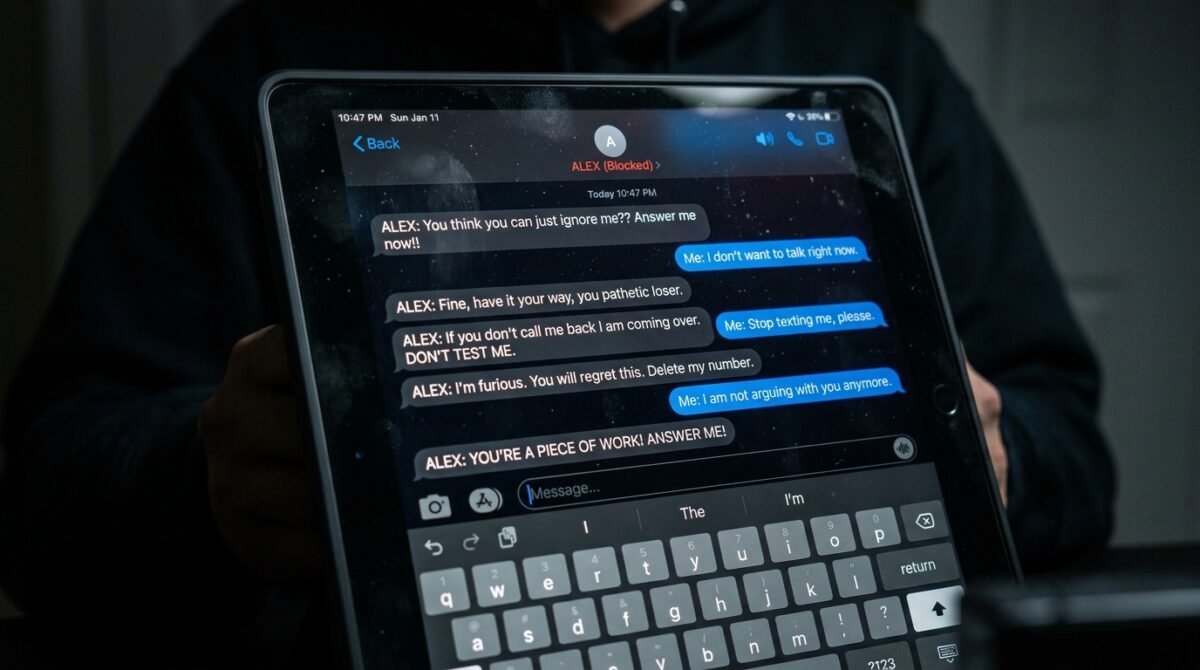
Two days after the incident, I happened to glance at Sarah’s iPad, which she left on the kitchen counter while I was getting water. A notification popped up—a group chat named ‘The Studio Hub’—and I couldn’t help but see the preview of the messages. They weren’t just discussing business; they were discussing how to ‘manage’ me.
The messages were filled with vitriol. They referred to me as the ‘jealous roommate’ and ‘the anchor’ dragging down her business growth. They were plotting to gaslight me further, suggesting she tell our landlord that I was the one causing noise complaints and disrupting her ‘work.’ It was a masterclass in manipulation.
“Just keep the clients coming. She’s too scared of confrontation to actually do anything. If she complains again, just threaten to move out and leave her with the full rent—she won’t risk that.”
— Message from ‘Client Sarah’ in the group chat.
I felt a cold chill run down my spine. This wasn’t just a roommate issue; it was a coordinated effort to undermine my security in my own home. I took photos of the chat. I knew that having evidence of their plan was my greatest asset. I wasn’t going to just take this lying down anymore.
I realized then that Sarah wasn’t just a bad roommate; she was a predator, using my good nature and fear of conflict against me. She counted on me being the person who wanted to keep the peace, someone who wouldn’t dare make a scene. She had severely underestimated my resolve.
I spent the rest of the night reviewing our lease agreement. There were clear clauses about ‘residential use only’ and ‘unauthorized business activity.’ I had all the ammunition I needed. The only question left was how to deliver the blow without burning my own reputation down in the process.
The Landlord’s Intervention

I drafted a formal email to our landlord, attaching the photos of the studio setup I had taken during the ‘production day’ and the screenshots of the group chat. I kept it professional, factual, and devoid of emotional outbursts. I simply stated that the lease terms were being violated and that it was creating a hostile living environment.
The response was swift. Our landlord, a no-nonsense person who valued their property above all else, was furious. They called us both into their office the following morning. Sarah tried to spin it as ‘just some hobby photography,’ but the landlord wasn’t buying it.
When the landlord showed her the photos of the commercial equipment and the group chat screenshots, the color drained from her face. She tried to blame me, claiming I had encouraged it, but the landlord shut her down immediately. It was a moment of pure vindication to see her ego finally deflate.
“This is a rental unit, not a commercial studio. I have clear rules about this. You are in breach of contract, and you have 30 days to vacate. If I find any evidence of further commercial activity, that timeline shortens to immediate eviction.”
— The landlord’s ultimatum during the meeting.
Sarah was livid. She turned to me and hissed that I had ‘ruined everything’ and that I would ‘regret this.’ She was completely unable to accept responsibility for her actions. She felt entitled to the space, entitled to the profit, and entitled to my silence.
I didn’t say a word. I just nodded at the landlord, thanked them for their time, and left. I felt a weight lifting off my shoulders that I hadn’t realized I was carrying. The battle was nearing its end, and I had come out on top.
The Packing Scramble
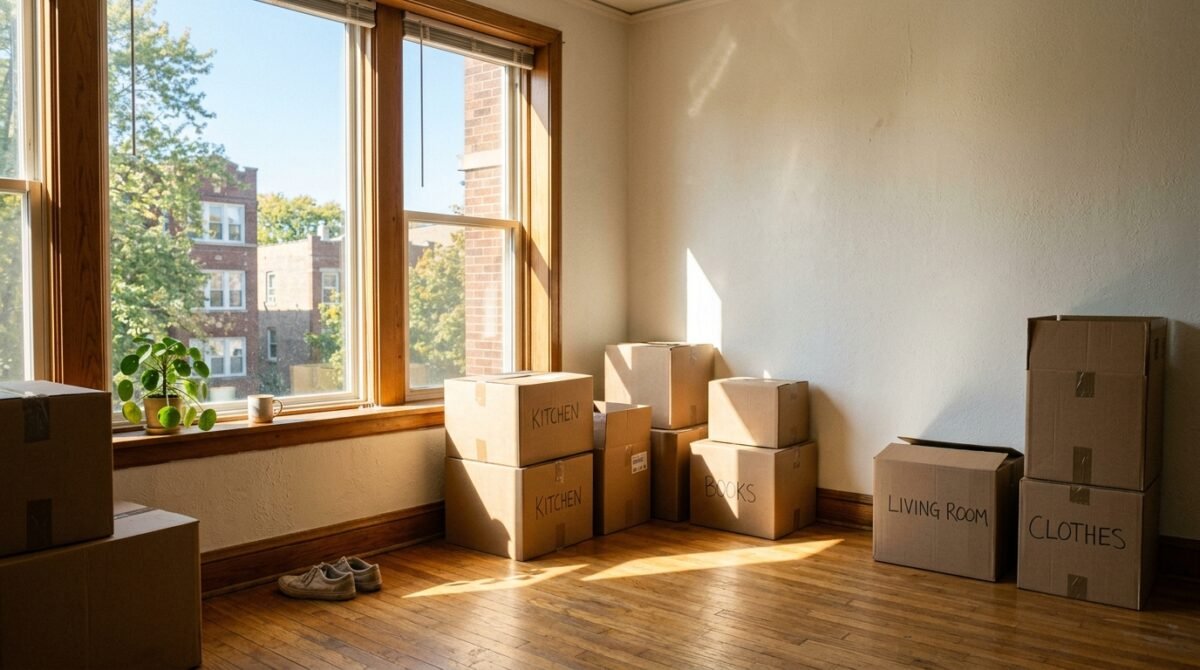
The next 30 days were a study in pure, unadulterated tension. Sarah spent every waking moment either screaming on the phone to her ‘clients’ about the situation or packing with aggressive, loud movements. She would slam drawers, throw boxes, and make sure that every sound echoed through the apartment. It was her final attempt to make my life miserable.
I kept to my room, wearing noise-canceling headphones and focusing on my own work. I refused to give her the satisfaction of a reaction. I treated her like a ghost, an unpleasant presence that was already halfway out the door. It was the only way to maintain my sanity.
There were moments where she would try to bait me into an argument, leaving notes on the fridge or ‘accidentally’ leaving her door open to let light spill out. I ignored it all. I had won the war, and I didn’t need to win the battles.
“You think you’re so perfect, don’t you? You’re just a boring, corporate drone who can’t handle real ambition. I hope you’re happy living in your little box alone.”
— Sarah, shouting through my bedroom door on her final night.
I didn’t respond. I knew that anything I said would just be fuel for her fire. She was lashing out because she had lost her base of operations, and she had no one to blame but herself. Her ambition was real, but her ethics were nonexistent, and that was the root cause of her failure.
When the final day arrived, she left in a flurry of chaos, leaving behind a mountain of trash and a damaged living room wall. I didn’t care. I spent that first night in an empty, quiet, pristine living room, finally able to breathe again in the space I called home.
Community Perspectives: The Reddit Verdict
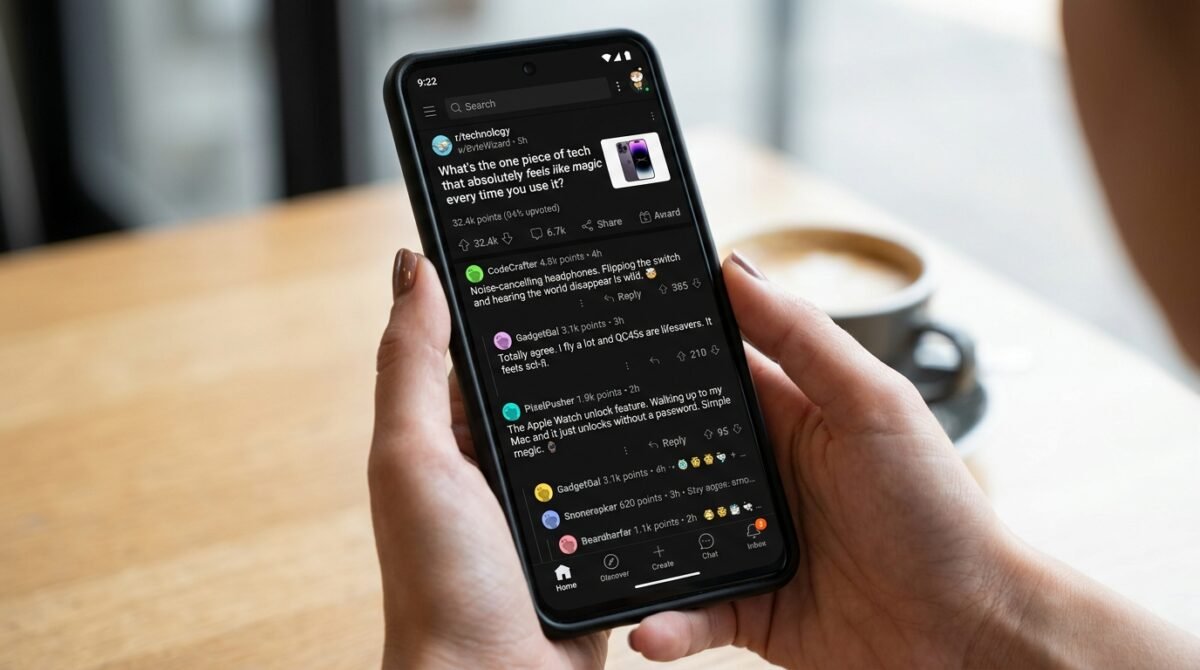
I posted about the situation on a few subreddits to get a sense of whether I had overreacted. The response was overwhelming. Thousands of people agreed that I had every right to demand my home be treated as a residence, not a warehouse or a business front. The consensus was clear: Sarah was a parasitic roommate.
The comments were a mixture of shock at her audacity and support for my firm boundaries. Many users shared their own stories of roommates who pushed boundaries, and it was cathartic to see that I wasn’t alone in this experience. Some even provided advice on how to handle the security deposit process.
“This is textbook entitlement. She thought your living space was a free commercial asset. The fact that she tried to gaslight you and plot against you in a group chat is psychotic. You did the right thing by going to the landlord. NTA (Not The Asshole).”
— u/RoommateRealityCheck (Top Comment, 18.2k upvotes)
Others were more critical of the landlord, suggesting I could have negotiated a higher rent share if I had wanted to keep her, but most agreed that the disruption to my quality of life wasn’t worth any amount of money. It reinforced the idea that peace of mind is an invaluable commodity in a shared living situation.
The discussion also highlighted the legal complexities of ‘side hustles’ in apartments. Many renters don’t realize that their leases often prohibit commercial activity, and Sarah’s total disregard for that clause was a major point of contention for everyone who read the post.
Reading the feedback helped me process the emotional turmoil of the previous months. It validated my feelings of anger and betrayal and helped me move past the ‘what if’ scenarios that had been playing in my head. I wasn’t a mean person for wanting a quiet, private home; I was a tenant with rights.
Lessons in Hard Boundaries

Looking back, the biggest lesson I learned was that boundaries need to be established on day one, not when things reach a breaking point. I had been too passive, too eager to ‘be chill’ and ‘avoid conflict.’ I realize now that conflict is sometimes the only way to protect one’s own space and sanity.
I also learned to listen to my gut. When I first saw those boxes, I should have said something immediately. By allowing the ‘creep’ to happen, I had implicitly given Sarah permission to expand. Never again will I let a roommate’s ‘temporary’ clutter become a permanent feature of my home without a clear, written agreement.
Financial transparency is also key. The utility bill issue should have been addressed the moment it spiked, not months later. If I ever live with someone again, we will be splitting utilities based on usage if there’s any hint of high-power equipment, or there will be a hard ‘no commercial activity’ policy in our roommate contract.
“Boundaries aren’t about being mean; they’re about defining what you are and are not willing to tolerate. Once you lose your home as a sanctuary, you’ve lost your ability to recharge, and that’s when your own life begins to suffer.”
— My own reflection during the move-out cleanup.
I feel more confident in my ability to stand up for myself now. I know that I am capable of handling difficult conversations and that I have the backbone to enforce my rights. It’s a bitter lesson, but one that has made me stronger in the long run.
My new living situation is much quieter, and I have a clear, respectful, and honest relationship with my new roommate. We have a chore chart, we communicate clearly, and there is no commercial equipment in sight. It’s exactly how it should be.
The Aftermath and Personal Healing

It took a few months to fully shake the feeling of being on edge. Every time I heard a loud noise or a knock at the door, I’d instinctively look for a camera or a backdrop. But slowly, the anxiety faded. I reclaimed my living room, set up my own furniture, and made the space my own again.
Sarah tried to reach out once, sending a message about wanting her ‘lost’ equipment back, even though she had cleared everything out. I didn’t respond. The bridge was burnt, and I had no interest in crossing it again. I focused on my own career, my own health, and my own hobbies, finally able to dedicate the time and space to them that I had been denied for so long.
I’ve also started mentoring friends who are looking for roommates, warning them about the red flags I missed. It feels good to turn my negative experience into something helpful. I tell them that it’s okay to ask tough questions at the interview phase—like ‘do you work from home?’ or ‘do you have any equipment-heavy hobbies?’—and that a good roommate will never be offended by those questions.
“I’m finally at a place where my home is my own again. No strobe lights, no clients, no secrets. Just peace. It was the hardest thing I’ve ever had to do, but it was worth every ounce of effort to reclaim my life.”
— A final note in my personal journal.
Healing isn’t linear, but it is possible. Reclaiming your environment is a huge part of reclaiming your confidence. I’m glad I chose to stand up for myself, even when it felt like the world was telling me to ‘just go with the flow.’ Sometimes, you have to break the flow to save yourself.
For anyone else dealing with a similar situation, my advice is simple: document everything, know your lease, and don’t be afraid to take action. Your home is your most expensive asset, and you deserve to enjoy it without compromise.
The Final Verdict: Who Was Right?

Some might argue that I should have just asked for a cut of her profits instead of evicting her. But the reality is that no amount of money could have bought back the peace and the privacy I lost. My home wasn’t just a place to sleep; it was my sanctuary, and that is not something that has a price tag.
Sarah was operating under the assumption that she could bypass the traditional costs of a studio by exploiting our shared space. It was a selfish, short-sighted business strategy that relied on the exploitation of my kindness. I have no regrets about ending that relationship.
The moral of the story is that professional success should never come at the expense of others. If you want to run a studio, you pay for a studio space. You don’t dump your overhead on your roommate and then act like they’re the one being difficult when they ask for their home back.
“If you’re ever in doubt about whether you’re being ‘too sensitive,’ just ask yourself: if the roles were reversed, would they be okay with it? If the answer is no, then you have your answer.”
— A popular sentiment from the Reddit community comments.
I feel comfortable with the decisions I made. I protected my rights, I kept my integrity, and I ensured that my living environment was returned to its intended state. That is a win in any book.
What about you? Have you ever had a roommate who crossed the line in a way that felt impossible to fix? How did you handle it? I’d love to hear your experiences in the comments below, because we all have that one roommate story that changed the way we view living with others.
Conclusion
This experience served as a brutal but necessary crash course in boundary setting and legal literacy. My journey from a passive, ‘easy-going’ roommate to someone who confidently enforced my rights was paved with anxiety, conflict, and ultimately, liberation. It wasn’t about being ‘mean’—it was about reclaiming the space that I worked hard to rent and deserve to inhabit in peace.
We often fear being labeled as the ‘difficult’ person, but there is a profound difference between being difficult and being someone who refuses to be exploited. Sarah’s inability to respect the sanctity of our shared home was a moral failure on her part, not a social failure on mine. I hope this story encourages others to stand up for their rights and to never undervalue the importance of a home that truly feels like their own.
Are you currently dealing with a roommate who has overstepped their bounds, or have you ever had to choose between your home’s peace and a friendship? Let’s talk about it in the comments below!
What's your verdict on this dilemma?
Vote below to contribute to the official community consensus.

Have a Dilemma Keeping You Up at Night?
Share your real-life feud, wedding chaos, or relationship crossroads anonymously with our editorial team.
What do you think ?
0 Comments🛡️ Comments are moderated to protect community integrity. Your comment will appear once approved by the editorial team.