
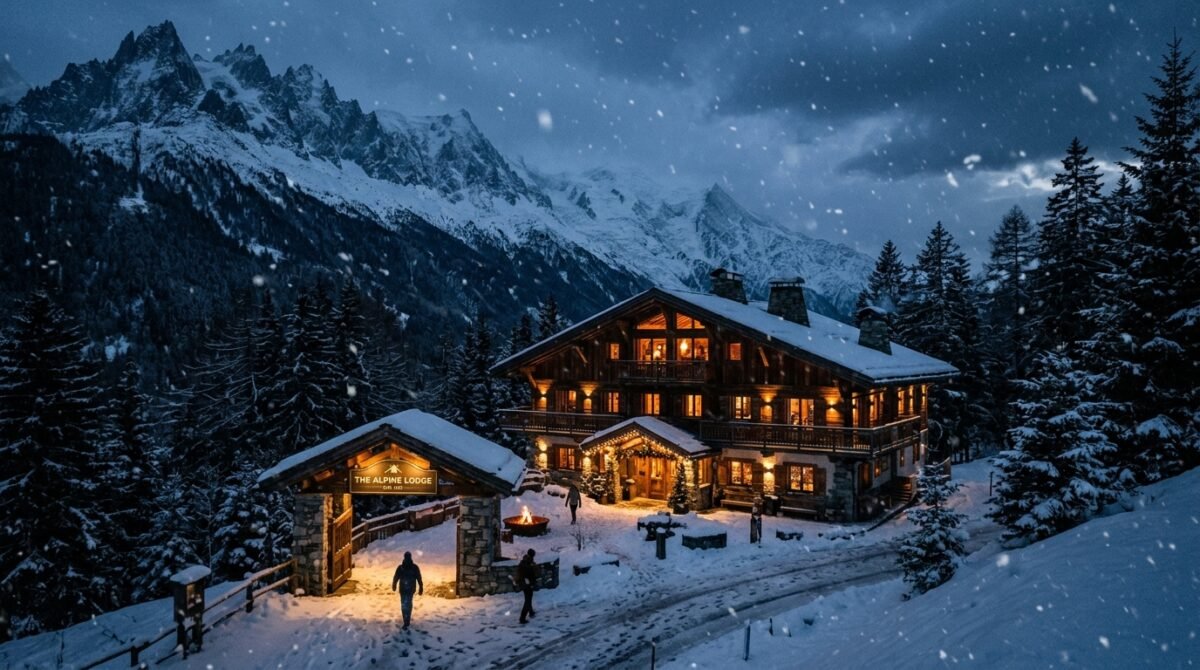
We all have that one ‘dream trip’—the kind you save for, sacrifice for, and ultimately envision as the backdrop for a milestone in your relationship. For me, it was a week at a secluded, high-end ski lodge in the Rockies. I had been funneling money into a high-yield savings account for three years, meticulously labeling it ‘Emergency and Future Growth.’ It was my safety net, the money that whispered ‘you are safe’ every time I checked my banking app.
My boyfriend, Mark, had always played the part of the supportive, ambitious partner. He talked about our future in the same breath as he talked about his career in luxury retail management. When he suggested this trip, I felt like the luckiest woman alive. It was supposed to be a celebration of our second anniversary, a time to disconnect from the city grind and reconnect with each other under the backdrop of pristine, untouched powder.
But the cracks began to show on the third night. It wasn’t a sudden explosion; it was the quiet, sickening realization that the man sitting across from me was not the person I thought he was. It started with a misplaced watch case in our luggage and spiraled into a confession so brazen it felt like a physical blow to my chest. The luxury watch on his wrist, he casually admitted, was purchased with the funds I had worked 36 months to accumulate.
In that moment, the romantic ambiance of the lodge vanished, replaced by the freezing, sterile reality of betrayal. I didn’t scream. I didn’t throw a drink. I simply went cold, a survival mechanism that kicked in when the person I trusted most revealed they had been scavenging off my security to fund their own vanity. I realized then that I wasn’t just losing a boyfriend; I was losing my faith in the very foundation of our partnership.
What follows is not just a story of a breakup, but a narrative of reclamation. It is the story of how I stood in a remote mountain lodge, looked at the man who had siphoned my life savings, and chose my own sanity over the societal expectation of being a ‘nice girlfriend.’ The silence that followed his confession was the loudest sound I have ever heard, and it was in that silence that I finally found my voice.
The Expensive Glow of a Stolen Timepiece
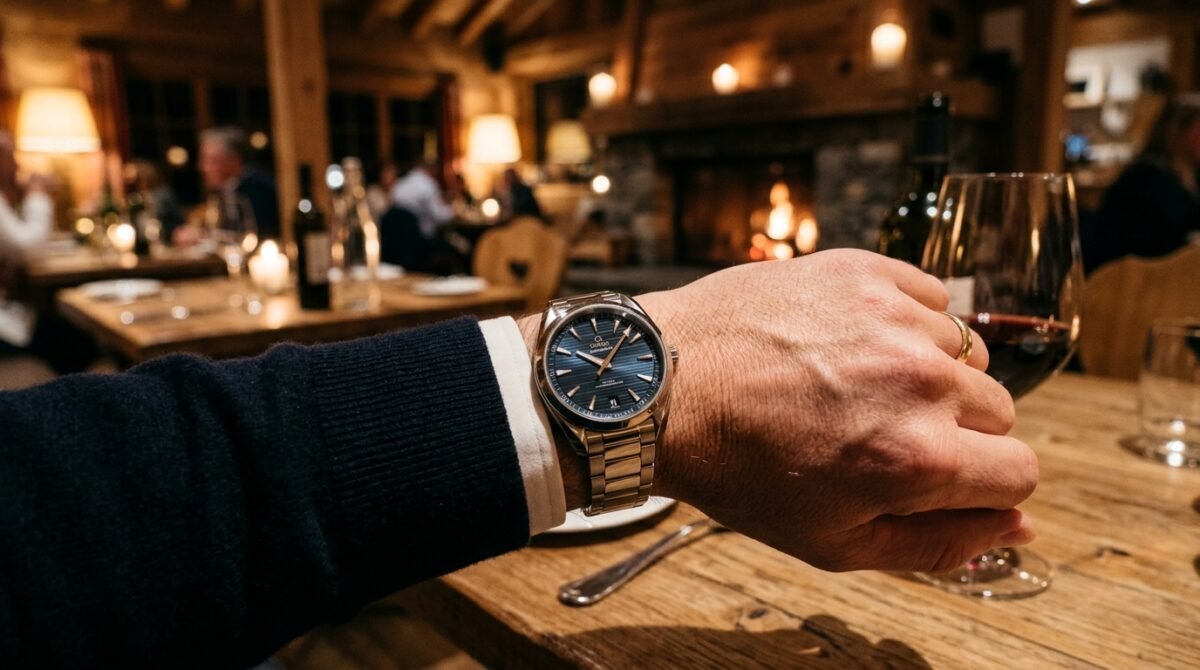
The dinner was meant to be the highlight of the trip. We were at a five-star restaurant inside the lodge, surrounded by the smell of pine, expensive perfume, and the soft clinking of silverware. Mark was wearing a new timepiece—a Patek Philippe that I hadn’t seen before. He had been checking the time obsessively, rotating his wrist to catch the dim, ambient light. When I asked him about it, he gave a vague, rehearsed answer about a ‘work bonus’ and a ‘special deal’ he had found through a client.
I felt a flicker of unease, but I pushed it down. I didn’t want to be the woman who scrutinized every financial decision. However, when we returned to our suite, he carelessly left his phone on the vanity while he went to the bar to mix a drink. A notification popped up—a banking alert from my own bank. My heart hammered against my ribs. I knew the tone of that notification; it was the one I received for every transaction over five hundred dollars.
I shouldn’t have looked. I know that now. But the sheer audacity of the notification—a transfer of fifteen thousand dollars to a ‘Luxury Vintage Watch Exchange’—shattered my resolve. I opened the app. The ‘Emergency and Future Growth’ account, which had been sitting at a comfortable balance for months, was decimated. There was barely enough left for a monthly grocery bill.
When Mark returned from the bar, he found me standing in the center of the room, my phone gripped so hard in my hand that my knuckles had turned white. The room felt smaller, the air thinner. He looked at my face, then at my phone, and the smug, satisfied expression he had been wearing all evening flickered, replaced by a momentary, deer-in-the-headlights terror. He knew.
“You took it. You took every cent of that account for a watch? A watch, Mark? That was my safety net. That was my future.”
— Me, during the initial confrontation
He didn’t apologize immediately. He started by trying to minimize the damage, claiming it was an ‘investment.’ He told me that these watches appreciated in value and that I should be thanking him for ‘diversifying our assets.’ The cognitive dissonance was staggering. He had literally stolen my ability to survive a crisis so that he could adorn his wrist with a status symbol.
The Cold Logic of Financial Betrayal
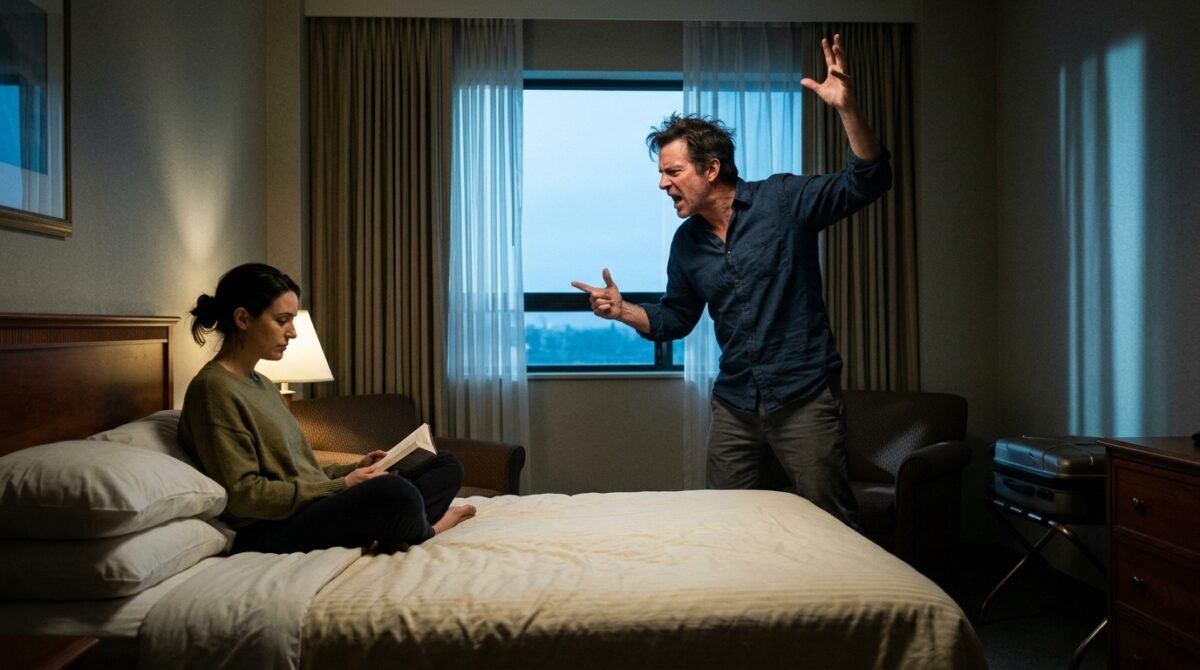
The arguments that followed were less a debate and more a deconstruction of our entire relationship. He kept insisting that because we were ‘partners,’ my money was essentially our money. He used the term ‘shared equity’ as if he were a venture capitalist rather than a thief who had hacked into my private accounts while I was sleeping. The level of entitlement was so deep, so ingrained, that he truly seemed to believe he had done nothing wrong.
I tried to explain the concept of autonomy, but he just talked over me. He started listing the things he ‘provided’—the dates, the trips, the occasional gifts. He was trying to reframe the theft as a transaction, a balancing of the books where he was somehow the one being shortchanged. It was a classic gaslighting tactic, turning his predatory behavior into a complaint about my lack of ‘generosity’ in the relationship.
Every time I brought up the fact that I had specifically told him the account was for emergencies—that I had been clear about my boundaries—he would roll his eyes. He told me I was ‘neurotic’ about money and that he had ‘saved’ me from my own financial stagnation. The irony was so sharp it almost felt like a physical threat. I looked at him and realized I didn’t know who this person was.
“I didn’t steal it. I invested it. You are so obsessed with hoarding money that you don’t understand how to make it work for us. Stop acting like a martyr.”
— Mark, during the height of the argument
He continued to pace the room, checking his watch again. That gesture, the way he cared more about the resale value of the watch than the pain he had caused, was the final nail in the coffin. I stopped crying. The heat of the anger evaporated, leaving behind a cold, crystalline clarity. I wasn’t going to spend another minute arguing with a person who didn’t view me as an equal, let alone a partner.
The Midnight Departure

I didn’t pack everything. I didn’t care about the clothes, the souvenirs, or the expensive skin care products I’d brought along. I grabbed my passport, my phone, and my coat. The lodge was miles from the nearest town, and it was nearly midnight. Outside, the blizzard had picked up, a swirling wall of white that would have intimidated anyone else. But the thought of staying one more hour in that room with him felt like suffocating.
I went to the front desk. The concierge, a sleepy man in his sixties, looked at me with genuine concern when he saw my face. I didn’t explain the full story, just that there had been an emergency and I needed to get to the airport immediately. He was kind, far kinder than the man I had left upstairs. He arranged for a shuttle, even though the roads were treacherous. He told me that safety was the priority, and he didn’t ask questions.
While I waited for the shuttle, I blocked Mark on everything. I didn’t want to hear his excuses, his justifications, or his threats. I knew he would eventually come down to the lobby, and I didn’t want to be there when he did. I spent those minutes in the lobby staring at the roaring fireplace, feeling a strange, hollow sense of relief. The money was gone, yes, but the weight of his expectations was gone with it.
When the shuttle arrived, I stepped out into the biting wind. The snow crunched beneath my boots, a sound that felt like the beginning of something new. I didn’t look back at the lodge. I didn’t look back at the windows of our room to see if he was searching for me. I just got in, buckled my seatbelt, and watched the mountain retreat into the darkness.
“I don’t know what happened between you and your guest, but you’re doing the right thing. Never let anyone make you feel small in your own home.”
— The Lodge Concierge
The drive down the mountain was harrowing. The tires skidded on the ice, and the driver kept up a steady, calming patter about his own life in the valley. I didn’t hear a word he said, but I appreciated the noise. It was a stark contrast to the poisonous silence I had left behind. For the first time in two years, I was breathing oxygen that hadn’t been filtered through his ego.
The Digital Trail of Betrayal
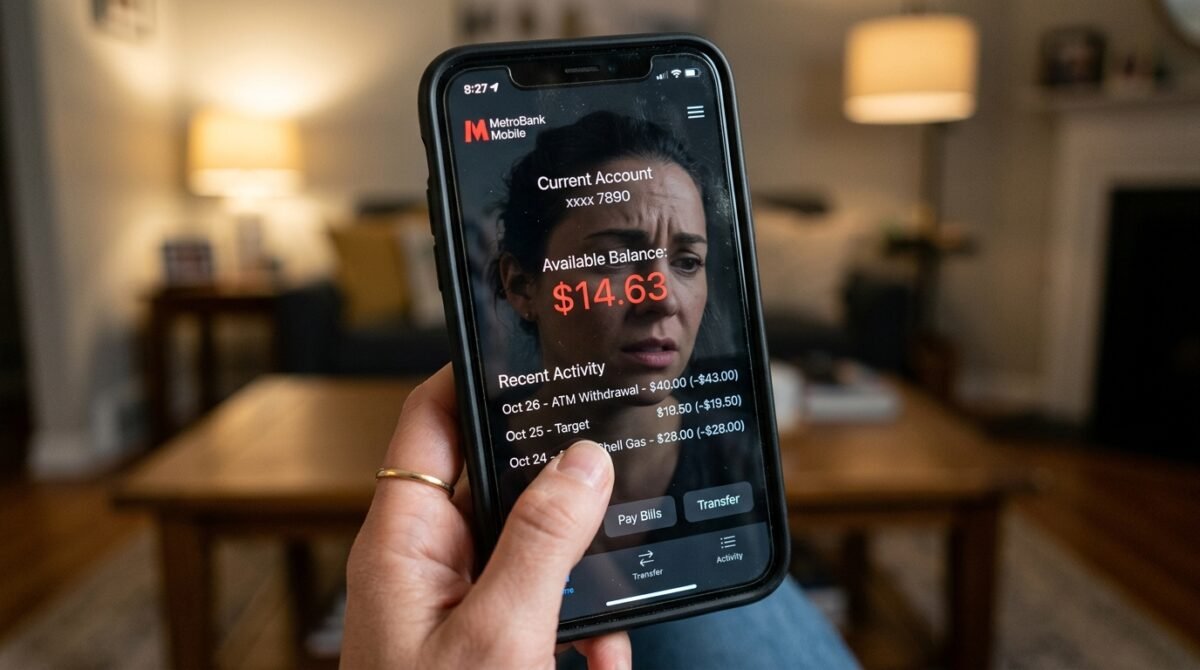
Once I reached the airport, I finally had the time to go through the digital evidence. I wasn’t just looking for the watch purchase; I was looking for the history of his entitlement. I logged into my bank account, now feeling nauseous at the sight of the empty balance. I started pulling the statements from the last six months. It wasn’t just the fifteen thousand. It was a series of ‘small’ transactions—a restaurant bill here, a hotel booking there, a mysterious recurring payment to a high-end clothing boutique.
He had been siphoning my money for months, probably since the moment he realized I had saved enough to be comfortable. He had used my account as his personal slush fund, betting that I wouldn’t notice the gradual decline. He was so confident in his ability to manipulate me that he didn’t even try to hide the transactions until he made the big purchase. It was a calculated, predatory pattern of behavior.
I took screenshots of everything. I saved the transfer records, the emails from his ‘luxury watch dealer,’ and the text messages where he would ask me to ‘check the account’ to see if we could afford something, knowing full well he had already emptied it. I was building a case—not necessarily for the police, but for my own sanity. I needed to see the proof of his villainy so I wouldn’t be tempted to fall for his inevitable apology tour.
“Hey babe, saw this watch online, thinks it’s a great investment for our future. Can you move the money from the savings account? I’ll pay you back when my bonus hits next month.”
— A text message from Mark, dated three months ago
The realization hit me that he had been grooming me to be his benefactor. He didn’t love me; he loved the security I provided. The ‘us’ he kept talking about was just a shield for his own selfishness. Seeing the evidence in black and white was cathartic. It stripped away the last lingering feelings of guilt or doubt. I was the victim of a long-con, and now, finally, the con was over.
Reddit’s Verdict: The Community Weighs In

I posted my story on a popular relationship subreddit, seeking not just validation but a reality check. Was I crazy for leaving? Was I overreacting? The response was immediate and overwhelming. Thousands of people commented, most of them echoing the same sentiment: get out, stay out, and report him if you can. The community was a mirror, reflecting back the truth I had been too close to see.
There were people who had been through similar situations—the ‘financially abusive partner’ trope was, unfortunately, all too common. They shared their own stories of theft, of broken trust, and of the long, painful process of financial recovery. Reading their comments made me feel less alone. It made me realize that my experience wasn’t a unique failure of my judgment, but a textbook case of manipulation.
“This is not a ‘boyfriend’ problem; this is a ‘felony’ problem. He didn’t just steal your money; he stole your future. Please tell me you’ve already contacted a lawyer. This is financial abuse, plain and simple.”
— u/FinanceExpert_Real (Top Comment, 32.1k upvotes)
“I am so proud of you for leaving that lodge. Most people would have stayed and argued, hoping to ‘fix’ it. You chose yourself in the middle of a blizzard. That is a level of self-respect that many take a lifetime to develop.”
— u/SurvivalModeActive (15.2k upvotes)
Some users even offered legal advice, suggesting I file a police report and get a restraining order. Others warned me about the ‘extinction burst’—the moment when a manipulative person realizes they’ve lost control and ramps up the drama. I took it all in. I didn’t necessarily agree with every suggestion, but the collective wisdom of the internet gave me the strength to stay the course. I wasn’t just a girl in a lodge anymore; I was a part of a conversation about boundaries and self-worth.
The Aftermath: The Extinction Burst
True to the warnings of the Reddit community, the ‘extinction burst’ happened exactly three days after I returned home. My phone didn’t stop buzzing. Emails, texts, DMs, calls from burner numbers—he was trying everything. He went from being ‘confused’ to ‘apologetic’ to ‘threatening’ in the span of an hour. He claimed he was ‘distraught’ and that I had ruined his life by leaving him stranded at the lodge.
He even contacted my family. He told my mother that I was having a ‘mental health crisis’ and that he was worried about my safety. It was a classic projection. He wanted to discredit me before I could tell the truth. But my mother, who had never liked him, saw right through it. She told me later that his tone was ‘too rehearsed’ and that he sounded more annoyed than concerned.
I stayed silent. I didn’t respond to a single message. I knew that any engagement would just be fuel for his fire. I had already changed my passwords, secured my accounts, and alerted my bank to the unauthorized transactions. I was in full defensive mode, building a wall between my life and his. It was exhausting, but it was necessary. The peace I felt was worth every second of his manufactured chaos.
“I don’t know what you’re telling people, but you’re making a huge mistake. I love you, and we can work through this if you just come back and talk to me. Don’t throw away two years over a misunderstanding.”
— A frantic text from Mark
I realized that he didn’t miss me; he missed the resource. He missed the safety net. He missed the person he could manipulate without consequence. When I deleted his last message, I felt a physical weight lift from my shoulders. It was the end of the chapter. The next one would be harder, but at least I was writing it myself.
Reclaiming My Financial Autonomy

The process of recovering my finances was a slow, grueling slog. I had to file disputes with my bank, provide evidence of the unauthorized access, and explain the situation to people who looked at me with varying degrees of pity and skepticism. It wasn’t fun. It was a reminder of every mistake I had made, every time I had trusted him when I should have been suspicious.
But with every document I submitted, I felt a sense of empowerment. I was taking control. I wasn’t just sitting back and accepting the loss. I was fighting for my future. I met with a financial advisor who didn’t judge me; instead, he helped me restructure my savings, set up better alerts, and taught me the importance of keeping my finances entirely separate in future relationships.
I also started a side project—a blog about financial independence for women. It was a way to channel my anger into something productive. I wrote about the red flags I had ignored, the subtle ways he had chipped away at my confidence, and the importance of having a ‘freedom fund.’ It became a way to heal, not just for me, but for the women who were currently in the same position I had been in.
“Financial independence is not just about money. It’s about the freedom to walk away from any situation that no longer serves your soul.”
— Excerpt from my blog post
The money didn’t come back overnight. Some of it, the ‘investments’ he made, were likely gone for good. But the psychological cost of the loss felt smaller every day. I was building a new foundation, one that was built on my own merit, my own work, and my own boundaries. The watch, the luxury lifestyle, the status—it all seemed so small compared to the value of my own peace.
The Silence of the Snow

Looking back at the lodge, I realize that the silence wasn’t empty. It was full of information. It was the sound of the truth finally catching up to the lies. In that environment, away from the distractions of the city and the masks we wear, the reality of our relationship had been laid bare. He couldn’t hide behind the dinner table, the expensive wine, or the Patek Philippe watch anymore.
I think about the people who are currently trapped in their own ‘lodges’—situations where they feel like they have to stay, to endure, to play the role of the supportive partner, even when they know they are being exploited. I want to tell them that the blizzard outside isn’t as scary as the rot inside. The walk out is hard, yes, but the freedom on the other side is worth every struggle.
I’ve learned to value my own intuition. When something feels off, it usually is. When someone talks about ‘us’ and ‘our money,’ but only ever spends it on ‘their’ wants, there is a problem. I’ve learned to listen to the whispers of my own conscience, and more importantly, to act on them before they become screams.
“The hardest part of leaving is the fear of the unknown. But the unknown is just a blank canvas. And for the first time in a long time, I get to decide what color to paint it.”
— My personal journal entry
The mountains are still there, I’m sure. The lodge is still there. But they don’t have the same meaning to me anymore. They are just a place where I stopped being a victim and started being a survivor. And that, I realize, is the most valuable thing I could have ever taken from that trip.
The Lessons Learned in the Aftermath

It has been six months since I left the lodge. I am in a different city, a different apartment, and a different headspace. I am still rebuilding my savings, but the progress is steady. I have a new rule: no shared accounts until there is a legal marriage, and even then, we keep our own individual funds. It’s a boundary that some find extreme, but for me, it’s a necessary safeguard.
I also learned that love shouldn’t require sacrifice of your security. If a partner wants to ‘invest’ in something, they should do it with their own money, not by siphoning off your emergency funds. And if they can’t do that, then they shouldn’t be making the investment. It’s a simple lesson, but one that I had to learn the hard way.
My social life has changed, too. I am more selective about who I let in, more observant of their behaviors, and more willing to ask the hard questions. I don’t feel the need to be the ‘nice girl’ anymore. I’d rather be the woman who stands up for herself, even if it means being alone. Being alone is a small price to pay for being safe.
“You are not a bank. You are not a safety net. You are a person with your own goals and your own future. Never trade that for anyone.”
— Advice to my younger self
The recovery isn’t linear. There are days when I still feel the sting of the betrayal, days when I wonder if I could have handled it differently. But then I remember the feeling of that cold wind on my face, the sound of the snow under my boots, and the overwhelming sense of relief when I realized I was finally free. That feeling is my compass. It reminds me that I made the right choice, and that I’m capable of surviving anything.
The Final Verdict

So, what was the end result? I never got the money back, not fully. The bank was able to reverse some of the charges, but the luxury watch was sold, and the money was spent. It was a loss, yes. But in the grand scheme of things, it was the best investment I ever made. I paid fifteen thousand dollars to learn that my boyfriend was a thief, and that I am a woman who can walk away from a bad situation with nothing but the clothes on her back and still win.
I don’t think about Mark often anymore. He is a ghost, a lesson learned, a cautionary tale. I see his social media profiles occasionally—he is still chasing the status, still trying to project an image of success that he hasn’t earned. It’s sad, in a way. He is stuck in the same loop, while I have moved on to something real, something grounded, something mine.
If you are reading this and you recognize yourself in this story—if you are being used, if you are being lied to, if your future is being stolen one transaction at a time—please, wake up. The lodge is just a building. The relationship is just a temporary state of being. You are the only thing that is permanent in your life. Protect yourself.
“You are worth more than the money they stole. You are worth the life you are going to build for yourself after they are gone.”
— Final reflection
I am grateful for the journey, as painful as it was. It taught me who I am, what I’m made of, and what I’m worth. And I’ve discovered that I am worth a lot more than any watch, any lodge, or any man who doesn’t see my value. The next chapter is mine to write, and I’m going to make sure it’s a good one.
Conclusion
The story of the ski lodge serves as a stark reminder of the hidden dynamics of financial abuse. It’s not always about grand, cinematic moments of theft; often, it’s a slow erosion of boundaries, a series of small, calculated acts that eventually leave you stranded in the cold. My journey taught me that self-worth cannot be measured by a partner’s approval or a shared bank account, but by the ability to walk away from any situation that demands you compromise your own stability.
We have all been taught to be ‘supportive’ and ‘giving’ in our relationships, but we rarely talk about the importance of being ‘secure’ and ‘protected.’ It is not selfish to have boundaries; it is necessary. The silence of the mountain lodge was my turning point, and I hope it serves as a wake-up call for anyone currently feeling the chill of a relationship that no longer provides the warmth it once promised.
Now, I turn it over to you. Have you ever realized, in a single moment, that your partner wasn’t the person you thought they were? What was the ‘lodge moment’ that changed your life? Share your experiences in the comments below—let’s talk about the hard lessons and the beautiful, reclaimed freedom that follows.
What's your verdict on this dilemma?
Vote below to contribute to the official community consensus.

Have a Dilemma Keeping You Up at Night?
Share your real-life feud, wedding chaos, or relationship crossroads anonymously with our editorial team.
What do you think ?
0 Comments🛡️ Comments are moderated to protect community integrity. Your comment will appear once approved by the editorial team.