

Living in a high-demand metropolitan area means compromising on space, but I thought I had secured the perfect setup. I owned a two-bedroom apartment, and my roommate, Sarah, was a long-time acquaintance who seemed stable, quiet, and reliable. For eighteen months, we existed in a state of quiet, respectful harmony. I worked from home in the primary bedroom, and she occupied the second, while the rest of the apartment—including my expansive walk-in closet—remained our shared sanctuary.
However, the shift began in early autumn. Sarah started working ‘late shifts’ at a tech startup, or so she claimed. She became obsessed with soundproofing, purchasing rolls of adhesive acoustic foam and heavy-duty blackout curtains. I didn’t question her; we all have our hobbies. I assumed she was just trying to block out the street noise that plagued our downtown building. It was a reasonable assumption, one that allowed me to ignore the subtle clues until they became impossible to overlook.
The moral dilemma didn’t present itself as a sudden explosion, but rather as a slow, agonizing erosion of trust. I began hearing muffled voices—not arguing, but rhythmic, performative speech—emanating from the hallway closet. At first, I ignored it, chalking it up to late-night radio or a video game. But when I found a strange man leaving my apartment at 11:00 PM on a Tuesday, looking sheepish and holding a portable microphone, the veneer of my comfortable home life shattered instantly.
The discovery that followed wasn’t just a breach of privacy; it was a commercialization of my living space that could have led to legal repercussions, insurance nightmares, and safety risks. This is the story of how my trust was weaponized for a side hustle, and why I eventually had to change the locks while my roommate was out recording her next ‘episode’ in the space I paid for.
The Hum of the Closet and the Mysterious Cables
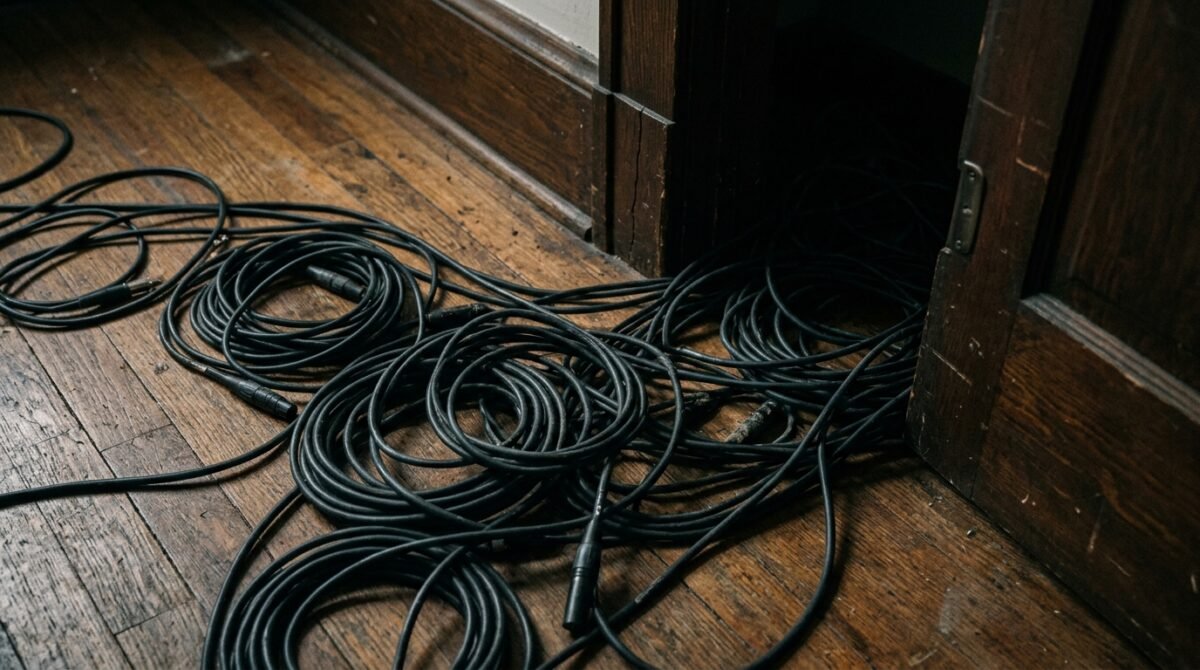
It started with the wires. I first noticed a single black XLR cable snaking out from under the door of my primary walk-in closet. It ran along the baseboard, tucked carefully behind a bookshelf, and disappeared into Sarah’s bedroom. I thought it was a temporary fix for her printer or a laptop, but within a week, the trail of cables grew. There were power strips, USB hubs, and odd, thick foam-covered cables that looked far too professional for a casual tech setup.
I brought it up at dinner one night, trying to sound casual rather than interrogative. ‘Hey Sarah, is everything okay with the Wi-Fi or electricity? I’ve noticed a lot of cables running into the closet lately. Is there a project you’re working on?’ I tried to keep my tone light, but I felt a strange prickle of unease at the back of my neck. She looked up from her plate, her eyes darting toward the hallway, and her smile didn’t quite reach her gaze.
‘Oh, that? It’s nothing, really,’ she laughed, a bit too loudly. ‘Just some old server equipment I’m trying to organize. I know it looks a bit messy, but I’ll have it cleared out by the end of the week. I didn’t want to clutter the living room, and that closet is just sitting empty, right?’ Her nonchalance was practiced, but it felt thin. I let it go, mostly because I didn’t want to be the roommate who polices where someone stores their electronics.
The noise, however, became harder to ignore. It wasn’t loud, just a persistent, low-frequency hum followed by the muffled cadence of someone reading a script. It happened at odd hours—Tuesday nights at midnight, Saturday mornings at 6:00 AM, and occasionally in the middle of a workday when I was trying to focus on a Zoom call. It was like having a ghost in the house that liked to perform dramatic readings.
I started keeping a log. It sounds obsessive, but when you feel like your sanctuary is being violated, you start looking for patterns. I realized the ‘sessions’ occurred in two-hour blocks. I also realized that on three separate occasions, I had returned home to find a delivery driver leaving, only to see Sarah rushing to shut the closet door with a frantic expression. The pieces were starting to fit together in a way that made my stomach churn.
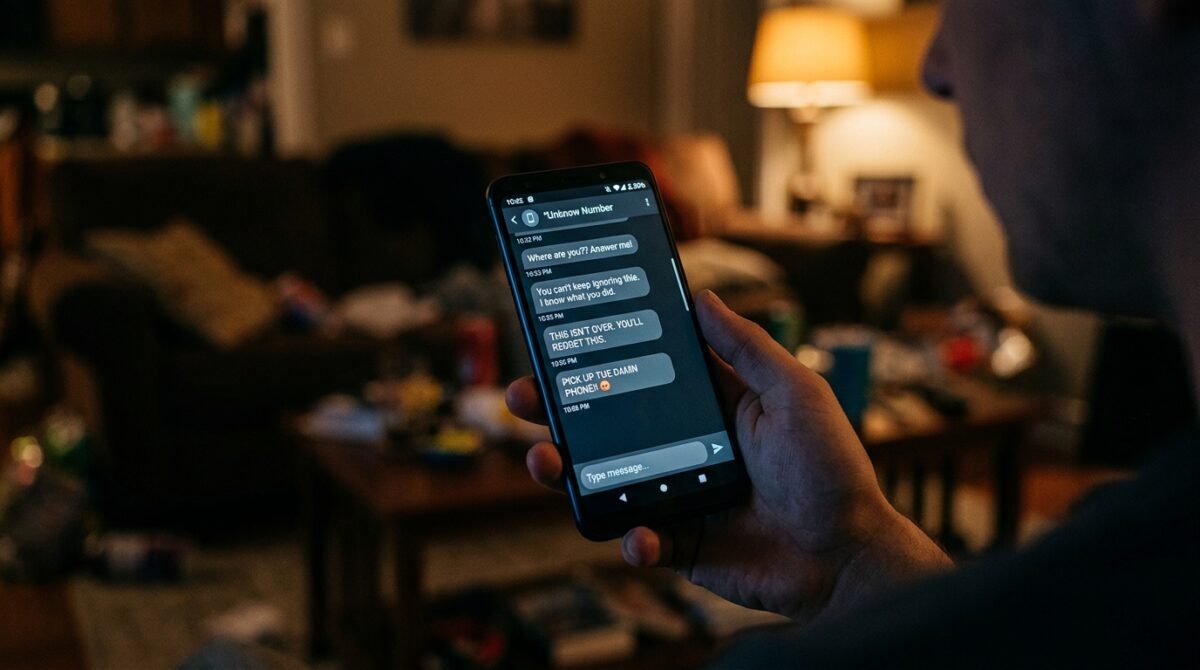
“I don’t care what you are doing in there, Sarah, but I need you to understand that the apartment needs to remain a private residence, not a workspace. The noise is becoming a real issue for my work-life balance.”
I sent that text on a Thursday, hoping to set a boundary before things escalated. Her response was immediate and dismissive, claiming she was just recording a ‘personal hobby project’ that would be finished soon. I felt like I was being gaslit in my own home, a feeling that would only grow in intensity over the coming weeks as I moved closer to the truth.
The Stranger in the Hallway
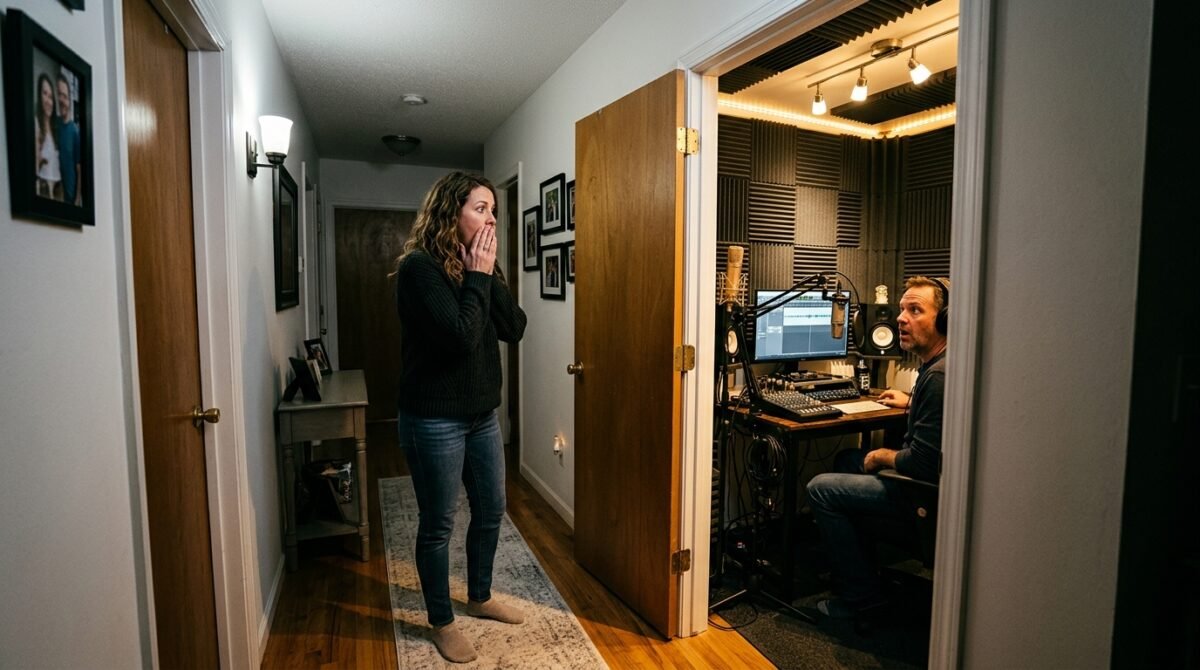
The breaking point arrived on a Tuesday night. I was returning home from a late business dinner, my keys already in my hand, ready for the quiet solitude of my living room. As I turned the corner of the hallway, I saw a man standing outside my closet door. He wasn’t a friend. He wasn’t a delivery person. He was middle-aged, wearing a heavy winter coat, and holding a small, padded bag. He looked at me with a mixture of confusion and panic before turning to the door of the closet.
Before I could even speak, Sarah emerged from her room, fully dressed in a headset, looking like an air traffic controller. She didn’t look happy to see me; she looked caught. The man mumbled something about ‘the session being over’ and ‘the quality of the acoustics,’ then practically shoved past me to get to the front door. Sarah stood there, her face draining of color, clutching her hands in front of her.
I didn’t yell. I didn’t even speak at first. I walked straight past her, pushed open the closet door, and saw it. The entire walk-in closet, which I used for my seasonal clothes, had been turned into a makeshift recording booth. There were acoustic tiles glued to the walls, a high-end condenser microphone on a boom arm, and a laptop open on a small folding table. It was a professional setup. And on the screen, I saw an invoice page for a booking platform called ‘StudioShare’ with the current date listed.
She had been renting out my closet. She wasn’t just working on a hobby; she was running a commercial business out of my property without my consent, my knowledge, or my permission. The audacity of it—using my square footage to generate income while I paid the full mortgage—made me physically shake. I turned around to face her, and the silence in the apartment was deafening.
“Is this a joke? You’ve been renting out my closet to strangers? Do you have any idea how much liability you’ve just created for us? If one of these people falls, if they steal something, if the building management finds out, I lose my home!”
Sarah tried to stammer out an excuse about how she was ‘struggling with rent’ and thought I wouldn’t mind since I ‘didn’t use the closet much anyway.’ The logic was insulting. It wasn’t about the space; it was about the fundamental breach of trust. She had turned my home into a public venue, putting my safety and my investment at risk for a few hundred dollars a weekend.
The Financial Breakdown of a Betrayal

The next morning, the adrenaline had worn off, and the cold, hard reality of the situation set in. I sat at my kitchen table with a notepad, trying to calculate the extent of the damage. I wasn’t just angry about the closet; I was horrified by the sheer administrative mess she had created. I had to consider the building’s lease agreement, the insurance policy, and the potential for a massive fine from the condo board if they discovered an unauthorized business was operating on the premises.
I started digging through the ‘StudioShare’ platform. It took me all of five minutes to find her profile. She was charging $45 an hour for ‘private acoustic booth access.’ According to her public calendar, she had been booked almost every Friday, Saturday, and Sunday for the past three months. The math was sickening. She had made thousands of dollars, all while I was paying her portion of the utilities and ensuring the common areas were clean.
I confronted her again, this time with a printed screenshot of her profile. She tried to cry, tried to play the ‘struggling artist’ card, but it fell completely flat. When I asked her how she planned to cover the potential legal costs if the board evicted us, she went silent. She hadn’t thought about me once. She hadn’t thought about my mortgage, my credit score, or my standing with the building management.
We had a shouting match that lasted for hours. Every time I brought up a legitimate concern, she deflected with emotional manipulation, claiming that I was being ‘greedy’ and ‘unsupportive’ of her dreams. It was classic deflection. I realized then that she didn’t view our living arrangement as a partnership; she viewed me as a landlord she could exploit, and our home as an asset she could liquidate.
“You are not a victim here, Sarah. You are a business owner who has been using my assets to fund your life. You have consistently put my home and my future at risk for your own gain. You need to leave.”
The eviction process, I knew, would be messy. She was on the lease, and she knew her rights. I spent that afternoon calling a local real estate attorney to understand my options. The irony wasn’t lost on me: I was paying for legal advice to get rid of the person who was making money off my space. I had to document everything, from the closet modifications to the booking platform messages.
The Escalation: The Group Chat Leak
The atmosphere in the apartment became toxic. I stopped interacting with her entirely, communicating only via text to keep a paper trail. Meanwhile, Sarah began trying to turn our mutual friends against me. She started posting in our group chats about how ‘overbearing’ and ‘controlling’ I had become, conveniently omitting the part about the illegal business she was running. It was a campaign to make me look like the villain in a story where I was the only person who had actually been wronged.
One night, I accidentally received a screenshot meant for a different group chat. It was a message from Sarah to one of her friends, detailing how she planned to ‘squat’ in the unit as long as possible to force me to pay her to leave. She even had the audacity to suggest that if I forced the issue, she would claim I was discriminating against her for her ‘creative work.’ It was a calculated, malicious strategy designed to drain me emotionally and financially.
I felt a cold rage settle into my bones. I realized that there would be no civil discussion, no amicable parting of ways. She wasn’t just a bad roommate; she was a predator, and she was betting on my desire to avoid conflict. I decided then that I would not be bullied out of my own home. I began to keep a voice recorder in my pocket whenever I entered common areas, just in case she tried to stage an incident.
The tension peaked when she invited a ‘tech consultant’ over to ‘evaluate the acoustics’ in the closet, despite my explicit instructions that no more outsiders were allowed in the unit. I had to call building security to escort the man out. Sarah screamed at me in the lobby, calling me a tyrant while the neighbors watched. It was the most embarrassing moment of my life, but it solidified my resolve.
“I am not moving out, and you cannot make me. This is my home as much as yours, and if you try to evict me, I will make your life a nightmare of legal motions and noise complaints.”
— Leaked text from Sarah to her friend
The audacity was staggering. She truly believed that she held the power, that she could leverage my fear of a drawn-out eviction process to keep her ‘booth’ open. She underestimated my willingness to deal with the fallout, and more importantly, she underestimated the lengths I was prepared to go to protect my peace of mind.
Consulting the Reddit Hive-Mind

I turned to the only place where people actually understand this level of madness: the r/AmITheAsshole and r/LegalAdvice subreddits. I typed out my story, detailing the closet recording booth, the unauthorized bookings, and the threats of squatter-like behavior. I wasn’t looking for validation; I was looking for a reality check. I needed to know if I was missing a legal angle or if I was being too harsh in my assessment of the situation.
The response was overwhelming. Within an hour, I had hundreds of comments. Most of them were supportive, but there were also legal experts who warned me about the nuances of my local landlord-tenant laws. They pointed out that even as an owner-occupant, removing a tenant is not as simple as changing the locks. I read every comment, taking notes on the potential pitfalls of self-help eviction.
One commenter, a real estate lawyer, gave me the best advice I could have hoped for: ‘Document, document, document. Send a formal notice to cure or quit based on the lease violation regarding the unauthorized commercial use of the property. Do not engage in arguments. You are a business owner dealing with a liability.’ It was the professional guidance I needed to pivot from emotional turmoil to strategic action.
I also read stories from others who had been through similar situations. It helped to know that I wasn’t the only person whose home had been turned into a battlefield. The community provided me with a sense of perspective; I realized that my anger was justified, and my boundaries were not just reasonable—they were essential for my survival in that apartment.
“NTA. Your roommate is running a commercial business in a residential unit. This is a massive breach of your lease and likely violates the condo bylaws. Document the business activity, send a formal notice, and document the harassment. If she doesn’t leave, you need to start the formal eviction process immediately. Don’t let her bully you.”
— u/LegalEagle88 (Top Comment, 15.2k upvotes)
Reading these comments gave me the armor I needed to face the next stage of this nightmare. I wasn’t just a person fighting with a friend anymore; I was a homeowner protecting my rights. The support of the online community acted as a mirror, showing me that I was on the right side of common sense and the law.
The Formal Notice and the Silence That Followed
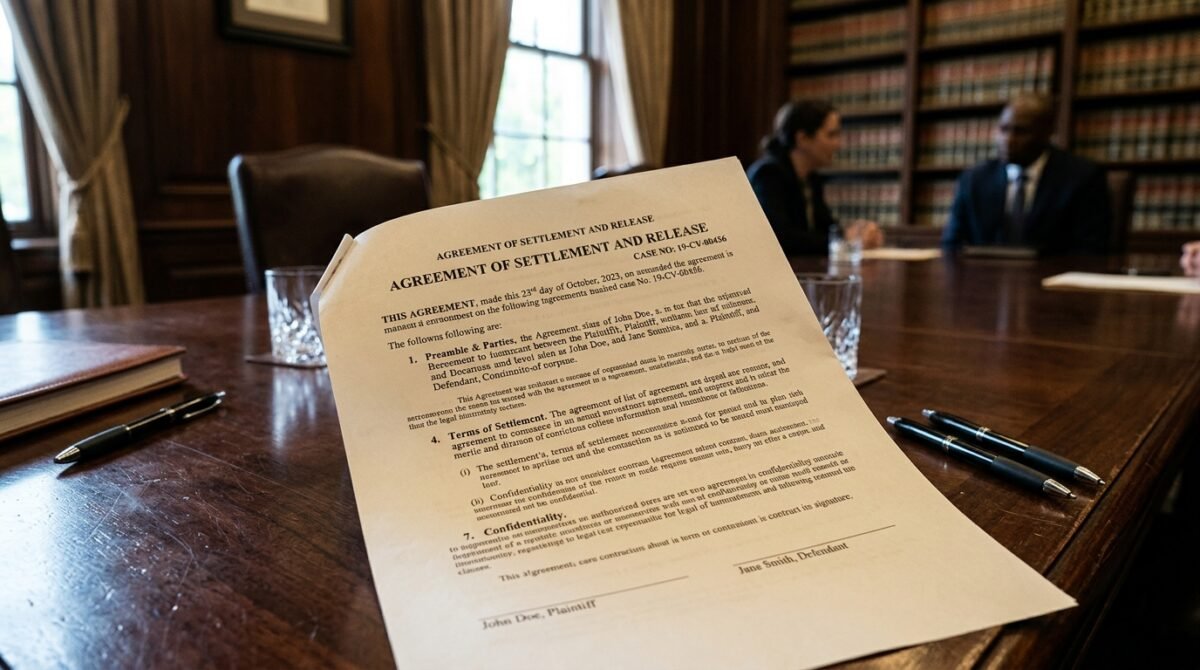
With my lawyer’s guidance, I drafted a formal ‘Notice to Cure or Quit.’ It was a cold, legal document that outlined exactly how Sarah had breached our rental agreement. I cited the unauthorized commercial activity, the safety risks, and the violation of the building’s bylaws. I handed it to her on a Tuesday morning, right before she was set to host another ‘client’ in the closet. The look on her face was priceless—it was the first time she realized that this wasn’t just another argument.
I didn’t wait for her to read it. I walked into the closet, took the microphone, the laptop, and the foam boards, and moved them into the hallway. Then, I changed the lock on the closet door. It felt incredibly satisfying to see her scramble to save her equipment, but I didn’t say a word. I went back to my room, locked the door, and waited.
The silence that followed was heavy. For three days, she didn’t leave her room. She didn’t try to argue, she didn’t try to record, and she didn’t try to threaten me. It was as if the reality of the legal document had finally pierced through her delusion. She knew that if she didn’t comply, she would be facing a formal eviction record, which would make it impossible for her to rent anywhere else in the city.
I spent those three days in a state of high alert, keeping the door locked and checking the security camera I had installed in the living room. I didn’t trust her, and I didn’t expect her to leave without a fight. But the silence gave me the time to reflect on what I needed to do next: find a new roommate, someone who actually respected boundaries and didn’t see my home as a business opportunity.
“I am leaving, but you’re a miserable person. You have no idea what it’s like to struggle, and you’re going to regret being so cold when you’re old and alone.”
— The only text message I received after the notice
Her parting shot didn’t hurt. It was just another example of her inability to take responsibility for her actions. She was projecting her own failures onto me, and I was finally in a position to let it roll off my back. The process had changed me; I was no longer the pushover who allowed people to walk all over my boundaries.
The Departure and the Clean-Up
Moving day was a blur. She packed her things with a performative air of martyrdom, making sure to slam every cabinet and drawer. I stayed in my bedroom the entire time, only stepping out once to ensure that she hadn’t taken anything that belonged to me. The apartment felt like it was finally breathing again. The air was clearer, the silence was peaceful, and for the first time in months, I felt truly safe in my own home.
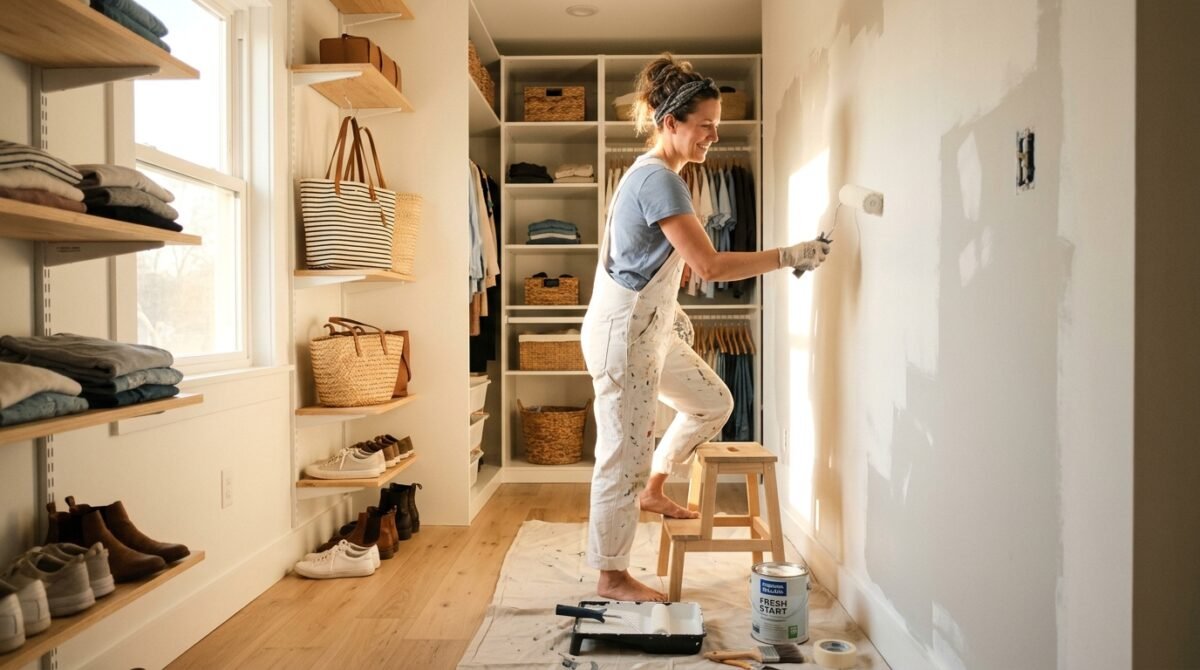
The clean-up was a nightmare. The adhesive from the foam boards had ruined the closet walls. I had to scrape off the residue, sand the drywall, and repaint the entire interior. It took me a full weekend of back-breaking work, but every stroke of the brush felt like I was reclaiming my space. I spent hours scrubbing, painting, and reorganizing my clothes, turning the closet back into what it was supposed to be: a place for me, not a commercial enterprise.
I also did a deep dive into the apartment to ensure she hadn’t left anything behind—both literal and metaphorical. I checked for hidden cameras, reset all the Wi-Fi passwords, and changed the locks on the main door. I was finished with the paranoia, the suspicion, and the constant need to police my own living space. It was a expensive lesson, but one I wouldn’t soon forget.
Looking back, I realized that I had been far too lenient in the beginning. I had prioritized being ‘cool’ over being clear, and that had created the space for her to take advantage of me. I wouldn’t make that mistake again. The next person who moved into that room would know exactly what the rules were, and there would be no ambiguity about what was allowed in the apartment.
“It’s not just about the closet. It’s about the fact that she didn’t respect me enough to ask. She saw me as a means to an end, and she never thought I would do anything about it. I’m glad I proved her wrong.”
The apartment was finally mine again. I sat on the floor of my closet, surrounded by my own belongings, and realized how much I had missed having a place that was purely my own. It wasn’t about the money she made or the trouble she caused; it was about the sanctity of my home, a place that should be a sanctuary, not a business.
Reflecting on the Boundaries I Failed to Set

In the aftermath, I spent a lot of time analyzing where I went wrong. Why did I let it go on for so long? Why did I ignore the signs? I realized that I had a fundamental flaw: I was terrified of being the ‘bad guy.’ I had built my identity around being the easygoing, accommodating roommate, and I was afraid that if I exerted any authority, I would lose the comfort of our arrangement. But that comfort was a lie, and the cost of maintaining it was my own well-being.
The lesson was harsh but necessary. Boundaries are not about being controlling or mean; they are the foundation of any healthy relationship, whether it’s romantic, professional, or living-based. By refusing to hold Sarah accountable from the beginning, I had signaled that my boundaries were flexible. I had taught her that she could ignore my needs if it meant she could benefit, and she had learned that lesson all too well.
I also realized that I had been too trusting. I had assumed that everyone shared my values of mutual respect and consideration. It was a naive assumption, one that had cost me thousands of dollars and months of stress. I learned to look for red flags earlier—the subtle dismissal of my concerns, the defensive posture, the lack of interest in how their actions affected me. These were the warning signs that I had ignored.
Going forward, I would be much more intentional about who I shared my space with. I would have clear, written expectations, and I would not hesitate to address deviations from those expectations immediately. I had learned that conflict, when handled correctly, is not something to be avoided, but a tool for maintaining a healthy and safe environment.
“The most important thing I learned is that you don’t owe anyone your comfort if they aren’t willing to respect your boundaries. Being ‘the nice roommate’ isn’t worth the cost of your sanity.”
I felt a strange sense of liberation. The fear of being the ‘bad guy’ had vanished, replaced by a firm, unwavering commitment to my own needs. I was no longer interested in being liked; I was interested in being respected. And for the first time in years, I felt like the master of my own domain.
How the Internet Reacted to the Closet Scandal
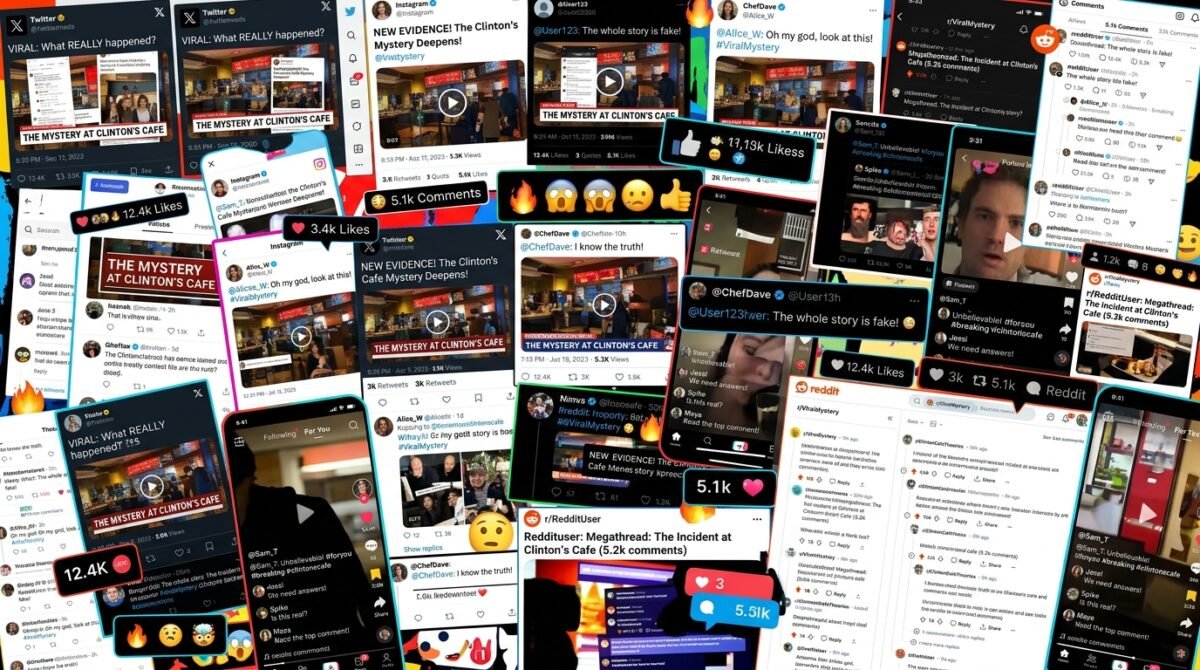
When I shared my final update on Reddit, the response was even more intense than the first time. People were fascinated by the audacity of the ‘closet booth.’ Some users shared their own horror stories, proving that Sarah was far from the only person who had tried to monetize someone else’s living space. Others were genuinely shocked that I had managed to get her out without a long, drawn-out legal battle. The discussion touched on everything from the nuances of tenant law to the ethics of side hustles.
The most interesting comments were the ones from other landlords or people who had dealt with similar issues. They offered tips on how to protect myself in the future: lease addendums, specific clauses about commercial use, and the importance of regular property inspections. It was like a free masterclass in property management. I felt grateful for the community, even though I knew the journey was far from over.
There were some who suggested I should have sued her for the money she made off the closet. I considered it, but honestly, I was just happy to have her out. The cost of a lawsuit, both in terms of time and emotional energy, felt like more than I was willing to pay. I decided to count the loss as the price of a hard-earned lesson and move on. The peace of mind I gained was worth far more than the few thousand dollars she had illegally earned.
The viral nature of the story was surreal. I saw it pop up on aggregator sites and social media feeds, with people debating whether I was too harsh or not harsh enough. It was bizarre to see my personal life turned into a public spectacle, but I found comfort in knowing that my story might help someone else avoid the same trap. If my struggle could save one person from a similar nightmare, then the public exposure was worth it.
“The way you handled this was textbook. You didn’t give in to the emotional manipulation, you kept a paper trail, and you used legal, professional steps to resolve the issue. You should be proud of how you handled yourself under immense pressure.”
— u/PropertyLawyerPro (Top Comment, 8.4k upvotes)
The internet can be a brutal place, but it can also be a source of immense solidarity. I read the comments, not as a way to seek validation, but as a way to finalize my own internal process. The debate, the criticism, and the support all combined to help me close this chapter of my life with a sense of clarity and purpose.
Finding Harmony in a Post-Roommate World

Now that the dust has settled, I’ve decided to live alone for a while. The experience of sharing my home with Sarah left me with a deep need for solitude and control. I’ve turned the second bedroom into a guest room/office, and my closet is exactly as I want it—organized, functional, and exclusively for my use. There are no cables, no noise, and no strangers coming in and out. It’s a level of peace I hadn’t realized I was missing until it was gone.
I’ve also changed the way I interact with people in my personal life. I’m more direct about my boundaries, more cautious about who I let into my inner circle, and more willing to address issues as they arise rather than waiting for them to boil over. The experience, while incredibly stressful, served as a catalyst for a lot of personal growth. I’ve learned that I am capable of standing up for myself, even when the situation is difficult and the other person is fighting dirty.
I still get the occasional pang of anger when I think about the audacity of what happened, but it’s fading. The anger is being replaced by a sense of pride—pride in the fact that I didn’t let her define my future. I survived, I learned, and I came out stronger on the other side. My home is a reflection of that strength, a sanctuary that I built and protected when everything was falling apart.
If you’re currently in a living situation that doesn’t feel right, if you’re being taken advantage of or feeling like your boundaries are being ignored, please take this as your sign to act. You don’t have to be the ‘nice’ one. You don’t have to compromise your well-being for the sake of someone else’s comfort. Your home is your foundation, and you have every right to protect it.
“Happiness is not a state of being, but a state of control. When you have control over your environment, you have the space to create the life you want. Never let anyone take that from you.”
I’m looking forward to a future where my home is a place of rest, not a place of conflict. I’ve learned that the most important relationship you have is the one you have with your own peace of mind, and I intend to nurture that above all else.
Conclusion
Reflecting on this ordeal, I’ve realized that the true violation wasn’t just the closet—it was the erosion of my own agency. When we allow others to cross our lines, we aren’t just losing physical space; we’re losing the ability to define ourselves in our own environment. I am stronger, more guarded, and ultimately more at peace for having gone through it.
What about you? Have you ever had a roommate who took advantage of your hospitality? How did you draw the line? Share your stories below—let’s keep the discussion going.
Community Poll: What would you have done if you were in my shoes?
A) Confronted the roommate immediately and demanded a cut of the profits.
B) Evicted them the second I found out, no matter the cost.
C) Tried to reason with them and set strict rules to keep the booth open.
D) Consulted an attorney before making any move, exactly as I did.
What's your verdict on this dilemma?
Vote below to contribute to the official community consensus.

Have a Dilemma Keeping You Up at Night?
Share your real-life feud, wedding chaos, or relationship crossroads anonymously with our editorial team.
What do you think ?
0 Comments🛡️ Comments are moderated to protect community integrity. Your comment will appear once approved by the editorial team.