
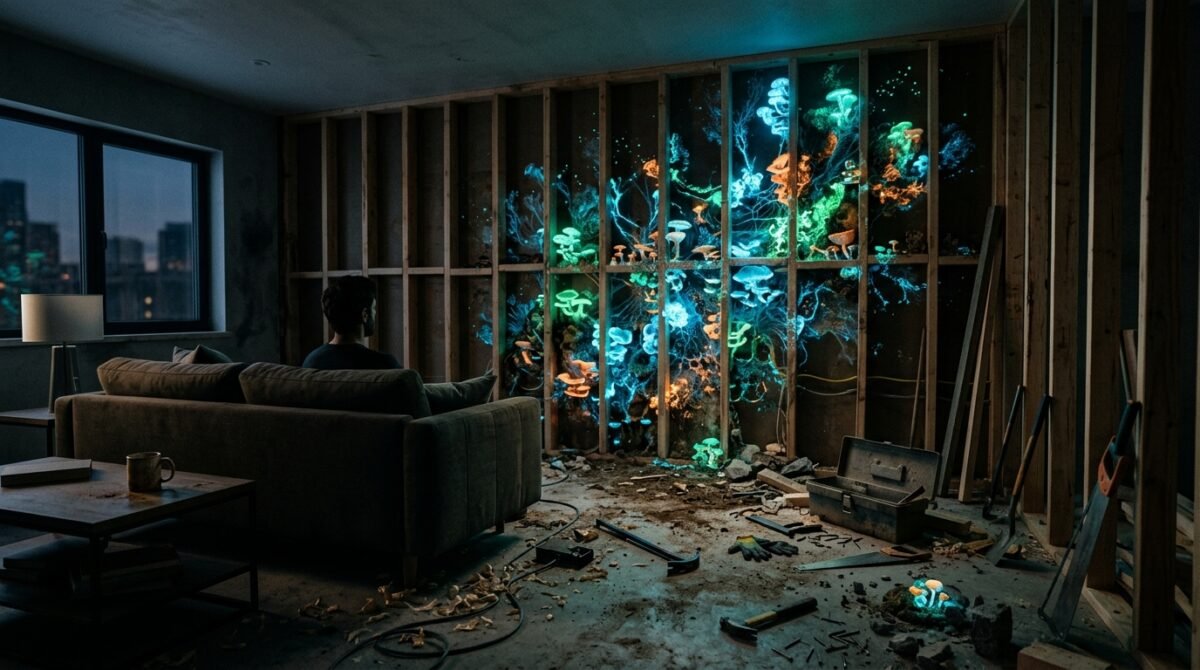
We all have that one friend who takes Pinterest inspiration a little too seriously, but most people settle for a gallery wall or a few strategically placed succulents. My roommate, Chloe, decided that the ‘biophilic aesthetic’ required a literal, living, breathing ecosystem anchored directly into the structural integrity of our rental unit. It started with a subtle shift in her Pinterest board, which quickly escalated into ‘consulting’ with mycologists online. I honestly thought it was just another one of her short-lived hobbies, like the sourdough phase or the DIY soap-making catastrophe of 2022.
I was working late at the office when she sent the first photo. It was a picture of a hammer resting against a pile of drywall dust. She told me she was ‘opening up the space’ to let the apartment breathe. What she didn’t tell me was that she was dismantling the load-bearing integrity of our partition wall to create a nutrient-rich substrate for a specific strain of invasive, rapidly-spreading fungus. When I walked through the door that night, the smell hit me like a physical blow—an earthy, damp, rotting scent that immediately signaled something had gone terribly wrong.
The moral dilemma here isn’t just about the deposit. It’s about the audacity. Chloe genuinely believes that because she brought ‘life and oxygen’ into our living space, she’s actually improved the property value. She has convinced herself that our landlord should be thanking her for the installation rather than serving us an eviction notice and a bill for five figures. The gaslighting has reached a point where she’s asking me to split the damages, claiming that since I didn’t stop her on day one, I was ‘complicit in the vision.’
This is the chronicle of how a beautiful apartment became a biohazard zone, and how a friendship based on convenience turned into a legal and financial nightmare. We are going to look at the texts, the confrontations, and the absolute absurdity of defending a wall that is currently sprouting alien-looking mushrooms while my credit score hangs in the balance. It’s a story about boundaries, madness, and the terrifying realization that some people live in an entirely different reality than the rest of us.
The Initial Pinterest Fever Dream
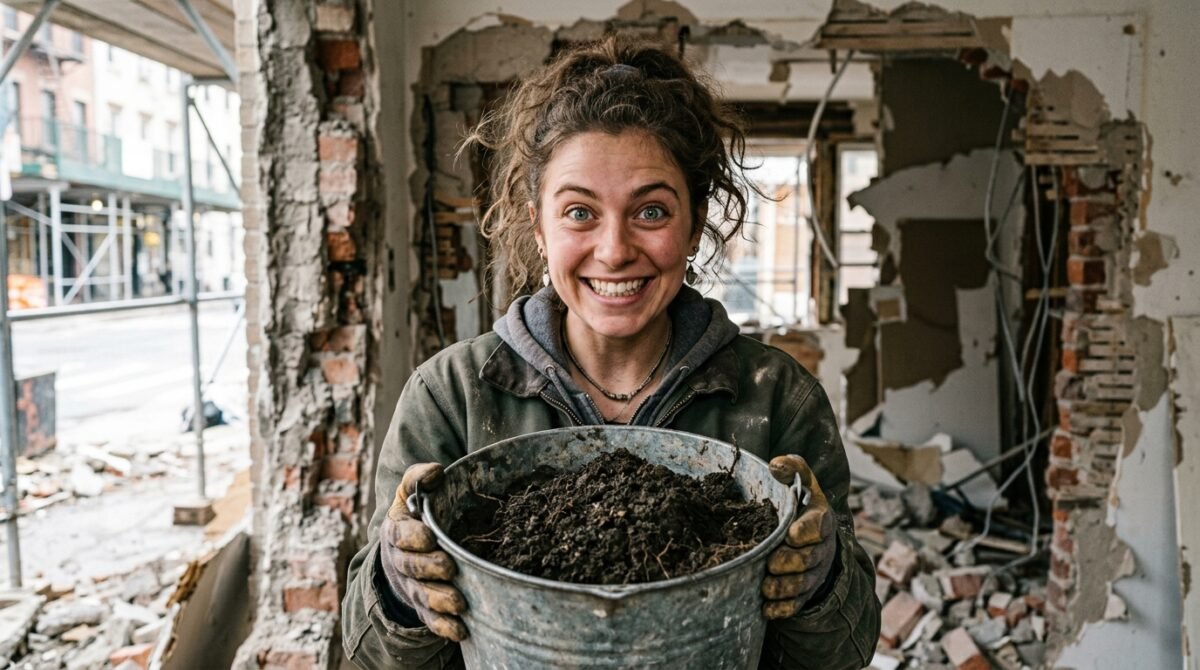
The transformation didn’t happen overnight, but it felt that way. For weeks, Chloe had been obsessing over ‘mycelium architecture.’ She kept showing me articles about sustainable building materials, talking about how concrete was the enemy of the future. I dismissed it as typical millennial nesting behavior, something she’d get bored of once the materials became too expensive or difficult to source.
I remember sitting on the couch while she paced, scrolling through her phone. She was talking about ‘myco-materials’ and ‘living structures.’ I was just trying to watch a show, half-listening, nodding along until I heard the sound of drywall cracking. It was a small sound at first, barely audible over the TV, but it became rhythmic. Thwack. Crack. Thwack.
When I finally got up to investigate, she had already cleared the artwork off the main wall. There was a pile of white dust on the floor, a growing crater in the plaster, and a look of absolute, terrifying serenity on her face. She looked at me with those wide, visionary eyes and told me I needed to stop thinking about the lease and start thinking about the ecosystem. I was so stunned I couldn’t even form a sentence. I just stared at the exposed wooden studs.
“You have to see it, it’s not just a wall anymore, it’s a portal. If we pack this cavity with the substrate, the fungus will grow across the surface, creating a living tapestry that filters the air. It’s basically self-cleaning art.”
— Chloe, during the initial demolition
I tried to explain the concept of property ownership and legal repercussions, but she just laughed. She told me the landlord would be ‘inspired’ once he saw the innovation. That was the moment I realized we were living in two different worlds. I should have packed my bags right then and there. Instead, I stood in the doorway, paralyzed by the sheer absurdity of the situation, while she eagerly reached for a bucket of wet soil and spores.
The Midnight Growth Spurt
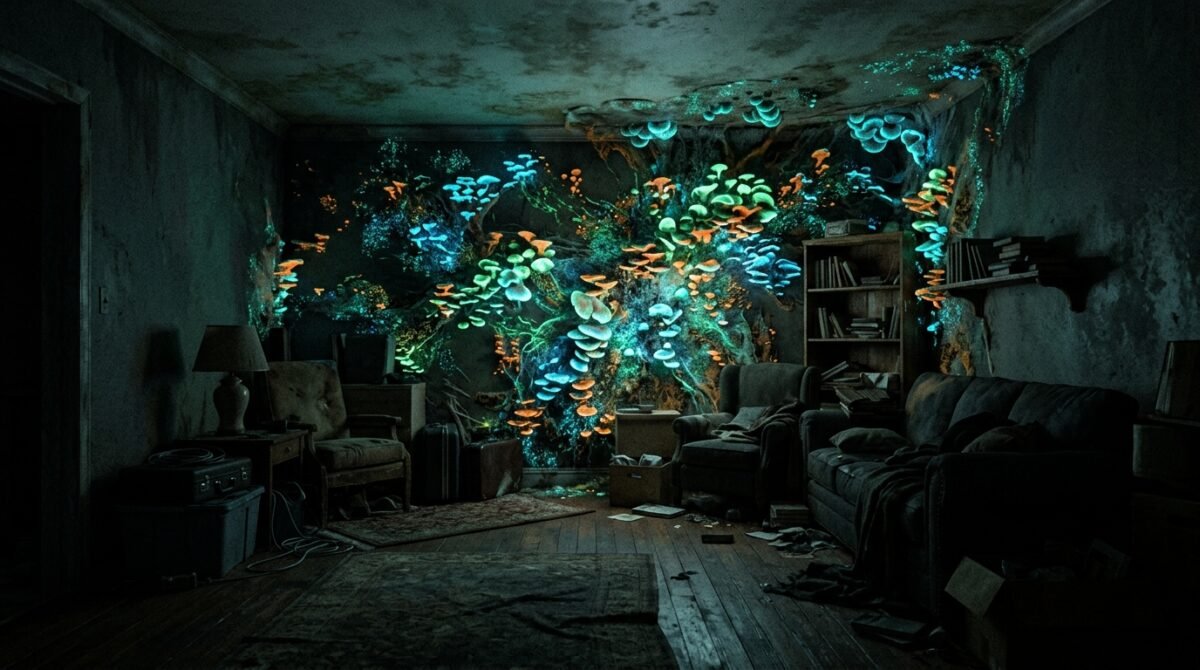
By the second week, the ‘wall’ was no longer a wall. It was a terrarium that had escaped its cage. The room temperature had spiked because, apparently, the fungus needed warmth and humidity to thrive. I found myself sleeping with the windows open, shivering, just to escape the humid, dank air that now permeated the entire living room. My clothes started to smell like damp forest floor, which is exactly as unappealing as it sounds.
Chloe was ecstatic. She spent hours every night with a spray bottle, misting the wall, whispering to it as if it were a pet. She tracked the progress with a journal, noting the ‘bloom rate’ and the ‘structural integrity of the mycelium network.’ I couldn’t even walk through the living room to get to the kitchen without getting spores on my slippers. It was like living in a low-budget sci-fi horror movie.
I started receiving notifications from the property manager. They had scheduled a routine inspection for the following month. When I brought this up to Chloe, she acted like I was a buzzkill, a person with no vision who was trying to sabotage her ‘masterpiece.’ She suggested we just cover it with a large tapestry for the inspection. She didn’t seem to realize that you can’t exactly hide a two-foot-deep hole in the wall filled with bubbling, pulsating moss.
“The inspection is next week, Chloe. We are being evicted if they see this. We are being sued for structural damage. Do you understand that?”
“You’re so focused on the rules that you can’t see the revolution. Once they see how beautiful it is, they’ll want to feature our unit in a design magazine. It’s a value-add, not a damage.”
— Our heated argument in the hallway
The denial was absolute. She wasn’t just being difficult; she was experiencing a complete detachment from reality. I started taking photos of everything, documenting the destruction in case I needed to prove to a judge that I didn’t consent to any of this. I felt like a spy in my own home, documenting the demise of my own housing security.
The Landlord’s Unexpected Knock
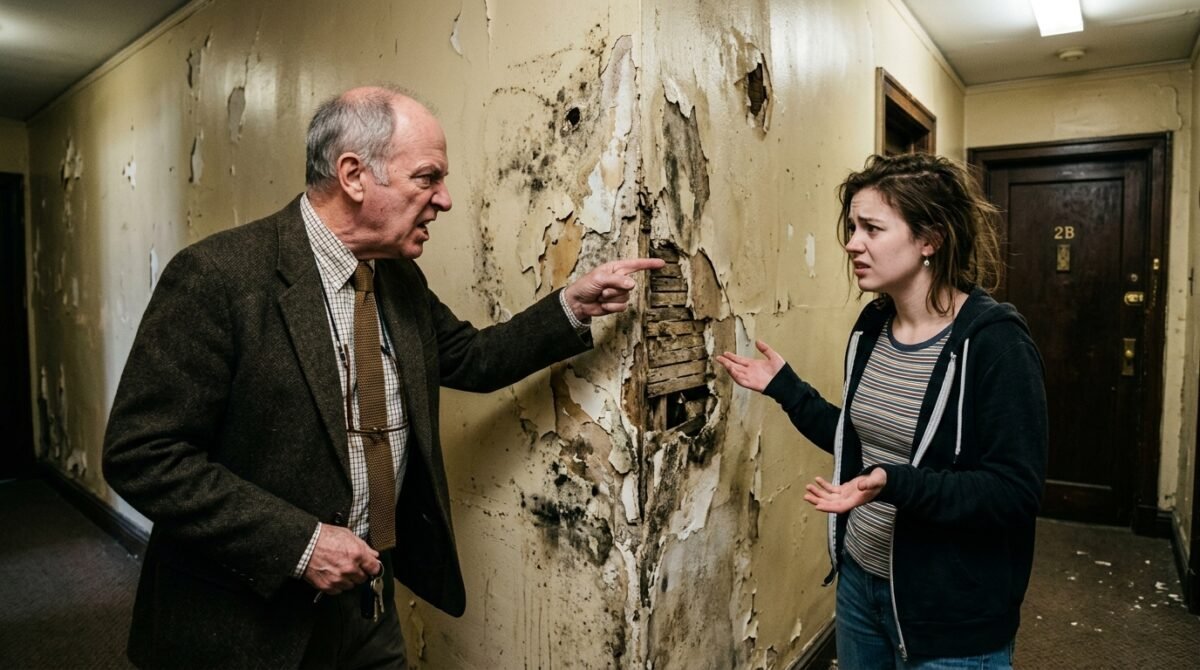
The inspection was moved up by four days. I don’t know if the neighbors complained about the smell or if the landlord noticed the spike in the building’s humidity sensors, but he showed up on a Tuesday morning while I was still in my pajamas. The look on his face when he walked through the door will be burned into my memory for the rest of my life. He didn’t even walk past the foyer before he stopped dead in his tracks, sniffing the air with visible disgust.
Chloe was still in her ‘mycelium pajamas,’ looking like she’d just spent the night tending to a garden. She greeted him with a bright smile, oblivious to the fact that he was staring at the gaping hole in the wall. The living room was a crime scene of soil, spores, and decaying plaster. The fungus was now creeping along the baseboards, reaching out like thin, white fingers.
The landlord didn’t say a word at first. He just pulled out his phone and started recording. He walked right up to the wall, touched the damp, fuzzy surface, and recoiled as if he’d been burned. The silence in the apartment was deafening. Chloe finally stopped smiling when he asked, ‘What in the hell have you done to my building?’
“You don’t understand, it’s an organic ventilation system! It’s self-regenerating!”
“It’s a health hazard, it’s a structural violation, and it’s a fire code disaster. Get your things out. Now.”
— The landlord’s final ultimatum
The sheer speed at which everything disintegrated was terrifying. He told us he was calling the city health inspectors immediately. Chloe looked genuinely hurt, as if she were a misunderstood artist being bullied by a philistine. I, on the other hand, was already mentally packing my boxes. I knew the drill—we weren’t just losing our deposit; we were going to be paying for the professional mold remediation team that would inevitably be required to strip the place down to the studs.
The Aftermath and the Bill

The eviction notice arrived by certified mail two days later. The total bill for ‘damages, environmental cleaning, and emergency structural repair’ was staggering. It wasn’t just the drywall; it was the fact that the spores had traveled into the ventilation system. The entire floor had to be vacated for decontamination. The landlord was suing for the total cost of the repairs, plus three months of lost rent from other tenants who had to be relocated during the cleanup.
Chloe’s first reaction wasn’t shame. It was a lecture about how we should hire a lawyer to ‘argue the artistic merit of the installation’ in court. She actually wanted to fight the landlord, claiming that he was stifling our creative freedom. I had to sit her down and show her the math. I printed out the invoice, highlighted the numbers, and watched as the reality finally, agonizingly, began to sink in.
The bill was split between us because, legally, we were both on the lease. Her name was on the contract, and so was mine. The landlord didn’t care who held the hammer; he cared who paid the invoice. When I told her I expected her to cover the lion’s share, she broke down, saying that I had ‘watched it happen’ and therefore had implicitly agreed to the project. It was the most blatant piece of manipulation I had ever witnessed.
“You were there every night. You didn’t stop me. You didn’t call the landlord. That makes this a collaborative project, and we should split the costs 50/50.”
“I didn’t stop you because I was terrified of you! You were acting like you were possessed. I am not paying for your mid-life crisis and your weird science experiment.”
— The confrontation over the invoice
She tried to reach out to our mutual friends, framing the story as ‘the landlord being a tyrant’ and me being ‘unsupportive of her creative expression.’ Thankfully, most of our friends had seen the pictures. The reaction was almost universally in my favor, which only made Chloe double down on her victimhood narrative. It was a bizarre, high-stakes gaslighting campaign that made me question whether I had ever actually known her at all.
The Reddit Trial: Community Verdict

I posted the situation on a popular subreddit, keeping the names and locations vague, just to see if I was losing my mind. The response was immediate and overwhelming. Thousands of people commented, most of them expressing complete disbelief. The thread became a cautionary tale about ‘roommate selection’ and ‘the importance of knowing who you live with.’
The consensus was clear: I was in no way responsible for the cost of her ‘art.’ People were telling me to get a lawyer, to document everything, and to get as far away from her as humanly possible. Some even suggested that I might need a restraining order if she continued to harass me about the bill. The validation was helpful, but it also underscored how deep the hole was—both literally and figuratively.
“This isn’t just about money, this is about a total lack of respect for shared boundaries. You aren’t ‘complicit’ for being in the same apartment as someone having a mental breakdown. Get a lawyer, file a counter-suit if you have to, and do not pay a single cent of that bill if you can help it.”
— u/LegalEagleEye (15.2k upvotes)
“Myco-wall? She literally destroyed a rental property to grow mold. This is beyond ‘artistic expression,’ this is criminal destruction of property. If I were the landlord, I’d be calling the police.”
— u/FungusFanatic (8.4k upvotes)
Reading these comments felt like a cold shower. It confirmed that my hesitation to ‘get involved’ hadn’t been a sign of agreement, but a sign of shock. The community consensus gave me the confidence to finally stand my ground with Chloe, even as she continued to send me messages about how my ‘lack of support’ was the true cause of our current financial demise.
The Final Move-Out Day
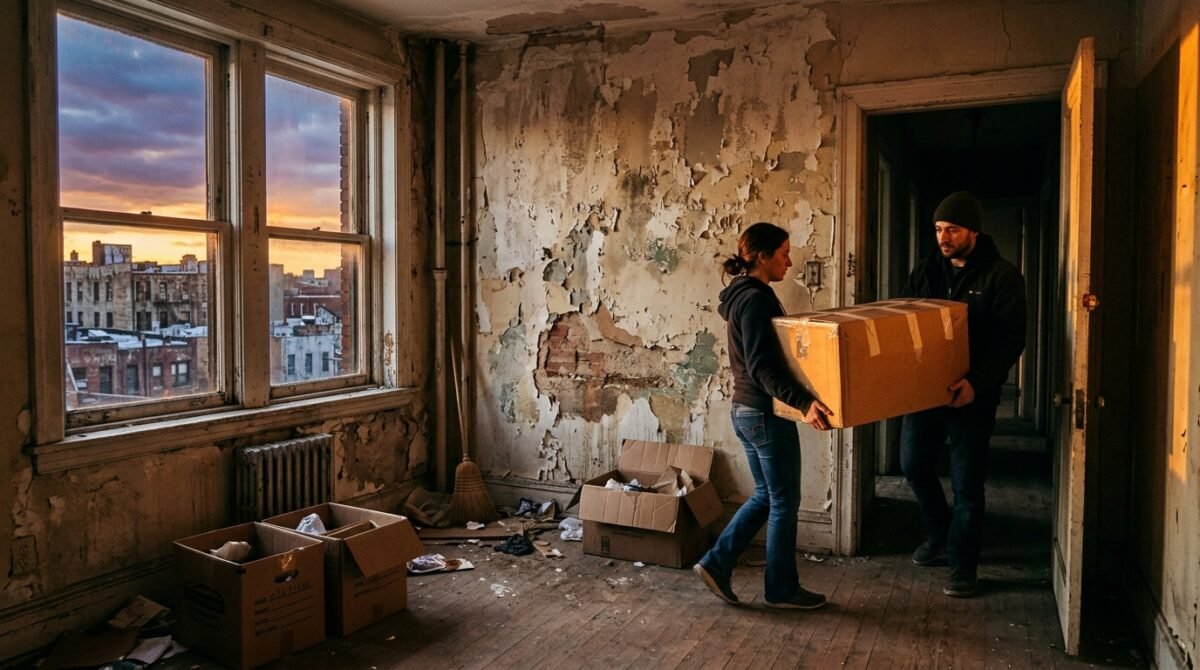
Moving out was a nightmare. The building management wouldn’t let us use the elevators during peak hours, and we had to hire a specific cleaning crew just to handle our belongings because of the fear that we had tracked spores into our own boxes. I was scrubbing my furniture with bleach for three days straight. Every single item I owned felt tainted by that damp, musty smell.
Chloe was strangely quiet during the move. She spent the time taking photos of the ‘living wall’ one last time, seemingly still in love with the disaster she had created. She acted like we were leaving a masterpiece behind, not a biohazard. I didn’t say a word to her. I just wanted to get my things out and never see her again. The silence between us was heavy, filled with the resentment of a year’s worth of bad choices.
When the last box was out, I walked through the empty apartment one more time. The wall looked even worse in the daylight. The decay had spread; there were patches of black mold now alongside the white, fluffy mycelium. It looked like the apartment was rotting from the inside out. I felt a weird sense of loss—not for the apartment, but for the friendship we once had. It felt like I was mourning a person who had died, replaced by this unrecognizable, obsessed version of her.
I handed my keys to the building manager and signed the final inspection report. I wrote ‘I did not participate in or approve of the wall demolition’ in the notes section, just to be safe. It was the final, formal act of distancing myself from the insanity. I walked out to my car and didn’t look back until I was miles away, finally breathing air that didn’t smell like damp earth.
The Legal Threatening
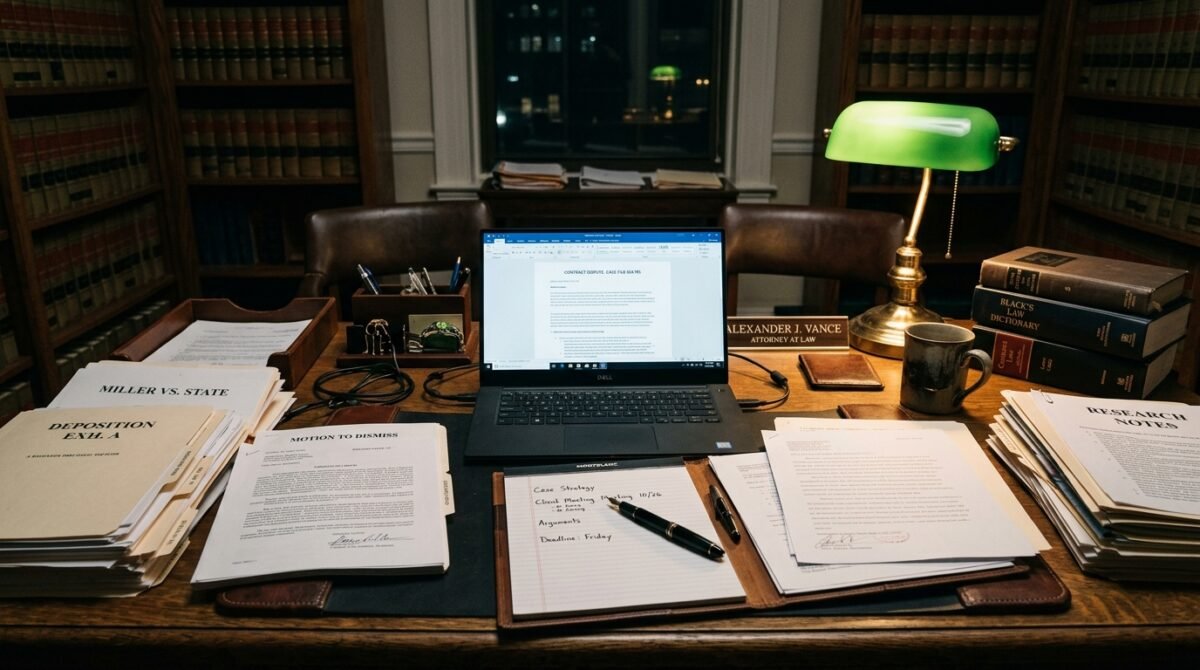
The weeks following the move were filled with lawyers and formal letters. Chloe’s parents even got involved, trying to negotiate a ‘settlement’ where I would pay 30% of the damages to ‘keep the peace.’ It was laughable. They acted as if their daughter’s hobby was a simple mistake, like breaking a vase, rather than a massive, deliberate destruction of property that had resulted in thousands of dollars of damages.
My lawyer was blunt: do not pay anything until we have a formal agreement that protects me from further liability. We filed a formal response to the landlord’s notice, clearly outlining that the damage was caused solely by Chloe, with supporting evidence—the photos, the texts, and the timeline of events. It felt good to have the law on my side, but it was still a draining, expensive process.
Chloe continued to reach out, mostly through her parents, who were increasingly aggressive. She claimed that she was ‘suffering’ because of my ‘betrayal.’ She couldn’t understand why I wouldn’t just pay up. Her entitlement was so absolute that it was almost fascinating. She really believed that as a friend, I was obligated to subsidize her madness.
“We are all disappointed that you won’t take responsibility for your part in this. Chloe is going through a very difficult time, and your refusal to help is really hurting her growth.”
— Email from Chloe’s father
I didn’t even respond to her father. I forwarded the email to my lawyer. Every interaction was a reminder of why I needed to be completely done with her. The legal battle was just the final, messy chapter of a book I had been trying to close for months.
Finding My Own Ground
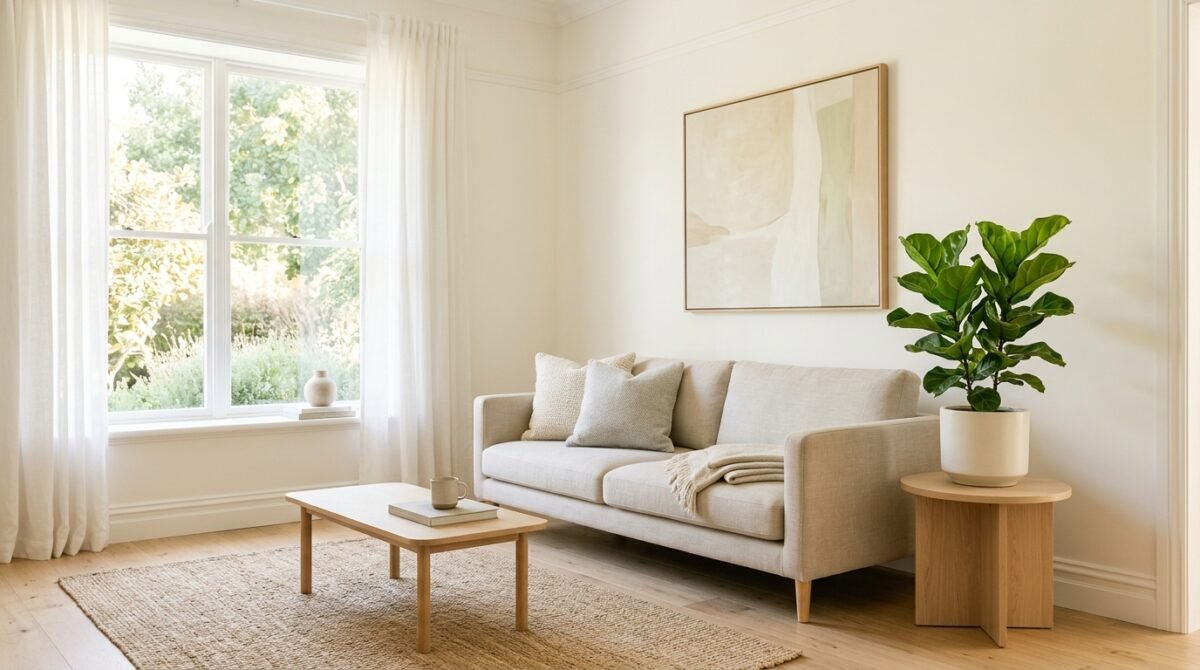
Getting my own place felt like a luxury I hadn’t realized I was missing. My new apartment is boring—plain white walls, no plants that weren’t purchased at a nursery, and absolutely zero ‘living art.’ Every time I walk through the door, I take a deep breath, just to appreciate the scent of clean, neutral air. It’s the small things that matter most after living in a biohazard zone.
I’ve started therapy to deal with the aftermath of the whole situation. It wasn’t just the money; it was the gaslighting, the constant stress, and the feeling of being trapped in someone else’s delusion. I learned a lot about setting boundaries, and why I allowed myself to stay in that apartment for as long as I did. I was a ‘pleaser,’ always trying to avoid conflict, and that trait had almost cost me my financial future.
I still get anxiety sometimes when I see a houseplant. I have to remind myself that a fern in a pot isn’t going to tear down my wall. The trauma of the ‘fungus wall’ is something that will take time to fade, but I’m slowly getting better. I’ve started reconnecting with old friends who have no connection to Chloe, and it feels like I’m finally living my own life again, rather than a supporting role in her chaotic drama.
The financial impact will be with me for a while, but it’s manageable now that the legal side is settling. I’ve learned that sometimes, the price of freedom is high, but it’s always worth paying to get out of a toxic situation. I have no regrets about the way I handled the end of our friendship, and I have even less regret about walking away from that wall.
The Final Verdict: Who Pays?

The final court mediation resulted in a partial settlement. I was cleared of the majority of the financial liability, though I still had to pay a small fee for the initial cleanup because of my name being on the lease. Chloe, however, was held fully responsible for the structural damages and the lost rent. She had to take out a personal loan, which her parents eventually ended up co-signing. The ‘visionary’ artist was suddenly grounded by the reality of debt.
I haven’t spoken to her in months. I blocked her number, her social media, and her email. I don’t know what she’s doing now, and honestly, I don’t want to know. I’ve heard rumors that she’s moved on to ‘urban gardening’ in a new place, but I try not to listen. Whatever she’s doing, it’s not my problem anymore. The nightmare is finally over.
If there’s a lesson here, it’s about the danger of ignoring the early warning signs. We all have friends who are a little ‘out there,’ but there’s a line between quirky and dangerous. When someone starts talking about changing the structural integrity of your home for an aesthetic trend, don’t wait for them to finish the project. Run. Don’t look back.
I look back on that year as a period of profound growth—not in the way Chloe meant, but in the way that truly matters. I learned how to stand up for myself, how to navigate legal and financial crises, and how to define my own home. I learned that my peace of mind is worth more than any ‘aesthetic,’ and that sometimes, the best way to support a friend is to let them face the consequences of their own actions.
Community Reflection: The Lessons We Learned

Looking back at the thread, it’s clear that I wasn’t the only one who had dealt with ‘roommate from hell’ scenarios. The sheer volume of stories about property destruction, stolen money, and complete personality shifts was staggering. It made me realize that we are all just one bad decision away from a major disaster if we aren’t careful about who we choose to share our lives with.
Many people reached out to tell me that my story had inspired them to set boundaries with their own roommates, to check their leases, or to move out of toxic environments. That, in itself, has been a reward. If my experience can save even one person from living through their own version of the ‘fungus wall,’ then the whole ordeal was worth it.
The internet can be a cruel place, but it can also be a place of incredible support. The advice I received—from legal strategy to emotional validation—helped me navigate a path that I wouldn’t have been able to find on my own. I hope that others who find themselves in similar situations don’t hesitate to reach out for help, or to trust their gut when something doesn’t feel right.
So, here is my final thought: Trust your instincts. If a wall is being torn down, and you don’t feel good about it, you are right. You are not a ‘buzzkill’ for wanting to live in a building that isn’t falling apart. You are a responsible human being, and you deserve a home that feels like a sanctuary, not a science project.
Conclusion
The saga of the fungus wall is finally closed. It was a year of madness, a year of lessons, and ultimately, a year of liberation. I am no longer defined by that apartment, that wall, or that friendship. I am in control of my own life again, and that is a feeling that no amount of money could buy.
The question I have for all of you is this: at what point does a ‘quirky hobby’ become a dealbreaker in a living situation? When does the need for creative freedom cross the line into the violation of another person’s basic security? I’d love to hear your own horror stories or thoughts on how to maintain boundaries when your roommate seems to have lost their grip on reality.
Leave a comment below and let’s discuss the blurred line between personal expression and communal living. And to those of you currently dealing with your own ‘roommate from hell’—you are not alone, you are not crazy, and there is a way out. Take the first step, document everything, and don’t let anyone else’s ‘vision’ destroy your life.
What's your verdict on this dilemma?
Vote below to contribute to the official community consensus.

Have a Dilemma Keeping You Up at Night?
Share your real-life feud, wedding chaos, or relationship crossroads anonymously with our editorial team.
What do you think ?
0 Comments🛡️ Comments are moderated to protect community integrity. Your comment will appear once approved by the editorial team.