
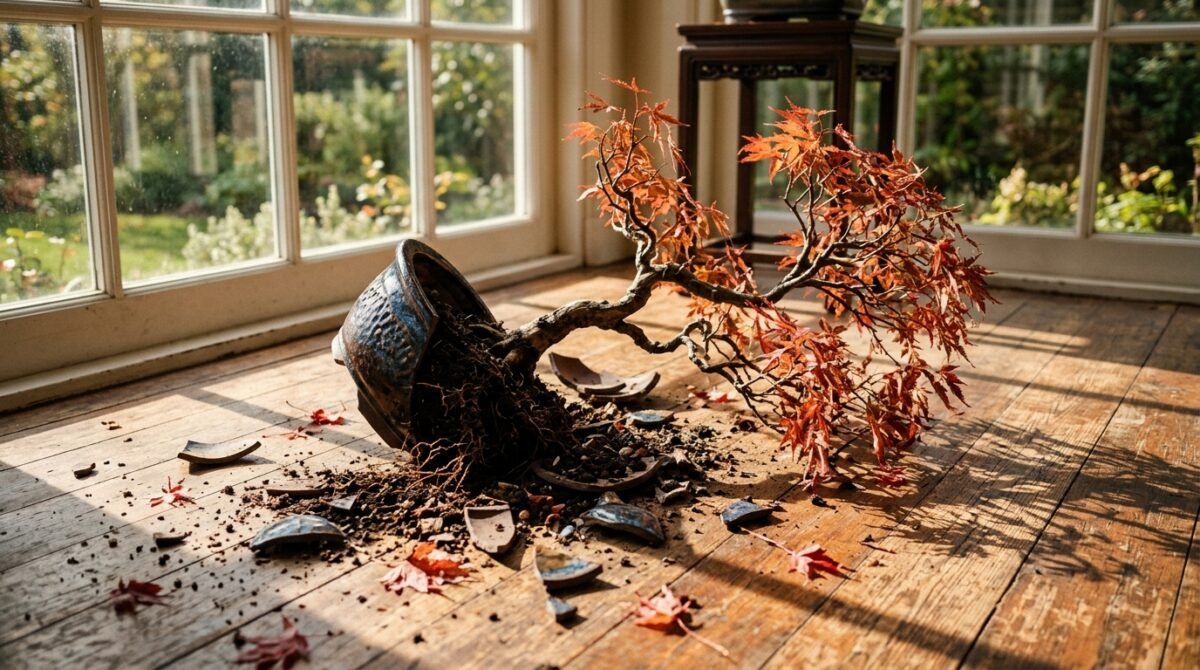
Living with someone is an exercise in compromise, but some boundaries are meant to be ironclad. For five years, I had cultivated my collection of bonsai trees—each one a living testament to patience, precision, and thousands of dollars in specialized care and soil. When Sarah moved in, she seemed like the perfect roommate: quiet, clean, and seemingly respectful of the shared space in our sun-drenched apartment. But beneath the surface, a quiet entitlement was brewing, one that would eventually manifest in the total destruction of my most prized living investments.
It started with subtle complaints. Sarah didn’t like the ‘clutter’ of my humidity trays. She insisted that my carefully calibrated grow lights were ‘messing with her aesthetic.’ I accommodated her to a point, shuffling trays and dimming lights, believing that conflict was something to be avoided for the sake of a peaceful household. I was wrong. The peace I was cultivating was merely a mask for her growing resentment toward anything that wasn’t hers.
The moral dilemma here isn’t just about plants; it’s about the fundamental respect for another person’s passion and property. When I returned home from a week-long business trip to find my collection—some of which were legacy trees passed down through my family—tossed into the hallway, dumped into trash bags, and replaced by her mass-produced nursery succulents, I didn’t just feel anger. I felt a cold, calculated realization that my trust had been completely violated.
This article chronicles the descent from a standard roommate annoyance to a full-blown financial and legal battle. It covers the gaslighting, the cold-blooded destruction of living art, and the ultimate decision to keep the security deposit as partial restitution for the thousands of dollars in damages. If you think plants are just ‘decor,’ prepare to see how deep the roots of a real betrayal can go.
The Slow Decay of Mutual Respect
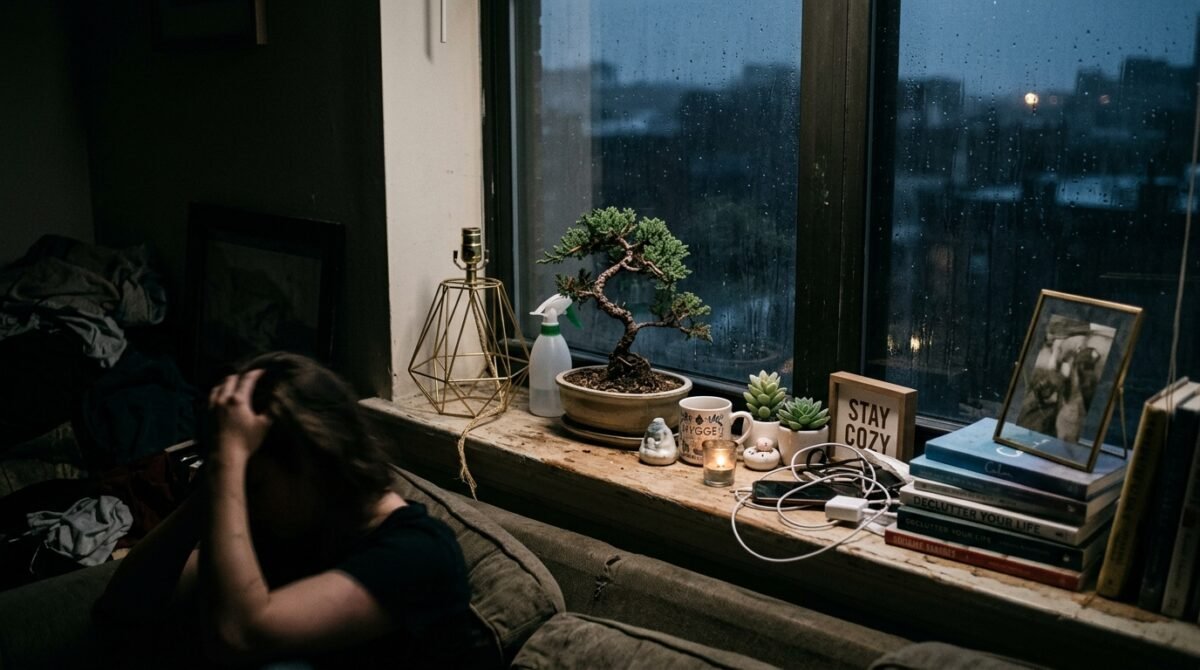
In the beginning, the apartment was a sanctuary. We had agreed on clear rules regarding common areas, or so I thought. My bonsai hobby was never a secret; the trees were prominently displayed on the south-facing windowsill, which was the only source of natural light in the living room. Sarah had initially complimented them, even asking for tips on how to keep her own store-bought pothos alive. I was foolish enough to believe we were on the same page.
The shift happened around the third month. Sarah began bringing in more and more ‘decor,’ which mostly consisted of cheap, trendy items that cluttered the limited surface space. Suddenly, the spot where my Chinese Elm sat was being encroached upon by ceramic pots of succulents that didn’t even require that much light. She started moving my humidity trays, which were essential for the trees’ survival, just to make room for her mail or coffee mugs.
“Hey, could you move these trees a few inches to the left? They’re blocking the view of my new bookshelf, and honestly, they just look a bit dusty and out of place in such a modern setup.”
— Sarah, via text message
I tried to explain the biology behind the placement. I explained that the specific micro-climate of that window was vital for the health of my trees, especially the older ones. She ignored me, rolling her eyes and implying that I was being ‘precious’ about ‘glorified weeds.’ That was the first red flag, but I chose to ignore it, thinking it was just a minor personality clash.
As the months progressed, the passive-aggression escalated. I would come home to find the grow lights turned off, despite the timers being set. I found water rings on the wood where she had moved my trees without saucers, causing damage to the communal furniture. She was testing the limits of my patience, and I, ever the peacekeeper, was failing to stand my ground.
The tension grew thick enough to cut with a knife. We stopped eating dinner together. We stopped chatting in the hallway. Every time I looked at my trees, I felt a sense of impending doom, as if they were collateral damage in a cold war I hadn’t realized I was fighting. I should have moved them to my bedroom, but I didn’t want to sacrifice their health for her convenience. That decision would haunt me.
Returning to a Scene of Horticultural Homicide
I left for a business trip to Seattle with a pit in my stomach. I had specifically asked Sarah to please, under no circumstances, touch the trays or the trees. She had agreed with a smile that, in hindsight, was entirely too saccharine to be genuine. I felt anxious the entire flight, checking my smart-camera app, which I had placed in the living room for security reasons, only to find it had been covered by a post-it note.
When I walked through the door on Sunday evening, the smell hit me first. It was the scent of damp, disturbed earth and broken branches. I dropped my suitcase, my heart hammering against my ribs. The living room had been ‘renovated.’ My heavy ceramic pots were gone from the windowsill. The space was now occupied by a sprawling ‘succulent garden’ that looked like it had been bought in bulk from a big-box hardware store.
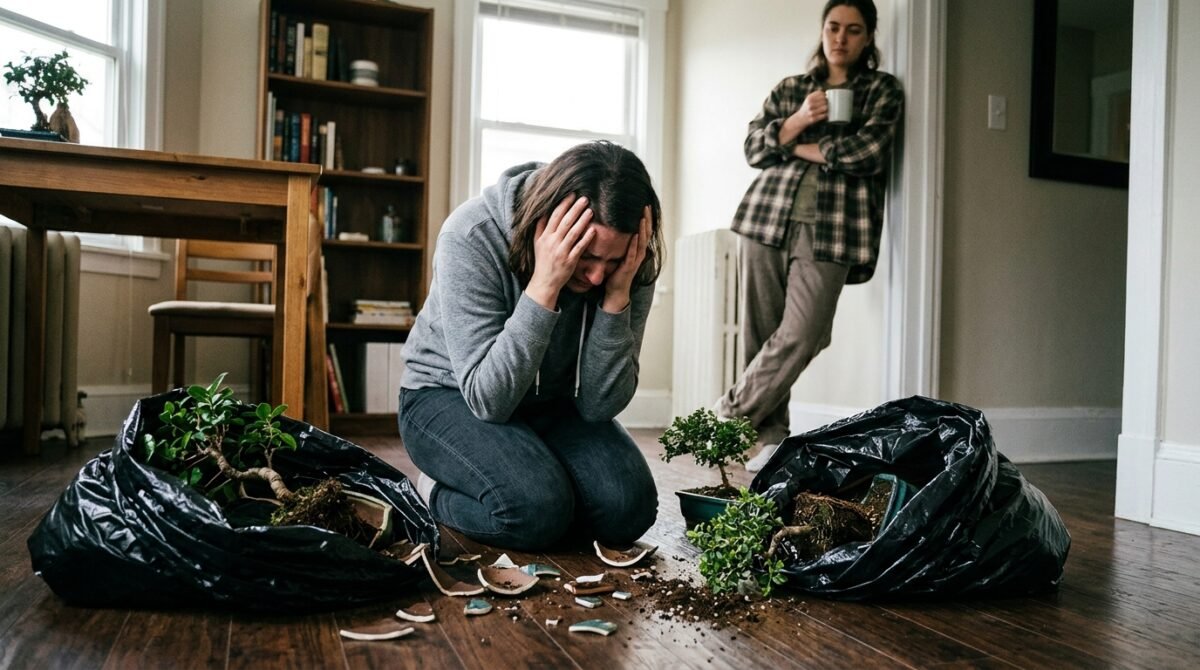
I rushed to the hallway, where I found the carnage. My trees—my beautiful, delicate, years-old specimens—had been shoved into black contractor bags. Several pots were smashed, their root balls exposed and drying out. It wasn’t just a mistake; it was a deliberate act of spite. She had discarded the life’s work I had poured thousands of dollars into, simply because she wanted a more ‘minimalist’ look for her social media feed.
“Oh, you’re back. I assumed you didn’t want those things anymore since you haven’t repotted them in months. I decided to make the living room look actually presentable for once. You’re welcome.”
— Sarah, standing in the kitchen with a glass of wine
I stared at her, unable to form words. The sheer audacity of her statement left me paralyzed. She stood there, completely unbothered, as if she had just cleaned up a pile of trash rather than destroying irreplaceable living organisms that were worth, in some cases, several thousand dollars each.
I knelt by the bags, carefully opening them to check for any survivors. A Juniper that I had been training for four years was snapped at the base. My prized Japanese Maple, which had survived three moves and a harsh winter, was desiccated, its leaves brittle and dead. The loss wasn’t just financial; it was deeply, violently personal. She had taken something that represented my peace and destroyed it for the sake of a shelf display.
The Confrontation of a Lifetime
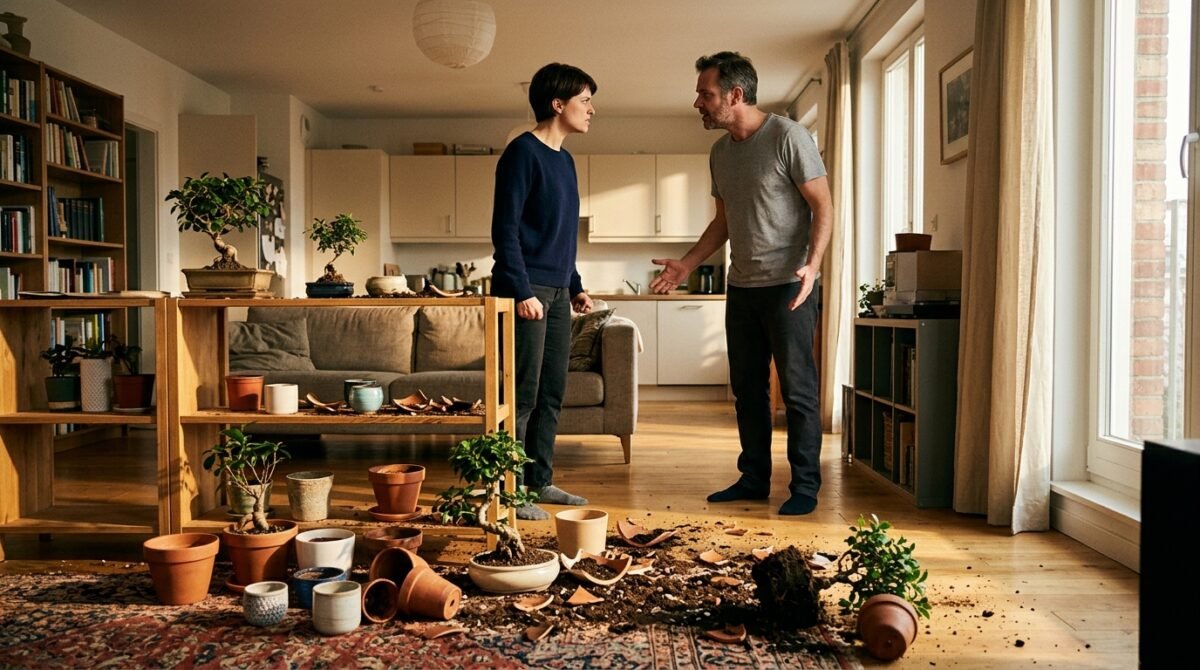
The argument that followed was the loudest thing to ever happen in that apartment. I didn’t scream, but I spoke with a cold, sharp precision that seemed to rattle her. I told her exactly what those trees were. I explained the years of wiring, the precise pruning, the soil mixtures, and the actual monetary value of the collection. I showed her receipts for the rare specimens I had imported.
She tried to laugh it off, calling me ‘obsessive’ and ‘a plant hoarder.’ She claimed that my ‘ridiculous hobby’ was taking over our living space and that she had ‘done me a favor’ by decluttering. Her lack of remorse was the most shocking part. She genuinely didn’t see the difference between a mass-produced plastic plant and a meticulously cultivated living tree.
“It’s a plant, OP! It’s literal dirt and leaves! You’re acting like I murdered your child. Get over yourself and your weird, dusty, pretentious little sticks. My succulents are worth way more than your ugly dead sticks.”
— Sarah, during the height of the argument
I looked at her, and for the first time, I saw her for what she was: someone who felt entitled to everything, and who would destroy anything that didn’t serve her immediate desire for gratification. I told her that she was going to pay for the damages. I told her that I had photos of everything before the destruction and that I would be taking this to small claims court if I had to.
She scoffed at the idea of legal action, thinking I was just bluffing to get her to apologize. She didn’t realize that I had already been in contact with a local appraiser who specialized in bonsai and rare plants for an insurance valuation. I had been planning to sell two of the trees to pay for a vacation, so I already had the documentation and professional estimates ready to go.
The conversation ended with me telling her she had 30 days to move out. I told her I would not be renewing the lease, and that I would be holding her portion of the security deposit until the damages were assessed. She turned bright red, realizing that her ‘redecorating’ project was about to become the most expensive mistake of her life.
The Financial Fallout and Legal Threats
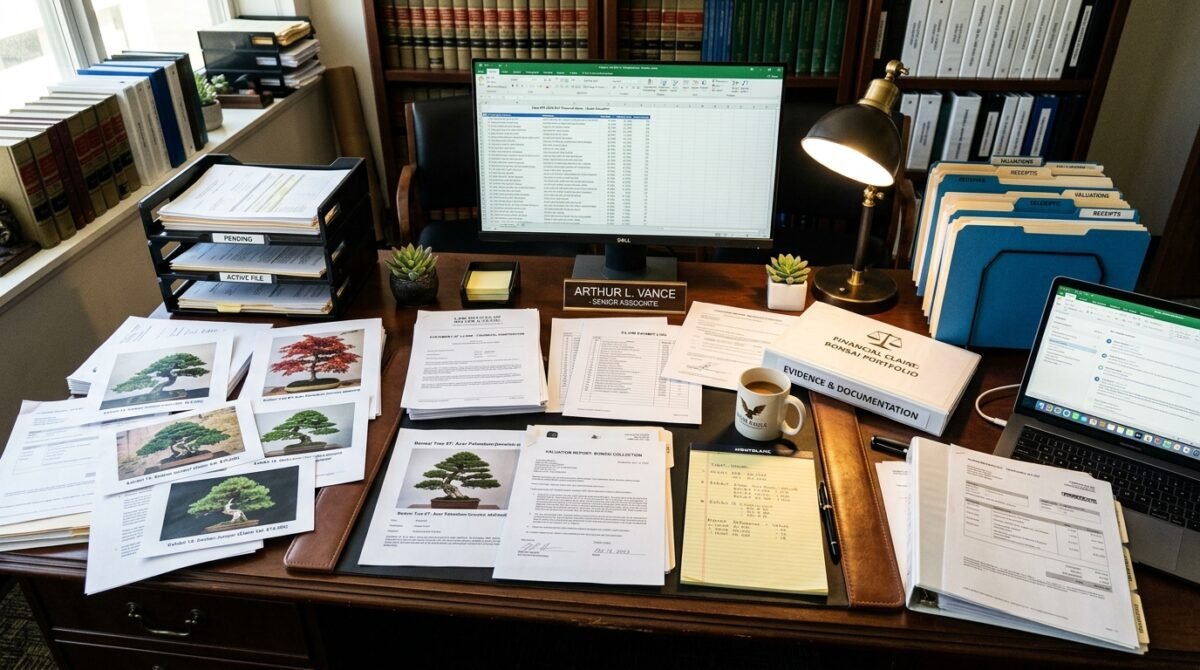
The next two weeks were a blur of lawyers, appraisers, and absolute misery. I found out that the total replacement value of the damaged collection, accounting for the age and the specialized training of the trees, exceeded $8,000. Sarah, meanwhile, was frantically texting our mutual friends, trying to frame me as the ‘crazy, controlling roommate’ who was trying to extort her.
She sent me a series of messages, oscillating between insults and desperate pleas to just ‘forget it and move on.’ She tried to claim that I had ‘abandoned’ the plants because they were in the hallway, conveniently ignoring the fact that she had put them there to make room for her own stuff. She even tried to argue that the plants were ‘a nuisance’ and that she was within her rights as a tenant to remove them.
“I’ve talked to my boyfriend, and he’s a paralegal. He says you can’t charge me for ’emotional value’ or whatever. You’re going to get laughed out of court if you try to sue me. Just drop the deposit thing and we can both move on.”
— Sarah, via text
I didn’t dignify the text with a response. I sent her a formal letter, drafted by a friend who is an attorney, detailing the specific costs for the trees, the potting materials, and the professional labor required to attempt to save the ones that were merely damaged rather than destroyed. I also included a copy of the clause in our lease agreement regarding the destruction of common area property.
Her attitude changed once she saw the legal letterhead. The bravado evaporated, replaced by a frantic sort of panic. She realized that I wasn’t playing a game of ‘who can be pettier.’ I was dealing with a clear-cut case of property damage, and the evidence was entirely in my favor. The security deposit was $2,500, a pittance compared to the actual loss, but I was determined to keep every cent of it.
I kept a meticulous ledger of everything. I documented the photos, the text messages where she admitted to moving them, the appraisal reports, and even the timestamps of the trash disposal. I wasn’t just protecting my money; I was ensuring that there would be a record of her behavior, something she could never spin to look like she was the victim.
The Internet Weighs In: The Reddit Reaction

I decided to post the situation on a popular subreddit to get an objective take on whether I was being too harsh. I laid out the facts, the cost of the trees, the history of the boundary violations, and the final act of destruction. I wanted to see if I was in the wrong for keeping the deposit. The response was overwhelming, and almost entirely in my favor.
Within hours, the post hit the front page. Thousands of people, many of whom were gardeners or plant enthusiasts, were horrified by her actions. The consensus was clear: she had committed a form of assault against my property, and the financial restitution was the bare minimum I should expect.
“Bonsai are not just plants; they are living art that requires thousands of hours of labor. This isn’t like throwing away a broken toaster. She destroyed years of your life and dedication. Keep the deposit, sue for the rest, and never look back.”
— u/GreenThumbGuru (Top Comment, 18.2k upvotes)
There were, of course, the contrarians. A few people argued that I should have been more ‘flexible’ with my space, or that I was being ‘over-the-top’ with my valuation of the trees. Those comments were quickly buried by the sheer volume of support from people who understood that property destruction is never acceptable, regardless of what that property happens to be.
The community also gave me some excellent advice on how to handle the security deposit legally. They warned me about state laws regarding withholding deposits and suggested I document everything as ‘damages’ rather than ‘fines’ to ensure I was on solid legal footing. It was a massive comfort to see that so many people recognized the violation for what it was.
The validation from strangers helped me realize that my internal compass wasn’t broken. I had felt guilty for a split second, wondering if I had been too rigid or too cold, but the community reminded me that you don’t ‘compromise’ with someone who is willing to destroy your possessions to satisfy their own vanity.
The Final Move-Out and the Cold Reality
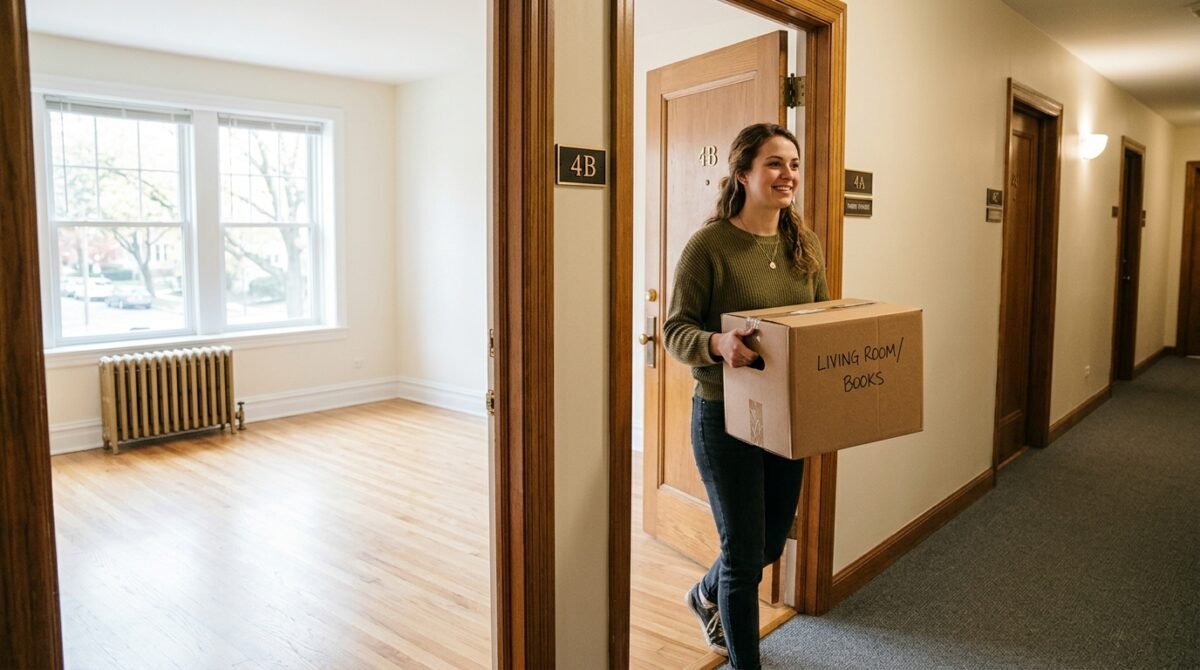
The day Sarah moved out was the most awkward experience of my life. The apartment was silent, save for the sound of boxes being dragged across the floor. She didn’t speak to me, and I didn’t speak to her. I stood in the doorway of the living room, watching her pack the very succulents she had used to replace my trees. It felt like a bizarre, twisted victory.
When she reached the security deposit point, she tried one last time to negotiate. She suggested that if I ‘just let this go,’ she wouldn’t leave a bad review for the landlord or try to contest my claims. It was a weak, transparent threat that only confirmed to me that I was doing the right thing. She had no leverage, and she knew it.
“You’re really going to hold onto this? It’s just money. I destroyed some plants, yes, but you’re making my life a living hell over something that can be replaced with a trip to the nursery.”
— Sarah, trying to guilt-trip me one last time
I looked her straight in the eye and told her that she would receive an itemized list of the damages deducted from the deposit, as required by law. I informed her that I would be filing a small claims suit for the remainder of the $8,000 the following week. Her face went pale, and she didn’t say another word as she slammed the door behind her.
As she left, I felt a weight lift from my shoulders. The apartment felt larger, lighter, and finally, it felt like *my* home again. I didn’t celebrate; I just felt a profound sense of relief. The constant, gnawing anxiety that had defined my life for the past year was gone, replaced by a quiet determination to rebuild my collection from the ground up.
I spent the rest of the day cleaning the apartment, scrubbing the floors where she had dropped soil and pots. I didn’t want a single trace of her left in my space. I opened the windows wide, letting in the fresh air, and for the first time in months, I felt capable of breathing deeply again.
Rebuilding the Legacy: A New Beginning
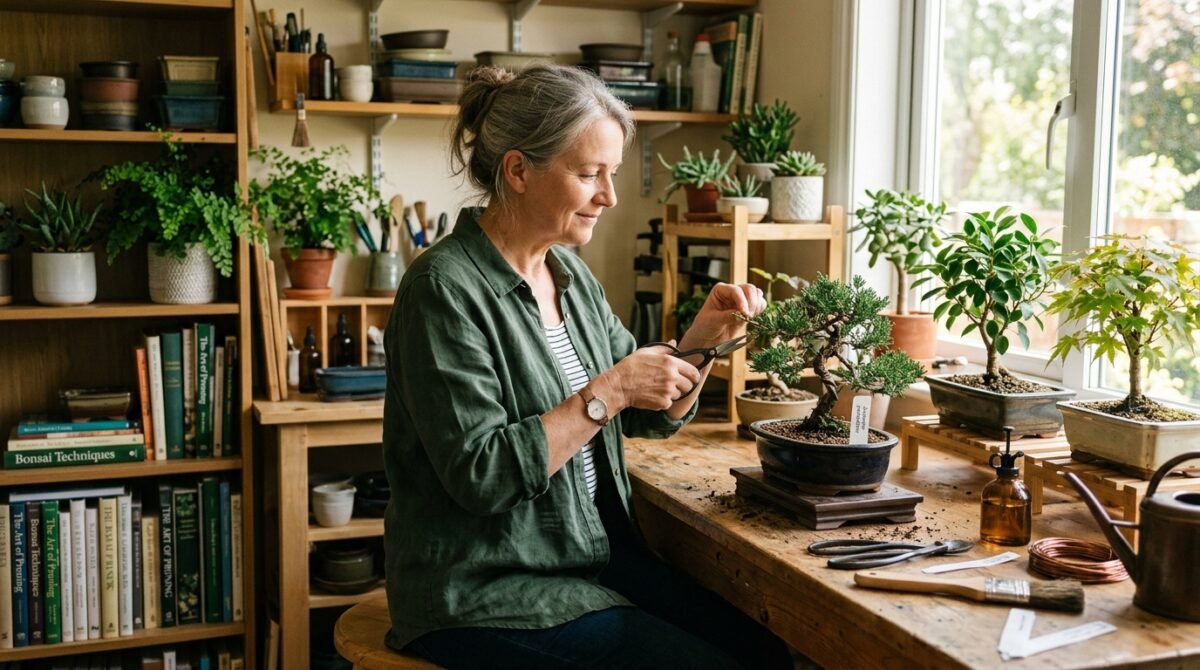
Rebuilding a bonsai collection isn’t just about buying new trees; it’s about reclaiming the time and the passion that was stolen. I started small. I went to a local bonsai nursery, one where the owners actually understood the craft, and picked up a few starter junipers and maples. It wasn’t the same, and it wouldn’t be for years, but it was a start.
I also changed my living arrangements. I moved my collection into a dedicated, climate-controlled space in my bedroom that I had converted into a mini-greenhouse. No more windowsills, no more communal spaces. I learned the hard way that when you invest in something you love, you have to protect it from those who don’t understand the value of it.
I also started a journal, documenting the growth of the new trees. It was a healing process, a way to put my energy into something productive rather than focusing on the anger of the past. Every time I wired a branch or pruned a leaf, I was reminded of why I loved this hobby in the first place—not for the aesthetics, but for the connection to the cycle of life and growth.
“The most beautiful trees are those that have survived the harshest storms. I am reminded of this every time I look at my new saplings. They are small, but they have the potential to become something far greater than what was lost.”
— A note from my personal journal
The legal process against Sarah continued, but it felt secondary to my own internal recovery. I received a settlement offer from her parents, who clearly wanted to avoid the public scrutiny of a court case. I accepted it, not because I wanted to be done with her, but because I wanted to close that chapter of my life forever.
I am finally at peace. The anger has faded into a dull, manageable memory. I have learned that the most important thing is not just to have boundaries, but to enforce them before they are violated. I’ve become much more selective about who I invite into my life, and I’ve learned that sometimes, the most important space you can protect is your own.
Lessons Learned from the Rubble
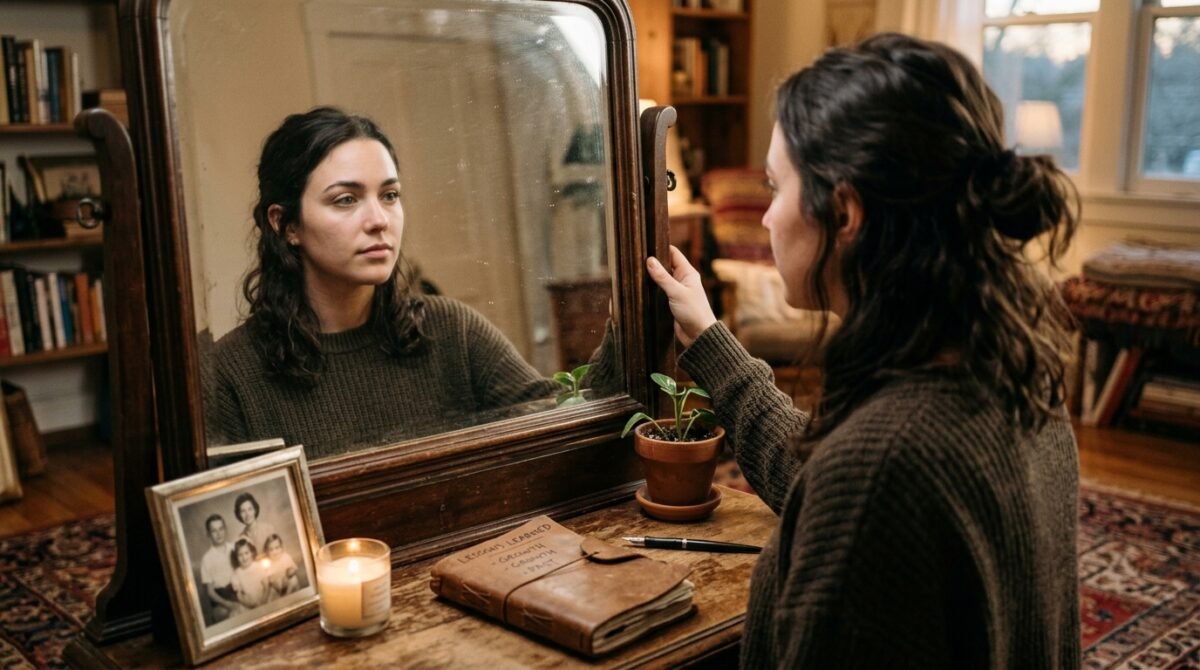
Looking back, the most frustrating part wasn’t the loss of the trees, but the realization of how long I allowed the situation to continue. I had ignored the warning signs, the petty comments, and the small encroachments on my boundaries. I had prioritized being a ‘good roommate’ over being a person who stood up for their own values.
I’ve learned that people like Sarah don’t change because you are nice to them. They change when they hit a wall—when they realize that their behavior has consequences that they cannot avoid. I had given her every opportunity to respect my boundaries, and she had chosen to ignore them because she didn’t see me as an equal, but as an obstacle to her own desires.
The financial side of things was a harsh lesson in accountability. I had assumed that most people operated with a baseline level of respect for others’ property. I was wrong. Having documentation, receipts, and a clear, written agreement turned out to be the only thing that stood between me and a total financial loss.
“Trust is a luxury, not a default. Moving forward, I have made it a point to communicate my needs clearly and to have a plan in place for when things go wrong. It has made me a more confident and assertive person.”
— My concluding thought on the ordeal
I also learned the importance of having a community. Whether it was the Reddit thread that validated my feelings or the friends who helped me navigate the legal system, I realized that I didn’t have to face these problems alone. Being open about what happened allowed me to see that my experience wasn’t unique, and that helped me feel less like a victim and more like a survivor.
I’ve moved on, but I carry the memory of those trees with me. They are a part of my history, a part of my growth, and a testament to the fact that even when things are destroyed, we have the ability to start again. I am stronger, wiser, and much more protective of the things that bring me joy.
The Aftermath: Moving Forward
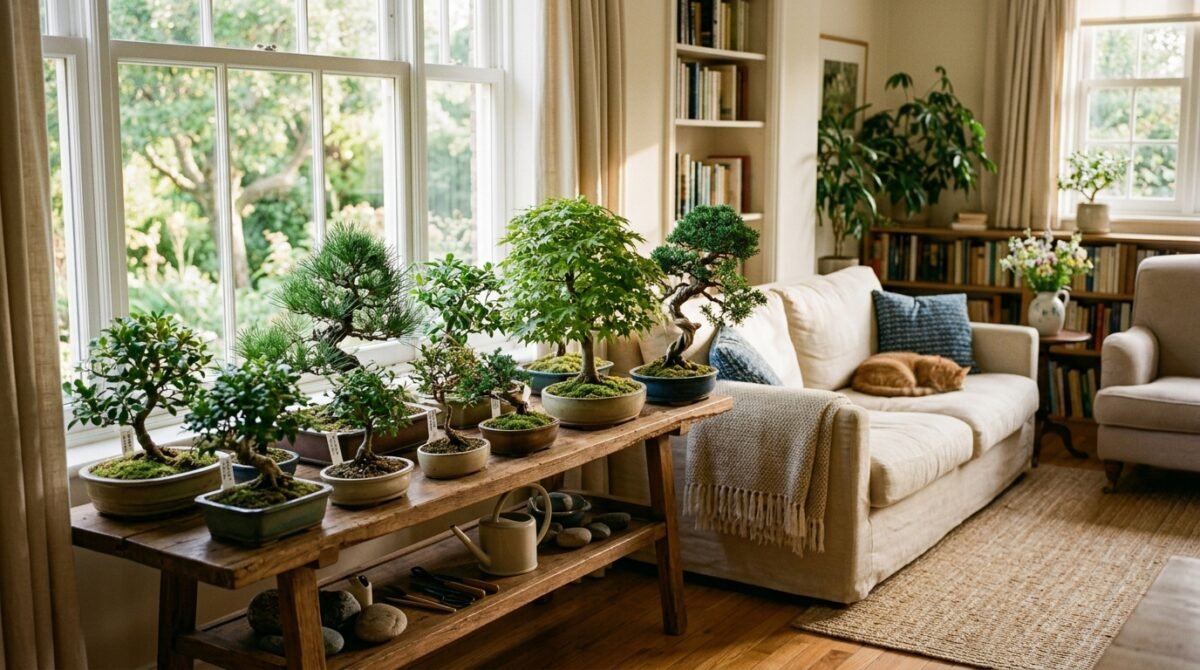
It has been six months since Sarah moved out. My life has returned to a state of calm. I have a new roommate who, while not a plant enthusiast, completely respects my space and my collection. We have clear, written rules about everything from common area usage to cleaning schedules, and we check in with each other regularly to ensure that everything is working out.
The legal case is officially closed. The settlement covered the cost of the destroyed collection and the stress of the process. I didn’t get my old trees back, but I did get the resources to ensure that my new collection can thrive. I haven’t heard from Sarah, and honestly, I hope I never do. That part of my life is well and truly over.
I still practice bonsai, and I find that I enjoy it even more now. There is something deeply meditative about the process, especially after everything I’ve been through. It’s a reminder that beauty can be cultivated, even from the most difficult of circumstances. I have even started teaching a small class at a local community center, sharing my love for the craft with others.
“Life is a series of seasons. Sometimes we lose things that we thought were permanent, but that loss creates the space for something new to grow. I’m just happy to be in a season of growth again.”
— Personal reflection
If you are in a situation where you feel your boundaries are being violated, I urge you to take action before it’s too late. Don’t wait for your ‘bonsai trees’ to be destroyed. Communicate clearly, document everything, and don’t be afraid to stand your ground. You are worth more than the convenience of someone who doesn’t respect you.
I am grateful for the journey, as difficult as it was. It taught me who I am and what I am willing to tolerate. I am finally at peace, and for the first time in a long time, the only thing that matters is the growth of my trees and the quality of my own life.
Final Thoughts: The Power of Assertiveness

In the end, this experience wasn’t just about plants; it was about the reclamation of my own agency. I allowed someone else to dictate the terms of my life for too long, and I paid the price for it. But by standing up for myself and refusing to be gaslit into silence, I took back the power that I had surrendered.
I want to encourage everyone reading this to look at their own lives. Are there areas where you are compromising too much? Are there people in your life who, like my former roommate, take your kindness for weakness and your boundaries for suggestions? If so, it’s time to reevaluate.
Assertiveness isn’t about being mean or aggressive; it’s about being clear about your values and enforcing them with firm, consistent actions. It’s about recognizing that your time, your property, and your passions have value, and that you have every right to protect them. You don’t owe anyone an explanation for the things you love, and you certainly don’t owe them a sacrifice of your happiness for their convenience.
“The strength of a tree lies in its roots, and the strength of a person lies in their boundaries. Never let anyone shake your roots.”
— A closing piece of advice for readers
I hope my story serves as a reminder that it’s never too late to draw a line in the sand. Whether you are dealing with a difficult roommate, a toxic partner, or a boundary-crossing friend, remember that you have the power to change your environment. You are the architect of your own life, and you deserve to live in a space—physical and emotional—that is safe, respected, and thriving.
Thank you for reading my story and for the support you’ve shown. It has been a long road, but I am finally standing on solid ground, and I couldn’t be happier with the view from here.
Conclusion
The story of my bonsai collection is one of loss, but also one of profound personal growth. It forced me to confront the uncomfortable reality of my own passivity and to learn the hard way that not everyone shares your values. Yet, by standing firm, I turned a moment of complete destruction into a turning point for my own self-respect.
This is a lesson for anyone currently struggling with roommate conflicts: your home should be your sanctuary. If your space is being consistently disrespected, don’t wait for the ‘trash bag’ moment to act. Establish your boundaries early, document everything, and never be afraid to put your own well-being first. The roots you nurture are the ones that define your future.
Now, I want to hear from you. Have you ever had to withhold a deposit or take a roommate to small claims court over a boundary violation? What was the moment you realized you had to draw the line? Let’s discuss in the comments below.
Poll: What would you have done in my situation?
1. Tried to mediate one last time.
2. Withheld the deposit immediately.
3. Sued for the full amount of damages.
4. Just moved out and cut contact.
What's your verdict on this dilemma?
Vote below to contribute to the official community consensus.

Have a Dilemma Keeping You Up at Night?
Share your real-life feud, wedding chaos, or relationship crossroads anonymously with our editorial team.
What do you think ?
0 Comments🛡️ Comments are moderated to protect community integrity. Your comment will appear once approved by the editorial team.