
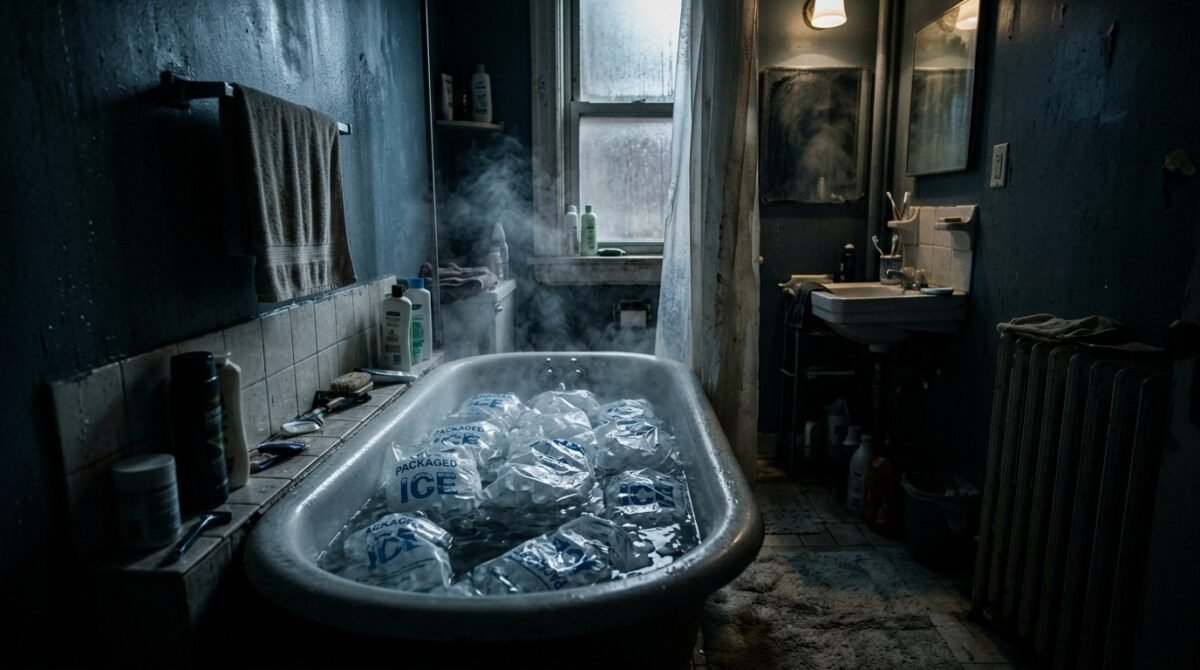
When I moved into my apartment with Sarah, I thought we had a perfect arrangement. We were both graduate students, we kept the place relatively tidy, and we shared a mutual understanding of boundaries. For the first six months, life was quiet. Then, Sarah decided she wanted to start ‘optimizing her life’ to make some extra cash while finishing her degree. I didn’t think much of it until the sound of splashing water and the heavy clink of ice bags became a daily soundtrack to my afternoon study sessions.
It started innocently enough. Sarah mentioned she was helping some friends from the track team with their recovery. I assumed she meant she was sharing her own ice packs or giving them a place to sit for ten minutes. I was entirely wrong. It wasn’t until I found a Venmo notification left open on her laptop that I realized exactly what was happening: she was running a high-turnover ice bath recovery clinic in our shared bathroom, charging undergraduates ten dollars per thirty-minute session.
The moral dilemma weighed on me heavily. On one hand, she was my friend, and we were both struggling under the crushing weight of graduate school debt. On the other hand, my water bill had tripled, the bathroom tile was beginning to crack from the constant moisture and temperature shifts, and I was losing my privacy to sweaty strangers who were constantly loitering in our hallway. I tried to talk to her, but her response was one of pure, unadulterated entitlement.
The situation reached a breaking point when she started leaving the bathroom in states of total disarray—wet towels, empty ice bags, and once, even a pair of discarded athletic socks on the vanity. When I confronted her, she laughed it off, claiming that since she was the one doing the ‘labor’ of managing the ‘facility,’ I should be grateful she was bringing in extra money to help pay for the apartment. That was the moment I realized I wasn’t living with a roommate; I was living with an accidental entrepreneur who viewed our home as a commercial asset.
Ultimately, I decided I had to act. After a particularly egregious incident where I was locked out of the bathroom for two hours while a marathon runner ‘recovered,’ I decided to contact the local housing board. I didn’t want to ruin her life, but I couldn’t continue to live in a state of constant, damp irritation. This is the story of how a small side-hustle destroyed a friendship and brought a legal hammer down on our living situation.
The Sound of Dripping and the Vanishing Ice

The first sign that something was wrong wasn’t the ice itself; it was the noise. I would sit in my bedroom, trying to focus on my thesis, only to hear the persistent, aggressive thud of heavy plastic bags hitting the tiled floor of the bathroom. At first, I assumed Sarah was just being clumsy with the groceries. I even texted her once, asking if she needed help carrying bags in. She replied with a curt, ‘All good, just prepping for a recovery session,’ which I interpreted as her own self-care routine.
Soon, the sound became rhythmic. Thud. Splosh. The hum of the water heater working overtime. The bathroom door, which used to be open, was now perpetually locked. I found myself having to knock and wait, sometimes for fifteen minutes, just to brush my teeth. The atmosphere in the apartment changed; it felt less like a home and more like a high-traffic transit lounge where people smelled faintly of chlorine and sweat.
I remember walking out to the kitchen one Tuesday evening and finding a complete stranger—a guy in a track hoodie—staring at his phone while leaning against our kitchen island. He looked at me with a mix of confusion and embarrassment. When I asked him who he was, he simply said, ‘Sarah said the tub is ready in five minutes.’ I was stunned. I hadn’t agreed to this. I hadn’t even been consulted.
The financial impact hit shortly after. When the water bill arrived, it was nearly three hundred dollars over our average usage. My heart sank. I checked the meter records Sarah had left in a folder on the counter, and it was clear as day: the sheer volume of water required to fill a tub with ice for multiple people a day was astronomical. She wasn’t just using the bathroom; she was consuming our utilities at an unsustainable rate.
I finally decided to address it. I knocked on her door, clutching the utility bill like a shield. I was nervous, but I knew I had to stand my ground. She opened the door, her hair wet, wearing a bathrobe, looking annoyed that I was interrupting her ‘work.’ I showed her the bill and asked her what she was planning to do about the rising costs. Her answer was chillingly dismissive.
“You’re really going to sweat the utility bill when I’m bringing in hundreds a week? It’s just water, Sarah. Get over it.”
— Sarah, during our first confrontation
I realized then that she didn’t see this as a problem for the household. She saw it as a private business venture where I was merely an underpaid utility investor. The conversation went nowhere, and as she closed the door in my face, I realized that living with her was no longer a matter of simple roommate discord; it was a matter of exploitation.
The Venmo Trail of Evidence

I knew I needed proof before I could confront her again or speak to the landlord. One afternoon, when she left her laptop open in the living room while she was out running errands, I made the difficult decision to look. I didn’t want to be the kind of person who snoops, but my living situation was becoming untenable. What I found was staggering. Her Venmo transaction history was a feed of payments—’Ice bath,’ ‘Recovery session,’ ‘Tub rental’—all from different students.
The amount of money was significant. She was making upwards of four hundred dollars a week. She wasn’t just doing this for friends; she was advertising on a campus subreddit. She had turned our primary bathroom into a commodified recovery clinic. I took screenshots of the transaction history and the ads. I felt a surge of adrenaline and guilt, but mostly, I felt justified. She wasn’t just being a bad roommate; she was conducting a commercial business in a residential unit, which was a direct violation of our lease agreement.
I spent the next two hours documenting everything. I noted the dates and times I had seen strangers in our common space. I recorded the frequency of the ice deliveries. I even found a folder on her desktop labeled ‘Business Expenses’ where she had categorized the ice, the cleaning supplies, and—incredibly—a portion of the rent and utilities she was ‘writing off’ against her profits. The audacity was breathtaking.
When she returned, I didn’t say a word. I sat in my room, listening to the familiar thud of bags and the sound of the tub filling. I knew that I couldn’t just have a ‘roommate chat’ anymore. The relationship had crossed a line from ‘annoying’ to ‘legally hazardous.’ If the landlord found out we were running a business, we could both be evicted. My name was on the lease, too.
I felt a deep sense of betrayal. We were supposed to be building our futures together, yet she was willing to jeopardize my housing status for a few hundred dollars of extra pocket money. I realized that she didn’t view our shared space as a sanctuary, but as a resource to be mined. I started looking up the local housing regulations, specifically regarding home-based businesses, and the statutes were clear: unauthorized commercial activity was grounds for immediate lease termination.
“I’m doing this for our future, okay? If I can save enough, I can move out and get my own place. Why can’t you be supportive?”
— Sarah, when confronted with the evidence
Her defense wasn’t that she was innocent; it was that she was entitled to do whatever she wanted because she wanted to move out eventually. The logic was circular and entirely selfish. There was no room for discussion, no empathy for my position, and certainly no apology for the strain she was putting on our domestic environment.
The Escalation to the Housing Board
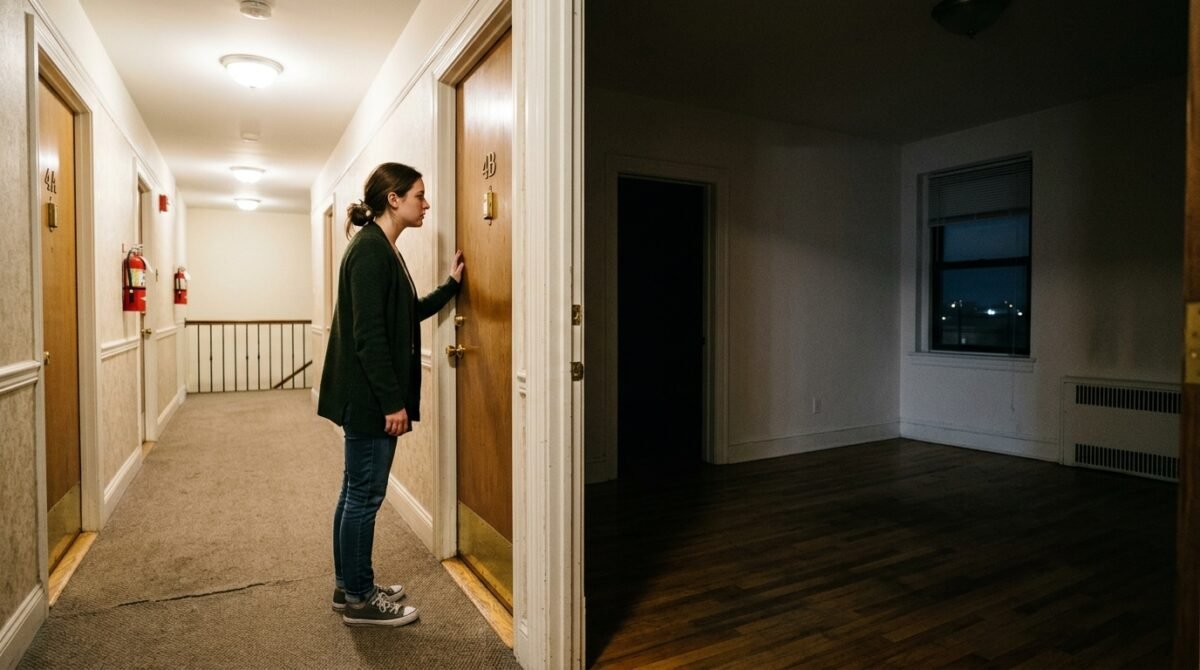
I didn’t report her immediately. I gave her one final chance. I sat her down and told her that she had to stop the business by the end of the week, or I would be forced to contact the landlord and the housing board to protect myself from eviction. I was calm, clear, and firm. I told her that if she wanted to run a recovery clinic, she needed to find a commercial space, not a shared apartment. She laughed in my face, telling me I was ‘too scared to actually do anything.’
The next morning, she had two more athletes scheduled for 8:00 AM. That was it. I didn’t yell. I didn’t cause a scene. I simply picked up my phone and called the local housing office. I reported the situation as an unauthorized commercial use of a residential property. I provided the evidence I had gathered: the screenshots, the utility bills, and the logs of the strangers entering the apartment. The representative on the other end was surprisingly professional and thanked me for ‘flagging a safety and zoning violation.’
By noon, a representative from the housing board had called our landlord. I was at the library when the phone started blowing up. Sarah was calling me, texting me, and leaving voice messages that ranged from panicked to absolutely furious. She had no idea what was happening, only that the landlord had just walked in unannounced and found a track star sitting in our bathtub full of ice.
“Are you joking?! The landlord is here and he is LIVID. He says we’re being evicted. What did you do? You’ve ruined everything!”
— Sarah, via text message
I didn’t reply. I knew that if I engaged, I would only end up in a shouting match. I stayed at the library until the sun went down, waiting for the dust to settle. I knew that when I went back to the apartment, everything would be different. The bridge wasn’t just burned; it had been demolished with a wrecking ball.
When I finally returned, the apartment was eerily quiet. The bathroom door was open, the tub was empty, and the smell of industrial cleaning spray was overpowering. Sarah was sitting on the couch in the dark. She looked up at me, her eyes red, and said nothing. The silence was the loudest thing I had ever heard. I didn’t feel a sense of triumph. I felt a hollow, cold dread.
I realized that while I had protected my legal standing, I had also created a situation where I was now living in a war zone. The eviction notice wasn’t immediate, but the landlord had given us thirty days to either rectify the situation or face legal action. We were essentially trapped in a apartment together, both knowing that the trust was permanently broken.
The Thirty-Day Standoff
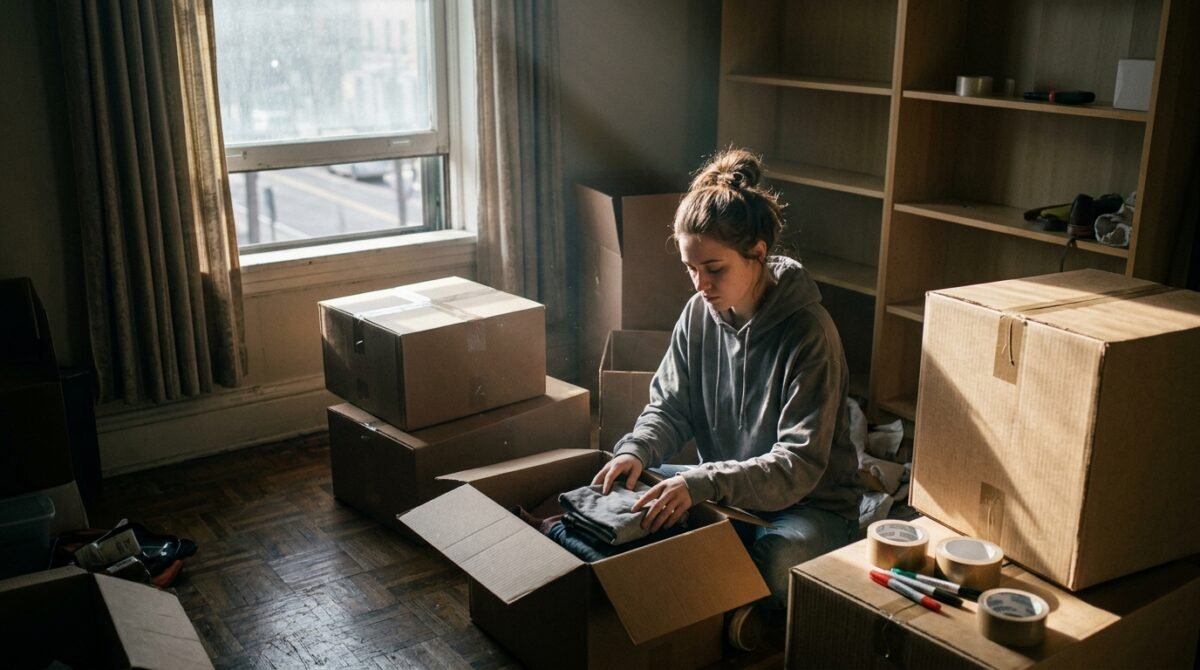
The next month was a study in psychological warfare. We didn’t speak. We communicated via sticky notes left on the refrigerator. The atmosphere was thick with resentment. Sarah spent the first week trying to negotiate with the landlord, but since she had no contract for her ‘business,’ she had no leverage. She blamed me for every minor inconvenience, from the fact that we couldn’t host guests to the tension in the air.
I focused on my studies and my exit strategy. I knew I couldn’t stay. I started looking for a sublet or a new place to move as soon as the thirty days were up. Every time I had to use the bathroom, I felt a lingering sense of violation. It was the place where she had turned our home into a product, and even though the ice was gone, the memory of those strangers remained.
She tried to justify her actions to our mutual friends, claiming that I was jealous of her ‘entrepreneurial spirit.’ Some of them bought it, others didn’t. I lost a few friends in the fallout, which hurt, but I learned quickly who truly valued my friendship and who just wanted to be on the side of the person with the loudest voice. It was a difficult lesson in social dynamics, but a necessary one.
I spent my weekends packing my things. I didn’t want anything left behind that could be associated with her. I wanted to strip my life of the clutter and the drama. I found myself becoming more organized, more meticulous about my own space, and more aware of the boundaries I needed to set in the future. The experience, while traumatic, had forced me to grow up in a way I hadn’t expected.
Sarah, meanwhile, seemed to be unraveling. She stopped going to her classes and spent most of her time on the phone, likely complaining to her family or looking for ways to blame me. I stopped caring. I realized that her unhappiness was not my responsibility. I had done what I needed to do to stay safe and secure, and that was enough.
“You know, you could have just told me you were uncomfortable. You didn’t have to destroy my business.”
— Sarah, during a rare moment of conversation
I looked at her, truly looked at her, and realized she still didn’t get it. She still thought the problem was my lack of communication, not her lack of respect for our shared living space. I didn’t bother responding. There was no point. The bridge was gone, and there was no sense in trying to cross a chasm that had already claimed our relationship.
Reddit Weighs In: The Verdict of the Masses
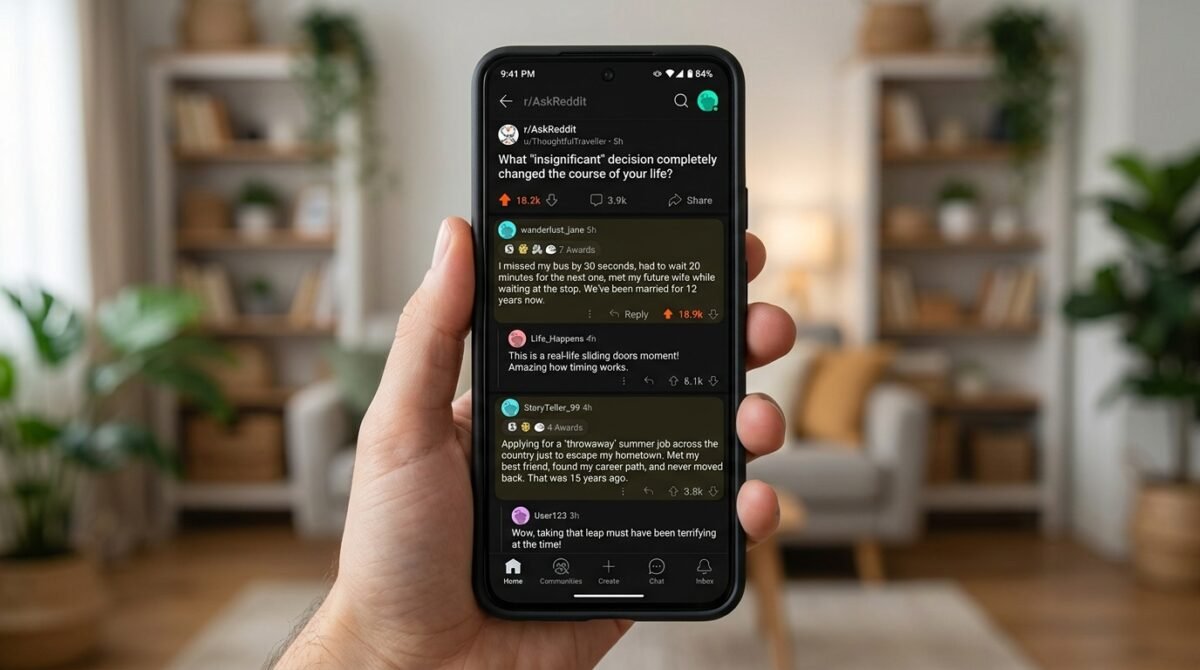
I decided to share the story on a popular subreddit to see if I was truly the villain in this situation. I laid out the facts: the utilities, the strangers, the breach of lease, and the eventual call to the housing board. The response was immediate and overwhelming. Thousands of people chimed in, and the consensus was not what I expected. I thought I would be labeled the ‘snitch,’ but the internet had a different take.
The top comment was from someone who had been a property manager for years. They pointed out that I had actually saved myself from a much worse fate. If the landlord had discovered the business on his own—perhaps through a complaint from a neighbor—he could have evicted us both without question, and I would have been left with a black mark on my rental history. Reporting it myself was the only way to demonstrate that I was not a participant.
NTA. Your roommate was running a commercial business in a residential unit. She wasn’t just ‘using the tub’; she was a liability magnet. If one of those athletes had slipped and fallen, or if the water damage had ruined the floor, you would have been liable too. You didn’t just protect your privacy; you protected your legal and financial future. — u/PropertyManagerPro (Top Comment, 28.5k upvotes)
The thread became a hub for stories of nightmare roommates, and I realized I wasn’t alone. Thousands of people shared their own experiences of boundary violations, from roommates who brought home pets without asking to those who started literal businesses in their bedrooms. It was validating to know that I had made the right decision, even if it had been the hardest one.
There were, of course, dissenting opinions. A few people argued that I should have tried harder to resolve it between us, but they were quickly drowned out by those who reminded them that ‘communication’ only works when both parties are reasonable. Sarah had demonstrated, through her actions, that she was not interested in being reasonable. She wanted to profit, and she didn’t care who she hurt to get there.
The discussion taught me that there are certain lines in a living arrangement that, when crossed, require external intervention. It’s not about being a ‘snitch’; it’s about maintaining the integrity of a home. A home is a place of rest, not a place of business. When that distinction is lost, the entire purpose of the living arrangement is defeated.
I eventually stopped checking the thread. It had served its purpose. It had given me the perspective I needed to move on and the validation I needed to stop feeling guilty. The internet, for all its toxicity, had provided a moment of clarity that I couldn’t find on my own. I was no longer the villain in my own story; I was the survivor of an untenable situation.
The Final Move-Out Day

The final day arrived. The moving truck was parked outside, and the apartment was finally empty. It was a strange feeling to see the space that had caused me so much stress reduced to bare walls and dust bunnies. I walked through each room, checking for any items I might have left behind. The bathroom was the last place I visited. It was clean, but it felt hollow.
Sarah wasn’t there. She had moved out two days prior, leaving a pile of trash in the corner and a note that I didn’t even bother to open. I threw the note away, unopened. It didn’t matter what she had to say. The last month had been about closure, and I had already reached it. I handed the keys to the landlord, who was surprisingly pleasant. He thanked me for ‘being the adult in the room’ and told me that he would be happy to act as a reference for my next place.
Driving away from the apartment, I felt a weight lift off my shoulders that I hadn’t even realized I was carrying. The constant anxiety about the door being locked, the resentment of the water bill, the anger at the strangers in my hallway—all of it was gone. I was heading to a new place, a place where I would be living alone. It was expensive, and it would be tight, but it was worth every penny for the peace of mind.
I realized that the biggest casualty of the whole situation wasn’t the money or the friendship; it was the trust I had in others. I had been naive to think that everyone viewed a home in the same way I did. Now, I knew better. I would be more cautious, more selective, and more aware of the boundaries that needed to be set from day one. I had learned a hard lesson, but it was a lesson that would serve me for the rest of my life.
The drive to my new apartment was long, but it felt like a fresh start. I played my favorite music, I breathed in the air of a new chapter, and I let go of the past. The bathtub episode was behind me. The housing board was satisfied. I was free. And for the first time in a long time, I was truly, genuinely happy.
“You learn more from the people you shouldn’t live with than the people you should.”
— My own reflection, as I drove away from the old apartment
I arrived at my new place, a small studio that I could finally call my own. It wasn’t perfect, and the radiator clicked at night, but it was mine. I unpacked my boxes, hung my pictures, and sat on the floor, listening to the silence. It was the best sound I had ever heard.
Reflecting on the Cost of Entitlement

Looking back, the most jarring aspect of the entire ordeal was the sheer entitlement Sarah displayed. She seemed to genuinely believe that her financial goals superseded my right to the peaceful enjoyment of my home. It’s a common trait among some people who see life as a series of opportunities rather than a series of relationships. They see people as assets and spaces as resources, and they lack the fundamental empathy to understand how their actions affect others.
I’ve thought a lot about why she did it. Was she just greedy? Was she desperate? Or was she simply disconnected from the reality of shared living? I think it was a combination of all three. She was under immense pressure from school, she had financial worries, and she found a way to alleviate them that didn’t involve her own discomfort. She offloaded that discomfort onto me, and she did it with a smile, convincing herself that she was doing ‘nothing wrong.’
The problem is that this kind of entitlement is infectious. If you let someone get away with a little, they will always take a little more. They push the boundaries until there are no boundaries left. And if you don’t push back, you become the enabler of their behavior. I had been an enabler for too long, and it took a drastic situation to wake me up. I’m glad I woke up when I did.
I’ve also come to realize that the housing board report was not an act of malice. It was an act of boundary enforcement. When we live in a society, we agree to certain rules. We agree that we won’t turn residential areas into commercial hubs. We agree that we won’t exploit our roommates. When Sarah broke those rules, she didn’t just hurt me; she undermined the entire social contract of our apartment. Reporting her was the only way to restore that balance.
I don’t hold a grudge against her anymore. I don’t wish her harm. I just hope that she learns from this experience. I hope she realizes that her success should never come at the expense of someone else’s peace. And if she doesn’t, then I hope she finds herself in a situation where she is held accountable, just as I held her accountable. It’s the only way people like that ever really learn.
“Boundaries aren’t walls to keep people out; they’re fences to define where you end and others begin.”
— A piece of advice I read online shortly after moving out
It’s a mantra I’ve adopted in my new life. I set my boundaries early, I communicate them clearly, and I don’t apologize for them. It’s made my life so much easier, and it’s helped me build relationships that are based on mutual respect and understanding. I’m grateful for the lessons I learned in that bathtub-filled nightmare. They made me the person I am today.
Navigating Future Roommate Dynamics

Since that experience, I have become an expert in vetting potential roommates. I ask about their habits, their work, their plans, and their understanding of shared space. I look for red flags that I used to ignore, like a lack of respect for personal time or a tendency to view others as tools for their own success. It might seem like overkill, but after what I went through, I refuse to settle for anything less than a healthy, respectful living environment.
I also learned the importance of clear, written agreements from the very beginning. Even with friends, it’s essential to have a conversation about expectations. What are the rules for guests? How are utilities split? What is the policy on business-related activities in the home? It’s not about being suspicious; it’s about being proactive. It’s much easier to have a conversation about boundaries when things are going well than it is when things have already gone wrong.
I’ve also become much better at standing my ground. I used to be a ‘people pleaser,’ someone who would sacrifice their own comfort to avoid conflict. Now, I understand that conflict is often necessary. It’s a tool for growth and a way to protect what matters. If someone is crossing a line, I don’t wait for them to figure it out; I tell them, clearly and directly. And if they can’t respect that, then they’re not the right person to be in my life.
It’s been a journey of self-discovery, and I’m proud of the person I’ve become. I’m no longer the person who lets others walk all over me, and I’m no longer the person who stays in a situation that isn’t working. I’m in control of my life, and that’s a power that I don’t take for granted. I’m thankful for the struggle, because it led me to this strength.
So, to anyone out there who is currently dealing with a roommate from hell: you’re not alone. You have the right to your peace, and you have the right to set boundaries. Don’t be afraid to take action, and don’t be afraid to prioritize your own well-being. It might be hard, it might be messy, and it might be the end of a friendship, but in the end, it’s worth it. You deserve to live in a home that feels like a home, not a business.
“Your home is your sanctuary. Never let anyone turn it into a source of stress.”
— My personal philosophy now
If I could go back and talk to my past self, I would tell her to trust her instincts. I would tell her that it’s okay to stand up for yourself, even when it feels like the whole world is against you. And I would tell her that, in the long run, everything is going to be okay. It might take some time, and it might be a difficult road, but you will eventually find your way to a place of peace. And that, more than anything else, is the best reward.
The Lessons of the Tub

The story of the bathtub ice clinic has become a legend among my friends—a cautionary tale that we laugh about now, but which was very serious at the time. It serves as a reminder of how quickly a living situation can go south and how important it is to keep your eyes open. It also highlights the absurdity of the modern ‘side hustle’ culture, where people feel pressured to monetize every aspect of their lives, even to the detriment of their own relationships and homes.
We live in a world where everyone is looking for the next big thing, the next extra dollar. But at what cost? Is it worth it to trade your peace for a few hundred dollars? Is it worth it to risk your housing, your reputation, and your relationships? I don’t think so. I think the true value of a life is measured in the connections we build, the peace we cultivate, and the integrity we maintain.
Sarah didn’t learn that, at least not that I know of. She likely moved on to the next ‘opportunity,’ perhaps leaving a trail of frustrated roommates behind her. And that’s fine. That’s her journey. But I have learned. I have learned to value my home, to respect my boundaries, and to prioritize the things that truly matter. I have learned that I am capable of making difficult decisions and that I can survive even the messiest of situations.
And most importantly, I have learned that my home is my own. It’s not for sale, it’s not a business, and it’s not a place for others to exploit. It’s a place for me to rest, to grow, and to be myself. And that is a value that no amount of money could ever replace. I am grateful for the bathtub experience, because it taught me what I stand for, and it taught me that I am strong enough to stand for it.
So, the next time you think about starting a side hustle, just make sure it doesn’t involve your bathtub. And if you ever find yourself in a situation where your roommate is trying to turn your home into an ice recovery clinic, well, you know what to do. Protect yourself, speak up, and don’t be afraid to make the call. Because your peace is worth more than any side hustle.
“The most expensive things in life aren’t things. They’re your peace, your time, and your boundaries.”
— A lesson I carry with me every day
I’m happy to be where I am today. I’m happy to be in a place of peace. And I’m happy to be able to share this story with you. Maybe it will help someone else who is currently in the same situation. Maybe it will save them some trouble, some money, and a lot of heartache. And if it does, then the whole bathtub nightmare was worth it.
Closing the Chapter on the Ice Clinic

Closing the door on the ‘ice clinic’ saga has been a long time coming. I’ve realized that the finality of it was more about my internal healing than it was about the external events. When I finally stopped thinking about Sarah, about the ice, and about the housing board, I realized that I had finally moved on. The anger had faded, the resentment had dissolved, and all that was left was the lesson.
It’s strange how a single, bizarre situation can become a defining moment in your life. But that’s how growth works, isn’t it? We don’t grow when things are easy. We grow when things are hard, when we are challenged, and when we are forced to make difficult choices. I was forced to make a difficult choice, and I made it. And in doing so, I became a better, stronger version of myself.
I’ve reached out to a few people since the story went viral, and the amount of support has been incredible. People have shared their own stories, offered their advice, and told me that my story gave them the courage to set their own boundaries. That’s been the biggest reward of all. Knowing that my struggle could help someone else makes all the pain and the drama worth it.
I’m looking forward to the future now. I’m focused on my studies, my career, and the life I’m building for myself. I’m surrounded by people who respect me, and I’m living in a space that feels like a home. I’m grateful for every single moment of this journey, even the ones that felt like a nightmare at the time.
Thank you for listening to my story. Thank you for your support, your advice, and your perspective. And thank you for being a part of this community. It’s been an incredible experience, and I’m grateful for every one of you.
“Don’t let the past define you. Let it refine you.”
— A final thought as I move forward
The ice may have melted, and the bathtub may be empty, but the lessons remain. And that, in the end, is what it’s all about. Thank you for being a part of this journey with me.
Conclusion
My experience taught me that personal boundaries are not just about convenience; they are about self-preservation. When my roommate turned our home into a commercial recovery clinic, she didn’t just break the rules of our lease—she broke the sanctity of our shared existence. I learned that silence is often mistaken for consent, and that sometimes, the only way to protect yourself is to blow the whistle on an unsustainable situation.
It wasn’t easy to take the step of reporting her to the housing board, but it was the only way to ensure my own financial and legal safety. Looking back, I have no regrets. I protected my future, I reclaimed my peace, and I moved forward into a life that is entirely my own. The drama was, and continues to be, a sharp reminder that not everyone will respect your space unless you force them to.
I hope my story serves as a reminder to all of you: don’t let anyone turn your sanctuary into their side hustle. Whether it’s a roommate, a family member, or a partner, your home is yours. Protect it fiercely, set your boundaries clearly, and never be afraid to stand up for yourself. You are worth more than any short-term profit or social expectation.
How do you handle boundary-crossing in your own living arrangements? Have you ever had to choose between a friendship and your own peace of mind? Let me know in the comments below—I’d love to hear your stories and see how you navigated your own ‘bathtub’ moments. Do you think I was right to involve the housing board, or should I have handled it differently? Let’s discuss.
What's your verdict on this dilemma?
Vote below to contribute to the official community consensus.

Have a Dilemma Keeping You Up at Night?
Share your real-life feud, wedding chaos, or relationship crossroads anonymously with our editorial team.
What do you think ?
0 Comments🛡️ Comments are moderated to protect community integrity. Your comment will appear once approved by the editorial team.