
When I signed the lease for our three-bedroom bungalow, the basement was supposed to be nothing more than a glorified storage locker for holiday decorations and my neglected treadmill. My roommate, Julian, was an aspiring photographer—a hobby he assured me was quiet, clean, and entirely contained within his own bedroom. For the first six months, that was true. He was a decent tenant, paid his share of the utilities on time, and kept the common areas relatively tidy. I had no reason to believe that underneath our floorboards, a slow-motion catastrophe was brewing.
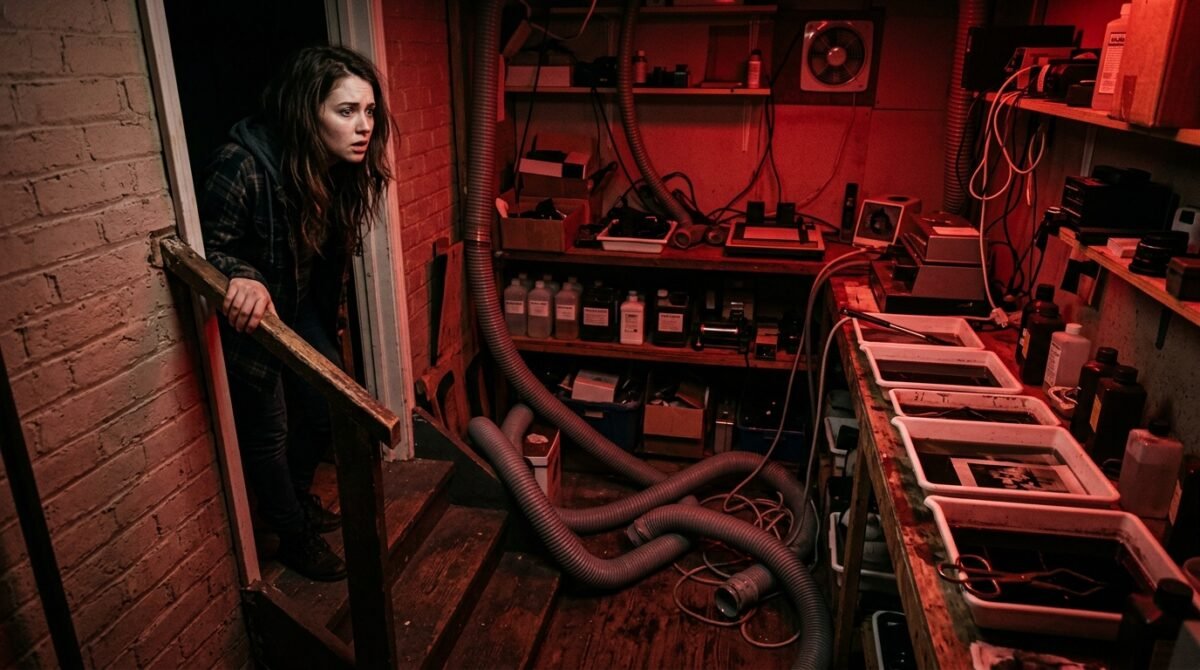
It started with a faint, sharp scent of vinegar that wafted through the floorboards whenever I walked near the basement stairs. At first, I dismissed it as an old-house smell, something common in a place with foundation cracks and dampness. But as the weeks progressed, the smell transformed into something chemical, piercing, and nauseating. The air in the house became heavy, and I found myself waking up with persistent headaches and a persistent dry throat. When I finally worked up the courage to investigate, I discovered that the ‘storage’ area had been transformed into a full-scale, industrial-grade darkroom, complete with ventilation systems that were clearly not up to code.
The moral dilemma weighed on me for days. Julian was my friend—or at least, I thought he was. He was struggling financially, his photography business was just starting to take off, and he relied on this space to produce the prints that were keeping his career alive. Yet, the safety of my home and my own physical health were being compromised by his reckless disregard for our safety. I didn’t want to be the villain, but when the fumes began to make the kitchen floor feel sticky and the house started to vibrate from his makeshift equipment, I knew the time for gentle conversations had passed.
This is the story of how a harmless hobby turned into a nightmare of toxic chemicals, illegal structural modifications, and the day I finally realized that my roommate’s artistic dreams weren’t worth my life. I didn’t just confront him; I took the nuclear option, and in doing so, I had to watch our friendship dissolve alongside the fumes. Looking back, I wonder if I could have handled it differently, but the internet seems to have a very clear opinion on whether I was right or wrong.
The Subtle Unraveling of the Living Arrangement
The shift didn’t happen overnight; it was a slow, insidious erosion of our shared living standards. Julian started spending more time in the basement, often locking the door behind him with a heavy-duty deadbolt he had installed without asking. He told me it was to keep his ‘expensive equipment’ safe, but the secrecy was palpable. I started noticing an increase in our monthly water bill, which jumped from $60 to nearly $200. When I approached him about it, he was dismissive, claiming he was just doing a lot of laundry.
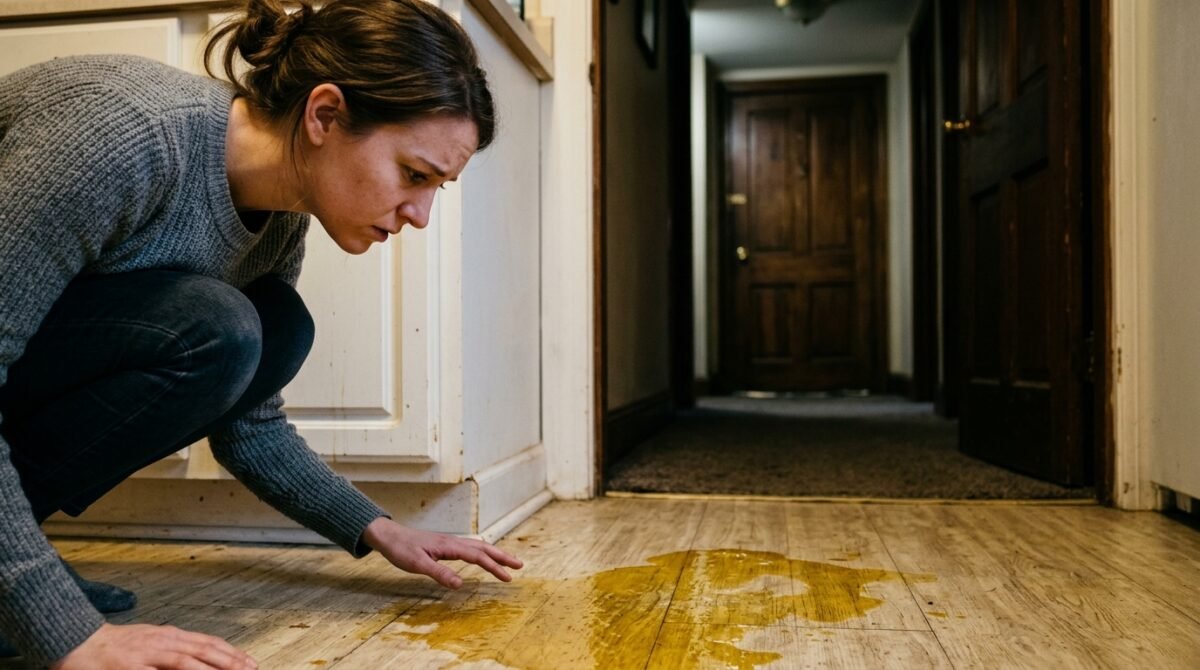
I ignored the red flags because I hate conflict. We had a good rapport, and I didn’t want to start a fight over laundry or vague, chemical-adjacent smells. But then, the physical evidence started to bleed into the upstairs. I found a residue on the linoleum in the kitchen—an oily, slightly yellow film that resisted every cleaning agent I threw at it. I thought it was just a spill, but then I noticed the same substance on the soles of my shoes after walking near the basement door.
The tension peaked during a Tuesday night dinner when I finally brought up the strange smell. Julian didn’t even look up from his phone. He just shrugged and said, ‘It’s a fixer chemical. It’s totally safe, trust me. You’re just sensitive to smells, man. Open a window if it bothers you.’ The audacity of suggesting I open a window in the middle of a freezing winter night while he was actively polluting our home was the first real crack in our foundation.
“You’re acting like I’m running a meth lab. It’s just silver gelatin processing. If you’re so worried about the air quality, buy an air purifier for your room and leave me out of your paranoia.”
— Julian, during our first confrontation
I realized then that he wasn’t just being negligent; he was being willfully ignorant. He had prioritized his artistic output over the basic safety of our living environment, and he viewed my concerns as a personal nuisance rather than a legitimate household issue. The shift from friend to adversary was sudden, but it felt like the only logical conclusion to the way he was handling the situation.
The Midnight Discovery Behind the Deadbolt
The breaking point occurred on a Saturday night when Julian went out to a gallery opening. He left his keys on the counter—a rare mistake that gave me the opportunity to finally see what was happening behind that locked door. I felt a surge of adrenaline, mixed with dread, as I unlocked the heavy deadbolt. I wasn’t prepared for the sheer scale of the operation he had installed in our small, unfinished basement.
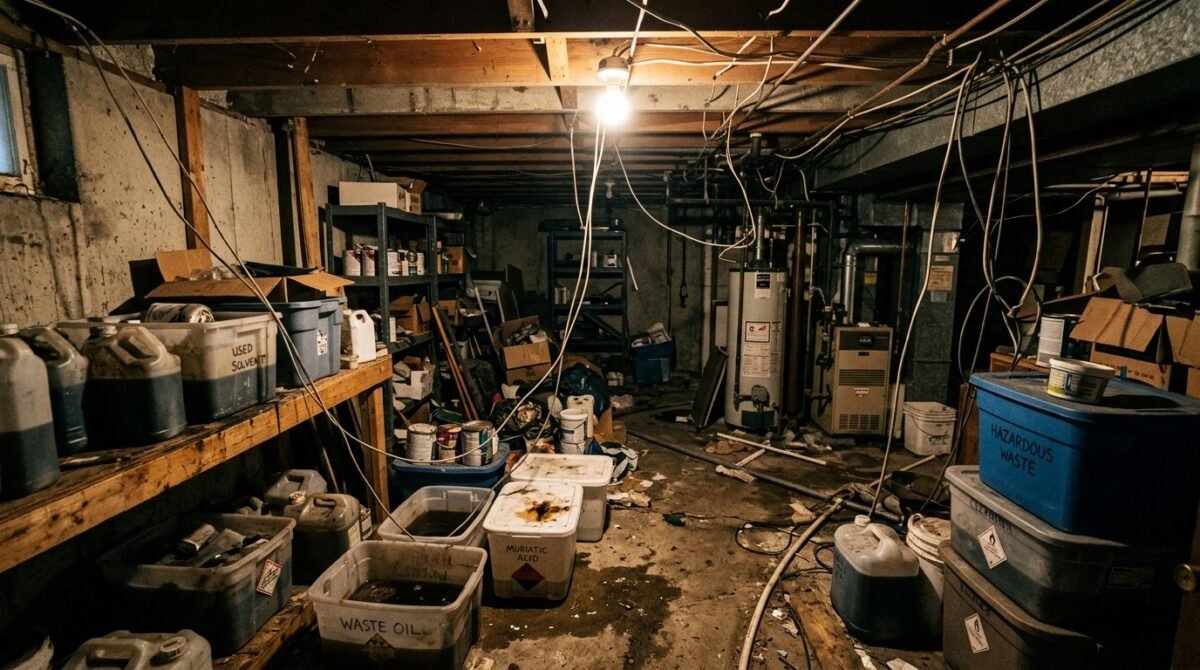
The air hit me like a physical blow—a thick, acrid cocktail of acetic acid, ammonia, and something else that smelled like rotting eggs. The room was a labyrinth of PVC piping, improvised electrical wiring that looked like a fire hazard, and rows of trays filled with dark, swirling liquids. He had removed a section of the basement wall to ‘vent’ the fumes directly into the crawlspace under the house, which meant the entire structure was effectively marinating in toxic vapors.
I pulled out my phone and started snapping photos. My hands were shaking, not just from the fumes but from the realization of how close we were to a catastrophic health incident. There were stacks of unlabeled glass jars, rusted metal basins, and electrical outlets that were sparking every time the dehumidifier kicked on. This wasn’t a hobby; this was an unlicensed, dangerous chemical processing plant that put every single neighbor on this block at risk.
“I don’t care about your art. I care about the fact that you’ve turned a residential basement into a chemical lab. You realize the house could literally explode or catch fire, right?”
— My internal monologue while recording the scene
I left the basement, locked the door, and didn’t even bother to put his keys back on the counter. I threw them on the kitchen table and sat down to wait. The silence of the house felt heavy, suffocating. I knew I couldn’t just have another ‘talk’ with him. The time for talking had expired the moment I saw the exposed wiring and the chemical runoff leaking into the dirt foundation.
The Digital Confrontation
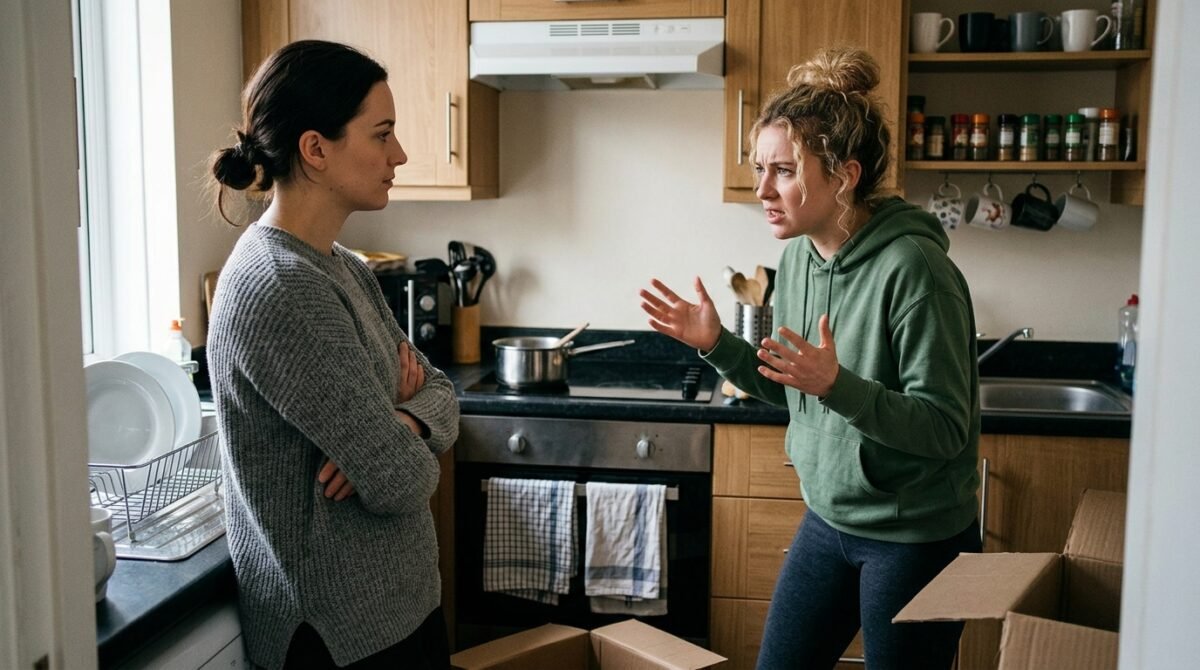
When Julian got home, he didn’t even notice the keys were missing until he went to get a beer. When he walked into the kitchen and saw me sitting at the table, he knew exactly what was happening. He didn’t even have to look at the basement door. The look on his face shifted from casual annoyance to genuine, cold panic. He knew he had been caught.
I didn’t scream. I kept my voice deathly calm, which seemed to unnerve him more than if I had started yelling. I told him what I had seen—the ventilation, the fire hazards, the chemical waste—and I told him it ended tonight. He tried to pivot, claiming that he was ‘just about to upgrade’ the system, that he was ‘almost finished’ with his current project, and that I was overreacting to a temporary setup.
The excuses were pathetic. He tried to frame it as me being jealous of his creative success, a classic deflection. He even went as far as to pull out his phone and start typing, presumably to his friends to paint me as the ‘toxic roommate’ who was trying to sabotage his career. I just watched him, feeling a strange sense of clarity. The friendship was already gone, and I didn’t care about the optics anymore.
“I’ve taken photos of everything, Julian. You have forty-eight hours to clear this out and restore the basement to the state it was in when we moved in, or I am calling the city code enforcement office myself. I’m not playing this game anymore.”
— Me, delivering the ultimatum
He scoffed at my ‘threat,’ clearly believing that I wouldn’t actually follow through. He underestimated how much I valued my own health and how much I despised being manipulated. As he stomped off to his room, slamming the door, I didn’t feel guilty. I felt empowered. The decision was made, and there was no turning back.
The 48-Hour Deadline
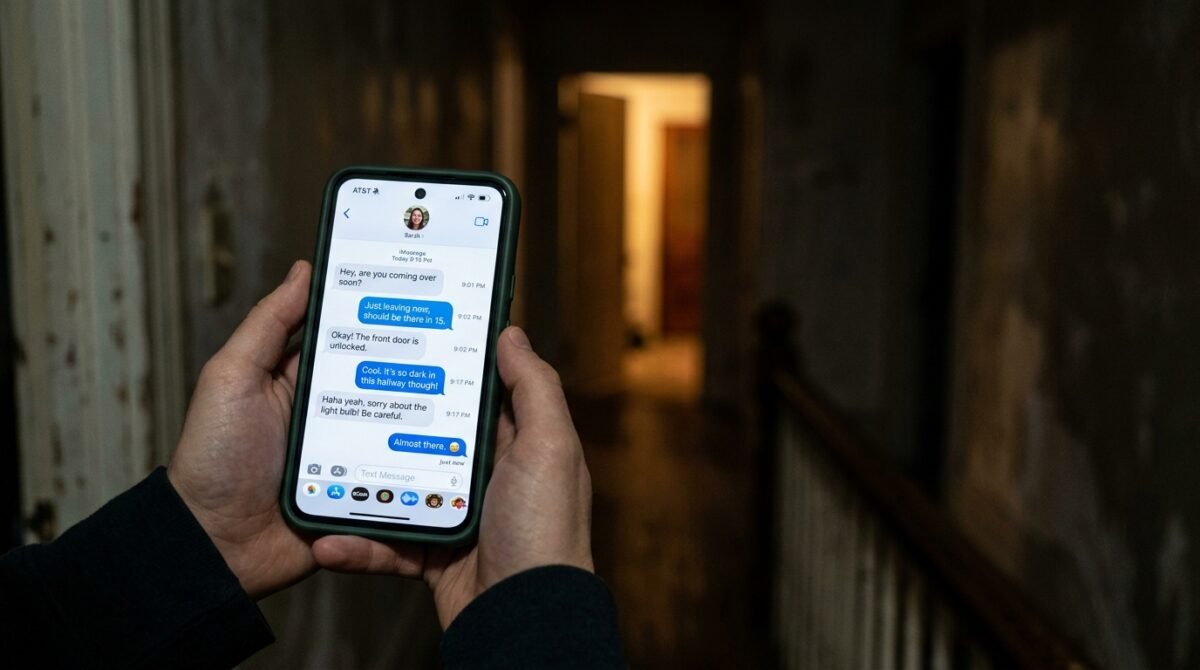
The next two days were an exercise in psychological warfare. Julian didn’t pack anything; instead, he spent the entire time in his room, presumably on the phone with his lawyer or his ‘creative’ friends, plotting how to ignore my request. I saw him come out to grab food, and he walked past me like I was invisible, his jaw tight with suppressed rage. The house smelled even worse, as if he was trying to finish a massive print run in spite of my warning.
I kept a log of everything. I recorded the times he spent in the basement, the sounds of the pumps running, and the worsening air quality. I even bought a cheap air quality monitor from a local hardware store, which consistently showed red-level VOC readings whenever the basement door was cracked. I wasn’t just guessing anymore; I had data.
I messaged him through our shared roommate chat, keeping a record of every single communication. I wanted to make sure that if this went to court or a lease mediation, I had a paper trail showing that I had tried to resolve this privately. His responses were short, dismissive, and entirely devoid of any accountability. He was banking on the fact that I wouldn’t destroy our living situation over this.
“I’m doing a major project for a gallery showcase. You’re being incredibly selfish and narrow-minded about the nature of artistic work. I will move my stuff when I’m ready, not when you give me a deadline.”
— Julian’s text message response
His entitlement was staggering. He genuinely believed that his need for a darkroom outweighed my basic right to live in a house that wasn’t a fire hazard. The deadline came and went, and when I saw him heading toward the basement with more chemical jugs, I realized he wasn’t going to stop until he was forced to.
The City Inspector’s Unannounced Visit
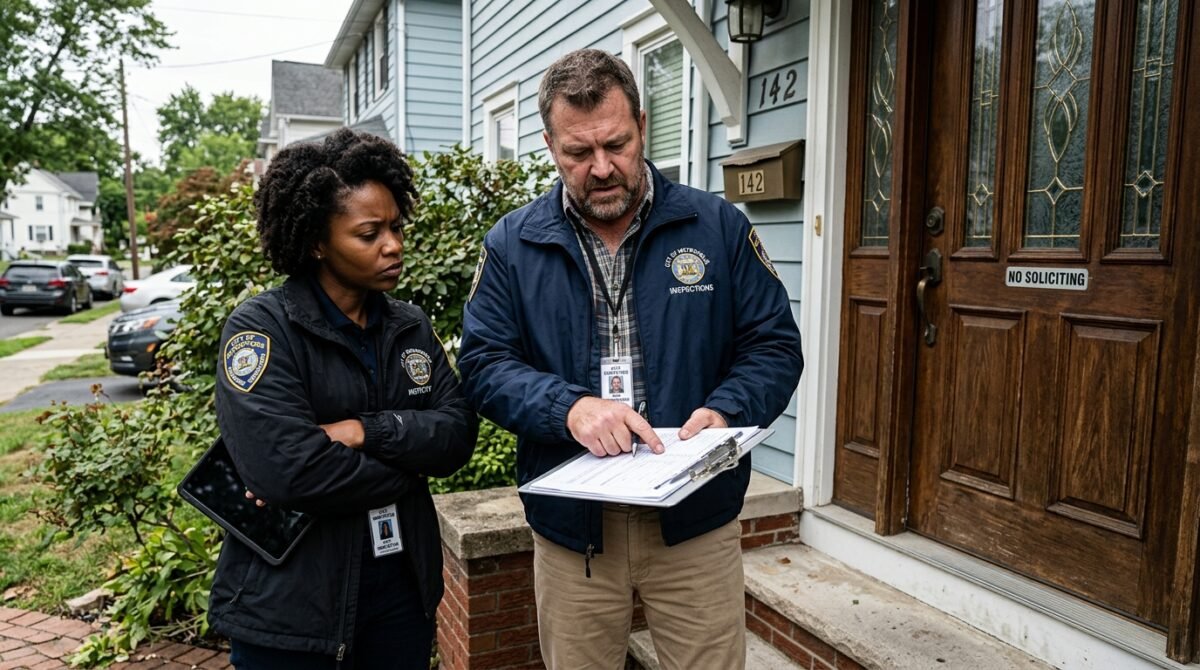
On the morning of the third day, I didn’t even say goodbye. I walked out of the house, drove to the local Department of Buildings and Safety, and filed a formal complaint. I provided the photos, the notes on the electrical hazards, and the specific concerns about the ventilation. The official I spoke to seemed genuinely concerned, especially when I mentioned the chemical runoff in the crawlspace.
They arrived at the house around 2:00 PM. I wasn’t there, but I had left my key for the landlord, who was already informed about the situation. I can only imagine the look on Julian’s face when he opened the door to see two city inspectors in high-visibility vests. The ‘creative’ facade he had built was about to be dismantled in the most bureaucratic way possible.
I got the update from my landlord later that evening. The inspectors had found multiple violations: illegal electrical work, improper chemical storage, lack of adequate ventilation, and structural damage to the joists where he had cut holes for his exhaust system. They gave him an immediate ‘Cease and Desist’ order and a hefty fine for every day the illegal setup remained active.
“The inspector said it was one of the worst setups they’d seen in a residential area. Julian was crying, claiming he didn’t know the rules. He’s been served an eviction notice for lease violations.”
— My landlord, via phone call
The satisfaction I felt wasn’t malicious—it was a deep, profound sense of relief. The danger had been neutralized, the hazard removed, and the person who had disregarded my safety was finally facing the consequences of his actions. The house felt lighter, cleaner, and finally, it felt like home again.
The Fallout in the Group Chat

Within hours of the inspector’s visit, my phone was blowing up. Julian had clearly gone to our mutual friends, painting me as the ‘snitch’ who ruined his career. I started getting messages from people I barely knew, asking why I would do something so ‘unsupportive’ and ‘cruel’ to someone trying to make their dream a reality.
I chose not to respond individually. Instead, I took a screenshot of the inspector’s final report—which detailed the chemical hazards and the fire risk—and posted it in our shared group chat. I didn’t write anything inflammatory; I just posted the document and a single message: ‘I’d rather be a snitch than live in a fire hazard. My health is not negotiable.’ The silence that followed was deafening.
Some of the friends who had been the most vocal in their support of Julian suddenly went quiet. When confronted with actual facts—the legal violations, the risk of explosion, the chemical contamination—the ‘artistic struggle’ narrative started to fall apart. It’s amazing how quickly people change their tune when they realize they’re defending something that is objectively dangerous.
“I thought you guys were just having a spat about chores. I didn’t know he was literally poisoning the house. That’s insane. I’m sorry I jumped on you, OP.”
— A mutual friend, replying to the group chat
By the end of the night, half the people who had messaged me were apologizing, and the other half were just deleting their comments. It wasn’t about the art anymore; it was about the lack of common sense and the total disregard for the people around him. Julian was isolated, and for the first time in months, I felt like I could actually breathe in my own home.
The Internet Weighs In
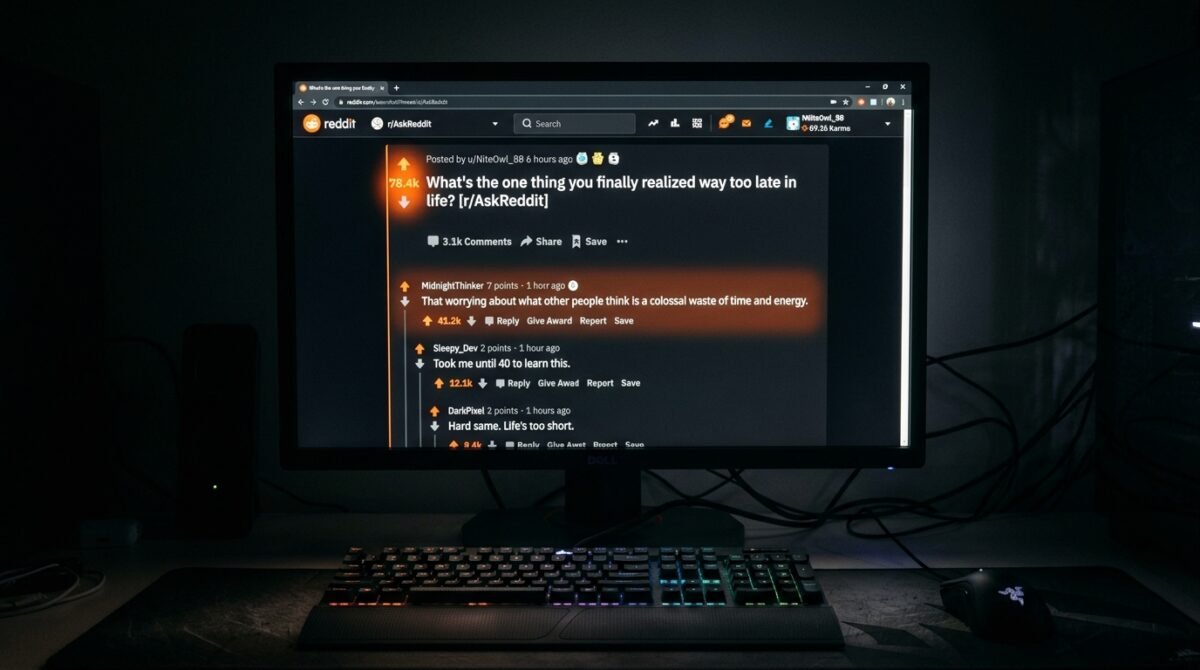
I decided to post the full story on a popular forum to get an outside perspective. I needed to know if I had overreacted or if the weight of my decision was as heavy as it felt. The response was almost unanimously in my favor, though there were a few ‘creative’ types who thought I should have been more ‘accommodating.’
The community support was overwhelming. People who had worked in darkrooms or with industrial chemicals confirmed that what Julian was doing was incredibly dangerous and likely illegal in most jurisdictions. The consensus was that his artistic goals did not entitle him to force his roommates to breathe toxic fumes or risk a fire that could have destroyed the entire house.
There were also some very practical suggestions, such as checking for long-term health effects and ensuring the air quality in the basement was fully remediated by professionals. I felt validated. I hadn’t been the villain; I had been the person who stood up for basic safety when no one else would.
“NTA. He was not just endangering himself, he was endangering you and your neighbors. You didn’t ‘ruin his career,’ his own recklessness and inability to follow basic safety guidelines did that. Don’t feel guilty for a second.”
— u/SafetyFirstExpert (Top Comment, 18.2k upvotes)
The internet can be a harsh place, but in this instance, it provided the clarity I desperately needed. It proved that in the face of boundary violations and genuine danger, you don’t have to stay quiet or ‘be nice.’ Sometimes, the nuclear option is the only option left.
The Aftermath and Moving Forward

Julian is moving out this weekend. The transition has been cold and efficient. There’s no more talking, no more negotiating, just the sound of boxes being taped up and the heavy, lingering smell of chemicals finally fading from the house. My landlord has promised to bring in a professional cleaning crew to scrub the basement and test the air before listing the room again.
I’ve learned a lot about myself, too. I’ve learned that I have a breaking point, and that it’s actually a healthy thing to have. I used to think of myself as the ‘easy-going’ roommate, but I realize now that being ‘easy-going’ is just a euphemism for being a pushover. I won’t be making that mistake again in my next living arrangement.
I’ve started looking for a new roommate, someone who respects boundaries and understands that ‘home’ means more than just a place to store gear. I’m also going to be much more transparent about my expectations, including a clause about what can and cannot be done in the common areas or the basement. The experience was a nightmare, but it was also a lesson in self-respect.
“You have to learn to put yourself first. If you don’t set the boundaries, someone else will eventually cross them, and you’ll be the one left cleaning up the mess.”
— My sister, during our post-drama conversation
I’m finally looking forward to the future. The house is quiet, the air is clean, and for the first time in a year, I don’t feel like I’m living in a ticking time bomb. It’s a good feeling.
Reflecting on the ‘Artist’s Entitlement’
One of the things that still bothers me is the entitlement Julian felt throughout this process. It wasn’t just about the darkroom; it was about the belief that his ‘vision’ was more important than the safety of his peers. He truly saw himself as a martyr for his art, a misunderstood genius who was being held back by a boring, rule-following roommate.
This is a common thread in a lot of roommate horror stories—the idea that personal passion projects somehow exempt a person from the rules of shared living. Whether it’s a pet project, a startup, or an artistic endeavor, the moment it starts impacting the lives of others, the responsibility shifts. You can’t claim the benefits of a shared space while ignoring the responsibilities that come with it.
I wonder how many people have lived in situations like this, suffering in silence because they’re afraid of being the ‘bad guy.’ We’re socialized to be polite, to avoid confrontation, and to ‘let things slide.’ But there is a point where politeness becomes complicity. We have to be willing to set firm boundaries, even if it means losing a friendship or being labeled the ‘difficult’ one.
“Passion is not a pass for negligence. If your art requires a laboratory, rent a laboratory. Don’t turn your house into a hazard zone and expect your roommates to pay for your ‘vision’.”
— Another insightful comment from a reader
I don’t regret my actions, but I do wish the situation hadn’t escalated to the point of city inspectors. If Julian had simply asked, or if he had understood the risks and taken steps to mitigate them, none of this would have happened. But he didn’t, and he had to pay the price.
The Final Verdict: Was I the Villain?

So, was I the villain? I’ve asked myself that question a hundred times. I’ve read the comments, I’ve heard from my friends, and I’ve looked at the evidence. When I strip away the emotional baggage and the history of our friendship, the facts are simple: I was living in an unsafe, illegal environment, and the person responsible for that environment refused to change it.
If someone had told me a year ago that I would be reporting my roommate to the city, I would have thought they were crazy. But I’ve learned that sometimes, the ‘villainous’ act is actually the only thing that keeps you safe. I didn’t ruin his life; I simply forced him to face the reality of his own choices. That’s not being a villain—that’s being an adult.
I hope he finds a place where he can pursue his photography safely, and I hope he learns that you can’t build a career on the backs of people who are just trying to live their lives. But I’ve learned that I don’t need to be his teacher. I just need to be someone who lives in a safe, healthy, and happy home.
“If you have to ask if you’re the villain for calling the authorities on someone who is actively endangering your life, you need to re-evaluate how much you value yourself.”
— A piece of advice that stuck with me
Ultimately, the story isn’t about me or Julian—it’s about the boundary between personal freedom and communal responsibility. And I’m finally comfortable with where that line is drawn.
Conclusion
The ordeal is finally over, and the house is quiet again. The toxic fumes have dissipated, the illegal modifications have been removed, and the lingering sense of dread has vanished. It was an incredibly difficult chapter in my life, but one that reinforced the importance of standing your ground and valuing your own safety above the comfort of an unfair arrangement.
I hope that sharing this story serves as a reminder to everyone: you are not responsible for someone else’s reckless behavior, and you are always within your rights to seek help when your living environment is compromised. Whether it’s a landlord issue, a safety hazard, or a personal boundary, do not be afraid to take the necessary steps to protect yourself. Sometimes, the most ‘difficult’ decision you make is the one that saves you.
Now, I’d love to hear your thoughts. Have you ever had to take drastic measures to address a roommate’s reckless behavior? Do you think I could have handled the transition differently, or was the call to the city the only way to go? Let’s keep the conversation going in the comments below.
What's your verdict on this dilemma?
Vote below to contribute to the official community consensus.

Have a Dilemma Keeping You Up at Night?
Share your real-life feud, wedding chaos, or relationship crossroads anonymously with our editorial team.
What do you think ?
0 Comments🛡️ Comments are moderated to protect community integrity. Your comment will appear once approved by the editorial team.