
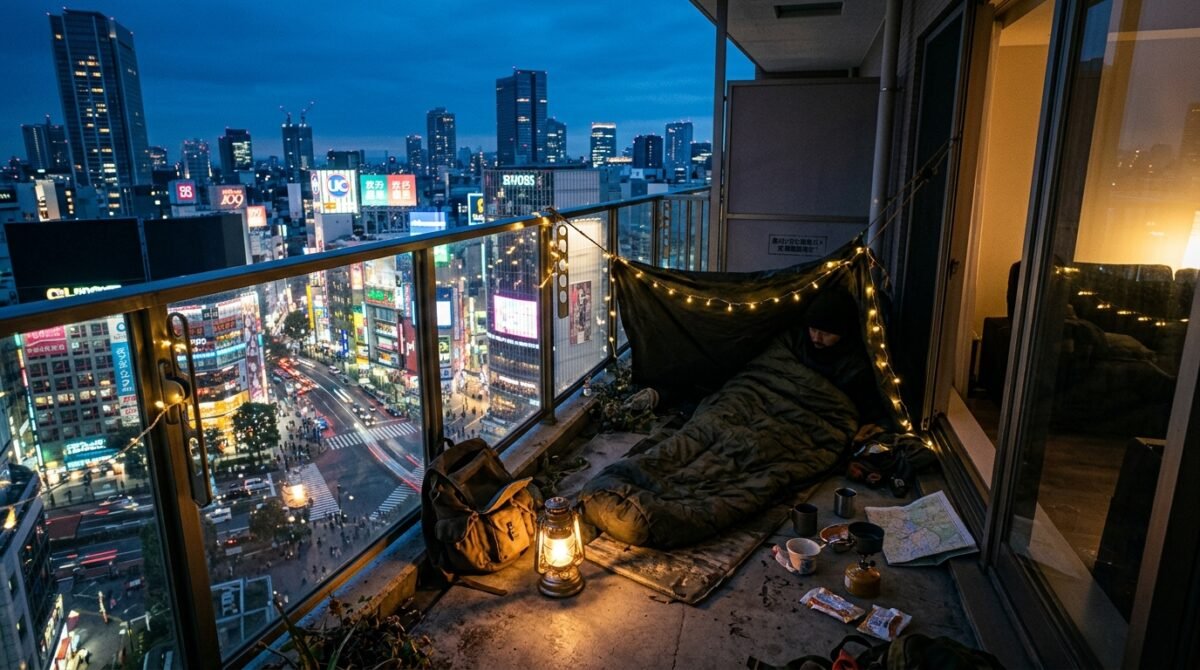
Living in a high-demand city means making sacrifices, but I always thought those sacrifices involved tiny kitchens and distant commutes, not turning my private outdoor space into a commercial enterprise. My roommate, Sarah, was always looking for ‘hustles.’ She was the queen of side-gigs, selling thrifted clothes, pet-sitting, and dabbling in freelance graphic design. I admired her work ethic, or at least, I thought I did. We had been living together for two years, and the rent was always paid on time, so I didn’t pay much attention to how she spent her weekends.
The trouble began on a humid Tuesday evening. I had just gotten home from a grueling shift at the office, ready to collapse on the couch and watch mindless television. As I stepped onto the balcony to get a breath of fresh air before dinner, I stopped dead in my tracks. There, tucked away in the corner behind a large potted fern, was a high-end inflatable mattress, a neatly rolled sleeping bag, and a small welcome basket containing artisanal snacks and a bottle of room-temperature sparkling water.
I stood there, blinking in the dim light, wondering if I had somehow hallucinated the entire scene. Before I could process the absurdity, a young woman—definitely not Sarah—emerged from the living room, clutching a smartphone and looking incredibly confused. ‘Oh, sorry,’ she muttered, clutching her phone like a lifeline. ‘I think I’m in the wrong place? The listing said this was the ‘Zen Oasis Balcony Suite’ in the heart of downtown, but I just walked through the front door because it was unlocked.’
My stomach dropped. I realized then that my home had been compromised, and my boundaries had been shattered in ways I couldn’t even fully comprehend yet. This wasn’t just a roommate disagreement; this was a fundamental breach of trust and safety that would soon lead to a legal and personal nightmare. I had no idea at the time that this stranger was one of dozens who had filtered through our home while I was at work, all while Sarah collected the cash and left me to deal with the liability.
The Zen Oasis That Wasn’t
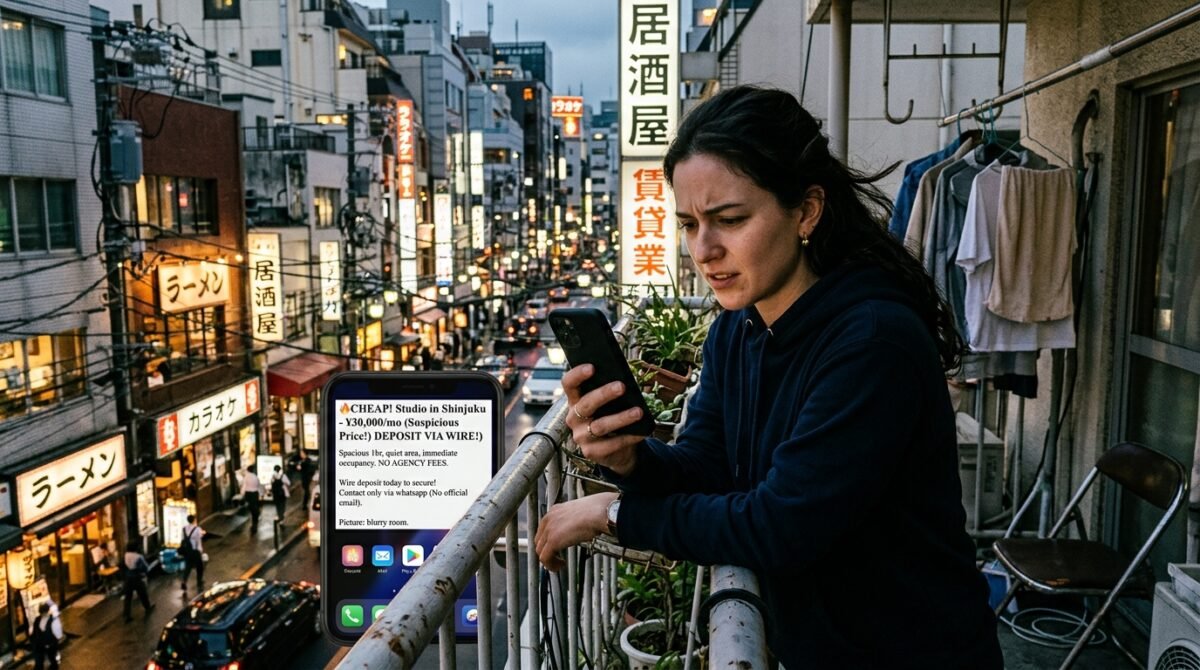
I stood there, frozen, staring at the stranger on my balcony. She looked like a tourist, complete with a fanny pack and a look of genuine disappointment. The ‘Zen Oasis’ was nothing more than a rusted iron railing overlooking a dumpster-filled alleyway. The irony was almost too much to bear. I finally gathered enough composure to ask who she was and what, exactly, she was doing in my apartment.
The guest explained that she had booked the space on a niche ‘experiential’ travel app. She showed me her phone, and I felt my blood turn to ice. There it was: a full listing with photos of our living room, our coffee station, and, most prominently, our balcony. Sarah had even included a photo of me reading a book, though she had cropped my head out. The price? $165 per night. It was an ‘authentic urban camping experience.’
“I just don’t understand. Why would anyone pay money to sleep on a concrete slab three floors up next to a vent that smells like fryer grease?”
— Me, realizing the sheer audacity of the scheme.
I took a photo of the listing, my hands shaking. The description was filled with flowery language about ‘the rhythm of the city’ and ‘unfiltered urban immersion.’ It was complete fiction. When I walked back into the living room, Sarah was sitting on the sofa, scrolling through her laptop with a look of intense concentration. She didn’t even look up when I slammed the balcony door shut.
The confrontation started immediately. I didn’t mince words. I showed her the screen, the listing, and the woman still hovering awkwardly on our balcony. Sarah’s face didn’t fall; instead, she looked annoyed that she had been caught. She tried to frame it as a ‘creative solution to the rent crisis,’ as if she were some kind of misunderstood entrepreneur rather than someone who had put my security at risk.
I felt a deep sense of betrayal. It wasn’t just about the money she had made—which I later estimated to be in the thousands—it was about the fact that she had invited strangers into our shared home without my consent. Every time I had left for work, I had been unknowingly leaving the door open for a revolving door of strangers. The violation felt visceral and absolute.
The Financial Breakdown of a Secret Business
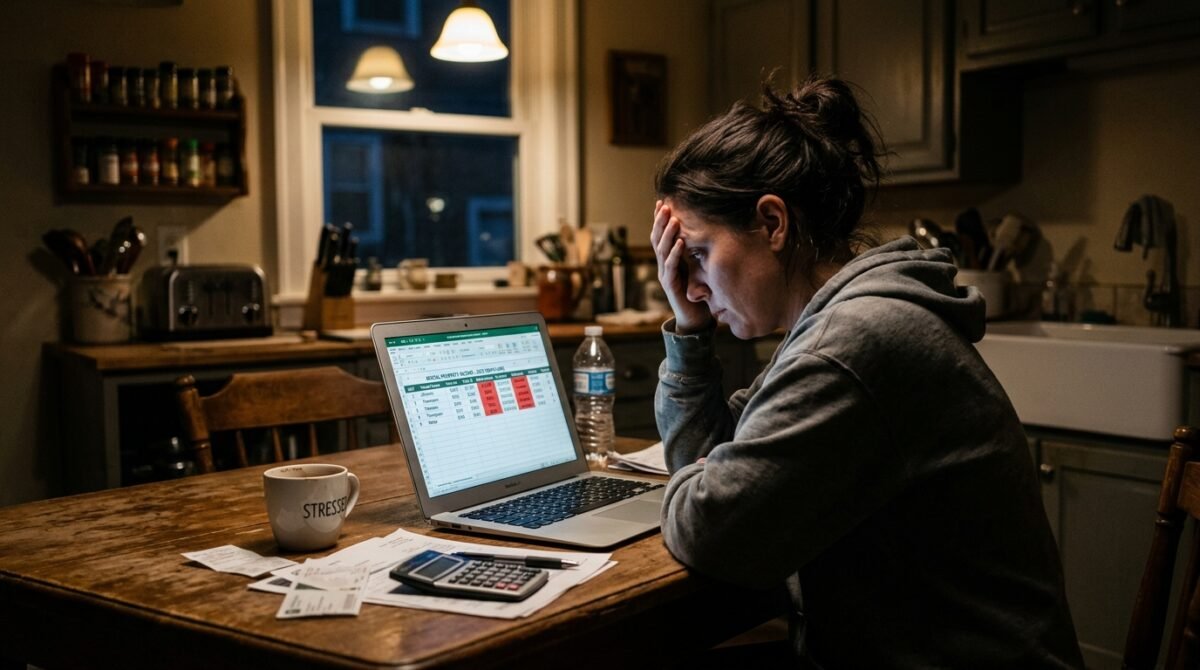
Once the guest had been escorted out—refunded by Sarah in a flurry of panic—the real investigation began. I sat Sarah down at the kitchen table and demanded she open her laptop. She resisted, but the threat of calling the landlord and the police seemed to sober her up. We spent the next three hours going through her transaction history, and the numbers were staggering. She had been running this ‘business’ for four months.
She had hosted travelers from all over the country, mostly young people looking for cheap, Instagrammable spots in the city. She had a system: she would leave the spare key in a lockbox hidden under a loose brick in the stairwell—a detail I had never noticed—and instructed guests to enter only when I was at work. She even had a ‘cleaning checklist’ that involved hiding my personal items so the place looked more ‘minimalist’ and ‘curated’ for her guests.
| Month | Bookings | Revenue | Roommate’s Excuse |
|---|---|---|---|
| March | 4 | $660 | “I needed to pay for my car repairs.” |
| April | 7 | $1,155 | “I wanted to save for a trip to Bali.” |
| May | 12 | $1,980 | “It was just too easy to pass up.” |
| June | 15 | $2,475 | “I was going to split it with you eventually.” |
The audacity of her final excuse was almost comical. She told me she was ‘investing’ the money so that she could offer to pay for my half of the rent for a few months. She wanted to present it to me as a surprise gift once she hit her savings goal. It was a classic manipulation tactic, trying to paint a malicious violation as some sort of misguided favor. I wasn’t buying it for a second.
I realized then that I didn’t know who I was living with. The Sarah I thought I knew—the one who complained about her boss and enjoyed takeout on Fridays—was a facade. Beneath it was a calculated risk-taker who viewed my living space as a commodity to be liquidated. The amount of money involved was almost irrelevant compared to the breach of safety. I had slept while strangers were feet away from my bedroom door.
I checked our lease agreement immediately. It explicitly forbade sub-letting or any form of short-term rental. If our landlord had found out, we both would have been evicted with a black mark on our rental history. Sarah had risked our ability to rent anywhere in the city for the sake of a few hundred bucks per booking. The selfishness was profound, and the bridge was well and truly burned.
The Ultimatum and the Panic
I gave her 48 hours to vacate. It was the only way I could see moving forward. I told her that if she didn’t leave voluntarily, I would contact the landlord myself and provide him with all the documentation of her illicit business activities. She tried to bargain, offering me half of the money she had made, claiming she would ‘de-list’ the property immediately. She even cried, pleading that she had nowhere to go and that this was her only source of income.
I remained unmoved. My empathy had been exhausted the moment I saw that stranger on my balcony. I had spent two years building a life in this apartment, and she had treated it like a hotel lobby. I spent the next two days in a state of high-alert, locking the deadbolt every time I went to the bathroom. The tension was thick enough to cut with a knife; we barely spoke, and when we did, it was through gritted teeth.
“You didn’t just break the rules, Sarah. You broke the trust required to share a home. I can’t look at you without wondering who else you’ve invited into my life.”
— My parting words to her during the final confrontation.
She tried to involve our mutual friends, framing me as the ‘uptight roommate’ who was overreacting to a harmless ‘side hustle.’ She sent a group message to our circle, conveniently leaving out the part about the unauthorized guests and the landlord risk. It was a pathetic attempt to gain sympathy, but it backfired when I sent a screenshot of the listing to the same group. The silence that followed was deafening.
I watched as she packed her things. It felt surreal to see the apartment emptying out. She took the curtains, the rug, and even a few kitchen appliances that I had bought, claiming they were ‘compensation’ for the trouble. I didn’t stop her. I just wanted her gone. The final box was taped up, and she slammed the door without saying goodbye, leaving behind a faint scent of her perfume and a lot of lingering bitterness.
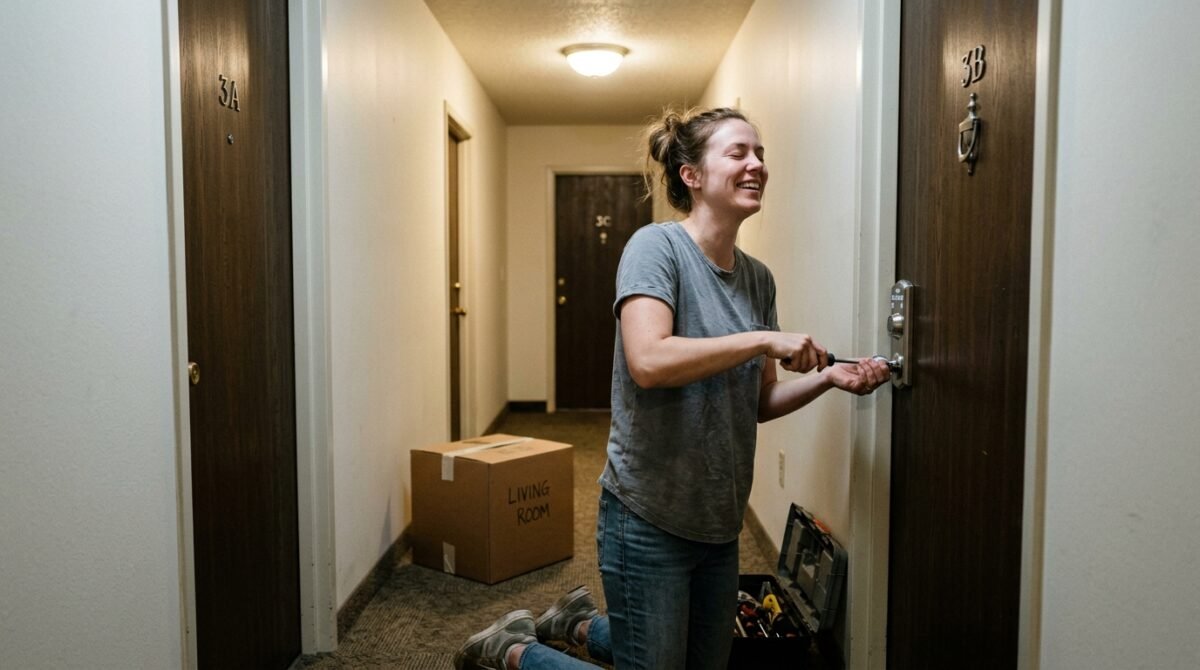
The aftermath felt like a heavy weight being lifted from my chest. I changed the locks that very evening, a symbolic gesture of reclaiming my sanctuary. I spent the night scrubbing the entire apartment, trying to erase the presence of the dozens of strangers who had occupied my space. It took weeks for the feeling of being ‘watched’ to fade, but slowly, the apartment started to feel like home again.
The Fallout in the Group Chat
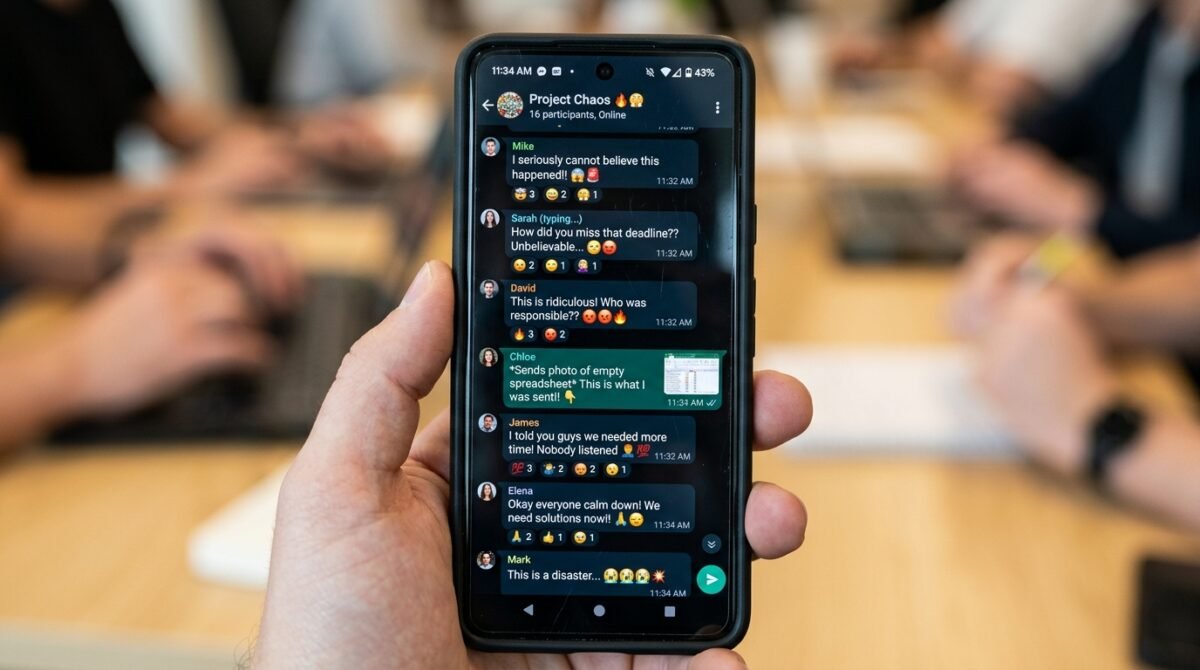
The drama didn’t end with her move-out. The group chat she had tried to manipulate became a theater of its own. Once the initial shock wore off, people started asking questions. They wanted to know why she had done it, and more importantly, how she thought she could get away with it. Sarah doubled down, claiming that I was ‘jealous’ of her business acumen and that I had actually known about it all along but wanted a cut.
“LOL, imagine calling it ‘business acumen’ when you’re literally pimping out a balcony in a high-rise. You’re lucky he didn’t call the cops.”
— A mutual friend in our group chat.
I felt a strange sense of validation. It wasn’t about winning an argument; it was about the truth coming out. I didn’t engage much after the initial reveal. I let others defend me, which was a nice change of pace. It turned out that I wasn’t the only one she had burned in the past; several other friends came forward with stories of ‘small’ betrayals she had committed, like borrowing money she never repaid or flaking on group plans to chase more profitable ventures.
She was eventually ostracized from our social circle, not just because of the balcony incident, but because it exposed a pattern of behavior that was impossible to ignore. People started realizing that she viewed relationships as transactions. It was a sad realization, but it was also a relief. I hadn’t lost a friend; I had uncovered a parasite who had been hiding in plain sight.
Some people told me I should have been more forgiving, that she was ‘just trying to survive’ in an expensive city. I asked them if they would be so forgiving if they came home to find a stranger sleeping on their property, with no knowledge of who they were or what they might steal. The conversation usually ended there. It’s easy to be moralistic when it isn’t your own safety on the line.
I blocked her on all platforms, including social media and banking apps, just to be safe. I didn’t want to hear about her new ‘hustles’ or her excuses. I focused on my own life, my own work, and the peace of mind that comes with living alone. It took a while, but eventually, the incident became just a crazy story I told at parties—a cautionary tale about knowing who you live with.
The Reddit Verdict: NTA or ESH?
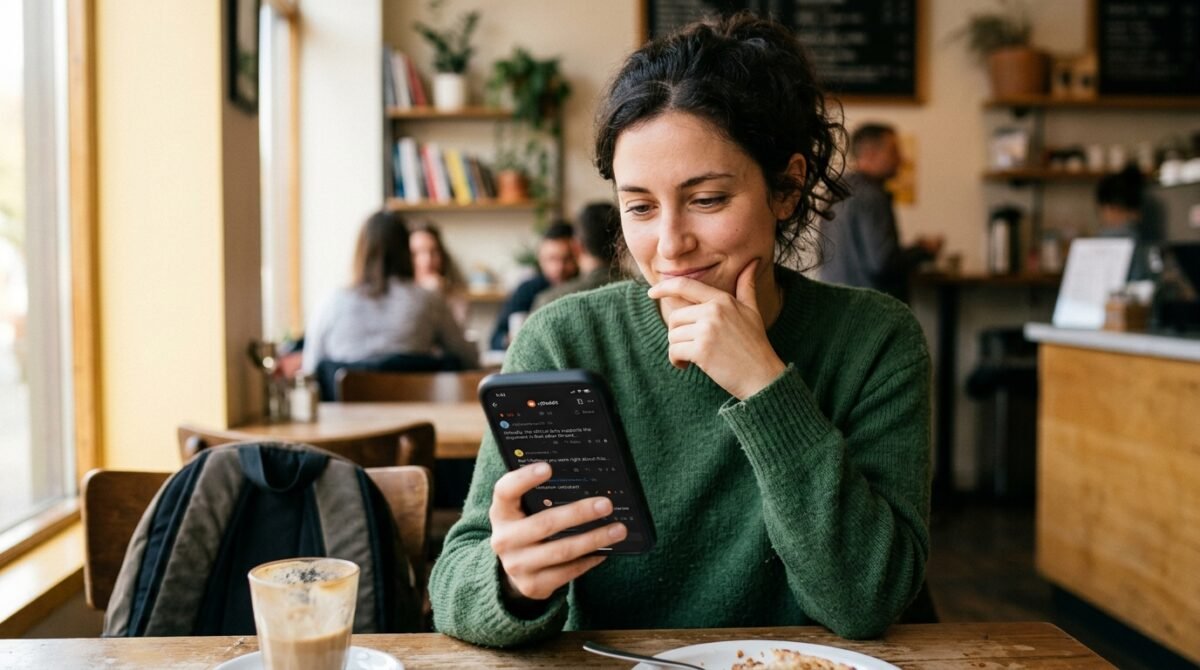
Naturally, I took to Reddit to vent my frustrations. I posted under a burner account, keeping the details vague but the core of the story clear. The response was overwhelming. Within hours, the post hit the front page, with thousands of people chiming in on whether I had acted too harshly or if I was completely justified. The consensus was, surprisingly, heavily in my favor.
“This is not just a roommate dispute. This is a massive security risk, a lease violation, and a complete lack of respect for your living situation. OP, you are NTA. You should have reported her to the landlord to protect yourself from future legal trouble.”
— u/CityLifeSurvivor (Top Comment, 32.5k upvotes)
There were, of course, the contrarians. Some argued that I was being too ‘corporate’ by worrying about the lease, and that I should have just demanded a cut of the profits. Those comments were quickly downvoted into oblivion. Most people understood that the issue wasn’t the money—it was the fact that I had been violated in my own home. The idea of ‘urban glamping’ was treated with the ridicule it deserved.
Others shared their own horror stories about roommates, which made me feel slightly less like I was living in a nightmare. From stolen identities to secret sub-letters, the spectrum of roommate dysfunction was vast. I realized that my experience, while extreme, was part of a larger, systemic problem where people feel entitled to exploit shared resources at the expense of others’ comfort and safety.
One comment in particular stood out to me. It wasn’t just about the verdict; it was about the psychological impact of having one’s sanctuary compromised. The user noted that the most important thing wasn’t the money Sarah had made, but the loss of the ‘home’ as a safe space. That really resonated with me. For months, I had walked around my apartment feeling like I didn’t truly own my space, and it had taken a toll on my mental health that I hadn’t fully recognized until then.
Reading the comments allowed me to process the event in a way I hadn’t been able to do alone. It validated my anger and reinforced my decision to kick her out. I wasn’t the ‘bad guy’ for setting a boundary, and I wasn’t the ‘uptight’ one for expecting basic respect. I was just someone who had been wronged and had chosen to protect themselves. That was enough.
The Aftermath and the New Normal
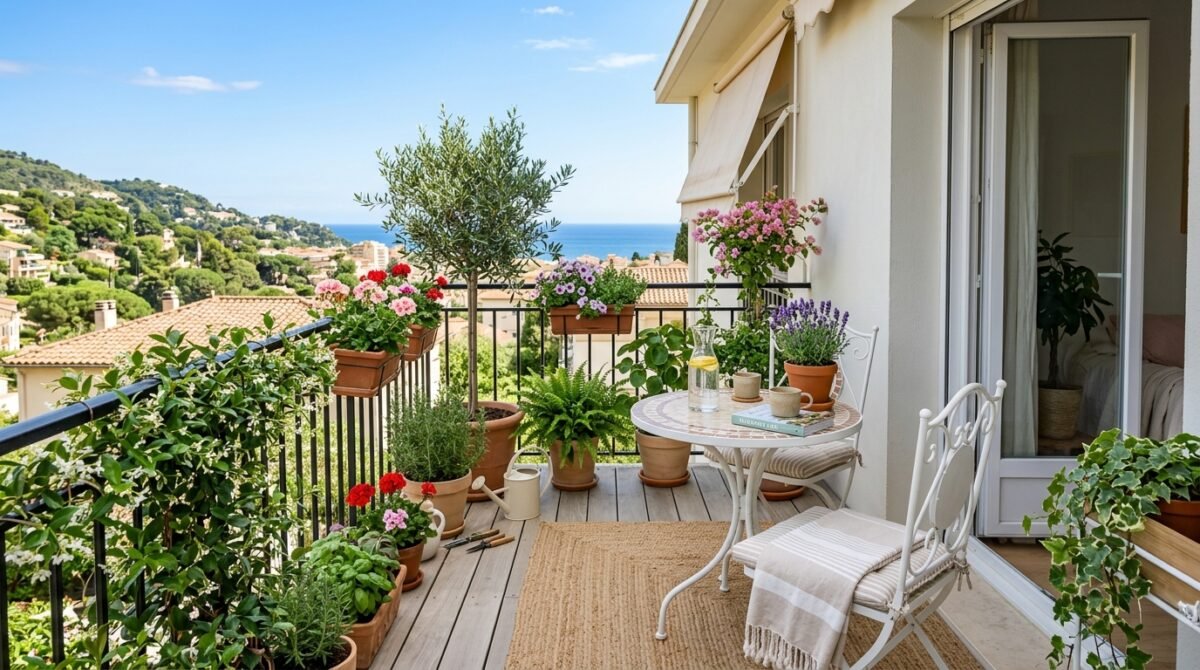
Life after Sarah has been quiet. Almost too quiet, at first. I spent a few weeks getting used to the silence of the apartment, the lack of mysterious comings and goings, and the fact that my balcony was actually mine again. I bought some actual furniture for it—a small bistro set, some real plants, and a rug. No sleeping bags allowed. I found that I spent more time outside than ever before, simply enjoying the fact that I didn’t have to worry about who was watching.
I also updated my lease to ensure that I was the only one on it. The landlord was understanding, especially once I showed him the proof of the ‘glamping’ business. He was livid and immediately added a clause to our building’s rules specifically banning short-term rentals, which felt like a small, final victory. Sarah had tried to reach out a few times in the months that followed, but I never responded. The bridge was not just burned; it was dismantled.
I learned a lot about myself, too. I learned that I was capable of making hard decisions, even when I felt like the ‘villain’ in someone else’s narrative. I learned that my gut instinct—the one that told me something was wrong long before I found the sleeping bag—was worth listening to. And most importantly, I learned that I deserve a home that feels like a sanctuary, not a business venture.
My social life slowly recovered, though I was much more careful about who I let into my space. The ‘Sarah incident,’ as it came to be known, became a filter. If someone thought what she did was ‘clever,’ I knew they weren’t the kind of person I wanted to be close to. It’s been a year now, and I’m in a much better place. I have a new roommate—a quiet, respectful professional who understands that ‘sharing’ a home means respecting the boundaries of the people living in it.
The balcony is now a place for morning coffee, not a place for ‘urban glamping.’ I look out at the city and I don’t see a market for transient travelers; I see my city, my home, and my peace. It was a expensive lesson in many ways, but it was one that taught me the true value of trust and the importance of holding people accountable for their actions, no matter how much they try to dress them up as ‘innovation.’
The Legal Reality Check

Looking back, I probably should have consulted a lawyer earlier. The risks were higher than I realized. In many cities, running an unauthorized short-term rental can lead to massive fines not just from the landlord, but from the city government itself. Zoning laws and safety regulations exist for a reason, and Sarah had completely bypassed them. I could have been held liable for any accident that occurred on that balcony.
What if a guest had fallen? What if there had been a fire? The liability would have landed on me, the leaseholder. The thought still makes me shiver. I spent hours researching local laws after she left, and the reality was sobering. I was essentially operating an illegal hotel without insurance or a permit. The fact that nothing tragic happened was purely down to luck, not Sarah’s foresight.
“You are essentially an accessory to an illegal business if you know about it and don’t report it. Kicking her out was the right move, but you should have also notified the building management immediately to distance yourself from the liability.”
— A legal-focused comment from the community thread.
I reached out to my landlord to ensure that any record of the activity was tied specifically to Sarah and not to my name. Fortunately, he was reasonable. I provided him with all the screenshots, the listing details, and the transaction logs I had saved. He appreciated the transparency and confirmed that my tenancy was secure. It was a stressful process, but it ensured that I wouldn’t have any long-term consequences from her poor decisions.
This experience taught me to pay more attention to the fine print of my lease and the local regulations regarding my apartment. I am no longer the ‘trusting roommate’ who assumes everything is fine just because the rent gets paid. I am now the roommate who asks questions, checks the common areas, and keeps an eye on the building’s security. It’s a bit more work, but the peace of mind is worth it.
I also started a small fund for any unexpected apartment-related costs, just in case. I realized that living in a city means always being prepared for the worst. It’s a cynical way to view things, perhaps, but after living through the ‘glamping’ nightmare, I prefer to be prepared. I’ve become an advocate for my own safety, and that’s a position I’m proud to hold.
The Psychology of Entitlement

I’ve thought a lot about why Sarah felt she could do this. It wasn’t just about the money; it was about a profound sense of entitlement. She felt that the space was ‘wasted’ if it wasn’t generating revenue. She saw the world through a lens of productivity, where every square inch of existence needed to be optimized for profit. It’s a modern malaise, I suppose—the belief that everything is a ‘side hustle’ waiting to happen.
She never once considered the impact on me. When I tried to explain that I felt violated, she looked at me like I was speaking a foreign language. To her, it was ‘just business.’ That disconnect was the most disturbing part. She had successfully compartmentalized her life to the point where she could disregard my autonomy entirely. It was a chilling look into how some people process the world around them.
I’ve since read up on ‘toxic entitlement’ and how it manifests in shared living arrangements. It’s often characterized by a disregard for others’ boundaries and a belief that the rules don’t apply when there’s an opportunity for gain. I saw all of those traits in Sarah. She was charming at first, but once you looked past the surface, there was a void where empathy should have been.
I’ve become much more attuned to those red flags in other people now. I don’t fall for the ‘hustler’ archetype anymore. I value stability, reliability, and respect over ‘creativity’ and ‘ambition’ when it comes to people I live with. It’s a lesson that took a high price to learn, but I think I’m a better judge of character because of it.
The experience changed my definition of what makes a good roommate. It’s not just someone who pays rent on time. It’s someone who values the space as much as you do and understands that a home is a place of rest, not a marketplace. I’m grateful for the new roommate I have now, who understands this implicitly. We don’t have to talk about boundaries because they are respected by default.
Moving Forward with New Boundaries
The process of moving forward has been about more than just finding a new roommate; it’s been about reclaiming my own autonomy. I have set firm, clear boundaries for my living space, and I’m not afraid to enforce them. I check the locks, I keep my spare key in a safe, and I don’t let anyone—friend or stranger—take liberties with my apartment.
I’ve also become more involved in my building’s community. I know my neighbors now, and we look out for each other. It’s a small thing, but it’s a big part of feeling secure. When you live in a building where everyone knows everyone else, it’s much harder for someone to pull a stunt like ‘urban glamping’ without being noticed. Community is the best defense against exploitation.
I also make sure to have regular check-ins with my current roommate. We have a monthly house meeting, not to discuss business, but to talk about how we’re doing and if there are any issues in the apartment. It keeps the lines of communication open and prevents the kind of resentment that can build up over time. It’s a simple system, but it works.
I’ve forgiven Sarah, in a way, though I haven’t forgotten. Forgiveness isn’t about letting her back into my life; it’s about letting go of the anger so that it doesn’t consume me. I don’t hate her anymore, but I am firm in my decision that she has no place in my world. She taught me a valuable lesson, and for that, I can move on.
I look back on the whole ‘urban glamping’ saga as a bizarre chapter in my life. It’s a story that still surprises people, and it’s a constant reminder of how important it is to stand up for yourself. I’m stronger for it, and I’m more appreciative of the peace and privacy I have now. I’ve learned that the most important thing you can own is your own sense of safety.
Community Reflection: The Cost of Convenience

The story has become a permanent fixture in my life, a reminder of the strange, unpredictable nature of modern city living. It has prompted many conversations with friends and family about the ‘cost of convenience.’ We live in a world where apps make it easy to monetize everything, but we often forget the human cost of that convenience. Is it really worth it if it compromises someone else’s sense of safety?
I’ve been encouraged by the many people who have reached out to share their own stories. It seems I am not alone in my experiences with roommate-related violations. It’s a shared struggle, a collective realization that the ‘sharing economy’ often comes at the expense of those who are actually doing the sharing. It’s a conversation that I think needs to happen more often.
I’m grateful for the support I’ve received, both from the Reddit community and from my personal circle. It reminded me that I’m not the ‘crazy’ one for wanting a safe, secure home. It’s a basic human right, and I’m glad I fought for it. The experience was a trial by fire, but it forged a stronger, more resilient version of myself.
As I close this chapter of my life, I want to encourage anyone else in a similar situation to stand their ground. You don’t have to be the ‘nice’ one if someone is disrespecting your boundaries. You don’t have to be the ‘understanding’ one if someone is exploiting your trust. Your safety, your peace, and your home are worth fighting for, no matter how much they try to make you feel like you’re the one in the wrong.
The ‘Zen Oasis’ is gone, and in its place is a home that actually belongs to me. It’s a small victory in a big city, but it’s a victory nonetheless. And I think that’s the most important thing of all. I’ve reclaimed my space, my peace, and my future. I’m ready for whatever comes next, and I’ll be watching the balcony, just in case.
Conclusion
My experience is a stark reminder that in the rush to ‘hustle’ and monetize every aspect of our lives, we often lose sight of the most basic human needs: trust, safety, and a place to call home. When my roommate turned our balcony into a commercial listing, she didn’t just break the lease; she shattered the fundamental agreement that allows two people to share a space. It was a violation of privacy that went far beyond money, and it took a significant toll on my mental health to recover from that feeling of being perpetually watched in my own home.
I hope that by sharing this, others realize that you don’t have to accept being exploited in the name of ‘entrepreneurship.’ Whether you’re dealing with a toxic roommate, an overstepping landlord, or a boundary-crushing friend, your right to safety and comfort is non-negotiable. Don’t let someone else’s greed or lack of empathy make you feel like the ‘bad guy’ for setting a boundary.
I’d love to hear from all of you. Have you ever had a roommate who took ‘side-hustling’ too far? Or have you found yourself in a situation where your home was compromised by someone you trusted? What’s the most ridiculous thing you’ve seen someone try to rent out? Let’s keep this conversation going in the comments below—I’m curious to know if I’m the only one who has had to evict a ‘glamping’ entrepreneur!
What's your verdict on this dilemma?
Vote below to contribute to the official community consensus.

Have a Dilemma Keeping You Up at Night?
Share your real-life feud, wedding chaos, or relationship crossroads anonymously with our editorial team.
What do you think ?
0 Comments🛡️ Comments are moderated to protect community integrity. Your comment will appear once approved by the editorial team.