
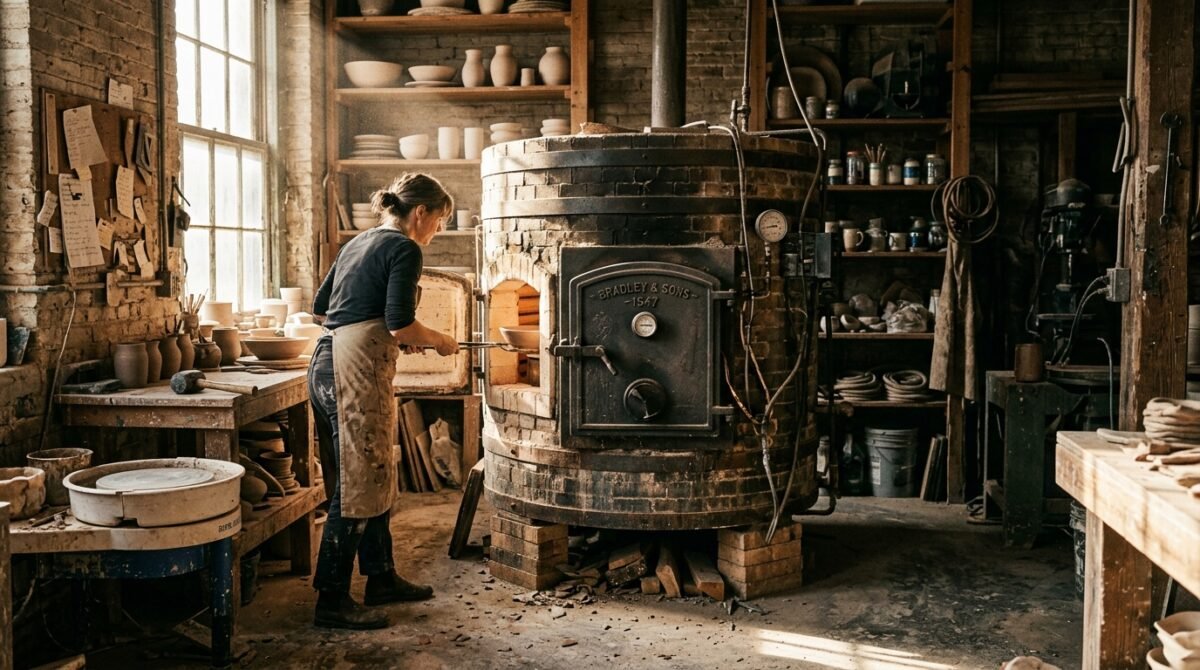
Inheritance is rarely just about the object itself; it is about the history, the labor, and the unspoken weight of legacy. My great-grandmother, a woman of iron will and calloused hands, spent decades mastering the art of pottery. Her kiln—a hand-turned, cast-iron marvel from the mid-twentieth century—was not just a tool; it was the heart of her home. When she passed, the kiln was bequeathed to me, the only grandchild who had spent every summer learning the trade, sweating over clay, and understanding the delicate chemistry of glaze.
Then there is Sarah, my half-sister. We share a father, but our upbringings were as different as silk and sandpaper. Sarah arrived in my great-grandmother’s life only when there was something to be gained. She lacked the patience for the craft, viewing the kiln as an eyesore or a potential commodity. Years ago, she had already proven her lack of care when she took a series of delicate, hand-thrown keepsakes from the collection and left them shattered in a cardboard box, claiming they were just ‘dust collectors.’ The wound of that loss never quite healed.
When the estate lawyers finally cleared the path for the transfer of the kiln, the vultures began to circle. Sarah, who had not spoken to me in three years, suddenly found a deep, artistic appreciation for ceramics. She didn’t want to learn how to fire clay; she wanted to leverage the kiln’s value to fund her latest flight of fancy. The request was simple: split it down the middle, either financially or through a custody arrangement that would inevitably lead to the machine’s ruin.
I stood before the kiln, its heavy lid cold under my touch, and felt a surge of protective instinct. This was not a dispute over money; it was a battle for the soul of a lineage. I refused. I refused because I knew that if the kiln moved into her hands, it would become a rusted monument to her apathy. This story explores the fallout of that decision, the manipulation that followed, and the line between family obligation and the preservation of what we hold sacred.
The Morning the Estate Appraisal Landed
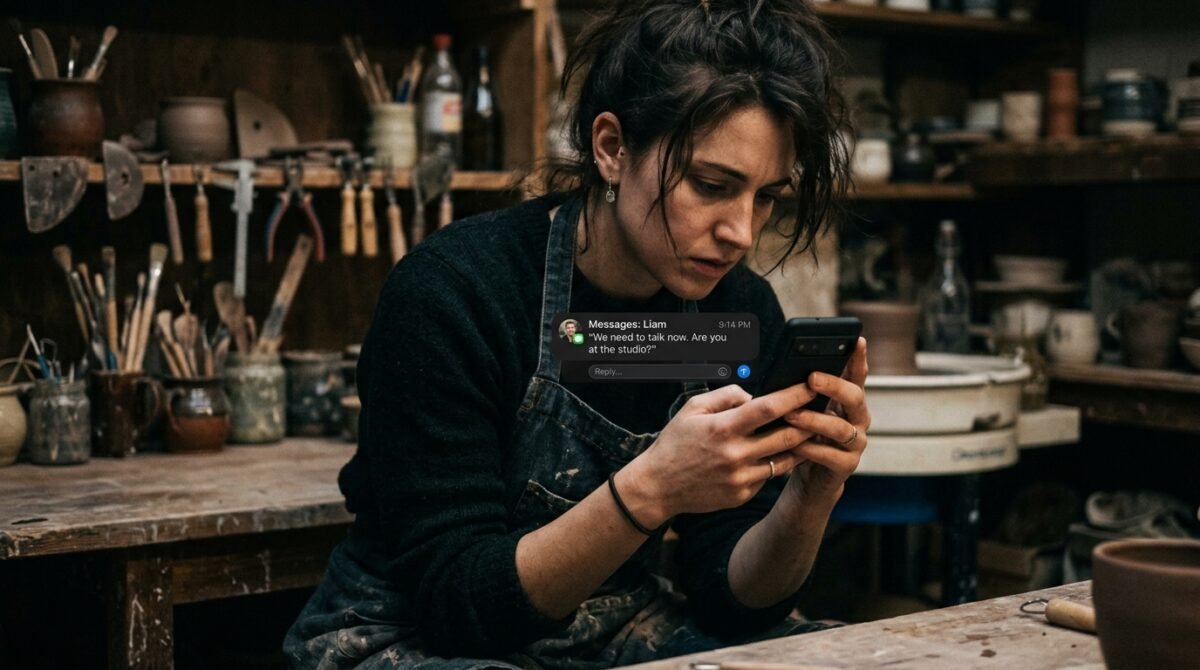
The letter arrived on a Tuesday, crisp and official, detailing the fair market value of the studio contents. My great-grandmother had lived a modest life, but her equipment was artisanal-grade. The kiln, a rare, hand-turned model, was appraised at a significant sum, but its value to me was immeasurable. I had spent my childhood watching her fingers work the wheel, learning the patience required to fire the heavy, iron-cast kiln.
My phone buzzed before I even had the chance to finish my morning coffee. It was Sarah. She hadn’t sent a text or called in years, yet here she was, her digital presence suddenly looming large. The message was cold, transactional, and entirely devoid of any sentiment regarding our late matriarch. She had clearly been talking to our father, who had been fishing for information about the inheritance since the funeral.
“Hey, I saw the appraisal for the estate equipment. Since dad says the kiln is valuable, I think it’s only fair we split the value 50/50. I have some debts to clear and it’s technically family property.”
— Text from Sarah
I stared at the screen, my pulse quickening. The arrogance of it was staggering. She hadn’t stepped foot in the studio for years, and now she viewed the hard-earned tools of a lifetime as a bank account. I didn’t respond immediately. I needed to breathe, to ground myself in the space that she had once treated with such disrespect. I thought about the broken ceramic pieces she had discarded like trash, and the silence in the room felt heavy with memory.
I eventually typed a reply, keeping it professional but firm. I explained that the kiln was not an asset meant for liquidation; it was a functional tool for the legacy I was maintaining. I offered her a small portion of my own savings to ‘buy out’ her hypothetical interest, just to keep the peace, but she wasn’t interested in a fair buy-out. She wanted the item or the full market valuation, and she was prepared to make my life miserable to get it.
The tension in the house that afternoon was palpable. My father called an hour later, his voice dripping with the familiar tone of a mediator who always sides with the loudest person in the room. He told me I was being ‘selfish’ and ‘rigid.’ He didn’t care about the art; he cared about stopping the whining. I realized then that this wasn’t just about the kiln—it was about who held the power to define the boundaries of our family history.
The Forgotten Tragedy of the Shattered Keepsakes
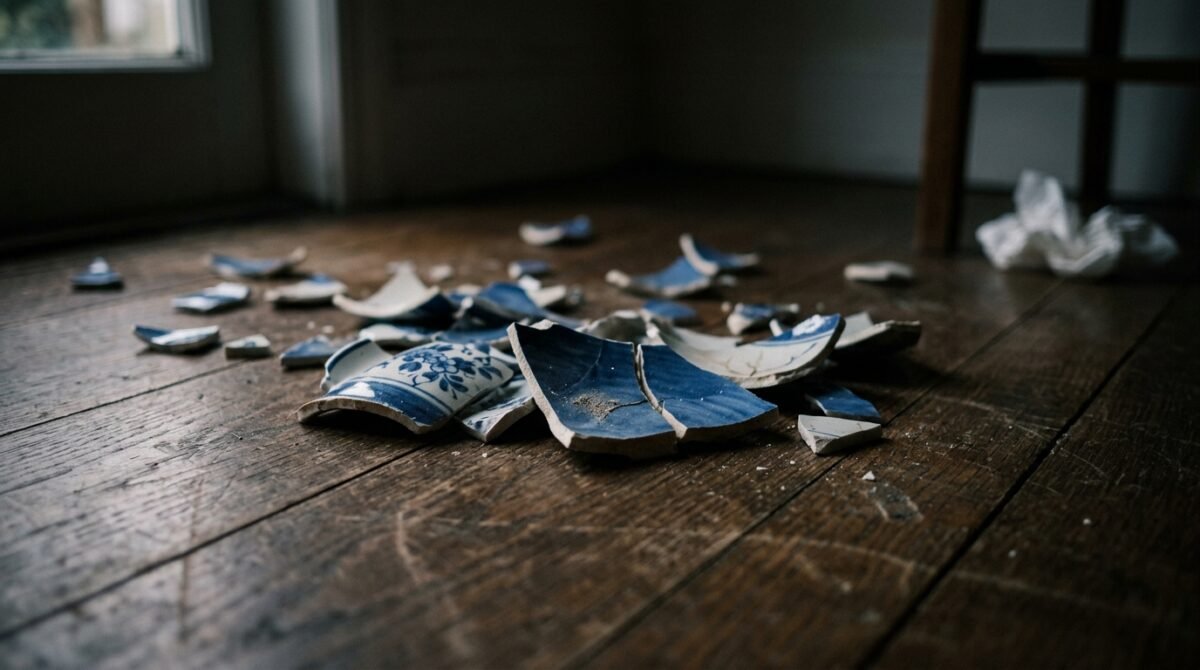
It is impossible to understand my refusal without understanding the history. Five years ago, my great-grandmother was moved into an assisted living facility. Sarah, claiming she wanted to ‘help’ pack, had descended upon the studio like a whirlwind. I was working a double shift at the hospital and couldn’t be there to oversee the process. I returned to find the studio decimated.
The shelves that held our great-grandmother’s most delicate, early-career works—pieces she had fired in that very kiln—were empty. I found a box in the back room, filled with porcelain shards and ceramic dust. Sarah had simply swept them off the shelves to make room for her own storage bins, not realizing or caring that she was destroying a irreplaceable collection of personal history.
“They were just old, ugly trinkets, OP. Why are you getting so emotional over some dusty mugs? They were broken in the move, it’s not the end of the world. Get over it.”
— Sarah’s defensive text after the destruction
I remember standing in the center of that studio, the silence deafening. I felt a cold, hard knot form in my chest. To Sarah, everything was just ‘stuff.’ She had no concept of the labor involved in throwing clay, the hours of firing, or the heartbreak of watching a piece crack in the kiln. She saw a commodity, not a legacy. This was the moment I realized I could never trust her with anything of value.
When she started demanding the kiln, I didn’t just see a piece of machinery. I saw the ghost of those shattered keepsakes. I saw the same lack of respect that had cost us our family history years ago. I knew that if I gave in, the kiln would be sold, moved, or abandoned in a damp garage, inevitably falling into disrepair. The cycle of destruction had to end with me.
I brought this up in the family group chat, hoping that other relatives might see the pattern. My aunt, who usually stayed neutral, actually spoke up, reminding everyone of how the keepsakes had been destroyed. It backfired. Sarah immediately pivoted, playing the victim, claiming that she had been ‘overworked’ and that the breakage was an accident. The narrative was spinning, and I was being painted as the vindictive one holding onto ancient grudges.
The Unannounced 6:00 AM Kitchen Intrusion
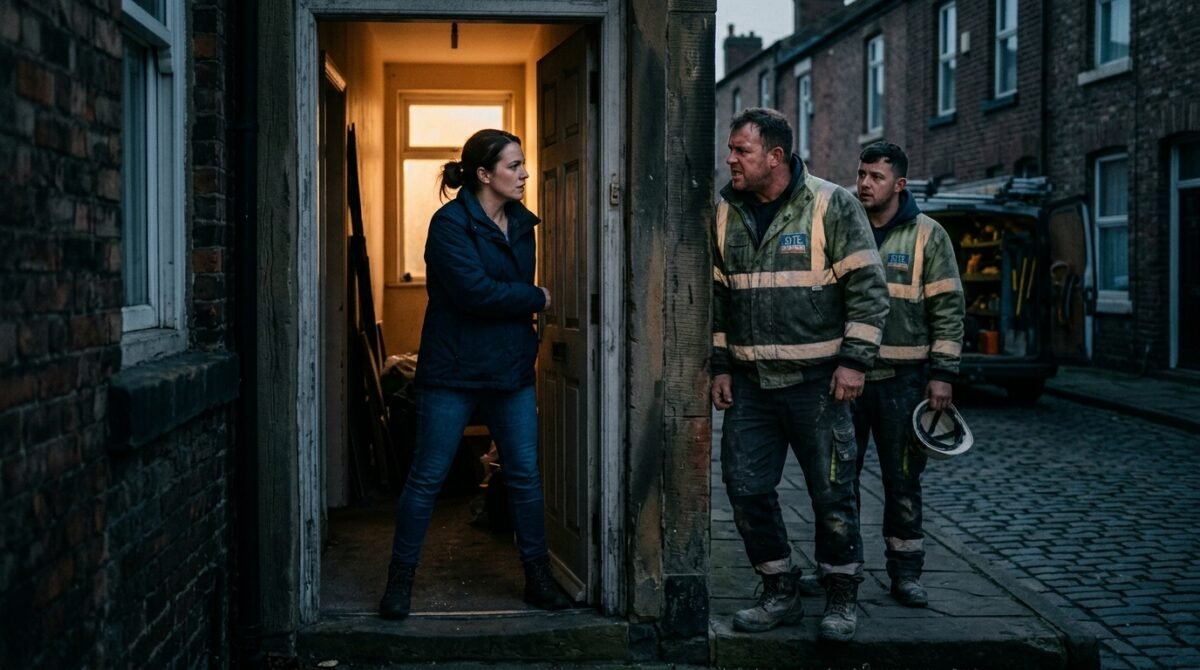
The situation escalated when I woke up to the sound of a key in my door. I had forgotten that Sarah still had a spare from our grandmother’s old set. I walked into the kitchen to find her standing there with two men in heavy work boots, looking at the door that led to the studio. The air was thick with the smell of stale coffee and the sheer audacity of her presence.
She didn’t even apologize for the intrusion. She looked at me with a smirk, as if she had already won. She had brought a moving crew, clearly intending to simply drag the kiln out of the house before I could mount any legal defense. The audacity was so extreme that I initially couldn’t even speak; I just stood there in my pajamas, blocking the hallway.
“Move, OP. We’re here to load the kiln. You’ve been dodging my calls about the split, and Dad said the estate is settled enough for me to take my half. Don’t make a scene in front of the movers.”
— Sarah, inside my home
My heart was hammering against my ribs, but my voice was steady when I finally spoke. I told her that if she took one more step, I would call the police and report a B&E. The men behind her looked uncomfortable; they clearly weren’t getting paid enough to participate in a family war. Sarah looked at me, incredulous, unable to process the fact that I was actually willing to treat her as a trespasser.
I pointed at the door, my finger shaking slightly. The power dynamic had shifted. She expected me to crumble, to cry, or to argue, but I had moved past the stage of trying to reason with her. I knew the law was on my side—the kiln had been specifically gifted to me in the will, and she had no legal claim to it whatsoever. Her attempts to use our father as a proxy were failing because the paperwork was ironclad.
She eventually ordered the movers to leave, cursing me the entire way out. The slamming of my front door echoed through the house, leaving a ringing silence in its wake. I leaned against the wall, my knees finally giving out. I had saved the kiln for the moment, but the war was clearly only just beginning. I knew I needed to change the locks and secure the property, as she had proven she was willing to disregard personal boundaries to get what she wanted.
The Reddit Verdict: Echoes of the Internet

That night, I sat down and typed out the entire situation on a throwaway account. I needed an outside perspective. Was I being too rigid? Was I letting my resentment over the past cloud my judgment? The response was immediate and overwhelming. Thousands of people weighed in, and for the most part, they were firmly on my side.
The community analyzed the situation with the cold, hard logic that I had been missing. They pointed out that Sarah’s entitlement was a common symptom of a lack of boundaries. They didn’t see a sister asking for her inheritance; they saw a predator looking for an easy payout. The validation was both comforting and terrifying, showing me how far things had truly devolved.
“NTA. She broke your past, she doesn’t get to sell your future. Keep the kiln, change your locks, and cut her off. She’s not looking for a piece of the inheritance; she’s looking for a way to hurt you. Do not back down.”
— u/ReasonableObserver (Top Comment, 32.5k upvotes)
Others brought up the legal implications, noting that if the will specifically left the kiln to me, any attempt to take it was theft. The advice was unanimous: stop engaging, stop trying to explain, and start documenting everything. I read through hundreds of comments, feeling the weight of the situation settle into a clear path forward. I realized that my need for ‘family harmony’ was actually enabling the abuse.
One comment in particular stood out, dissecting the ‘why’ behind her behavior. They suggested that Sarah likely felt jealous of the bond I had with our great-grandmother, and by destroying the keepsakes and trying to take the kiln, she was attempting to erase that bond. It was a psychological insight that made a chilling amount of sense. She didn’t want the money; she wanted to destroy the thing that reminded her that she was never part of that world.
The Reddit thread became a source of strength. I wasn’t just a person fighting a sister; I was a person upholding a standard of respect. The collective wisdom of the internet gave me the armor I needed to handle the next round of attacks. I started taking screenshots of every text, every voicemail, and every threat, building a file that would serve as my shield in the upcoming legal confrontation.
The Financial Ledger of Deceit
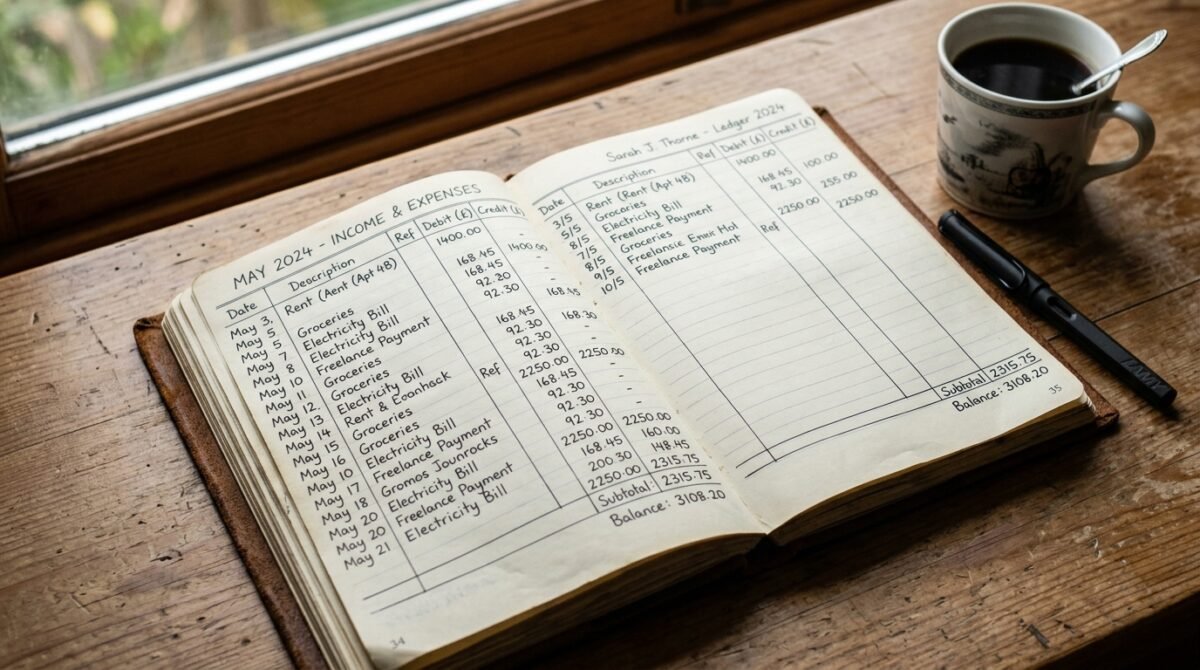
I decided to put together a timeline of the estate disputes. It was necessary to show exactly how much Sarah had ‘contributed’ versus what she was claiming. It wasn’t just about the kiln; it was about the years of neglect she had shown while I was the one paying for the upkeep of the house and the medical bills of our great-grandmother. The table below illustrates the reality of her claims versus her actual history.
| Category | Sarah’s Contribution | My Contribution |
|---|---|---|
| Studio Upkeep | $0 | $8,400 (Labor + Repairs) |
| Estate Legal Fees | $0 | $2,200 |
| Keepsakes Preservation | Destruction of items | Restoration of collection |
| Kiln Maintenance | $0 | $1,500 (New elements/wiring) |
Looking at the numbers in black and white was sobering. She hadn’t invested a single cent into the legacy she was now trying to liquidate. Her ‘claim’ was entirely fabricated on the concept of blood relation, which she had clearly decided was enough to bypass any actual effort. It was a classic case of entitlement, where the value of an object is only recognized once it can be converted into cash.
I sent a copy of this ledger to our father, not because I expected him to change his mind, but because I wanted him to see the reality of his favorite daughter’s demands. His response was typical—he called me ‘pedantic’ and ‘cold’ for keeping track of money. He refused to look at the numbers, preferring the comfortable lie that Sarah was just an ‘eager young woman’ trying to get her start in life.
I realized then that my father was just as much a part of the problem as Sarah. He was the one who had allowed her to escape consequences for the destroyed keepsakes, and he was the one who was now facilitating her theft of the kiln. By refusing to confront her, he was effectively telling me that my boundaries were optional. I stopped sending him information. I realized that keeping him in the loop was just feeding the gossip mill that Sarah was using to harass me.
The ledger, however, stayed on my desk. It was my reality check. Whenever I felt guilty, whenever I wondered if I should just offer her a few hundred dollars to make her go away, I looked at the table. It reminded me that there was no ‘fair’ settlement with someone who didn’t respect the history of the objects they were trying to steal. It gave me the resolve to hold firm, no matter how much the family dynamic groaned under the pressure.
The Lawyer’s Letter and the Final Stand
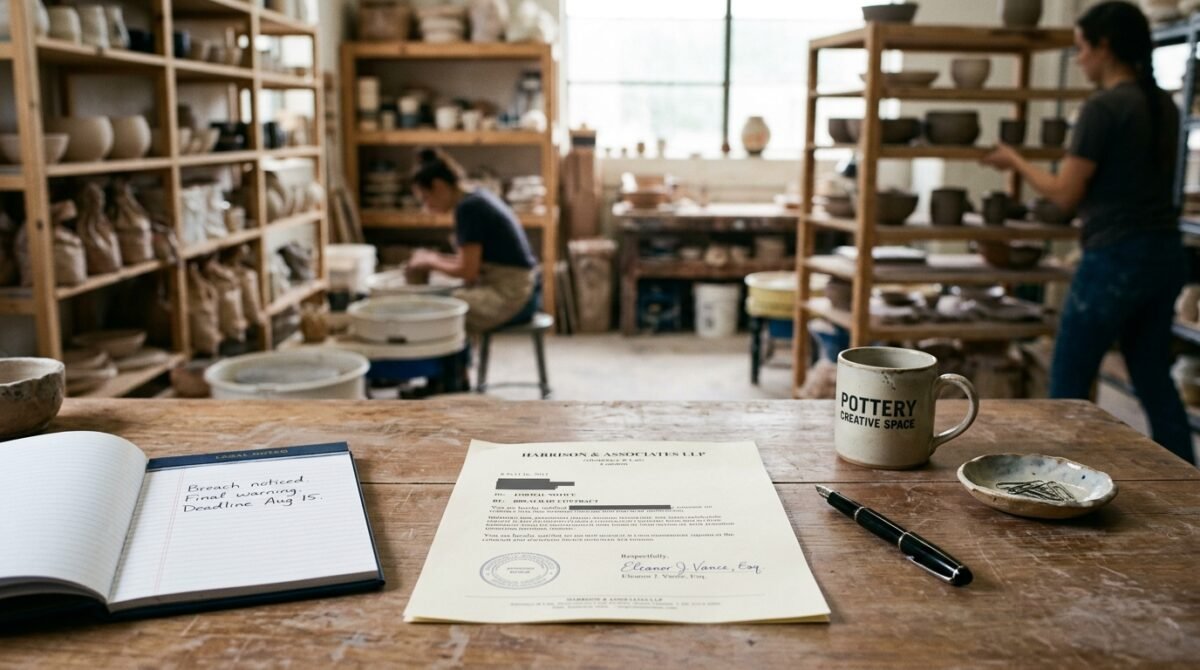
When the cease-and-desist letter arrived, it was a moment of profound relief. I had hired a local attorney who specialized in estate law, and the letter was as cold and precise as a scalpel. It laid out the specific clauses in the will that granted me sole ownership of the kiln, and it warned Sarah that any further attempt to trespass or harass me would result in immediate legal action.
I sent a copy to Sarah, along with a final, curt message. I told her that the conversation was over. I wasn’t going to negotiate, I wasn’t going to justify myself, and I certainly wasn’t going to hand over a single screw from the kiln. The silence that followed was the most beautiful sound I had heard in months. The harassment stopped almost overnight, as if the legal threat had finally pierced the bubble of her entitlement.
“You’re pathetic, OP. You’ve really let a piece of junk ruin our family. I hope you’re happy with your stupid kiln. Don’t expect a call when dad passes or when you realize you’re all alone.”
— Sarah’s final text message
Her final parting shot was a classic manipulation tactic—guilt-tripping me with the threat of future isolation. It stung, even though I knew it was meant to. It was the last gasp of someone who had lost control over the situation. I didn’t reply. I blocked her number, deleted the thread, and felt a weight lift off my shoulders that I hadn’t realized I was carrying.
I spent that weekend in the studio. I cleaned the kiln, checked the wiring, and prepped it for its first firing in years. As the machine began to heat up, the familiar hum filled the room. It was a soothing, rhythmic sound that reminded me of my great-grandmother. I felt a sense of peace that I hadn’t known since before the inheritance was even discussed.
The victory felt hollow in some ways—it was, after all, a family bridge that had been burned. But as I looked around at the preserved history, the keepsakes I had managed to salvage, and the kiln that was now finally safe, I knew I had made the right choice. Some things are worth fighting for, and some bridges are better left in ashes when they lead to a place where you are constantly expected to sacrifice your values for someone else’s greed.
The Lessons of the Kiln
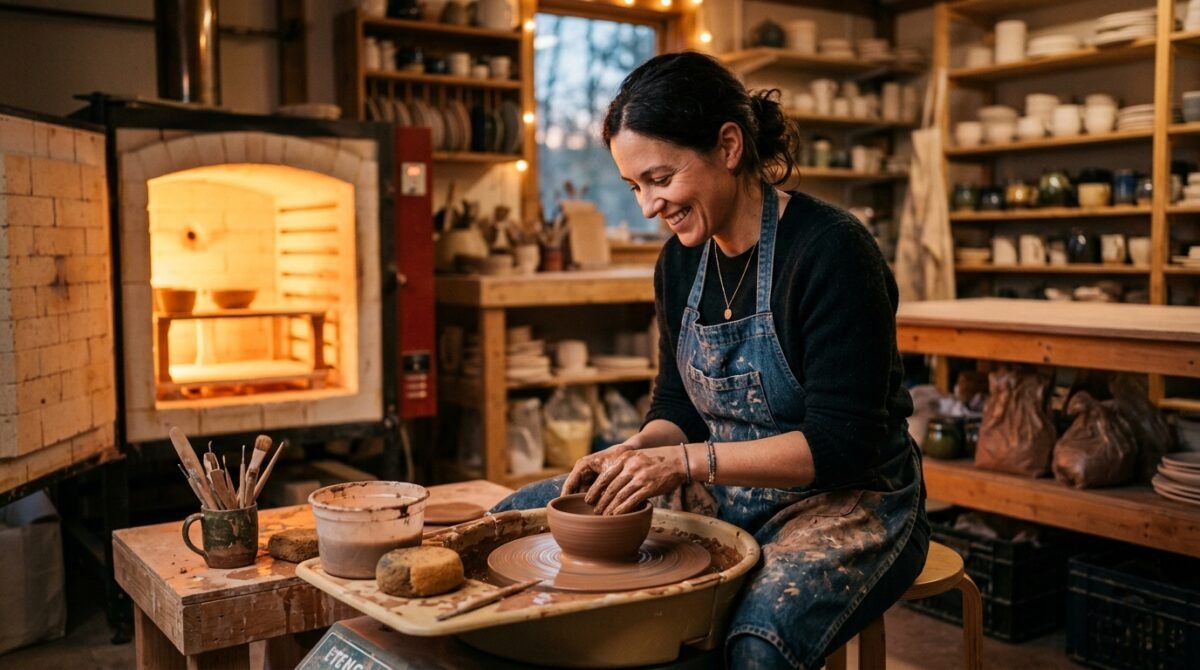
Looking back, the kiln was never the issue. It was the catalyst. It revealed the rot in the foundation of my relationship with Sarah and my father. It forced me to confront the fact that I was being treated as the ‘reliable one’ who was expected to yield, while Sarah was the ‘volatile one’ who had to be appeased. The kiln gave me the courage to challenge that narrative once and for all.
I learned that boundaries are not acts of cruelty; they are acts of self-preservation. By refusing to split the kiln, I wasn’t being selfish. I was protecting a legacy that had been entrusted to me, a legacy that someone else had already proven they didn’t deserve to hold. I learned to distinguish between ‘family loyalty’ and ‘family enabling,’ and I chose the former, even if it meant losing some of the latter.
The process of firing the kiln became a form of therapy. Each project I completed was a tribute to the patience I had been taught, a direct counter-argument to the chaos Sarah had introduced into my life. I started to make new pieces, inspired by the ones she had broken, turning the energy of the conflict into something tangible and beautiful. The kiln was finally doing what it was always meant to do: creating, not destroying.
I’ve reached a place of low-contact with my father, which is the best we can manage. He still holds onto the idea that I was the one who broke the family, and I’ve stopped trying to convince him otherwise. I have my own life, my own studio, and my own peace. The kiln is still there, humming in the corner, a silent witness to the fact that I stood my ground.
I encourage anyone facing a similar situation to remember that your heritage is not a negotiation. You have the right to protect what is yours, especially when that object represents a history that others are willing to discard. It isn’t always easy, and the backlash can be severe, but the cost of giving in is always much higher. Stand your ground, document everything, and don’t let anyone make you feel guilty for honoring the people who came before you.
Community Reflection: The Cost of Inheritance
The internet debate didn’t end with my resolution. People continued to share their own stories of family inheritance nightmares—houses left to children who didn’t want them, jewelry sold for pennies, and the deep, abiding resentment that comes from seeing family legacies destroyed by greed. It was heartening to realize I wasn’t alone, and that this was a universal struggle of the modern age.
Many readers shared their own regrets about not setting boundaries earlier. They spoke of lost items, ruined relationships, and the long-term emotional toll of allowing others to trample their values. Their stories served as a reminder that the cost of inaction is often higher than the cost of conflict. My story, in a small way, became a case study for why it’s okay to say ‘no’ to family when the request is fundamentally wrong.
“I went through something similar with my grandfather’s watch. My brother wanted to sell it to buy a car. I bought him out, and he hasn’t spoken to me in five years. Best five years of my life. You made the right call, OP. Some relationships are just anchors, and it’s okay to cut the cord.”
— u/FamilyDramaSurvivor
The community support helped me process the finality of the situation. I had gone from being the person who was ‘holding the family back’ to the person who was ‘protecting the legacy.’ The labels didn’t matter as much as the truth did. The truth was that I had done what was necessary, and the outcome was something I could live with, whereas the alternative was something I would have regretted for the rest of my life.
I’ve noticed that since the incident, my life has become quieter, but much more fulfilling. I don’t wait for the phone to ring with demands. I don’t worry about who is going to show up at my door. I have reclaimed my space and my time. The kiln is no longer just a piece of equipment; it’s a monument to my own self-worth. It’s a testament to the fact that I can withstand the pressure of a furnace, both literal and metaphorical.
I hope that my story helps someone else find their backbone. Whether it’s a family heirloom, a piece of land, or just the respect you deserve, don’t let anyone make you feel like you’re ‘being difficult’ for standing up for your principles. You are the guardian of your own life and your own history, and that is a responsibility that should never be taken lightly or compromised for the sake of temporary peace.
Moving Forward: The Kiln’s New Life
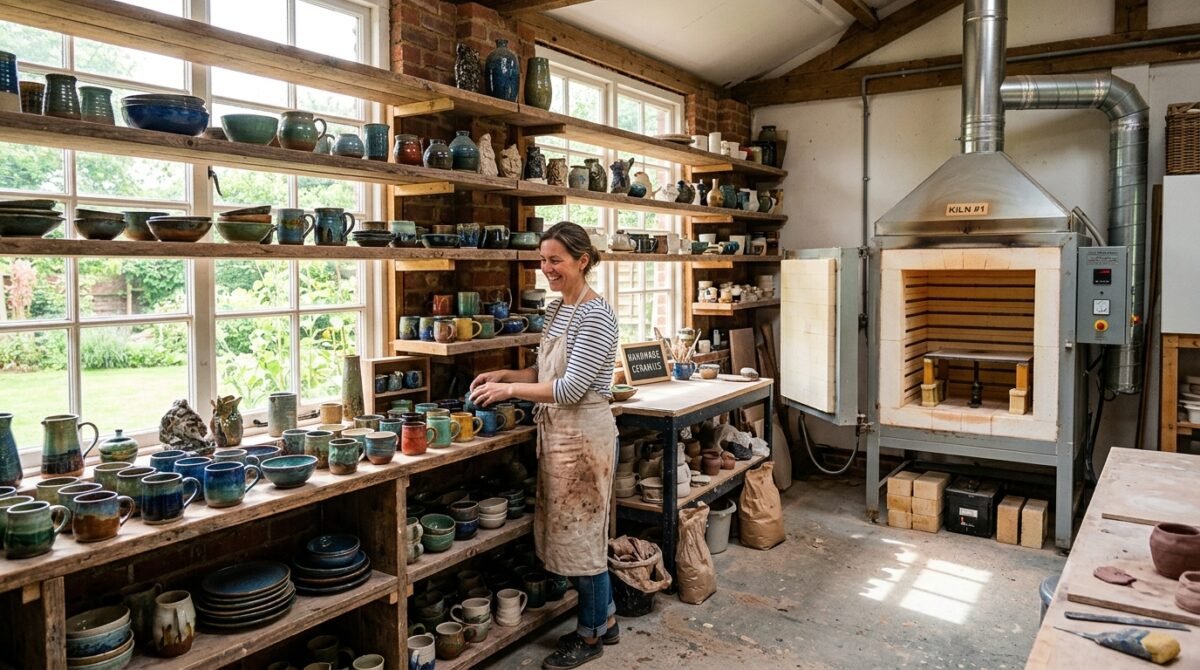
Today, the kiln is regularly in use. I’ve started a small business, selling hand-thrown ceramics that honor the techniques my great-grandmother taught me. Every piece I sell comes with a little note about the kiln and the woman who first owned it. It feels like a way to keep her legacy alive in a way that respects the art rather than the commerce.
Sarah hasn’t reached out, and for that, I am grateful. Our silence is a mutual acknowledgment that there is nothing left to say. I see her occasionally in the background of social media photos from family gatherings, and I feel nothing but a strange, distant pity. She is still chasing things, and I have found the joy of being content with what I have.
I’ve even reached a point where I can talk about the destroyed keepsakes without the same sharp edge of pain. I remember them for what they were, and I appreciate the new pieces I’ve created to replace them. It’s a healing process that is ongoing, but it’s a process I’m managing on my own terms. The kiln taught me that you can’t undo the damage, but you can always fire something new and stronger.
My father and I have a fragile truce. He comes over for the occasional holiday, and we don’t talk about the studio. We talk about the weather, his health, and the things that don’t matter. It’s a shallow relationship, but it’s stable. I’ve accepted that this is the best we can do, and I don’t hold the same expectations of him that I used to. It’s a liberation of sorts, to stop expecting people to be who you want them to be.
I am happy. That is the most important takeaway from this entire ordeal. I am happy in my home, happy with my work, and happy that I protected the legacy that was entrusted to me. The kiln is just a machine, but it led me to a much greater realization: I am the only one responsible for my own boundaries, and I am the only one who can define my own value. And that, in the end, is worth more than any inheritance.
A Final Word to the Reddit Community

To everyone who commented, messaged, and shared their own experiences: thank you. This article isn’t just my story; it’s a testament to the power of a community that understands the importance of boundaries. You helped me see that I wasn’t alone, and that my struggle was a valid part of the human experience. Your encouragement was the fuel that helped me get through the hardest months of my life.
We all have our own ‘kilns’—the things in our lives that represent our values, our histories, and our futures. Some people will try to take them, break them, or sell them, not because they care about the object, but because they care about the power dynamic. Don’t let them. Protect your kiln. Protect your story. Protect the things that make you who you are, because once they’re gone, they’re gone forever.
“I read your story two months ago, and it finally gave me the strength to tell my siblings that they couldn’t have my mother’s jewelry. It was the hardest thing I’ve ever done, but I feel like I can finally breathe again. Thank you, OP.”
— u/GratefulForBoundaries
The fact that my story helped even one other person set a boundary makes the struggle worth it. We are all learning, all growing, and all trying to figure out how to navigate the complex web of family expectations and personal desires. If you’re currently in the middle of a battle over an inheritance or a family conflict, know this: you are not being ‘difficult’ for demanding respect. You are being human.
Keep documenting, keep holding your ground, and keep finding the people who support your values. The conflict will pass, the dust will settle, and you will be left with the things that truly matter. Your integrity is not for sale, and your boundaries are not negotiable. That is the most important lesson I’ve learned, and it’s one I’ll carry with me for the rest of my life.
If you’ve enjoyed this journey, I’d love to hear your thoughts. Have you ever had to draw a line in the sand with family, even when it cost you a relationship? What did you learn about yourself in the process? Share your stories below—let’s keep the conversation going and continue to support one another in the difficult work of establishing healthy boundaries.
Conclusion
This story of the ceramic kiln is, ultimately, a story of reclamation. It is about the choice to value personal integrity over the demands of toxic family members who view our history as their personal inventory. While the loss of a harmonious family dynamic is a heavy price to pay, it is often the necessary cost for peace of mind and the preservation of what we hold sacred.
As I sit here in my studio, watching the kiln cool, I am reminded that legacies are not just inherited—they are actively guarded. By refusing to let my half-sister sell off the physical representation of our great-grandmother’s life, I didn’t just save a machine; I saved a piece of myself. I hope this narrative serves as a reminder that your boundaries are your own, and you have every right to protect them.
What about you? Have you ever had to draw a line in the sand with a relative who felt entitled to your inheritance or your personal property? Was it worth the fallout, or do you still struggle with the ‘what-ifs’? Let’s discuss in the comments below—your experiences are what make this community strong.
What's your verdict on this dilemma?
Vote below to contribute to the official community consensus.

Have a Dilemma Keeping You Up at Night?
Share your real-life feud, wedding chaos, or relationship crossroads anonymously with our editorial team.
What do you think ?
0 Comments🛡️ Comments are moderated to protect community integrity. Your comment will appear once approved by the editorial team.