
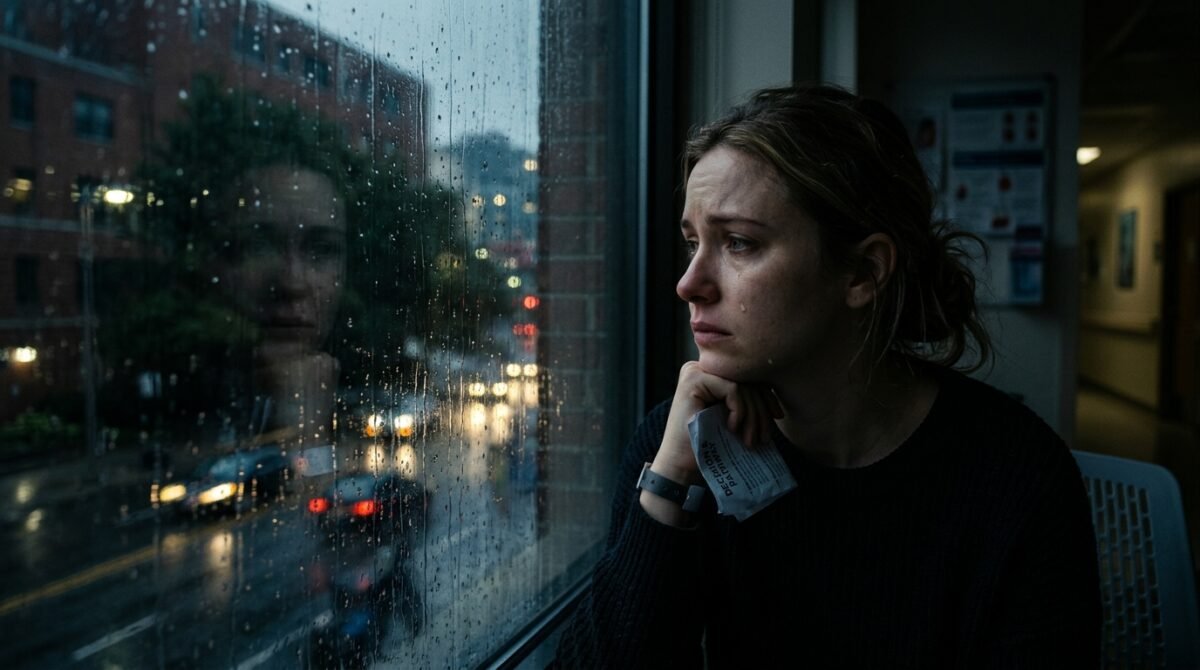
We like to believe that blood is thicker than water—that familial bonds are an unbreakable tether, regardless of the hurt inflicted along the way. I believed that for years, until I realized that some bloodlines are more like toxic spills, slowly poisoning everything they touch. My name is Elena, and for as long as I can remember, my half-sister, Chloe, made it her mission to ensure my adolescence was a landscape of humiliation and psychological warfare.
The bullying wasn’t just ‘sibling rivalry.’ It was calculated, public, and relentless. It followed me from the hallways of my high school onto the digital screens of my personal devices, leaving me with scars that took years of therapy to manage. I eventually went low-contact, carving out a life for myself far away from the suffocating toxicity of my parents’ house and Chloe’s cruel taunts. I had finally found peace.
That peace shattered three weeks ago with a single phone call from my mother, her voice trembling not with concern for my well-being, but with a desperate, frantic demand. Chloe had been diagnosed with a rare form of leukemia. She needed a bone marrow transplant, and after a exhaustive search, I was identified as the only viable match. The irony was as sharp as a blade.
My family expected me to jump into the fray, to donate a part of myself to save the person who had spent her life trying to tear me down. When I hesitated, the room went cold. When I finally said ‘no,’ the reaction was explosive. Now, I am being painted as a monster, a cold-hearted woman who is willing to let her sister die over ‘petty childhood grudges.’ But is it really a grudge when the ghost of your past is asking you to sacrifice your health for their future?
This is my story, a deep dive into the mess of family entitlement, the ethics of bodily autonomy, and the ultimate test of what we owe those who broke us. I’m asking the internet: Am I the asshole for choosing my own peace over a life-saving donation to a bully?
The Phone Call That Rewrote Everything
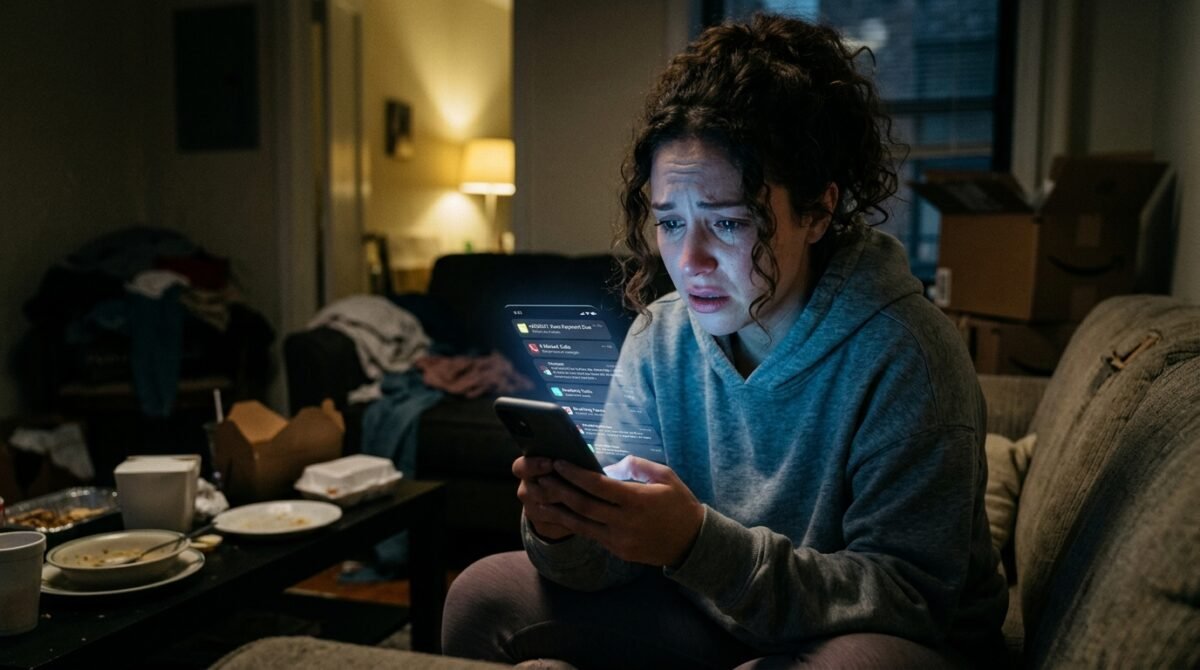
I was sitting in my apartment, finally enjoying a quiet Saturday morning with a book and a coffee, when the caller ID flashed ‘Mom.’ My stomach dropped. We hadn’t spoken in months, mostly because every conversation eventually circled back to Chloe and how I needed to ‘reach out and mend fences.’ I braced myself for the usual lecture, but the tone of her voice was different—terrifyingly urgent.
She didn’t lead with pleasantries. She didn’t ask how my job was going. She launched straight into the medical crisis, describing the leukemia diagnosis as if it were a tactical strike against my own autonomy. She spoke for ten minutes, barely taking a breath, painting a picture of Chloe’s suffering that was designed to make me feel like the primary cause of her pain if I didn’t act immediately.
“Elena, she’s dying. The doctors have been searching for months, and they finally found a match. It’s you. It’s you, and you need to get to the clinic by Monday to start the compatibility testing. There is no time to argue about the past. This is life or death.”
— My Mother, in a frantic phone call
I felt a strange, icy detachment settle over me. It was as if I were watching myself from across the room, observing the familiar patterns of manipulation. My mother’s words weren’t a request; they were an ultimatum disguised as a plea. She expected the ‘good sister’ to step up, completely ignoring the years of ‘bad sister’ behavior that had defined our relationship.
I asked her if she remembered the last time Chloe had spoken to me, or the nature of the messages that still haunted my cloud storage. She brushed them off, dismissing them as ‘silly teenage stuff.’ That was the moment I realized that in their eyes, my trauma was invisible, and my existence was only valuable insofar as it served Chloe’s needs.
I didn’t say yes, but I didn’t say no right then. I told her I needed to think. The silence on the other end of the line was heavy with judgment. She hung up without saying goodbye, and I found myself staring at the wall, my coffee long gone cold, wondering how a medical diagnosis could somehow make someone feel entitled to my marrow.
The Digital Paper Trail of Cruelty
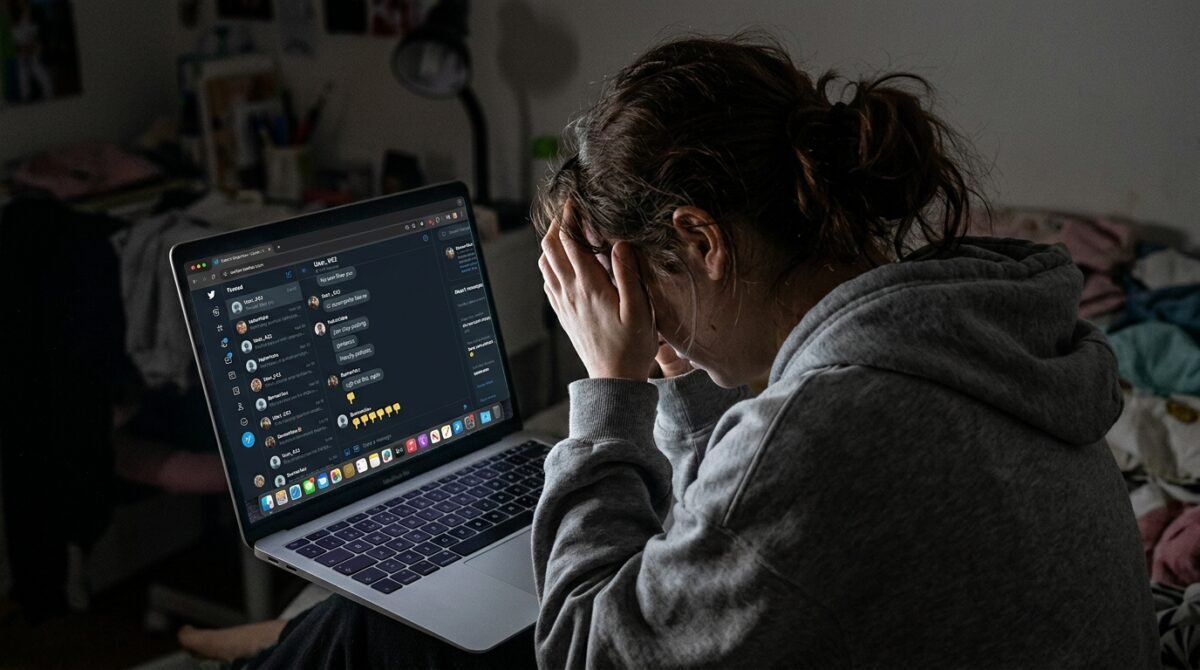
After the call, I couldn’t stop my hands from shaking. I opened my old archives—the folders I had hidden away to move on with my life. There it was: the evidence of a decade of systematic harassment. Chloe hadn’t just ‘teased’ me. She had created fake profiles to spread rumors, leaked private photos to my entire school, and sent me messages that would make a grown adult shudder.
I read through some of them to remind myself why I had left. One message read: ‘Nobody likes you, Elena. Even your parents only keep you around because it’s legally required.’ Another one, sent just three years ago, was a detailed list of ways she hoped I would fail at my university exams. It was a roadmap of a mind filled with genuine, unadulterated malice.
“I don’t think you understand the gravity of the situation. People grow up, Elena. Chloe is a different person now. Are you really going to hold on to old texts while she fights for her life? This is beyond selfish. It’s pathological.”
— My Father, via text message
My father had jumped into the fray via text, confirming that the entire family was now in the loop and united against me. They weren’t asking; they were demanding. They were framing my hesitation as a moral failing, a lack of character that they had apparently been waiting to uncover.
The absurdity of it all was overwhelming. They were asking me to subject myself to an invasive, painful, and potentially risky medical procedure for someone who had done everything in her power to destroy my sense of self-worth. It felt like a final, twisted joke where the punchline was my own bodily integrity.
I spent the night pacing my floor, reading those messages over and over again. I realized that if I agreed to the donation, I would be validating their belief that my needs were secondary to Chloe’s desires. I would be teaching them that no matter how much she hurt me, I would always be the reliable, subservient tool for her survival.
The In-Person Confrontation at the Diner
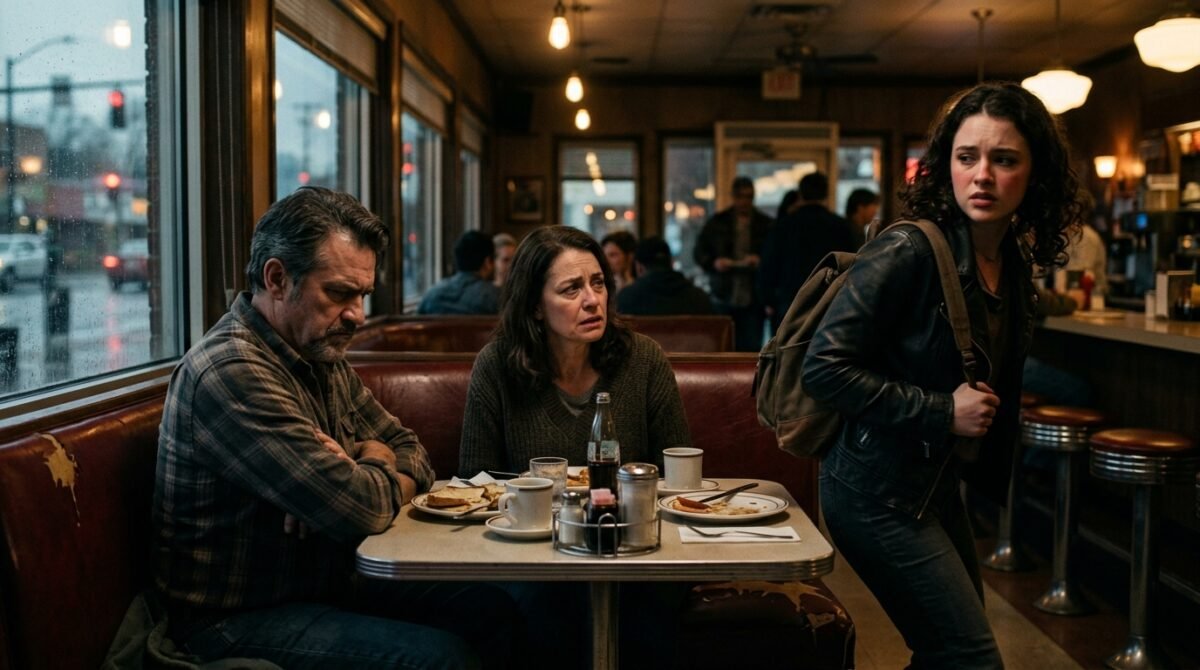
By Tuesday, the pressure had become unbearable. My parents insisted on meeting me at a local diner, a neutral ground they hoped would make me more amenable to their ‘reasoning.’ When I arrived, the atmosphere was thick with tension. They were already seated, and my mother looked as though she hadn’t slept in days. Chloe wasn’t there, but her presence was felt in every word they spoke.
They didn’t waste time on small talk. My father slid a pamphlet across the table—information about bone marrow donation. He looked at me with a mixture of pity and condescension. It was the look he used to give me when I got a ‘B’ instead of an ‘A’. It was the look that said, ‘You are failing us.’
“We’ve already scheduled the preliminary screening for Thursday. You just need to show up. It’s a small price to pay to keep the family together. Don’t be the person who ruins this, Elena. You have a chance to be the hero, not the villain.”
— My Father, at the diner table
I looked at the pamphlet and then back at them. I felt a strange sense of clarity. ‘I’m not the villain,’ I said, my voice steadier than I expected. ‘Chloe is the one who treated me like a punching bag for fifteen years. Why is the burden of her survival falling on the person she tried to break?’
My mother started crying, a performance I had seen a thousand times before. She reached for my hand, but I pulled it away. I explained that I didn’t owe my body to someone who had never shown me a shred of empathy. I told them that the donation was an elective procedure, not a legal obligation, and that I wasn’t interested in being an organ donor for a bully.
The reaction was immediate and harsh. My father stood up, his face turning a deep, angry shade of red. He accused me of being ‘dead inside’ and claimed that this was proof I had never truly been part of the family. They didn’t want a daughter; they wanted a spare part. I left the diner, the sound of their accusations following me out into the parking lot.
The Family Group Chat Explosion
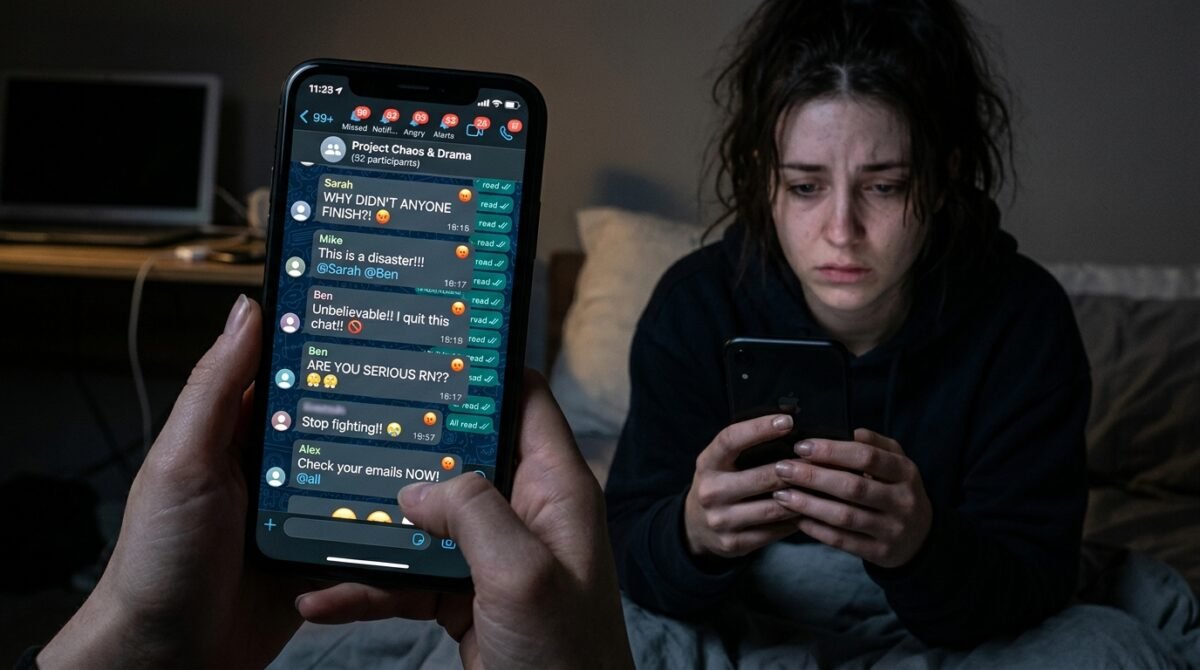
I knew the fallout would be swift, but I wasn’t prepared for the sheer volume of vitriol that arrived in my inbox within an hour of leaving the diner. My mother had clearly reported back to the extended family, and the narrative had been spun to make me look like a sociopath. My phone didn’t stop pinging for the rest of the evening.
Aunts, uncles, and cousins I hadn’t spoken to in years were chiming in with their opinions. They were calling me everything from ‘callous’ to ‘a disgrace to the family name.’ It was a coordinated character assassination, and it was as exhausting as it was predictable. They didn’t care about the history; they only cared about the optics.
“I’ve always suspected there was something wrong with you, but refusing to save your own sister? That’s next-level evil. You should be ashamed of yourself. You are no longer welcome at any family gatherings until you fix this.”
— My Aunt Sarah, via group chat
I realized then that this was never about Chloe; it was about the family’s need to maintain a facade of perfection. If I donated, I would be a ‘good daughter’ and the secret of their dysfunctional family would remain buried. By saying no, I was exposing the cracks in their foundation, and they would never forgive me for that.
I started muting notifications, but the temptation to read was too great. I saw messages from cousins I used to play with as a kid, people who had watched Chloe bully me and said nothing. Now they were the ones lecturing me on ‘moral duty.’ It was the ultimate gaslighting.
I decided to respond once, just to set the record straight for anyone who was actually listening. I posted a single, short message to the group: ‘I am not a spare parts kit for people who spent years trying to ruin my life. My bodily autonomy is not up for debate. Do not contact me again until you are ready to address the actual history of our relationship.’ Then, I left the group.
The Legal Threat and the Reality Check
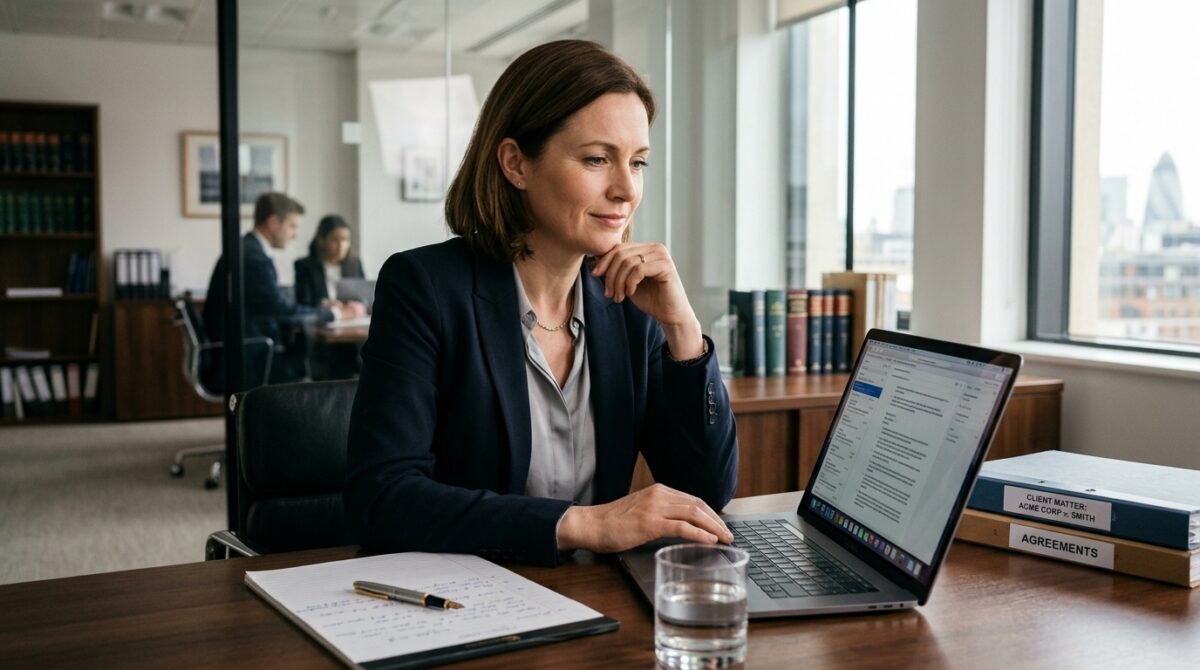
The next day, things took a turn from emotional manipulation to genuine legal intimidation. My father sent me an email, citing ‘moral obligations’ and hinting at legal action if I didn’t comply. He claimed that because I was a family member, I had some kind of inherent duty to ‘assist’ in medical emergencies. It was absolute nonsense, of course, but it was intended to rattle me.
I contacted a legal friend who specialized in medical ethics. She laughed at the email. ‘They have absolutely no standing,’ she explained. ‘Your body is yours. No court in the country is going to force you to donate bone marrow, regardless of who the recipient is. They are trying to bully you into submission because they know they have no power over your choices.’
Knowing I was on solid legal ground gave me a massive surge of relief. It allowed me to distance myself from the guilt they were trying to impose. I began to see the situation for what it was: a desperate, drowning family clutching at a straw, and that straw just happened to be me. But I wasn’t a straw, and I wasn’t a resource to be harvested.
“If you choose to proceed with this, you are effectively signing the death warrant for your sister. Is that a legacy you really want to live with? We have a lawyer on standby. Think very carefully about what you’re doing.”
— My Father, in a follow-up email
I ignored the threat. I didn’t even acknowledge the legal posturing. By this point, I had already blocked my parents’ numbers and social media accounts. The silence was golden. For the first time in my life, I felt like I was in control of my own story, not just a character in theirs.
I realized that the ‘guilt’ I was feeling wasn’t actually my own; it was an echo of theirs. They had projected their expectations onto me for so long that I had started to internalize them as my own moral failures. But I wasn’t failing them. I was finally succeeding in protecting myself from them.
I spent the afternoon at a park, watching people go by, and realized that most of them had no idea about the storm raging in my life. It was a liberating realization. My life was my own, and it was entirely independent of my family’s drama. I was going to be fine, and for the first time, I didn’t care if they thought I was the villain.
Reddit Weighs In: The Community Verdict
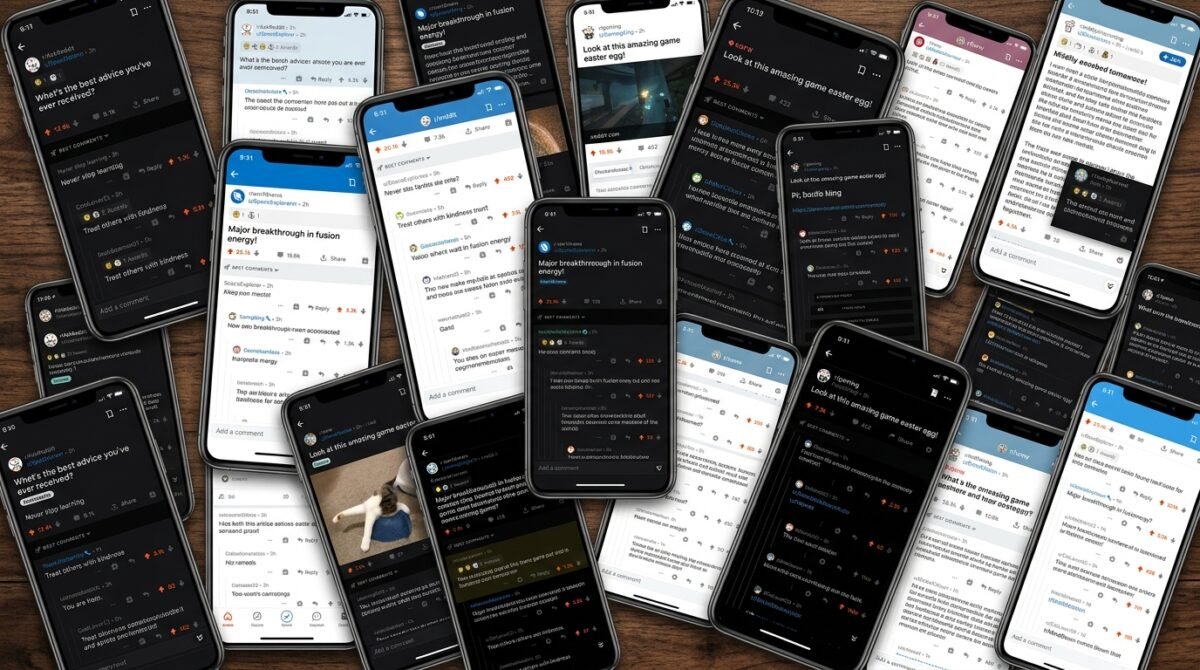
I felt so isolated that I eventually broke my own rule and posted the story to an AITA forum. I needed to know if I was actually the monster they said I was, or if I had finally lost my grip on reality. The response was immediate and overwhelming. Within hours, the post had thousands of comments, and the consensus was not what my parents would have wanted.
People from all over the world were chiming in, sharing their own stories of toxic families, medical coercion, and the struggle to set boundaries. The overwhelming majority of the community was on my side, defending my right to bodily autonomy regardless of the circumstances. It was a validation I hadn’t realized I needed until I saw it written out in black and white.
“NTA. You are not a medical resource. You are a human being with a history. The fact that they are trying to coerce you into a surgical procedure for someone who abused you is textbook toxic behavior. Do not give in. Keep your boundaries firm.”
— u/BoundariesQueen (Top Comment, 32.4k upvotes)
Reading the comments felt like a weight being lifted off my shoulders. It wasn’t just strangers telling me I was right; it was the realization that my experience wasn’t unique. There were thousands of people who had been forced to cut ties with their families to preserve their own sanity. I wasn’t alone, and I wasn’t crazy.
Some commenters did point out the nuance—the tragedy of a young woman dying—but even they agreed that the coercion was the real problem. They pointed out that if my parents had approached me with humility, apologies for the past, and a genuine request, the conversation might have been different. But they didn’t. They chose to demand, to insult, and to threaten.
The community support helped me solidify my stance. I wasn’t making this decision out of ‘petty grudge’—I was making it out of a need for self-preservation. My health, my peace, and my future were worth more than a forced donation to someone who had never respected me as a person, let alone a sister.
The Aftermath: Redefining Family
It has been a month since the initial demand, and I haven’t heard a word from my parents. I assume they have moved on to other potential donors or are dealing with the reality of the situation in their own way. The silence, which used to be terrifying, has become a source of profound peace. I am no longer waiting for the next attack or the next demand.
I’ve started attending therapy regularly to deal with the fallout of the last few weeks. It’s been an eye-opening experience. My therapist has helped me realize that the ‘family’ I was trying so hard to please was actually a source of constant, low-level trauma. By cutting them off, I haven’t lost a family; I’ve simply removed a weight that was preventing me from truly living.
“You’ve spent your life being a support system for people who didn’t know how to support you. This isn’t about the marrow. It’s about the fact that for the first time, you decided that you were the most important person in your own life.”
— My Therapist, in our weekly session
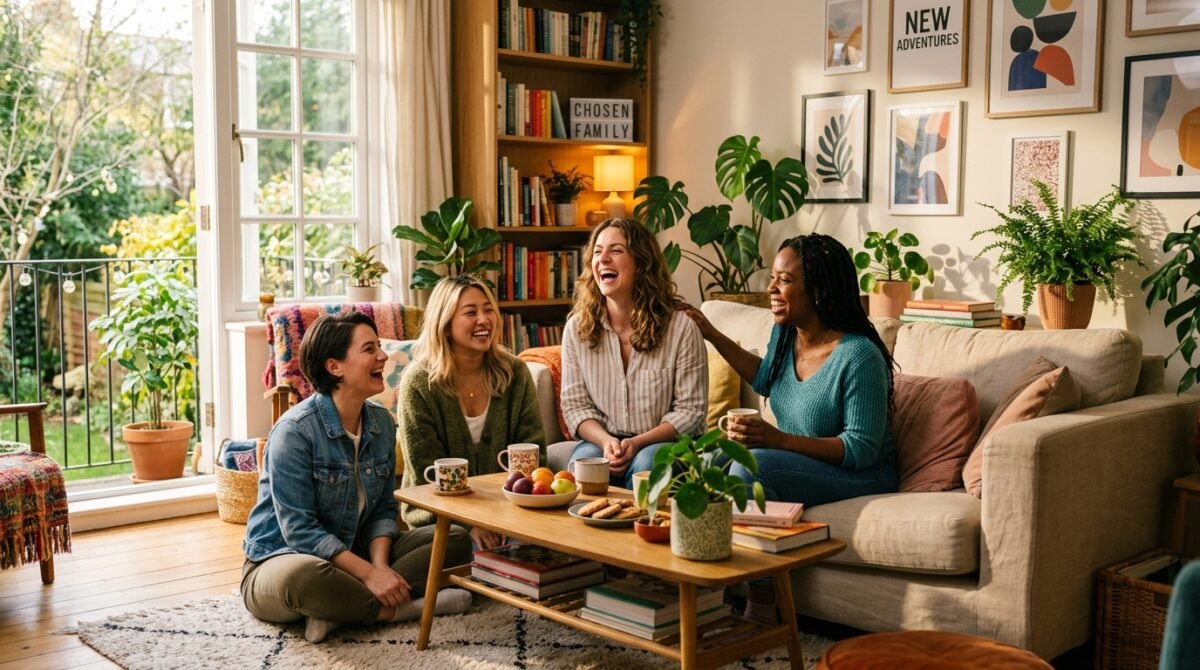
I’ve also started building a ‘chosen family’—friends who respect my boundaries, who celebrate my successes without jealousy, and who would never dream of demanding that I sacrifice my health for their benefit. It’s a different kind of bond, one built on mutual respect and genuine affection rather than the arbitrary link of DNA.
I sometimes wonder what would have happened if I had said yes. I think about the resentment I would have carried, the feeling of violation, and the certainty that they would have never truly thanked me—they would have seen it as my ‘duty’ and moved on to the next demand. Saying no wasn’t just a refusal of a medical procedure; it was a reclaiming of my own life.
I don’t regret my choice. I feel lighter, more focused, and more authentic than I have in years. The past is still there, but it no longer has the power to dictate my future. I’ve learned that sometimes, the most ‘family-oriented’ thing you can do is to step away from the people who treat you as an object rather than a person.
The Final Reflection on Bodily Autonomy

When we talk about the ‘right thing to do,’ we often ignore the context of the relationship. We assume that sacrifice is always virtuous, regardless of the recipient or the history. But is it virtuous to sacrifice yourself for someone who has spent years dehumanizing you? I think the answer is a resounding no. We are not obligated to be martyrs for our abusers.
My story isn’t just about a bone marrow donation; it’s about the boundary between what we owe others and what we owe ourselves. We live in a society that often prioritizes family unity over individual well-being, and that can be a dangerous trap. It encourages us to ignore the warning signs of toxic behavior until we are completely consumed by the needs of others.
“Your body is the only thing you truly own in this life. No one has the right to demand parts of it, regardless of their circumstances. You made the only choice you could have made to preserve your own humanity.”
— A supportive comment from the community
I think about Chloe often, but it’s a detached kind of thought. I hope she finds a match, and I hope she recovers. But I also hope she learns that the world doesn’t revolve around her, and that people are not assets to be managed. If she survives, I hope she uses that second chance to be a better person than she was.
As for me, I am moving forward. I am focusing on my career, my friends, and my health. I am building a life that is defined by my own choices, not by the expectations of people who never truly saw me. It’s a slow process, but it’s a good one. I’m finally, truly, my own person.
If you are reading this and feeling pressured to sacrifice yourself for a family member who has hurt you, please know that you are not alone. Your boundaries are valid, your feelings are important, and you are not a bad person for choosing to protect yourself. Sometimes, the bravest thing you can do is say ‘no’ to the people who expect you to fold.
Community Debates: The Right to Say No
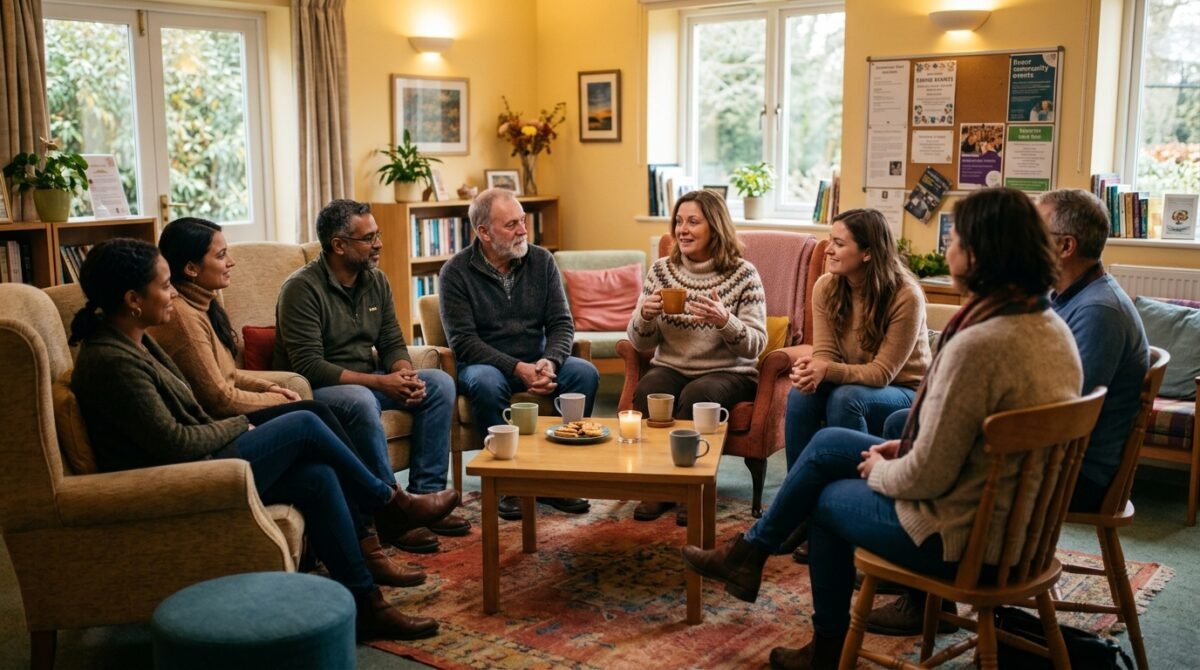
Even after weeks, the debate on my initial Reddit post continues. People are still arguing in the comments about the ethics of the situation. Some say I was the victim of a society that demands too much from children of toxic parents, while others continue to argue that ‘saving a life’ should trump all past grievances. It’s a fascinating, if sometimes frustrating, look into the collective psyche.
The debate has evolved beyond my specific story and into a larger discussion about the ‘duty of care’ within families. Does blood require us to put up with abuse? At what point does a relationship become so toxic that we are no longer required to act as though it’s healthy? These are the questions that the internet is currently grappling with, and I’m glad to have provided the catalyst for that conversation.
“It’s amazing how people think that just because they’re related, the rules of basic decency don’t apply. If a stranger treated you the way her sister did, nobody would expect her to donate marrow. Why do we treat family like they get a free pass on abuse?”
— u/LogicAndEmpathy (15.2k upvotes)
I read these comments not to find validation anymore, but to see how others are processing similar issues. It’s helpful to see the diverse perspectives. It’s a reminder that everyone’s situation is different, and that there is no one-size-fits-all answer to family drama. But for me, the answer has always been clear, even if it took me a while to see it.
I’ve seen comments from people who have been in the exact same position—being pressured to donate for a toxic family member—and their stories are heartbreaking. Many of them gave in and regret it, while others stood their ground and are finally finding peace. It’s a community of people who have had to learn the hard way that they are enough, just as they are.
I’m grateful for the platform that allowed me to share my story. It wasn’t easy to put my life out there, especially the parts that I’ve spent years trying to move past. But seeing the impact it has had on others, the comfort it has provided, and the conversations it has sparked makes it all worth it. I am no longer defined by the trauma, but by the strength it took to overcome it.
Moving Toward a Life of My Own

Today, I am looking toward the future with a sense of optimism that I never thought possible. I’ve started a new project at work that is challenging and exciting, and I’ve been spending more time doing the things that bring me joy. I’ve realized that I don’t need the approval of my family to be successful, happy, or whole.
The distance between me and my family is not just physical anymore; it’s mental. I don’t think about them every day. I don’t worry about what they’re thinking. I don’t feel the need to explain my choices to anyone. I am living my own life, and it is a beautiful thing. The trauma is still a part of my history, but it is no longer the center of my story.
“You are the architect of your own happiness. Don’t let anyone else draw the blueprints for you, especially people who don’t have your best interests at heart. Live your life for you, not for them.”
— A wise friend, in a recent conversation
I’ve learned that the most important relationship you will ever have is the one you have with yourself. If you don’t respect your own boundaries, no one else will. If you don’t value your own health, no one else will. If you don’t protect your own peace, no one else will. It’s a hard lesson, but it’s the most valuable one I’ve ever learned.
To anyone out there who feels like they’re trapped in a similar situation, remember that you have the power to change the narrative. You don’t have to be the person they want you to be. You can be the person you want to be. And that is a powerful, life-changing realization.
I’m ready for whatever comes next. I’m ready to keep building my own path, my own connections, and my own joy. The past is a chapter that has been closed, and I am busy writing the rest of the book. And I think it’s going to be a good one.
Conclusion
The story of my refusal to donate bone marrow to my sister has been a painful, necessary journey toward reclaiming my autonomy. It forced me to face the darkest parts of my family history and to draw a line in the sand that I should have drawn years ago. I am not a villain, nor am I a victim anymore. I am a woman who chose herself, and I would make that same choice again in a heartbeat.
We all have the right to set boundaries, even with the people who raised us. We are not extensions of our family members; we are individuals with our own lives, our own health, and our own moral compasses. The choice to protect ourselves is not an act of malice; it is an act of self-respect. And that is something that no one should ever be shamed for.
I hope that my story helps others to see that their boundaries are valid, and that they have the right to choose their own peace over the expectations of others. You are not a resource to be used, and you are not a tool for someone else’s survival. You are enough, exactly as you are.
What about you? Have you ever had to draw a hard line with family to protect your own well-being? What do you think is the limit of our responsibility toward family members who have caused us harm? Share your thoughts and experiences in the comments below. Let’s keep this conversation going.
What's your verdict on this dilemma?
Vote below to contribute to the official community consensus.

Have a Dilemma Keeping You Up at Night?
Share your real-life feud, wedding chaos, or relationship crossroads anonymously with our editorial team.
What do you think ?
0 Comments🛡️ Comments are moderated to protect community integrity. Your comment will appear once approved by the editorial team.