
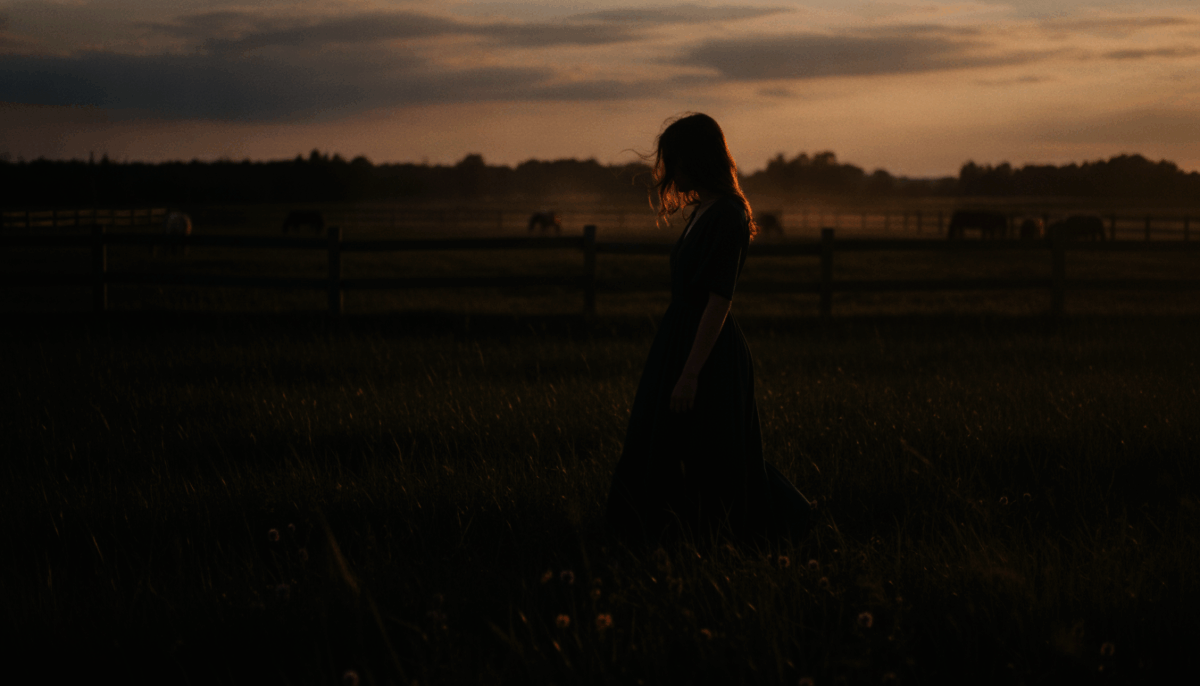
Growing up, my world wasn’t defined by the toys I played with or the schools I attended, but by the rhythmic thud of hooves against the dusty earth. ‘Starlight,’ a chestnut quarter horse with a white star on his forehead, was my constant companion, my confidant, and my escape. He was a gift for my tenth birthday, purchased with a mix of my grandmother’s inheritance and my parents’ savings, but over the years, I took on the financial and physical burden of his care. I mucked stalls at the local stable to pay for his board, skipped teenage social events to groom him, and spent countless hours talking to him when the pressure of being the ‘responsible’ older sibling became too much to bear.
My younger sister, Chloe, was the polar opposite. She was the golden child, the one who lived for the spotlight, and my parents—my mother especially—lived vicariously through her pageant ambitions. Every sparkly dress, every vocal coach session, and every national competition fee was treated as a sacred investment in her future, while my needs were constantly sidelined. I accepted this, or at least I thought I did, viewing it as a necessary trade-off for the independence I had built for myself at twenty-two.
But the dynamic shifted into something unrecognizable when the costs of a high-stakes national pageant began to spiral out of control. My parents, who had always been fiscally reckless, suddenly found themselves staring down a five-figure shortfall. Without a conversation, without a shred of consultation, they decided that Starlight—my horse, my best friend, the creature who had seen me through my lowest points—was a luxury asset they could simply liquidate to cover the cost of a silk gown and a entry fee.
The day I found out what they had done, the silence in the house was deafening. There was no apology, no acknowledgment of the betrayal, just a glib justification that ‘it was for the family’s success.’ It was the moment the scale finally tipped. I didn’t scream, I didn’t beg, and I didn’t negotiate. I simply looked at them, realized I didn’t know these people anymore, and began the process of cutting them out of my life entirely. This is the story of how that choice changed everything.
The Morning the Stable Was Empty
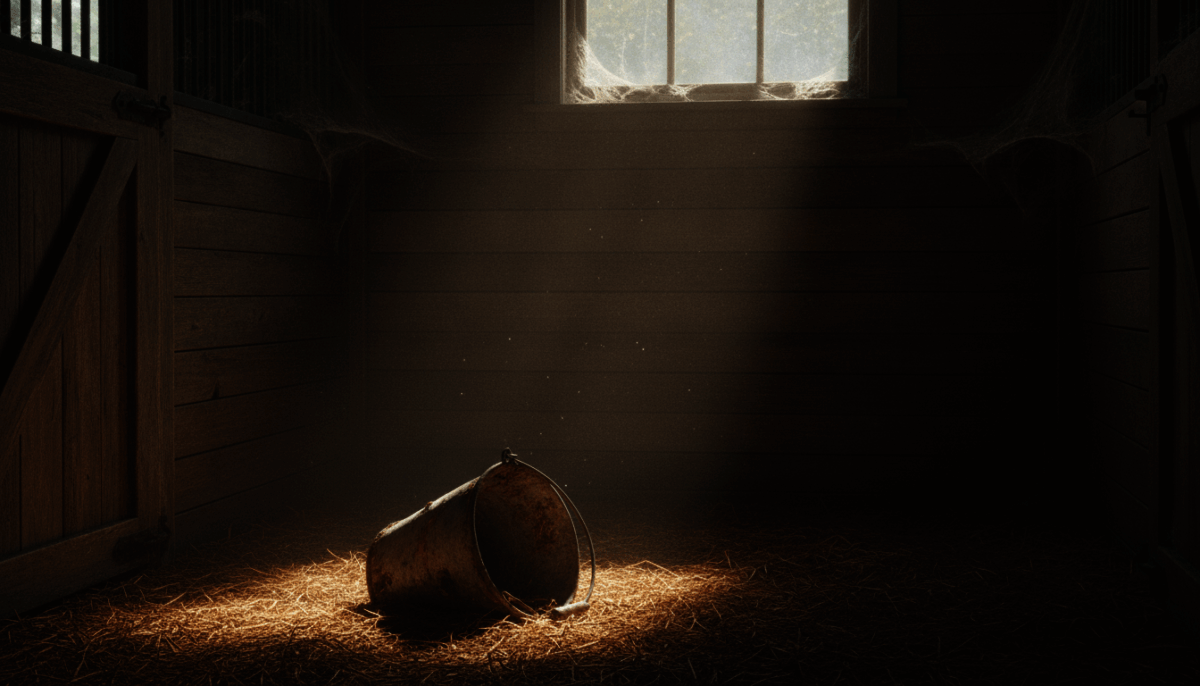
I remember the morning perfectly. The air was crisp, and I was looking forward to a long ride before my shift at the café. I pulled into the barn driveway, my truck rattling slightly on the gravel, only to notice that the usual welcoming whinny from the third stall was absent. I assumed Starlight was out in the paddock, but as I walked toward the gate, I saw a stranger loading a trailer. My heart sank, a cold, metallic taste forming in the back of my throat.
I ran to the stable manager, Sarah, who looked at me with an expression of profound pity. She told me that my father had come by the night before, finalized the paperwork, and insisted that the horse be moved immediately to a ‘rehoming sanctuary’ he had arranged. He told her I was ‘out of town’ and had agreed to the surrender to save on board costs. The lie was so calculated, so precise, that it chilled me to the bone.
I spent the next two hours in a state of shock, frantically calling my mother. When she finally picked up, her voice was light, airy, and entirely dismissive. She told me it was a ‘practical decision’ and that I should be ‘proud’ to support Chloe in her pursuit of the regional title. I was paralyzed, unable to process how someone could reduce a living, breathing soul—my soulmate—to a line item on a budget spreadsheet.
“You need to grow up, OP. A horse is a luxury, but your sister has a real future in professional pageantry. We did what had to be done to ensure she could compete in the national gala.”
— My Mother, via Phone Call
The conversation ended with her hanging up on me because I wouldn’t stop crying. I stood in the empty stall, the smell of hay and old leather suddenly feeling like a funeral shroud. I knew then that the relationship I had with my parents had died long before that day; they just finally showed me the tombstone.
The Financial Ledger of Resentment
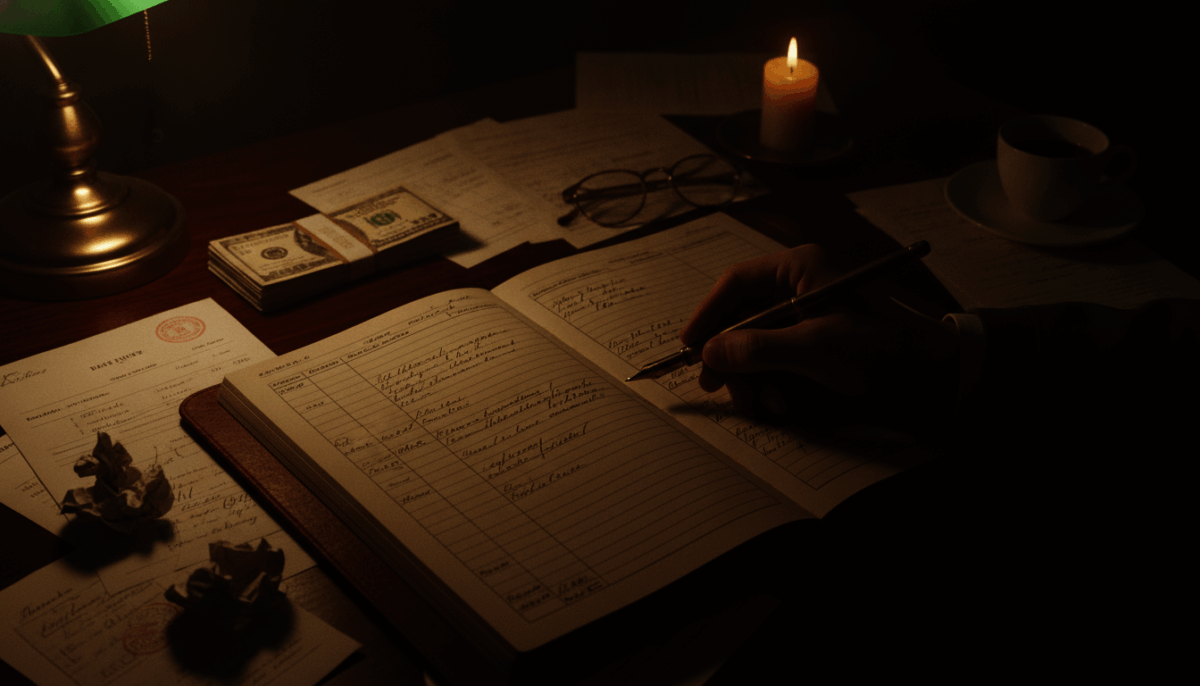
After I regained my composure, I sat down and started tracking everything. I had saved every receipt for feed, vet bills, farrier visits, and board for the last six years. It was a staggering amount of money, most of which I had earned through part-time jobs and scholarships. My parents had treated Starlight like an asset they owned, but in reality, they hadn’t paid for his upkeep in years. They had effectively sold my hard work and my savings to pay for a dress that would be worn once.
I cross-referenced the sale price the sanctuary disclosed (they had been paid a ‘donation’ by my parents to take the horse, which was a bizarre twist, but it essentially meant my parents had paid to get rid of him) and realized they were bleeding money. My father had taken out a high-interest loan against their own home to fund the pageant season, and they were in a full-blown financial tailspin. The horse was just the first thing to be sacrificed at the altar of their pride.
I compiled a document, a cold, hard ledger of the last half-decade of financial abuse. It wasn’t just about the horse anymore; it was about the years of being the ‘backup’ bank for the family, the one who was expected to sacrifice her own savings because Chloe ‘deserved to shine.’ The pattern was clear as day when viewed through the lens of a spreadsheet.
| Category | My Contribution | Parents’ Contribution |
|---|---|---|
| Board & Care | $14,500 | $0 |
| Vet & Farrier | $4,200 | $0 |
| Emergency Surgery | $2,000 | $500 |
| Pageant Fees | $0 | $35,000 |
Seeing those numbers in black and white was the final push I needed. It was evidence that I wasn’t just a daughter; I was a resource to be tapped, and when that resource no longer suited their needs, they discarded it. It wasn’t love; it was exploitation wrapped in the guise of ‘family support.’
The Discovery of the Secret Group Chat
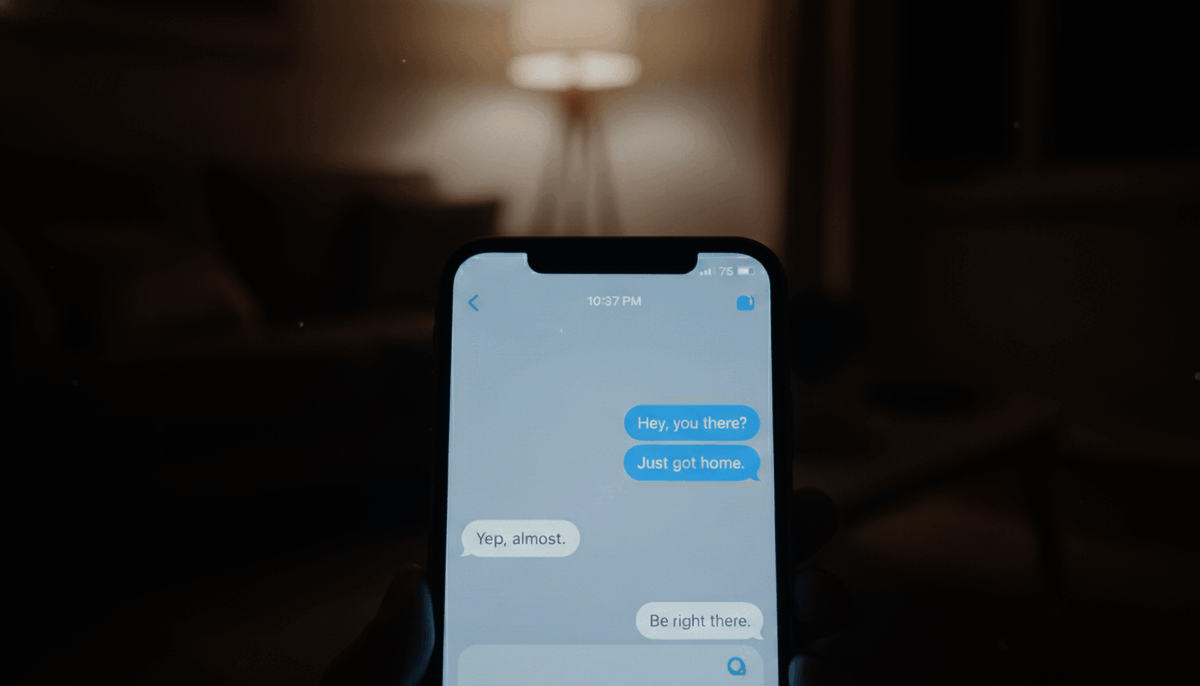
The betrayal deepened when I realized there was a family group chat I wasn’t part of. I had accidentally logged into my mother’s iPad while she was over visiting—a relic of the days when we were a ‘normal’ family—and the notifications were still active. I wasn’t looking for trouble, but a notification popped up about ‘The Dress’ and the ‘Horse Sale.’ Curiosity got the better of me, and I opened it.
What I found was a group chat consisting of my parents, my sister, and my aunt. They were discussing the horse sale as if it were a minor inconvenience, complaining about how I would ‘eventually get over it’ and mocking my attachment to the animal. My sister, the one I had cheered for at every single show, was the loudest in her criticism, calling me ‘selfish’ for even caring about a horse when she had a crown to win.
“She’s so dramatic. It was just a horse. If she really loved the family, she’d be happy that the money is going toward my wardrobe instead of that barn bill. Can’t wait for her to get over herself.”
— My Sister, from the Leaked Family Group Chat
I felt a physical wave of nausea. I had spent my entire life shielding my sister from the fallout of our parents’ instability, and this was the thanks I got. I didn’t take screenshots, I didn’t confront them—I simply deleted the app, logged out, and felt the last shred of my loyalty evaporate into nothingness.
The Sunday Dinner Confrontation
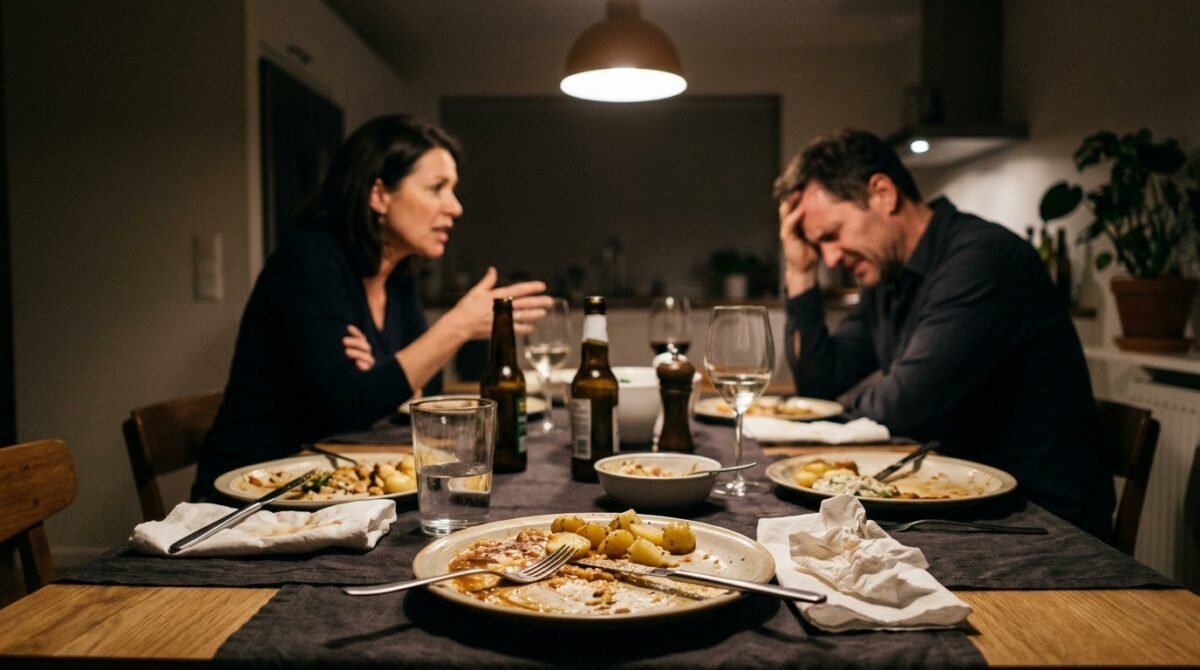
A week later, I was expected to attend the traditional Sunday dinner. Usually, I would have made an excuse, but I knew I needed to look them in the eye one last time to signal the end. The atmosphere in the house was stiflingly polite, the kind of silence that usually precedes an explosion. My mother served the roast, and my father tried to make small talk about the weather, completely ignoring the fact that my life had been turned upside down.
I waited until the end of the main course, my heart hammering against my ribs. I stood up, cleared my throat, and told them that I was moving out of their ‘financial orbit’ and that I would be taking steps to ensure they never had access to my finances or my personal property again. My father laughed, a condescending sound that made my blood boil.
“You think you can just walk away? You’re part of this family. We made sacrifices for you too, you ungrateful girl. If you want to be that way, fine, but don’t expect a dime of inheritance.”
— My Father, at the Dinner Table
I didn’t blink. I told him that the ‘inheritance’ was likely gone anyway, given the debt he was in, and that I would rather have nothing than be tied to their vanity. I walked out the front door, leaving my untouched dessert on the table. I didn’t look back.
The Sanctuary Visit
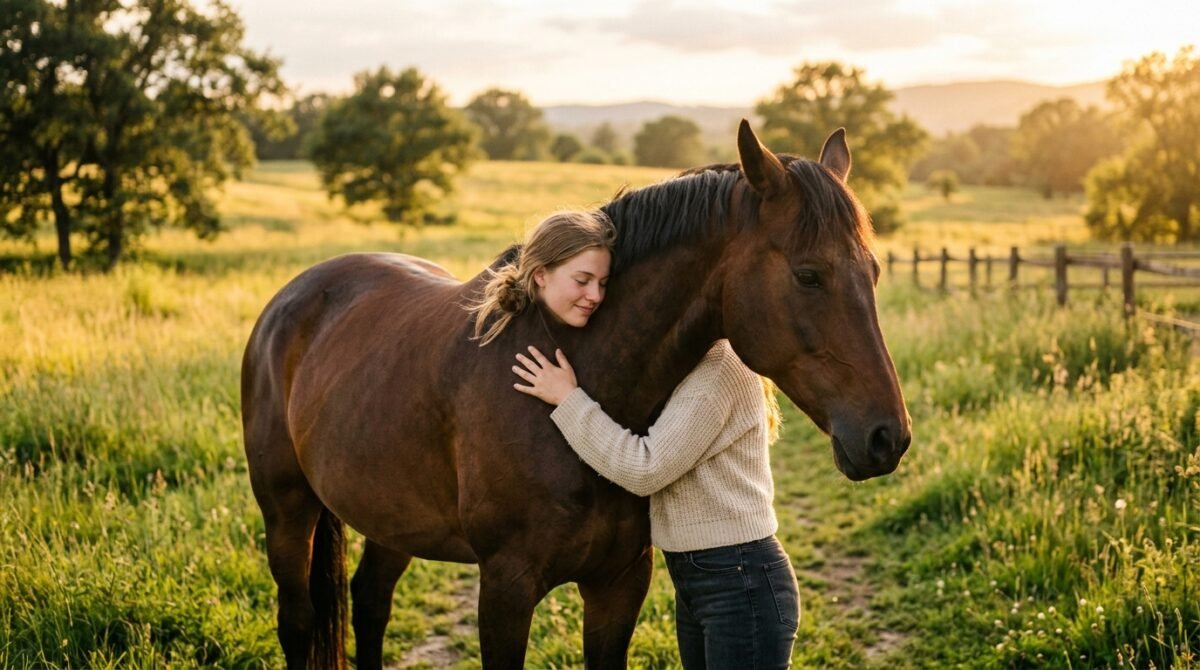
The next day, I drove three hours to the horse sanctuary. I had tracked down the paperwork and verified where he had been dropped off. The ride felt like a pilgrimage. When I finally reached the paddock and saw Starlight, he looked thin, his coat duller than I remembered, but he perked up the moment he heard my voice. It was a bittersweet reunion, one that solidified my resolve.
The sanctuary manager, a kind woman named Elena, was shocked to hear the truth. She had been told by my father that the horse was ‘unwanted’ and that he was being surrendered for my benefit. When I showed her the messages and explained the situation, she was horrified. She told me that Starlight was officially listed as ‘surrendered,’ and because the paperwork was signed by the legal owners, there wasn’t much I could do legally to reclaim him immediately.
But we made a deal. I would volunteer every weekend, help with the care, and start the process of ‘adopting’ him back. It would take time, and it would take money, but it was a path forward. Leaving him there that night was the hardest thing I had ever done, but I knew that I was working toward a future where he would be mine, truly mine, without any strings attached.
As I drove home, I realized I wasn’t just working to rescue a horse; I was working to rescue myself. Every hour I spent at that sanctuary was an hour I wasn’t spending under my parents’ thumb, and for the first time in years, the air felt clean.
The Walls Go Up
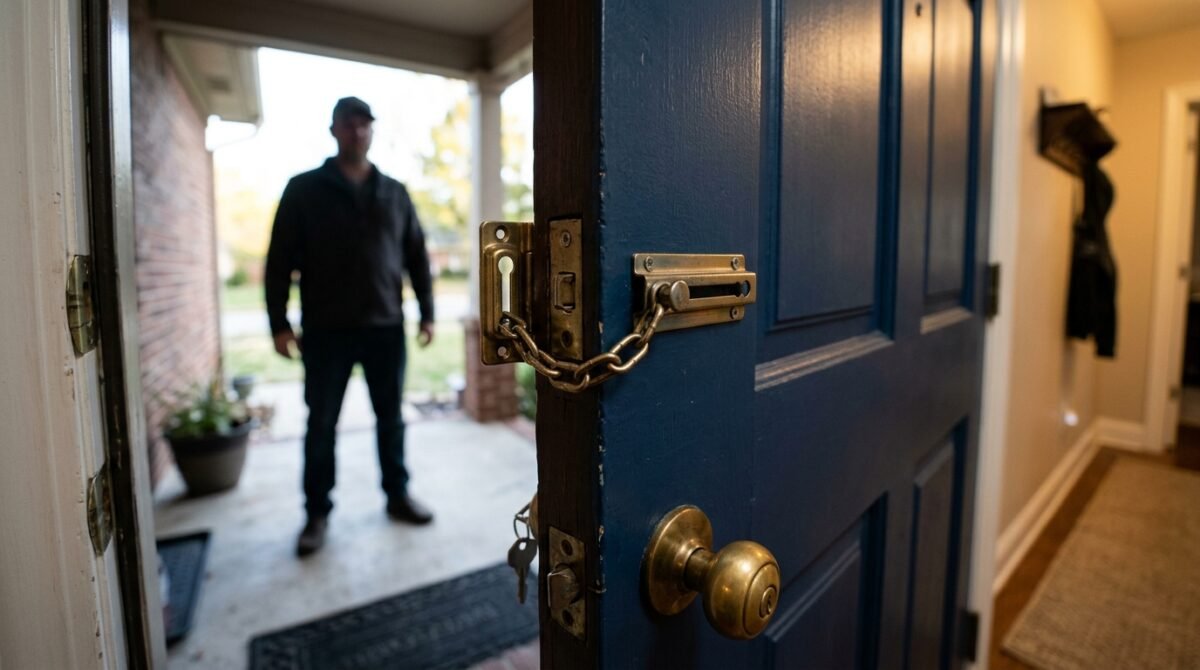
I started by blocking their numbers. Then, I changed my bank accounts, ensuring no shared access existed. I had been paying for my own phone and car insurance for months, but I severed the last tether—a joint credit card account that I had barely touched. I sent a final, short email to my mother, stating clearly that I would not be in contact and that any attempt to visit me or reach out would be met with a request for a restraining order.
The reaction was predictable. My mother tried to frame it as a ‘mental breakdown’ and told all our extended family that I was suffering from ‘extreme emotional distress.’ They started showing up at my apartment, leaving notes, and calling my workplace. I had to alert my supervisor, which was humiliating, but it was necessary. The harassment lasted for weeks, a persistent, annoying hum in the background of my life.
I learned quickly that setting boundaries with narcissists isn’t a one-time event; it’s a constant war of attrition. They didn’t understand ‘no.’ They understood only ‘consequences.’ Once I involved the local precinct and had a formal warning issued to my father for trespassing, the visits finally stopped. It was a dark time, but it was the price of freedom.
The Internet Weighs In
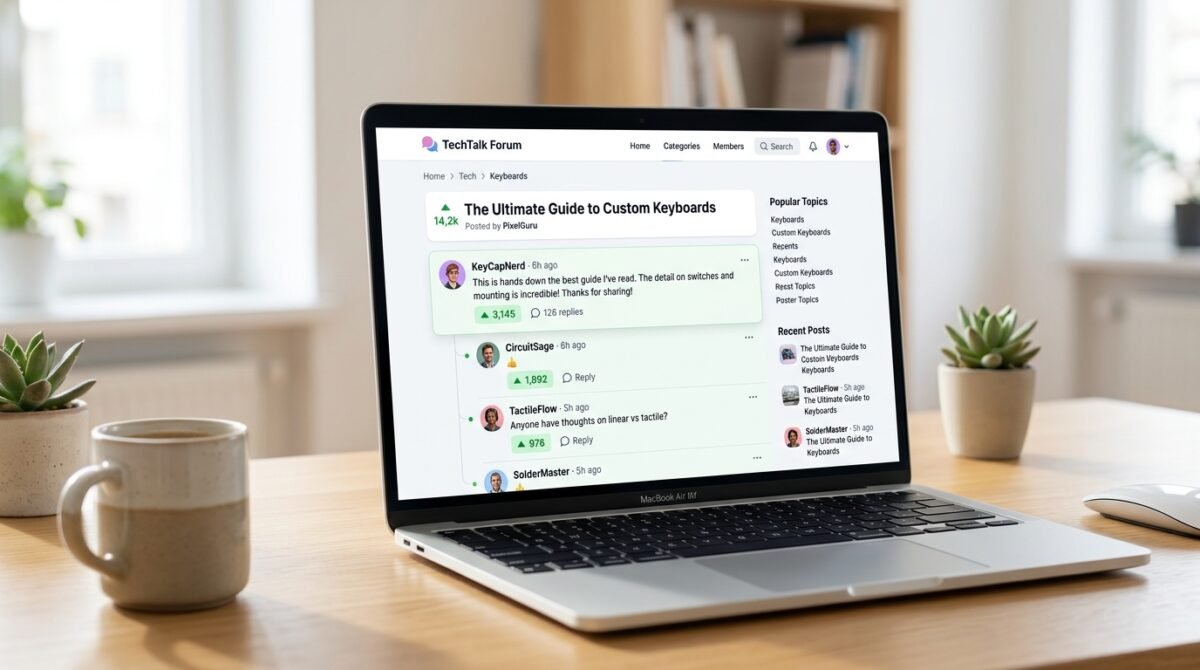
I eventually shared my story on a popular forum, needing to know if I was truly the villain in this saga. The support was overwhelming. Thousands of people reached out with similar stories of parental betrayal and financial exploitation. It was a wake-up call that I wasn’t alone, and that the guilt my parents had instilled in me was a weapon, not a truth.
“This isn’t just about a horse. This is about them viewing you as an object to be liquidated whenever they want a status symbol for your sister. You are NTA (Not The Asshole). You need to stay NC (No Contact) forever.”
— u/HorseGirlTruth (Top Comment, 32.1k upvotes)
The community analysis was brutal but validating. They pointed out the psychological patterns I had been blinded to my whole life: the triangulation between me and my sister, the financial abuse, and the constant gaslighting. Reading the comments felt like reading a manual for my own life, helping me understand why I had felt so trapped for so long.
“The way they used your horse to pay for your sister’s pageant is a level of malice that is hard to wrap my head around. They didn’t just sell an animal; they sold your trust. Don’t look back.”
— u/FinancialAdvisorRedditor (15.2k upvotes)
Seeing these perspectives helped me move past the ‘what if’ phase and into the ‘what now’ phase. I wasn’t the broken child they wanted me to be; I was an adult survivor of a toxic home environment.
The Turning Point at the Sanctuary
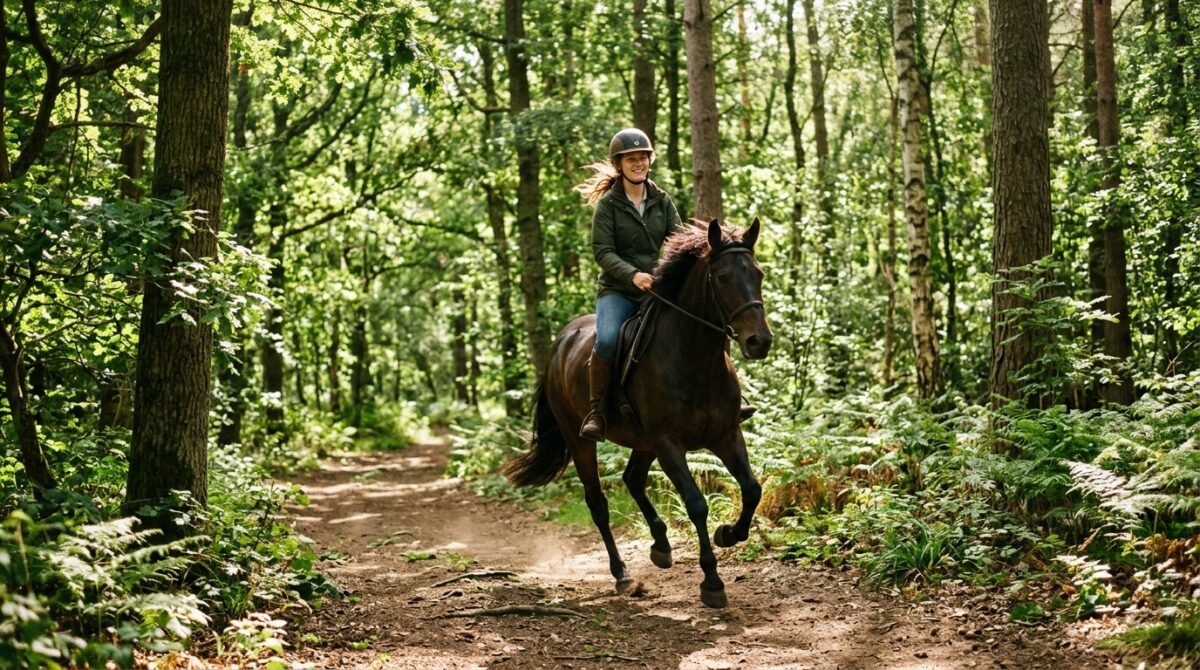
Six months after the incident, I finally completed the paperwork. Starlight was mine—legally, completely, and permanently. The moment the document was notarized, I felt a weight lift off my shoulders that I hadn’t realized I was carrying. I didn’t tell my parents, and I didn’t post about it on social media. It was a private victory, a reclamation of my life.
I spent that weekend at the sanctuary, just sitting in the paddock with him. He seemed to know that the uncertainty was over. We walked for miles through the trails, the stress of the previous year slowly leaching out of my muscles. It was the first time I had felt truly ‘at home’ in a long time.
I also started therapy. My therapist helped me unpack the years of conditioning that made me believe I was responsible for my sister’s success and my parents’ happiness. It was slow work, often painful, but it was necessary to ensure I never ended up in a dynamic like that again. I was learning to be selfish in the healthy way—the way that allowed me to protect my peace.
The Uninvited Guest

The last time I saw my father was at a local grocery store, a year after I had gone no contact. He looked older, tired, and thinner. He approached me in the produce aisle, his eyes pleading, and started a spiel about ‘how much we miss you’ and ‘Chloe is doing so well, she’d love to see you.’ It was a masterclass in manipulation.
I didn’t stop moving. I kept my cart going, looked him in the eye, and told him, calmly and clearly, that he was a stranger to me. I told him that the person he was talking to had died the day he sold my horse, and that he should never, ever try to speak to me again. He looked shocked, as if he expected me to crumble at the sight of him. But I was made of stronger stuff now.
I walked away, heart beating steadily. I didn’t look back, didn’t cry in the parking lot, and didn’t spend the rest of the day ruminating on the encounter. I just went home, checked on my horse, and finished my dinner. That was the last time I ever saw him.
Reflections on a Life Reclaimed
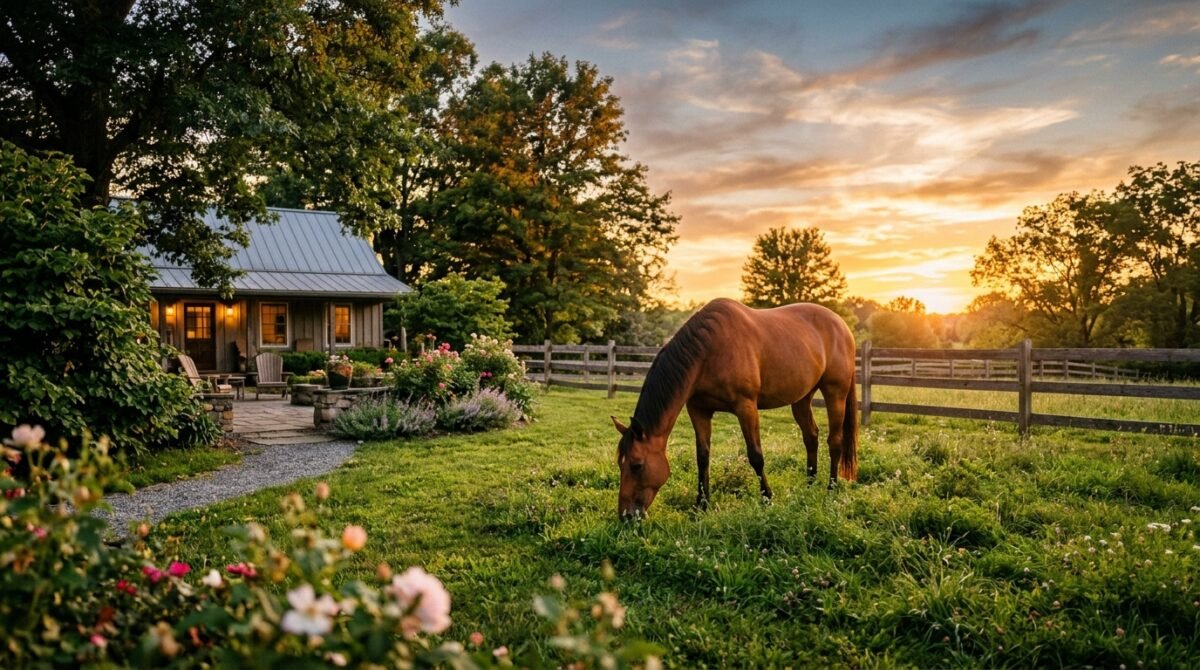
Looking back, the sale of the horse was the best thing that ever happened to me. It sounds perverse to say, but it was the catalyst that forced me to wake up. Without that betrayal, I might still be there, paying for my sister’s dresses and my parents’ poor decisions, living a life that wasn’t mine.
I am now in a place where my finances are secure, my mental health is my priority, and my best friend is grazing in my own backyard. I have built a life that is entirely my own, one that isn’t dependent on the whims of people who view me as a means to an end. It wasn’t an easy road, and it certainly wasn’t the childhood or young adulthood I imagined, but it is mine.
If you are in a similar situation, know that you are not a bad person for choosing yourself. You are not a bad person for setting boundaries, even if those boundaries burn bridges. Sometimes, the bridges need to burn so that you can see the path ahead clearly. Don’t let anyone tell you that your sacrifice is expected; your life belongs to you, and no one else.
Conclusion
The journey from betrayal to independence is never a straight line. It is a messy, painful, and often lonely process, but it is one that leads to the most important destination of all: self-respect. By choosing to block my parents, I didn’t just walk away from a toxic relationship; I walked toward a future where my value was defined by me, not by what I could provide for someone else’s ego.
I still think about that day in the barn, but now, the memory is less of a stinging wound and more of a reminder of who I used to be and who I refused to remain. Starlight is safe, I am free, and for the first time, the future feels like an open field rather than a cage. What about you? Have you ever had to walk away from family to save yourself? Join the conversation in the comments below.
What's your verdict on this dilemma?
Vote below to contribute to the official community consensus.

Have a Dilemma Keeping You Up at Night?
Share your real-life feud, wedding chaos, or relationship crossroads anonymously with our editorial team.
What do you think ?
0 Comments🛡️ Comments are moderated to protect community integrity. Your comment will appear once approved by the editorial team.