

They say your wedding day is supposed to be the happiest day of your life, a blur of laughter, tears, and perfect moments captured in high-definition glory. For me, that blur was literal. I have worn glasses since I was seven years old due to severe myopia. Without them, the world is a series of soft-edged impressionist paintings. My husband, Mark, knew this. My mother-in-law, Susan, definitely knew this. Yet, when I reached for my clutch in the bridal suite moments before walking down the aisle, the pouch was empty.
I remember the frantic feeling of panic, the way my heart hammered against my ribs, and the dismissive wave of Susan’s hand as she told me to just ‘stop fussing’ and ‘be brave’ for the sake of the photos. I didn’t realize until months later—after the damage was done and the photos were printed—that this wasn’t an accident. It was a cold, calculated power move. My wedding photos aren’t just memories; they are a permanent record of the day Susan decided that my ability to see was secondary to her aesthetic vision for the ceremony.
The narrative she pushed was that I was ‘vain’ for wanting to wear glasses, but the truth was far more sinister. She wanted me to look disoriented, uncertain, and weak, and by stripping away my ability to clearly navigate my own ceremony, she achieved exactly that. This is the story of how I uncovered the truth, the confrontation that broke my marriage, and the long, painful road toward reclaiming my dignity from a woman who viewed my existence as a threat to her social status.
As I reflect on the years leading up to this moment, I realize the signs were always there—the subtle digs, the uninvited opinions, and the constant attempts to undermine my confidence. But the wedding was the culmination of a years-long campaign to make me feel small. It wasn’t just about glasses; it was about control. It was about ensuring that at every turn, I relied on them, and specifically, that I relied on her.
This isn’t just a story about a missing pair of spectacles. It is a deep dive into the psychological warfare of toxic in-laws and the heavy price of keeping the peace. If you’ve ever felt like you were being pushed to the periphery of your own life by someone who claims to love you, I hope this serves as both a warning and a testament to the importance of standing your ground.
The Morning Of The Disappearance
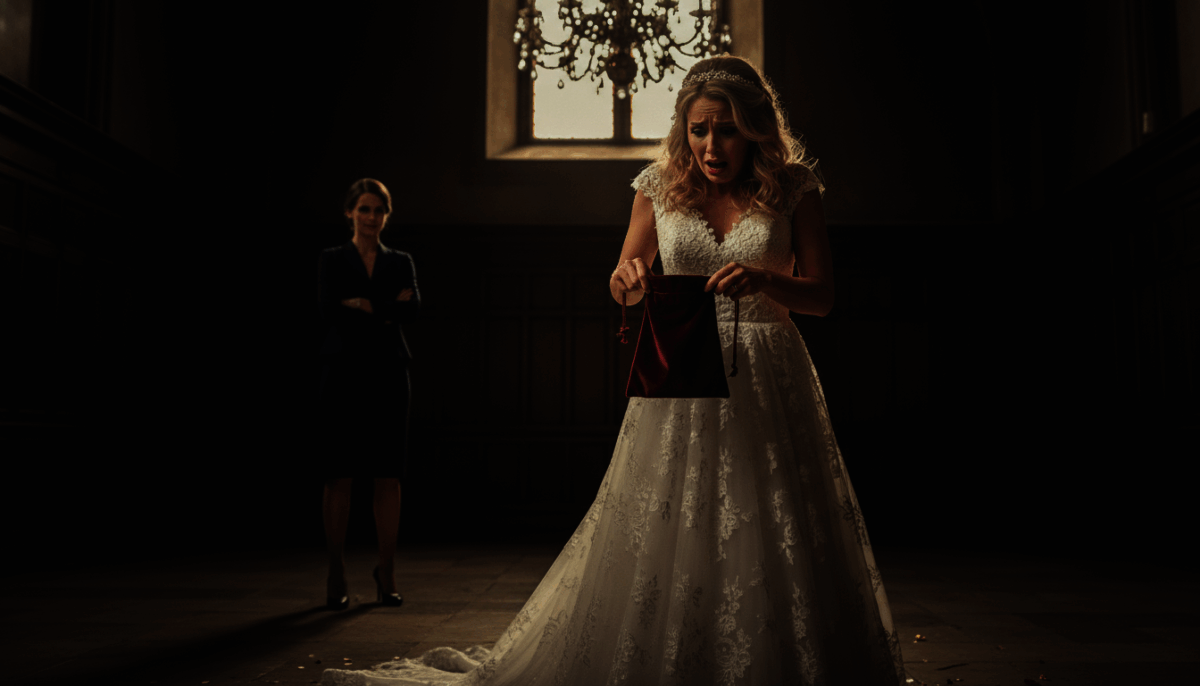
The morning of the wedding was supposed to be serene, filled with mimosas and anticipation. Instead, it was an exercise in high-anxiety containment. Susan had arrived at the venue at 7:00 AM, ostensibly to ‘help’ with decorations, but really to insert herself into every decision I had made months in advance. My glasses were inside a custom-monogrammed velvet pouch, tucked safely into my designer clutch, which sat on the vanity in the bridal suite.
I stepped away for five minutes to check on the caterers, and when I returned, the clutch was zipped shut, but the pouch felt suspiciously light. I opened it, and the void hit me like a physical blow. My breath hitched. I checked the vanity, the floor, the trash, and even the bathroom. Nothing. Susan was standing in the doorway, sipping a coffee, watching me with a look of practiced concern that didn’t quite reach her eyes.
“Is everything alright, dear? You look like you’ve lost your mind, and the photographer is already set up. Surely you aren’t going to make a scene over something so trivial as an accessory?”
I felt a cold shiver run down my spine. ‘Susan, my glasses. They aren’t here. I can’t walk down the aisle without them; I won’t be able to see Mark, or the officiant, or even where I’m walking.’ I was nearly hyperventilating. She simply shrugged, adjusting the lace on her own dress, a garment she had insisted I wear as a ‘gift’ despite it clashing with my vision.
She told me, quite firmly, that glasses were ‘unflattering’ and that I should just ‘lean into the soft focus’ of the day. She claimed she hadn’t touched them, but her smug expression betrayed her. At that moment, I had no choice but to push forward. With the pressure of a hundred guests waiting, I forced myself to walk out into the light, my vision blurred and my confidence shattered.
Walking Into The Fog
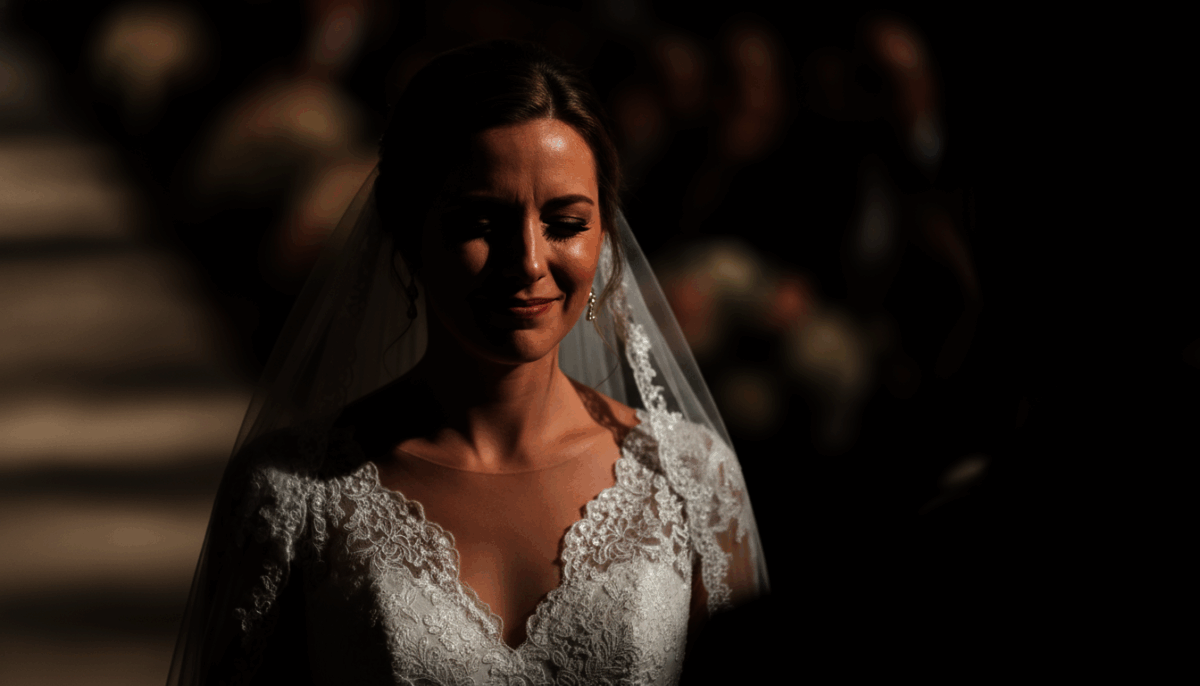
The ceremony is, for most people, a vivid memory. For me, it was a series of sensory inputs I couldn’t fully process. As I stepped onto the aisle, I could see the vague shape of Mark, but I couldn’t see the love in his eyes. I couldn’t see the faces of my friends. Everything was a hazy, ethereal blur of colors and shapes. I felt like I was drifting, disconnected from reality, and Susan’s presence on the front row felt like a constant, looming shadow.
Every time I squinted, I felt a wave of self-consciousness. I knew I looked confused. I knew I wasn’t making eye contact with the people I loved most. I could hear the murmurs of guests wondering why I looked so lost, and I suspect Susan was feeding into that narrative. She kept leaning over to guests, whispering things that made them look at me with pity rather than joy.
“She’s so nervous she can hardly see straight. I told her she should have worn contacts, but she’s just so stubborn, isn’t she?”
I didn’t hear the exact words then, but I heard the tone. It was condescending, patronizing, and designed to make me look like a fragile, incompetent child. Mark, bless him, tried to anchor me, but he was too busy with his own nerves to notice the depth of my distress. He thought I was just overwhelmed by the occasion.
By the time we reached the altar, I was exhausted. The physical act of trying to focus my eyes had given me a massive headache. Every photo taken during those thirty minutes captured that look of confusion—the furrowed brow, the squinting, the lack of depth in my expression. It was exactly what she wanted. She had turned my wedding day into a performance of my own inadequacy.
The First Glimpse Of The Album
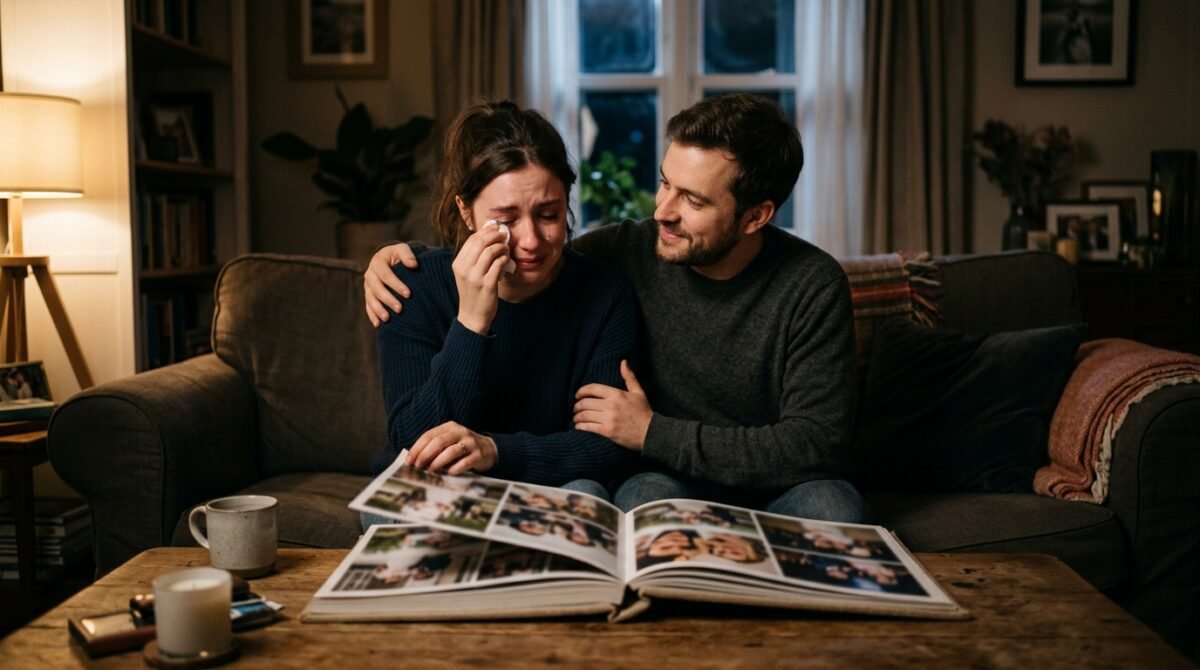
Two months later, the photos arrived. We sat on the sofa, a bottle of wine open, ready to relive the magic. As I flipped through the pages, my heart sank. It wasn’t just that I looked confused—I looked like a stranger. In every single shot, I was either squinting or staring blankly into the distance, completely detached from the environment. Mark, who looked sharp and present, was in stark contrast to me.
I started to cry, not out of joy, but out of sheer, blinding frustration. Mark was confused, trying to comfort me, but when he looked at the pictures objectively, even he couldn’t deny that I looked strange. He asked me why I didn’t just ask Susan if she had seen them, and I told him, ‘I did, and she told me I was overreacting.’ The seed of doubt had been planted.
“Look at this one, Mark. I’m literally looking at a wall while you’re trying to hold my hand. Do I look happy to you? I look like I’m lost in a fog. It’s like I wasn’t even there.”
We spent hours analyzing the photos. We noticed how Susan managed to appear in the background of almost every shot where I looked particularly disoriented. She was always there, head tilted, watching, almost as if she were waiting for the ‘perfect’ shot of my failure. It was too much to be a coincidence.
That night, I didn’t sleep. I kept thinking about the moment in the bridal suite. I remembered the exact position of my clutch. I remembered the way Susan stood, her hands clasped tightly in front of her. I realized that my glasses weren’t just lost; they were taken, and I was going to find out exactly where.
The Digital Breadcrumbs
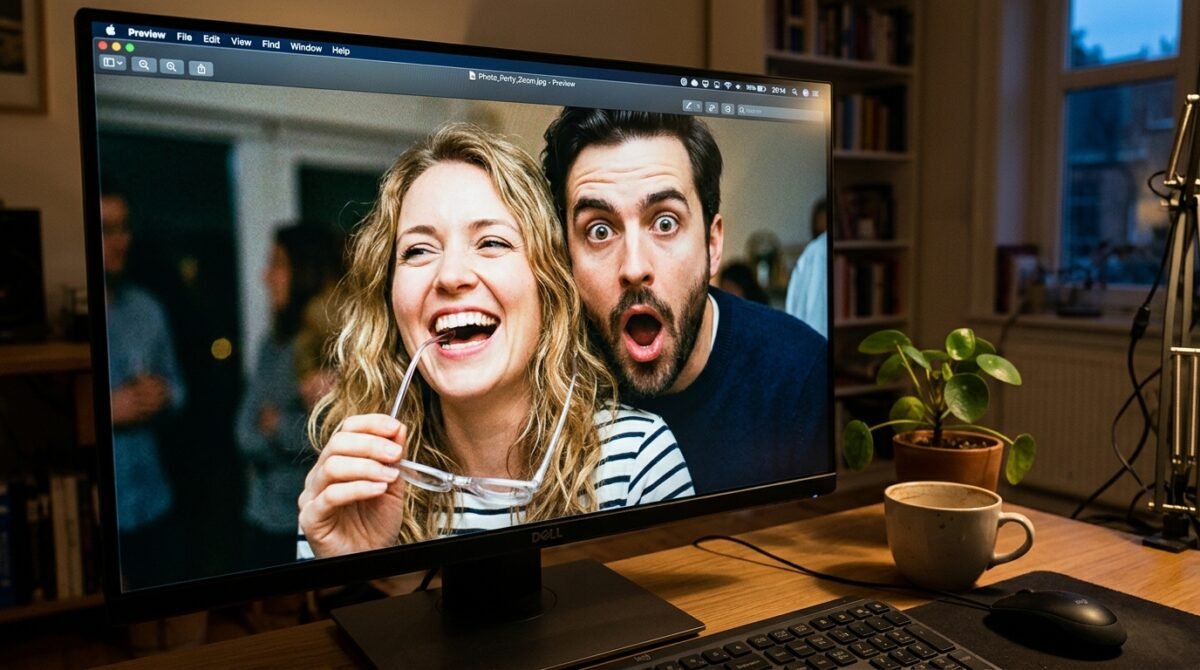
The truth didn’t come from a confession; it came from a cloud backup. My wedding photographer had uploaded all the raw files to a shared folder, including the ‘candid’ shots taken by assistants. I spent an entire weekend scrolling through hundreds of images, looking for clues. I found a series of shots taken in the bridal suite while I was out.
In one photo, Susan is holding my clutch. In another, she is seen walking toward the floral arrangements near the entrance of the venue. And then, in a photo taken by a guest during the cocktail hour, I saw something that made my blood run cold. Susan was laughing with a friend, and sitting on the table next to her, partially hidden behind a centerpiece, was my velvet pouch.
“Mark, look at this. This is the cocktail hour. That is my bag on the table, and look at her hand. She’s literally holding my glasses up to show her friend, laughing.”
Mark looked at the photo, his face turning pale. He couldn’t defend her anymore. He couldn’t say it was a misunderstanding. The evidence was undeniable. She had taken them, kept them throughout the ceremony, and then ‘forgotten’ them on a table in plain sight, all while I was struggling to navigate the most important day of my life.
The betrayal wasn’t just the theft; it was the mockery. She had turned my vision impairment into a punchline for her friends. She had stolen my ability to see my husband, just so she could feel superior. The anger I felt was primal, a mix of hurt and a sudden, sharp need for justice.
The Confrontation

We didn’t wait. We drove to Susan’s house the next morning, the photo printed out on a sheet of paper. When she opened the door, she looked surprised to see us, but the moment she saw our faces, her expression shifted into a defensive mask. She invited us in, but we stayed on the porch. We didn’t want the comfort of her home; we wanted the truth.
I held up the photo. ‘Susan, explain this.’ She looked at the picture, her eyes flickering across the image for a split second before she looked back at me with a cold, blank stare. She didn’t apologize. She didn’t even try to lie. She simply straightened her back and sighed, as if we were being the unreasonable ones.
“Oh, that? You were being so dramatic about the whole thing. I thought you would look much more elegant without them. You’re welcome for the effort I put into making sure your face looked natural in the photos.”
I was stunned. ‘You think you have the right to decide what I look like? You stole my property. You made me look like an idiot in my own wedding photos!’ Mark stepped in, his voice shaking with restrained rage. He told her that what she did was unforgivable, that it was a violation of our trust and our marriage.
Susan laughed, a dry, dismissive sound. She told us we were too sensitive, that we would ‘get over it,’ and that in ten years, we’d look back and see that she was right about the photos. That was the moment I realized she would never change. She truly believed her entitlement was justified. We walked away, leaving her standing on the porch, alone with her own arrogance.
The Fallout Within The Family
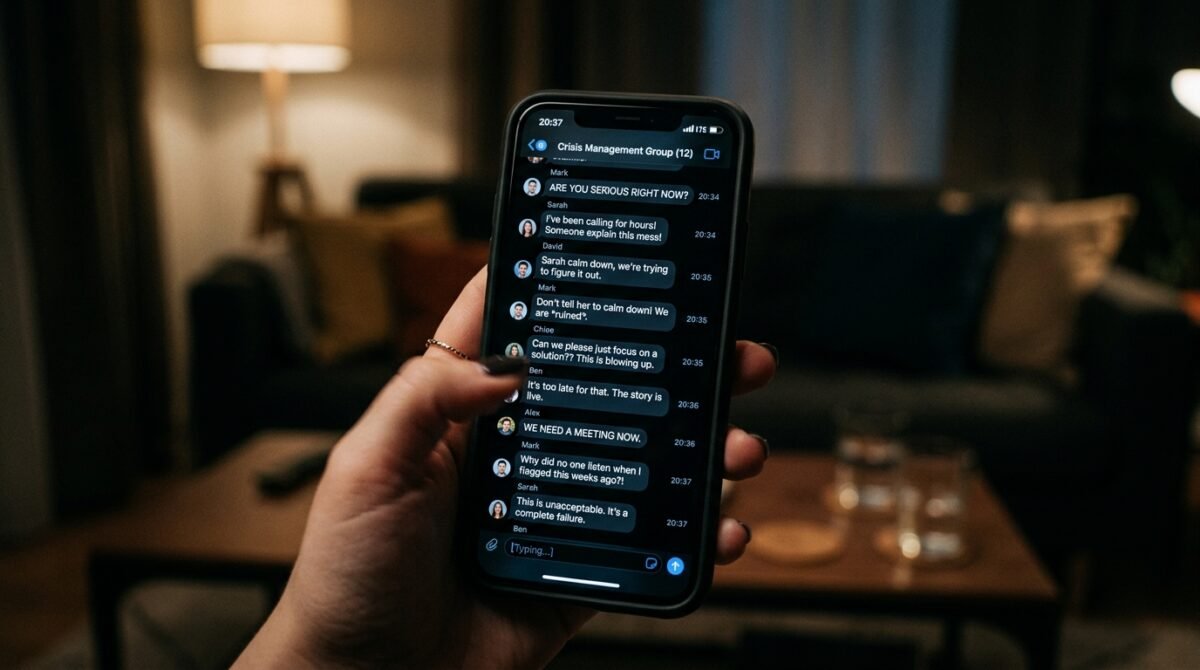
When news of the confrontation reached the rest of the family, the reaction was predictably divided. Susan had already spun her own version of the story: she was just trying to help, and I was being an ungrateful bride who hated her mother-in-law for no reason. My phone started blowing up with messages from relatives I hadn’t spoken to in years, all questioning my ‘behavior.’
The family group chat, which I had previously tried to keep peaceful, became a battleground of passive-aggressive comments and ‘concern’ for our marriage. Mark’s siblings were caught in the middle, some taking her side because they were used to her manipulative tactics, others finally seeing the cracks in her facade.
“Look, I know she’s a lot, but can’t you just let it go for the sake of the family reunion? She’s an old woman, and she really does think she was helping. Why cause so much drama over a pair of glasses?”
— Family Group Chat, from Mark’s sister
I had to set boundaries, and I had to do it quickly. I sent a long, detailed message to the entire group, attaching the photo as proof. I didn’t scream or use insults; I simply presented the facts. I told them that if they wanted to continue supporting Susan’s behavior, that was their choice, but they wouldn’t be doing it while I was around.
The silence that followed was deafening. Some people left the chat. Others privately messaged me, apologizing for not seeing the truth sooner. It was a litmus test for every relationship in my life, and while I lost some ‘family’ members, I gained a profound clarity about who actually respected me and who was just an enabler of toxicity.
The Internet Weighs In

I decided to post my story on a popular forum, wanting to see if I was actually the one being ‘sensitive.’ The response was overwhelming. Within hours, the post had thousands of comments, all validating my anger. It wasn’t just about the glasses; it was about the fundamental disrespect inherent in her actions. People shared their own stories of in-law sabotage, and the collective support helped me realize that I wasn’t crazy.
“This isn’t about glasses, it’s about a complete disregard for your autonomy. She didn’t just hide your property; she gaslit you into believing your own perception of the event was wrong. You are NTA (Not The Asshole) for going NC (No Contact) with her.”
— u/TruthSeeker99 (Top Comment, 32.4k upvotes)
The community support was a balm to my wounded ego. People pointed out that what she did was a form of control, a way to ensure I was dependent on her ‘guidance’ during the ceremony. It helped me process the emotional turmoil, turning my personal trauma into a cautionary tale that helped others identify similar patterns in their own lives.
I spent days reading through the comments, finding strength in the consensus. It wasn’t just me; this was a well-known archetype of a toxic mother-in-law, and seeing it from a distance made it easier to detach from the pain. It wasn’t my fault. It was never my fault. And that realization was the first step toward true healing.
The Legal Reality Check
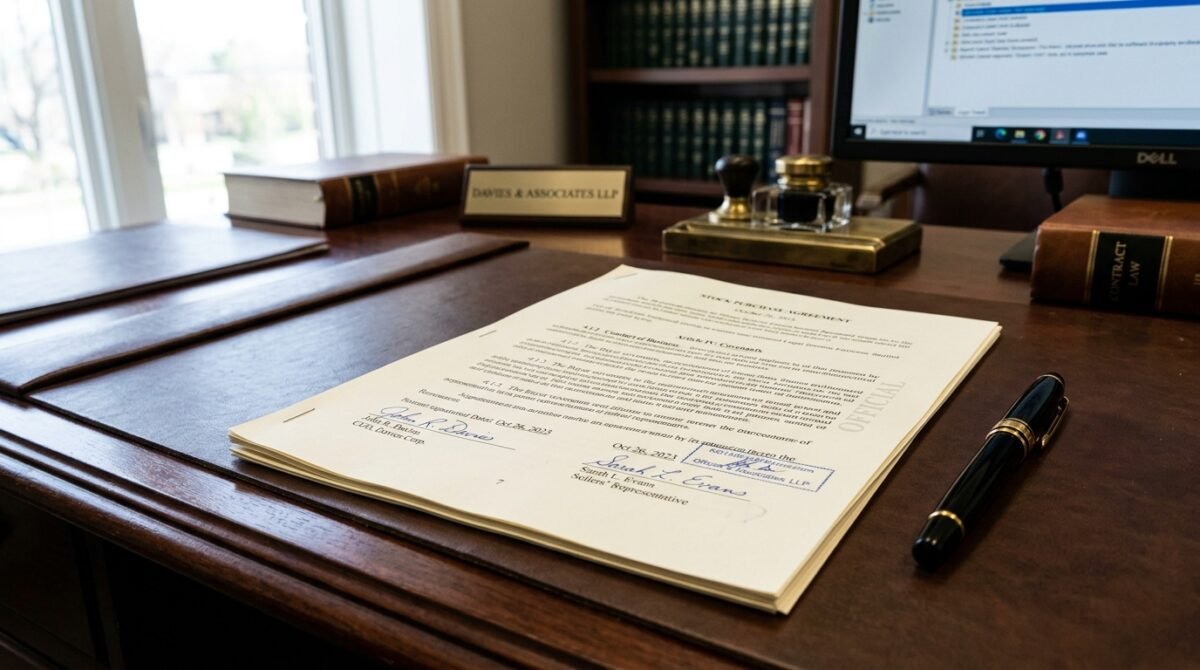
While the internet was supportive, I also had to consider the legal implications. I spoke with a lawyer about whether or not I could pursue any action against her for the theft and the emotional distress caused. While it wasn’t a criminal case in the traditional sense, the act of withholding property caused real, measurable damage to our wedding photos, which we had paid thousands of dollars for.
We sent a formal, certified letter to her house, outlining the costs of the wedding and the emotional impact of her actions. It wasn’t a lawsuit, but it was a clear signal that we were no longer going to be the passive recipients of her behavior. We demanded an acknowledgment of what she did and a promise to respect our boundaries moving forward.
“We are not interested in further drama, but we will not accept your version of events. You have violated our trust and our boundaries. Consider this your final notice regarding your conduct toward us.”
The letter didn’t result in an apology—I didn’t expect one—but it did result in her backing off. For the first time, she saw that there were consequences to her actions. She couldn’t just sweep it away with a condescending remark anymore. The fear of being cut off completely from her son was a powerful motivator, and it gave us the breathing room we desperately needed.
Reclaiming My Wedding Memories
The final step was the most difficult: how to live with the photos. I couldn’t delete them, but I couldn’t bear to look at them as they were. We decided to hire a photo editor to digitally restore my eyes in the photos where the squinting was most obvious. It was an expensive and strange process, but it was necessary for my own peace of mind.
As I saw the ‘restored’ photos, I felt a weight lift off my chest. I looked like myself again. I looked happy. It was a symbolic act of reclaiming my narrative. I wasn’t going to let Susan’s insecurity dictate how I remembered my wedding day. I was going to rewrite the ending, even if it was just on paper.
“I don’t care if it’s ‘fake.’ It’s how I felt. I felt happy, I felt loved, and I deserve to see that in my album. This is about my reality, not her perception of beauty.”
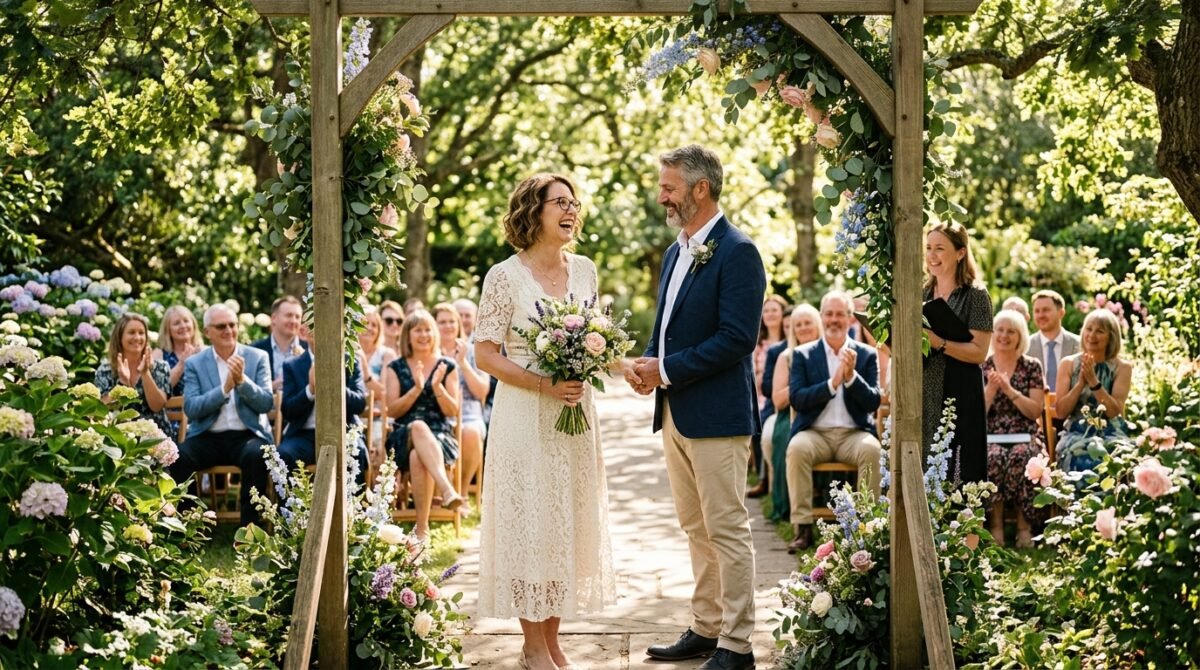
We held a small, private ceremony with just our closest friends—a ‘do-over’ of sorts—where we renewed our vows and took new photos. This time, I wore my glasses, and I was surrounded only by people who truly celebrated our union. It was perfect. It was the wedding I deserved, and it helped replace the painful memories of the original day.
The Lessons of No Contact

Going low contact with Susan was the hardest decision of my life, but it was the best for our marriage. We learned that space is the only way to heal from someone who refuses to take accountability. We stopped going to the Sunday dinners, we stopped the constant check-ins, and we focused entirely on building a life that was ours, not hers.
The impact on our marriage was immediate. Mark was less stressed, I was more confident, and we stopped feeling like we were constantly walking on eggshells. We learned that family is not just blood; it is a bond of mutual respect, and when that bond is broken, you have the right to protect your peace.
“We had to choose between keeping the peace and keeping our sanity. We chose our sanity, and I don’t regret a single day of the silence that followed.”
Today, I look back at the events of that day not with anger, but with a sense of triumph. I survived the gaslighting. I stood up to a bully. I redefined my own worth. And most importantly, I learned that I don’t need anyone’s permission to see my own life clearly.
Conclusion
The story of my glasses is more than a tale of a wedding day gone wrong; it is a story of reclaiming one’s identity from someone who sought to blur it. Susan may have stolen my vision for an hour, but she lost my trust forever. The process of moving from victim to survivor was long, but it taught me that my boundaries are non-negotiable. I no longer view those photos as a reminder of my weakness, but as a reminder of the day I stopped playing the part of the ‘good daughter-in-law’ and started being the protagonist of my own life.
What about you? Have you ever had to draw a line in the sand with an in-law who crossed it once too often? Do you believe in ‘keeping the peace’ at all costs, or is there a point where silence becomes complicity? Let’s talk about it in the comments below. Your experiences, your struggles, and your victories are the foundation of our community’s strength.
What's your verdict on this dilemma?
Vote below to contribute to the official community consensus.

Have a Dilemma Keeping You Up at Night?
Share your real-life feud, wedding chaos, or relationship crossroads anonymously with our editorial team.
What do you think ?
0 Comments🛡️ Comments are moderated to protect community integrity. Your comment will appear once approved by the editorial team.