
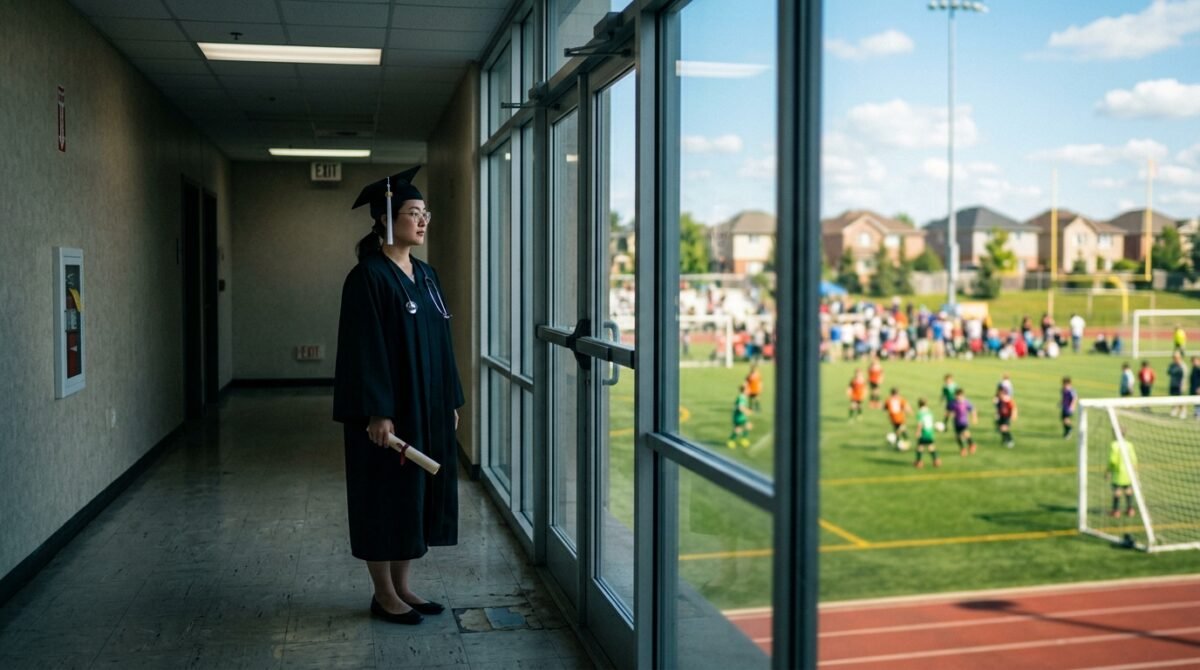
For as long as I can remember, the air in our household was always thick with a specific kind of atmospheric pressure. It was the weight of being the ‘reliable one,’ the child who didn’t need to be checked on, the one whose achievements were treated as a default setting rather than a cause for celebration. I spent four years in undergraduate studies and another four in the relentless, soul-crushing grind of medical school, fueled by the singular, naive hope that at the finish line, my parents would finally look at me and say, ‘We are proud of you.’
The graduation ceremony was not just a piece of paper; it was the symbolic end of a decade of sacrifice. I had missed weddings, funerals, holidays, and birthdays to ensure I could reach that stage. When I sent out the invitations three months in advance, my mother’s response was a distracted, ‘Oh, that’s nice, dear,’ followed immediately by a laundry list of logistics for my younger brother’s recreational soccer league. I didn’t think much of it then, chalking it up to her usual lack of focus, but I should have seen the writing on the wall.
Two weeks before the ceremony, the confirmations were sent. My parents had my tickets. They had the hotel information. They had the itinerary for the weekend brunch. Then, on the morning of the ceremony, my phone buzzed. It was a photo of a muddy, suburban soccer pitch. The caption was, ‘So proud of your brother, he scored his first goal today! We’ll catch your photos later.’ I stood in my cap and gown, the weight of the last eight years crashing down on me, realizing that my presence in their lives was entirely conditional on how much I could serve their narrative of ‘family togetherness’ while being invisible.
This isn’t just about a missed event; it’s about the silent erosion of a person’s worth over a lifetime. It is about the realization that no amount of professional success, no matter how hard-won, could ever buy me a seat at my own family’s table. I didn’t make a scene that day. I didn’t scream or cry in public. I simply turned off my phone, walked across the stage, and decided that for the rest of my life, I would be a ghost to people who never truly saw me in the first place.
The Eight-Year Marathon of Silent Sacrifice

Medical school is often described as a marathon, but in my house, it felt more like a solitary trek through a frozen tundra. While my peers were supported by family dinners and care packages, I was navigating the bureaucracy of loans and the physical toll of 36-hour clinical rotations. My parents viewed my education as a box to be checked, a status symbol they could parade at local gatherings, but they had absolutely no interest in the human cost behind the MD.
I recall nights spent in the library, the flickering fluorescent lights casting shadows over my textbooks, while my mother would call me to complain about my brother’s ‘lack of motivation’ in his extracurriculars. They wanted me to be the golden child who fixed everything, yet they couldn’t be bothered to understand why I was tired. Every holiday spent studying was framed as a personal affront to their holiday traditions.
“Are you really going to spend another Thanksgiving looking at anatomy slides? Your brother is going to feel like you don’t care about the family anymore.”
— My Mother, November 2022
The resentment didn’t build overnight; it was a slow, steady drip. By the time my graduation approached, I had spent thousands of dollars on flights and hotels to visit them, trying to bridge a gap that they were actively widening. I thought the ceremony would be the catalyst for change, a moment where the dynamic would shift from ‘the child who serves’ to ‘the child who is honored.’ I was wrong.
I look back at those years and see a younger version of myself trying to win a game where the rules were constantly changing. If I passed my boards, it was ‘expected.’ If I received an award, it was ‘because you’re naturally smart.’ There was no room for the effort, the tears, or the sheer willpower it took to survive the crucible of medicine. Their indifference wasn’t accidental; it was systemic.
I started noticing the cracks in the foundation during my third year. My brother, six years younger, had developed a personality that required constant, loud validation. He was the center of the solar system, and I was merely a satellite. I accepted this, thinking, ‘He’s the baby, it’s normal,’ but as I matured, the realization hit me: they weren’t just favoring him; they were systematically devaluing me to maintain his confidence.
The Three-Month Calendar Conflict
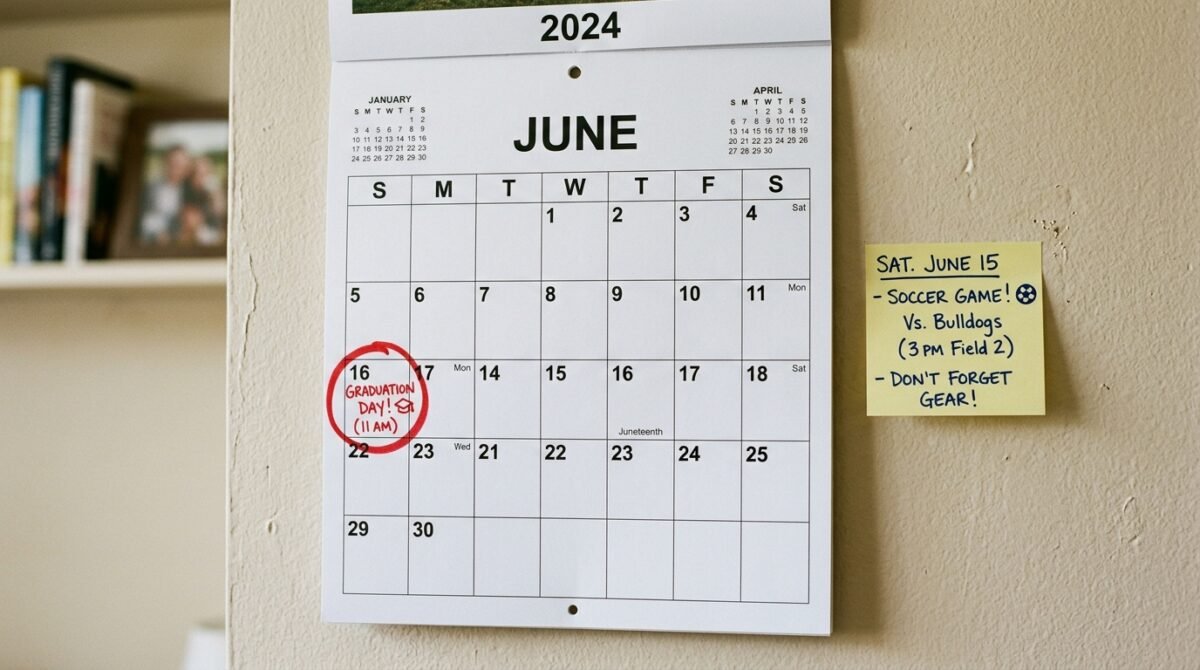
I had been planning this date for months. The university calendar is set years in advance, and I made sure my parents had the date circled in red. I even sent a physical card, a formal invitation to recognize the milestone. I wanted to give them every opportunity to show up. I was so desperate for their approval that I built the entire weekend around their comfort, booking a suite at a hotel that was within walking distance of the stadium.
When my mother finally acknowledged the date, she immediately pivoted. ‘Oh, that is the weekend of the state recreational play-offs for the soccer team. Are you sure you can’t push your ceremony back?’ she asked with a straight face. I laughed, thinking it was a joke, but the silence on the other end of the line was deafening. It wasn’t a joke. To her, a local sports game carried the same, if not more, weight than the culmination of a medical career.
“Mom, this is a doctoral graduation. It happens once. The soccer game is a seasonal match. Surely there is a way to handle the schedule?”
“You’re so dramatic. It’s just one day, and your brother really needs us there to support him. You’re already successful; he’s still finding his way.”
— Argument two weeks prior to graduation
The audacity of that statement still stings. The implication was clear: I was already ‘finished,’ so my needs were negligible. My brother, however, was ‘in progress,’ and therefore commanded all resources, time, and emotional bandwidth. I felt a cold chill run through me. It was the first time I realized that no matter what I achieved, I would never be ‘in progress’ enough to matter to them.
I tried to explain the significance of the event, talking about the oath, the residency matching, and the years of debt. She tuned out. She started talking about the snacks she was planning to pack for the soccer field. I hung up the phone and stared at the wall for an hour. I realized then that I wasn’t fighting for their love; I was fighting for their perception of reality, and I was losing.
I kept the hotel reservations, the dinner bookings, and the graduation tickets, but I stopped talking to them about the ceremony. I treated it as a private event. I didn’t tell my extended family; I didn’t want the awkward questions. I just waited. I held onto a sliver of hope—a foolish, childlike hope—that they would realize the gravity of the situation and choose me at the eleventh hour.
The Morning of the Cold Truth
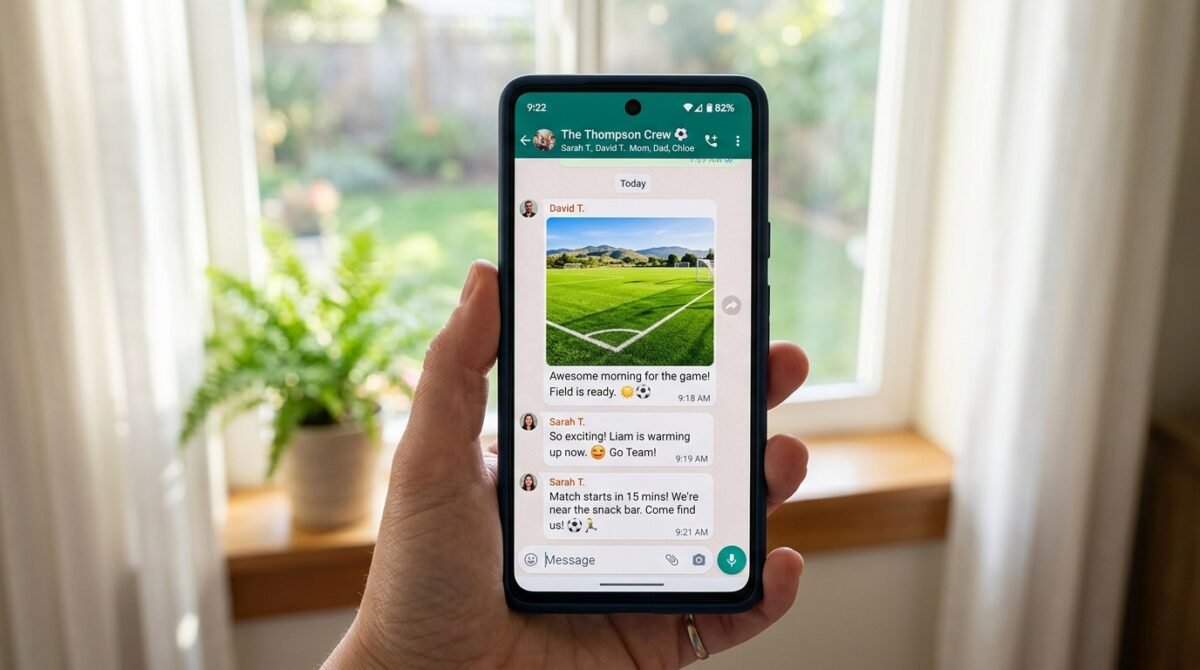
The morning of the graduation was crisp and bright. I woke up at 5:00 AM, my gown pressed and hanging on the back of the door. My phone was vibrating on the nightstand. I reached for it, expecting a ‘We are on our way’ text. Instead, I saw a notification from the family group chat. It was a photo of a grassy field, half-filled with parents in folding chairs, and my brother grinning in a bright blue jersey.
The text read: ‘Big day for the team! We are so proud of you, son. Can’t wait for the post-game pizza!’ There was no mention of me. No ‘thinking of you today.’ No ‘good luck.’ I felt like I was watching a movie of someone else’s life. I sat on the edge of the bed and felt the last bit of the child inside me finally die. It was a clean, surgical cut. The confusion vanished, replaced by a crystalline, icy clarity.
I didn’t reply. I didn’t leave the group chat yet; I just silenced it. I showered, got dressed, and drove to the campus. I felt completely detached, like an observer in my own body. The graduation ceremony was a blur of names and handshakes. I walked across the stage, hearing the cheers of my friends and their families, and when I looked toward the seats I had reserved for my parents, I saw two strangers sitting there. They were lovely people, I’m sure, but they weren’t mine.
“You look like you’ve seen a ghost. Are you okay?”
“I’m better than I’ve ever been. I just realized I’m finally free.”
— Exchange with a friend after the ceremony
That realization—that I was free—was the most terrifying and exhilarating thing I had ever felt. I wasn’t mourning the loss of their presence anymore. I was mourning the loss of the fantasy. The fantasy that if I just worked hard enough, if I was just successful enough, if I was just ‘good’ enough, they would finally look at me with the same pride they reserved for my brother’s trivial athletic participation.
I went to a small lunch with my roommate and his parents. They were so proud of me, asking about my residency match, my specialty, and my plans for the future. They listened with genuine interest. I realized that the people who were ‘supposed’ to be there were absent, but I was surrounded by people who were actually present. It was a profound lesson in what constitutes a family.
The Aftermath and the Silenced Group Chat

When I returned home, my phone was blowing up. My mother had finally realized I hadn’t responded to the ‘good luck’ texts she sent three hours after the ceremony concluded. There were missed calls, voice messages, and a flood of texts that ranged from confusion to indignation. She was playing the victim, asking why I was being so ‘immature’ and ‘punishing the family’ for a scheduling oversight.
I read them all, one by one. I didn’t feel angry. I felt like a scientist observing a specimen. They were so incapable of introspection that they had already reframed the entire event as a slight against them. In their minds, I was the one who failed to accommodate the soccer game. I was the one who was being ‘difficult’ by having a graduation on the same day as a youth sports league.
“We don’t understand why you are being so cold. It was just a game. We sent you our love. Why are you trying to ruin your brother’s special day by making this all about you?”
— Text from Mother, 8:00 PM
I didn’t answer. I drafted a response, then deleted it. What was the point? There was no language we shared that could bridge this gap. If I explained the pain, it would be turned into an attack. If I asked for an apology, it would be denied or manipulated. I took a screenshot of the thread, just in case I ever needed a reminder of why I did what I did, and then I blocked them.
The silence that followed was heavy, but it was a silence I chose. I felt the physical tension in my shoulders begin to unwind for the first time in years. I realized that by cutting them off, I was finally prioritizing my own mental health. The ‘obligation’ was gone. I was no longer a resource to be tapped or a prop in their suburban family drama.
I spent the next week in a state of quiet reflection. I cleaned my apartment, donated my old textbooks, and started looking forward to my residency. I had a life to build, and for the first time, it was a life entirely of my own design, free from the expectations of people who couldn’t even show up for the most important day of my career. It was the best gift I had ever given myself.
The Internet Weighs In: Why You Were Right
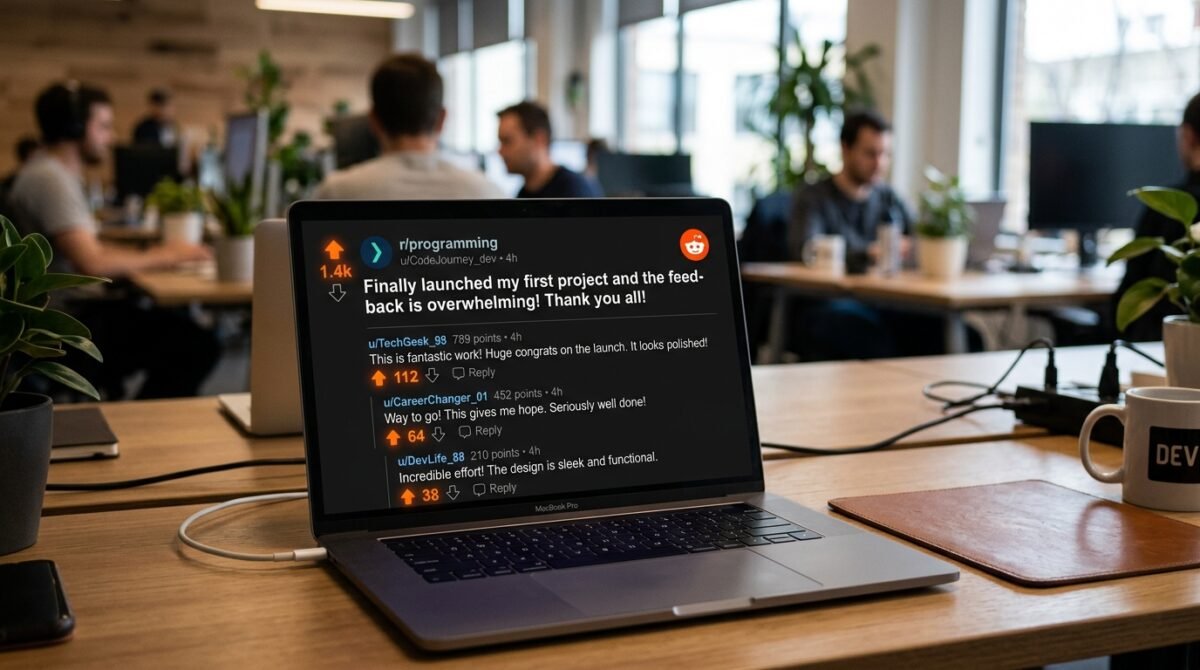
I finally posted my story on a popular forum, expecting a mixed bag of responses. I wanted to see if I was crazy. Maybe I was the one who was being entitled? Maybe I was the one who didn’t understand the ‘joys of family life’? The response was overwhelming. Thousands of people reached out, not just to support me, but to share their own stories of being the ‘forgotten’ child in favor of the ‘golden’ sibling.
The consensus was immediate: I was not the villain. I was a person who had set a boundary because it was the only way to save my sanity. The community helped me see that my parents’ behavior was a pattern of neglect that had been masked as ‘parenting’ for years. It was validation on a scale I hadn’t expected.
“The fact that they didn’t even acknowledge the graduation as a ‘big day’ but called the soccer match a ‘big day’ tells you everything you need to know. You weren’t a priority because they knew you would succeed without them. They invested in the child who needed them, not the child who was already doing the work. You owe them nothing.”
— u/MedStudentSurvivor (Top Comment, 32.5k upvotes)
Reading these comments felt like a balm on an open wound. I realized that my situation wasn’t an anomaly; it was a common dynamic in families with narcissistic tendencies. The comments section became a support group of sorts, filled with people who had walked the same path. It made me feel less alone in the world.
Of course, there were the ‘but they’re family’ types. They argued that I should have forgiven them, that ‘blood is thicker than water,’ and that I was being cruel by cutting them off entirely. I engaged with a few of them, but eventually realized that they didn’t understand the context. They were viewing my life through a lens of ‘idealized family,’ not the reality of my lived experience.
The overwhelming majority, however, stood by the necessity of the ‘no contact’ rule. They pointed out that I hadn’t just ‘skipped’ a lunch; I had ended a cycle of emotional abuse. The support gave me the courage to move forward without looking back. It cemented my decision, turning a moment of heartbreak into a moment of empowerment.
The Financial and Emotional Ledger of Neglect
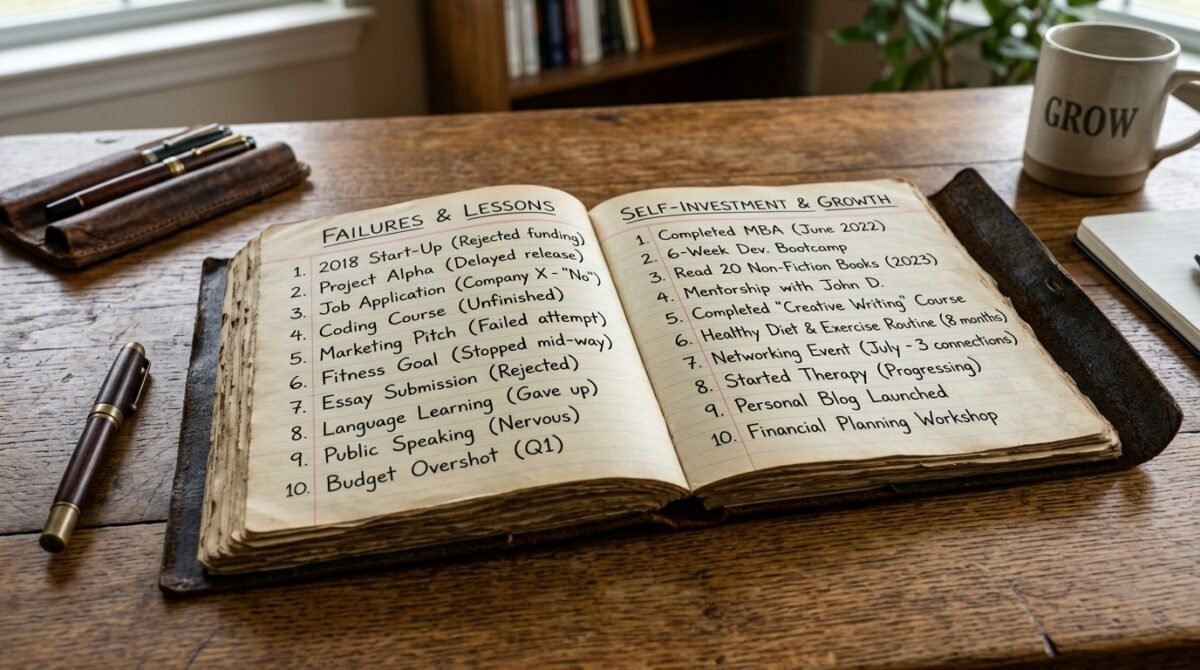
I started keeping a mental ledger of the ‘costs’—not just financial, but emotional. I tallied up the missed birthdays, the lack of interest in my undergraduate research, and the constant demand for me to support my brother’s endeavors. It was a staggering amount of emotional labor that was never reciprocated. I realized that I had been essentially ‘paying’ for my parents’ affection with my accomplishments, and the return on investment was zero.
When I looked at the numbers, it wasn’t about the money I spent on plane tickets; it was about the years of my life I had spent trying to please them. Eight years of schooling, thousands of hours of clinical work, and every single one of those hours was spent trying to prove that I was ‘enough.’ The graduation was the final, failed attempt to get them to recognize my worth.
| Occasion | My Expectation | Parental Reality |
|---|---|---|
| Undergrad Graduation | Presence | Sent a check, stayed for lunch |
| Medical School Acceptance | Celebration | ‘Don’t forget to help your brother’ |
| Doctoral Graduation | Full Attendance | Skipped for soccer match |
The table above is simple, but it represents a lifetime of disappointment. It wasn’t about the specific event; it was the trend. Every single time I reached a milestone, there was a pivot. They couldn’t stand the idea of me being the center of attention. They needed the spotlight to be on the family, and specifically, on the child who was still ‘vulnerable’ and ‘needing’ them.
By cutting off contact, I effectively closed this ledger. I stopped the bleeding. I stopped trying to balance a scale that was rigged against me from the start. It was the most liberating financial and emotional decision I have ever made. I am no longer investing in a company that is bankrupt.
I’ve started a new ledger now. One where I invest in my own growth, my own friendships, and my own future. It’s a much healthier investment portfolio. The returns are immediate, and the dividends are peace of mind. I don’t regret the past, but I am certainly done paying for it.
Navigating the New Normal of Silence

The first month of no contact was the hardest. Every time my phone rang, my heart skipped a beat, half-hoping and half-fearing it was them. I had to learn how to exist without the constant, background noise of their expectations. I had to learn how to validate my own successes, how to give myself the ‘good job’ that I had spent my life waiting for them to say.
I started small. I bought myself a gift to celebrate my graduation—a nice watch that I wear every day. It reminds me that I earned this, and I don’t need anyone else’s permission to be proud of it. I started going to therapy to unpack the years of conditioning. My therapist helped me realize that the ‘need’ for their approval was a habit, like a drug, and that I had to go through withdrawal.
“You are not losing a family. You are shedding a shell that was keeping you from growing. You are finally, for the first time, in control of your own development.”
— My therapist during a session
The silence isn’t empty anymore; it’s peaceful. I’ve filled it with hobbies I never had time for, with friends who actually ask how I’m doing, and with a routine that respects my time. I’ve learned that I don’t need to be the ‘reliable one’ for everyone else; I can be the reliable one for myself. It’s a radical shift, but it’s the only one that makes sense.
Occasionally, I hear things through the grapevine. My parents tell my extended family that I’m ‘going through a phase’ or that I’m ‘too busy with residency’ to call. They are rewriting the narrative to save face. I don’t care. Let them tell their story; I am busy living mine. I don’t need to correct them, because their opinion of me is no longer my reality.
I am finding that as the distance increases, the pain decreases. The anger, which was so sharp and hot, is cooling into a dull, manageable ache. I am not ‘punishing’ them; I am protecting myself. There is a fundamental difference, and it’s one that I hold onto every day. This is my life now, and it’s finally, beautifully, mine.
The Unexpected Letter from My Brother

Six months after the incident, a letter arrived in my mailbox. It was handwritten, in my brother’s messy script. I hadn’t spoken to him since the day I blocked everyone. I didn’t want to get pulled back into the drama, but I opened it. I expected an apology, or perhaps another demand to ‘call Mom.’ Instead, I found something much more complicated.
He wrote about the pressure he felt to be the ‘star’ of the family. He wrote about how he knew, even then, that they were using him as a distraction from my accomplishments. He said he felt guilty about the graduation—that he had asked them to go to my ceremony, but they had insisted on the game because ‘your brother doesn’t need us as much as you do.’
“I know you hate me for it, and I don’t blame you. But I never wanted that. I wanted to see you walk across that stage. I’m sorry I was a pawn in their game.”
— From the letter, received six months later
I sat with the letter for a long time. It didn’t solve everything, but it shifted my perspective. My parents didn’t just hurt me; they had poisoned the relationship between me and my brother. They had pitted us against each other, creating a dynamic where one of us had to ‘win’ and the other had to ‘lose.’ It was a masterclass in emotional manipulation.
I didn’t call him immediately. I needed time to process this new information. It made me realize that my parents’ toxic behavior wasn’t just directed at me—it was a totalizing force that defined the entire family structure. Everyone was a victim of their need to control the narrative, even the ‘golden’ child.
I sent a brief, neutral response. I told him I didn’t hate him, but that I needed to keep my distance for my own well-being. It was the hardest thing I’d ever written. But it was honest. And in this new life, honesty—not obligation—is the only thing that matters. The door isn’t closed forever, but it’s locked, and I’m the only one with the key.
Reframing Success on My Own Terms

Medical school taught me about the human body, but the aftermath of my graduation taught me about the human spirit. I’ve realized that success isn’t defined by titles or degrees, but by the ability to choose your own environment. I am a doctor, yes, but I am also a person who has reclaimed their dignity. That is the greatest achievement of my life.
I’ve started mentoring other students who feel the same pressure I did. I see them in the library, the same way I used to be, and I try to remind them that they are worthy of rest, worthy of joy, and worthy of support. I try to be the person I needed back then—someone who listens and validates, someone who doesn’t demand, but simply exists in solidarity.
“You are not a tool for someone else’s pride. Your success belongs to you. If your family can’t celebrate your growth, find a new family that can.”
— My advice to a medical student
I have built a ‘chosen family’ here. It consists of friends, mentors, and partners who value me for who I am, not what I produce. We celebrate the small things—a good day at the hospital, a finished book, a beautiful meal. There is no performance here, no pressure to maintain a certain image. It’s just, well, life. And it’s enough.
I don’t look back at the photos of that soccer field anymore. I’ve deleted them. I don’t need the evidence of their absence to remind me of my resolve. I have the memory of my own graduation—not the ceremony, but the feeling of walking out of that hall, under the bright sun, knowing that I would never have to ask for their approval again.
I am in a good place. The residency is challenging, the hours are long, but the work is meaningful. And when I go home at night, there is no one waiting to demand my attention or drain my energy. There is just the quiet, the peace, and the absolute, beautiful freedom of being exactly who I am meant to be.
The Final Verdict: Why Boundaries Matter

Looking back, the decision to cut contact wasn’t a punishment; it was a boundary. Boundaries are not about controlling other people; they are about protecting your own integrity. I could not continue to participate in a system that required me to diminish my own existence to make others feel comfortable. I had to choose: their comfort or my sanity. I chose me.
If you find yourself in a similar position, know that you are not being ‘difficult’ by standing up for yourself. You are not ‘ruining the family’ by refusing to participate in your own devaluation. The family was already broken; you’re just the one who finally stopped pretending that the house wasn’t on fire.
“The most important relationship you will ever have is the one you have with yourself. Everything else is secondary. Protect that relationship at all costs.”
— Closing thought from my journal
People will tell you that you should ‘be the bigger person.’ I disagree. Being the ‘bigger person’ is just a way for people to ask you to swallow your pain so they don’t have to witness it. You don’t have to be big; you just have to be yourself. And if being yourself means walking away, then that is the right path.
My story doesn’t have a neat, ‘happily ever after’ ending where my parents realize their mistake and we all hug it out. And that’s okay. That’s a movie ending. In reality, sometimes the best ending is one where you get to decide who enters your life and who stays out of it. I’ve made my choice, and I’m proud of it.
I’m looking forward to the future now. I’m looking forward to more graduations, more milestones, and more moments that I get to share with the people who actually want to be there. I am ready for whatever comes next, and I’m ready to face it as my own person, unbound and unafraid. And honestly? That’s all I ever wanted.
Conclusion
The story of my graduation is not really about a soccer game. It is about the fundamental realization that we are responsible for our own happiness. My parents’ choice to prioritize a recreational match over my career was merely the final, undeniable proof of a lifelong pattern. By walking away, I didn’t lose a family; I gained my own life back.
I am sharing this because I know there are others out there, trapped in the same cycle of performing for approval and being left behind. You are not a prop in someone else’s play. You are the lead in your own. It is time to stop waiting for them to notice your work and start acknowledging it yourself.
What about you? Have you ever had to draw a line in the sand with your family after a lifetime of feeling ignored or used? Have you discovered the peace that comes with cutting ties, or are you still struggling with the guilt of ‘being the one’ to walk away? Share your story in the comments below, and let’s discuss what it means to truly put yourself first.
What's your verdict on this dilemma?
Vote below to contribute to the official community consensus.

Have a Dilemma Keeping You Up at Night?
Share your real-life feud, wedding chaos, or relationship crossroads anonymously with our editorial team.
What do you think ?
0 Comments🛡️ Comments are moderated to protect community integrity. Your comment will appear once approved by the editorial team.