
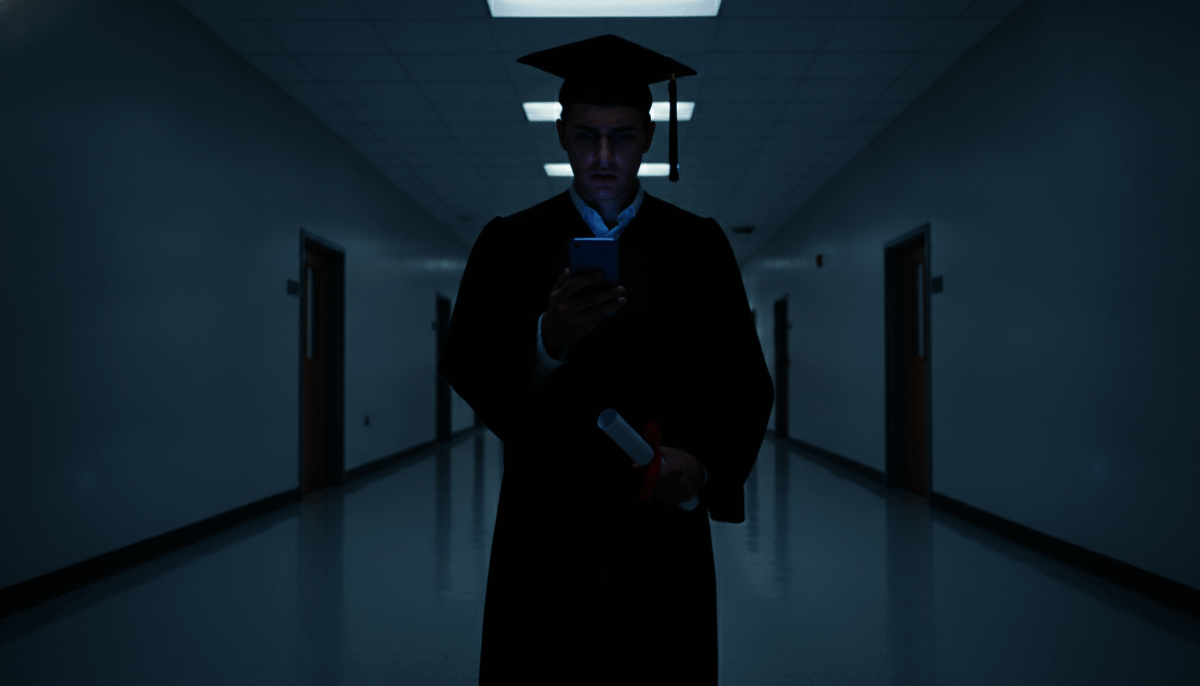
The irony of a doctoral defense is that it is supposed to be the culmination of your intellectual life—a moment where the years of sleepless nights, the mountains of data, and the crushing pressure of peer review are finally validated by a room full of experts. For five years, I had lived in a state of suspended animation, sacrificing weekends, social events, and mental health to earn my PhD in Molecular Biology. My parents were always aware of the date. It was on the calendar on the refrigerator. It was discussed at every holiday dinner. It was a milestone they claimed to be ‘so proud’ of.
But in the ecosystem of my family, I was never the sun. That position was permanently occupied by my brother, Marcus. Marcus was the charming, perpetually failing, entrepreneurial ‘visionary’ who could do no wrong, even when he was doing absolutely nothing. My parents’ obsession with his whims had been the backdrop of my entire life, but I foolishly believed that a PhD defense—a singular, life-altering event—would be the one occasion where I took center stage.
I was wrong. The morning of my defense, as I stood in the lobby of the science building, heart hammering against my ribs, I received a text that made the air turn cold in my lungs. It wasn’t a call to say they were stuck in traffic or lost in the parking garage. It was a casual, almost dismissive explanation of why they would not be coming to see me defend my dissertation. They were busy. Marcus needed them to drive three hours away to help him inspect a used jet ski he saw on Craigslist.
The betrayal wasn’t just about the absence; it was about the comparison. My life’s work, pitted against a depreciating watercraft. My intellectual triumph, weighed against a spur-of-the-moment whim of a man who hadn’t held a steady job in three years. As the committee members began to file into the room, I realized that my anger was no longer a flicker—it was a forest fire. I walked into that room, defended my thesis, and for the first time in my life, I didn’t care if I was the best in the room. I was already planning the rest of my life without them.
The Calendar Invite and the Fading Hope
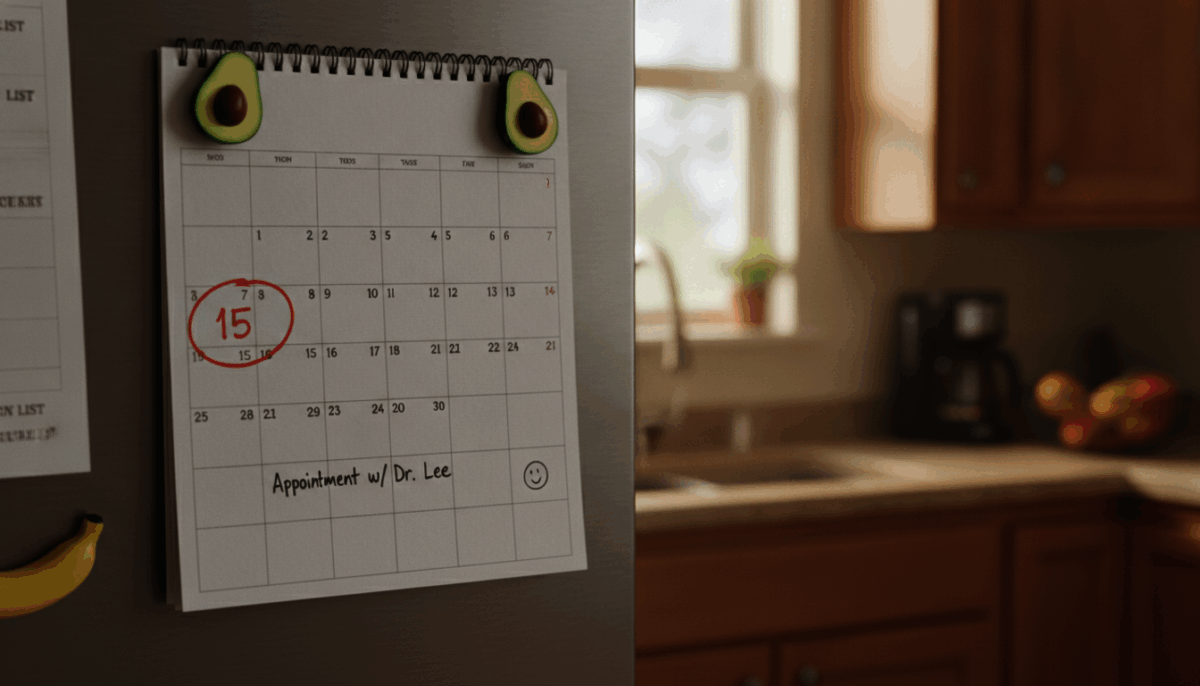
I had sent the formal invitations six months in advance. My advisor had even personally written a note to my parents, emphasizing the importance of the event. I had booked a small room for a celebration afterward, paid for a catered lunch, and purchased a new suit that cost nearly half my monthly stipend. I wanted them to see me not as the ‘studious sibling,’ but as a professional, a peer, an expert.
Every Sunday dinner, I would bring it up. ‘Mom, Dad, just to be sure, you have the morning off on the 14th?’ They would nod, sip their wine, and talk about Marcus. Marcus was currently ‘looking into’ a new business venture involving vintage sneakers, or perhaps flipping boats. They hung on his every word, treating his erratic life path like an unfolding adventure novel while my steady, disciplined career path was treated like a footnote.
Two weeks before the defense, I confirmed the details again. My mother looked at me, a flicker of irritation in her eyes. ‘We know when it is, dear. You don’t have to nag us like we’re children. We’ll be there, as long as nothing urgent comes up.’ I didn’t realize then that ‘urgent’ was code for ‘anything Marcus needs.’ I should have known. I should have prepared for the disappointment. But hope is a dangerous thing for a child of a golden-child household.
The week of the event, I was in a state of high-functioning anxiety. I was finalizing my slide deck, checking my bibliography, and making sure my nervous system was stable enough to answer probing questions from a panel of tenured professors. I saw my father once that week, and he didn’t mention the defense. He spent the entire time asking me if I knew how to help Marcus secure a small business loan. The writing was on the wall, but I was too focused on my defense to read it.
“I just need you to be there for two hours, Dad. Just two hours. That’s all I am asking for.”
— Me, the evening before the defense
“We’ll try, but Marcus has this lead on a jet ski that could really help him get his rental business off the ground. If he misses this deal, it’s gone. You understand, don’t you?”
— My Father
The Morning of the Betrayal
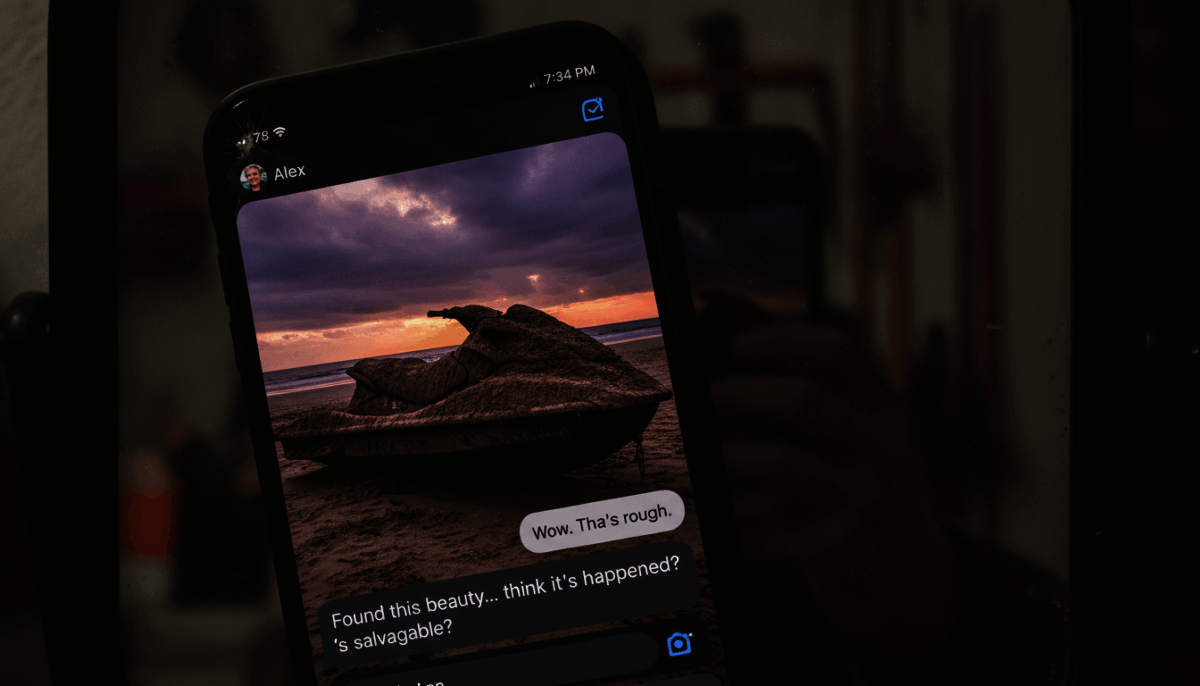
I arrived at the university at 7:00 AM. The air was crisp, and the campus was quiet. I felt a strange sense of calm. I had rehearsed my presentation until I could recite it in my sleep. I checked my phone, expecting a text from my parents saying they were leaving the house. Instead, I saw a notification from the family group chat.
My heart sank. The text wasn’t an apology. It was a photo of a rusted-out Kawasaki jet ski in a driveway three towns over. My mother had sent it, followed by a message about how ‘excited’ they were to help Marcus turn his life around. There was no mention of my name. No mention of the fact that I was currently about to defend my PhD to a panel of experts who would decide the future of my career.
I waited an hour. I paced the hallway outside the auditorium. The janitors looked at me, probably wondering why a woman in a sharp blazer was trembling near the fire exit. I sent a message to the group chat, my fingers hovering over the screen, my pulse hammering in my throat. I didn’t want to be dramatic, but I needed to know if they were actually coming. I was met with silence for twenty minutes, then a flurry of activity from Marcus.
“Mom, Dad, I am at the university. My defense starts in forty-five minutes. Please tell me you are on the road.”
— My text to the family group
“Oh honey, we’re actually helping Marcus with this jet ski inspection! It’s a great deal and he really needs us to look at the engine. We’ll be there in spirit! You’re so smart, you don’t need us there to hold your hand.”
— My Mother
The words hit me like a physical blow. ‘Hold my hand.’ That was how she categorized a five-year commitment. A childish need for support, rather than a professional milestone. I stared at the screen, and the tears that had been threatening to fall finally broke through. I wiped them away, put my phone on airplane mode, and decided that the person who walked into that room was not going to be the daughter who craved their approval.
The Room Where It Happened
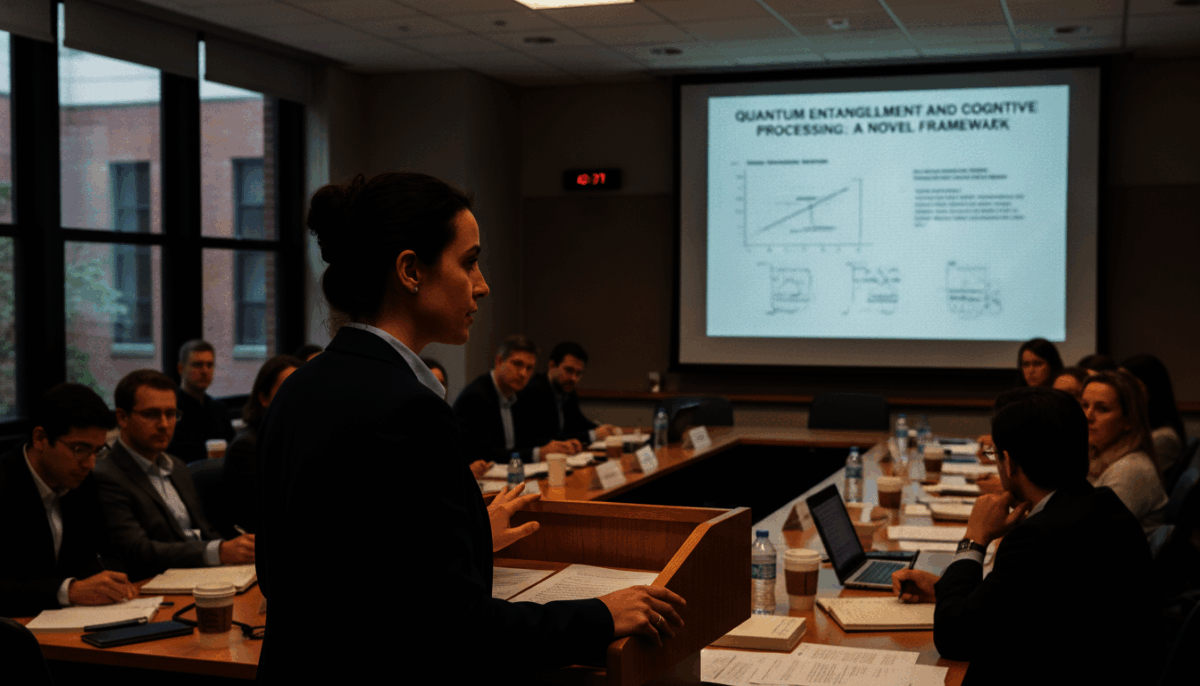
When I stepped into the room, I saw the empty chairs where my parents were supposed to sit. They were glaringly, painfully vacant. My advisor, Dr. Halloway, looked at me with a mixture of concern and professional curiosity. He knew my situation; he had heard the stories over the years. He offered me a nod, a silent acknowledgment that he was there, even if my family wasn’t.
The defense began. I stood at the podium and began to speak. My voice was shaky for the first thirty seconds, but as I delved into the data, something shifted. I wasn’t doing this for my parents. I wasn’t doing this to prove to them that I was worthy of their attention. I was doing this for me. I was reclaiming my life from the shadow of Marcus and his endless parade of failures.
For the next ninety minutes, I didn’t think about jet skis. I didn’t think about the rusted engine my father was currently inspecting. I thought about the protein pathways I had spent three years mapping. I fielded questions from the panel, some of them aggressive and challenging, with a clarity and confidence that surprised even me. I realized that the lack of support had made me harder, sharper, and more independent than I had ever intended to be.
When I finished, there was a pause. The silence was thick with expectation. Dr. Halloway stood up and announced that the committee was satisfied. I had passed. I was a doctor. I walked out of the room feeling like a ghost who had finally been granted corporeal form. I wasn’t the ‘smart kid’ anymore; I was a peer among professionals. And the best part? I didn’t have to share the moment with anyone who didn’t want to be there.
The Post-Defense Text Thread
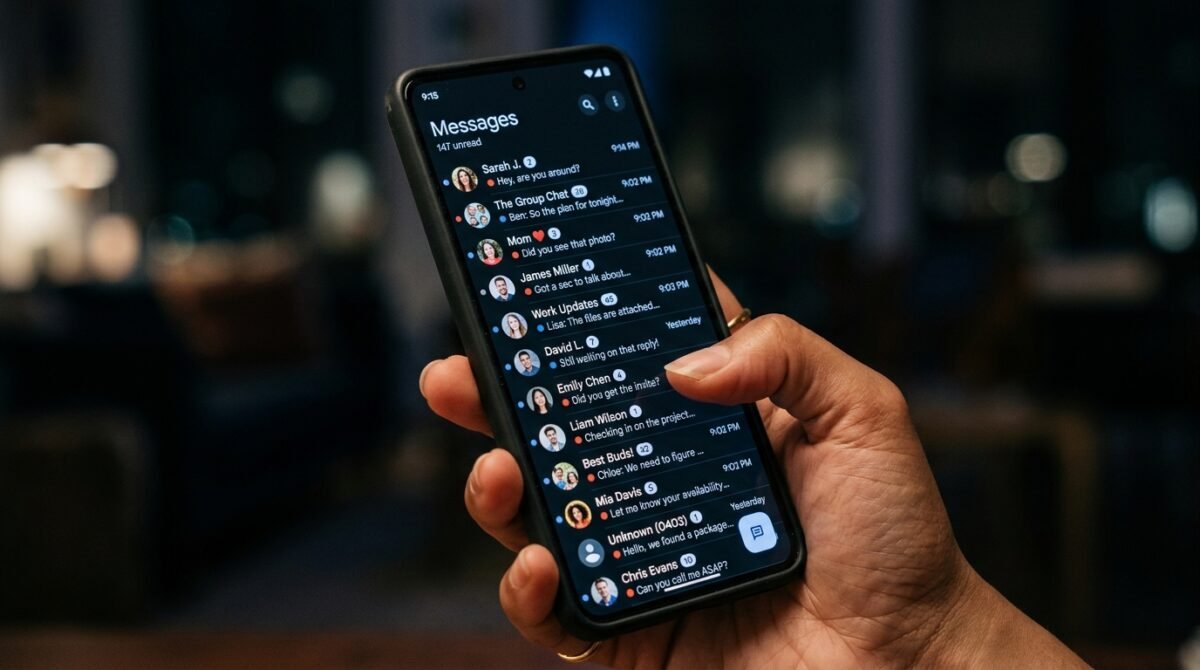
After the defense, I turned my phone back on. It was flooded with messages, not from my parents, but from Marcus. He was bragging about the jet ski, complaining that the seller wanted ‘too much’ for it, and asking if Dad could borrow the money from my grandmother to close the deal. I looked at the screen and felt a cold, distant amusement. They were literally begging for scraps of money while I was beginning a career that would eventually eclipse all of them.
I didn’t respond to the group chat. I let the silence hang there. I knew that my mother would eventually ask how it went, probably expecting a short, apologetic reply. She would want me to tell her it was fine, that I understood, that Marcus’s jet ski was more important. That was the script. We had been playing by this script for twenty-five years. But the script had burned up in that lecture hall.
I decided then and there that I wouldn’t be the one to initiate the confrontation. I would let them come to me. I was finished chasing them. I was finished making myself small so that they could feel big. I went to the small lunch I had organized for my friends and colleagues, and for the first time in my life, I didn’t feel the need to check my phone to see if my parents were checking in.
“Hey, you didn’t answer! How did the little talk go? Did you pass? Mom says you were really nervous about it.”
— Marcus, in the group chat
“I passed. And it wasn’t a ‘little talk.’ It was a doctoral defense. And I’m not answering any more questions today.”
— My response to the group chat
The response was immediate. My mother started typing. Then stopped. Then started again. My father called twice, but I let it go to voicemail. I didn’t want their performative congratulations. I didn’t want them to pretend they were proud of me after they had prioritized a piece of junk over my defining professional achievement.
The Confrontation at the Sunday Dinner
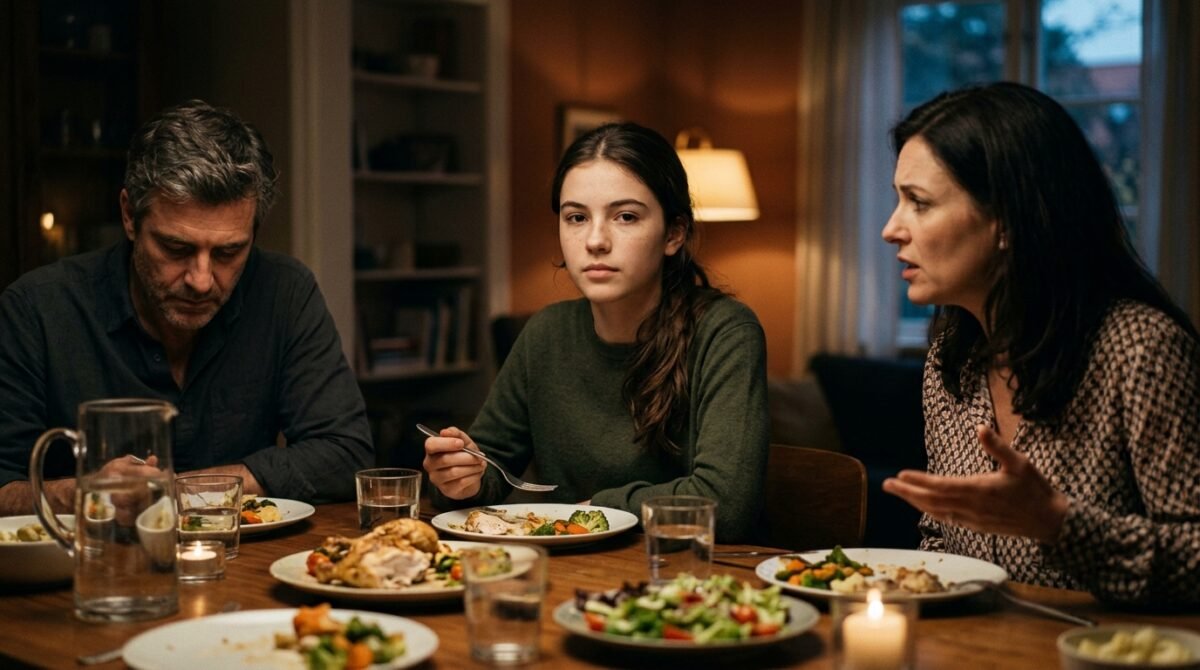
A week later, I went to Sunday dinner. It was an obligation, a habit I wasn’t ready to break yet. The air in the house was heavy, charged with the kind of tension that comes from unsaid things. My parents were acting as if nothing had happened. They were chatting about the weather, about the neighbors, about everything except the fact that I was now a doctor and they had missed the most important day of my academic life.
I waited until the end of the meal. My mother brought out a cake—a store-bought sheet cake that looked like it had been sitting in the freezer for a month. It had ‘Congrats’ written on it in garish blue frosting. I didn’t touch it. I sat back in my chair, looked at my father, and asked the question that had been burning in my chest for seven days.
“Why was the jet ski more important?” I asked, my voice steady, devoid of the emotional plea I usually reserved for these moments. My father froze, his fork halfway to his mouth. My mother looked at me, her eyes widening. She tried to deflect, as she always did, by turning it into a joke about my ‘sensitivity.’ I wouldn’t let her. I pressed them, detail by detail, until the reality of their prioritization was laid bare on the table.
“We were helping your brother start a business! You know how hard it is for him. You have your degree, you have your life. You’re fine. He needs us.”
— My Mother
“I am fine because I made myself fine without you. And you choosing to skip my defense to watch him haggle over a used toy isn’t ‘helping him.’ It’s enabling a man-child at the expense of your daughter.”
— Me
The table went silent. For the first time, my father looked ashamed. Not because he realized he had hurt me, but because I had said the quiet part out loud. I wasn’t the compliant, quiet daughter anymore. I was an adult, a doctor, and I was holding them accountable for their choices. It was the most satisfying moment of my adult life.
The Fallout and the Digital Shaming

The next morning, I posted about it on Reddit. I didn’t expect much—maybe a few comments from people telling me I was overreacting. I needed to know if I was crazy. I needed the validation that what had happened was actually as dysfunctional as I felt it was. I wrote the story out in detail: the five years of work, the specific date, the jet ski, the phone call. I hit ‘post’ and went to sleep.
When I woke up, the post had 40,000 upvotes. My notifications were a waterfall of support, shock, and, occasionally, people telling me that ‘family is family.’ The vast majority, however, were on my side. People shared their own stories of being the ‘second-tier’ child, the one whose achievements were always minimized in favor of the sibling who lived in a state of perpetual chaos.
The internet, in all its chaotic glory, was my new family. I read comments from people who had gone through the same exact thing, who had been abandoned at graduations, at weddings, at funerals, all because a ‘Golden Child’ needed a ride to the airport or help with a move. It was a sobering, comforting realization that I was not alone in this landscape of neglect.
“OP, you aren’t the child here. You’re the only adult in the room. They missed your defense because they don’t have the capacity to celebrate anything they can’t control or manipulate. Cut the cord.”
— u/AcademicSurvivor, 32.1k upvotes
“NTA. The jet ski isn’t the point. The point is that they don’t value your intellect because your intellect doesn’t need them. Marcus needs them, so they feel powerful. You are a threat to their dynamic.”
— u/FamilyPsychology, 18.5k upvotes
The realization that my success was a ‘threat’ to their dynamic was the missing piece of the puzzle. I wasn’t just being ignored; I was being punished for being independent. My success reminded them of their own failures in parenting—that they had created one monster and one person who didn’t need them to function. It was a psychological breakthrough that allowed me to finally stop looking for their approval.
The Email That Changed the Dynamic

Three days after the dinner, my father sent me an email. It was a long, rambling, defensive mess of a message. He tried to frame their absence as a ‘misunderstanding,’ claiming they didn’t realize how ‘big’ the defense actually was. He told me that I was being ‘cold’ and ‘unforgiving,’ and that I should be ‘ashamed’ for making my mother cry at the dinner table.
I read the email, and for once, I didn’t feel a surge of guilt. I felt pity. My father, a man who had worked his way up in his career, was now reduced to defending his poor parenting to a woman he didn’t even recognize. He had lost the ability to see me as anything other than a prop in his life-long drama with my brother. I sat down and wrote a reply, not to argue, but to set the boundary.
I told them that I wasn’t angry anymore. I was done. I told them that I was going to take a break from them, not as a punishment, but as a preservation of my own mental health. I told them that my life was no longer going to be held hostage by their choices, and that if they wanted a relationship with me, it would have to be on my terms, with mutual respect—something that had been missing for over two decades.
“I am not making you cry. Your own realization of your failure is what’s making you cry. I am a doctor now. I have worked for this for five years. I don’t need your apology, but I do need you to understand that the dynamic of this family has permanently changed.”
— My email response to my father
I hit ‘send’ and felt a weight lift off my shoulders that I hadn’t realized I was carrying. It was like shedding a heavy winter coat in the middle of a blizzard. The response from my father never came. It had been weeks, and my parents had gone silent, likely waiting for me to ‘come to my senses’ and apologize for being ‘difficult.’ They would be waiting a long time.
The New Reality of Low Contact

Life without my parents has been surprisingly vibrant. I’ve started my postdoc, I’ve found a new community of friends who celebrate my successes without needing to balance them against someone else’s failures, and I’ve begun therapy to process the years of gaslighting. The ‘jet ski’ incident wasn’t the cause of my unhappiness; it was the final, undeniable proof of it. It was the moment I realized that they would never change.
I still see Marcus’s posts on social media. He’s now trying to get into cryptocurrency, and my parents are still commenting ‘How proud we are of your hustle!’ on every single post. It still stings a little, but the sting is fading. It’s like watching a train wreck in slow motion from a safe distance. I don’t feel the need to jump onto the tracks to save them anymore.
I’ve learned that the ‘Golden Child’ is just as much a victim as the ‘scapegoat.’ Marcus will never learn to be independent because my parents are terrified of him becoming a fully realized person. They need him to need them. I have the freedom they will never have—the freedom to be myself, to be successful on my own terms, and to leave behind the baggage of a family that never learned how to love anyone who didn’t depend on them.
I have realized that my accomplishments are not ‘for’ them. They are for me. My degree is a key, not a trophy to be displayed on their mantle. It’s a key to a world where I am judged by my merit, not by my utility to my parents’ ego. And in that world, I am thriving. I am no longer waiting for the phone to ring. I am too busy living my life.
Reflecting on the Cost of Expectations

Looking back, the most profound realization is that I spent two decades trying to fix a relationship that wasn’t broken by me—it was broken by them. They needed a specific role for me to play, and when I outgrew that role, they didn’t know what to do. The jet ski was just a symptom. The real disease was their inability to see me as a person who existed outside of their family structure.
Many people have asked me if I would do it differently. Would I have ‘just let it go’? Would I have sucked it up to keep the peace? My answer is always a hard ‘no.’ Peace bought at the cost of your own self-respect is not peace—it is surrender. And I am tired of surrendering. I am tired of the compromise that leaves me empty and them feeling justified in their neglect.
I have learned that the people who tell you to ‘just forgive’ are often the people who have never had to endure the kind of systematic, casual dehumanization that comes from being the secondary child. Forgiveness is a process that requires accountability, and my parents have shown no interest in that. So, I don’t forgive them—not because I’m bitter, but because I have moved on. I have closed that chapter.
The lessons I’ve learned in the last few months are more valuable than anything I learned in my PhD program. I learned how to set a boundary that doesn’t crack under pressure. I learned how to identify when someone is using me for their own convenience. And most importantly, I learned that I am enough, all on my own, without a single person from my biological family saying so.
Community Perspectives and Final Thoughts

The Reddit community continues to provide insights that help me reconcile my experiences. One thread in particular has been instrumental in my healing: ‘The Difference Between Biological Family and Chosen Family.’ It’s a concept I had dismissed as a cliché, but it’s become my reality. My chosen family includes colleagues who cheered when I defended my thesis, friends who checked on me when I was struggling, and even strangers on the internet who provided the validation I was denied at home.
I invite those of you reading this to think about your own boundaries. Are you the one who is always making the sacrifice? Are you the one who is always expected to be ‘the bigger person’ while your siblings or relatives are coddled for their mediocrity? If you are, I want you to know that it is okay to stop. It is okay to prioritize yourself. You do not owe anyone your life, your time, or your emotional labor, regardless of their blood relation to you.
I am curious to hear what you think. Has anyone else experienced a moment where a minor, trivial event served as the final straw in a long-standing family dynamic? How did you handle it? Did you find that your boundaries were respected, or did you have to walk away entirely? Let’s discuss this in the comments. Your stories matter, and your experiences are valid.
“My parents missed my wedding for a dog grooming appointment. That was the day I changed my last name and never looked back. You are not alone, OP. Your success is your own.”
— u/BrokenBond, 12.5k upvotes
I am starting my new chapter with a clear head and a heart that is finally, fully mine. The jet ski is a distant memory, a symbol of everything I’ve left behind. I am a doctor, I am independent, and I am free. And honestly? That is the only validation I ever needed.
Conclusion
The story of my doctoral defense isn’t really about a jet ski. It’s about the silent erosion of self-worth that happens when you are conditioned to believe that your needs are secondary. It is about the courage it takes to recognize that the people who are supposed to be your loudest supporters are the ones holding the megaphone for someone else. Walking away from that dynamic was the hardest thing I have ever done, but it was also the most liberating.
If you find yourself in a similar position, remember that your accomplishments are yours alone. You don’t need a parent’s permission to be successful, and you don’t need their validation to be valuable. Your work, your struggles, and your triumphs are the evidence of your capability, and nothing can diminish that—not even a family that refuses to see it. Keep moving forward, stay true to your boundaries, and never apologize for outgrowing a space that was designed to keep you small.
What is the most ‘absurd’ reason your family has ever given for missing a major milestone in your life? Do you think the ‘Golden Child’ dynamic is something that can ever be fixed, or is it a permanent fixture of toxic households? Let’s talk about it below and keep the conversation going.
What's your verdict on this dilemma?
Vote below to contribute to the official community consensus.

Have a Dilemma Keeping You Up at Night?
Share your real-life feud, wedding chaos, or relationship crossroads anonymously with our editorial team.
What do you think ?
0 Comments🛡️ Comments are moderated to protect community integrity. Your comment will appear once approved by the editorial team.