

Growing up, the narrative in our household was always centered on the concept of ‘the family pot.’ My parents, hardworking but perpetually optimistic about finances they didn’t have, instilled in me that success was a collective endeavor. If one of us thrived, the rest of us were to be lifted up. But as I sat at my kitchen table, staring at the final bank transfer confirmation that marked the end of my seven-year struggle with student loan debt, the weight of that philosophy felt less like a support system and more like a shackle.
I was twenty-nine. I had just celebrated the most significant milestone of my adult life: zero balance. I had spent every weekend of my twenties picking up freelance graphic design gigs, skipping vacations, and eating ramen to appease the interest rates of my federal and private loans. I was finally ready to start my life, save for a down payment on a home, and perhaps actually buy a car that didn’t rattle when it hit forty miles per hour.
Then came the phone call. My sister, Chloe, had finished her undergraduate degree with a lackluster GPA and a complete lack of career direction. My parents, in their infinite wisdom, decided that what Chloe really needed was a ‘gap year’ across Europe to ‘find her passion.’ The price tag? A cool $15,000 for flights, hostels, inter-rail passes, and, as my mother put it, ‘living expenses so she wouldn’t have to work while exploring the continent.’
When they looked at my bank account, they didn’t see the result of years of austerity; they saw an ATM. The expectation wasn’t a request—it was a mandate. They assumed that because I was ‘finally free’ of my own burdens, I was now the family benefactor. Little did they know, this demand would be the exact catalyst that forced me to realize that sometimes, cutting the cord isn’t just about independence—it’s about survival.
The Sunday Dinner Ambush

It started as a seemingly normal Sunday afternoon. I had driven home, expecting a celebratory dinner for my loan payoff. I had even brought a bottle of wine, thinking my parents would be proud of their daughter’s fiscal responsibility. The table was set with the good china, and the atmosphere felt uncharacteristically festive, though there was an underlying tension I couldn’t quite place.
Halfway through the meal, my father cleared his throat, a sound I had learned to dread over the years. It was the precursor to a ‘family discussion’ that usually involved someone else’s problem becoming my responsibility. He launched into a lengthy monologue about how Chloe was feeling ‘lost’ and how the pressure of the modern job market was simply too much for her sensitive spirit.
I listened, nodding politely, until the pivot happened. My mother chimed in, leaning forward with an expectant smile, explaining that they had already put a deposit down on a boutique tour group for Chloe. They just needed the ‘remaining balance’ covered, and since I was ‘suddenly flush with cash,’ it seemed like the perfect way to keep the family spirit alive.
“We’ve done the math, and since you’re finally done paying off those pesky loans, you have roughly two thousand a month in surplus income. It’s only natural that you help your sister get her start in life. It’s what family does.”
— My Mother
I felt a cold sensation wash over me. I hadn’t even had the chance to enjoy my first paycheck without debt, and they were already carving it up. I put down my fork, the sound clattering loudly against the ceramic plate. The room went silent. I told them, as calmly as I could, that I had other plans for that money—specifically, a long-overdue savings account for my future. The look of confusion on their faces suggested they thought I was joking.
They couldn’t comprehend that my money was mine. To them, my financial stability was a communal resource, and by saying no, I wasn’t just refusing to pay; I was committing a moral failing. The dinner ended abruptly, with my father slamming his napkin down and telling me to ‘go home and think about what it means to be a sister.’
The Escalating Text Campaign
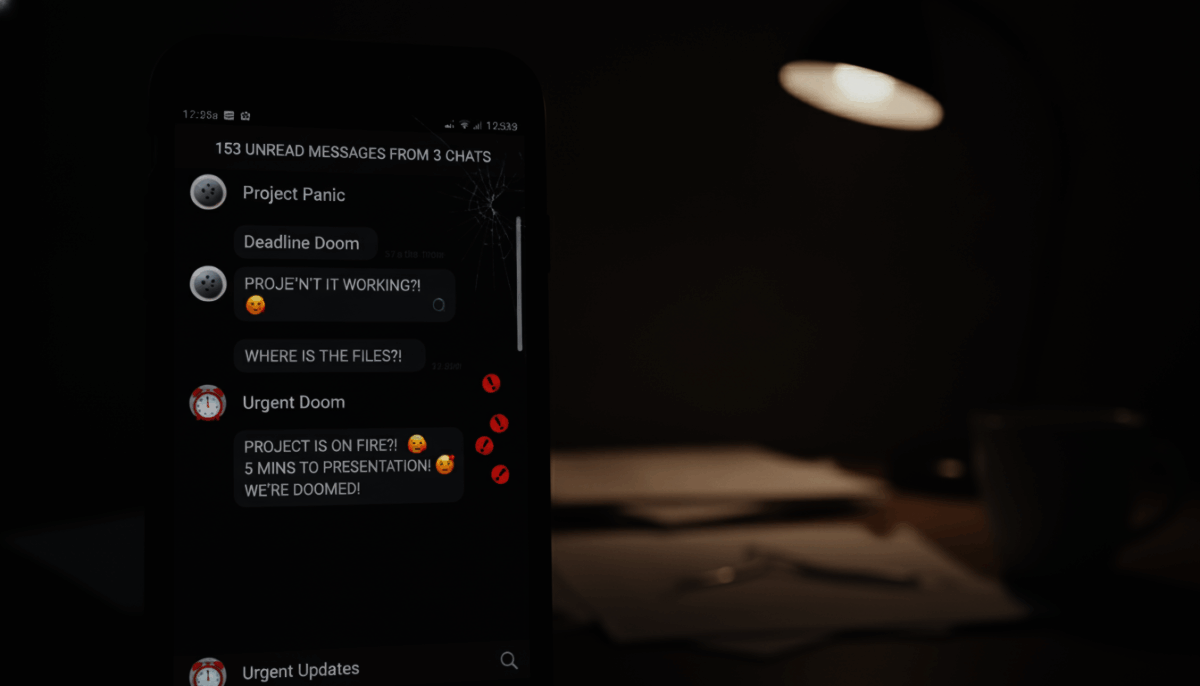
The following week was a barrage of digital warfare. My mother, sensing that I wasn’t going to roll over, shifted tactics from passive-aggressive to overtly manipulative. My phone buzzed incessantly with links to European travel blogs, flight price comparisons, and long-winded paragraphs about how hard it was to be a mother watching her youngest child struggle.
I tried to set boundaries. I explained clearly that I was not a bank and that I had my own goals. But every text I sent was met with a wall of guilt. They accused me of being ‘cold’ and ‘calculating,’ using my own success as a weapon against me. It was as if by working hard, I had created a debt to them that I could never truly repay.
“I just find it so selfish. We raised you, we fed you, and now that you finally have a little breathing room, you can’t even help your own sister? I’m truly embarrassed by the person you’ve become.”
— My Mother (via Text Message)
Then, the group chat from hell was created. My parents added my aunt, my cousins, and even my grandmother. It was a digital theater of shaming. They didn’t explicitly state the amount, but they painted a narrative of me being a ‘newly minted rich girl’ who had forgotten where she came from. It was suffocating.
I didn’t engage in the group chat. I knew that anything I said would be screenshotted and twisted to fit their narrative. Instead, I sat in my room at night, drafting responses I would never send. I realized then that this wasn’t about the money—it was about control. They needed to know they could still reach into my life and dictate my choices. The thought made my skin crawl.
By Thursday, I had muted the conversation, but the damage was done. The relationship I thought I had with them—a relationship based on mutual respect—was exposed as a hollow structure held together only by my willingness to play the role of the subservient daughter. The shift in my internal landscape was permanent.
The Audacious ‘Loan’ Contract
On Friday, I received an envelope in the mail. It was a physical document, printed on heavy cardstock, titled ‘Family Investment Agreement.’ My father had actually drafted a formal contract for me to sign, outlining a repayment schedule for the $15,000. He had even included a ‘modest interest rate’ to make it look ‘business-like.’
I laughed. I actually sat there and laughed until I was gasping for air. The sheer audacity was almost impressive. He wanted me to take out a personal loan to fund my sister’s vacation, and he had the gall to frame it as an ‘investment in the family.’ It was the most condescending thing I had ever seen in my life.
I didn’t sign it, of course. I took a photo of the contract and sent it to my sister, Chloe, asking if she was behind this. She replied almost instantly, her tone airy and detached. She didn’t seem to care that I was the one paying; she just wanted to know when the funds would be available so she could book her flight to Paris.
“It’s not like it’s a big deal for you, right? Mom said you’re making so much money now. I really need this, and it’s just $15k. It’s barely a down payment on a house in this market anyway.”
— Chloe (via Text Message)
That was the moment the scale tipped. The fact that she viewed my hard-earned savings as ‘barely a down payment’ confirmed that she had no concept of the labor involved in acquiring that money. To her, I was an endless resource. I realized that if I gave in, it wouldn’t stop at the gap year. It would be my car, my rent, my future house—anything they wanted, they would demand.
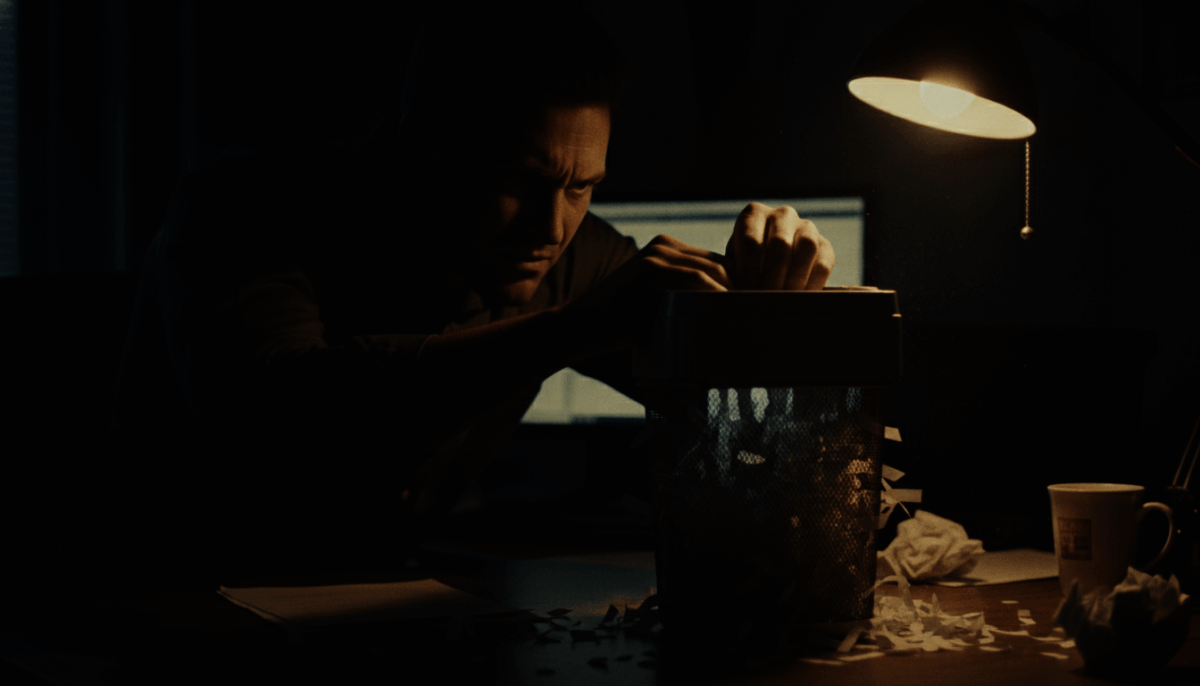
I took the contract, shredded it into tiny pieces, and let the scraps fall into my trash bin. I didn’t respond to the letter. I didn’t respond to the texts. I blocked my parents and my sister on my phone and social media, effectively silencing the noise. The silence that followed was the loudest thing I had ever experienced.
The Unannounced Kitchen Intrusion
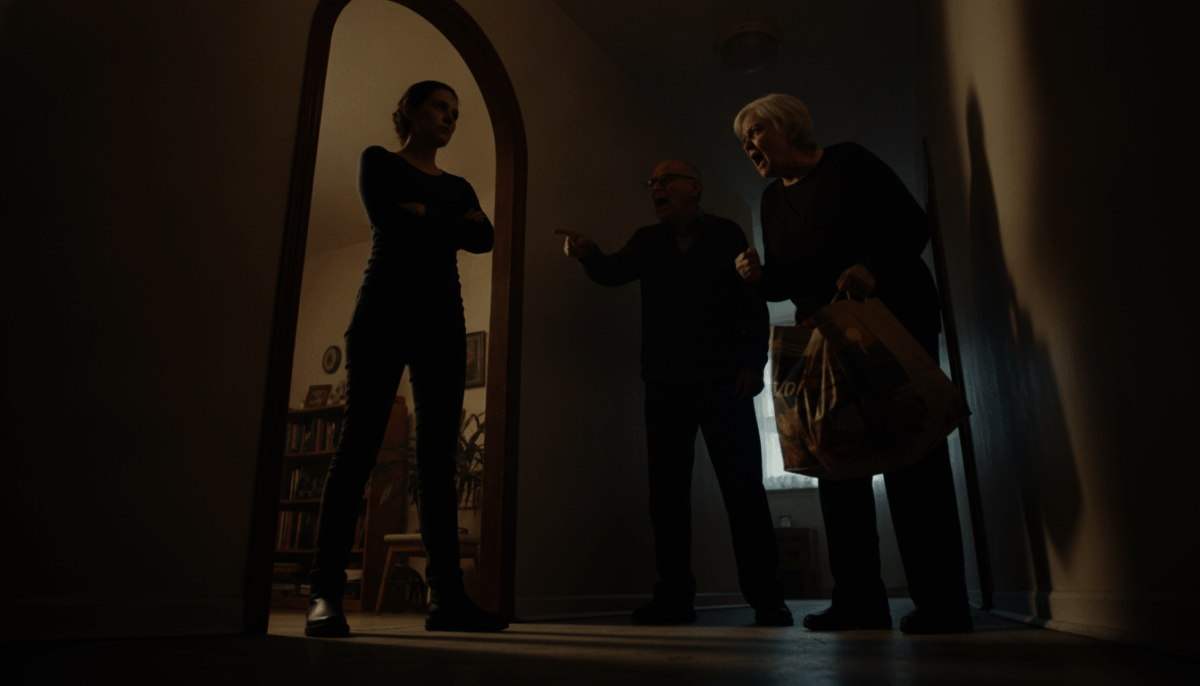
Two days later, they showed up at my apartment. My building has a secure entry, but somehow, my father had convinced the elderly building manager that he was just a concerned father delivering medicine. When I opened my door to grab my grocery delivery, there they were—standing in the hallway, looking like they were ready to stage an intervention.
My mother immediately pushed past me into the apartment, her eyes scanning my living room like she was looking for signs of wealth to justify her entitlement. She started complaining about the dust on my bookshelf while my father launched into a lecture about ‘disrespecting elders’ and ‘abandoning the family unit.’ It was surreal.
I stood there, hands on my hips, waiting for them to finish. I didn’t offer them tea, and I certainly didn’t invite them to sit down. I simply pointed at the door and told them to leave. My mother started crying, talking about how she had sacrificed her whole life for me, and how this was the thanks she got.
“You are standing in my home, uninvited, demanding money I worked seven years to save. You are not guests; you are trespassers. Leave now, or I am calling the police.”
— Me
My father’s face turned bright red. He threatened to cut me off, to never speak to me again, as if that was a punishment rather than a blessing. I held the door open, my heart pounding in my chest but my voice steady. They eventually stormed out, leaving me trembling in the hallway. It was the hardest thing I had ever done, but it was also the first time I felt truly in control of my own space.
After they left, I changed my locks. I didn’t care about the cost. I needed the peace of mind knowing that the next time they tried to enter my life, they would have to break down a door to do it. The sense of violation was deep, but it was replaced by a hardening resolve. I wasn’t going back.
The Reddit Verdict

I turned to the internet for validation. I knew my family would paint me as the villain, and I needed to see if I was crazy. I posted my story on a popular forum, detailing the loan payoff, the demand, the contract, and the intrusion. The response was overwhelming. Within hours, my inbox was flooded with support, advice, and a few harsh reality checks.
The community was unanimous. They pointed out the patterns of financial abuse and the toxic entitlement that had clearly been festering for years. It was validating to see thousands of strangers recognize the dynamic I had been gaslit into believing was ‘normal family behavior.’
“You are not an ATM. Your parents view you as an extension of their own wallet. Going no-contact is the only way to break this cycle. You have done nothing wrong by wanting to secure your own future. Stand your ground!”
— u/FinanceWarrior (Top Comment, 32.1k upvotes)
There were also warnings. People told me to look out for ‘flying monkeys’—relatives who would try to guilt-trip me into reconciling. They suggested I freeze my credit and make sure my parents didn’t have access to any of my accounts or important documents. I took every piece of advice to heart, starting with a credit freeze that same night.
It was strange, feeling more connected to strangers on the internet than to my own flesh and blood. But these people saw the facts without the emotional baggage of ‘family obligation.’ They weren’t blinded by years of shared history; they saw the objective truth of a person being exploited. Their support gave me the backbone I needed to stay the course.
The Fallout with the Relatives
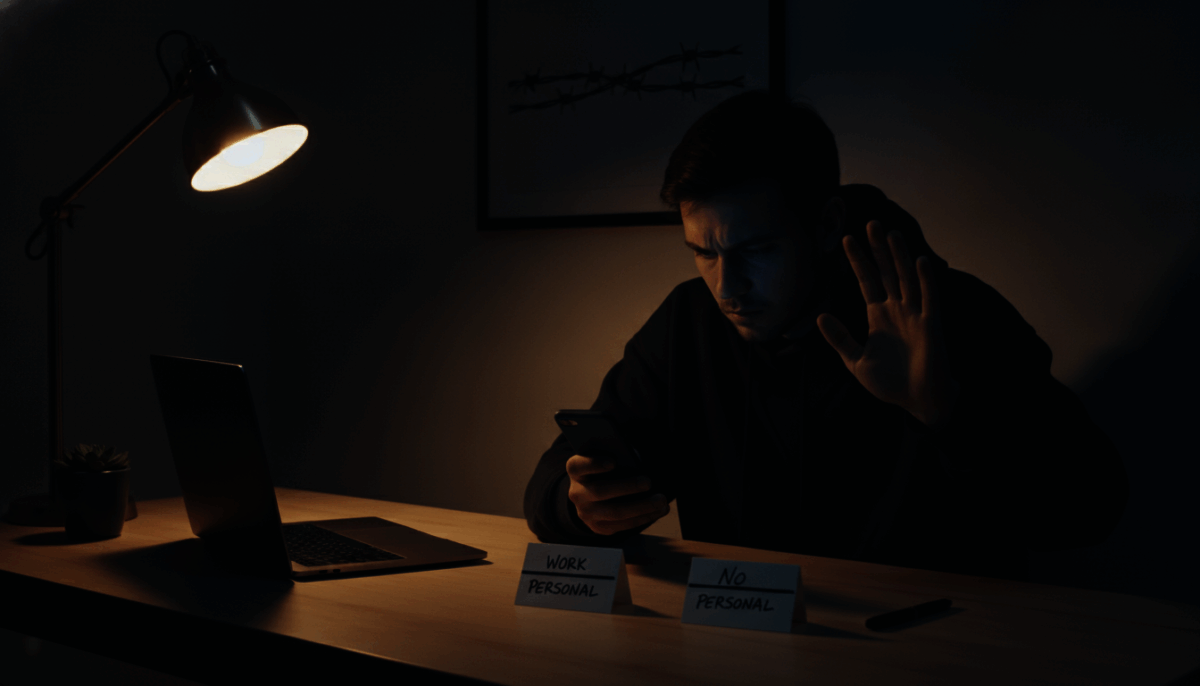
The ‘flying monkeys’ started appearing in my DMs by the end of the week. My cousin messaged me, asking why I was being so ‘difficult’ and ‘unreasonable.’ She claimed my mother was ‘distraught’ and that my father was talking about selling their car to fund Chloe’s trip because I was being ‘selfish.’
I realized then that my parents were playing the victim to the entire extended family. They had crafted a narrative where I was the successful, wealthy daughter who was hoarding her riches while her sister struggled and her parents suffered. It was a classic projection. I decided to send a single, mass message to the family group chat before deleting it entirely.
“I am not responsible for funding my sister’s life choices. I paid off my own debts through seven years of hard work. Any claims that I am ‘wealthy’ are false—I am simply responsible. I will not be discussing this further. Please respect my privacy.”
— My parting message in the family group chat
The response was predictable. Some people were shocked, others were supportive, and some were outright hostile. I didn’t care. I deleted the chat, uninstalled the messenger app, and walked away from the digital version of my family. The air felt lighter.
The fallout was messy, but it was necessary. I lost some relationships that were built on the premise of my submission. I accepted that. You can’t keep a relationship with someone who only values you for what you can provide for them. If the ‘family’ wasn’t there for me when I was struggling, they didn’t get to demand my resources when I finally succeeded.
Chloe’s Desperate Realization

A month later, I received a text from an unknown number. It was Chloe. She was in a hostel in a city I didn’t recognize, and she sounded terrified. Apparently, my parents had managed to scrape together enough for the initial deposit but couldn’t keep up with the monthly ‘spending money’ they had promised her. She was stranded, broke, and realized that her ‘adventure’ was a disaster.
She was calling to ask for ‘just a small loan’ to get home. My initial reaction was a surge of sympathy—she was my sister, after all. But then I looked at the history of the last few weeks. I looked at the way she had treated my hard-earned money with such flippant entitlement. She was 22, not a child, and she had made her own choices.
“I can’t do it, Chloe. You chose this path, and you need to figure out how to navigate it yourself. Call Mom and Dad. If they can’t help you, you need to find a way home on your own. I am out of this.”
— My text back to my sister
I didn’t send her money. I didn’t offer advice. I just closed the conversation. It was cold, yes, but it was the reality of boundaries. If I helped her now, the cycle would repeat. She would never learn to stand on her own two feet because there would always be an older sister to catch her. By saying no, I was actually doing her a favor, though she would never see it that way.
I later found out she managed to borrow the money from a friend. She made it back home, but the bridge between us remained burned. I didn’t feel guilty. I felt like a weight had been lifted. The expectation of being the family savior was finally gone, and in its place was a quiet, stable life that I had built for myself, by myself.
Finding the New Normal

Months later, my life looks different. I have a savings account that is growing every month. I bought a second-hand car that actually starts every time I turn the key. I go on weekend trips that I pay for myself, and I don’t feel a pang of guilt for spending a cent on my own happiness. The silence from my parents has become a comfortable routine.
I learned that family is not just about blood; it’s about the people who respect your boundaries and celebrate your growth. My parents and I are still no-contact, and for the first time in my life, I don’t dread the upcoming holidays. I have friends who love me for who I am, not for what I can give them.
“You’ve changed, you know. You seem so much lighter. It’s like you finally put down a bag you didn’t know you were carrying.”
— A close friend during dinner
That observation stuck with me. I was carrying the expectations, the guilt, and the financial burden of my entire family. I was the ‘responsible one,’ which was just code for ‘the one who is always available to be exploited.’ Letting that go wasn’t an act of cruelty; it was an act of self-preservation.
I am now focusing on my career and my own future. I have clear, defined goals that don’t involve anyone else’s approval. I still check my bank account sometimes just to look at the numbers—not to count what I have, but to remind myself of the freedom I earned. It was a long road to get here, but I wouldn’t trade this peace for anything in the world.
The Financial Ledger of Self-Worth

I often reflect on the numbers. People love to argue about money, but the math here is simple. It wasn’t about the $15,000; it was about the seven years of interest, the skipped meals, and the emotional toll of living in fear of my own parents’ disappointment. My self-worth is not a line item on their balance sheet.
Here is how the situation looked from my perspective, broken down by the reality of the struggle. It’s a ledger of my life during those years, a reminder of why I refused to hand over my future to someone else’s vacation. This isn’t just about money; it’s about the value I placed on my own labor.
| Category | The Expectation | The Reality |
|---|---|---|
| My Income | Family Resource | Personal Security |
| Loan Payoff | A Shared Win | My Hard-Won Freedom |
| Sister’s Trip | My Financial Burden | Her Own Responsibility |
| Family Demands | Unquestionable Law | Violation of Boundaries |
The table serves as a stark reminder of the discrepancy in our worldviews. To my parents, these things were blurred. To me, they were black and white. When I look at it this way, the decision to go no-contact feels even more justified. It was the only way to protect the reality I had worked so hard to create.
I am grateful for the struggle now, in a weird way. It taught me exactly where my limits are. It taught me that I am capable of saying no, and that the world doesn’t end when I do. It was a painful lesson, but it was the final step in becoming the person I am today—independent, solvent, and free.
Reflecting on the Silence

The silence has been the greatest teacher. In the absence of my parents’ voices, I’ve had to learn to listen to my own. For years, their expectations were the primary soundtrack of my life. If they were happy, I was successful. If they were disappointed, I had failed. The distance has allowed me to rewrite that internal narrative.
I’ve realized that they were never really seeing me. They were seeing a version of me that existed only to serve their needs. They didn’t know my favorite books, my career ambitions, or the way I deal with stress. They only knew my bank balance and my willingness to sacrifice. That realization was heartbreaking, but it was also freeing.
“The most important relationship you will ever have is the one you have with yourself. When you start protecting that, everything else falls into place.”
— My therapist, during our last session
I’ve stopped looking for their approval. I don’t check if they’ve liked my photos or if they’re proud of my recent promotion. I don’t need them to validate my life anymore because I validate it every single day by choosing to live it on my own terms. The distance hasn’t just saved my finances; it has saved my soul.
I know there will be more challenges ahead. But I’m no longer afraid of the conflict. I know that I am capable of standing in the fire and walking out the other side. My parents taught me what it means to be a martyr for the family, but I taught myself what it means to be a person in my own right. That is a trade I will make every single time.
Conclusion
This experience taught me that setting boundaries is not an act of aggression; it is an act of clarity. When you define your own worth, you stop letting others negotiate it for you. The $15,000 I saved didn’t just stay in my bank account; it bought me the autonomy to live a life that is entirely mine. It forced me to confront the toxic dynamics I had been conditioned to accept, and it empowered me to walk away from them for good.
The fallout was painful, yes, but it was the price of admission for a life lived authentically. I have no regrets about cutting contact. I have regrets that it had to come to that, but the choice was never truly mine—it was theirs. By demanding I fund their entitlement, they forced me to choose between their comfort and my survival. I chose myself, and for the first time, the outcome was exactly what I wanted.
I hope my story serves as a reminder to anyone else who feels like an ATM for their family. You are not obligated to finance someone else’s ‘gap year’ or any other lifestyle choice at the expense of your own stability. You are allowed to say no. You are allowed to be selfish with your future. You are allowed to protect the life you have worked so hard to build.
What about you? Have you ever had to draw a hard line with family over money? Does your family view your success as a ‘family resource,’ or do they respect your independence? Let’s talk about it in the comments below.
What's your verdict on this dilemma?
Vote below to contribute to the official community consensus.

Have a Dilemma Keeping You Up at Night?
Share your real-life feud, wedding chaos, or relationship crossroads anonymously with our editorial team.
What do you think ?
0 Comments🛡️ Comments are moderated to protect community integrity. Your comment will appear once approved by the editorial team.