
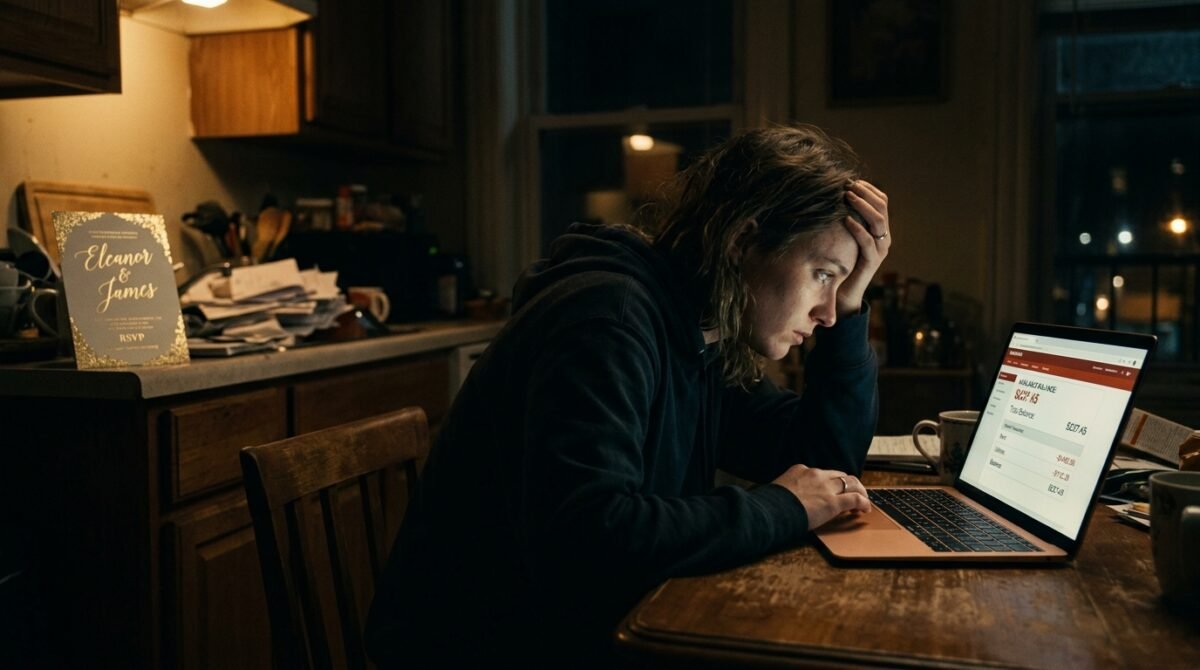
Growing up, my health was always the elephant in the room. Born with a chronic condition that required specialized care and a series of surgeries in my early twenties, my parents had spent years preaching the importance of financial discipline. They taught me to scrape, save, and treat every dollar as a potential lifeline. For nearly a decade, I funneled every spare penny—from my first part-time job, my college side-hustles, and even my graduation gifts—into a high-yield account explicitly labeled ‘Medical Contingency’. It was my security blanket, my ‘just-in-case’ buffer against a future that was, at best, unpredictable.
My brother, Mark, was cut from a different cloth. He was the golden child, the charismatic high-achiever whose whims were always treated as family imperatives. When he announced his engagement to his longtime girlfriend, the excitement in our house was palpable. But the excitement soon soured into a bizarre, high-stakes entitlement when the wedding plans shifted from a local reception to a week-long, all-inclusive luxury getaway in Bora Bora. That was when the phone call happened, the one that shattered my perception of my parents’ integrity and my place in our family hierarchy.
It wasn’t a request; it was a directive wrapped in the thin, gauzy veil of ‘family sacrifice.’ They didn’t come to me as parents supporting their daughter; they came as lobbyists for my brother’s ego. The demand was simple, yet chilling: I was to drain my medical fund—a fund they knew was vital for my upcoming specialist consultations—to cover the remaining balance of Mark’s five-star honeymoon retreat. The sheer audacity of the ask, compounded by the expectation that I should feel honored to ‘contribute’ to his happiness, was the catalyst for a chain of events that would force me to choose between familial loyalty and my own survival.
What followed was weeks of emotional manipulation, gaslighting, and a complete unraveling of the sibling dynamic I thought I understood. I found myself in a position where I had to defend the morality of keeping my own life-saving money against a barrage of accusations that I was being ‘selfish’ and ‘unsupportive’ of my brother’s new chapter. This isn’t just a story about money; it’s a story about the breaking point of a person who finally realized that, in my parents’ eyes, I was never the priority.
In the sections that follow, I will detail exactly how this played out, from the initial, tone-deaf conversation in our kitchen to the explosive group chat argument that led me to sever ties with the people who were supposed to protect me. This is the story of how I stood my ground, the price I paid for my independence, and why, despite the fallout, I would make the same decision a thousand times over.
The Tuesday Night Kitchen Ambush
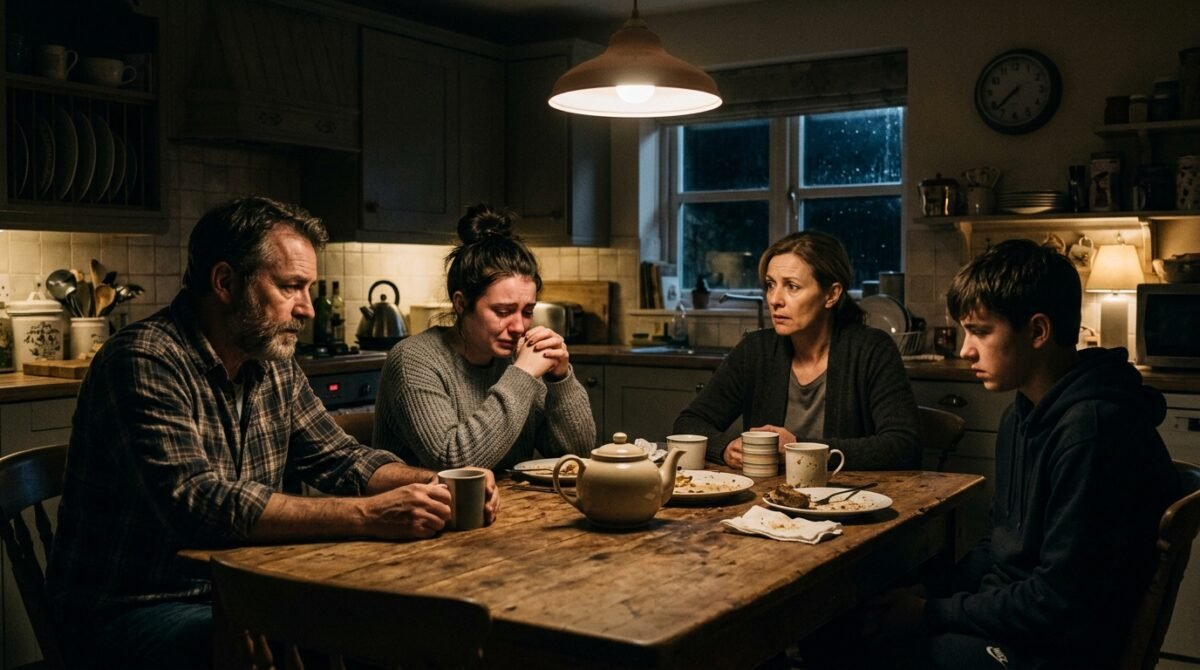
It started on a Tuesday evening. I had come over for dinner, a weekly ritual that usually felt comforting but had been increasingly strained lately. My father was at the head of the table, his demeanor uncharacteristically stiff. My mother had been fidgeting with her silverware, avoiding direct eye contact. Mark wasn’t there, but his presence hung heavy in the air, his wedding planning spreadsheet open on my mother’s iPad near the fruit bowl.
My father cleared his throat, a sound that always signaled a ‘serious discussion.’ He didn’t waste time with small talk. He launched directly into the financial deficit they were facing regarding Mark’s wedding. The venue in Bora Bora was beautiful, he explained, but the costs had spiraled far beyond their original projections. They needed a ‘bridge loan,’ as he put it, to secure the final payments before the deadline hit at the end of the month.
“We aren’t asking for a gift,” my father said, his voice steady. “We are asking for a short-term loan. Your savings account is just sitting there doing nothing. Mark needs this moment, and he will pay you back as soon as he gets his year-end bonus. It’s what families do, they cover for each other when the stakes are high.”
I felt a cold sweat break out across my neck. They knew exactly how much was in that account. I had been transparent with them about my health milestones because they had initially insisted on overseeing the financial planning of my care. To hear them refer to my medical security as ‘sitting there doing nothing’ felt like a physical blow. The account wasn’t a savings vehicle; it was a surgical insurance policy.
I took a slow breath, trying to keep my voice from shaking. I reminded them—as if they hadn’t heard it a dozen times before—that I had a specialist appointment scheduled for the following quarter. I had been planning to use a portion of those funds to cover the deductible and the non-covered post-operative care. I looked at my mother, searching for a flicker of empathy, but found only the hardened resolve of someone who had already decided that my needs were secondary.
The conversation quickly devolved. My mother started talking about ‘perspective,’ suggesting that a honeymoon was a ‘once-in-a-lifetime’ experience that would create memories lasting forever, whereas my health was ‘something we can manage as we go.’ The irony of that statement was lost on her. She truly believed that because I wasn’t currently in a crisis, I didn’t need the money. She framed my refusal as an act of pettiness, a refusal to participate in the joyous milestone of my own brother.
I left the house that night feeling like a stranger in my own family home. The door clicked shut behind me, and as I walked to my car, I realized that I wasn’t just walking away from a conversation; I was walking away from the assumption that my life had equal value in their eyes. The silence in the car was deafening, amplified by the sudden realization that I needed to protect my assets—and myself—from the very people I had trusted the most.
The Group Chat Escalation
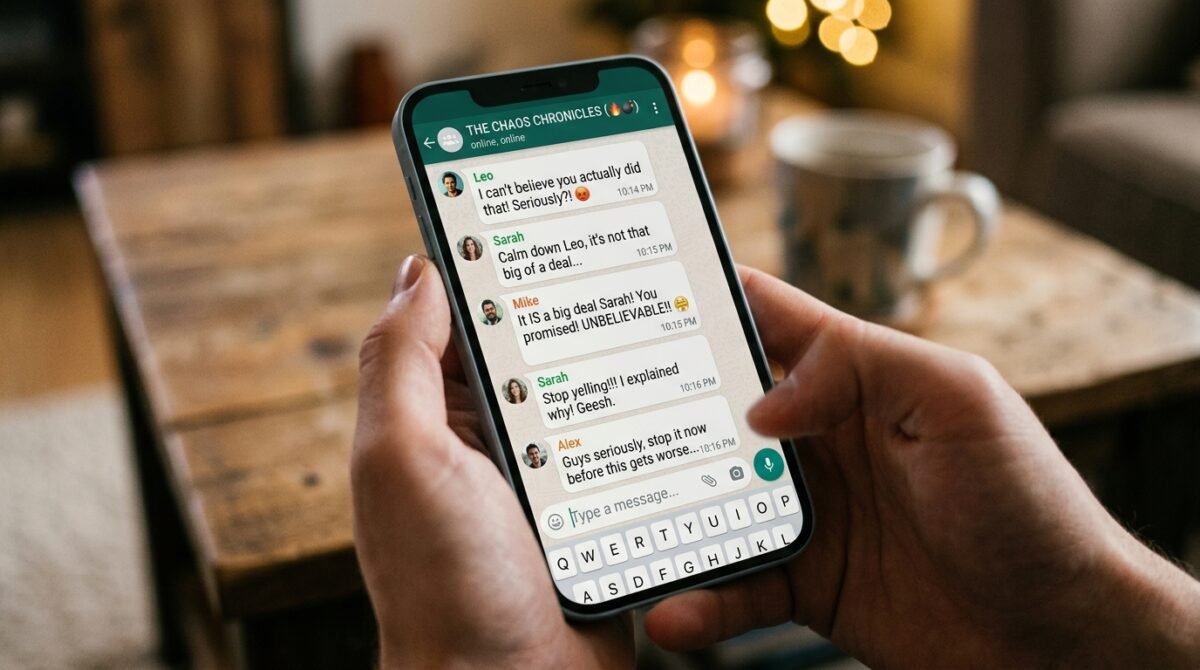
By the next morning, the ‘request’ had turned into a full-blown campaign. My brother, who clearly hadn’t been told the full extent of my refusal, sent me a message in our family group chat. He was playing the part of the excited groom, oblivious to the fact that his parents had been trying to raid my bank account to fund his vacation. He spoke about the ‘generosity’ of the family in pulling everything together to make the wedding dream a reality.
“Hey Sis! Mom and Dad mentioned you were helping out with the honeymoon fund. That is seriously so cool of you. I promise I’ll pay you back double once the bonus hits! Bora Bora is going to be unreal, I can’t wait for you to see the photos.”
— Mark (Family Group Chat)
My stomach dropped. They had lied to him. They told him I had already agreed. I didn’t reply immediately, my thumbs hovering over the keyboard. I needed to be strategic. If I went nuclear in the chat, I’d be the ‘crazy sister.’ If I said nothing, I was complicit in their lie. I decided to address the misinformation directly, but with as much composure as I could muster.
I typed out a careful response, stating clearly that there had been a misunderstanding and that I was not, in fact, contributing to the honeymoon fund. I mentioned that my savings were strictly earmarked for my health and that I was not in a position to lend money. I expected a swift apology for the misunderstanding. Instead, the group chat went silent for three hours. The tension was palpable; I knew the phone lines were burning up between my brother and my parents.
When the response finally came, it wasn’t from Mark. It was from my mother. She bypassed the ‘we’ and went straight for the ‘you.’ She accused me of embarrassing the family and trying to ruin Mark’s wedding by being ‘difficult’ and ‘selfish.’ She didn’t acknowledge the health concerns; she dismissed them as paranoia, claiming I was just using my condition as an excuse to hold onto money I ‘didn’t need right now.’ The gaslighting was so blatant it was almost impressive.
Then came the barrage of messages from my father, detailing the ‘sacrifices’ they had made for me over the years. They listed the cost of every therapy session, every prescription, and every doctor’s visit they had paid for when I was a teenager. It was a weaponized ledger of my own vulnerability. They were essentially saying that because they had taken care of me when I was a minor, I owed them—and by extension, Mark—my financial autonomy as an adult.
The group chat became a toxic space. My aunt chimed in, having been looped in by my mother, telling me that family ‘sticks together’ and that I was being ‘cold-hearted.’ I felt cornered, my digital space invaded by people who felt entitled to my future. I decided then and there that I wouldn’t engage in the public spectacle anymore. I muted the chat and put my phone in the desk drawer, focusing on the work I needed to do to secure my accounts from further ‘family interference.’
The Legal Buffer and Financial Lockdown

I didn’t waste time feeling sorry for myself. I knew that if they were desperate enough to lie to my brother and pressure me in a group chat, they might try to access the accounts through other means. I had already taken steps to ensure my medical fund was in a separate bank, but I decided to go a step further. I contacted the bank to add an extra layer of security, password-protecting every single transaction and ensuring that no one—not even my parents—could call in pretending to be me.
I spent the afternoon going through my documents. I had been paying for my own insurance for years, but I had a lingering fear that my mother might still be listed as an emergency contact or a secondary authorized person on some of my older accounts. I spent hours on the phone with customer support representatives, verifying that my access was absolute and exclusive. It was a tedious process, but it felt like I was reclaiming my life one digit at a time.
While I was working, the notifications on my phone kept buzzing, even though the chat was muted. I could see the missed calls piling up—my mother, my father, my brother, my aunt. It was like a swarm of hornets circling my peace of mind. I didn’t answer any of them. I knew that any conversation would be used as a bargaining chip. I needed to be rock-solid before I spoke to them again.
I also reached out to a friend who worked in finance to ask about the legality of what they were doing. While there was no actual theft yet, the coercion was intense. She advised me to document everything—every text, every call log, every demand. She told me to keep a paper trail in case I ever needed to file a formal complaint or, heaven forbid, get a restraining order if the harassment escalated into physical stalking.
“You are not a bank, and you are not a charity for your brother’s vacation. Do not feel guilty for prioritizing your own biological necessity. If they can’t afford the honeymoon, they don’t go to the honeymoon. It’s that simple.”
— My friend, Sarah
That validation was exactly what I needed. It was so easy to fall into the trap of thinking I was the ‘bad guy’ because I was being firm. The cultural narrative of ‘family first’ is often used as a cudgel to force people into compliance. I realized that my ‘selfishness’ was actually just self-preservation. If I gave them that money, I would be setting a precedent that my health was a luxury that could be sacrificed whenever Mark needed a vacation.
By the end of the day, I felt a strange sense of clarity. The fear had turned into a cold, hard resolve. I wasn’t just protecting my money; I was protecting my dignity. I sent a final, concise text to the group chat before blocking them: ‘My financial decisions are private, and my medical needs are non-negotiable. Please do not contact me regarding this matter again.’ Then, I blocked them all. The silence that followed was the most beautiful thing I had heard all week.
The Unannounced Front Porch Confrontation

I should have known they wouldn’t stop at blocking. When I heard the frantic pounding on my front door at 7:00 AM on a Saturday, I didn’t have to look through the peephole to know who it was. My parents had arrived, likely fueled by a mix of righteous indignation and the panic of a looming payment deadline. I stayed in my bed, staring at the ceiling, heart hammering against my ribs, refusing to open the door.
The knocking didn’t stop. It turned into ringing the doorbell, then shouting. My neighbors were definitely going to hear this, which only added to my anxiety. My mother’s voice was high-pitched, oscillating between pleading and threatening. She was talking about ‘common decency’ and ‘how I was raised.’ It was a surreal experience to hear your own childhood weaponized against you while you are essentially trapped in your own living room.
My father’s voice was deeper, more menacing. He was talking about how I was ‘tearing the family apart’ over a ‘trivial amount of money.’ The word ‘trivial’ stung the most. To them, my life-saving surgery fund was a trivial amount. To me, it was the difference between walking comfortably and living in chronic pain for the next five years. It was a stark reminder of how little they actually understood—or cared—about the reality of my condition.
“Open the door right now! Do you have any idea how embarrassing this is for us? Mark is waiting on that money! You’re being cruel, and you will regret this when you realize you’ve alienated the only people who have ever truly cared about you!”
— My mother, shouting through the door
I didn’t open the door. Instead, I pulled out my phone and recorded the audio of their shouting, just in case I needed evidence of the harassment. I remained absolutely still, breathing through the panic. I knew that if I opened the door, they would win. They would use their physical presence to intimidate me, to make me feel small, and to wear down my resistance. The moment I gave in, I would lose everything.
After twenty minutes, the shouting stopped. I heard their car engine start, the gravel in the driveway crunching under the tires as they drove away. I didn’t move for another hour, just listening to the silence of the house. I felt shaken, but also strangely triumphant. I hadn’t yielded. I hadn’t apologized. I hadn’t opened the door. For the first time in my life, I had maintained a boundary against my parents, and the world hadn’t ended.
I spent the rest of the day in a haze, processing the reality of the situation. It was clear that my parents were not going to let this go easily. They were deeply invested in the narrative that they were the victims of my ‘greed.’ I needed to prepare myself for the next phase, which would likely involve smear campaigns with other family members or flying monkeys sent to guilt-trip me. I was ready. I was not going to give them a cent.
The Fallout: Turning Family Against Me

The next few days were a masterclass in emotional warfare. It started with phone calls from distant relatives I hadn’t spoken to in years—cousins, aunts, even a great-aunt I barely knew. They all had the same script: they had heard that I was ‘refusing to help my brother’ and that I was ‘being cold-blooded about the family legacy.’ My parents had clearly been working the phones, painting me as the villain in a drama where they were the beleaguered, loving parents.
It was exhausting. I had to explain over and over again that it wasn’t about ‘helping’; it was about being exploited. I tried to keep it professional and brief, not giving them too many details about my medical condition, as that felt too personal to share with people who were clearly taking sides without knowing the facts. Some were receptive, but others were deeply entrenched in the ‘family first’ mentality and refused to see my side.
The hardest part was hearing what they were saying about me. According to the rumor mill, I had ‘suddenly become wealthy’ and was ‘hoarding money’ while my brother was ‘trying to start his life.’ It was a complete inversion of reality, but it was effective. People who didn’t know me well were starting to view me with suspicion. I felt my reputation in the family being systematically dismantled by the very people who had raised me.
“You need to do the right thing. It’s just money, and your parents are desperate. Mark is your brother. Don’t let a stupid disagreement over a bank account ruin your relationship with your family forever. Just give them what they need and put this behind you.”
— An email from my aunt
I realized then that this wasn’t about the money anymore. It was about control. My parents couldn’t stand the idea that I had something they couldn’t access, something that was entirely mine. By trying to force me to give it up, they were asserting their dominance, reminding me that even as an adult, my resources were subject to their approval. The fact that they were willing to burn down my relationships with the rest of the family to get it showed just how deep their entitlement ran.
I decided to stop explaining myself. I stopped answering the calls from relatives. If they wanted to judge me based on my parents’ lies, so be it. I knew the truth, and my bank account remained safely untouched. I started focusing on my own life, my work, and my health. I was losing the ‘perfect family’ image, but I was gaining something far more valuable: my own integrity.
The isolation was hard, but it was also liberating. I stopped caring about what they thought of me. I realized that if a relationship is based on your willingness to be exploited, then it isn’t a relationship worth having. I started looking for ways to build my own community, people who respected my boundaries and didn’t view me as a source of funds. The transition was painful, but it was necessary for my own survival.
The Reddit Community Weighs In
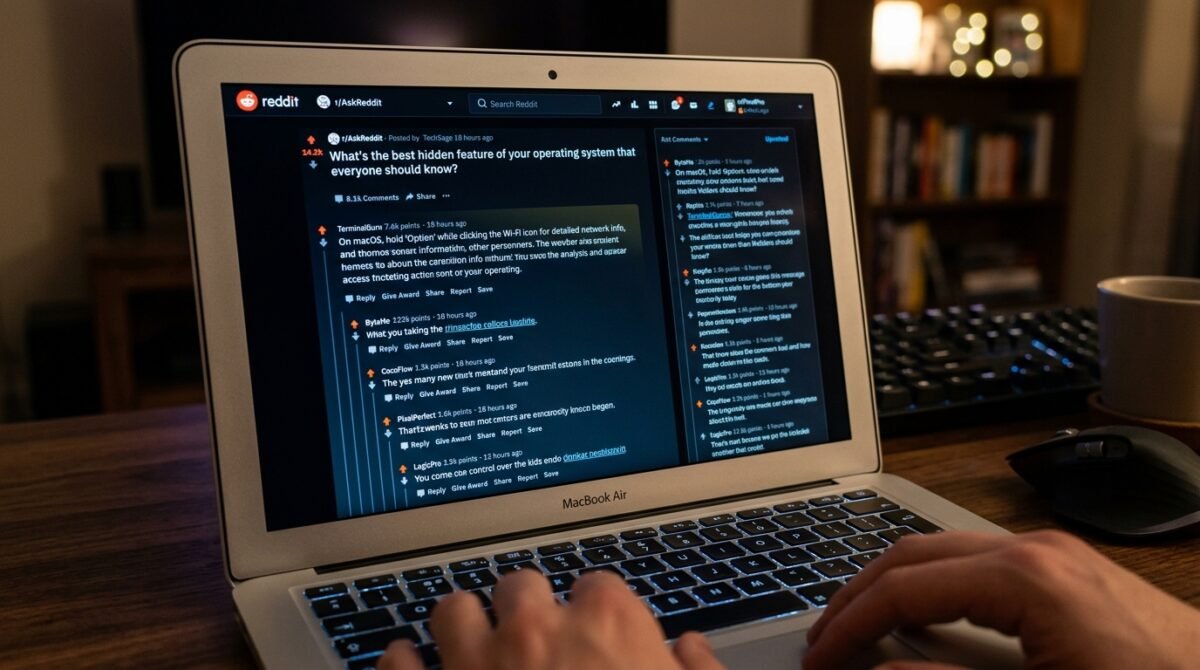
When I finally posted my story to the AITA subreddit, I didn’t know what to expect. I felt like I was losing my mind, and I needed some objective input. I was bracing myself for the ‘you’re the asshole’ comments, expecting people to side with the traditional ‘family first’ argument. Instead, the response was overwhelming—and almost entirely in my corner.
The post went viral within hours. My inbox was flooded with support, validation, and some very practical advice. People were outraged on my behalf, calling out the financial abuse and the gaslighting for exactly what it was. It was a massive relief to see that so many people recognized the toxicity of my parents’ behavior. The community, often known for its brutal honesty, was incredibly kind and supportive.
“This is textbook financial abuse. They are not ‘borrowing’ money; they are trying to steal your future health. DO NOT give them a single cent. You are NTA. Block them and go low contact. You are not obligated to fund your brother’s luxury vacation, especially not at the cost of your own medical stability.”
— u/ReasonableObserver (Top Comment, 32.5k upvotes)
Reading the comments felt like breathing fresh air after being trapped in a toxic bubble. People shared their own experiences of family members trying to exploit them, and it was so comforting to know I wasn’t alone. I read advice about setting hard boundaries, about how to deal with the inevitable guilt-tripping, and about the importance of protecting my financial future. It gave me the strength to stay the course.
There were some dissenting voices, of course. A few people argued that ‘family is family’ and that I should find a way to help, but they were quickly corrected by the community. It was interesting to see the divide between those who had experienced toxic family dynamics and those who held onto a more idealistic, potentially naive, view of family life. The discussion was enlightening, and it helped me solidify my own resolve.
The community also gave me some great advice on how to handle the social fallout. Someone suggested writing a letter to the family, not to beg for forgiveness, but to set the record straight one last time and then wash my hands of it. It was a good idea, and I started drafting a response that was firm, clear, and unyielding. I wasn’t going to justify myself anymore; I was just going to state my position and then move on.
I felt a deep sense of gratitude for the strangers who took the time to read my story and offer their support. They became a sort of surrogate family, a group of people who didn’t know me but who cared enough to validate my experience. It was a powerful reminder that the ‘family’ we choose is often more important than the one we are born into. I felt ready to face the next challenge.
The Final Ultimatum Letter
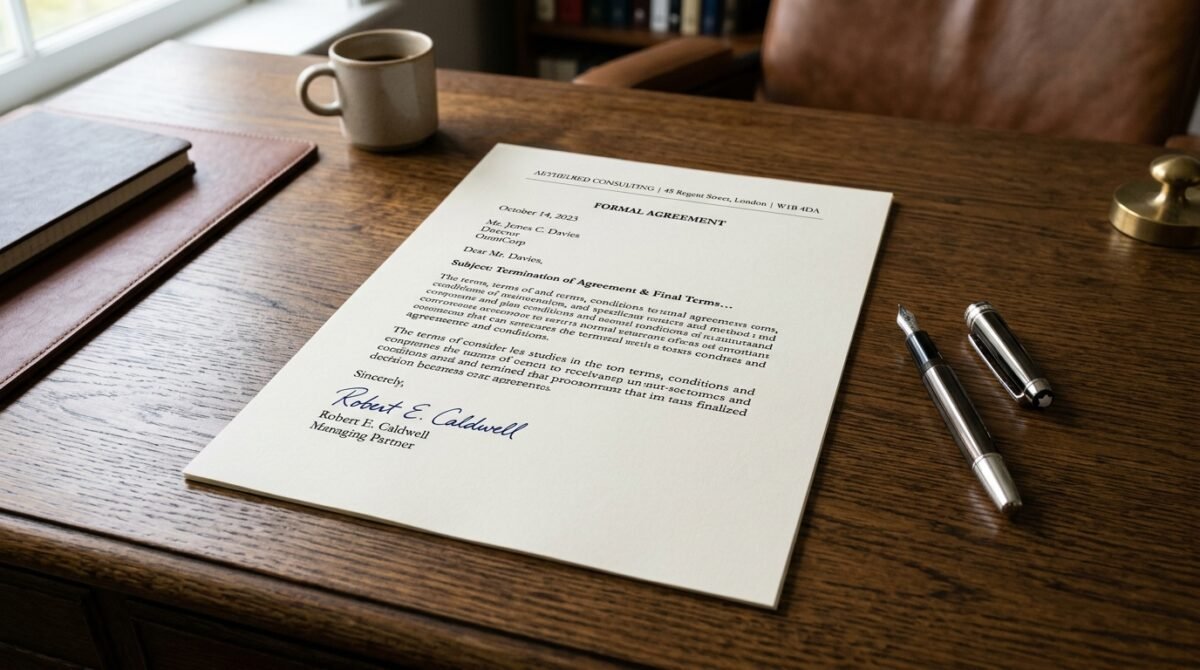
I knew I couldn’t just go completely silent without one final, formal statement. It wasn’t for them—they wouldn’t understand it—it was for me. I needed to document, in writing, that I had clearly communicated my boundaries and that any future conflict was entirely on them. I drafted a letter, keeping it short, cold, and professional. I sent it via email and also mailed a physical copy to their house, just to be sure.
In the letter, I outlined exactly what had happened: the request, the lies told to my brother, the harassment, and the attempts to turn the family against me. I explicitly stated that my financial decisions were not up for debate and that my medical savings were non-negotiable. I told them that I was taking a period of no-contact to focus on my health and my well-being. It was the hardest thing I had ever done, but it felt like slamming a door shut that had been ajar for way too long.
I didn’t ask for their understanding. I didn’t ask for an apology. I simply stated my terms for the future. If they wanted a relationship with me, it had to be on the basis of mutual respect, not financial exploitation. If they couldn’t accept that, then they wouldn’t have me in their lives. It was a line in the sand, and I was prepared to live with the consequences, even if those consequences meant losing my connection to my parents.
“I love you both, but I will not be treated as a bank or an extension of your expectations. My health is not a debate, and my money is not your honeymoon fund. Until I see genuine respect for my autonomy and boundaries, I will not be engaging in any further communication. Please respect this decision.”
— My final letter to my parents
After I sent it, I felt a strange sense of mourning. It was the mourning of the relationship I *wished* I had, rather than the one I actually lived. It was the realization that my parents were never going to be the people I needed them to be. It was sad, but it was also a relief. I was no longer waiting for them to change. I was no longer hoping for their approval. I was free to be myself, regardless of what they thought.
The house was quiet, but it didn’t feel lonely. It felt peaceful. For the first time, I felt like I was in control of my own life. I had stood up for myself against the most powerful forces in my world, and I had survived. I was proud of the person I had become, and I knew that whatever happened next, I would be able to handle it.
I spent the rest of the evening planning my next few months, focusing on my actual goals—not the goals they had for me. I looked at my bank account again. It was still there, a symbol of my persistence and my commitment to my own future. I knew I had made the right choice, and for the first time in a long time, I was looking forward to the future, not fearing it.
The Aftermath: The Wedding Without Me

The wedding came and went. I wasn’t invited, of course. I had expected that, and it didn’t hurt as much as I thought it would. I spent the weekend of the wedding doing something I loved—going for a long hike in the mountains, disconnected from everything. It was a beautiful, crisp fall day, and I felt more connected to the world than I would have felt at a forced, awkward wedding celebration.
I didn’t check social media. I didn’t look at the photos. I didn’t need to see the ‘memories’ they were making with the money they didn’t have. I heard later, through a distant cousin, that the wedding was ‘beautiful but stressful,’ and that my parents had been ‘remarkably tight-lipped’ about my absence. It seemed they hadn’t told the truth about why I wasn’t there, choosing instead to avoid the topic entirely. That was fine by me.
The silence from my family was total. No one reached out. No one tried to apologize. It was clear that they were just as stubborn as I was, and they weren’t going to back down. That was the closure I needed. I had given them an opportunity to do the right thing, and they had chosen their own pride. That was their choice, and I was now living with the reality of it.
I felt a strange sense of growth during those months. I was more productive at work, more present in my friendships, and more attuned to my own needs. I realized how much of my energy had been spent managing my family’s emotions, and how much I could accomplish when that energy was redirected. It was a revelation, and it changed the way I approached everything in my life.
“You look so much lighter lately. It’s like a weight has been lifted off your shoulders. I’m really proud of how you handled everything. You stood your ground, and you did what you had to do for yourself. That’s real strength.”
— My best friend, during dinner
I realized that the ‘family first’ mentality had been a shackle. Once I removed it, I was free to pursue my own happiness. I wasn’t just surviving; I was thriving. I was still dealing with my health issues, but I was doing it with my own resources and on my own terms, with the support of people who truly cared about me. It was a much better way to live.
I still miss them sometimes, of course. They are my parents, and I have a lifetime of memories with them. But I don’t miss the person I had to be to make them happy. I don’t miss the feeling of being an afterthought. I am finally the main character in my own life, and that is worth more than any family legacy or tradition.
Reflecting on the Cost of Boundaries

Looking back, the cost of these boundaries was high. I lost the support of my parents, I lost my place in the ‘golden child’ narrative, and I lost a lot of sleep during the months of the conflict. But the cost of *not* having boundaries would have been much higher. I would have lost my financial security, my health, and, most importantly, my self-respect. The trade-off was worth it, even if the price was steep.
I learned that boundaries are not about punishing others; they are about protecting yourself. They are not an act of hostility; they are an act of self-care. It’s a lesson that took me years to learn, but it’s one that has fundamentally changed my life. I’m no longer the person who says ‘yes’ when I mean ‘no.’ I’m no longer the person who puts everyone else’s needs before my own.
The community support was the final piece of the puzzle. It showed me that there are people out there who understand, who support, and who value the same things I do. It gave me the courage to continue, even when things got tough. I’m truly grateful for the strangers who, for a brief moment, became my community.
“Boundaries are the distance at which I can love you and me simultaneously. If a relationship requires you to sacrifice your survival or your dignity, it is not a relationship; it is a transaction you are losing.”
— A piece of wisdom I keep on my mirror
I’m still on this journey. It’s not always easy, and there are days when the silence feels heavy. But I’m building a life that is mine, one that is built on respect, honesty, and self-love. And honestly? That’s all I ever wanted. I’m finally, truly free.
I know that some people will still think I’m the ‘asshole.’ They’ll think I’m cold and unfeeling. And that’s okay. They don’t know the full story, and they don’t have to live my life. I do. And I’m the only one who has to answer for the choices I make. I’m okay with that.
If you’re going through something similar, if you’re being pressured to sacrifice your future for someone else’s convenience, remember this: your life is your own. You are allowed to protect it. You are allowed to say ‘no.’ And you are allowed to prioritize yourself, even when the world—or your family—tells you that you shouldn’t.
Moving Forward: Life Beyond the Crisis

Today, my life is fundamentally different. I’m focusing on my career, my health, and my hobbies. The money I saved is still there, and it’s growing. I have a plan for my medical care, and I feel confident about the future. I have found new friends who are supportive and kind, and I’ve built a community that I trust.
I don’t think much about my parents anymore. The anger has faded, replaced by a quiet, sad understanding that they are who they are, and I am who I am. We are no longer compatible, and that’s okay. I’ve found peace in the distance, and I’ve found joy in the independence I’ve fought so hard to achieve.
I still check in with my health regularly, and I’m making progress. Every milestone is a victory, a reminder of why I fought so hard to keep my savings. I’m grateful for every day, and I’m grateful for the strength I found when I needed it most. I’m not the same person I was before, and that’s a good thing.
“Healing is not the absence of the wound; it is the presence of the strength to walk past it. I am not the victim of my past; I am the architect of my future.”
— A thought that guides my daily life
I hope that if anyone is reading this and feeling trapped, they realize that there is a way out. There is a way to set boundaries, to protect your future, and to find your own path. It’s not easy, and it won’t be without conflict, but it is possible. And it is worth it.
I’m finally happy. Not the ‘everything is perfect’ happy, but the ‘I’m finally at peace with who I am and where I’m going’ kind of happy. And honestly, that’s all I ever wanted.
So, what about you? Have you ever had to choose between family expectations and your own survival? What did you do, and how did it turn out? Let’s discuss in the comments below.
Conclusion
My journey through this ordeal was a crucible that forced me to define what I truly valued. It wasn’t about the money in the abstract; it was about the sanctity of my own future. By saying ‘no,’ I wasn’t just refusing a loan; I was rejecting a lifetime of being treated as a secondary citizen in my own family’s narrative. The path of least resistance would have been to comply, but that path led to a place I could no longer inhabit.
Setting these boundaries has, predictably, resulted in a permanent estrangement. I have accepted that some bridges aren’t meant to be crossed back. My parents and I are on different sides of a profound divide, one built on incompatible values regarding what we owe one another. While the Reddit community’s outpouring of support was the wind in my sails, the actual, daily labor of building a life outside that suffocating dynamic has been the true reward. I am no longer waiting for their permission to be well.
What about you? Have you ever had to draw a line in the sand with family, even when it felt like the world was pushing you to cross it? Have you ever felt the weight of being the ‘responsible one’ expected to bail out others? Share your experiences and thoughts in the comments below—let’s talk about the real cost of family loyalty when it comes at the expense of your own peace.
What's your verdict on this dilemma?
Vote below to contribute to the official community consensus.

Have a Dilemma Keeping You Up at Night?
Share your real-life feud, wedding chaos, or relationship crossroads anonymously with our editorial team.
What do you think ?
0 Comments🛡️ Comments are moderated to protect community integrity. Your comment will appear once approved by the editorial team.