

Growing up, there was always an unspoken hierarchy in our household. My brother, Julian, was the golden child—charismatic, prone to taking risks, and forever shielded from the consequences of his own erratic behavior. I, conversely, was the sensible one. I kept my head down, finished school, worked double shifts, and eventually saved every penny to buy a small, charming house of my own. I paid it off in full three years ago, a milestone I celebrated with quiet pride. It was my sanctuary, my safety net, and my hard-won independence from a family that had always treated my achievements as communal property.
But the cracks in our family dynamic began to widen into chasms when Julian’s secret life came to light. It wasn’t just a few bad nights at the poker table; it was a deep, systemic addiction that burned through his savings, his retirement accounts, and finally, his reputation. He came to my parents, sobbing and desperate, claiming he was inches away from losing his life to people who don’t take kindly to IOUs. My parents, paralyzed by fear and years of enabling him, didn’t look at their own assets. They looked at mine.
The phone call came at 2:00 AM on a Tuesday. My mother’s voice was shaky, alternating between frantic weeping and the cold, demanding tone she reserved for when I wasn’t doing what I was told. She didn’t ask how I was. She didn’t ask if I was safe. She laid out a plan that involved me signing away the equity of my home to ‘help Julian get back on his feet.’ The audacity of the request left me breathless, staring at the walls of my home—the very walls they were so eager to gamble away for a man who had never respected a boundary in his life.
This isn’t just a story about money. It’s a story about the breaking point—the moment you realize that the people who raised you have ceased to care about your wellbeing in favor of protecting the dysfunction they helped create. It’s about the silence that follows when you finally say ‘no’ to the people who think your life is merely an extension of theirs. This is my journey from the obedient daughter to the woman who burned the bridge to save her own life.
The 2:00 AM Ultimatum That Changed Everything
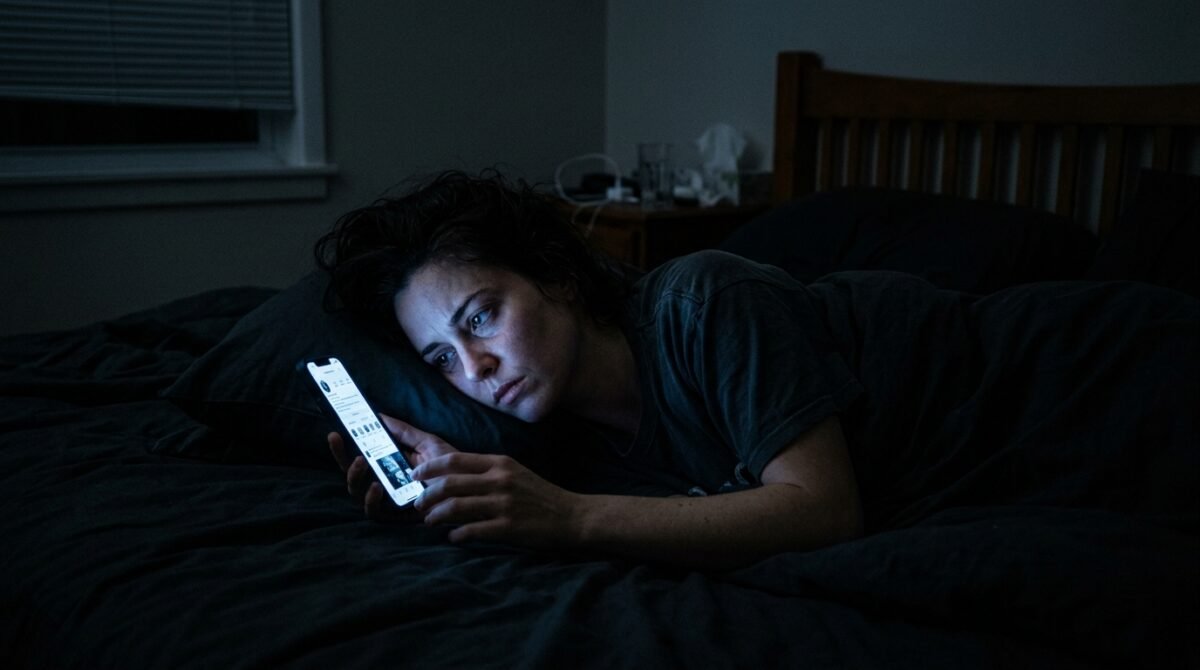
The notification sound on my phone woke me from a deep, dreamless sleep. Seeing my mother’s name on the screen at such an ungodly hour sent a jolt of adrenaline through my system. I expected an emergency, perhaps a health scare, but what I received was a masterclass in emotional manipulation. The conversation didn’t start with a greeting; it started with a demand for my financial documents.
My mother, usually calm and composed, sounded frantic. She explained that Julian had managed to find himself in a situation that would involve ‘very dangerous people’ if he didn’t pay back a significant sum of money by the weekend. I felt a cold knot tighten in my stomach as I listened to her weave a narrative of terror and victimhood, centered entirely around Julian. She spoke as if my house were not a home, but a line of credit waiting to be exploited.
“You have equity, and you have a property that is worth double what you paid. The bank won’t need to know it’s for Julian. If you just sign the papers by Friday, he’s safe, and we can all get back to our lives. Why are you hesitating? He is your brother.”
— My Mother, via Phone Call
I sat in the dark, my heart pounding against my ribs, struggling to process the sheer scale of the betrayal. They weren’t asking to borrow a few hundred dollars; they were asking me to risk my entire stability on a man whose track record was defined by failure. The conversation quickly devolved into a tirade about my selfishness, my lack of family loyalty, and how I was ‘doing fine’ while the rest of them were ‘dying inside.’ I hung up the phone before I could say something I would regret, but the damage was already done. The mask had slipped, and for the first time, I saw them exactly as they were.
I didn’t go back to sleep that night. I spent the remaining hours staring at my living room, thinking about the years I spent sacrificing weekends and dinners out to pay off my mortgage early. It was a symbol of my freedom. They didn’t see a home; they saw an asset. That realization was the first nail in the coffin of our relationship. By dawn, I knew that I couldn’t just say ‘no’; I had to prepare for the inevitable fallout that would come when I refused to be their sacrificial lamb.
Throughout the morning, my phone buzzed incessantly with text messages. My father joined in, sending long, rambling paragraphs about how Julian was ‘going through a hard time’ and how I needed to ‘step up for the family.’ It was a coordinated attack, designed to make me feel small, guilty, and obligated. I stayed silent, archiving their messages one by one, feeling a strange, hollow sense of clarity begin to settle over me as the sun rose.
The Not-So-Secret Family Group Chat Exposure
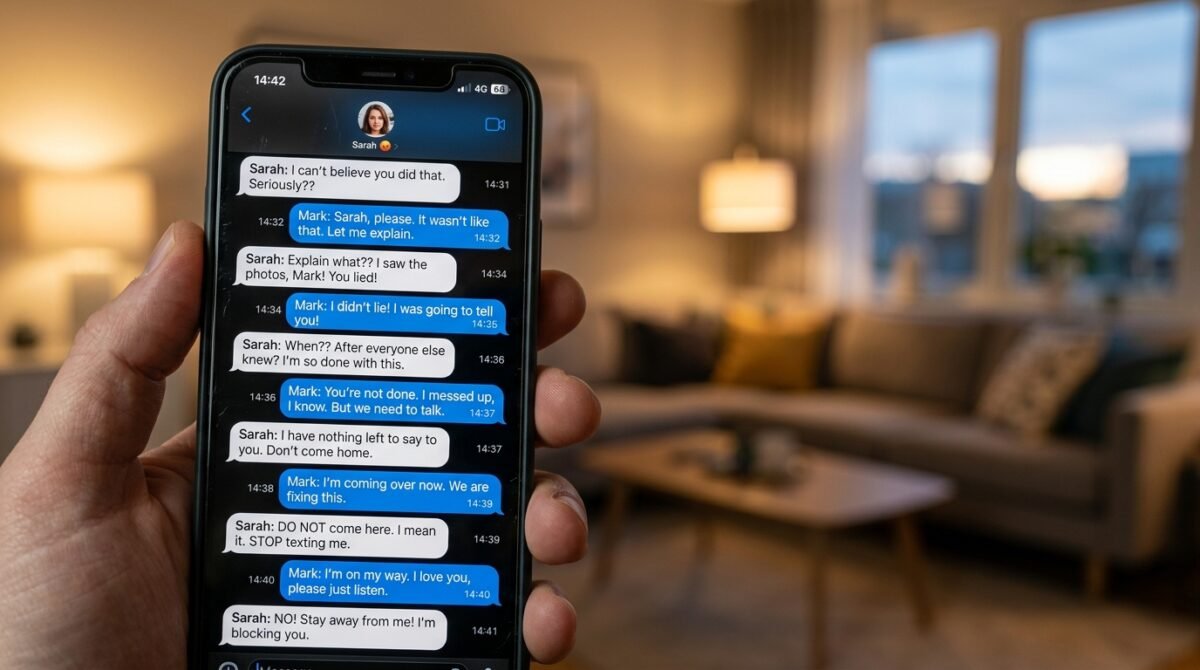
Two days after the initial call, I received a notification from the family group chat. It was a message from my mother, clearly intended for my father, but sent to the group by accident. It detailed a plan they had discussed to ‘pressure me into submission’ if I refused the collateral request. They were plotting to show up at my workplace, contact my employer, and even reach out to my ex-boyfriend to ‘find leverage’ against me. The level of malice required to even consider such tactics was staggering.
The messages were cold, calculated, and devoid of any empathy. They discussed my life as if it were a project they were managing, treating my autonomy like a glitch in their system. The realization that they were willing to sabotage my career and personal life just to bail out Julian was the final straw. I took screenshots, saved them to a secure cloud drive, and then did something I had been afraid to do for years: I muted the chat and blocked them all.
“If she won’t sign the papers by Sunday, we start the campaign. She’s too proud to let her boss see her family problems. We’ll call him on Monday if we have to.”
— My Mother, via Leaked Group Chat
Seeing those words in black and white felt like being splashed with ice water. There was no ‘misunderstanding’ here. This was a targeted attempt to destroy my stability because I refused to facilitate their enabling behavior. I felt a strange sense of liberation. The fear that had held me hostage for so long—the fear of being the ‘bad daughter’—vanished, replaced by a cold, sharp resolve to protect myself at any cost.
I spent the afternoon drafting a formal letter. I didn’t want a shouting match; I wanted a record. I laid out clearly that their request was rejected, that their threats had been noted, and that any further attempts to contact me, my workplace, or my associates would be treated as harassment. It was the most difficult thing I had ever written, but as I hit ‘send’ on the email and dropped the printed copy in the mail, I felt a weight lift from my shoulders that I hadn’t realized I was carrying.
The silence that followed was deafening. My phone stopped buzzing, but the anxiety didn’t go away. I knew this was just the calm before the storm. They were used to getting their way, and they weren’t going to take a refusal sitting down. I installed a security camera near my front door and checked my locks twice. I wasn’t just protecting my house anymore; I was protecting my sanity from a family that had become a genuine threat to my wellbeing.
The Sunday Afternoon Confrontation on My Porch
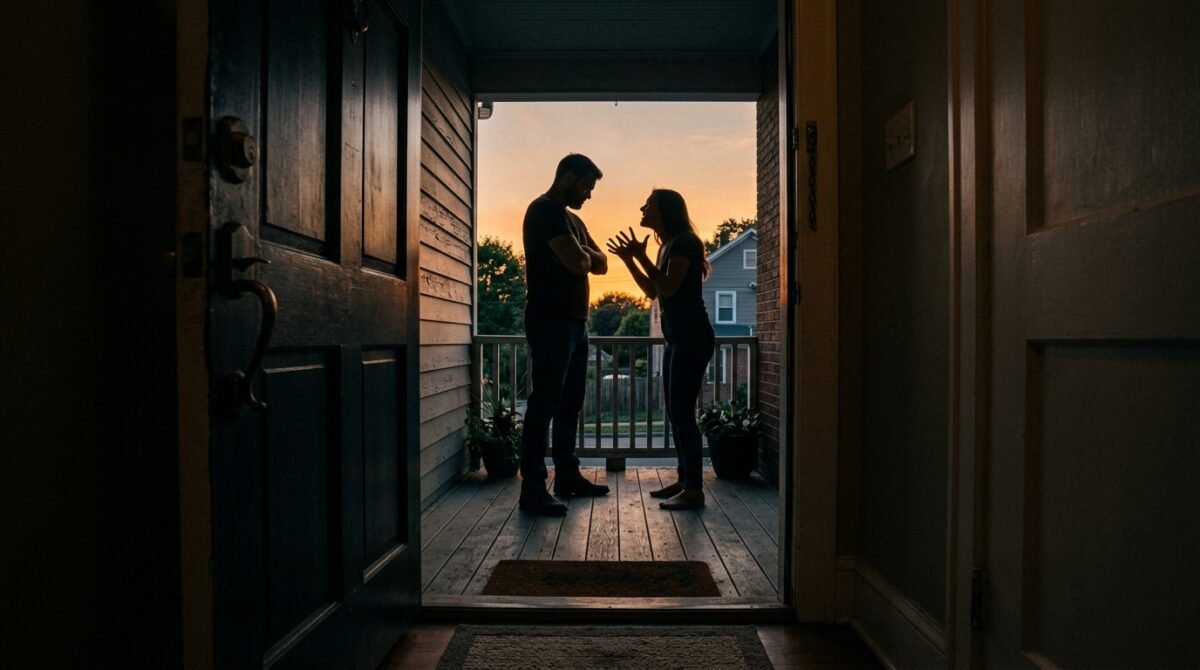
I knew they would come eventually. On Sunday, just as the sun was beginning to dip, a car pulled into my driveway. It was my father’s sedan. I watched from the window as he stepped out, followed by my mother. They looked tired, disheveled, and remarkably aggressive. I didn’t go to the door. I waited until they were on my porch, my hand hovering over the doorbell camera’s intercom button.
My mother began to knock, then pound, on the door. My father stood behind her, arms crossed, looking at the windows as if expecting me to emerge and apologize for my ‘bad behavior.’ I activated the speaker, my voice steady, though my hands were shaking uncontrollably. I told them to leave immediately. I told them that if they didn’t vacate my property, I would call the police. The look of sheer shock on my mother’s face was almost comical.
“Open this door right now! Do you have any idea how disrespectful you are being? We are your parents! You are holding our son’s life in your hands and you’re acting like a spoiled brat!”
— My Mother, screaming at the front door
My father started shouting about ‘family duty’ and ‘disgrace.’ He mentioned my grandmother, my childhood, and everything in between, trying to guilt-trip me into opening the door. I didn’t engage. I just repeated my request: leave, or the police would be called. The irony of them calling me disrespectful while standing on my porch, demanding my property for a gambling addict, was not lost on me. It was the ultimate display of entitlement.
When I finally pulled out my phone and dialed the police non-emergency line, they realized I wasn’t bluffing. The look on their faces shifted from anger to confusion, then to pure, unadulterated venom. They spent another five minutes shouting insults, calling me names, and threatening me with ‘consequences,’ before finally turning back to their car. I watched them drive away, feeling a strange mix of sorrow and relief.
That night, I didn’t cry. I sat on my couch, feeling the emptiness of the house around me, and realized that for the first time in my life, I was truly alone—and it was the best feeling in the world. I wasn’t alone because I lacked people; I was alone because I had cleared the space for my own life. The toxicity had been removed, and the silence was no longer heavy; it was peaceful. I had finally prioritized myself, and the world hadn’t ended.
The Fallout and the Whispering Campaign

The week that followed was a blur of notifications and blocked calls. I had taken the step of alerting my HR department that I might have some personal ‘trouble’ coming their way, and they were incredibly supportive. They understood that family issues can sometimes spill into professional spaces and helped me set up a protocol to ensure I wasn’t bothered at my desk. Meanwhile, my aunts and uncles began to reach out.
It was clear that my parents had been busy. They had spun a narrative where I was the villain—the cold, ungrateful daughter who refused to help her brother when he was in ‘dire need.’ My phone became a repository for messages from relatives I hadn’t spoken to in years, all of them telling me that I should ‘just listen’ to my parents and ‘try to understand’ Julian’s situation.
“I don’t know what happened between you and your parents, but family is family. You have a good job and a home, while Julian is suffering. Just give them the paperwork. It’s the right thing to do.”
— My Aunt, via Facebook Message
I didn’t argue with them. I didn’t try to explain the gambling, the threats, or the attempted sabotage. I simply replied that I was not comfortable discussing my personal finances or my family’s private matters with anyone else. The more I stayed silent and refused to play the game, the more frustrated my parents became. They wanted a public spectacle; I was giving them nothing but a locked door.
It was exhausting, though. Every time a cousin or an uncle reached out, I had to relive the decision all over again. I had to weigh their opinions against my own convictions, and it took a mental toll. I found myself doubting my decision at 3:00 AM, wondering if I was indeed the ‘villain’ they painted me to be. But then I would look at my bank account, look at my home, and remember the life I had worked so hard to build. I remembered the gambling. I remembered the threat to my career. And I knew I was right.
Eventually, the messages slowed down. People realized that I wasn’t going to change my mind, and more importantly, that I wasn’t going to defend myself in the court of public opinion. My silence, which I had feared would look like guilt, turned out to be my greatest defense. It showed that I was detached, that I was no longer playing their game, and that I was completely, unapologetically, in control of my own narrative.
The Legal Reality Check

I knew I needed to cover my bases legally. I consulted with a real estate attorney just to make sure there was no way my parents or my brother could force a lien on my home. The attorney, a stern woman with a no-nonsense attitude, looked over my documentation and assured me that unless I signed anything, my property was effectively bulletproof. She even drafted a ‘cease and desist’ letter for me to have on hand, should the situation escalate further.
She explained the mechanics of the pressure they were applying. It wasn’t just about the money; it was about the ‘control.’ By forcing me to put up my home, they would have a stake in my life—a leverage point that they could use to dictate my future decisions. If I failed to comply, they would have a reason to hold it against me forever. It was a classic trap, and seeing the legal framework of their ‘request’ only confirmed my decision to go no-contact.
“They are looking for a tether. Once you provide collateral, you are effectively chained to your brother’s financial failures. You are not just risking your house; you are risking your independence. Keep that door closed.”
— My Attorney, during our consultation
The consultation gave me a massive amount of peace of mind. It turned out that the ‘urgent’ paperwork my mother had been pushing was far more complicated than she had let on. It wouldn’t just have been a ‘temporary’ fix; it would have placed my home in a legal position that would have made it nearly impossible to sell or refinance without my brother’s creditors getting a say. The scope of their deception was even worse than I had initially thought.
I felt a surge of anger, not just at my parents, but at the entire system that allowed this kind of manipulation to happen in the first place. My brother, in his desperation, had clearly been feeding them all sorts of misinformation about what was ‘possible’ with my house, and they had just swallowed it whole because it meant they didn’t have to face the consequences of his actions themselves. It was pathetic.
I kept the attorney’s contact information close, but I also started looking into therapy. I realized that while I had successfully blocked them, I still carried the emotional baggage of being the child who was never ‘good enough’ or ‘helpful enough.’ The no-contact status was the first step, but the second step was healing from the years of conditioning that had led me to this point. I was finally starting to see the forest for the trees.
The Reddit Community Weighs In
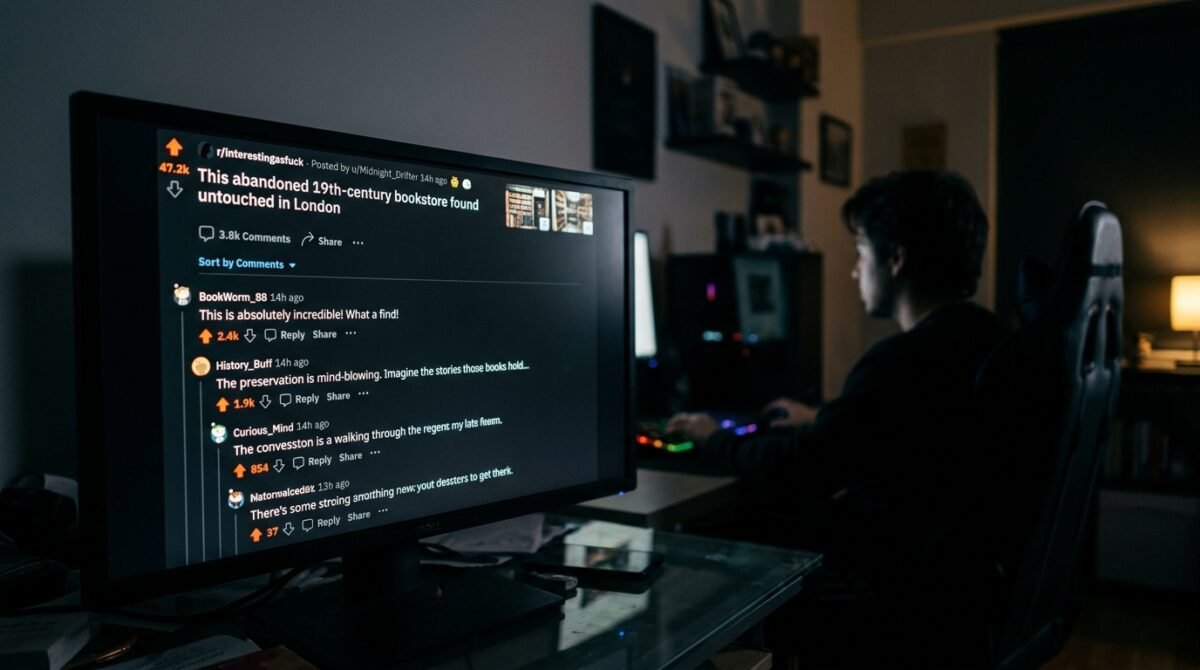
I eventually decided to share my story on a popular forum, wanting to see if I was truly as ‘cold-hearted’ as my mother claimed. I expected a mix of opinions, but what I received was a landslide of validation that I hadn’t even known I needed. Hundreds of people, some with similar family dynamics, shared their experiences and offered advice on how to maintain my boundaries during the fallout.
“NTA. Your home is not a community bank for your brother’s bad decisions. The fact that they tried to target your job and your reputation shows they don’t see you as a person, but as a resource. Block them all and never look back.”
— u/FamilyBoundariesRule (Top Comment, 32.5k upvotes)
“My brother gambled away his inheritance and my parents tried to do the exact same thing to me. It never ends with ‘just this one time.’ You are doing the right thing for your future. Keep your house, lose the family.”
— u/BurnedByBlood (15.2k upvotes)
Reading these comments was like a warm blanket. I realized that my situation, while traumatic, was not unique. There were thousands of people out there who had been forced to make the same impossible choice, and the vast majority of them agreed that once a family member starts using your stability as a gambling chip, the relationship is fundamentally broken.
It helped me realize that the guilt I felt was a conditioned response. For years, I had been trained to believe that my worth was tied to my utility to my family. Seeing this reflected in the stories of others helped me separate my own identity from their expectations. I was not a bad daughter; I was a person who recognized when a boundary had been crossed and had the strength to defend it.
The community also provided practical tips: how to freeze my credit, how to ensure my utilities were secure, and even how to handle future interactions with extended family. It turned out that by sharing my story, I had not only validated my own choices but had also found a community of people who were navigating the same path. I wasn’t just surviving; I was learning how to thrive in my own freedom.
Why the Sunday Dinner Table Went Completely Silent

Months later, I was forced to attend a mandatory family event—my cousin’s engagement party. I had considered not going, but I decided that I wouldn’t let my parents dictate my social calendar. I walked in, dressed in a sharp dress, head held high, and immediately saw the tension ripple through the room. My parents were there, and when they saw me, the entire table seemed to go silent.
It was a surreal experience. People who had been texting me about my ‘selfishness’ months ago were now staring at me with a mix of curiosity and discomfort. I walked up to the bar, ordered a drink, and made light conversation with my cousins, refusing to acknowledge my parents’ presence. They tried to stare me down from across the room, but I simply looked through them, as if they were part of the furniture.
“I see you’re doing well for yourself. Shame you couldn’t find the time to help your own blood when it mattered most, isn’t it?”
— My Father, approaching me at the bar
I didn’t lose my cool. I turned to him, looked him straight in the eyes, and replied in a calm, flat tone. I told him that I was there to celebrate my cousin, and if he couldn’t keep his personal grievances to himself, I would leave immediately. The look of disbelief on his face was satisfying, but not in the way I expected. It wasn’t a triumph; it was just a conclusion.
The room remained heavy with the tension of the standoff. Some of my relatives tried to intervene, but I shut them down politely. I wasn’t there for a debate. I was there to exist as myself. After an hour, I left. I didn’t say goodbye to my parents. I didn’t need to. I had successfully navigated the most awkward social situation of my life without yielding an inch of my ground.
Driving home, I realized that I had changed more than they had. They were still trapped in the same loop, still trying to control me, still enabling Julian. I, however, had broken the cycle. The silence at the table hadn’t been about me being ‘wrong’; it had been about them realizing that I was no longer a player in their game. And that, I realized, was the only victory that mattered.
The Finality of the No-Contact Decision

A year has passed since that night. I have not spoken to my parents or my brother. The no-contact order is as firm as it was on day one. I have since changed my phone number, moved to a new part of the city, and secured my financial life in ways that make me untouchable. I have found a new sense of peace, one that isn’t dependent on their approval or their understanding.
Sometimes, I still wonder about them. I wonder if my brother ever got the help he needed, or if my parents are still waiting for me to ‘come to my senses.’ But those thoughts are fleeting. They are no longer my responsibility. I have realized that the greatest act of love I could show them—and myself—was to stop enabling the destruction of our family unit.
“You can’t set yourself on fire to keep others warm, especially when they’re the ones who brought the gasoline and the matches.”
— My therapist, during our last session
I have started to focus on building my own family—a family of friends, mentors, and partners who respect my boundaries and value me for who I am, not what I can provide for them. It is a slow process, but it is a beautiful one. My home is now truly my own, a place of safety and joy, and every time I walk through the door, I am reminded of the strength it took to claim it.
If you are in a similar situation, know this: you are not obligated to save people who are actively trying to drown you. Your life, your home, and your stability are yours, and you have every right to protect them. It is not ‘selfish’ to choose your own health and safety; it is the most fundamental duty you have to yourself.
My journey isn’t over, but I am finally the protagonist of my own story. I am no longer the ‘sensible daughter’ or the ‘golden child’s safety net.’ I am just me. And for the first time, that is more than enough. I hope that by sharing this, someone else finds the strength to lock their doors, turn off their phones, and reclaim their life from the people who think they own it.
Conclusion
The story of my family is one that is, unfortunately, common. It is the story of expectation, entitlement, and the devastating impact of addiction on those who are tasked with being the ‘support system.’ By choosing to go no-contact, I didn’t just walk away from my parents; I walked away from a version of myself that existed only to serve the needs of others. It was a painful transformation, but it was necessary for my own survival.
We are often told that family is everything, but we rarely talk about the cost of that ‘everything.’ When family becomes a source of sabotage rather than support, we have to recognize that the bond is no longer a source of strength—it’s a shackle. I chose my freedom over the illusion of family, and I would make that choice again in a heartbeat.
To those who are currently standing at this same crossroads: you are not wrong for wanting to keep your life intact. You are not a ‘bad person’ for saying no to unreasonable demands. Take the time to look at your own life and ask yourself: are you living for you, or are you living to sustain someone else’s dysfunction? The answer might be the most difficult thing you ever face, but it will also be the most liberating.
What would you have done in my position? Have you ever had to cut contact with a family member over financial abuse or boundaries? Share your thoughts and experiences in the comments below—let’s start a conversation about what it really means to set boundaries with the people who raised us.
What's your verdict on this dilemma?
Vote below to contribute to the official community consensus.

Have a Dilemma Keeping You Up at Night?
Share your real-life feud, wedding chaos, or relationship crossroads anonymously with our editorial team.
What do you think ?
0 Comments🛡️ Comments are moderated to protect community integrity. Your comment will appear once approved by the editorial team.